RETHINKING THE AUSTRALIAN SUBURB AS BLOCK SIZES SHRINK
Brickworks has enlisted acclaimed architecture studio Kennedy Nolan to explore how homes could become more adaptable, energy-efficient and connected to community.
 2 min
2 min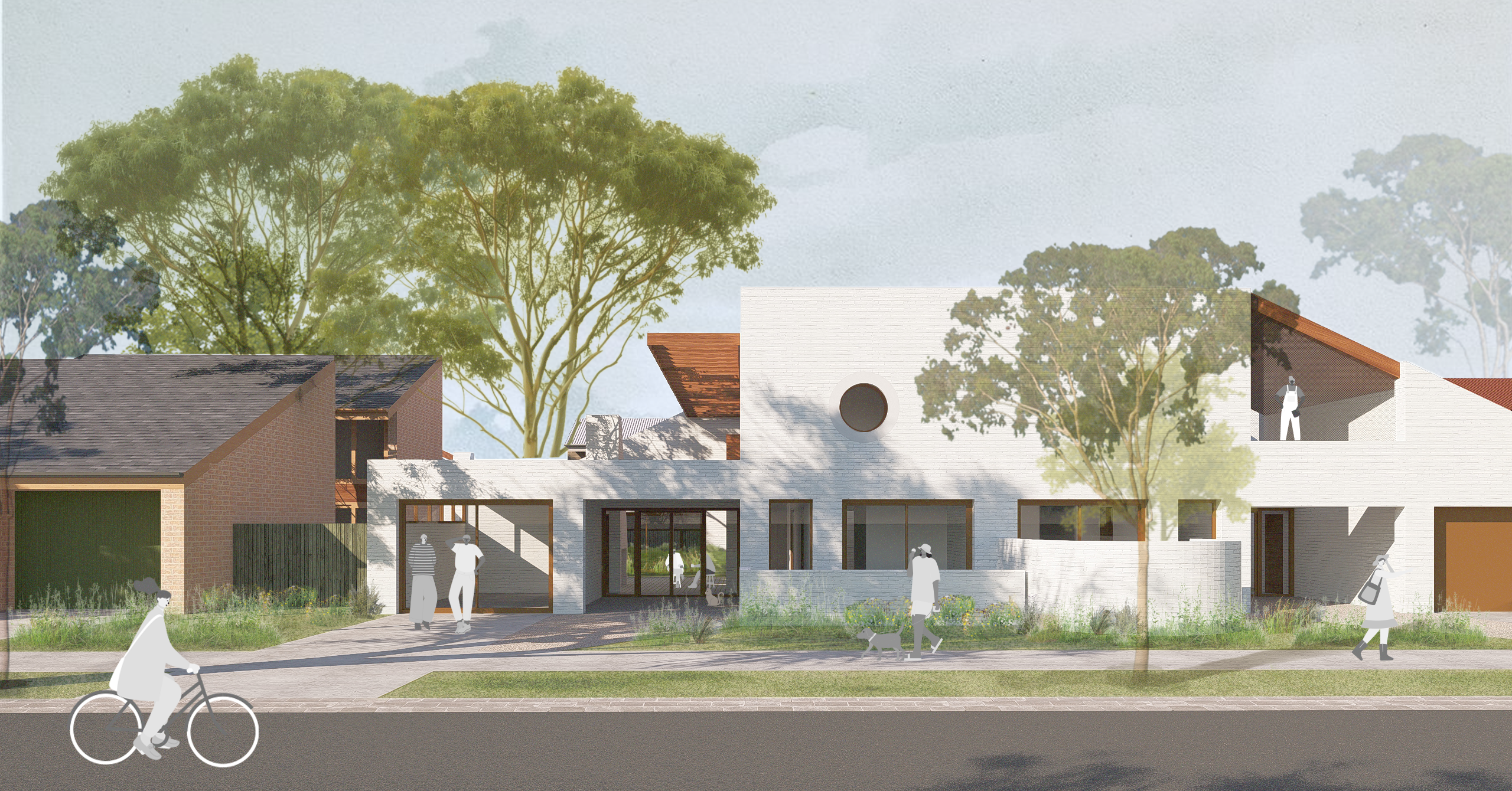
Australia’s housing debate is often dominated by affordability and supply, but a new collaboration between Brickworks and acclaimed architecture firm Kennedy Nolan argues the conversation should also focus on the quality and longevity of the homes being built.
The project, titled Our Next Neighbourhood, examines how suburban housing could evolve in response to shrinking block sizes, rising energy costs, increasing density and changing family structures.
Rather than proposing luxury dream homes, the initiative focuses on what its creators describe as achievable suburban housing models that are more flexible, sustainable, and better suited to modern Australian life.
Brickworks commissioned Kennedy Nolan to investigate what suburban housing might look like if “design, long-term liveability and enduring materials were placed at the centre of the conversation”.
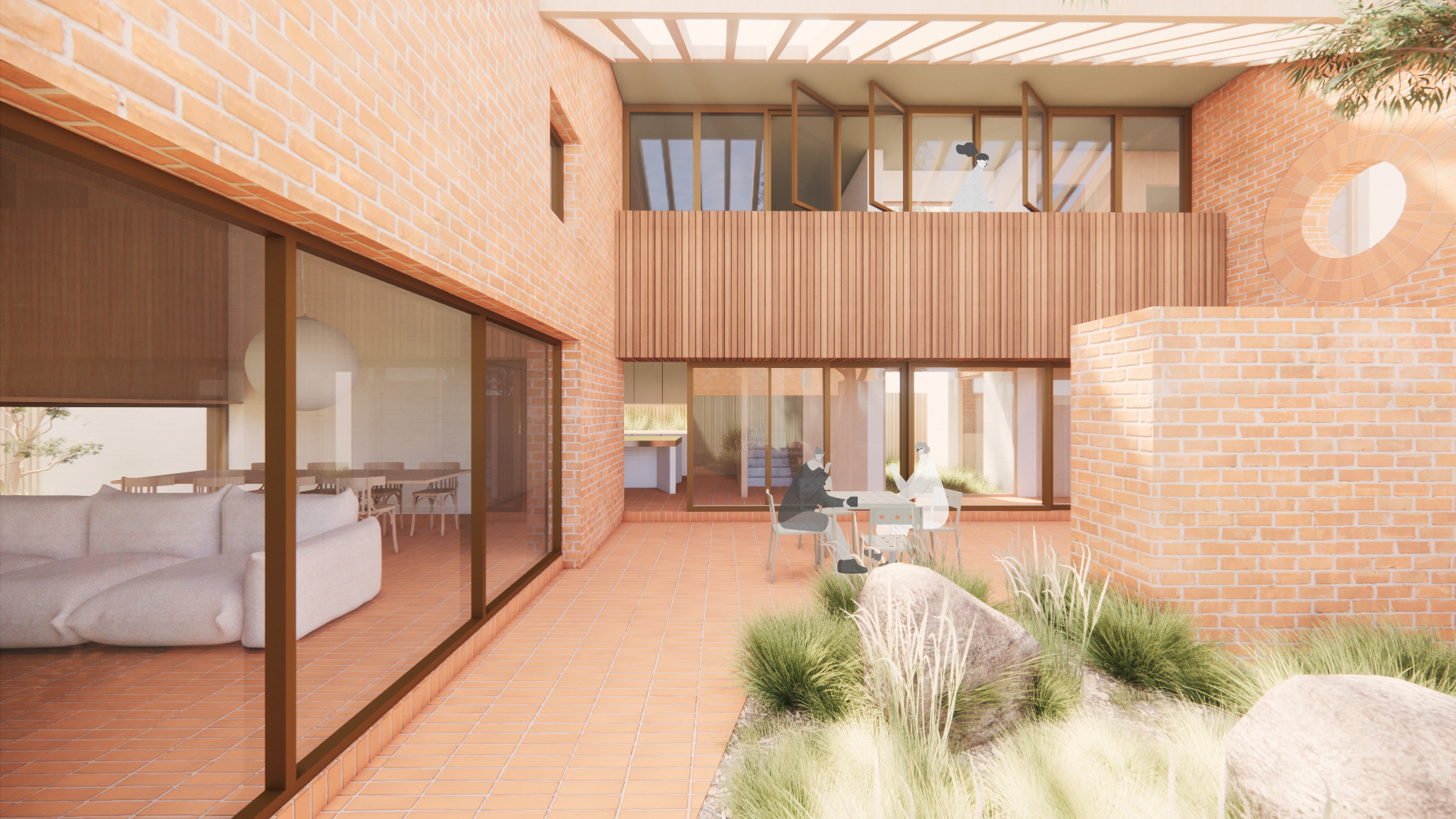
The result is two housing concepts, known as the Street Terrace and Canopy Terrace, which explore higher-density living while maintaining access to green space, natural light and privacy.
The designs incorporate adaptable floorplans that can evolve as family needs change, along with passive design principles intended to reduce reliance on mechanical heating and cooling.
Brett Ward, General Manager of Marketing at Brickworks, said the company wanted to broaden the discussion around housing beyond simply increasing supply.
“Much of the housing conversation today is understandably focused on supply and affordability, but there is an equally important discussion to be had about the quality and longevity of the homes we build,” he said.
“We wanted to explore how thoughtful design, combined with durable, resilient materials, could create homes that not only function well today, but continue to support Australian families and communities long into the future.”
Kennedy Nolan said the project was partly inspired by concerns that contemporary housing often struggles to adapt to changing household structures and environmental pressures.
The architects said innovation in suburban housing was “essential” to address changing family groupings, energy use, urban heat island effects and growing disconnection from place.
According to the design team, the concepts draw on lessons from some of Australia’s most influential housing projects while seeking to create neighbourhoods with stronger links to landscape, community and local identity.
Rachel Nolan, founder of Kennedy Nolan, said the practice saw an opportunity to reimagine suburban housing as something “more connected to our climate, our landscape, our communities and our Australian identity”.
The project comes as policymakers, developers and planners continue searching for ways to deliver more housing without sacrificing liveability, neighbourhood character or long-term sustainability.

Victorian auction buyers will soon receive a piece of information that has traditionally been withheld until bidding reaches it: the vendor’s reserve price. Under new property-sale and underquoting laws, agents must publish the agreed reserve at least seven days before an auction or fixed-date sale. Most changes begin on 1 October 2026 and apply to …
Continue reading “Victoria’s New Auction Rules Will Force Reserve Prices Into the Open”

Four decks, 34.5 metres and a made-to-measure interior: step aboard the new Custom Line Navetta 35, unveiled at Cannes.

New detached-home sales fell 10% nationally in August, led by a 27% decline in Victoria, raising concerns about construction starts in 2027.
2 min
Australia’s hoped-for recovery in housing construction is losing momentum before it has had time to close the national supply gap.
Sales of new detached homes fell 10 per cent nationally in August, according to the Housing Industry Association’s survey of major volume builders across the five largest mainland states. It was the fourth consecutive monthly decline.
The fall was broad rather than isolated. Victoria recorded the largest retreat, down 27 per cent, followed by Queensland at 20.2 per cent, New South Wales at 17.5 per cent, South Australia at 10.8 per cent and Western Australia at 8.2 per cent.
Across the three months to August, sales were 19.3 per cent below the preceding three-month period and 7.7 per cent lower than the equivalent period a year earlier.
New-home sales matter beyond the immediate fortunes of volume builders. They are an early indicator of future starts: buyers sign contracts, finance is finalised, approvals are secured and construction follows months later. A sustained sales decline during the middle of 2026 is therefore likely to weaken commencements during 2027.
The slowdown reflects the collision of several pressures. Households have absorbed multiple interest-rate rises, reducing borrowing capacity and increasing the repayment cost attached to a new build. Established-home prices have softened in some markets, weakening the relative appeal of waiting through a construction period. Builders continue to face elevated labour and material costs.
The Reserve Bank’s August analysis showed new-dwelling construction prices increased 1.8 per cent during the June quarter and 5.3 per cent over the year. It attributed part of the pressure to oil-derived building products and other conflict-related costs.
Policy uncertainty can also cause buyers and investors to defer large commitments. But the precise contribution of any single tax or regulatory change is difficult to isolate from rates, confidence, land prices and construction costs. The HIA survey should be read as an indicator from large builders rather than a complete count of every dwelling sale.
The figures complicate progress towards the Housing Accord target of 1.2 million homes. The National Housing Supply and Affordability Council reported 308,000 completions since the Accord began and 244,000 dwellings under construction in the March quarter. Approvals and commencements had improved, but falling sales risk undermining the next wave.
For developers and governments, the warning is that planning approvals alone do not create homes. Projects need finance, viable construction pricing and buyers able to settle. If one part fails, approved supply can remain on paper.
Data box
National August new-home sales: Down 10 per cent
Three months to August: Down 19.3 per cent from the preceding three months
Year-on-year three-month comparison: Down 7.7 per cent
Victoria: Down 27 per cent
Queensland: Down 20.2 per cent
New South Wales: Down 17.5 per cent
South Australia: Down 10.8 per cent
Western Australia: Down 8.2 per cent

International AI strategist Justin Kabbani will headline the Kanebridge Property Summit in Sydney on June 18, with tickets selling fast.

BMW has unveiled the Neue Klasse in Munich, marking its biggest investment to date and a new era of electrification, digitalisation and sustainable design.