Porsche Gives the Electric Taycan the Sensation of Changing Gears
 2 min
2 min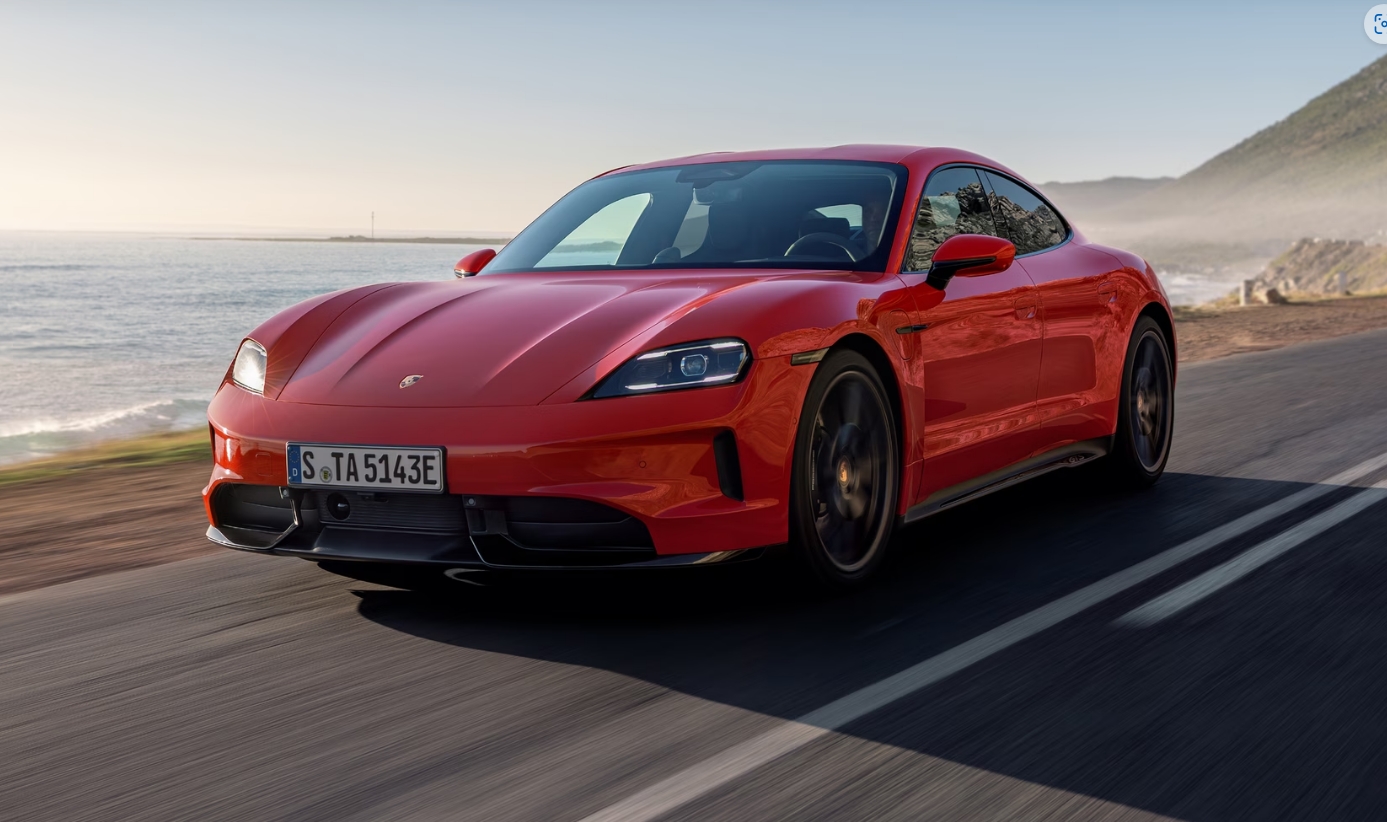
Electric performance cars are extraordinarily fast, but their seamless acceleration can remove some of the rhythm drivers associate with speed. Porsche’s latest Taycan update tackles that emotional gap with an available system that simulates the sensation of changing gears.
Called E-Shift, the feature coordinates virtual gear changes with a more expressive version of Porsche Electric Sport Sound. It does not add a conventional multi-speed gearbox. Instead, software manipulates sound and power delivery to create discernible stages under acceleration, giving the driver more sensory markers as speed builds.
The idea will divide purists. Some will see simulated shifts as theatre that undermines the mechanical honesty of an electric drivetrain. Others will welcome a layer of interaction in a car whose performance can otherwise feel clinically linear. The important point is that Porsche is making the experience optional rather than defining electric performance through one mode.
The model-year changes extend beyond sound. Porsche is introducing a new generation of infotainment with updated operation, improved smartphone integration, intelligent navigation and voice control supported by artificial intelligence. As with any connected system, Australian buyers should confirm which functions operate locally, whether subscriptions apply and how long software support is promised.
The update also reflects a broader industry problem. Luxury EVs cannot compete indefinitely on acceleration alone; immense straight-line performance has become relatively common. Brands increasingly need to differentiate through chassis behaviour, software, sound, personalisation and the way a car communicates with its driver.
For Porsche, that communication has historically involved engine speed, gear selection, steering weight and braking feel. E-Shift attempts to translate part of that vocabulary into an electric platform without pretending an internal-combustion engine remains underneath.
Prospective buyers should test the system rather than judging it from specifications. Virtual shifts that feel entertaining for ten minutes may become tiring on a commute, while a well-calibrated mode could make a familiar road more engaging. The ability to return to smooth, uninterrupted electric acceleration will be essential.
Porsche’s decision reveals where the next phase of high-end EV development is heading. The engineering contest is no longer only about making electric cars quicker. It is about giving drivers reasons to feel involved once speed itself is no longer novel.
Fact box
– Model: Updated Porsche Taycan range
– New feature: Available E-Shift virtual gear-change system
– Sound: Enhanced Porsche Electric Sport Sound
– Technology: New infotainment generation, enhanced smartphone integration, AI-assisted voice control and intelligent navigation
– Australian specification, price and timing: Confirm with Porsche Cars Australia
Australian shares fell on Thursday as Wall Street weakness, rising oil and persistent rate concerns weighed on most of the market. The S&P/ASX 200 declined 0.72 per cent to 8,702. The All Ordinaries lost 0.66 per cent to finish at 8,897. Mining stocks were hit particularly hard, while real estate also dragged on the index. …
Continue reading “ASX falls 0.7 per cent as miners and property stocks retreat”

Borrowers cannot control the Reserve Bank, but they can control how exposed their household budget is to its next decision. The RBA meets on 29 September with inflation concerns still elevated and major-bank economists increasingly bringing forward their rate-rise calls. Fixed mortgage rates have also been moving, reducing the value of waiting for perfect certainty. …
Continue reading “What mortgage holders should do before the next RBA decision”
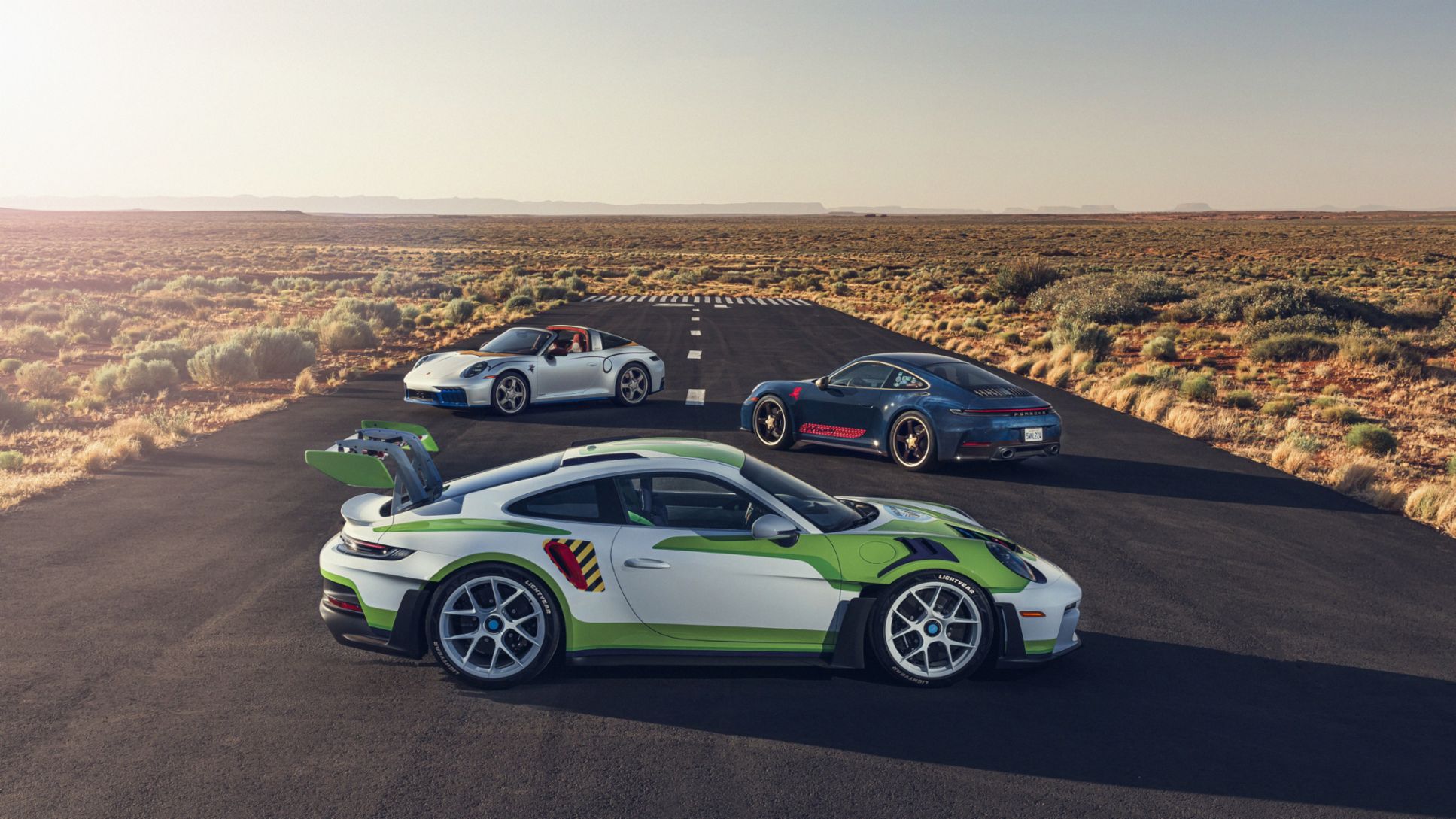
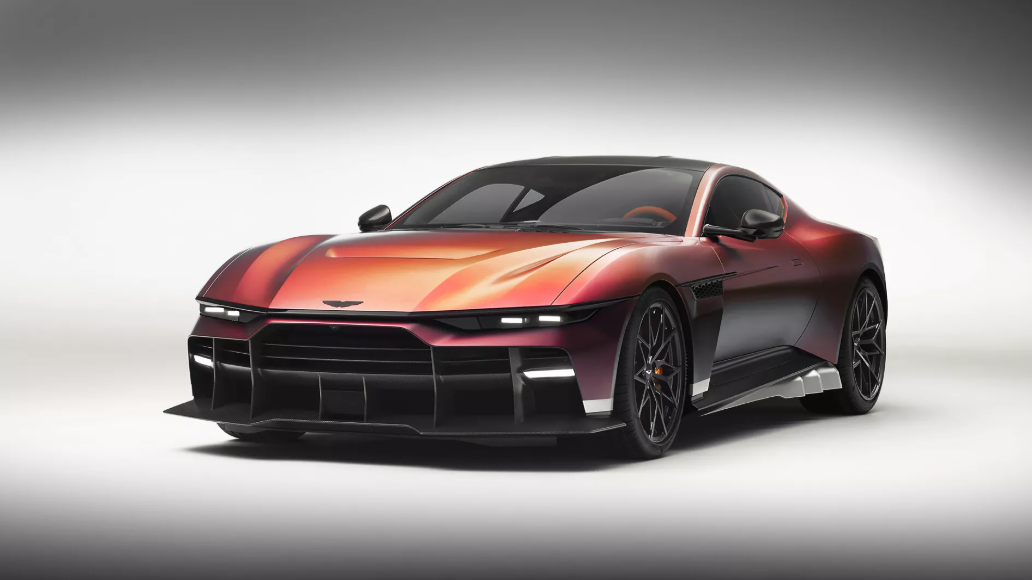
BMW has reworked its flagship sedan around Neue Klasse technology, an 8K rear screen and extensive customisation.
2 min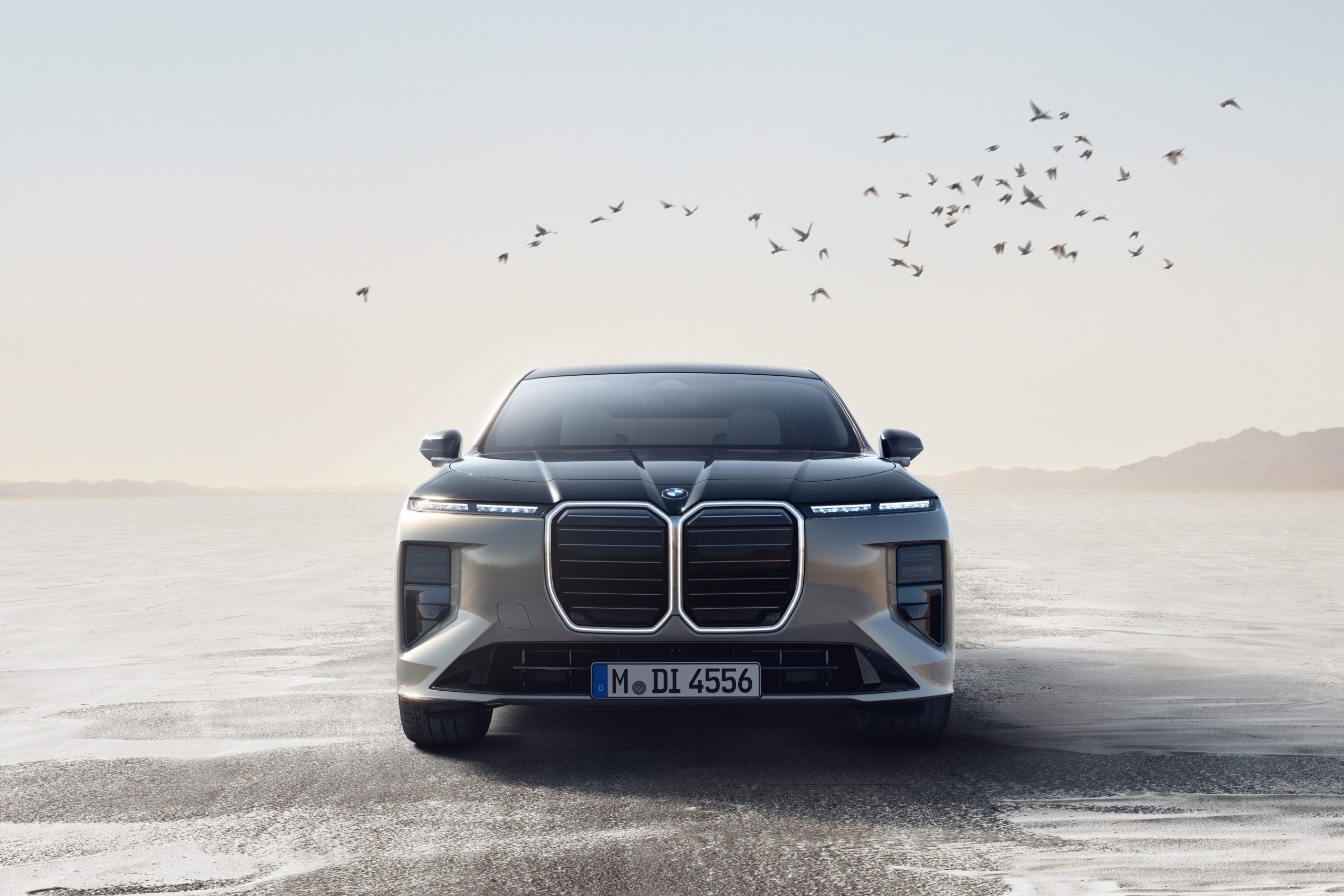
The luxury sedan may no longer dominate the prestige market, but BMW is betting that its most traditional flagship can become the clearest showcase of its newest technology.
The new-generation 7 Series introduces Neue Klasse systems to BMW’s luxury range, combining a fresh design language with upgraded electric hardware and a cabin built around multiple digital surfaces.
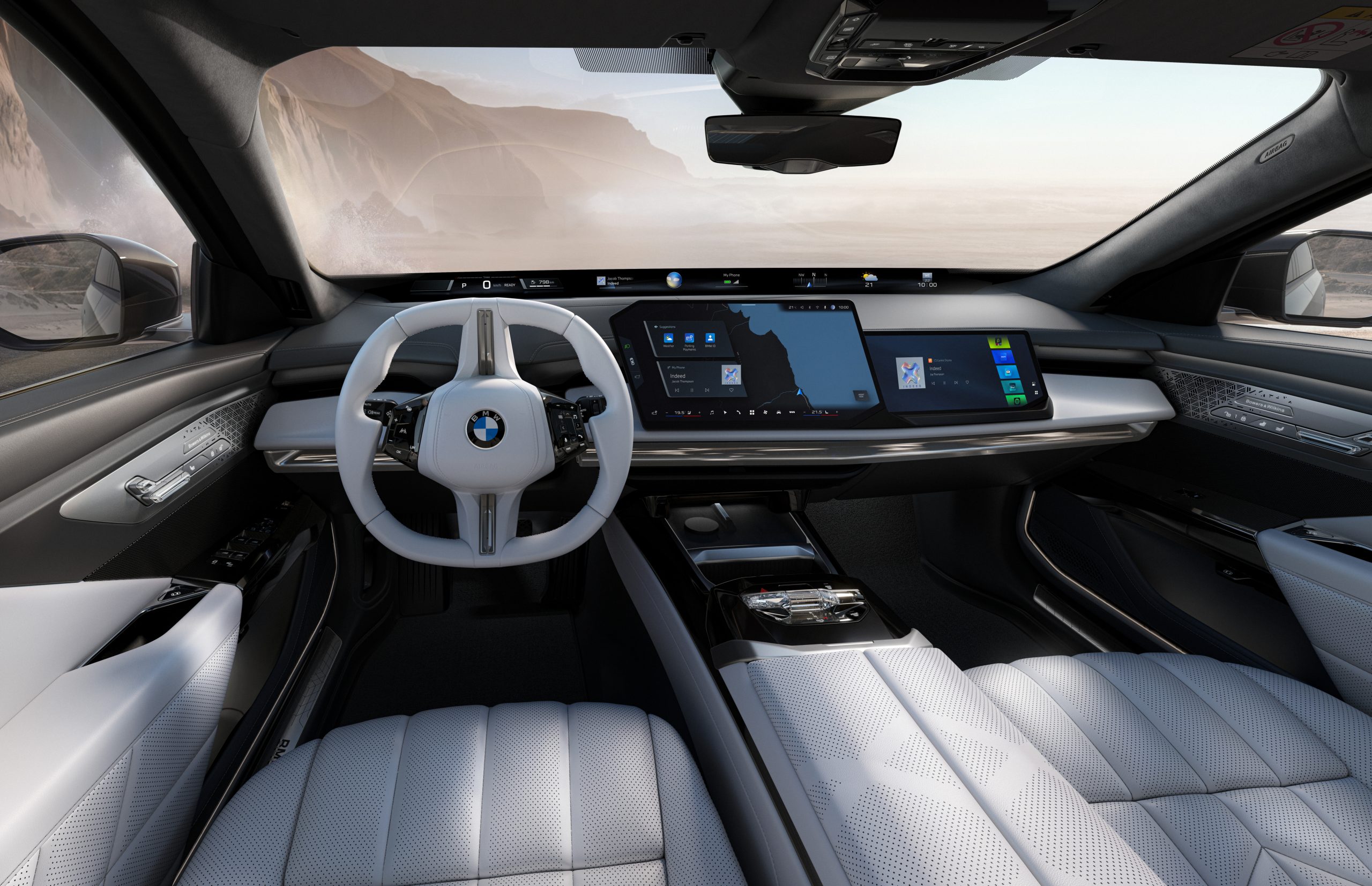
The headline interior technology is BMW Panoramic iDrive, supported by the marque’s Operating System X. A passenger display joins the dashboard, while the vast 31.3-inch rear Theatre Screen has been upgraded with 8K resolution, Dolby Atmos capability and integrated video conferencing. It is an unusually literal interpretation of the executive car as a mobile office and private cinema.
Electric i7 variants lead the rollout in some markets. BMW says its sixth-generation cylindrical battery cells improve energy density and range, with the i7 50 xDrive quoted at up to 452 miles on the WLTP cycle in UK specification. Combustion and plug-in hybrid versions remain part of the broader range, allowing BMW to serve markets moving towards electrification at different speeds.
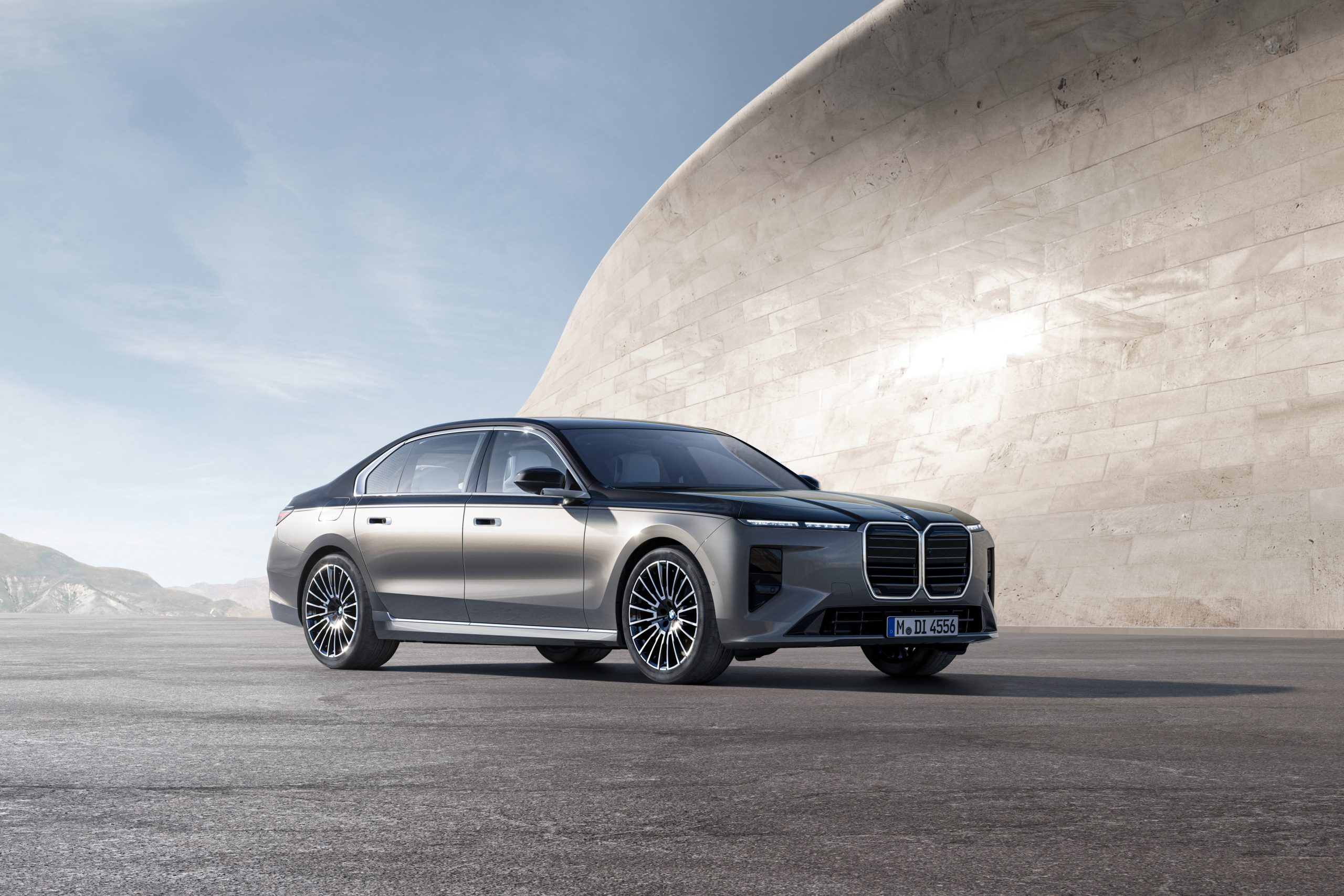
The exterior introduces a more monolithic face, minimalist crystal headlights and an illuminated interpretation of the kidney grille. Buyers who want greater individuality can access an expanded BMW Individual palette with hundreds of possible combinations, including a dual-finish paint process described by the company as a world first.
The model will be produced at BMW Group Plant Dingolfing in Germany, where all drivetrains can be assembled on the same line. That flexibility matters: the upper-luxury segment has global reach, but demand for electric, hybrid and combustion power varies sharply by region.
For Australian buyers, the decisive details remain local. Model mix, pricing, range certification, charging specifications and delivery timing should be confirmed by BMW Australia before publication. Overseas specifications provide the clearest view yet of the car’s direction, but should not be presented as guaranteed Australian equipment.
The latest 7 Series is therefore less a single powertrain proposition than a statement of intent. It argues that the prestige sedan can remain relevant by offering something an SUV struggles to replicate: formal presence, rear-seat theatre and the sense that the entire car has been designed around arrival.
Fact box
Model: New-generation BMW 7 Series/i7
Technology: BMW Panoramic iDrive, Operating System X, passenger display
Rear entertainment: 31.3-inch 8K Theatre Screen with available Dolby Atmos
Production: BMW Group Plant Dingolfing, Germany

Margot Robbie and Jacob Elordi star in an adaptation of the classic novel that respects the romance’s slow burn.

From elevated skincare to handcrafted home pieces, this year’s most thoughtful gifts go beyond the expected.