The electric Porsche Cayenne now has supercar numbers
Porsche’s Cayenne Turbo Electric produces up to 1,156PS and reaches 100km/h in a claimed 2.5 seconds.
 5 min
5 min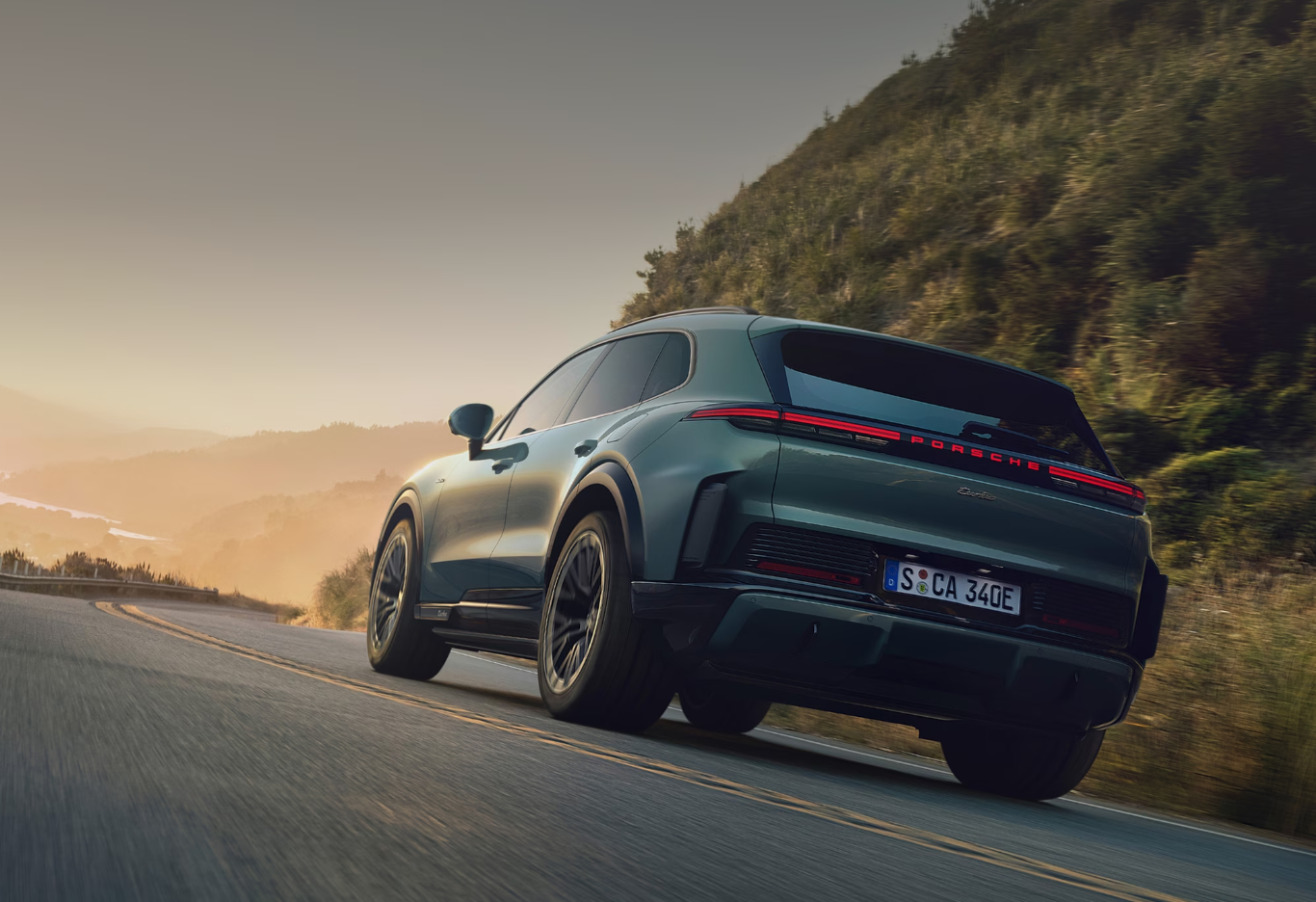
For all the attention Porsche’s move to electric power has generated, perhaps the most surprising number attached to its latest EV isn’t its range or charging speed.
It’s 1,156.
That is the maximum horsepower available from the new Cayenne Turbo Electric, making a large, five-seat family SUV the most powerful production Porsche ever built.
Not a 911. Not a Taycan. Not one of Stuttgart’s limited-production track specials. A Cayenne.
The new flagship produces up to 850kW, or 1,156PS, and 1,500Nm of torque with Launch Control activated, enough to send it from 0–100km/h in just 2.5 seconds.
Keep the accelerator pinned and 200km/h arrives in 7.4 seconds, before the Cayenne eventually reaches its 260km/h top speed. Those numbers put a vehicle capable of carrying five people and their luggage firmly into supercar territory.
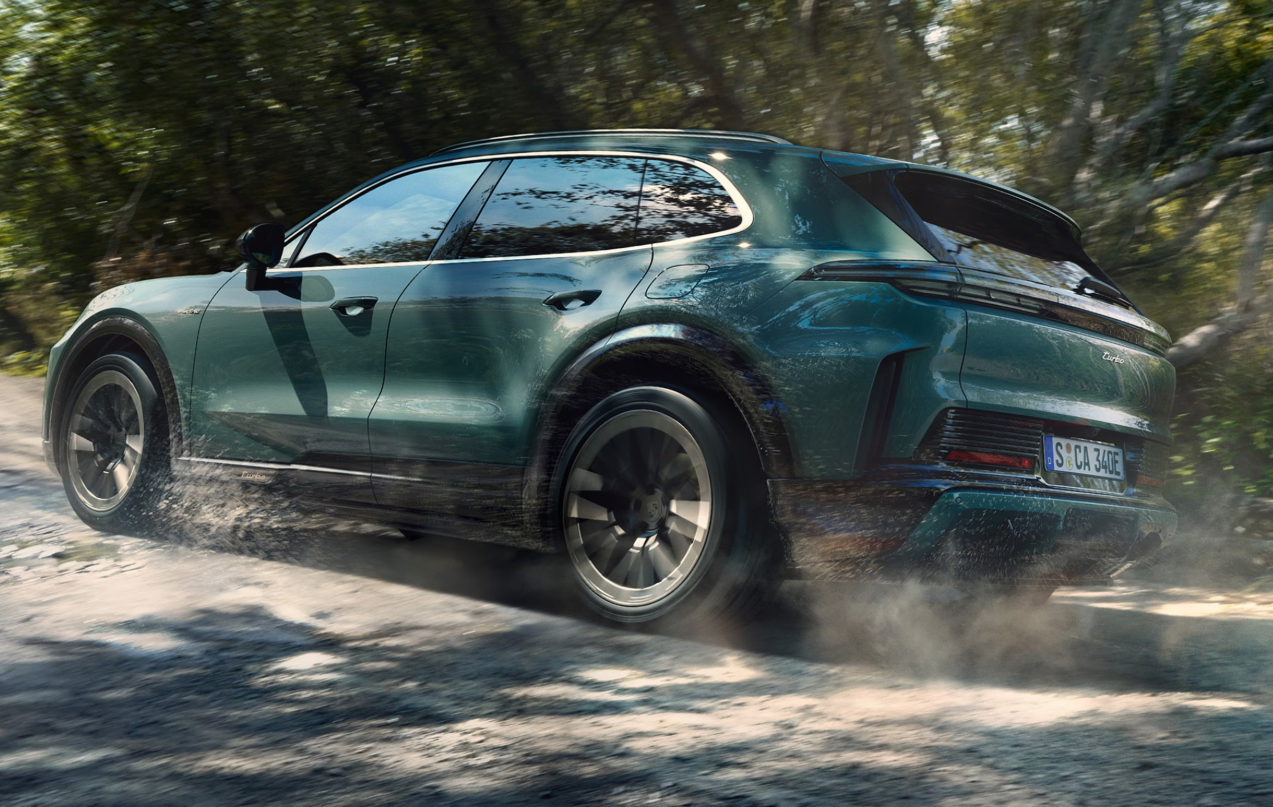
It also represents something of a full-circle moment for the Cayenne.
When Porsche first revealed the original Cayenne more than two decades ago, the idea that the sports car specialist would build an SUV was controversial. It went on to become one of the company’s most important models and helped expand Porsche well beyond the traditional two-door sports car market.
Now the Cayenne is again being used to push Porsche into new territory.
The Cayenne Turbo Electric sits at the top of a growing three-model electric range in Australia, above the Cayenne Electric and Cayenne S Electric. Crucially, Porsche isn’t abandoning combustion power in the process. Petrol and plug-in hybrid versions of the Cayenne continue alongside the new electric generation, giving buyers a choice of powertrains rather than forcing an immediate wholesale transition.
But if the electric Cayenne is supposed to demonstrate what Porsche believes the next generation of its luxury SUV can do, the Turbo is the exclamation point.
In normal driving it produces up to 630kW, or 857PS. A Push-to-Pass function can temporarily add another 130kW for 10 seconds, while the full 850kW is unleashed with Launch Control.
Managing that much performance repeatedly is considerably more complicated than simply fitting powerful electric motors.
Porsche has equipped the rear motor with direct oil cooling, technology derived from motorsport, designed to maintain high continuous power output and efficiency rather than deliver one spectacular acceleration run before heat begins limiting performance.
It is part of the broader engineering challenge facing the new Cayenne.
Porsche hasn’t simply had to make a very fast electric SUV. It has had to make a 1,156PS electric SUV behave like a Porsche.
Adaptive air suspension with Porsche Active Suspension Management is standard, while the Turbo adds Porsche Torque Vectoring Plus. Rear-axle steering, capable of turning the rear wheels by up to five degrees, is optional.
Buyers can also specify Porsche Active Ride, the active suspension technology already seen elsewhere in the Porsche range. The system is designed to almost completely compensate for pitch and roll movements, helping keep the body level under acceleration, braking and cornering. That becomes particularly relevant in a large SUV carrying a substantial battery beneath its floor.
Even braking has been approached differently.
The Cayenne Electric can recover energy at up to 600kW under deceleration, a figure Porsche compares with the recuperation capabilities of its Formula E racing cars. The company says around 97 per cent of everyday braking can consequently be handled by the electric motors without requiring the conventional friction brakes.
For those intending to explore the outer edges of its performance envelope, Porsche Ceramic Composite Brakes remain available on the Turbo.
Then there is the battery.
A 113kWh high-voltage battery sits at the centre of the Cayenne’s new 800-volt electrical architecture. For the Turbo, Porsche quotes a European WLTP range of up to 623 kilometres, although Australian-specific range figures can vary depending on specification and testing.
More impressive is how quickly that battery can theoretically be replenished.
The Cayenne can accept DC charging at up to 390kW under optimal conditions, briefly reaching as much as 400kW under specific circumstances. Porsche says a 10 to 80 per cent charge can take less than 16 minutes when connected to sufficiently powerful infrastructure and with the battery at the appropriate temperature.
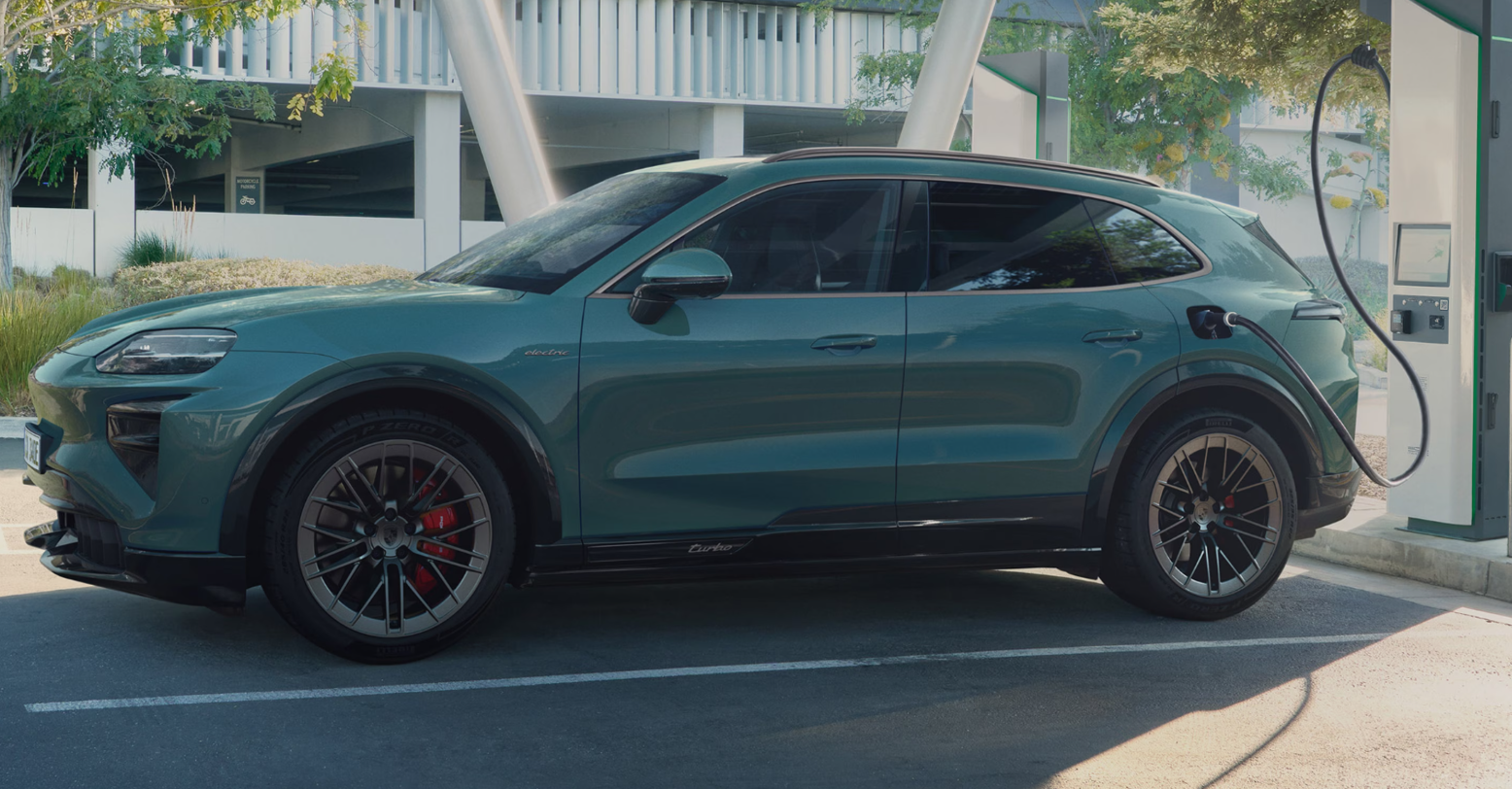
That potentially addresses one of the compromises that has traditionally separated a long-distance electric luxury SUV from its petrol equivalent.
Finding a charger capable of delivering anywhere near 400kW is another matter, particularly in Australia, but the car itself has been engineered with considerably more charging capacity than much of today’s infrastructure can provide.
Porsche is going further at home.
The Cayenne Electric is the first Porsche designed to support optional wireless charging. Rather than plugging the car into a wallbox, owners will eventually be able to park above a floor plate capable of inductively charging the battery at up to 11kW.
The system automatically recognises the vehicle and allows it to lower itself into the appropriate position above the plate. Porsche expects the wireless charging system to become available to order in Australia in the fourth quarter of 2026, with Australian Cayenne Electric models pre-wired to allow it to be retrofitted, unless buyers opt out.
For all those numbers, however, the Cayenne still has to fulfil the role that has made it such an important Porsche for more than 20 years. It needs to be useful.
The electric model is 4,985mm long and rides on a 3,023mm wheelbase, almost 13 centimetres longer between the axles than the combustion-engined Cayenne.
Most of that extra space has been used to improve rear passenger accommodation.
The electrically adjustable rear seats can move between comfort and cargo-oriented positions, while luggage capacity ranges from 781 litres to 1,588 litres. Removing an engine from the front also creates a further 90-litre luggage compartment under the bonnet.
Depending on specification, the Cayenne Electric can tow as much as 3.5 tonnes. It is that collision of figures that perhaps best explains the new Turbo.
This is a vehicle capable of reaching 100km/h in 2.5 seconds and producing 1,500Nm of torque, yet it can also carry a family, swallow more than 1,500 litres of luggage with the rear seats configured for cargo and tow a substantial boat or caravan.
Inside, Porsche has similarly moved the Cayenne further into its digital era.
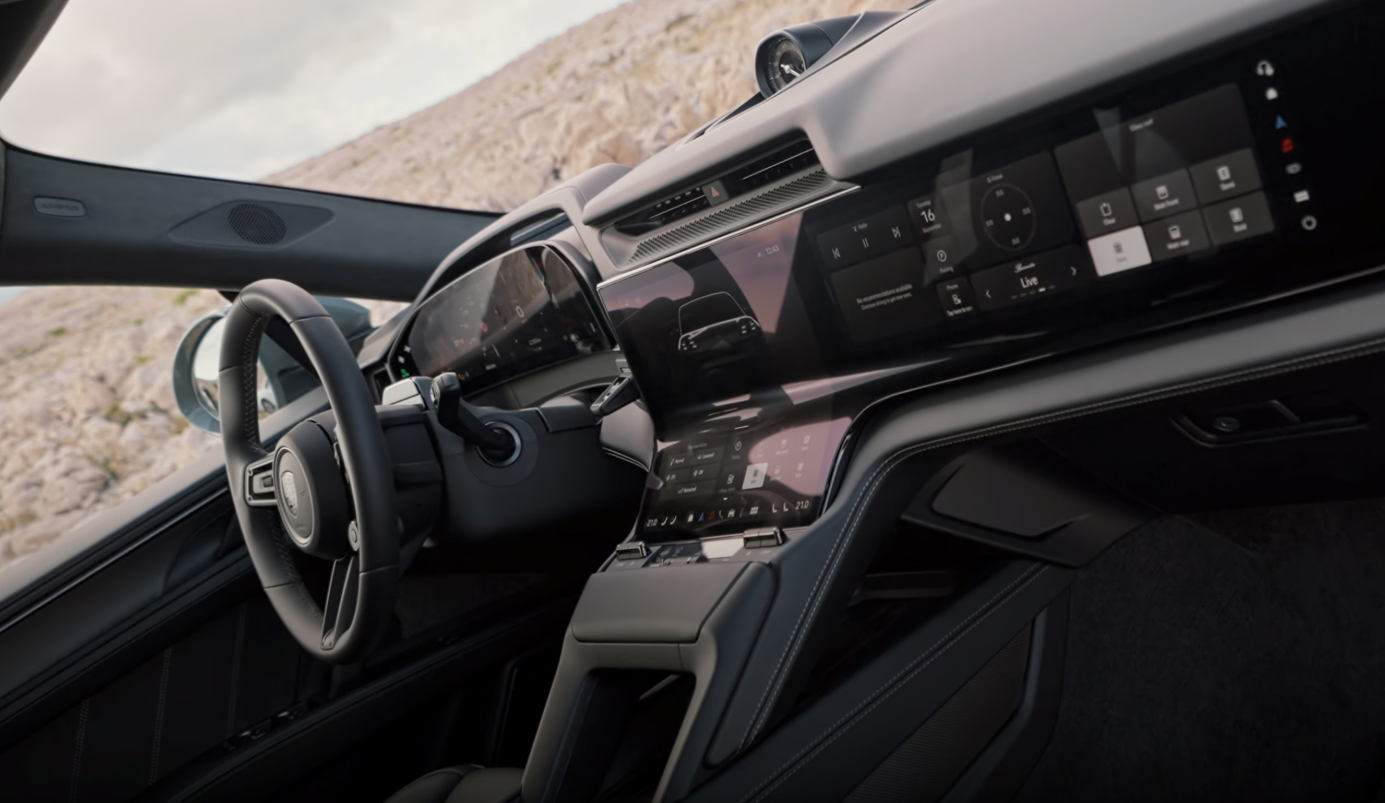
The new Porsche Driver Experience combines a fully digital instrument display with the curved central Flow Display, while a separate passenger display and augmented-reality head-up display are available.
Despite the expansion of screen real estate, Porsche has retained a mixture of digital and physical controls rather than moving every function behind a touchscreen.
Australian Turbo models also receive a generous standard specification, including a panoramic roof, ventilated front seats, four-zone climate control, privacy glass and Porsche’s Parking Entry Package with Surround View and Self-Steering ParkAssist.
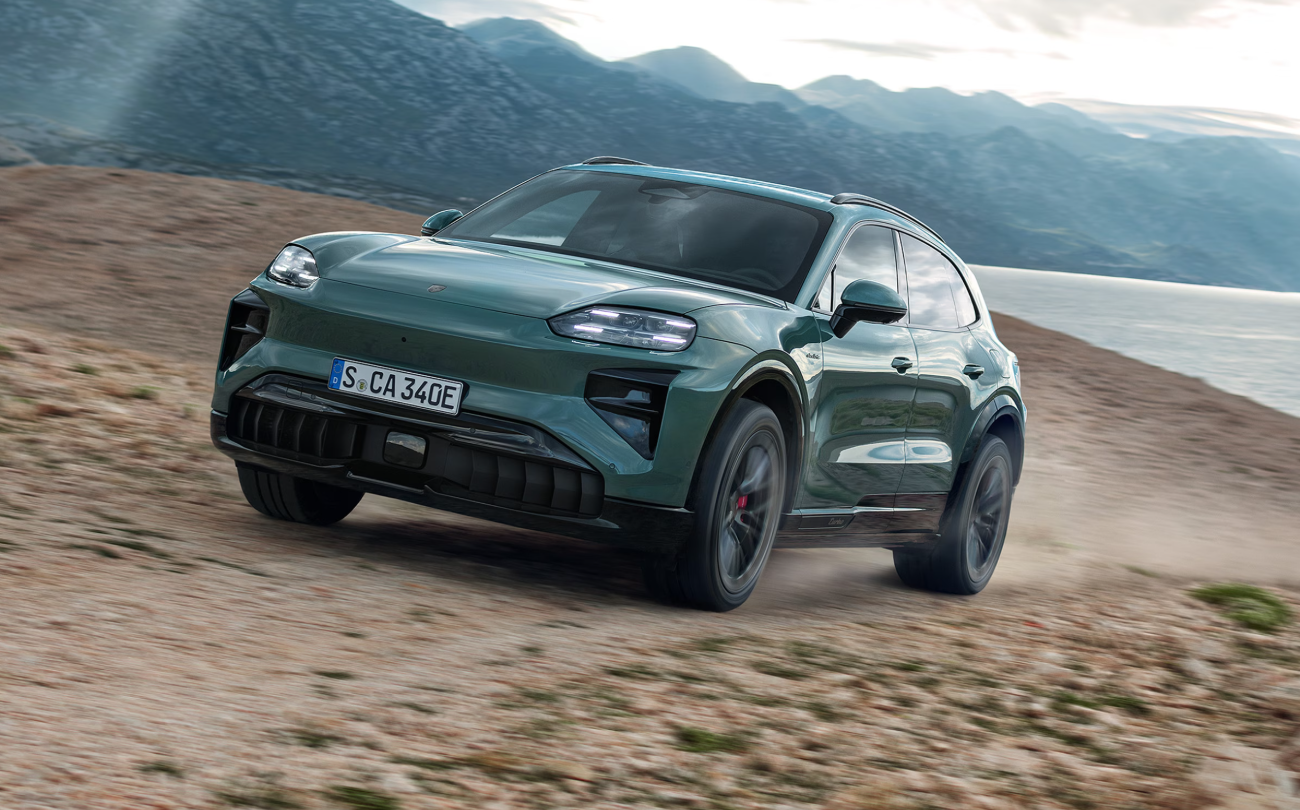
And we now know what all of it will cost.
The Cayenne Turbo Electric is priced from $259,900 before on-road costs in Australia, compared with $167,800 for the Cayenne Electric and $193,100 for the Cayenne S Electric.
Orders are already open, with the first Australian deliveries expected from the third quarter of 2026.
There is also a Cayenne Turbo Coupé Electric for buyers wanting the same extraordinary drivetrain beneath a more sporting roofline. It is priced from $272,100 before on-road costs.
Ultimately, however, the significance of the Turbo isn’t simply that Porsche has electrified another model. The company has used electrification to move the performance ceiling of the Cayenne somewhere it has never been before.
Porsche’s Cayenne Turbo Electric produces up to 1,156PS and reaches 100km/h in a claimed 2.5 seconds.
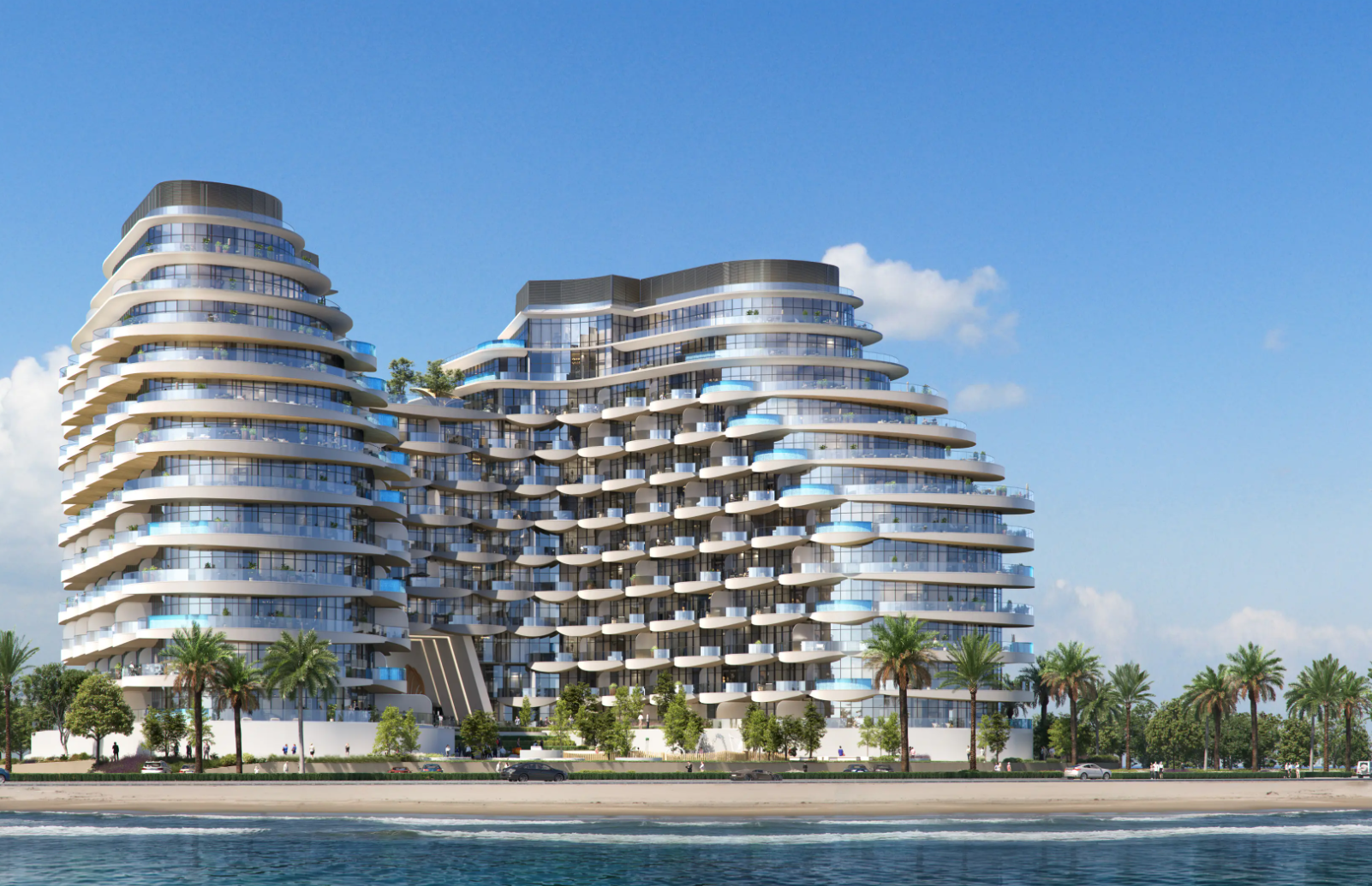
BNW Developments has established a Sydney presence, joining Arada and Sobha Realty among the growing number of UAE developers pursuing Australian buyers and development opportunities.

BMW has reworked its flagship sedan around Neue Klasse technology, an 8K rear screen and extensive customisation.
2 min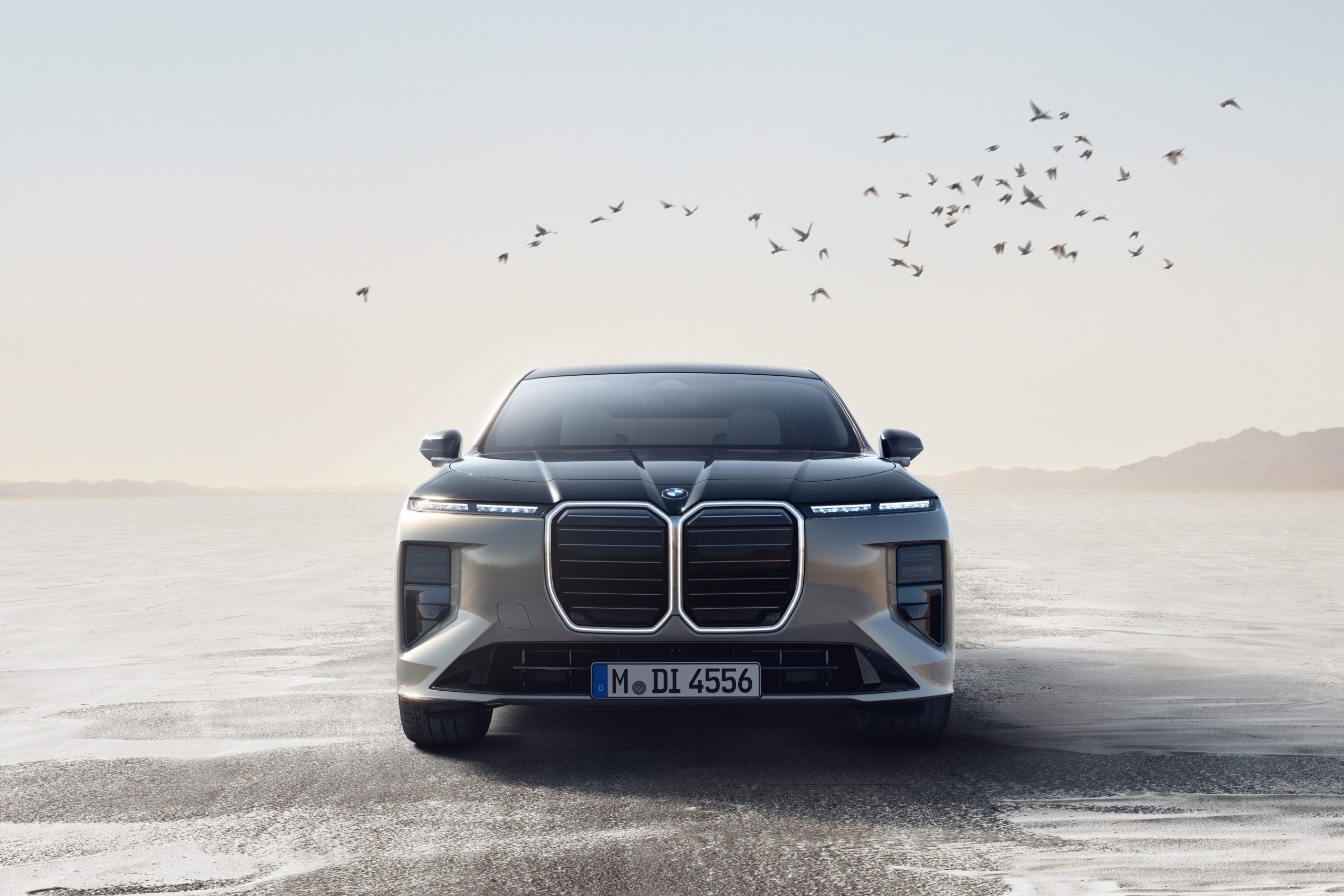
The luxury sedan may no longer dominate the prestige market, but BMW is betting that its most traditional flagship can become the clearest showcase of its newest technology.
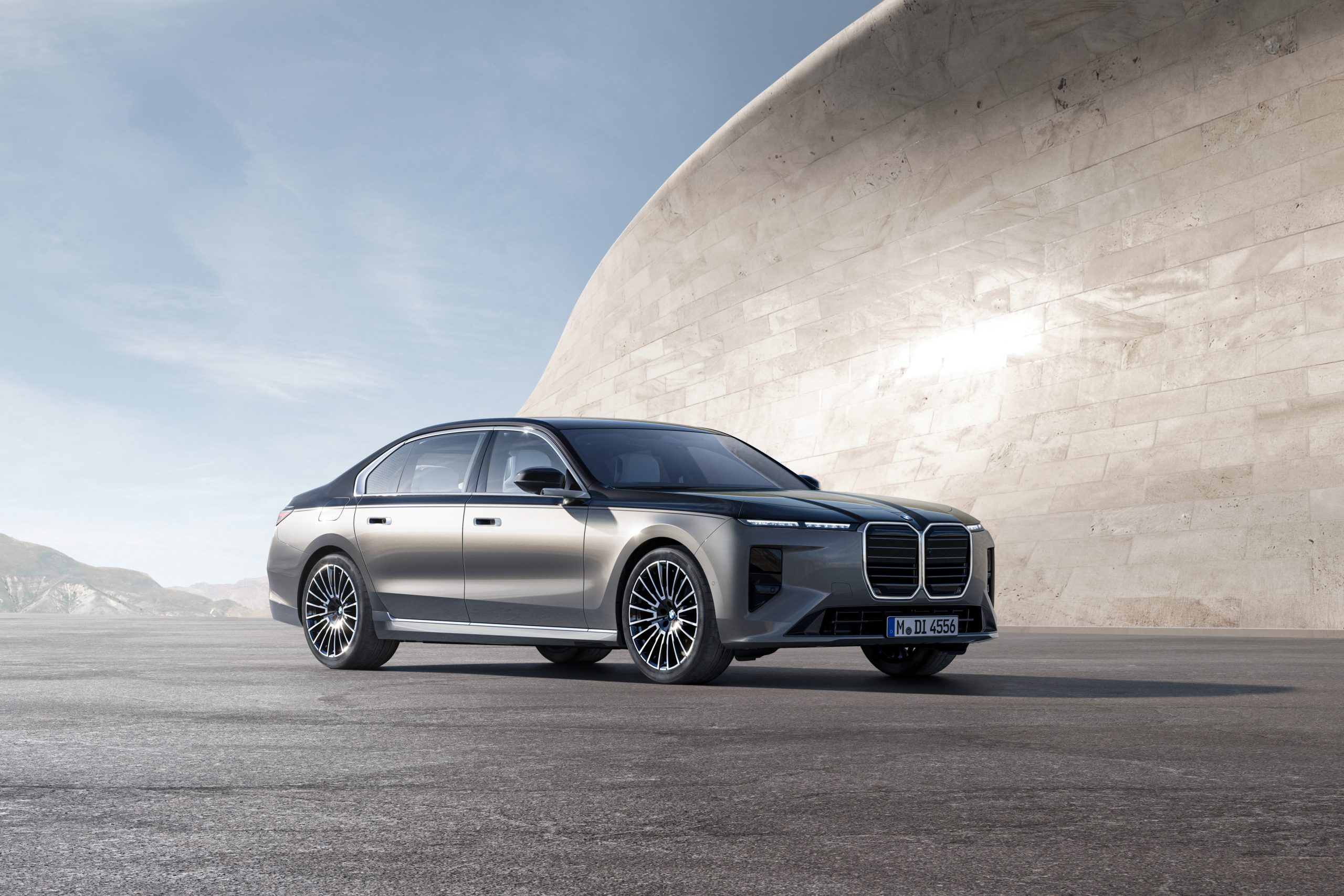
The new-generation 7 Series introduces Neue Klasse systems to BMW’s luxury range, combining a fresh design language with upgraded electric hardware and a cabin built around multiple digital surfaces.
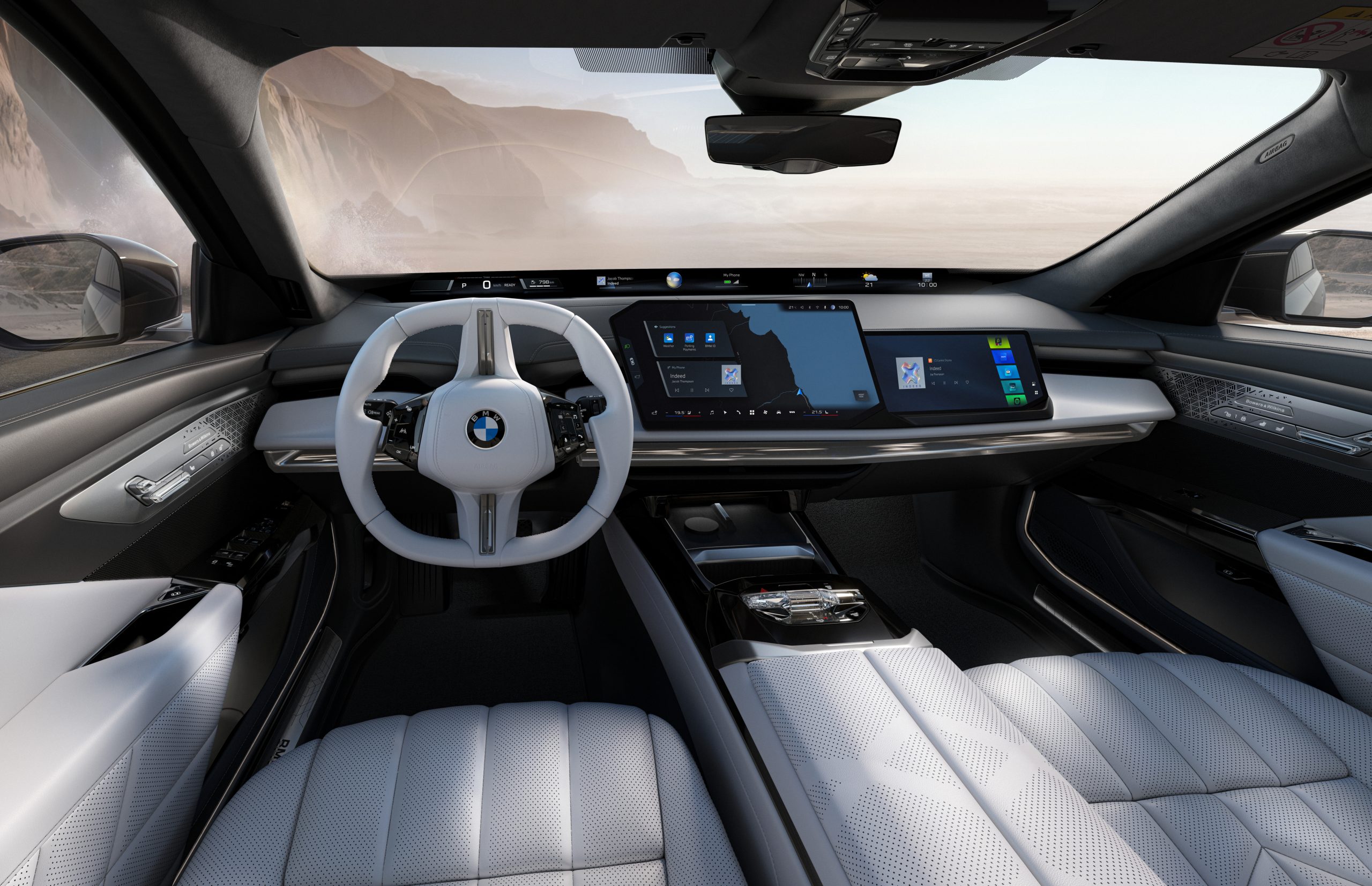
The headline interior technology is BMW Panoramic iDrive, supported by the marque’s Operating System X. A passenger display joins the dashboard, while the vast 31.3-inch rear Theatre Screen has been upgraded with 8K resolution, Dolby Atmos capability and integrated video conferencing. It is an unusually literal interpretation of the executive car as a mobile office and private cinema.
Electric i7 variants lead the rollout in some markets. BMW says its sixth-generation cylindrical battery cells improve energy density and range, with the i7 50 xDrive quoted at up to 452 miles on the WLTP cycle in UK specification. Combustion and plug-in hybrid versions remain part of the broader range, allowing BMW to serve markets moving towards electrification at different speeds.
The exterior introduces a more monolithic face, minimalist crystal headlights and an illuminated interpretation of the kidney grille. Buyers who want greater individuality can access an expanded BMW Individual palette with hundreds of possible combinations, including a dual-finish paint process described by the company as a world first.
The model will be produced at BMW Group Plant Dingolfing in Germany, where all drivetrains can be assembled on the same line. That flexibility matters: the upper-luxury segment has global reach, but demand for electric, hybrid and combustion power varies sharply by region.
For Australian buyers, the decisive details remain local. Model mix, pricing, range certification, charging specifications and delivery timing should be confirmed by BMW Australia before publication. Overseas specifications provide the clearest view yet of the car’s direction, but should not be presented as guaranteed Australian equipment.
The latest 7 Series is therefore less a single powertrain proposition than a statement of intent. It argues that the prestige sedan can remain relevant by offering something an SUV struggles to replicate: formal presence, rear-seat theatre and the sense that the entire car has been designed around arrival.
Fact box
Model: New-generation BMW 7 Series/i7
Technology: BMW Panoramic iDrive, Operating System X, passenger display
Rear entertainment: 31.3-inch 8K Theatre Screen with available Dolby Atmos
Production: BMW Group Plant Dingolfing, Germany
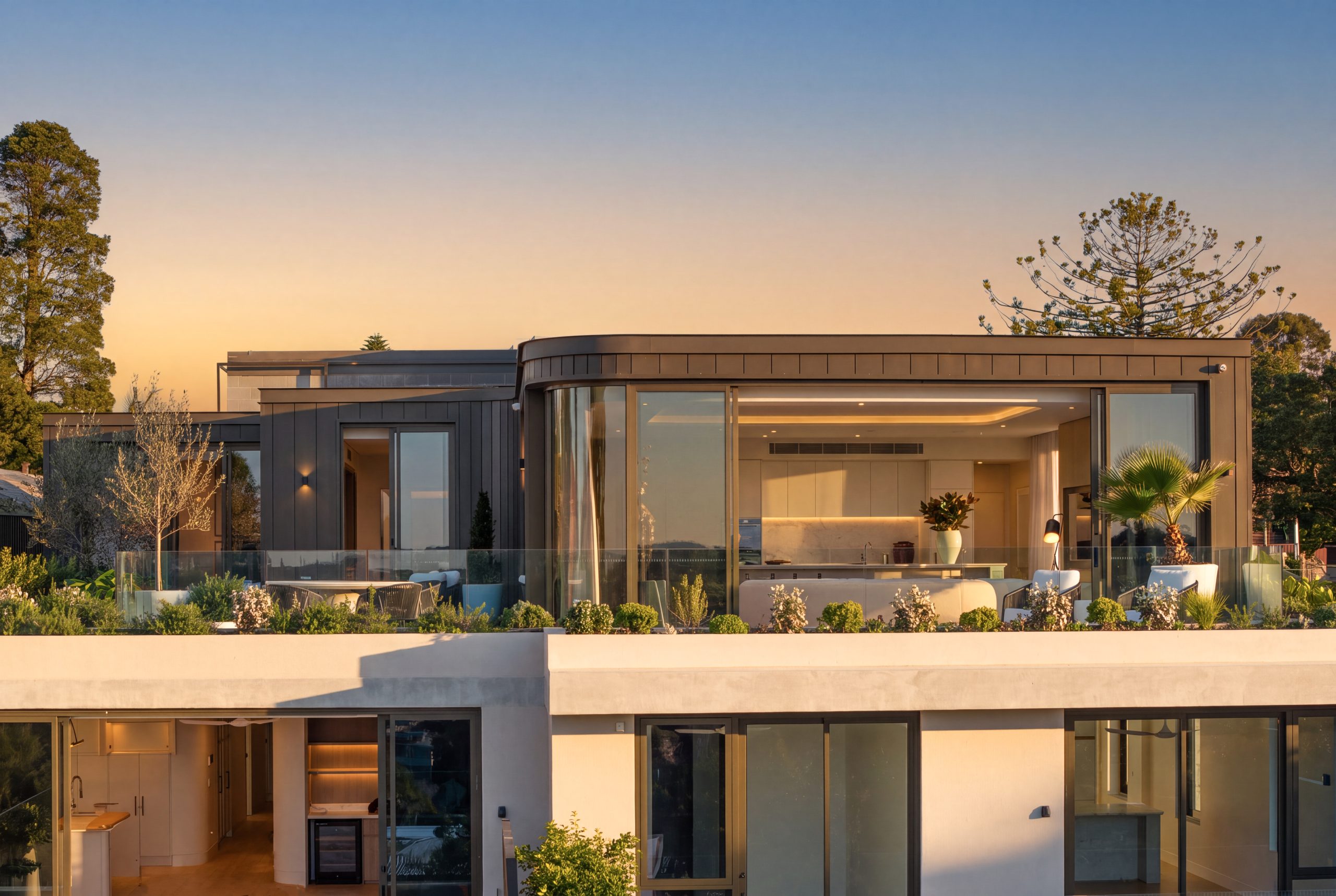
The completed penthouse at Park Residences showcases a considered approach to luxury apartment living, combining northern light, curated interiors and the privacy of a whole-floor residence.

Wealthy Aussies are swapping large family homes for high-end apartments, with sales of prestige units tripling over the past decade.