From Walls to Canvases: The Best Paints in Australia 2025
 4 min
4 min
Australia’s vast and varied landscapes, combined with its unique climate conditions, mean that choosing the right paint is essential. Whether you’re painting an inner city home, a coastal retreat, or a bushland hideaway, your choice of paint needs to stand up to the elements. In this article, we will explore some of the best paints available in Australia for 2023 based on durability, finish quality, environmental considerations, and value for money.
Painting a home involves so many decisions, and choosing the right paint for the right job is tricky. Here we look at the top paint brands for the jobs at hand.
Taubmans All Weather
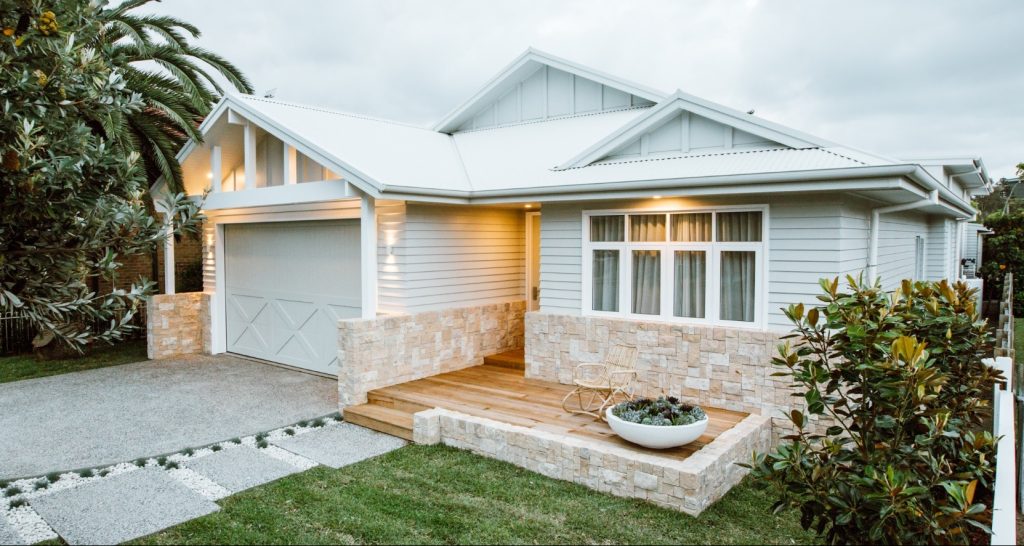
Exterior paints need strength to withstand the elements, they do this by adding additional and expensive, top quality resins so fading is less of an issue, and new technology that offers UV protection. Who wants to repaint a house, right? After years of advancement, you can now achieve great results with acrylic exterior paint, which has the primer built in. Taubmans All Weather and Taubmans Sun Proof are great options here.
Norglass
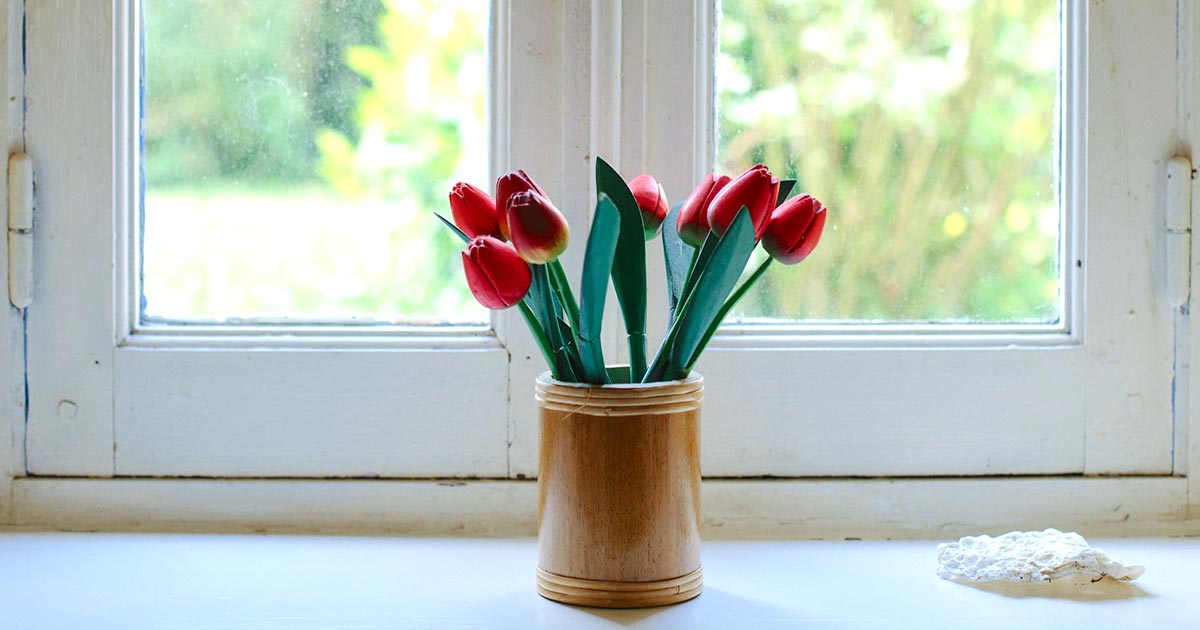
Exterior features such as fences and front doors are a chance to add extra zing to the design, and very often the best way to produce that effect is with a gloss or enamel paint. While there have been improvements in acrylic gloss products, purists and pros are still reaching for the oil based product – the finish is simply brighter and more reflective, and more to the point will last longer on high traffic spots such as doors. The lesser known Norglass brand offers a magnificent result, and comes in small cans, which is a bonus for feature trim jobs.
Dulux Wash and Wear
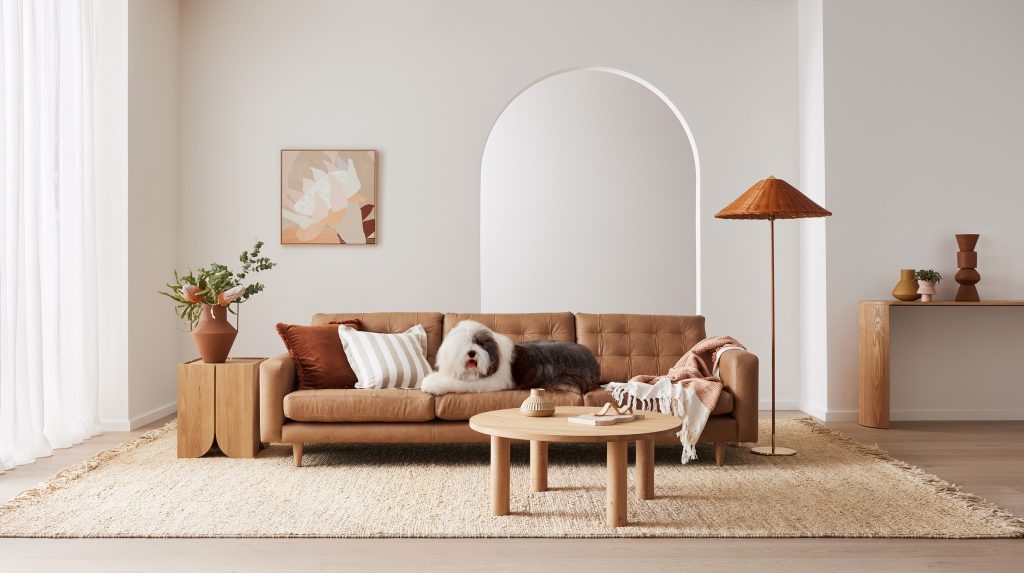
Interior walls cop the most passing traffic scuff and grime, especially if you are blessed with kids or pets. The ideal paint here is a washable, acrylic based paint that goes on smoothly, and wipes clean easily. A combination of huge colour range, and great coverage (meaning less coats to put on) is the Dulux Wash and Wear brand. You can actually feel the extra weight on the brush or roller, which is a good thing, but tougher on older hands, or newbies to the roller game.
British Paints Paint and Prime
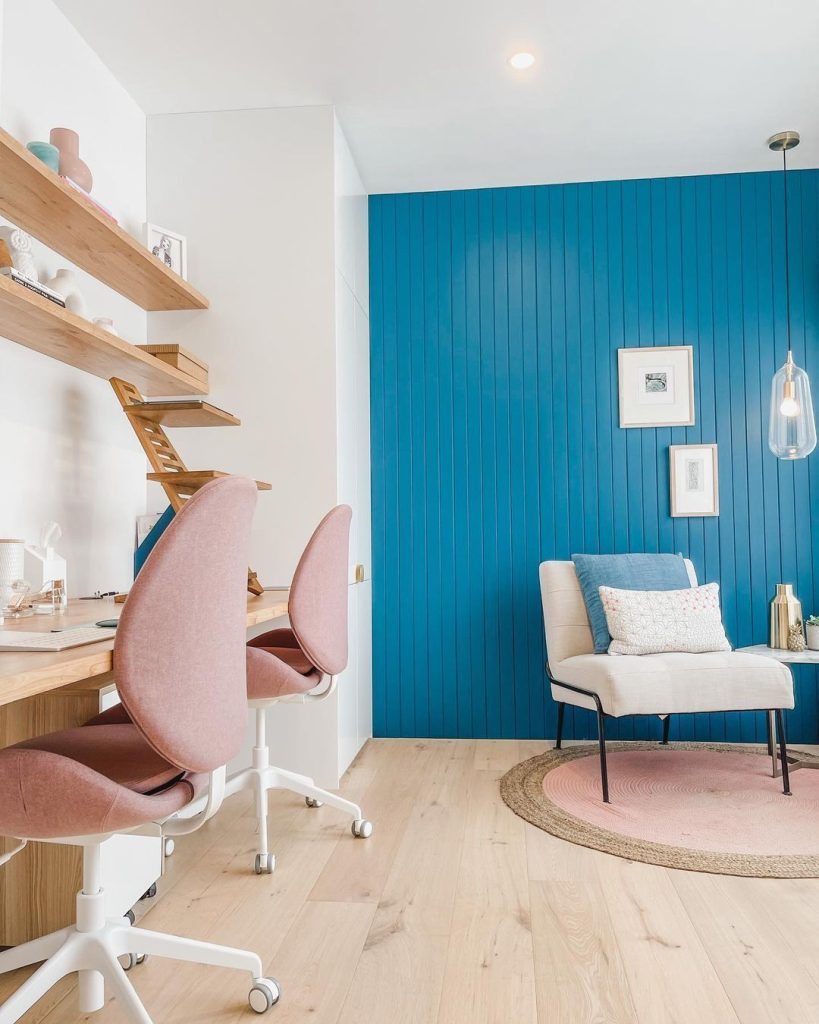
Getting on top of ceilings is perhaps the most difficult of paint jobs; back breaking and neck stretching, it is a job with little pay off – but is critical to achieve a perfectly finished room. A dead matte finish is ideal, usually in white (but don’t let that stop you from playing with colour), and always acrylic. While you can use a cheaper matte paint, a purpose designed one will go on easier and offer better coverage – it’s designed to be a one stop wonder. British Paints Paint and Prime is reputed to have be a good ceiling paint that goes on thickly, and works particularly well with a long nap roller, reducing spray.
Berger Paints
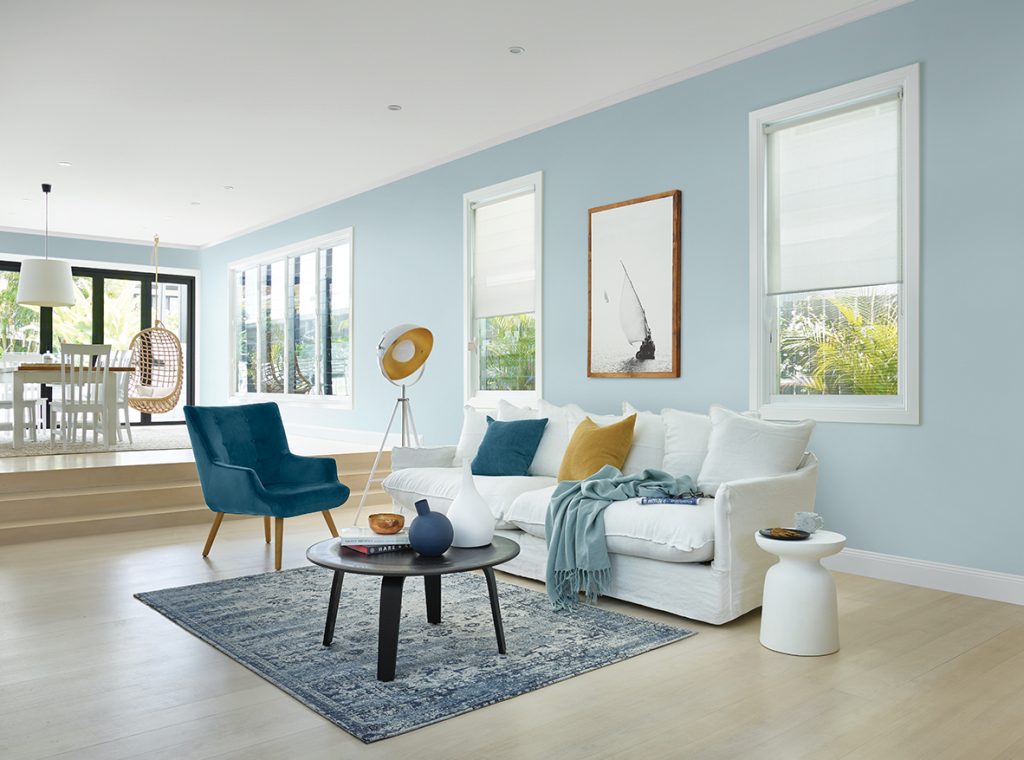
Houses have damp zones, and yes they need extra care because paint that doesn’t deflect the wet will get mould, mildew and then peel. The elasticity of acrylic paint is great here, and Berger Paints have a product, Kitchen and Bathroom Everlast which offers a five-year guarantee against mould and mildew. Best tip here is to steer clear of a matte ceiling paint, but the soft or lo sheen bathroom paint.
Haymes

A secret of professional painters is the top paint brand Haymes. Haymes is perhaps a lesser known brand to the home decorator but it has been rated by Canstar as the top paint in Australia for the last six years. Haymes has been produced by the one family in Australia for generations, and commands respect from those who spend their lives up a ladder. They don’t need expensive ad campaigns, because those in the know don’t need reminding of this solid and impressive brand. Always consider checking out their products when starting a project.
Environmental Considerations
As environmental awareness grows, many Australians are seeking eco-friendly paint options. Look for paints labeled as low VOC or zero VOC. These paints emit fewer chemicals, making them healthier for the environment and for the inhabitants of the painted space. Brands like Haymes and Porter’s have taken commendable steps in this direction.
Choosing the Right Paint
Remember, the best paint for your project depends on the specific requirements of the job:
- Surfaces: Different paints are formulated for different surfaces such as wood, brick, or metal.
- Location: Consider the specific climatic challenges of your region. Coastal homes might need salt-resistant paints, while homes in tropical areas might benefit from mould-resistant options.
- Finish: Decide if you want a matte, semi-gloss, or gloss finish. This can affect the look and feel of the space as well as the paint’s durability.
Australia has a broad range of paints tailored to its unique environments. From the intense sun to the coastal breeze, our selection of paints have been tried, tested, and emerged as top picks for 2023. Remember to consider the specific needs of your project and, when in doubt, consult with a local professional for guidance.

On the owner’s deck, a 20-metre swimming pool incorporates Feadship’s patented ContraWave technology and extends indoors as a suspended, glass-bottomed infinity pool.
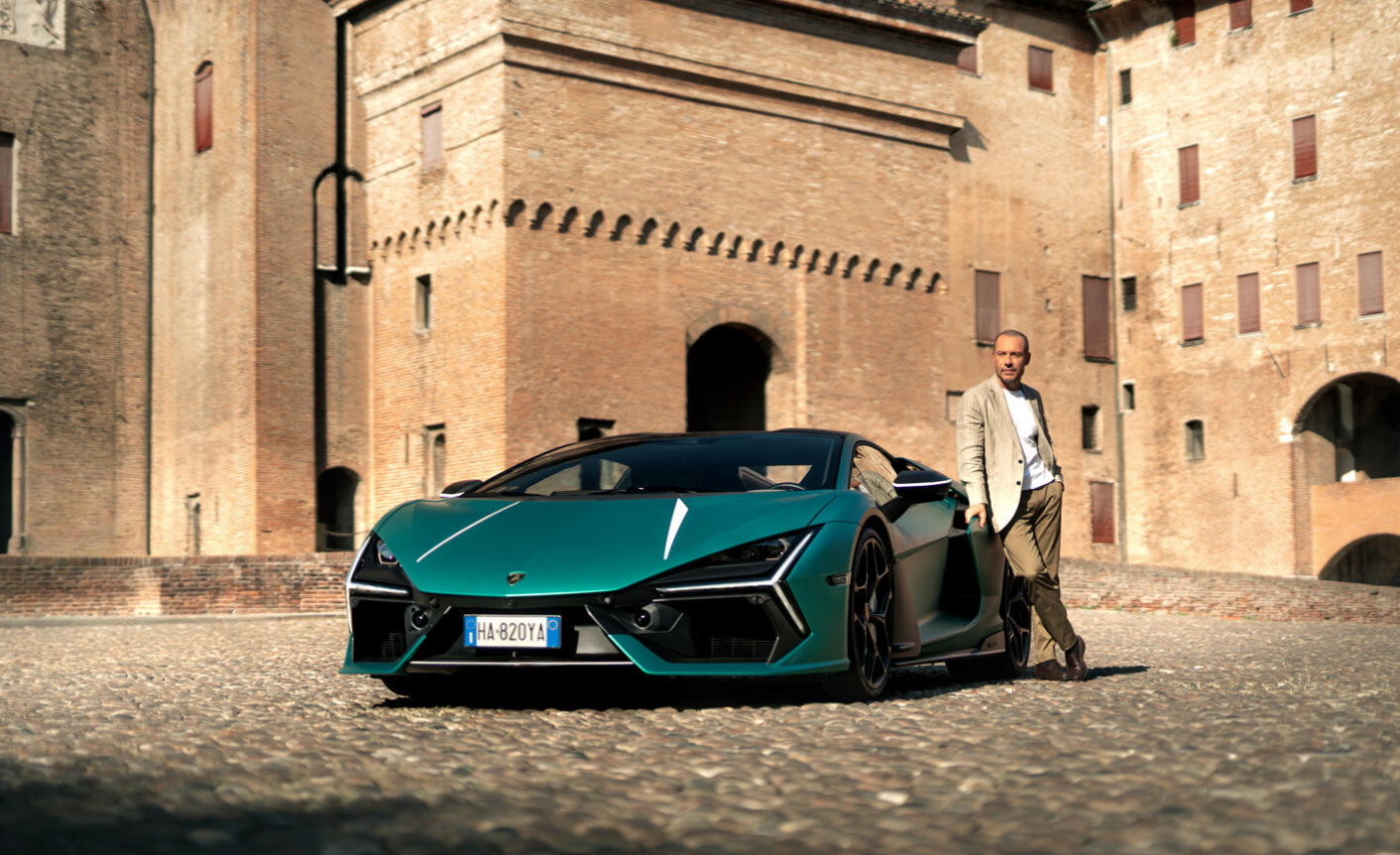
Automobili Lamborghini is turning its attention to something considerably more difficult to define: what makes Italian excellence uniquely Italian?
From candy corn and licensed costumes to pop-up Halloween shops and haunted houses, some of October’s most iconic traditions began as simple ideas from entrepreneurs and small businesses before evolving into major commercial phenomena. In 2025, Halloween grew into a $13.1 billion consumer business, driven in part by these innovations.
6 min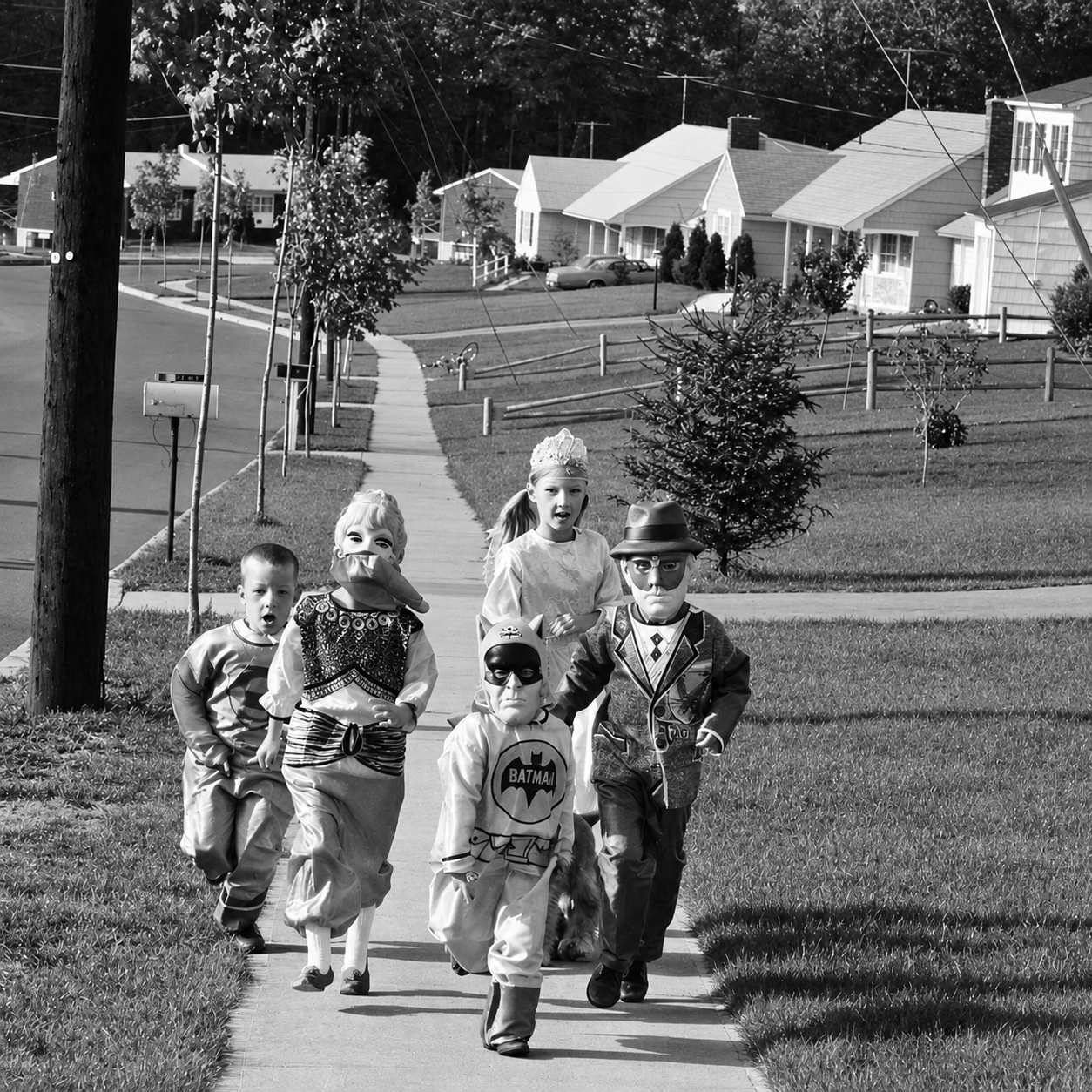
Candy Corn. Haunted houses. Seasonal spectacles that now seem inseparable from October.
Many of Halloween’s biggest mainstays started much more modestly—as ideas from entrepreneurs and small businesses that caught on, spread and eventually became traditions. Along the way, they helped turn Halloween into a $13.1 billion consumer business in 2025.
Here is a look at four of the most popular creations, and how they got their start.
Candy Corn
One of the most inescapable Halloween treats—Candy Corn—wasn’t marketed as a Halloween goody at first. In fact, it was marketed as a whimsical candy version of chicken feed.
It was created back in the 1880s in Philadelphia, which was then a candy-making hub. One popular trend among candy companies was nature: treats inspired by the agricultural world, like pumpkins, leaves and chestnuts.
Among those businesses was Wunderle Candy, owned by a family of German immigrants. (Milton Hershey worked there before he founded his chocolate business.) One Wunderle employee, George Renninger, came up with the idea of a candy shaped like corn kernels—but also took the innovative step of applying different layers of colors to the treats.
The process involved pouring layers of hot liquid sugar into tiny molds by hand. “It was laborious,” says Beth Kimmerle, founder and chief executive of Attribute Analytics and author of three books about candy.
The unusual color scheme gave the candy instant appeal. And, yes, it was marketed as faux chicken feed at the start: “an agricultural-themed novelty and penny candy that appeared throughout the year,” Kimmerle says.
How did the corn get associated with Halloween? At the turn of the last century, another candy company, Goelitz Confectionery, also began selling the treat. Kimmerle says it isn’t clear what kind of arrangement—if any—the two companies had about the rights to the candy. But, in the end, Goelitz usually gets the credit for scaling the candy and branding it as a Halloween product.
As for Wunderle, Kimmerle says, the business wound down in the 1980s, while Goelitz was eventually renamed Jelly Belly in 2001, and acquired by Ferrara Candy in 2023. (Another Ferrara brand, Brach’s, has also been selling candy-corn treats since the 1920s; Ferrara says that it doesn’t have information showing a licensing agreement between the companies.)
Candy Corn has not only become immensely popular in itself, but also has lent its colors and flavors to countless other products. This year, Brach’s launched a limited-edition fragrance, Ode to Candy Corn, which “smells exactly like how candy corn tastes,” according to the company.
Licensed costumes
Dressing up as your favorite fictional figure is a Halloween tradition. Entrepreneur Ben Cooper made it a lot easier for people to get into character—by making licensed costumes a big business.
In the 1930s, Cooper sold costumes for vaudeville, says Rob Caprilozzi, founder of the Horror News Network website, who recently made a documentary about Cooper. In 1937, the entrepreneur—whose company was simply called Ben Cooper Inc.—bought another company, A.S. Fishbach, which had the license to manufacture costumes of Disney characters.
Cooper added more costumes as new Disney movies came out, as well as updating the old ones, Caprilozzi says. In the 1960s, he expanded his line to superheroes—including Spider-Man and Batman—and then turned to “Sesame Street” and “Star Wars” characters in the 1970s.
“At its height, the company controlled 80% of the licensed custom characters,” says Caprilozzi.
And it wasn’t just fictional heroes, either: Cooper had a line of costumes based on U.S. presidents. (The company destroyed its JFK inventory after the assassination, says Caprilozzi.)
One of the selling points of Cooper’s costumes was simplicity. The costumes were just plastic masks and tarps costing a few dollars apiece, and you could toss them out after the big night—no need to hang onto them year-round.
The company lasted until 1992, when it filed for bankruptcy and was then acquired by competitor Rubie’s Costume. (The company, now known as Rubies, didn’t respond to requests for comment.)
Halloween pop-up shops
Joseph Marver didn’t change what we wear for Halloween, the candy we eat or the type of decorations we put up. But he revolutionized where we buy all that stuff.
Marver was running an apparel store called Spirit Women’s Discount Apparel in Castro Valley, Calif. October sales were historically slow, but he noticed sales booming at a costume shop across the street. According to media accounts, the other store changed locations, and Marver in 1983 decided to get into the Halloween business himself. He put his usual wares into storage and turned his store into an emporium for Halloween merchandise.
“I went to a trade show in Chicago, picked up everything I could that had to do with Halloween, and put it in my store, and it was amazing,” Marver told San Francisco Bay Area radio station KQED in July 2024. (He died in 2025.)
“His sales went through the roof,” says Lisa Morton, author of “Trick or Treat: A History of Halloween” and “The Halloween Encyclopedia.”
Marver doubled down on the gambit the following year—renting out a temporary space in a local mall to sell all types of Halloween products for eight to 10 weeks, from costumes to decorations to face paint. At the time, retail leases typically lasted a decade, and it was difficult for newcomers to land a lease, let alone a temporary one, says Barbara Kahn, a professor at the University of Pennsylvania’s Wharton School.
In the interview with KQED, Marver described his initial difficulties. “Some of the people in the strip centers wanted to have the big boxes come in, but then, some of them realized it [was] not going to happen,” he said. So the malls agreed to take on the pop-ups, figuring, “‘Let’s do Halloween. Let’s get something going. Maybe it’ll bring business to the other tenants.’”
Over the next 16 years, Marver grew his business to 60 temporary retail outlets and changed its name to Spirit Halloween. His company spent the rest of the year preparing for the season, handling jobs like sourcing costumes and identifying potential real estate.
In 1999, Spencer Gifts bought the company; Marver stayed on as a consultant, then opened a hotel. Today, Spirit Halloween operates about 1,500 seasonal stores across the U.S. and Canada.
“I didn’t invent temporary sales,” Marver told the Seattle Times in October 2022, “but I feel like I invented temporary Halloween.”
Haunted houses
Walter Knott became famous as the founder of amusement park Knott’s Berry Farm, which has been in operation for about 80 years. But he and his marketing team also invented the large-scale, commercial haunted house.
People had been putting up private, informal haunted houses for years. Charitable organizations also set up the houses to raise funds, says Benjamin Gagne, president of the Haunted Attraction Association and owner of the Thirteenth Hour haunted attraction in Indianapolis.
But Knott’s Scary Farm Halloween event in 1973 was a first, a large-scale commercial setup designed to boost ticket sales during an otherwise slow season, says M. Stang, Ainsworth Visiting Scholar of American Culture at Randolph College in Lynchburg, Va.
Full-page advertisements flooded Orange County and Los Angeles County newspapers, promising entry to the “spookiest, ghouliest place in Southern California” for just $4. The print ads promised “bizarre, spooky antics,” a “fun-tingling plunge through Satan’s sawmill,” and “LIVE MONSTERS,” Stang wrote in a paper about the attraction.
The park also distinguished itself by having people in costumes provide the scares, says Gagne. Previously, amusement parks, including Disney, had what Gagne calls “dark carny rides,” where patrons rode around in carts, and mirrors and lighting created the mood.
The Scary Farm turned into an annual tradition. Knott’s is still running the Halloween attraction—which is open for 26 nights this season.

The sports-car maker delivered 279,449 cars last year, down from 310,718 in 2024.
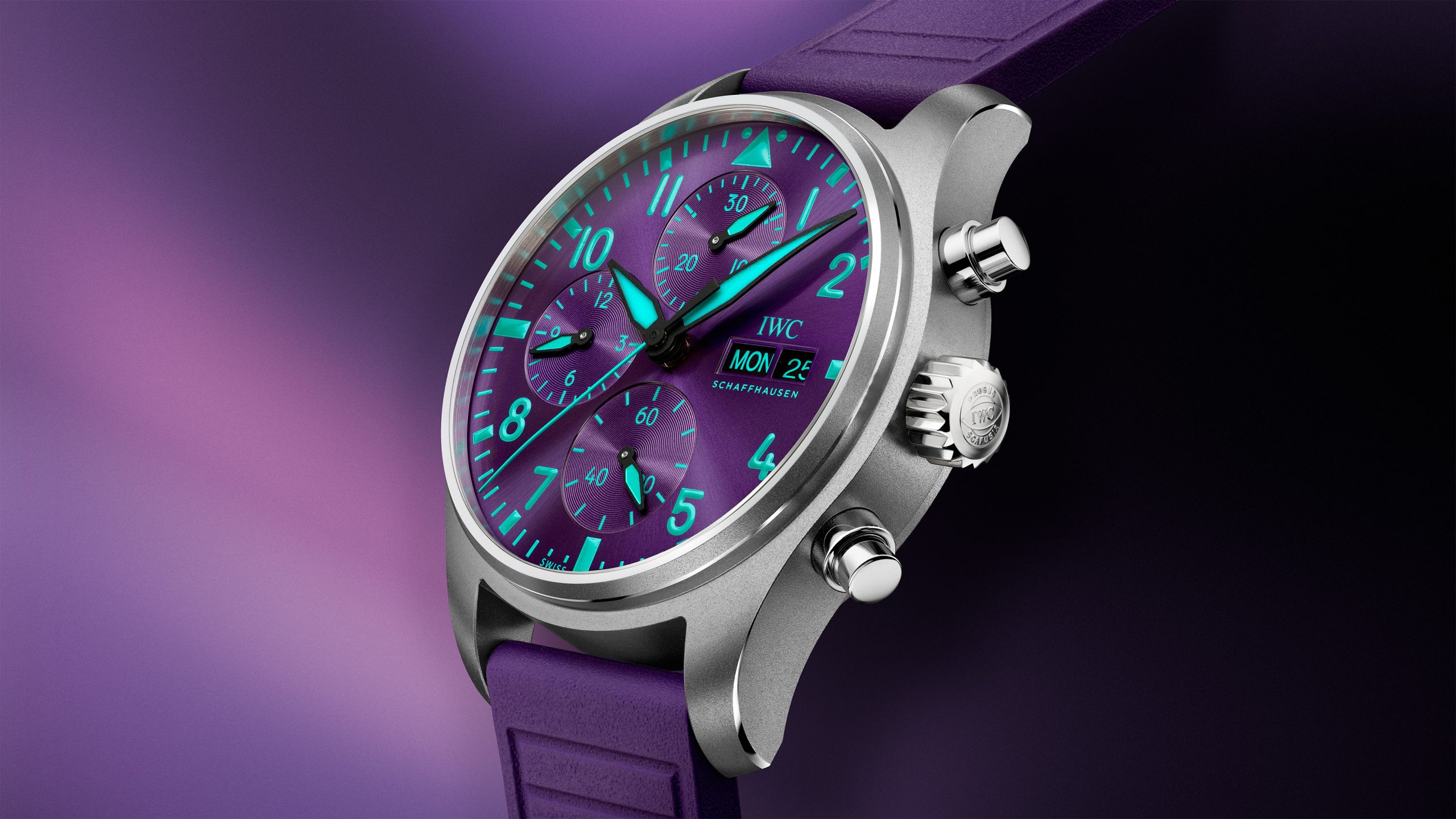
Singapore’s Formula 1 weekend has always looked different. Held beneath floodlights on the Marina Bay Street Circuit, the race transforms the city into a nocturnal spectacle of speed, heat and saturated colour. It is this distinctive atmosphere — and one of Singapore’s most important natural symbols — that has shaped IWC Schaffhausen’s latest motorsport-inspired watch. …
Continue reading “IWC’s purple Formula 1 chronograph pays tribute to Singapore after dark”