Need More Closet Space? 6 Chic Interior Design Solutions
If your bedroom has too little (or no) storage for clothes, you can end up living in a stressful mess. Here, pros offer clever, great-looking ways around the problem.

 4 min
4 min
In the series How to Live With a Room You Hate, we ask design pros to solve everyday interior problems.
A ROOM with little or no closet space can leave you feeling bulldozed by your own belongings. “It’s unsettling when nothing has a home. Creating a system that maximizes your space can change your whole mood,” said Jamie Garson of Better Than B4, a custom organizing service in Manhattan. Here, six stuff-stowing techniques that offer relief when a bedroom is bereft of storage.
1. Increase Your Screen Time
When Gavin Smith, an architect with Perkins + Will, turned an attic space in his 1910 Craftsman home in Seattle into a bedroom for himself and his wife, he wanted to leave the space open and airy. So rather than building a traditional closet, he constructed cabinetry and clothing racks under the cathedral ceiling and shielded them behind a peek-a-boo screen of cedar slats supported by chic, blackened steel. “A solid drywall would be perceived very differently,” he said. “Because the screen is see-through, it creates a sense of depth.” Smith gave the partition—which also serves as a place to hang a flat-screen TV—a walnut stain to match a nearby dresser. If you want to skip construction, suggests Garson, tuck belongings behind a standing room divider.
2. Play Dress-Up
Interior designer Emilie Jacob gave a closet-less child’s bedroom in Dubai a clever theatrical fix by installing rods to hang clothing, many at a low level, and suspending drapes that, with a pull, can hide them on a whim. The drapes delineate a dressing area that lets the little girl don her duds in privacy. The curtains begin where a modular IKEA bed with underbed storage and attached wardrobe leaves off. “The linen curtains are really light, and there are no cords,” said Jacob, who founded local design firm Stella + the Stars and collaborated with Studio Tsubi, also in Dubai, on the room. “Any child can pull them open or closed.”
3. Broker a Separate Piece
When bad luck or circumstance has robbed you of a closet, a free-standing wardrobe makes for a classic solution. One with many benefits, contends Russell Pinch, the owner of Pinch, a furniture and lighting design firm in London. “It’s an investment…but one you can take with you.”

And importing a wardrobe rather than constructing storage can be kinder to architecturally valuable spaces, like the bedroom in Pinch’s vacation home in Charente-Maritime, France, in an 18th-century structure that was originally a cow barn. “We wanted to preserve the….beautiful parquet floors and timbered ceilings,” he said. “A built-in would have dominated the architecture and reduced the size of the room.” The white wardrobe, which he designed, “is an elegant solution. It looks like plaster-relief work,” said Pinch. Next to the wardrobe a full-length mirror with drawers at the bottom offers additional storage and helps complete a dressing area.
4. Get a Side Hustle
In a London townhouse, local interior designer Andrea Benedettini fit a full-size bed into a relatively narrow room, and rather than flank it with nightstands used the tight space on either side to build matching full-height closets. Unwilling to forgo the benefits of traditional bedside tables, he hung sconces on the sides of the closets facing the bed and carved out niches (complete with concealed lighting) to create a ledge for a book, phone or water glass. “Simple design details like the niche elevate the design,” Benedettini said. “Applying a fabric to the closet door and bespoke bronze hardware helped create a calming and luxurious space.” A ceiling-height upholstered headboard bridges the closets, connecting them visually into a whole, so the bed appears to be tucked into its own soft alcove.
5. Let It Rock
According to organiser Garson, much of our wardrobes can live outside a closet quite nicely. She suggests openly displaying an amazing sneaker collection in a media unit, placing funky handbags on floating shelves or arranging hooks on a wall for an artful pattern of hats or scarves.
6. Let It Roll
For a bedroom with no closet, Hilary Matt lets it all hang out with a rolling rack for clothes. The trick to exhibiting your wardrobe (warning: this is not for slobs)? “Keep the [rest of the] décor clean and monochromatic so the room doesn’t feel cluttered,” said the Manhattan interior designer.

The pop of colour from the apparel, which needs to be well-organized, adds to the room’s scheme “like a piece of art,” she said. Organiser Garson favours racks that match the style of the room, whether made of a fun acrylic or the more-masculine matte black metal.
 Copyright 2020, Dow Jones & Company, Inc. All Rights Reserved Worldwide. LEARN MORE





Victorian auction buyers will soon receive a piece of information that has traditionally been withheld until bidding reaches it: the vendor’s reserve price. Under new property-sale and underquoting laws, agents must publish the agreed reserve at least seven days before an auction or fixed-date sale. Most changes begin on 1 October 2026 and apply to …
Continue reading “Victoria’s New Auction Rules Will Force Reserve Prices Into the Open”

Four decks, 34.5 metres and a made-to-measure interior: step aboard the new Custom Line Navetta 35, unveiled at Cannes.
2 minVictorian auction buyers will soon receive a piece of information that has traditionally been withheld until bidding reaches it: the vendor’s reserve price.
Under new property-sale and underquoting laws, agents must publish the agreed reserve at least seven days before an auction or fixed-date sale. Most changes begin on 1 October 2026 and apply to auctions and fixed-date sales held from 16 October.
The reserve must be presented as a single dollar amount. Advertising and the new Property Price Statement must be updated to match it, without qualifiers such as “from”, “over” or “starting at”. If the reserve has not been published seven days before the scheduled sale, the auction or fixed-date sale cannot proceed and penalties may apply.
For buyers, the immediate benefit is clearer budget discipline. A purchaser should be less likely to pay for inspections, strata reviews, contract advice and loan preparation on a property whose seller will not accept a price within the advertised range.
That does not mean the published reserve predicts the result. Competitive bidding may still carry a property far beyond it. Nor does it remove the need to value the property independently. The reserve is the seller’s minimum at that stage of the campaign, not an expert statement of market value.
The Statement of Information will be replaced by a more prominent Property Price Statement. Agents must disclose key features of the property and of the comparable sales used to support the quoted price. Where three appropriate comparables cannot be identified, one or two must be supplied if they exist.
Sold-price transparency will also increase. Agents must add the unconditional sale price to the Property Price Statement within seven days and keep that statement available publicly for at least 18 months, subject to limited exemptions including personal or family-violence concerns.
Later changes will require Section 32 vendor statements to be made available earlier, including at least 14 days before an auction or fixed-date sale from June 2027. From July 2027, agents will be prevented from taking commission from deposits released before settlement.
Vendors and agents will need to adjust campaign strategy. Setting a reserve earlier may reduce last-minute flexibility and make price expectations more visible to competing buyers. Some vendors may prefer private treaty campaigns, although those sales remain subject to broader pricing and disclosure laws.
For buyers, the practical response is not simply to bid up to the disclosed reserve. Use it as one data point alongside comparable sales, building and pest reports, owners-corporation records, planning constraints and finance approval. Decide on a maximum before the auction and do not confuse the seller’s minimum with your own valuation.
Key dates
– 1 October 2026: Most new rules commence
– 9 October 2026: First reserve disclosures may be required for sales on 16 October
– 16 October 2026: New reserve rules apply to auctions/fixed-date sales from this date
– 1 June 2027: Earlier Section 32 availability begins
– 1 July 2027: Restrictions on commission from released deposits begin
– 1 December 2027: Broader sold-price reporting to Consumer Affairs begins
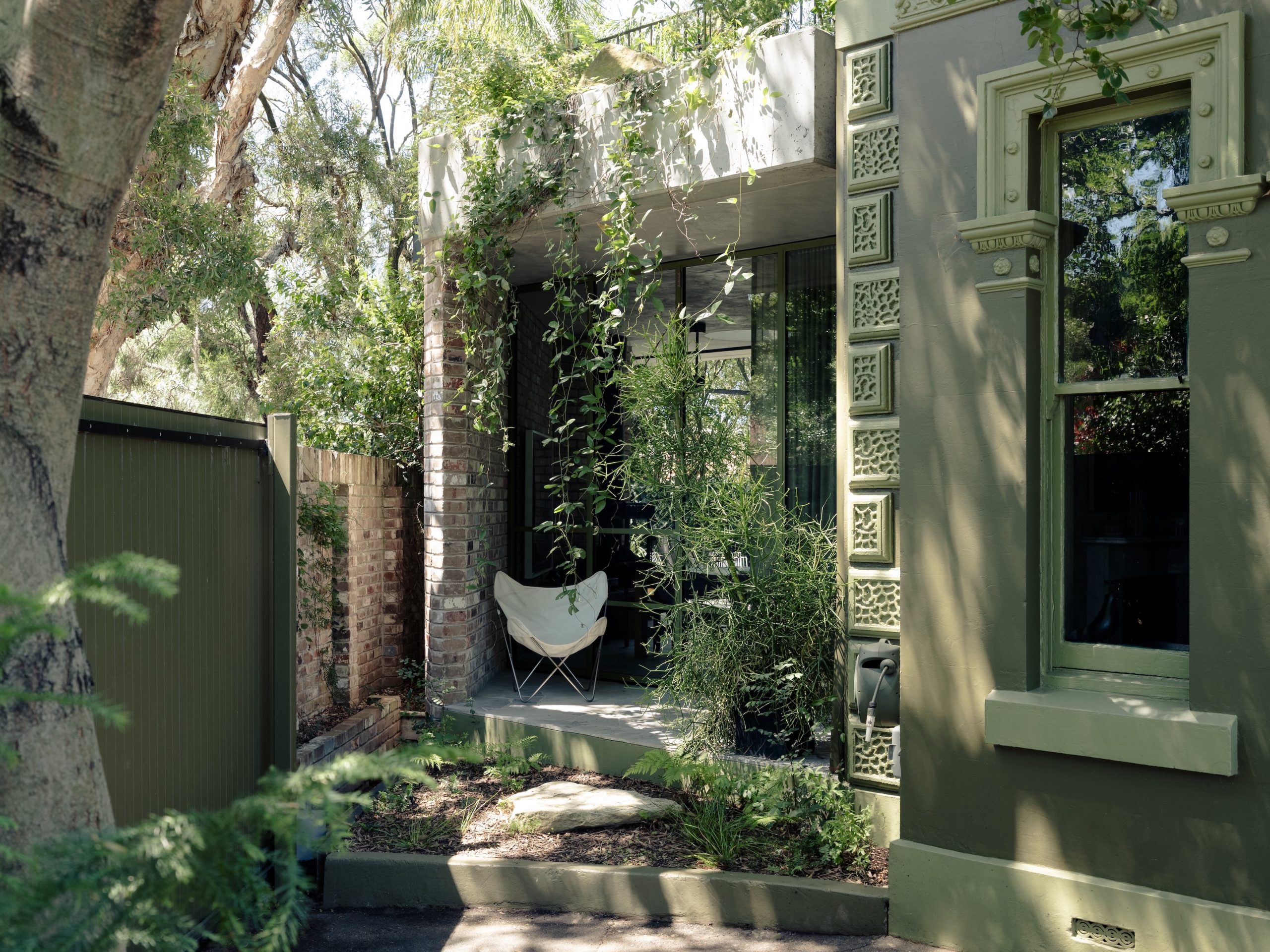
From bushland greens to valley reds, the country’s most awarded designers are proving that the best colour palette was never on a swatch card; it was outside the window all along.

From elevated skincare to handcrafted home pieces, this year’s most thoughtful gifts go beyond the expected.