Brisbane’s Five Standout Penthouses for 2025
From sky-high sanctuaries in Newstead to rare finds in Highgate Hill, these five standout Brisbane penthouses are redefining luxury living.
 5 min
5 min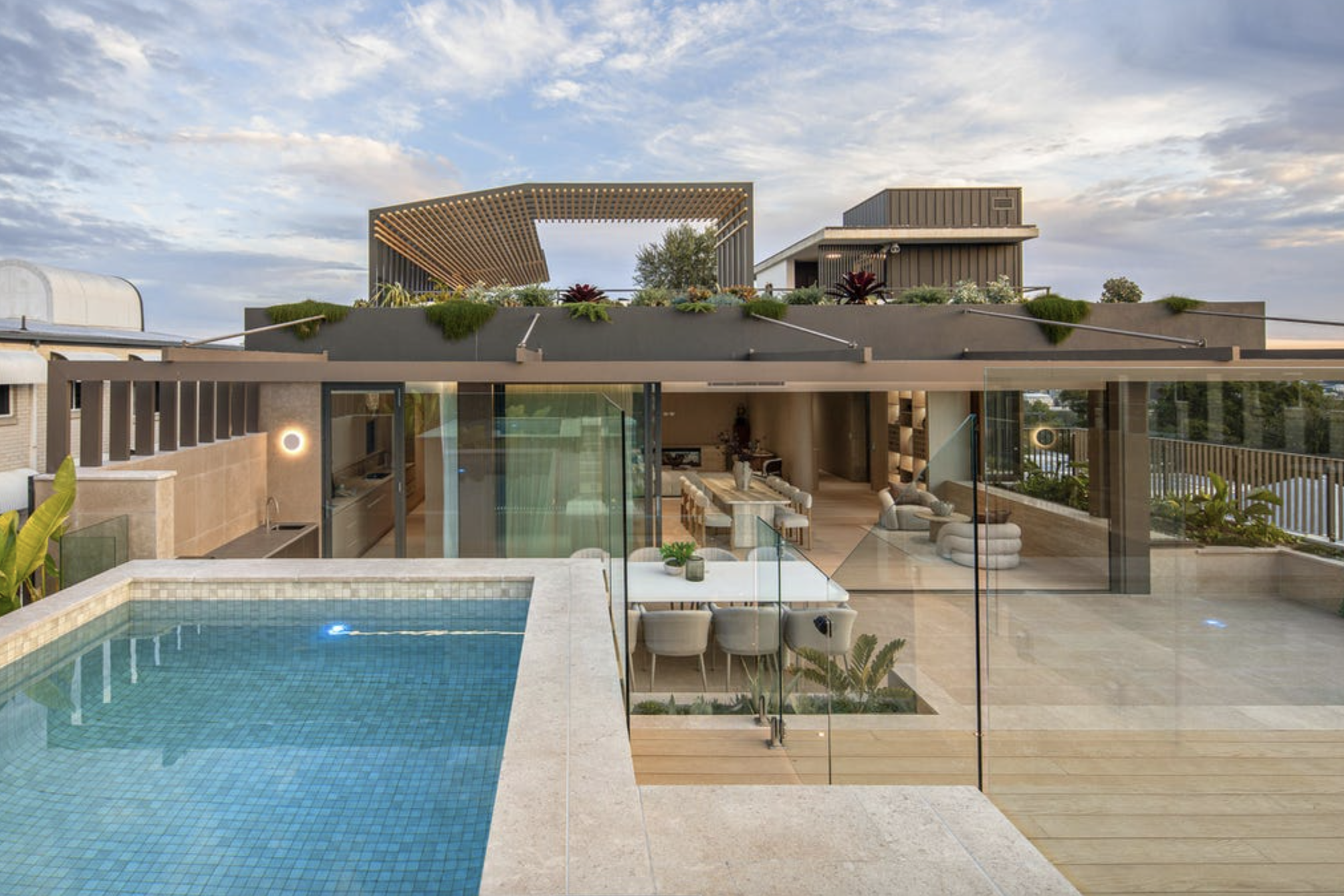
The Brisbane apartment market has really come of age in the last few years.
Downsizers in particular have identified the apartment market as undervalued, due to the limited amount of new supply coming to the market in the Queensland capital.
This is primarily due to build cost escalation and the limited availability of builders, which is constrained by government infrastructure projects associated with the Brisbane 2032 Summer Olympics.
Those downsizers are descending on the most premium apartments at the top end of the tower. These penthouses are more akin to those found in Sydney and Melbourne, rather than their Gold Coast neighbour, prioritising view lines of the skyline rather than private rooftops.
From apartment-laden precincts like Newstead to a rare offering in Highgate Hill, we’ve wrapped up the top five penthouses on the market in 2025.
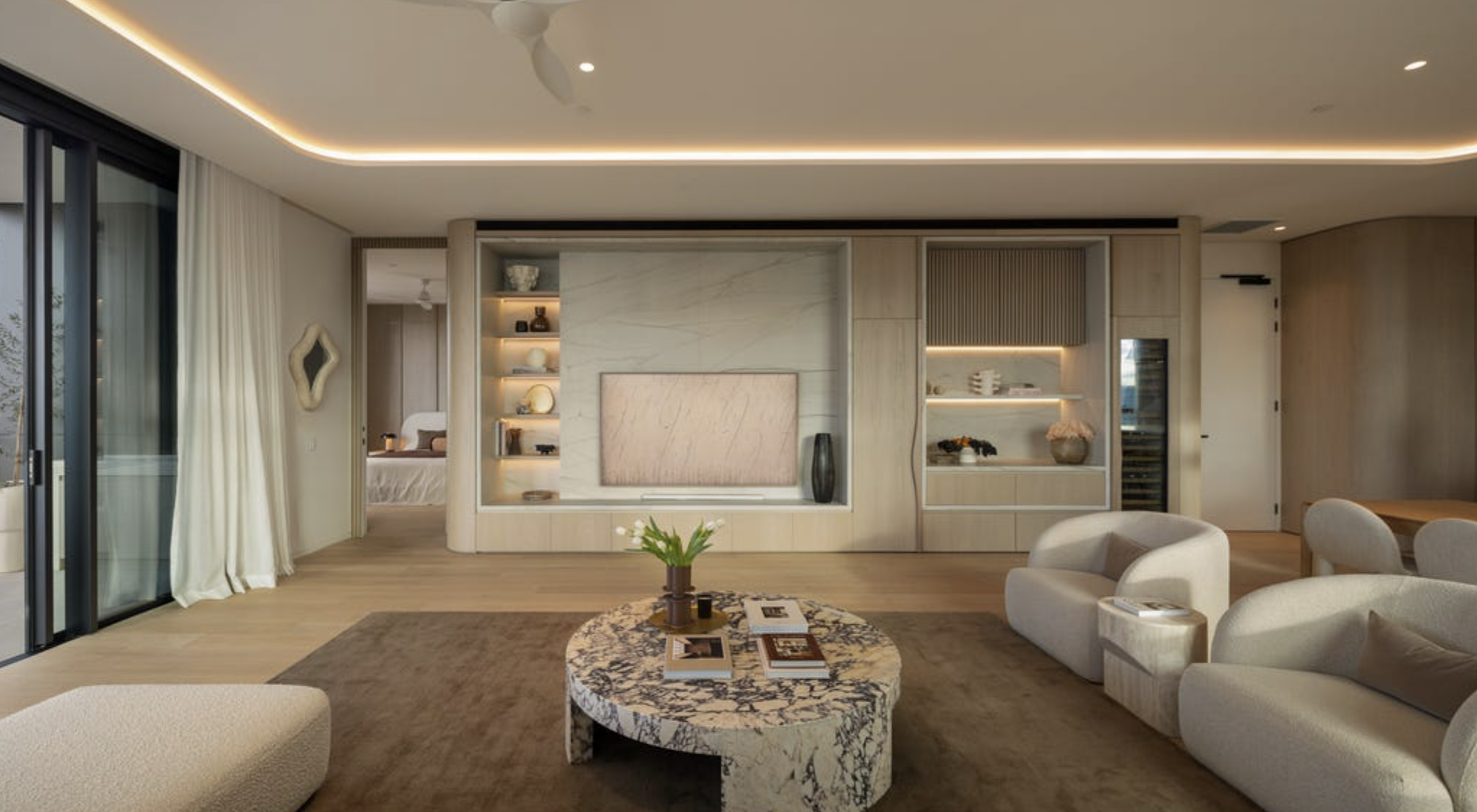
Upper House, South Brisbane. Developer: Aria Property Group
Award-winning developer Aria Property Group is offering one of the penthouses atop its multi-award-winning Upper House in South Brisbane. The four-bedroom penthouse, completed in 2024, crowns one of the first buildings in Brisbane designed by legendary Japanese architect Koichi Takada.
The 253 sqm apartment features 3.1m coffered ceilings, hand-blown lighting, and a sculptural stone wine bar. The chef’s kitchen includes integrated Gaggenau appliances, a Pitt cooktop, Sub-Zero fridge, butler’s pantry, and wine fridge.
The layout features four bedrooms (one configured as a media room) and a lavish master suite with custom timber panelling, a skylit wellness-style en-suite, and a gallery-style robe with a makeup station. The three parking spaces include an EV charger.
Upper House is one of Brisbane’s most iconic buildings, recognisable for its signature gold pergola known as The Nest, the largest structure of its kind in the world, comprising more than 681 individual cross-laminated timber pieces atop the 33rd level.
The building’s 32nd and 33rd levels house resident amenities, including an infinity-edge pool, spa, magnesium plunge, sauna, steam room, yoga studio, wine bar, private dining room, cinema, and a boardroom.
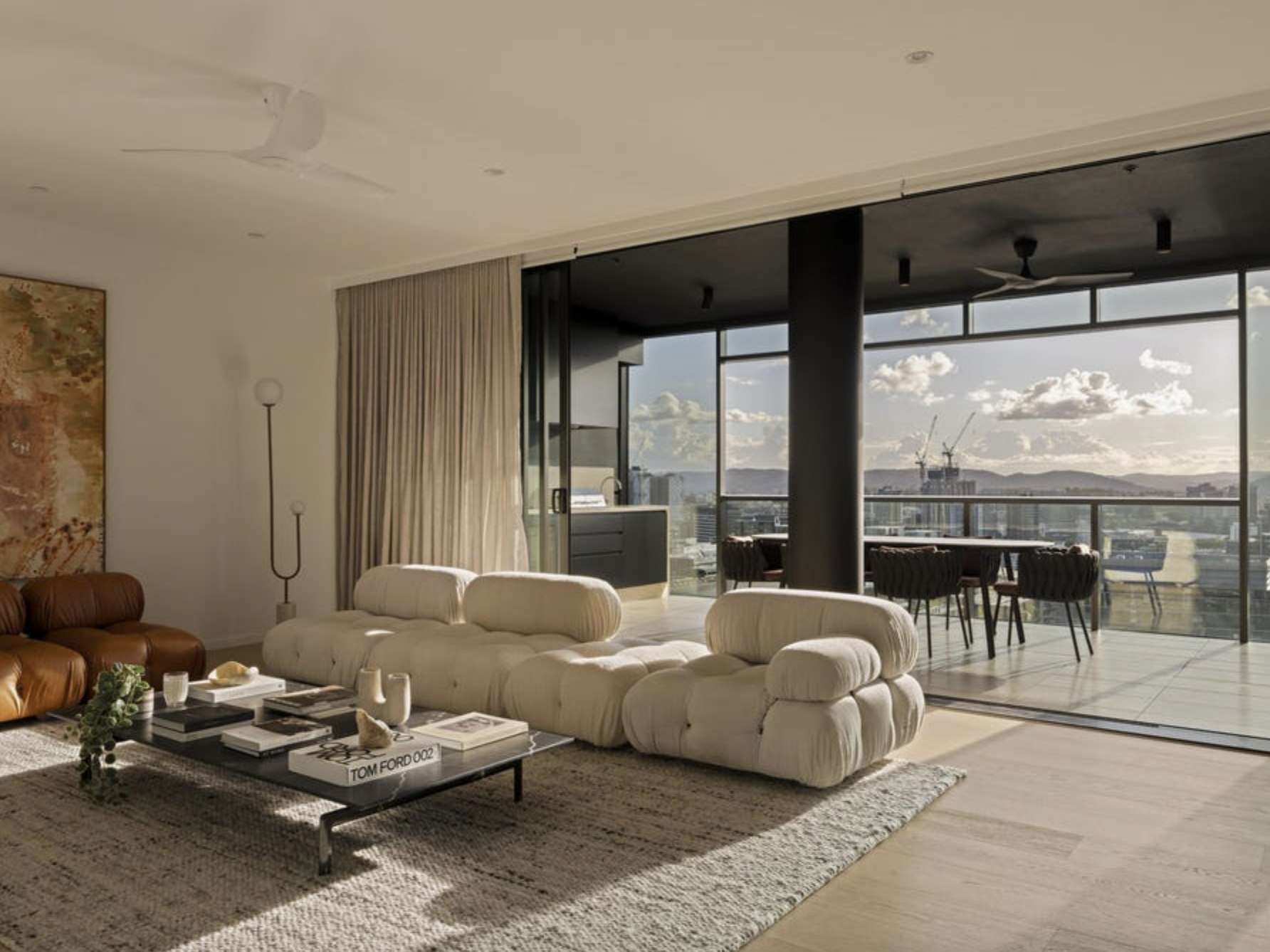
Luminare, Newstead. Developer: Cavale
The corner penthouse atop the Luminare building in Newstead is poised to become the 10th sale in the development to surpass the $5 million mark.
Sky Home 2302 offers uninterrupted views from Mt Coot-tha to the city skyline, thanks to its expansive 40m north-facing frontage. The penthouse spans 262 sqm of internal and external space and includes four bedrooms, two living rooms, and a study nook.
At its heart is a 5m Taj Mahal quartzite island, framed by a full suite of Miele appliances, Zip Tap, and concealed prep kitchen. A 330-bottle wine cellar, integrated bar, and outdoor kitchen with Hoshizaki ice machine complete the entertainer’s layout.
The master suite occupies its own wing and features floor-to-ceiling windows, a full-height walk-in robe, an ensuite with freestanding bath, and a unique “midnight kitchen” with minibar for skincare and wellness essentials.
Completed in 2023 and crowned Best Residential High-Rise in Australia at the Master Builders Queensland Awards, Luminare also leads Brisbane’s wellness evolution.
Residents enjoy access to cryotherapy, reformer Pilates, nutrition and sleep programs, rooftop horticulture workshops, and dog grooming. Atop the building sits Australia’s highest cantilevered glass-edge pool, magnesium spas, saunas, and a $300,000 Technogym facility.
High-profile residents include Domino’s Pizza boss Don Meij, who is believed to have set a city price-per-sqm record with his $12.95 million purchase, and Vita Group founder Maxine Horne.
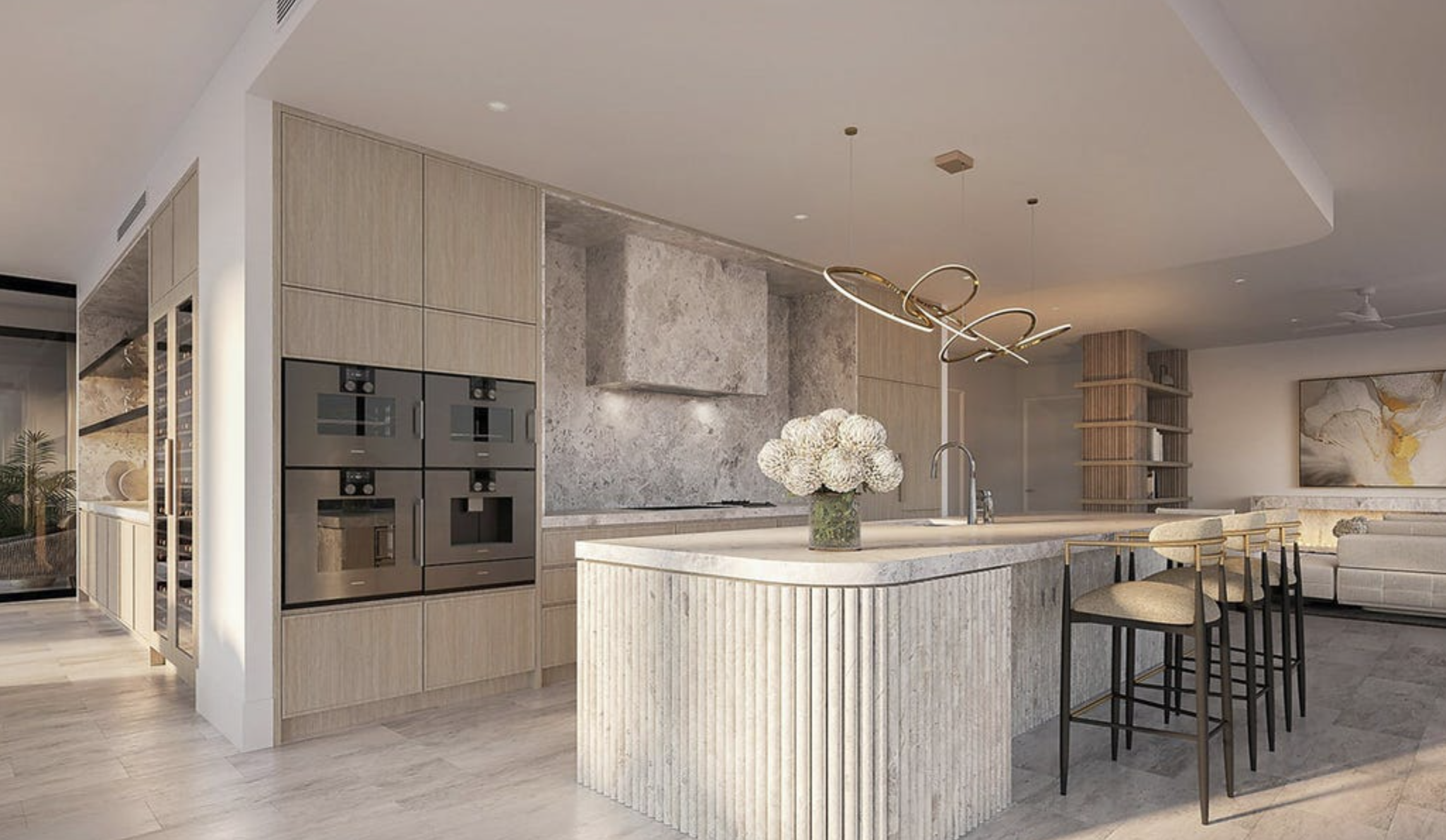
Rivello, Hamilton. Developer: Brookfield Residential Properties
The penthouse atop one of Hamilton’s newest developments is among the largest delivered in Brisbane in recent years. Perched atop Rivello on Wharf Street, this five-bedroom residence offers 438 sqm of internal space and a further 124 sqm across three balconies.
At its core is a gourmet kitchen with a stone benchtop, Gaggenau appliances, and a generous butler’s pantry.
The adjoining dining area, main living space with statement fireplace, and secondary living room with wet bar and Liebherr fridge provide ample entertaining options. A full-width main balcony maximises riverfront exposure.
Additional features include a dedicated cinema with seven seats, home gym, full home office, and five ensuited bedrooms — all expertly finished to a luxury standard.
Noura, Highgate Hill. Developer: Walter Iezzi Property Group
Arguably the most impressive apartment developed in Highgate Hill, the Noura Penthouse is now complete and on the market, with expectations that it will set a new suburb record.
Occupying the entire top floor of a boutique six-residence building on Beaconsfield Street, this sky home offers the largest external area on this list, with nearly 200 sqm of outdoor living.
The rooftop features a private swimming pool, a full outdoor kitchen, a fireplace, alfresco dining, and a louvred roof for all-weather use.
Inside, the apartment features a Roman Classico travertine kitchen with Gaggenau appliances, a custom stone rangehood, Liebherr fridge, and an expansive butler’s pantry. There are three oversized bedrooms, each with a travertine-clad ensuite, plus a media room that can double as a fourth bedroom and a steam room.
The Noura development also offers a communal rooftop pool, dining space, and BBQ facilities for residents.
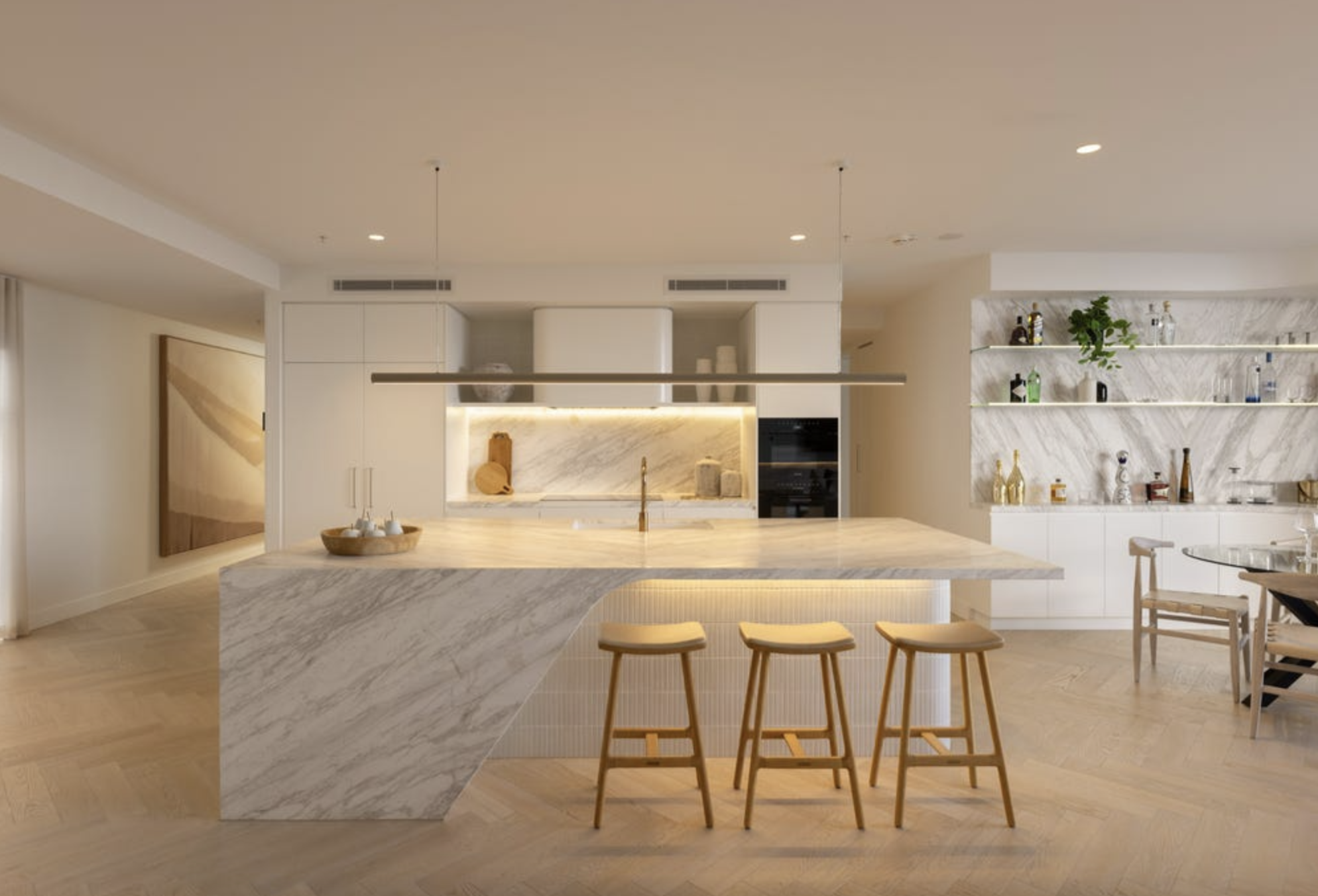
The Ambrose, Milton. Developer: Kokoda Property Group
The final penthouse in Kokoda’s Ambrose development in Milton stands out for a unique layout rarely seen in the modern penthouse market.
The 325 sqm residence atop the Cottee Parker-designed tower on McDougall Street includes four bedrooms, one of which is a fully self-contained apartment with its own living area and kitchen, ideal for multi-generational living or an au pair.
High-end inclusions run throughout: herringbone European oak floors, Volakas Classic marble, a custom bar, and a chef’s kitchen with Miele and Liebherr appliances, oversized island, and butler’s pantry.
The living area opens to a spacious balcony with sweeping city and river views and an integrated Artusi BBQ — also accessible from the master suite, which includes a walk-in robe, dressing area, and luxurious ensuite.
The Ambrose was an early adopter of Brisbane’s rooftop amenity trend. Completed in 2022, the rooftop features an infinity-edge pool, spa, barbecues, outdoor cinema, yoga lawn, residents’ lounge, private dining room, and a seven-day concierge.
From making unpopular decisions to learning when to listen, leaders from five businesses reveal what nobody prepared them for — and how running a company has challenged their expectations.

Technology and semiconductor shares fell sharply as investors questioned the debt financing the AI infrastructure boom and confronted higher rates and Chinese competition.

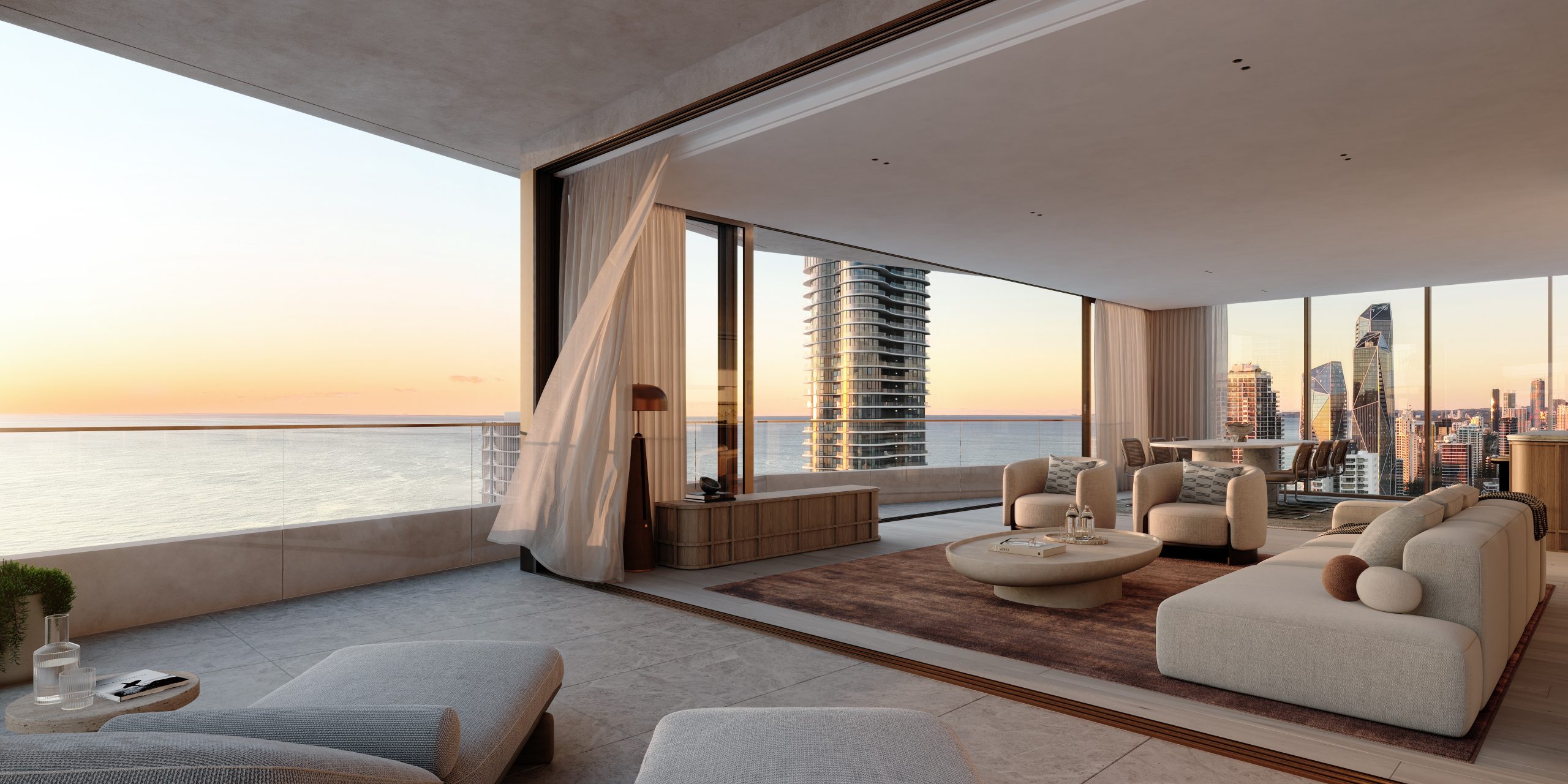
Mirvac’s 45-level Trielle has topped out at Yarra’s Edge, pairing riverfront apartments with wellness facilities, private dining and resident services.
3 min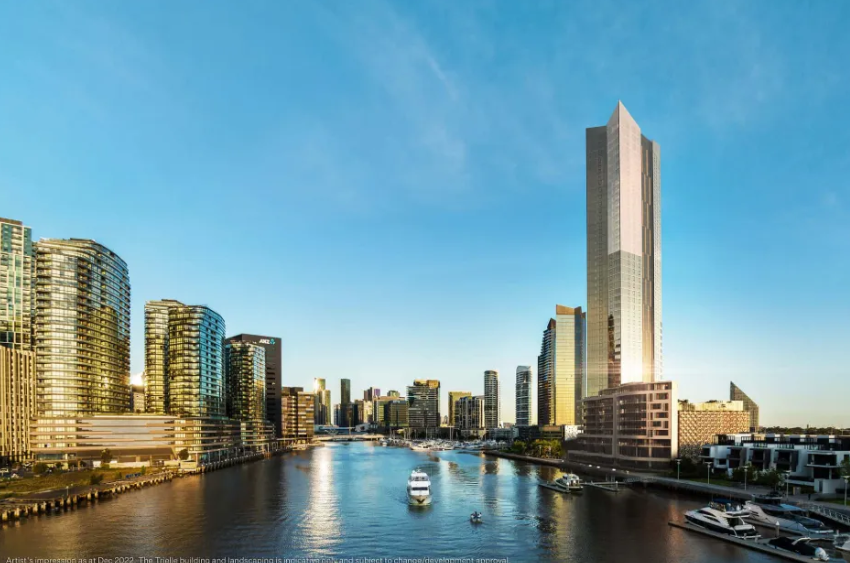
Mirvac has topped out Trielle at Melbourne’s Yarra’s Edge, with more than 70 per cent of the riverfront development sold and approximately 80 per cent of purchasers intending to make their apartment a home.
The figures, released on September 22, point to an owner-occupier audience for one of the precinct’s final residential towers. Mirvac began developing Yarra’s Edge in 2003, and its latest addition occupies one of the remaining absolute riverfront sites.
Mirvac CEO of Development Stuart Penklis said existing residents were among those moving up within the neighbourhood.
“Many purchasers already have a connection to Yarra’s Edge,” Mr Penklis said, describing buyers whose changing needs were encouraging an upgrade within the precinct.
“As one of the final residential towers within Yarra’s Edge, Trielle represents the culmination of more than two decades of creating one of Melbourne’s most established and sought-after waterfront communities,” Penklis said.
“Positioned on the Collins Street axis with absolute river frontage, Trielle offers residents a rare opportunity to enjoy sweeping views across the Yarra River, Melbourne skyline and Port Phillip Bay, while remaining seamlessly connected to the CBD. With Trielle now more than 70 per cent sold, we’re continuing to see strong demand from buyers seeking quality homes in established locations.”
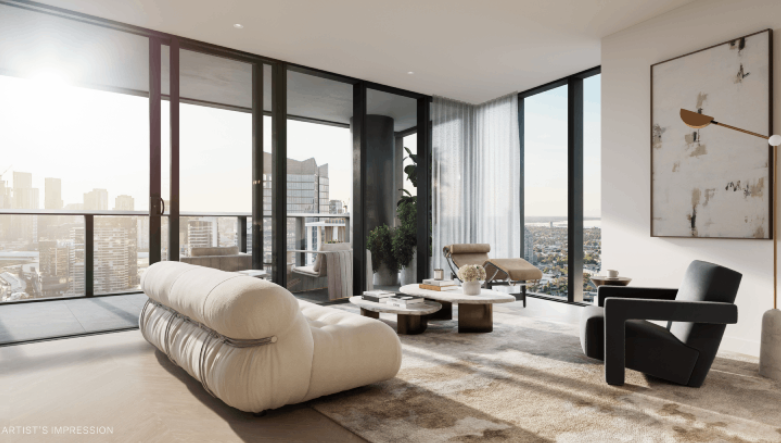
The developer also flagged a penthouse and sub-penthouse collection with larger layouts, premium finishes and broad outlooks. The planned wellness centrepiece, The Oasis, encompasses a 900-square-metre elevated urban rainforest.
Mirvac General Manager Residential Development Victoria Elysa Anderson said Trielle had resonated strongly with buyers seeking a rare lifestyle offering in Melbourne.
“Opportunities to secure a new luxury residence on a riverfront site of this calibre are incredibly rare, particularly within a community like Yarra’s Edge,” Anderson said.
“What makes Trielle unique is the combination of exceptional views, world-class residential facilities and the lifestyle that already exists around it. Residents are buying into a mature waterfront community with parks, promenades, dining, wellness and strong community connections already in place.”
The 45-level tower brings a substantial new presence to that waterfront. Its residential offering spans one-, two-, three- and four-bedroom apartments, with Signature, Prestige and Sub-Penthouse collections accommodating different household sizes. The north-facing position connects the apartments visually to the river and city beyond.
Seven storeys above the promenade, the planned Oasis combines planting and a running stream with a Scandinavian-inspired wellness club developed with spa specialist Naomi Gregory. Facilities include a 25-metre lap pool, hot magnesium pool, sauna, hydrotherapy, a gym, yoga and Pilates room, and treatment spaces.
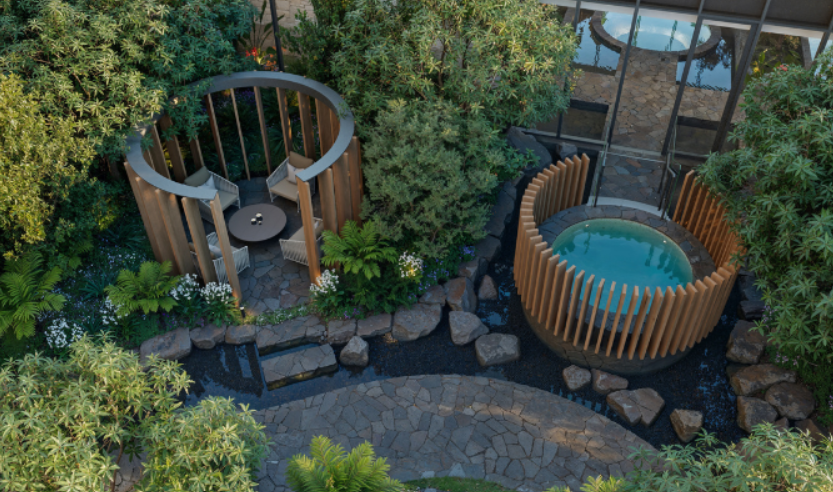
The amenity extends beyond exercise. Residents will have access to The Biblioteca library and workspaces, ground-floor work pods, and The Salone piano lounge. A private Chef’s Table dining room offers a setting for larger gatherings, while a cinema, games room and sports lounge broaden the entertaining options. Concierge services and a dog-wash area support everyday routines.
Trielle comprises a collection of one, two, three and four-bedroom residences. Reflecting strong demand from owner occupiers, approximately 80 per cent of purchasers to date intend to live in their homes, highlighting the project’s appeal to those seeking a long-term waterfront lifestyle.
Mirvac has recently delivered The Albertine, a premium apartment development on the edge of Melbourne’s CBD, and is nearing completion of Prince & Parade in Brunswick, further strengthening its portfolio of thoughtfully designed apartment communities in some of Melbourne’s most sought-after urban locations.
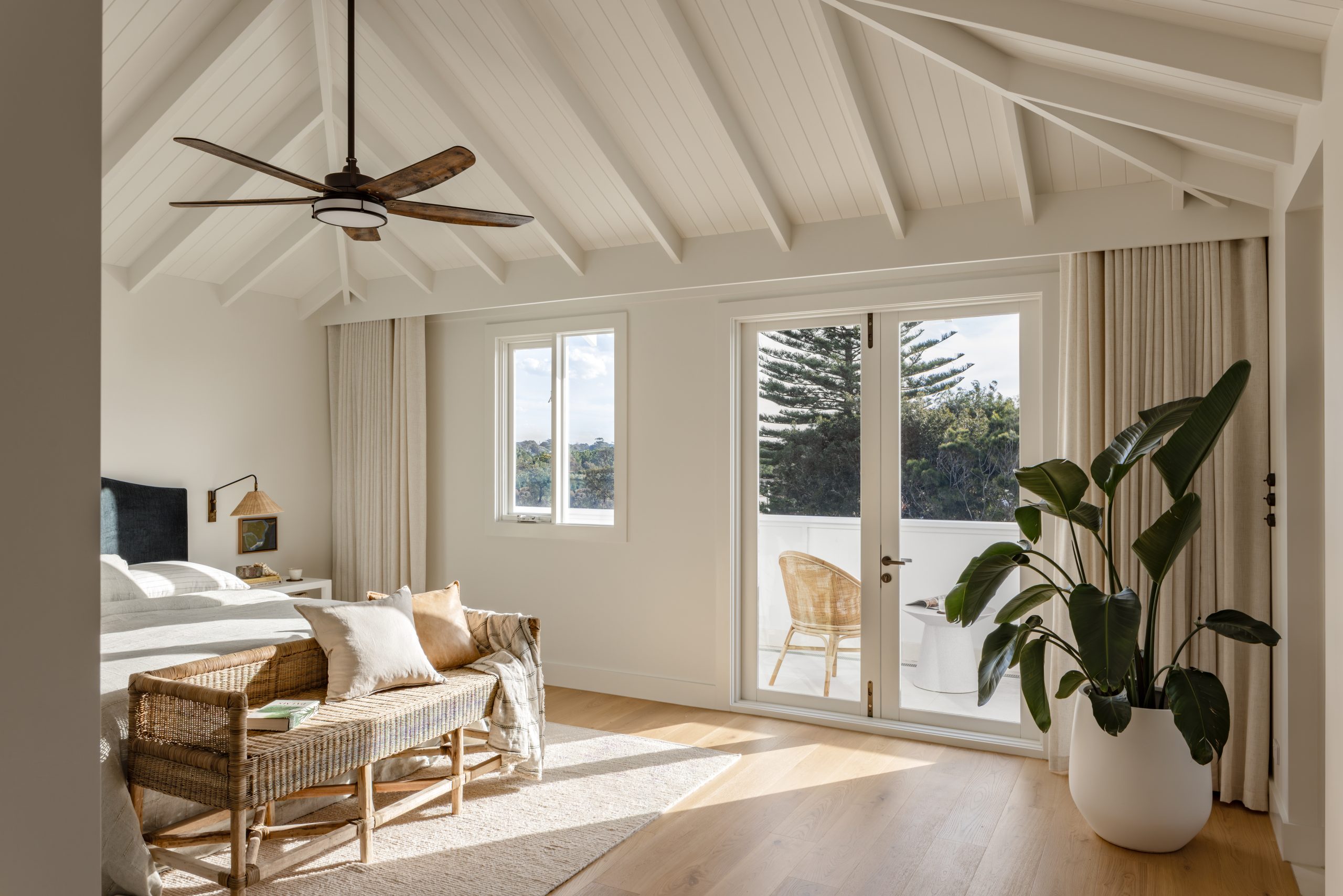
From warmer neutrals to tactile finishes, Australian homes are moving away from stark minimalism and towards spaces that feel more human.

From elevated skincare to handcrafted home pieces, this year’s most thoughtful gifts go beyond the expected.