The ‘Meatball Test’ and Other Tips for Pet-Proofing Your Decor
Yes, it’s possible to have both a chic interior and four-legged friends. Designers share their hard-won workarounds.

 2 min
2 min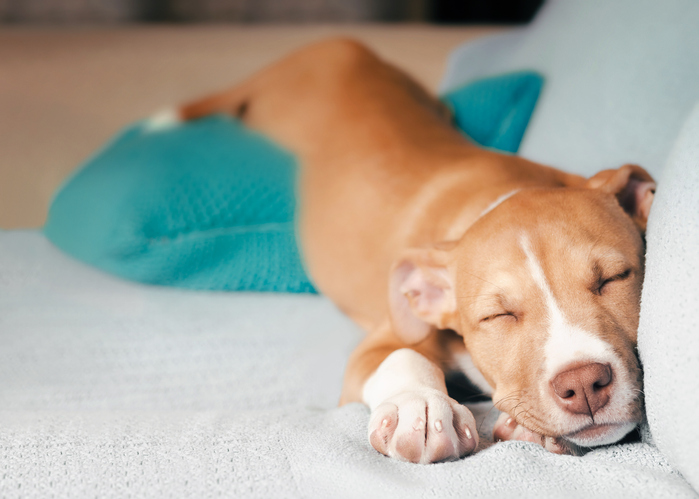
I UNDERSTAND the pet-owner’s decor dilemma. When my roommate and I fostered two kittens, a toxic cycle began. Though our new friends knocked framed posters off the wall at night, the next morning Betty and Brontë’s innocent eyes would disarm me and I’d drop kisses on their tiny foreheads. But must “fur babies” condemn a homeowner to tarp-clad sofas and plastic vases? No, say pet-owning interior designers.
Carpet Correctly
New York designer Ghislaine Viñas’s tip: Roll out dark-coloured rugs with intricate patterns to hide slobber, mud and piddle accidents. Jaipur Living’s Poeme design would pass Atlanta designer Cate Dunning’s “meatball test,” which asks: Would a meatball dropped on the rug disappear? If so, bring on the paws.
Thick, natural weaves like wool and seagrass weather house-training accidents well. Avoid sisal, says New York designer Bunny Williams. Though handsome and textured, it easily absorbs moisture, making spot cleaning a chore, she says. Performance materials such as polypropylene hold up well, says Keren Richter, principal designer of Manhattan firm White Arrow, but she steers clear of viscose, a delicate semi-synthetic material prone to shedding.
Up Your Sofa Game
Pets’ claws catch easily in loose weaves like bouclé, and cats especially can’t resist them. Richter tests a textile’s suitability with a paper clip. Unfold the metal and run the jagged end against a fabric. If it snags, the material won’t survive a cat’s talons. Mohair and velvet pass this test, the designer has found.
Nicole Fuller’s two Maine Coons, Monty and Punk, besieged her herringbone linen sofa, “hanging from it by their claws,” she said. The New York designer reupholstered the couch in Dedar’s Klein blue cotton velvet—tightly woven and durable. As for leather, cats’ claws will shred it, but paw marks and the oil from dogs’ coats can be passed off as “patina.”
Viñas endorses performance fabrics for upholstery as they “ensure the highest level of durability.” Sunbrella offers solution-dyed acrylic that repels water and stains and holds up against the oil and dirt from dogs’ coats, says Richter. Fuller, who finds some performance fabrics too rough, relies on luxurious European outdoor fabric from Loro Piana and Pierre Frey .
For shedding fur, Richter suggests the ultimate camouflage: a sofa that matches your pet’s colouring. “Sometimes, if you can’t beat ’em, join ’em,” she said.
Alternatively, Williams tucks throws into armchairs and wraps sofa cushions in blankets. After years with her cat and two terrier mixes, she’s found that faux fur blankets and cotton block-printed Indian fabrics endure, wash easily and appear intentional. “Make sure that it still looks like a chair that someone can sit in and not just the dog’s chair [or sofa],” Williams said.
Make Little Moves
Fuller collects Murano glassware and loves lit candlesticks. Uncompromising, she presses Stick-Um putty to the bottoms of both so her cats can’t topple them. Richter deploys museum gel , a special adhesive, for wobbly curios.
Plants can be hung out of reach of digging dogs and mischievous cats, says Geraldine James, author of “Cool Dogs, Cool Homes” (CICO, 2023). If you like your plants earthbound, the website Plants for Pet Parents sells plants the ASPCA deems not toxic to pets.
As for the slew of chew toys, corral them in a container that compliments your interior—whether that’s a folksy gingham-lined basket or IKEA’s mod dandelion-yellow wire bin .
 Copyright 2020, Dow Jones & Company, Inc. All Rights Reserved Worldwide. LEARN MORE




From making unpopular decisions to learning when to listen, leaders from five businesses reveal what nobody prepared them for — and how running a company has challenged their expectations.
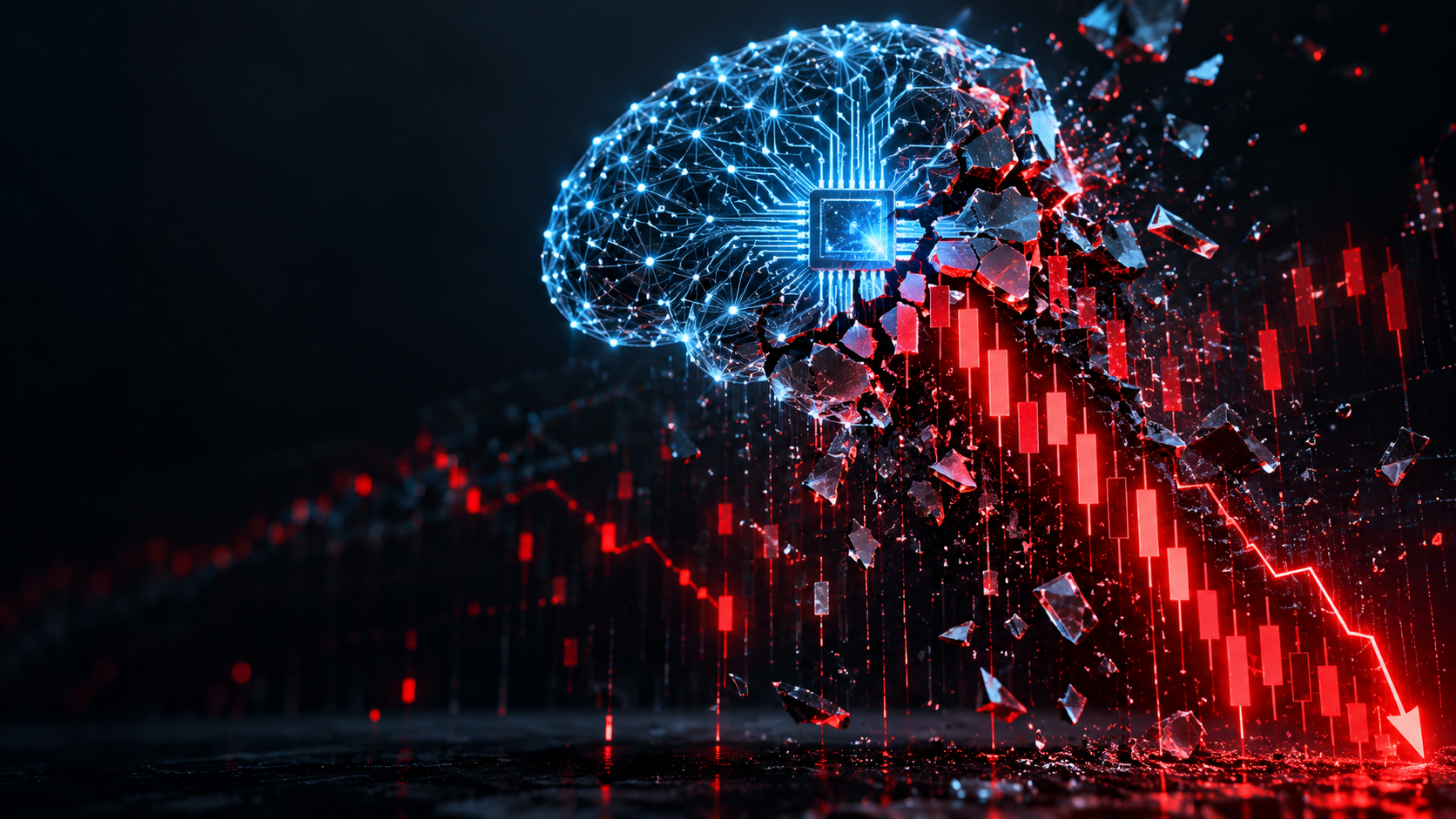
Technology and semiconductor shares fell sharply as investors questioned the debt financing the AI infrastructure boom and confronted higher rates and Chinese competition.

Elon Musk is exploring a potential merger between Tesla and SpaceX, a deal that could reshape the future of AI, robotics, autonomous vehicles and space technology. With a combined valuation potentially reaching $3.5 trillion, the move could bring Musk’s vision of an interconnected technology ecosystem closer to reality, although a deal remains uncertain.
5 min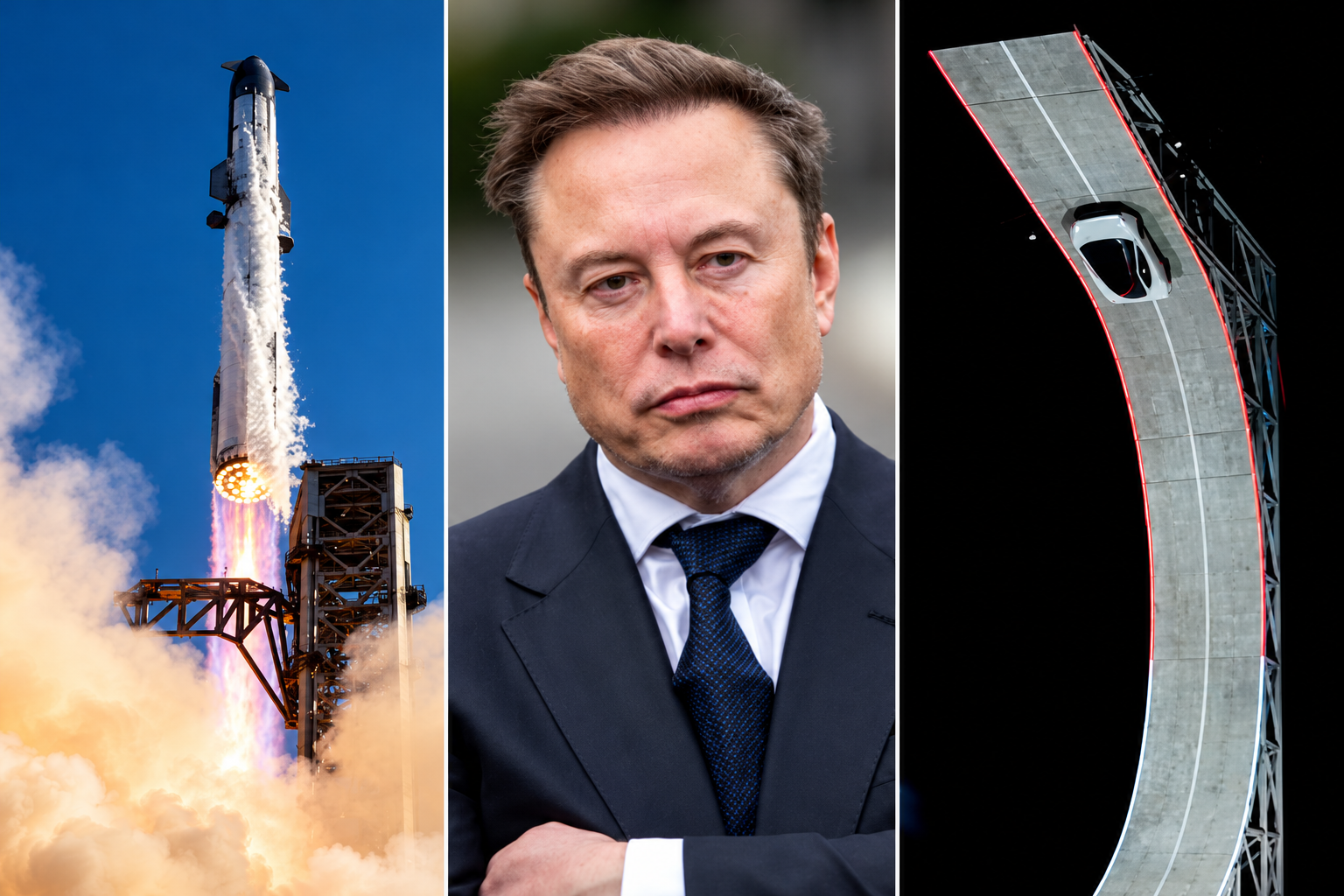
Elon Musk has engineered ties between Tesla TSLA 3.41%increase; up pointing triangle and SpaceX SPCX 7.79%increase; up pointing triangle that are hard to break, and now he wants to fuse them together permanently.
Musk has run both Tesla and SpaceX concurrently over the past two decades, using a schedule that dictated which days he spent focused on each business.
The companies have often shared resources and personnel, signaling their close ties. Last year, SpaceX looked into creating a spacesuit for Tesla’s humanoid robot Optimus, a person familiar with the matter said. Tesla last week showed off its new Roadster, a vehicle featuring SpaceX rocket thrusters that it hopes to soon bring to market.
And in recent months, Musk has repositioned both companies by expanding beyond their core operations toward a shared mission centered on artificial intelligence.
The world’s richest man on Tuesday signaled his interest in tying up SpaceX and Tesla, marking what would be the biggest corporate merger of all time. Because he serves as chief executive of SpaceX and Tesla, Musk said committees of independent directors at both companies are evaluating a possible deal, adding that a transaction might not come to fruition.
The committees will likely evaluate, with lawyers and bankers, how each company would fare in a potential deal and how a deal might best be structured. They then present their conclusions to their respective boards, who typically vote on whether to proceed.
“It’s an odd Kabuki dance where two groups of people are talking and I can’t be in the conversation,” Musk told SpaceX investors on Tuesday in response to an analyst’s question about a potential deal.
For Musk, the merger supports his vision of a world full of autonomous cars, humanoid robots and weekly rocket launches, as well as the data centers and satellites required to keep the whole thing running.
Some investors and analysts said they expect a transaction would be structured as an all-stock deal, with SpaceX potentially paying a modest premium for Tesla shares.
SpaceX, which has a market value of about $2 trillion, said it is seeing sharp growth in revenue across its businesses, which include operating data centers, launching rockets and operating satellite networks such as the internet service Starlink. Tesla is valued at about $1.5 trillion and is expanding its operations beyond its automotive and energy business. Shares in both companies traded higher following the news Tuesday.
Musk’s substantial ownership stakes in both companies, along with voting control at SpaceX, has enabled him to set the deal in motion. Analysts and investors said the deal will probably face regulatory scrutiny internationally, though some see Musk’s close relationship with the Trump administration as an asset to getting approval.
Blurred lines
The companies haven’t said which directors are on the special committees evaluating a potential deal. Several SpaceX and Tesla board members have either personal or business ties to Musk. And like Musk, venture capitalist Ira Ehrenpreis sits on both boards.
In a filing this week, Tesla outlined millions of dollars in business agreements with SpaceX and its subsidiaries last year, including $143 million in car sales to SpaceX, $3.3 million in advertising that it bought on the social-media platform X and $430 million in revenue from the sale of Megapack batteries for SpaceX’s data centers.
The companies also split the cost of resources including the use of Musk’s SpaceX jet and the bill for his personal security, which he runs through a private company.
Employees at both companies routinely move between companies to work on special projects, and some executives have dual roles, including Charles Kuehmann, vice president of materials engineering at both SpaceX and Tesla, and Ashok Elluswamy, the vice president of AI software at Tesla who runs a joint venture with SpaceX called Digital Optimus.
Over the years, Musk has launched new startups within his empire, including brain-implant company Neuralink, underground-tunnel developer the Boring Company and xAI, the AI startup that merged with SpaceX in February.
It is that AI business that Musk thinks can serve a market worth tens of trillions of dollars, justifying the need for a merger.
The business case goes like this: Tesla is developing robotaxis and robots, which it calls “physical AI.” SpaceX is working on the back end of physical AI: the data-center capacity and internet connection required for those robotaxis and robots to operate continuously.
“I don’t see what the value of Tesla is if it’s not merged with SpaceX,” said investment adviser Ross Gerber, a former Tesla bull turned critic invested in both companies. “If they don’t merge, the brains of everything that runs Tesla is owned by another company.”
On top of it all, both companies face constraints on the supply chains they need to make this world a reality, particularly when it comes to chips. To address this, Musk earlier this year announced a joint venture between Tesla, SpaceX and Intel to design and manufacture chips in Texas. “The most epic chip-building exercise by far,” he has said.
Musk at the wheel
For Musk, a merger would also solve two problems: demands on his attention and his lack of control at Tesla.
Tesla for years was Musk’s only public company, a status that came with greater scrutiny. There, Musk reports to a public board, as well as individual investors who make up around 30% of Tesla’s voting power, according to FactSet.
The question of Musk’s attention became a particular focus for investors and the board in recent years after he acquired Twitter in 2022 and launched xAI in 2023, and again in 2025 as he spent time in Washington, D.C., running the Department of Government Efficiency in the early months of President Trump’s second term.
As Tesla’s car business suffered in 2025, Musk threatened to take his AI ambitions outside the company if he wasn’t granted 25% voting control. Last November, Tesla shareholders approved a new pay package for Musk, which created a path for him to vastly expand his stake.
As of Sept. 30, Musk owned a roughly 20% stake in Tesla, according to the company’s proxy filing.
The SpaceX IPO gave Musk a different path. When SpaceX went public in June, the deal’s structure enabled him to have more than 80% voting power at the company—so much that he can’t be fired and decisions can’t be made without his support.
If SpaceX acquires Tesla, he will likely stay in control.

ABC Bullion has launched a pioneering investment product that allows Australians to draw regular cashflow from their precious metal holdings.

French luxury-goods giant’s results are a sign that shoppers weren’t splurging on its collections of high-end garments in the run-up to the holiday season.