The Rise of Lifestyle-Driven Luxury Real Estate: Mayfair, Marylebone and Beyond
 4 min
4 min
With the pandemic behind us, there has been a rise in buyers prioritising lifestyle when investing in luxury estates and this shift is transforming the market.
With an eye on long-term returns, buyers seek properties that offer exceptional value and an elevated way of life.
Mayfair, Marylebone and more are among the most sought-after locations for those drawn to exclusive, culture-rich living spaces.
Here, we’ll explore how these trends shape the landscape of luxury property investment.
Key Drivers of Lifestyle-Focused Investments
● Green spaces have become popular, with proximity to parks and recreational areas becoming a major consideration for the tranquil environment away from the busy city life.
● Cultural amenities, such as access to galleries, museums, theatres and high-end dining options, elevate the living experience, blending luxury with leisure.
● Long-term ROI enables buyers to recognise the value of properties that offer lifestyle benefits and strong, consistent returns on investment over time.
The Appeal of Lifestyle-Driven Luxury Real Estate
For high-net-worth individuals, pursuing an ideal lifestyle drives purchasing decisions. Post-pandemic, a shift has emerged: Homebuyers are looking for properties that offer more than just impressive architecture or grand square footage.
Buyers today are willing to pay a premium for properties in neighbourhoods that embody this lifestyle.
It includes places where they can enjoy privacy, aesthetic beauty and convenient access to leisure, art, and entertainment.
Suburbs That Are Attracting Lifestyle-Driven Investors
From Chelsea to Belgravia, here is a selection of prime locations captivating lifestyle-focused investors:
Mayfair: The Epitome of Exclusivity
Mayfair is one of London’s most prestigious neighbourhoods, known for its exclusivity, luxury boutiques, world-class dining and proximity to Hyde Park and Buckingham Palace, offering privacy and cultural access.
● Property prices: Prime properties in Mayfair command some of the highest prices in London, with prices per square foot consistently among the highest in the market.
● Amenities: The area features Michelin-starred restaurants, private clubs and art galleries, attracting investors with its cultural appeal and strong long-term property value potential.
Marylebone: A Village in the Heart of London
Marylebone offers a village-like atmosphere in the heart of the city, with independent shops, cafes and excellent transport links, attracting lifestyle investors seeking peace and quiet close to central London’s cultural and commercial hub.
● Property prices: Marylebone’s average property price hovers around £1.66 million, making it an attractive option for high-end buyers.
● Community appeal: Its cultural attractions, including Madame Tussauds, the Sherlock Holmes Museum and proximity to Regents Park, make it an attractive investment for those seeking quiet living with cultural access.
Chelsea: The Charm of a Traditional London District
Chelsea, one of London’s most iconic districts, offers cultural landmarks, boutique shopping, exclusive restaurants and proximity to the River Thames and King’s Road, appealing to buyers seeking an active lifestyle and luxury living.
● Property prices: In the SW3 area, Chelsea’s real estate market sees average prices of £1.91 million, with prime properties yielding strong returns for investors.
● Green spaces and proximity to culture: With green spaces like Battersea Park and cultural spots like the Saatchi Gallery, Chelsea offers a blend of tranquillity and urban energy, attracting lifestyle-focused investors.
Notting Hill: Bohemian Luxury Meets Culture
Notting Hill, known for its eclectic charm and vibrant cultural scene, boasts some of London’s most valuable real estate. With high-end boutiques and famous markets, it blends luxury living with a laid-back, creative atmosphere.
● Property prices: Properties in Notting Hill can range from £1.1 million to over £10 million, depending on location and size.
● Cultural heritage: Its artistic heritage, along with theatres and galleries, makes it a desirable spot for investors who want to live in a neighbourhood that reflects history and contemporary culture.
Belgravia: Timeless Elegance
Belgravia, one of London’s most elegant neighbourhoods, features private garden squares, neoclassical architecture and high-end retail. Its proximity to top schools and embassies attracts investors seeking security, privacy and a refined lifestyle.
● Property prices: With an average property price of £2.75 million, Belgravia remains one of London’s most stable luxury markets.
● Exclusive living: Belgravia is renowned for its exclusivity, making it highly attractive to those who want to be at the centre of high society while maintaining a low profile.
Market Data and Investment Trends
Understanding the market in these sought-after areas is crucial for potential investors.
In Q4 2024, the total turnover for prime real estate in central London was £1.59 billion, with significant interest from international buyers.
Across these luxury suburbs, the average rental yield stands at around 4.5%, with properties in Mayfair and Belgravia offering some of the highest returns due to their high desirability.
● ROI trends: Prime properties in areas like Chelsea and Marylebone have shown consistent year-on-year returns of up to 5%, making them solid choices for long-term investors.
● Buyer demographics: A growing number of international buyers from the Middle East, the US and Europe are making their way to these neighbourhoods, further driving demand for high-end properties.
The Future of Luxury Real Estate Investment
The future of lifestyle-driven luxury property investment looks promising, with high-end buyers seeking financial returns and a curated lifestyle.
As more buyers are drawn to these exclusive neighbourhoods, demand rises due to personal preferences and investment potential. These areas are poised to remain at the forefront of London’s luxury real estate market.
Charles Whitehead, Director of Pearl Lemon Properties, has more than 14 years of expertise in luxury buy-to-let properties and high-end flips, providing clients exclusive investment strategies to further enhance their property portfolios.

From making unpopular decisions to learning when to listen, leaders from five businesses reveal what nobody prepared them for — and how running a company has challenged their expectations.

Technology and semiconductor shares fell sharply as investors questioned the debt financing the AI infrastructure boom and confronted higher rates and Chinese competition.
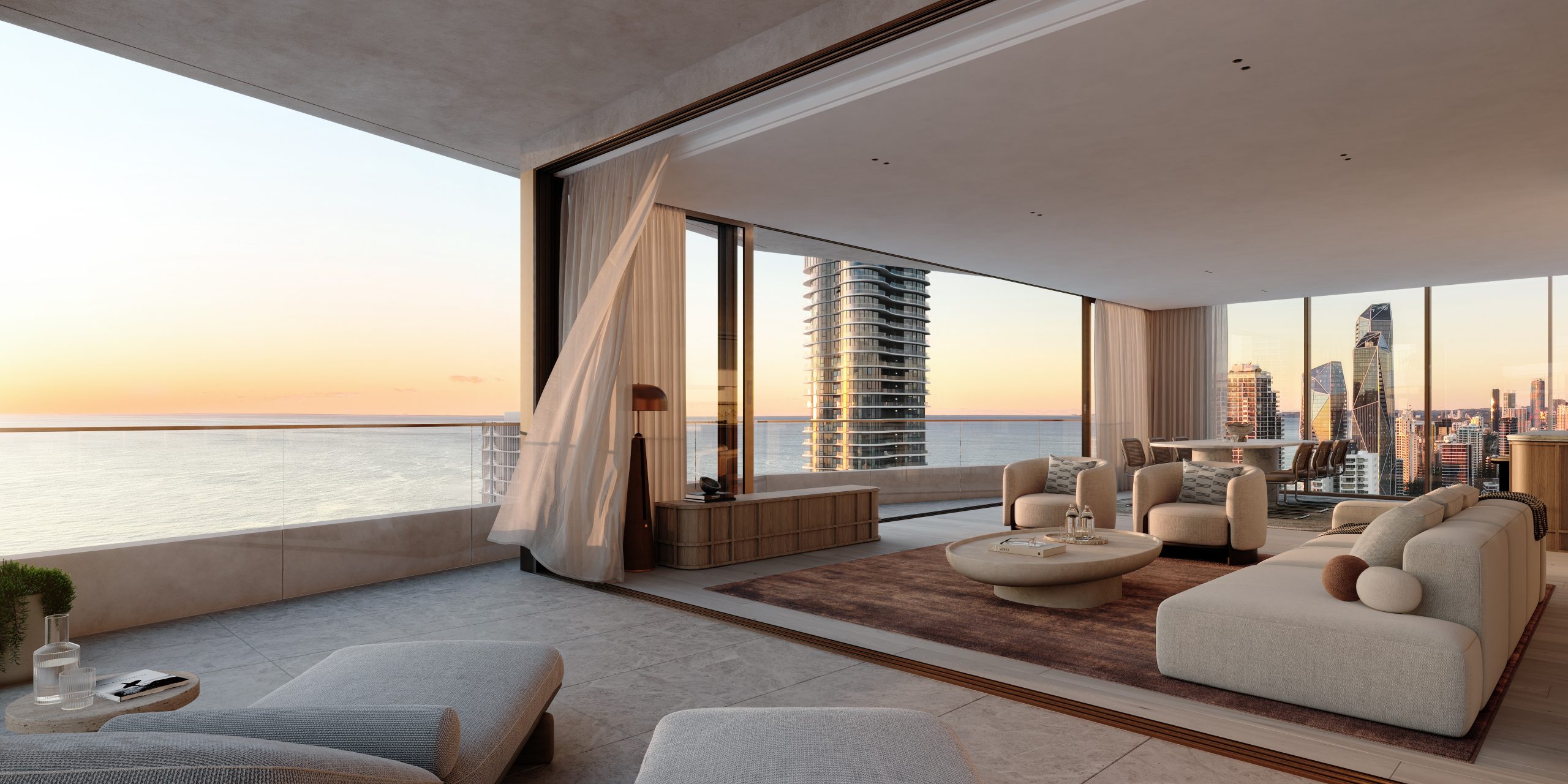
Mirvac’s 45-level Trielle has topped out at Yarra’s Edge, pairing riverfront apartments with wellness facilities, private dining and resident services.
3 min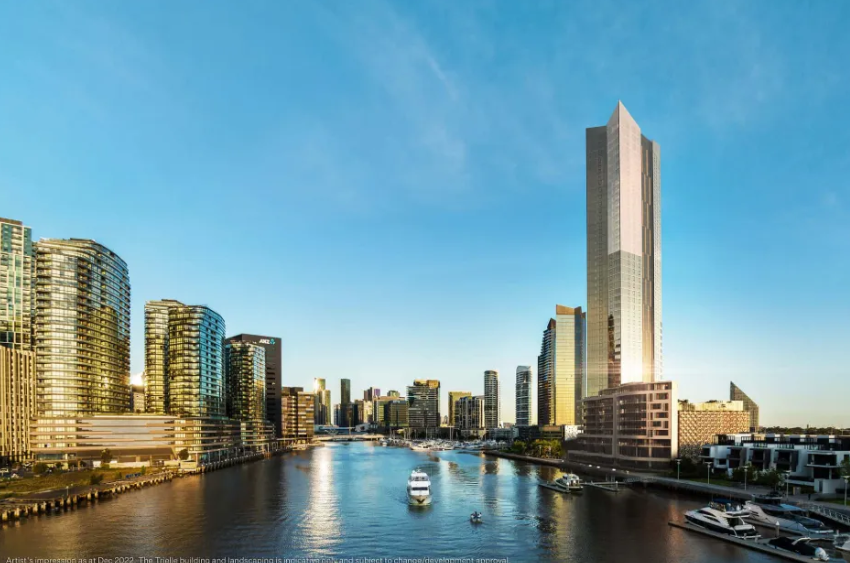
Mirvac has topped out Trielle at Melbourne’s Yarra’s Edge, with more than 70 per cent of the riverfront development sold and approximately 80 per cent of purchasers intending to make their apartment a home.
The figures, released on September 22, point to an owner-occupier audience for one of the precinct’s final residential towers. Mirvac began developing Yarra’s Edge in 2003, and its latest addition occupies one of the remaining absolute riverfront sites.
Mirvac CEO of Development Stuart Penklis said existing residents were among those moving up within the neighbourhood.
“Many purchasers already have a connection to Yarra’s Edge,” Mr Penklis said, describing buyers whose changing needs were encouraging an upgrade within the precinct.
“As one of the final residential towers within Yarra’s Edge, Trielle represents the culmination of more than two decades of creating one of Melbourne’s most established and sought-after waterfront communities,” Penklis said.
“Positioned on the Collins Street axis with absolute river frontage, Trielle offers residents a rare opportunity to enjoy sweeping views across the Yarra River, Melbourne skyline and Port Phillip Bay, while remaining seamlessly connected to the CBD. With Trielle now more than 70 per cent sold, we’re continuing to see strong demand from buyers seeking quality homes in established locations.”
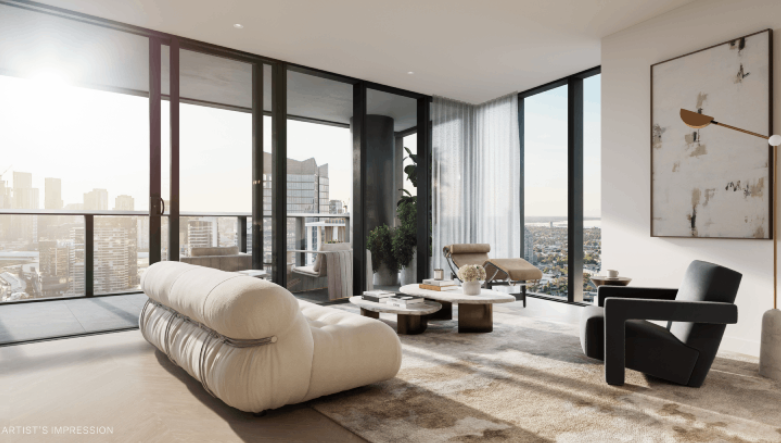
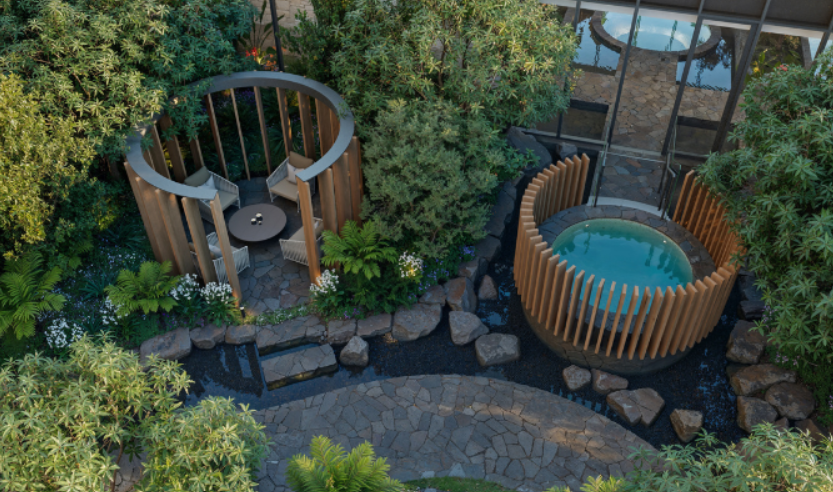
The developer also flagged a penthouse and sub-penthouse collection with larger layouts, premium finishes and broad outlooks. The planned wellness centrepiece, The Oasis, encompasses a 900-square-metre elevated urban rainforest.
Mirvac General Manager Residential Development Victoria Elysa Anderson said Trielle had resonated strongly with buyers seeking a rare lifestyle offering in Melbourne.
“Opportunities to secure a new luxury residence on a riverfront site of this calibre are incredibly rare, particularly within a community like Yarra’s Edge,” Anderson said.
“What makes Trielle unique is the combination of exceptional views, world-class residential facilities and the lifestyle that already exists around it. Residents are buying into a mature waterfront community with parks, promenades, dining, wellness and strong community connections already in place.”
The 45-level tower brings a substantial new presence to that waterfront. Its residential offering spans one-, two-, three- and four-bedroom apartments, with Signature, Prestige and Sub-Penthouse collections accommodating different household sizes. The north-facing position connects the apartments visually to the river and city beyond.
Seven storeys above the promenade, the planned Oasis combines planting and a running stream with a Scandinavian-inspired wellness club developed with spa specialist Naomi Gregory. Facilities include a 25-metre lap pool, hot magnesium pool, sauna, hydrotherapy, a gym, yoga and Pilates room, and treatment spaces.
The amenity extends beyond exercise. Residents will have access to The Biblioteca library and workspaces, ground-floor work pods, and The Salone piano lounge. A private Chef’s Table dining room offers a setting for larger gatherings, while a cinema, games room and sports lounge broaden the entertaining options. Concierge services and a dog-wash area support everyday routines.
Trielle comprises a collection of one, two, three and four-bedroom residences. Reflecting strong demand from owner occupiers, approximately 80 per cent of purchasers to date intend to live in their homes, highlighting the project’s appeal to those seeking a long-term waterfront lifestyle.
Mirvac has recently delivered The Albertine, a premium apartment development on the edge of Melbourne’s CBD, and is nearing completion of Prince & Parade in Brunswick, further strengthening its portfolio of thoughtfully designed apartment communities in some of Melbourne’s most sought-after urban locations.
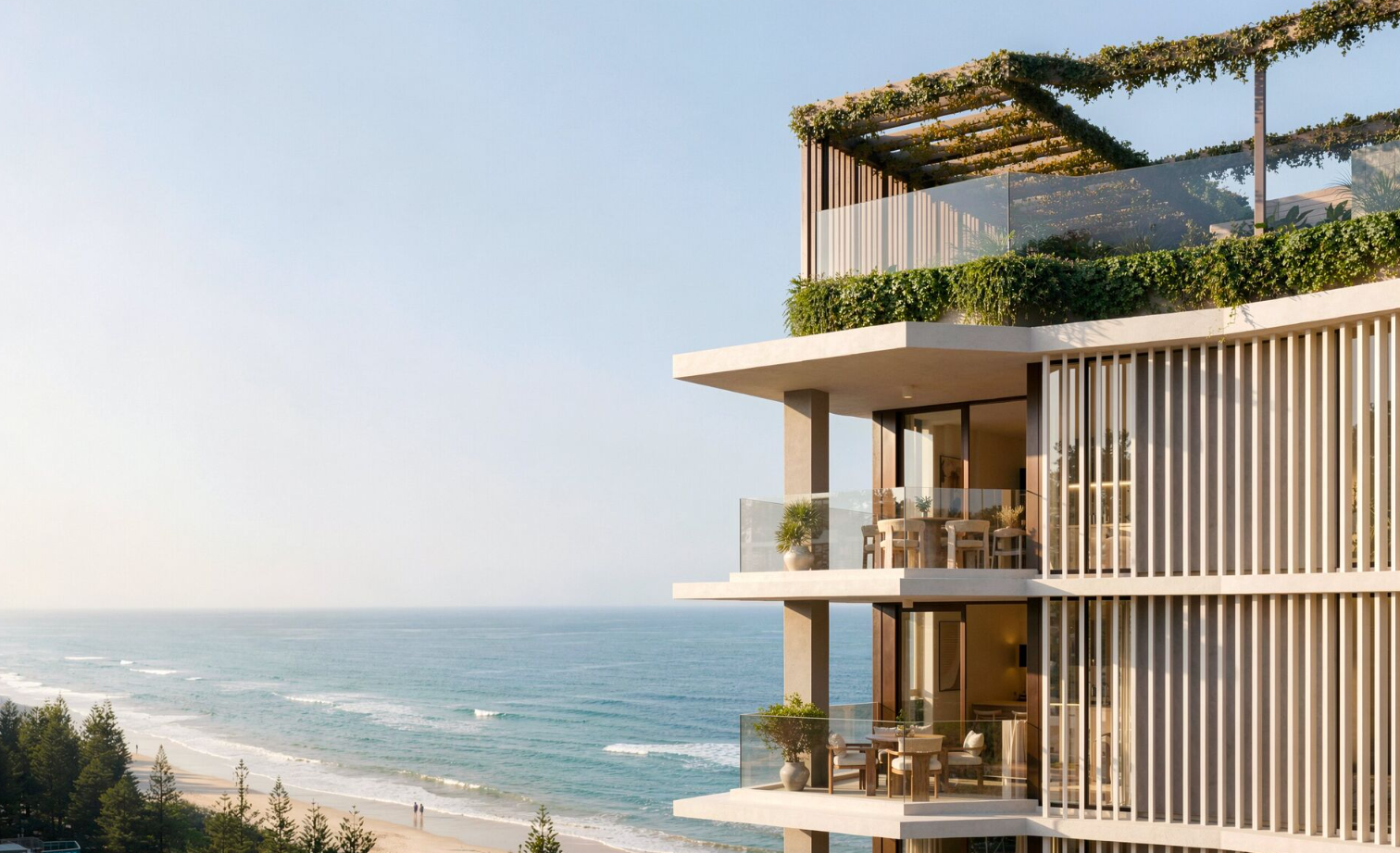
Studio apartments have almost disappeared from new Australian developments. Lura is bringing them back to Burleigh Heads from $495,000.

Powerhouse real estate couple Avi Khan and Kaylea Sayer welcome their daughter while balancing record-breaking careers, proving success and family can grow side by side.