Futuristic Feng Shui-Designed Malibu Mansion Once Asking $57 Million Heads to Auction
The glass, steel and concrete structure by contemporary architect Ed Niles incorporates elements of the traditional design philosophy and the symbolism of the lucky No. 8

 4 min
4 min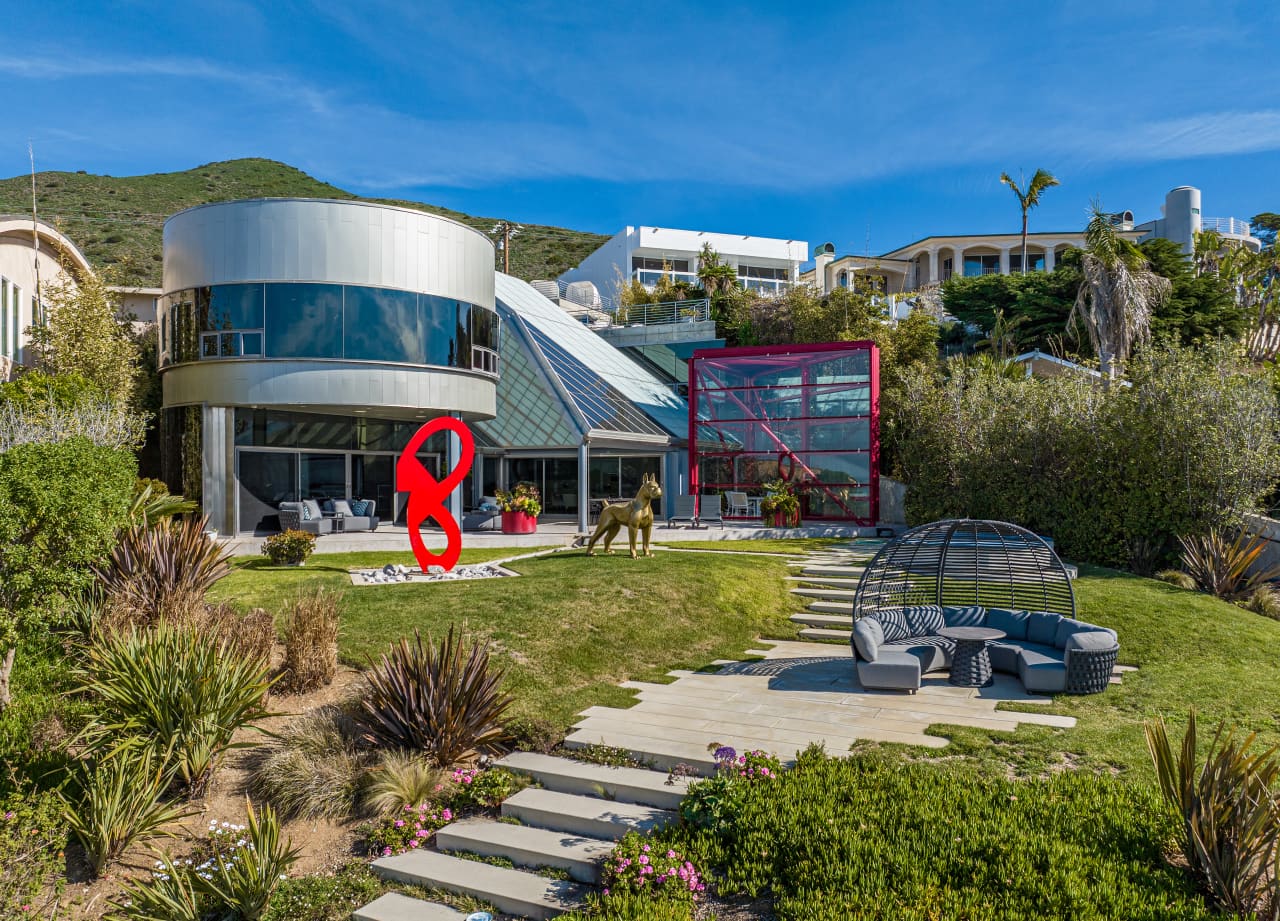
A contemporary home designed with Feng Shui principles in Malibu that once asked $57.5 million will be auctioned in June.
The architectural home lies on the Pacific Coast Highway in Western Malibu, a surf spot known for its pristine beaches and celebrity owners. Concierge Auctions, which is handling the sale, expects bidding to open between $10 million and $19 million.
The long, narrow lot is about four-fifths of an acre and boasts 75 feet of private beachfront. Owner Wei-Tzuoh Chen, a California-based nephrologist, purchased the property in 2003 with his wife, Carrie Chen, for around $2.25 million. They originally intended to knock down the existing house and develop four condo units but then decided to keep the location for themselves as a vacation property.
“I’ve lived in many beachfront houses in different parts of Southern California, but this is the finest sandy beach I’ve ever seen,” he said, distinguishing it from places where the water comes right up to the house during high tide.
The couple spent over six years building an 8,206-square-foot glass, steel and concrete residence with Malibu architect Ed Niles, who Chen said “spoke to his taste as a contemporary, not modern, architect.”
A native of Taiwan, Chen wanted to incorporate elements of Feng Shui into Niles’s signature futuristic design, inspired by the Guggenheim in New York City and the Broad in Los Angeles.
“I wanted a mini-museum in which to display my collection of Chinese antiques in a futuristic setting,” he said.
The property was previously listed in March 2023 at $57.5 million by Madison Hildebrand, president and CEO of the Malibu Life Team (and star of Bravo TV’s “Million Dollar Listing Los Angeles”), along with Jennifer Chrisman of Compass, Wendy Wong of Treelane Realty Group and Katherine Quach of Treeline Realty & Investment. The agents are collaborating with Concierge Auctions, which will launch the auction on its online marketplace in mid-June. It is currently listed at $42 million.

The residence juxtaposes organic with geometric shapes; curved and straight lines mingle inside and out.
As shown in an aerial photo, it consists of a series of circles, semi-circles, triangles and rectangles. “There are basically eight different-shaped structures in a configuration,” Chen said, explaining that the number eight symbolises good fortune in Chinese numerology.
Integrating Feng Shui elements was accomplished in numerous ways.
“Feng means ‘wind,’ and the idea is to have air flowing throughout,” Chen said. “Based on a survey of the site, Niles designed it so that when you open the door on the ocean side, the breeze will circulate into every area of the house.”
He added that the architect also designed the house around the sun’s movement, capturing the ever-changing light via over 45 custom skylights. “The architectural perspective of the house shifts every minute of the day.”
Feng Shui also refers to the flow of movement, which starts from the street-side security gate, where a short driveway descends to the house below. “The concept of the Chinese home is to be unassuming from the front and then to provide a wow factor when you walk inside,” he explained.

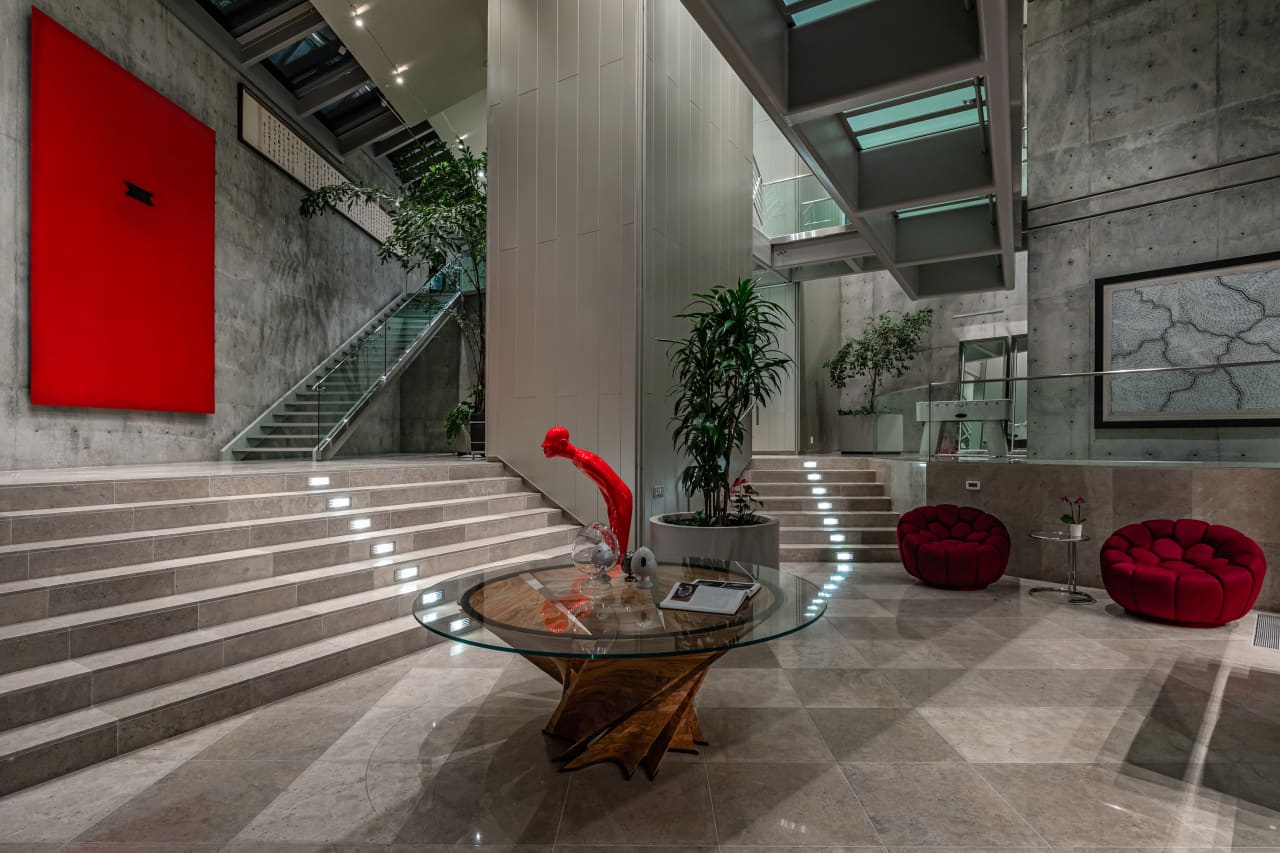
Steps lead down to the glass-walled entrance with a soaring steel-paned glass ceiling. This spills into a cavernous space framed by massive architectural concrete walls and a floating bridge overhead. Two expansive sets of built-in stairs lead in different directions—one connects with a floating staircase to an upper level. The other flows into the ground floor living area and kitchen, with views to the horizon on two sides. A wall of frameless glass doors opens onto the back patio and an outdoor dining area.
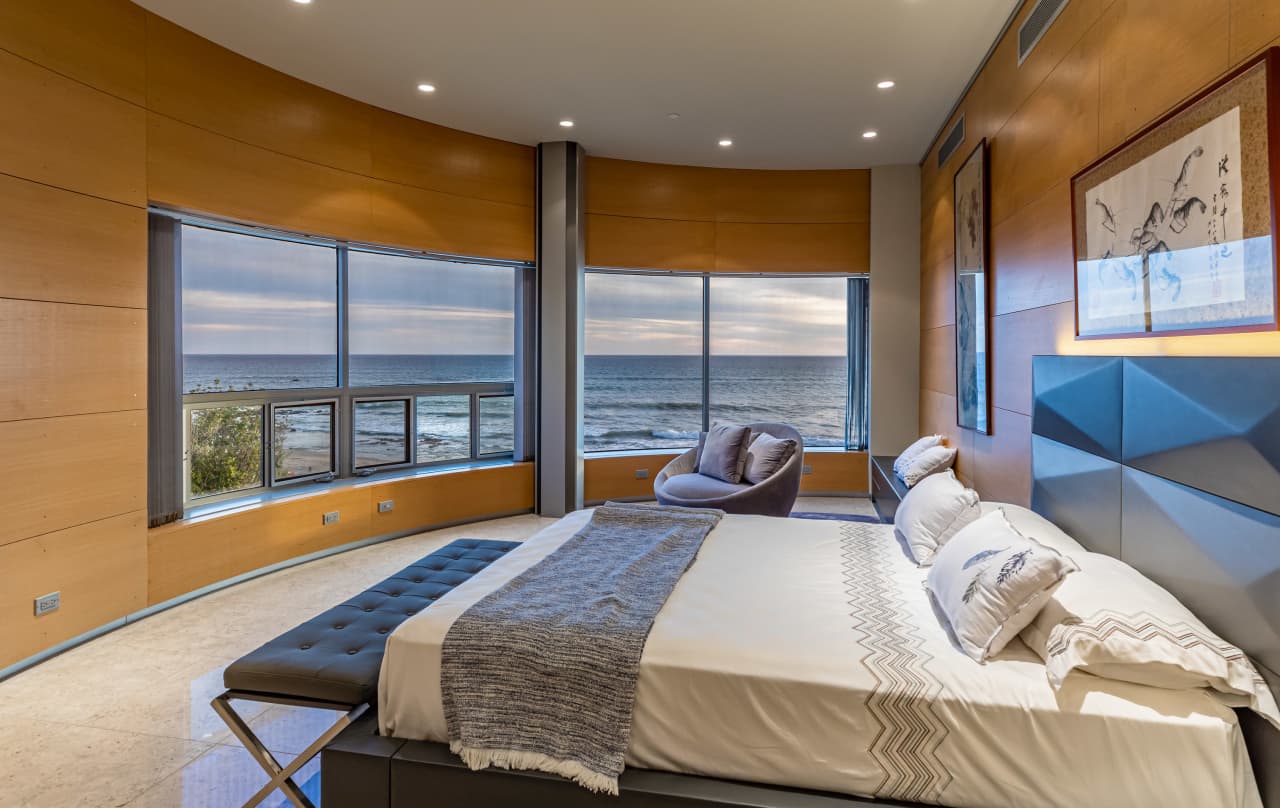
Two separate upper-level spaces—one rounded, the other a triangle—jut out over the patio, creating covered sitting areas below. The round space comprises the primary suite, featuring a wood-panelled sleeping area and a marble bathroom with a cylindrical Japanese stainless-steel tub overlooking the ocean. A 50-foot bridge and short flights of stairs lead to three more bedrooms with private decks.
“Every split level has its own wing with an en-suite bedroom, so they are private with no shared walls, and everyone gets to take advantage of the view,” Hildebrand said. “The guest house is separate with its own private outdoor space.”
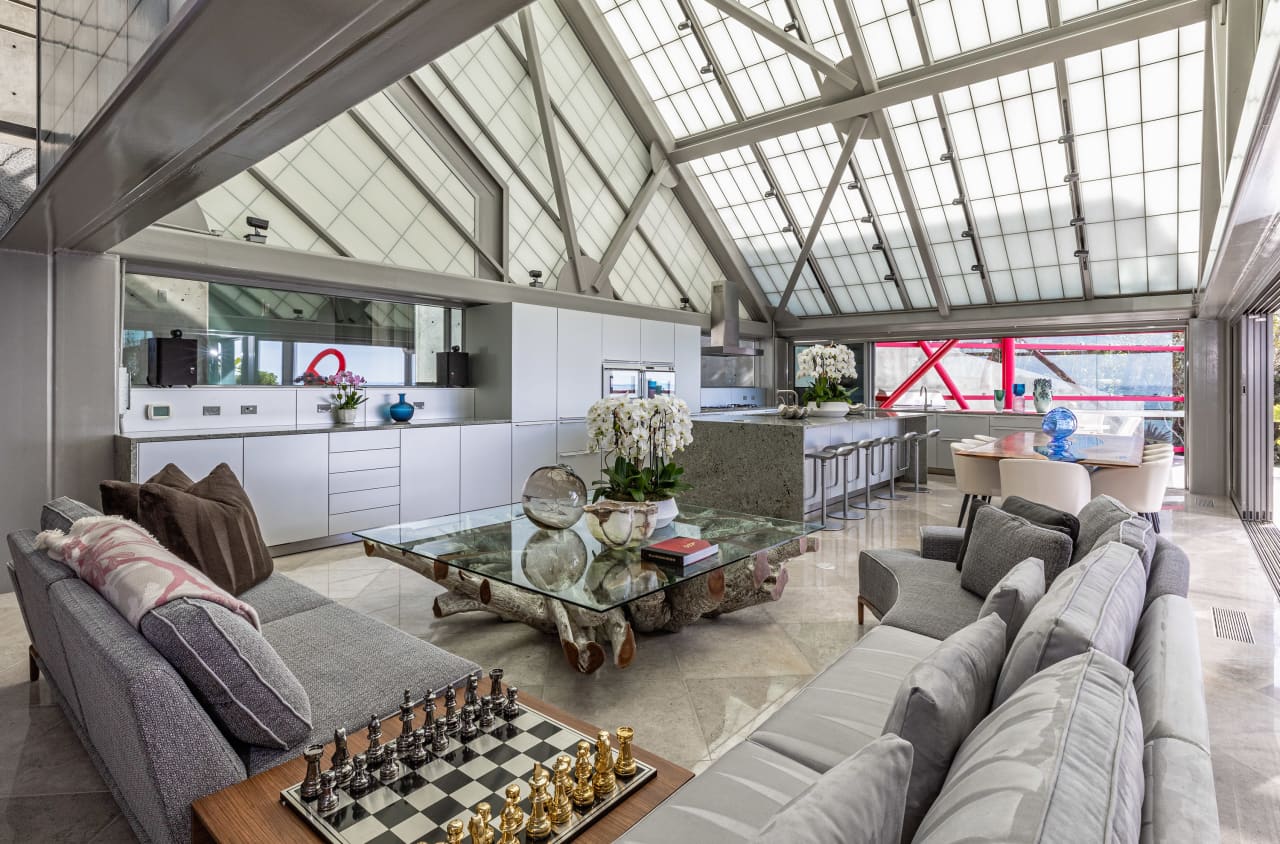
Two marine-coated red steel sculptures in the back play on the shapes and number themes. One is an immersive red triangular sculpture that doubles as an enclosure for a small dining table; the other is a humanistic red figure-eight piece. Chen confirmed that both are part of the sale, as is a larger-than-life green butterfly sculpture at the entrance.
Inlaid rectilinear stepping stones cut a diagonal across the lawn to the sandy beach, bordered by large rocks. Although it is technically open to the public, Hildebrand said it is not easily accessible or widely known.
Beyond the interiors, the outdoor entertaining spaces—counting an in-ground fire pit with stone crescent benches—can accommodate up to 100 guests. Six uncovered parking spaces are available in addition to a two-car garage.
“It also has a tide pool where you can see sea urchins, mussels and other marine life on the rocks in ankle-deep water at low tide, which is also very rare here,” Chen said. “That’s the reason I chose this lot over others. It’s such a unique location.”
 Copyright 2020, Dow Jones & Company, Inc. All Rights Reserved Worldwide. LEARN MORE




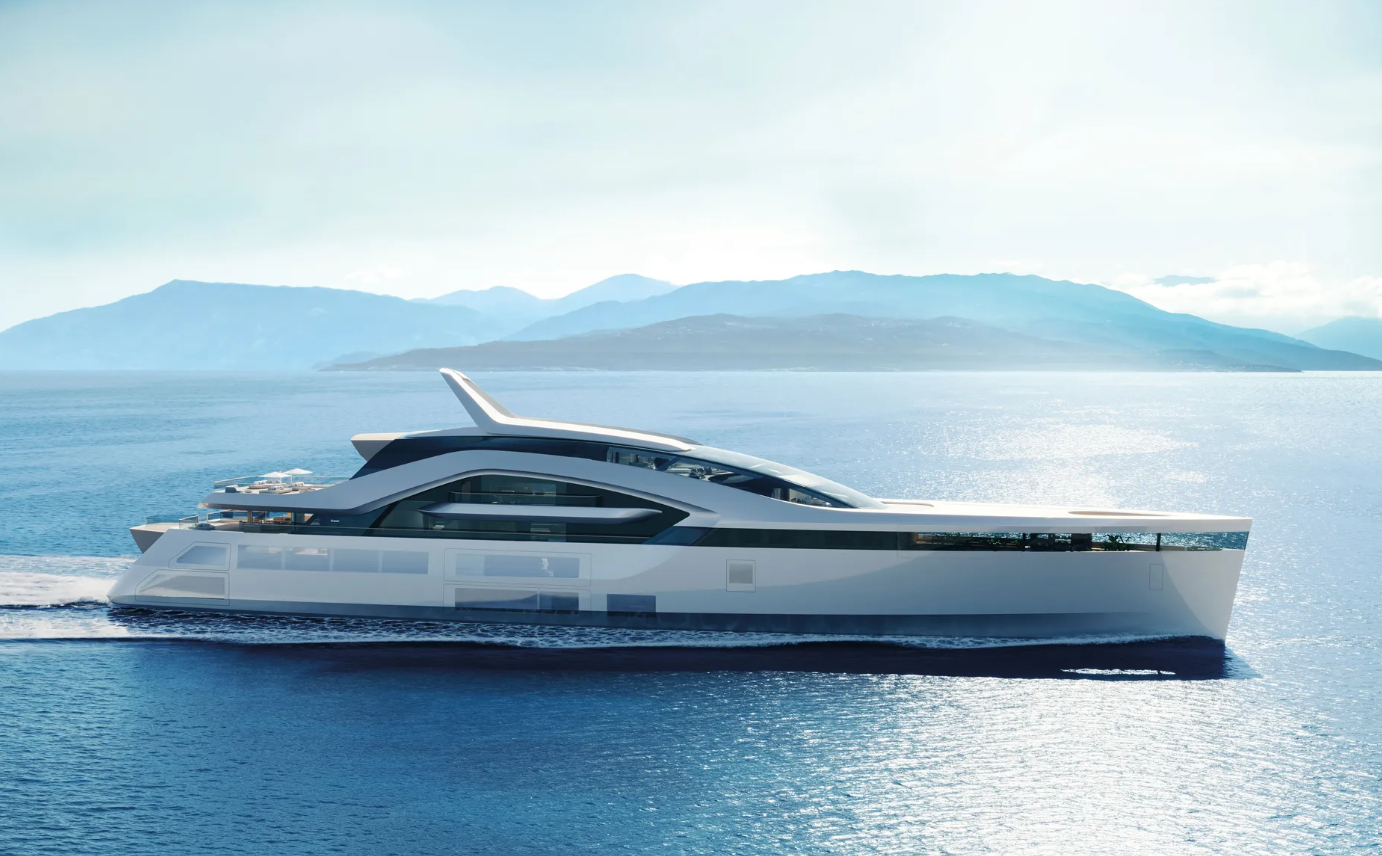
On the owner’s deck, a 20-metre swimming pool incorporates Feadship’s patented ContraWave technology and extends indoors as a suspended, glass-bottomed infinity pool.

Automobili Lamborghini is turning its attention to something considerably more difficult to define: what makes Italian excellence uniquely Italian?
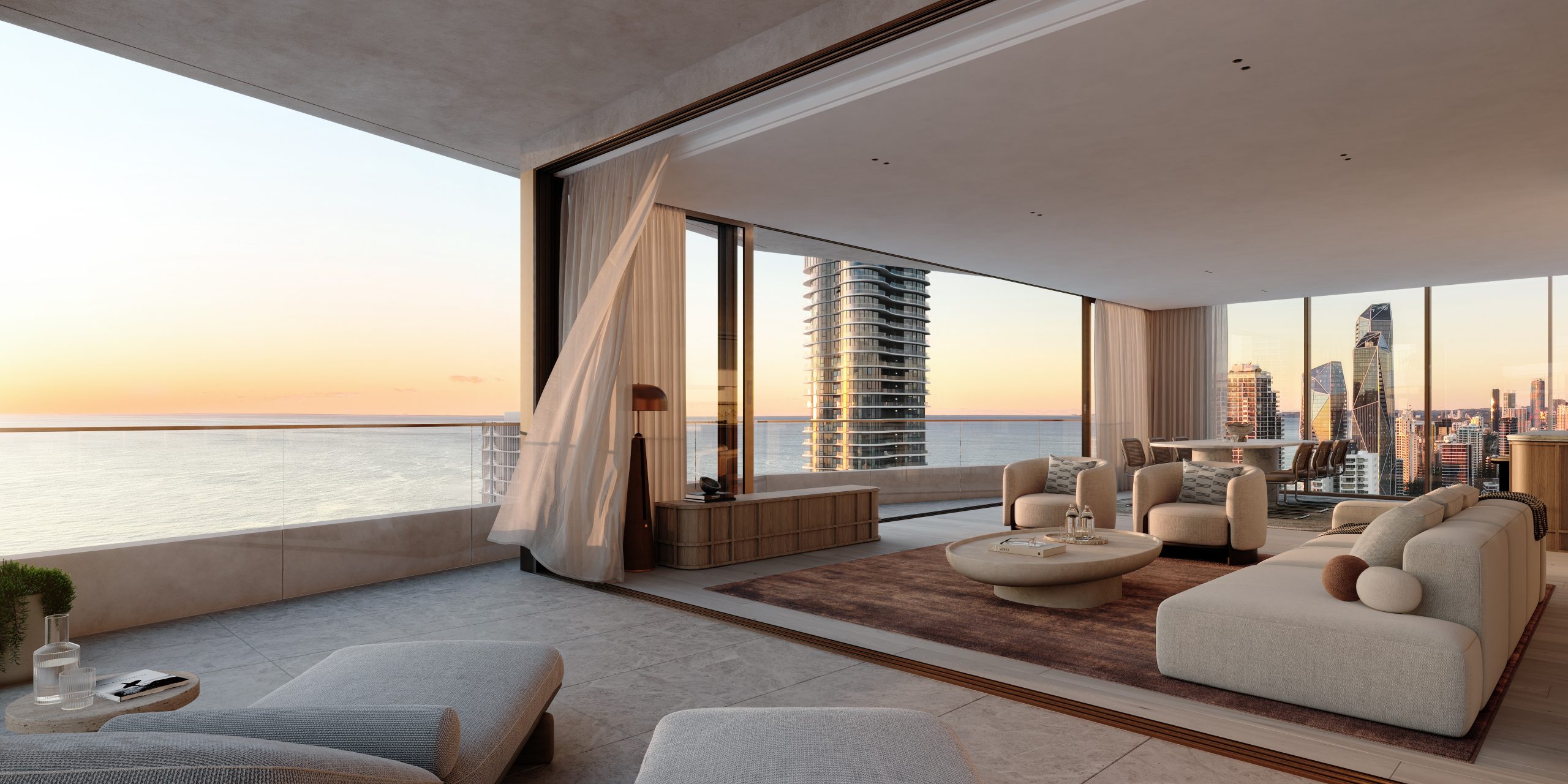
Mirvac’s 45-level Trielle has topped out at Yarra’s Edge, pairing riverfront apartments with wellness facilities, private dining and resident services.
3 min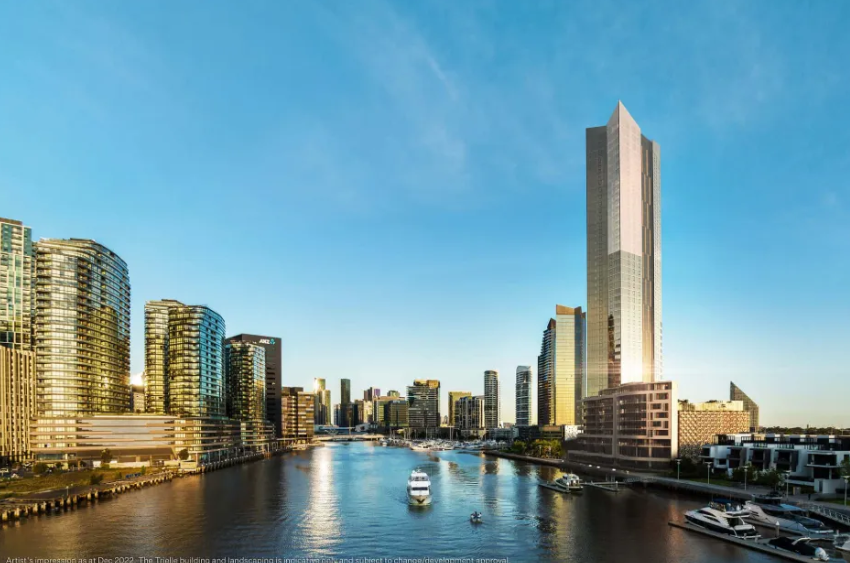
Mirvac has topped out Trielle at Melbourne’s Yarra’s Edge, with more than 70 per cent of the riverfront development sold and approximately 80 per cent of purchasers intending to make their apartment a home.
The figures, released on September 22, point to an owner-occupier audience for one of the precinct’s final residential towers. Mirvac began developing Yarra’s Edge in 2003, and its latest addition occupies one of the remaining absolute riverfront sites.
Mirvac CEO of Development Stuart Penklis said existing residents were among those moving up within the neighbourhood.
“Many purchasers already have a connection to Yarra’s Edge,” Mr Penklis said, describing buyers whose changing needs were encouraging an upgrade within the precinct.
“As one of the final residential towers within Yarra’s Edge, Trielle represents the culmination of more than two decades of creating one of Melbourne’s most established and sought-after waterfront communities,” Penklis said.
“Positioned on the Collins Street axis with absolute river frontage, Trielle offers residents a rare opportunity to enjoy sweeping views across the Yarra River, Melbourne skyline and Port Phillip Bay, while remaining seamlessly connected to the CBD. With Trielle now more than 70 per cent sold, we’re continuing to see strong demand from buyers seeking quality homes in established locations.”
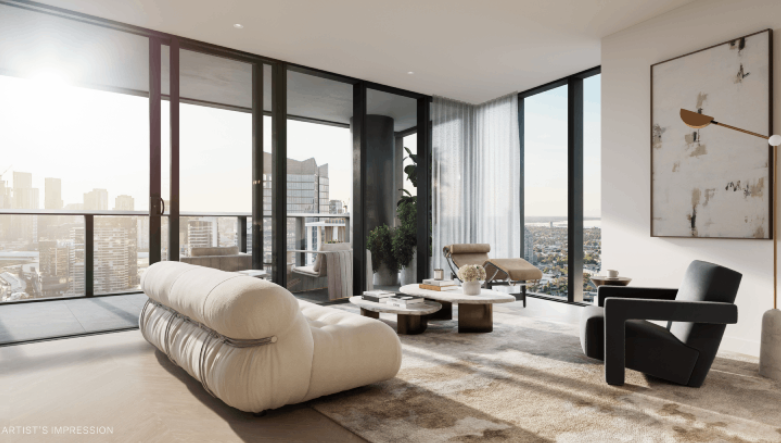
The developer also flagged a penthouse and sub-penthouse collection with larger layouts, premium finishes and broad outlooks. The planned wellness centrepiece, The Oasis, encompasses a 900-square-metre elevated urban rainforest.
Mirvac General Manager Residential Development Victoria Elysa Anderson said Trielle had resonated strongly with buyers seeking a rare lifestyle offering in Melbourne.
“Opportunities to secure a new luxury residence on a riverfront site of this calibre are incredibly rare, particularly within a community like Yarra’s Edge,” Anderson said.
“What makes Trielle unique is the combination of exceptional views, world-class residential facilities and the lifestyle that already exists around it. Residents are buying into a mature waterfront community with parks, promenades, dining, wellness and strong community connections already in place.”
The 45-level tower brings a substantial new presence to that waterfront. Its residential offering spans one-, two-, three- and four-bedroom apartments, with Signature, Prestige and Sub-Penthouse collections accommodating different household sizes. The north-facing position connects the apartments visually to the river and city beyond.
Seven storeys above the promenade, the planned Oasis combines planting and a running stream with a Scandinavian-inspired wellness club developed with spa specialist Naomi Gregory. Facilities include a 25-metre lap pool, hot magnesium pool, sauna, hydrotherapy, a gym, yoga and Pilates room, and treatment spaces.
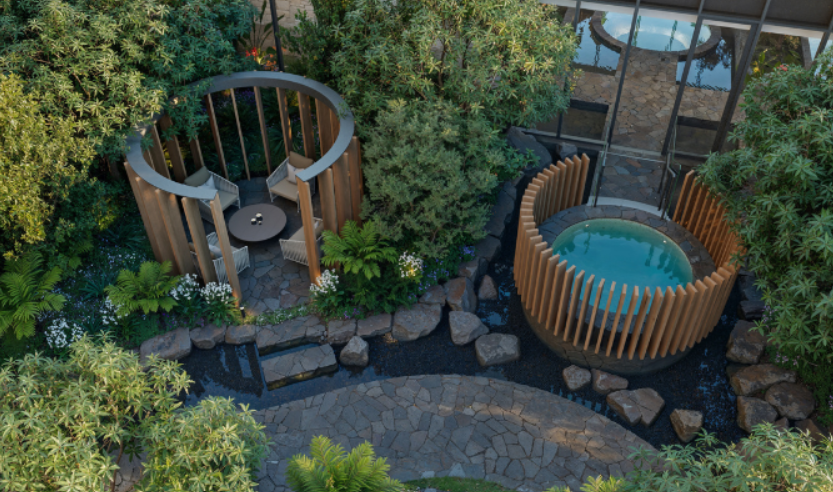
The amenity extends beyond exercise. Residents will have access to The Biblioteca library and workspaces, ground-floor work pods, and The Salone piano lounge. A private Chef’s Table dining room offers a setting for larger gatherings, while a cinema, games room and sports lounge broaden the entertaining options. Concierge services and a dog-wash area support everyday routines.
Trielle comprises a collection of one, two, three and four-bedroom residences. Reflecting strong demand from owner occupiers, approximately 80 per cent of purchasers to date intend to live in their homes, highlighting the project’s appeal to those seeking a long-term waterfront lifestyle.
Mirvac has recently delivered The Albertine, a premium apartment development on the edge of Melbourne’s CBD, and is nearing completion of Prince & Parade in Brunswick, further strengthening its portfolio of thoughtfully designed apartment communities in some of Melbourne’s most sought-after urban locations.
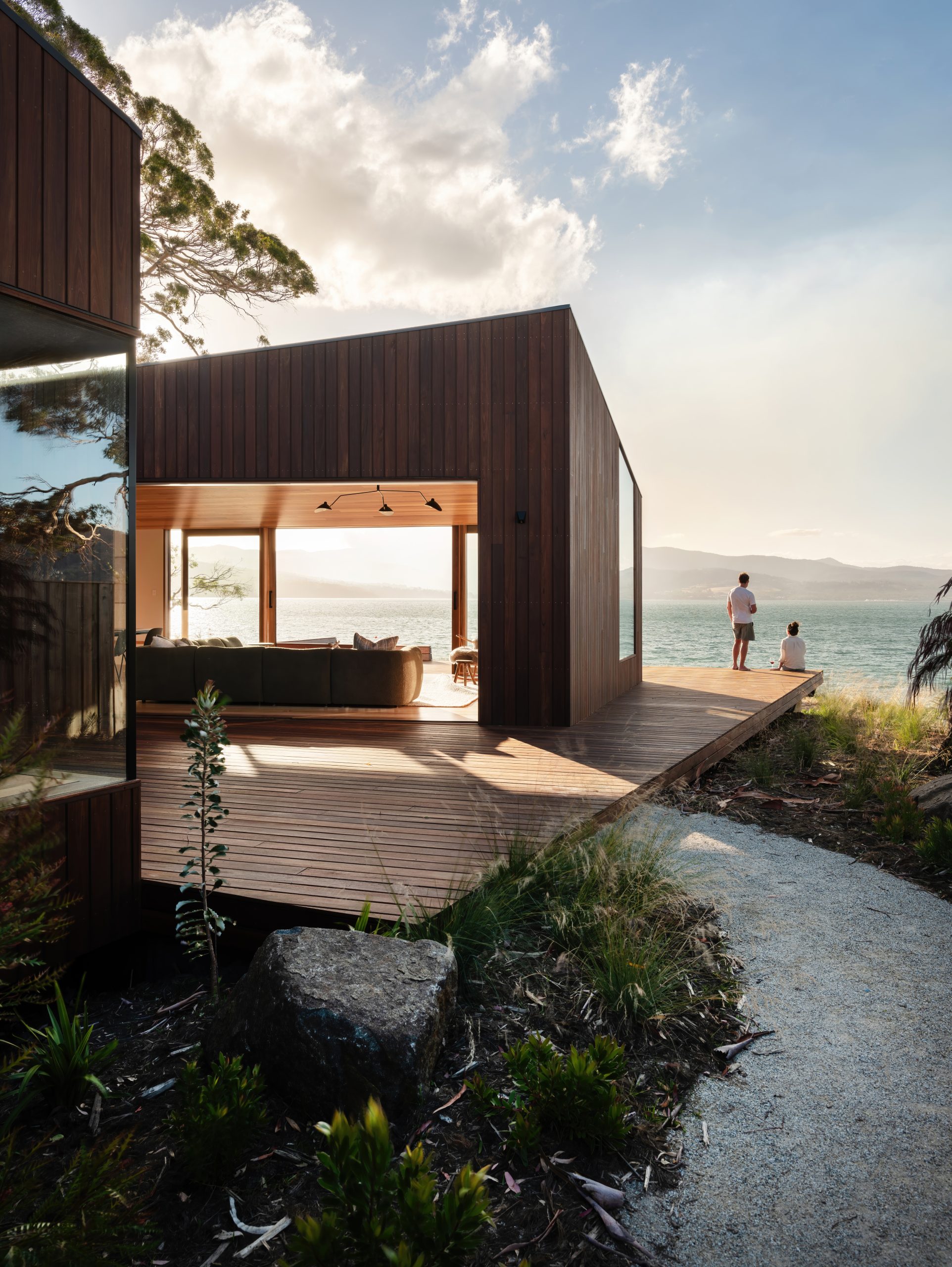
From the shacks of yesterday to the sculptural sanctuaries of today, Australia’s coastal architecture has matured into a global benchmark for design.
Australia’s market is on the move again, and not always where you’d expect. We’ve found the surprise suburbs where prices are climbing fastest.