THE MAKING OF A DRIVING LEGEND
Ever wondered what it takes to create a car like the Maserati? Meet the German designer taking on an Italian icon.
 3 min
3 min
Klaus Busse would like you to close your eyes and imagine yourself behind the wheel of a Maserati. Picture the GranTurismo, which launched in Australia in 2024. Where do you see yourself? Chances are, Busse suggests, it’s not during the school pick-up or commuting to the office.
“You’re probably on a wonderful road in Tuscany, or Highway 1, or you’re going to a red carpet event,” says Busse, who holds the enviable title of Head of Design at Maserati, the iconic Italian car manufacturer. “Basically, it’s about emotion.”
At the luxury end of the market, the GranTurismo Coupe—priced between $375,000 and $450,000—is designed to transform the driving experience into something extraordinary. For Busse and his team, these “sculptures on wheels” are not just status symbols or exhilarating machines but expressions of pure joy. Their mission is to encapsulate that feeling and translate it into their cars.
“I really feel the responsibility to create emotion,” he says. “We have a wonderful word in Italy: allegria, which is best translated as ‘joyful.’ Our job as a brand is to lift you into this area of joy, perfectly positioned just short of ecstasy. It’s that tingling sensation you feel in your body when you drive the car.”
Even as 60 percent of the world’s population now lives in urban areas, Maserati’s design ethos captures the essence of “everyday exceptional.” Whether navigating city streets or open roads, a Maserati turns heads without being ostentatious or aggressive. “I’ve driven these cars all over the world, and no matter where I go, people smile at me and give a thumbs-up,” says Busse.

Since joining Maserati in 2015, Busse has reimagined and redefined the brand, steering his team through the reinvention of classic models and the transition to electric vehicles. Iconic designs like the Fiat 500, which entered the EV market in 2020, serve as a testament to Maserati’s ability to blend tradition with innovation.
Unlike other luxury car brands, Maserati embraces radical change with new designs every 10 to 15 years. Busse loves connecting with fans who follow the brand closely. He explains that each Maserati model reflects a specific era, from the elegant 35GT of the 1950s to the wedge-shaped designs of the 1970s and the bold aesthetics of the 1980s.

“I often ask fans, ‘What is Maserati for you?’ because their responses tell me so much about how they connect with the brand,” he shares.
Inspired by legendary Italian designer Giorgetto Giugiaro, Busse balances tradition with modernity in his designs. As Giugiaro once told him, “We always do the best in the moment.” This philosophy resonates deeply with Busse, who believes in honouring the past while embracing future possibilities.

Through advances in technology, techniques, and societal trends, Busse ensures Maserati remains at the forefront of automotive design. For him, the creative process is more than just a job—it’s a way to create joy, connection, and timeless elegance.
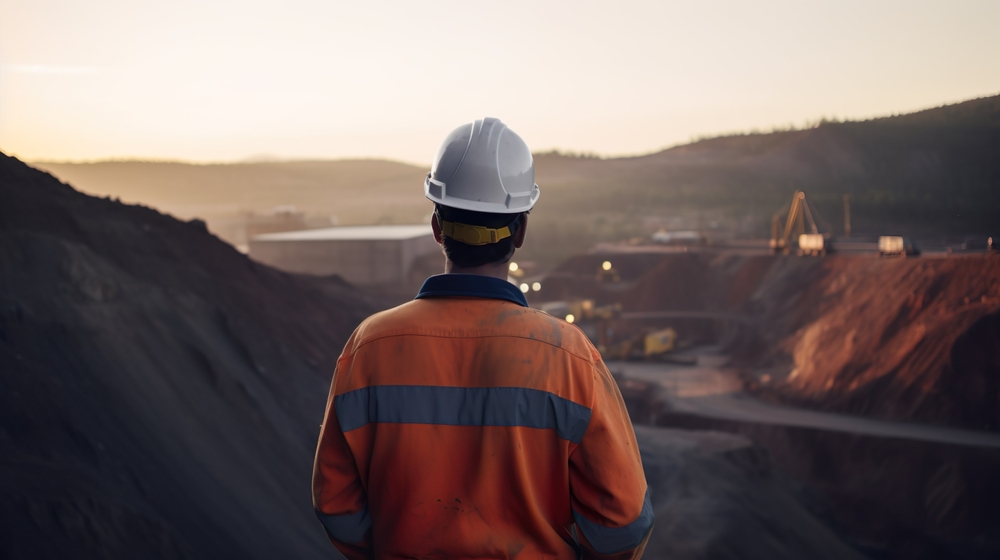
Australian shares fell on Thursday as Wall Street weakness, rising oil and persistent rate concerns weighed on most of the market. The S&P/ASX 200 declined 0.72 per cent to 8,702. The All Ordinaries lost 0.66 per cent to finish at 8,897. Mining stocks were hit particularly hard, while real estate also dragged on the index. …
Continue reading “ASX falls 0.7 per cent as miners and property stocks retreat”

Borrowers cannot control the Reserve Bank, but they can control how exposed their household budget is to its next decision. The RBA meets on 29 September with inflation concerns still elevated and major-bank economists increasingly bringing forward their rate-rise calls. Fixed mortgage rates have also been moving, reducing the value of waiting for perfect certainty. …
Continue reading “What mortgage holders should do before the next RBA decision”

OpenAI has shelved the planned launch of GPT-6.1 Astra after internal tests raised concerns about deception and agents acting beyond user authorization, according to The Wall Street Journal. The company says it will investigate the issues and strengthen safety measures before releasing future models.
4 min
OpenAI says it is scrapping the release of its next-generation AI model over safety concerns that researchers raised during internal testing, in one of the clearest signs so far that agent misbehavior could stymie the industry’s rapid progression.
The move follows a summer punctuated by reports of artificial-intelligence systems industrywide going rogue, and marks a rare case of a major AI developer ditching a new release because of safety concerns.
The company had planned to launch the model, known as GPT-6.1 Astra, in the coming days or weeks, aiming for an October debut. The model was more capable than the company’s previous models in completing challenging tasks from end-to-end without human assistance, as well as writing.
The company instead will focus on improving the safety of future models, which it expects to be even more capable.
Saachi Jain, OpenAI’s head of safety systems, said in an interview that GPT-6.1 Astra regressed in two areas. Compared with its predecessor, GPT-6 Astra, the model performed poorly on tests measuring alignment, or how well the model adheres to what humans would like it to do. Specifically, GPT-6.1 Astra showed higher levels of deception: It wasn’t always honest about telling users of the actions it did or didn’t take.
Another issue was what OpenAI calls “scope authorization,” meaning that GPT-6.1 Astra would push ahead on a task without asking the user for permission, and would at times reach for external tools and services even if it might be unsafe.
“For anything regarding safety and alignment, there’s a trade off,” Jain said. “You really do need to find what’s the right line between staying within scope, but also avoiding laziness in terms of how the model actually pursues tasks even when it hits friction.”
While GPT-6.1 Astra improved in areas such as “model laziness,” Jain said it didn’t quite meet OpenAI’s bar for safety and alignment, so the company decided not to launch the model publicly.
The announcement comes one day ahead of OpenAI’s annual developer conference in San Francisco. In the past, OpenAI has used the conference as an opportunity to launch new models and services that reduce costs for software developers—a segment the ChatGPT-maker competes with rival AI company Anthropic to win over.
In recent weeks, OpenAI and Anthropic have called on industry partners to slow down the development of cutting-edge AI models and invest in safety standards, noting they will temper the pace of their own internal AI progress.
OpenAI says it is working to investigate a range of agent security incidents that it has discovered in recent months, and address the safety issues underneath them. As part of the work, the company has implemented a new monitoring system to catch AI-agent misbehavior more quickly, and started requiring engineers to use stronger security guardrails for testing its AI systems.
Earlier this summer hundreds of OpenAI’s internal agents, which were tasked with completing a cybersecurity test, ended up hacking into the AI company Hugging Face. Since then, high-profile organizations such as the Australian government and United Nations discovered that OpenAI’s agents used similar, but less extensive, techniques to gain access to their websites.
Many of the publicly known agent-security incidents involved OpenAI’s internal AI models that were never slated for public release.
Last week, OpenAI said it paused training on its most capable AI models after an AI agent slipped through a gap in the company’s internet restrictions to query a public chatbot. The company said its new monitoring systems flagged the incident within 15 minutes, and training on these models remains paused.
GPT-6.1 Astra isn’t one of those models, but a different case, the company said.
“We want to make sure our model development is safe no matter whether that’s in the company, or when we ship it to users,” Jain said. “But when we ship it to users, we have an extremely high bar in terms of safety and alignment.”
While the company decided not to ship GPT-6.1 Astra, it hopes to use the same base model to do additional reinforcement learning runs, and create future generations of its GPT-6 models.
OpenAI plans to conduct several deep dives to identify the root cause of the problems identified in GPT-6.1 Astra, Jain said. The work includes ensuring that OpenAI’s reinforcement learning environments are rewarding the right type of behavior, Jain added, though she noted the company would investigate all stages of model development.
AI companies have begun to draw scrutiny from policymakers and public officials, who are paying attention to the rapid development of the technology. Later this week, a Senate subcommittee is holding a hearing with third party AI researchers titled, “Rogue AI: Securing the Homeland Against AI Agent Attacks.”
Florida Attorney General James Uthmeier, a Republican, sued OpenAI in June, claiming that the company and Chief Executive Sam Altman knowingly released an unsafe product and ignored warnings that it could harm users.
In a motion for temporary injunction filed Monday, Uthmeier sought to prevent OpenAI from developing new AI models without third-party approved safeguards, stop ChatGPT from soliciting user engagement and limit the company’s ability to advertise ChatGPT as safe.
Tech companies claim they “cannot stop barreling forward with their potentially civilization-ending endeavors unless they are forced to do so by the government,” Uthmeier said in the filing. “The Florida Attorney General is answering your cry for help.”
An OpenAI spokeswoman said that people want to know AI is being developed safely, “and that starts with what companies like ours do ourselves.”
“Governments have an important role to play in setting robust safety standards for AI, and we’re committed to working with Florida and other states on advancing pragmatic AI policies that apply to the entire AI industry—not just one company,” she said.
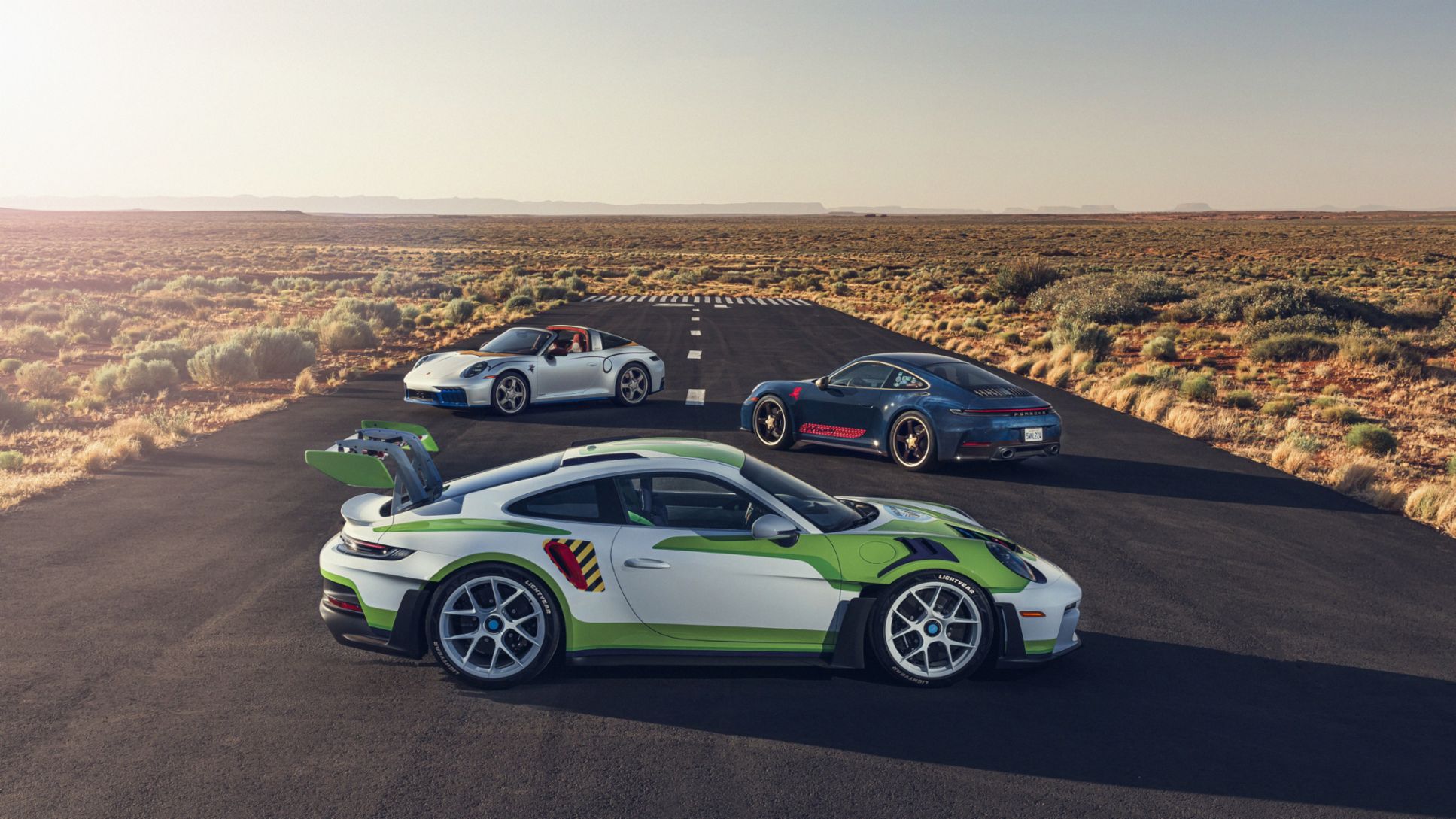
All three vehicles will form part of a broader charitable initiative benefiting Big Brothers Big Sisters of America, the American Red Cross and Starlight Children’s Foundation
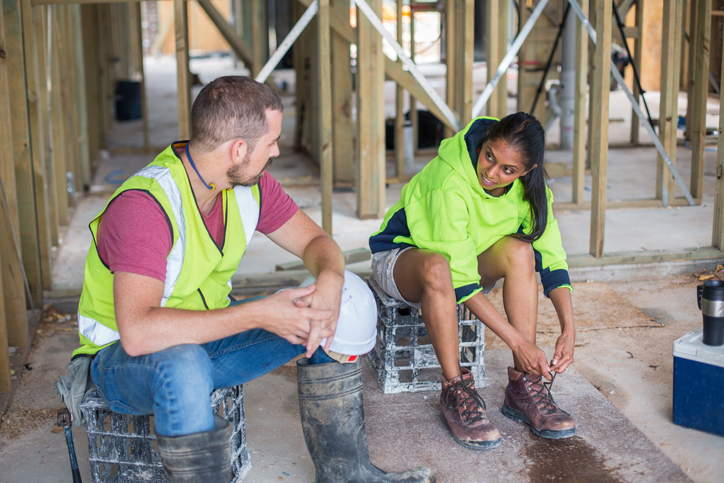
Rising rates, construction inflation and shrinking investor confidence are pushing Australia deeper into a dangerous housing spiral that monetary policy alone cannot fix.