Hunters Hill Heritage Transformed for Modern Day Living
A heritage-listed Federation estate with tennis court, pool and studio, Marika offers timeless elegance and modern family living in the heart of Hunters Hill.
 2 min
2 min


A grand old dame who has stood the test of time, Marika is a slice of Hunters Hill heritage transformed for modern-day living.
Meticulously renovated between 1981 and 1983, with several updates since, Marika made it onto the heritage register in 1999 just in time to signal a new millennium. Today, the modernised mansion is on the market with an auction price guide of $7.5 million, marketed through BresicWhitney’s Nicholas McEvoy.
“The home is a fantastic opportunity for a discerning buyer to get a grand family estate-style property, with a pool, tennis court and grounds, for a price that’s much more affordable than expected,” McEvoy says.
Sitting pretty on the corner of Augustine St and Ryde Rd, the stately Federation residence occupies a sprawling 2472sq m block, which was once part of a 30-acre land grant handed to Frederick Augustus Hayne in 1835. In 1902, he sold it to Dr Leopold Augustus Carter, a local dentist. Two years later, Marika, then known as “Ryde”, appeared in the famed Sands Directory – the social media of its era – a symbol of its architectural significance.
Surrounded by manicured gardens with sculpted hedges, a pool and full tennis court, Marika is a prime example of Federation style with contemporary elements.
Inside, the single-level five-bedroom home showcases intricate craftsmanship, from its decorative gables, period archways and bay windows to the coloured glass panels on multiple doors and windows. Elegant formal rooms have high ornate ceilings that are a preserved nod to Marika’s past, while the more modern spaces are relaxed family-friendly zones.
Thanks to a pavilion-style addition, the L-shaped layout measures 450sq m internally and wraps around a central courtyard that plays host to the alfresco dining terrace and pool, while a wide veranda frames the original front rooms of the house.
Primary living spaces, including the dining area with integrated bar, open to the great outdoors via stacker doors and the 21st century kitchen has a large island bench and a butler’s pantry with hidden access to the triple lock up garage. There is also a dedicated media room, a library or home office, plus a separate family room with a beautiful bay window.
All bedrooms feature built-ins while the main retreat, and a second bedroom, have shower ensuites. The shared bathroom houses convenient twin vanities and a freestanding bathtub.
Beyond the interiors, Marika delivers resort amenities with a full-sized, floodlit tennis court, the pool, barbecue terrace and a self-contained studio apartment with the added bonus of Harbour Bridge glimpses.
Added extras include a converted loft storage space, a large laundry with side yard access, ducted air conditioning, multiple fireplaces, solar panels with a battery backup and modern insulation.
Accessed via Augustine St, Marika is close to St Joseph’s College, Boronia Park shops, local ovals and city transport.
Marika at 59 Augustine St, Hunters Hill is set to go under the hammer on April 26, on site at 9am with a price guide of $7.5 million. The listing is with Nicholas McEvoy and Narelle Scott of BresicWhitney Hunters Hill.

From making unpopular decisions to learning when to listen, leaders from five businesses reveal what nobody prepared them for — and how running a company has challenged their expectations.

Technology and semiconductor shares fell sharply as investors questioned the debt financing the AI infrastructure boom and confronted higher rates and Chinese competition.

Mirvac’s 45-level Trielle has topped out at Yarra’s Edge, pairing riverfront apartments with wellness facilities, private dining and resident services.
3 min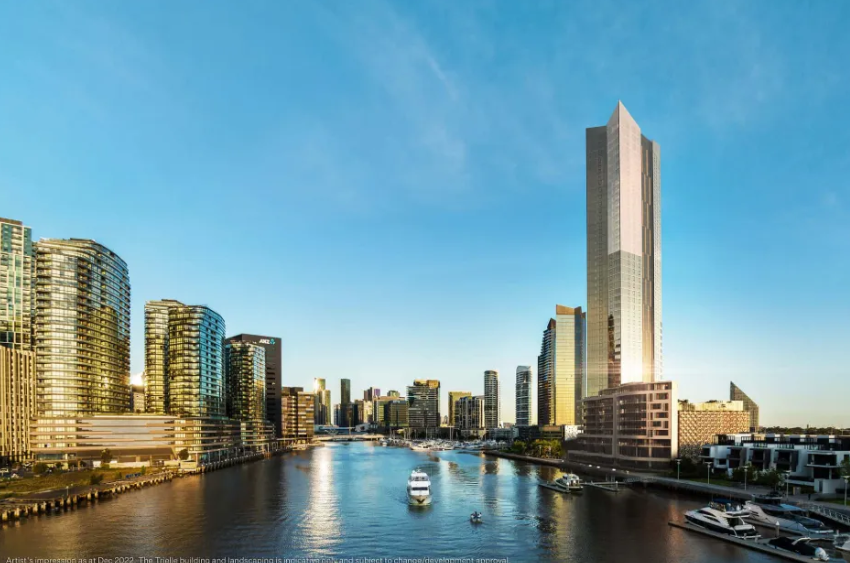
Mirvac has topped out Trielle at Melbourne’s Yarra’s Edge, with more than 70 per cent of the riverfront development sold and approximately 80 per cent of purchasers intending to make their apartment a home.
The figures, released on September 22, point to an owner-occupier audience for one of the precinct’s final residential towers. Mirvac began developing Yarra’s Edge in 2003, and its latest addition occupies one of the remaining absolute riverfront sites.
Mirvac CEO of Development Stuart Penklis said existing residents were among those moving up within the neighbourhood.
“Many purchasers already have a connection to Yarra’s Edge,” Mr Penklis said, describing buyers whose changing needs were encouraging an upgrade within the precinct.
“As one of the final residential towers within Yarra’s Edge, Trielle represents the culmination of more than two decades of creating one of Melbourne’s most established and sought-after waterfront communities,” Penklis said.
“Positioned on the Collins Street axis with absolute river frontage, Trielle offers residents a rare opportunity to enjoy sweeping views across the Yarra River, Melbourne skyline and Port Phillip Bay, while remaining seamlessly connected to the CBD. With Trielle now more than 70 per cent sold, we’re continuing to see strong demand from buyers seeking quality homes in established locations.”
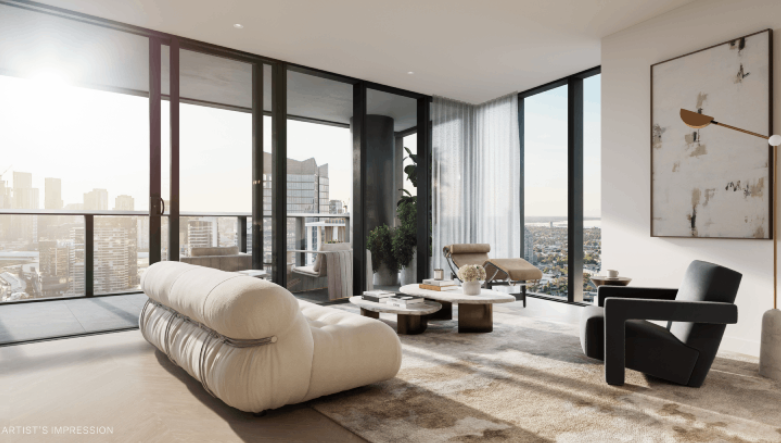
The developer also flagged a penthouse and sub-penthouse collection with larger layouts, premium finishes and broad outlooks. The planned wellness centrepiece, The Oasis, encompasses a 900-square-metre elevated urban rainforest.
Mirvac General Manager Residential Development Victoria Elysa Anderson said Trielle had resonated strongly with buyers seeking a rare lifestyle offering in Melbourne.
“Opportunities to secure a new luxury residence on a riverfront site of this calibre are incredibly rare, particularly within a community like Yarra’s Edge,” Anderson said.
“What makes Trielle unique is the combination of exceptional views, world-class residential facilities and the lifestyle that already exists around it. Residents are buying into a mature waterfront community with parks, promenades, dining, wellness and strong community connections already in place.”
The 45-level tower brings a substantial new presence to that waterfront. Its residential offering spans one-, two-, three- and four-bedroom apartments, with Signature, Prestige and Sub-Penthouse collections accommodating different household sizes. The north-facing position connects the apartments visually to the river and city beyond.
Seven storeys above the promenade, the planned Oasis combines planting and a running stream with a Scandinavian-inspired wellness club developed with spa specialist Naomi Gregory. Facilities include a 25-metre lap pool, hot magnesium pool, sauna, hydrotherapy, a gym, yoga and Pilates room, and treatment spaces.
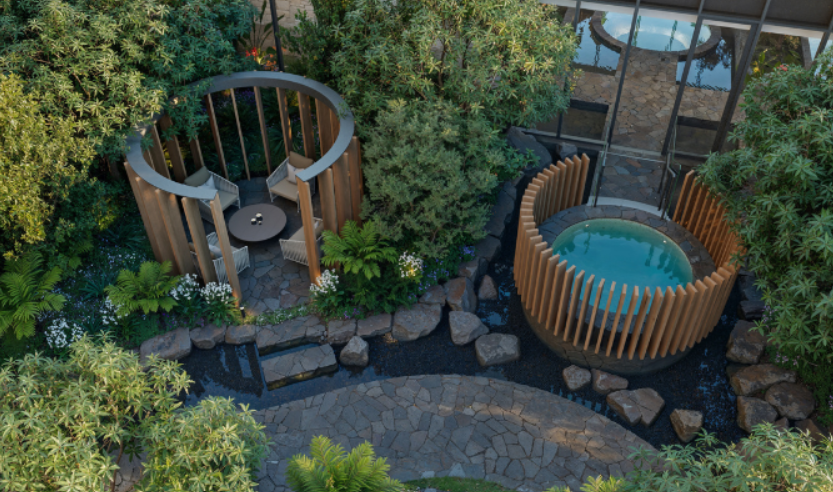
The amenity extends beyond exercise. Residents will have access to The Biblioteca library and workspaces, ground-floor work pods, and The Salone piano lounge. A private Chef’s Table dining room offers a setting for larger gatherings, while a cinema, games room and sports lounge broaden the entertaining options. Concierge services and a dog-wash area support everyday routines.
Trielle comprises a collection of one, two, three and four-bedroom residences. Reflecting strong demand from owner occupiers, approximately 80 per cent of purchasers to date intend to live in their homes, highlighting the project’s appeal to those seeking a long-term waterfront lifestyle.
Mirvac has recently delivered The Albertine, a premium apartment development on the edge of Melbourne’s CBD, and is nearing completion of Prince & Parade in Brunswick, further strengthening its portfolio of thoughtfully designed apartment communities in some of Melbourne’s most sought-after urban locations.

Exclusive eco-conscious lodges are attracting wealthy travellers seeking immersive experiences that prioritise conservation, community and restraint over excess.
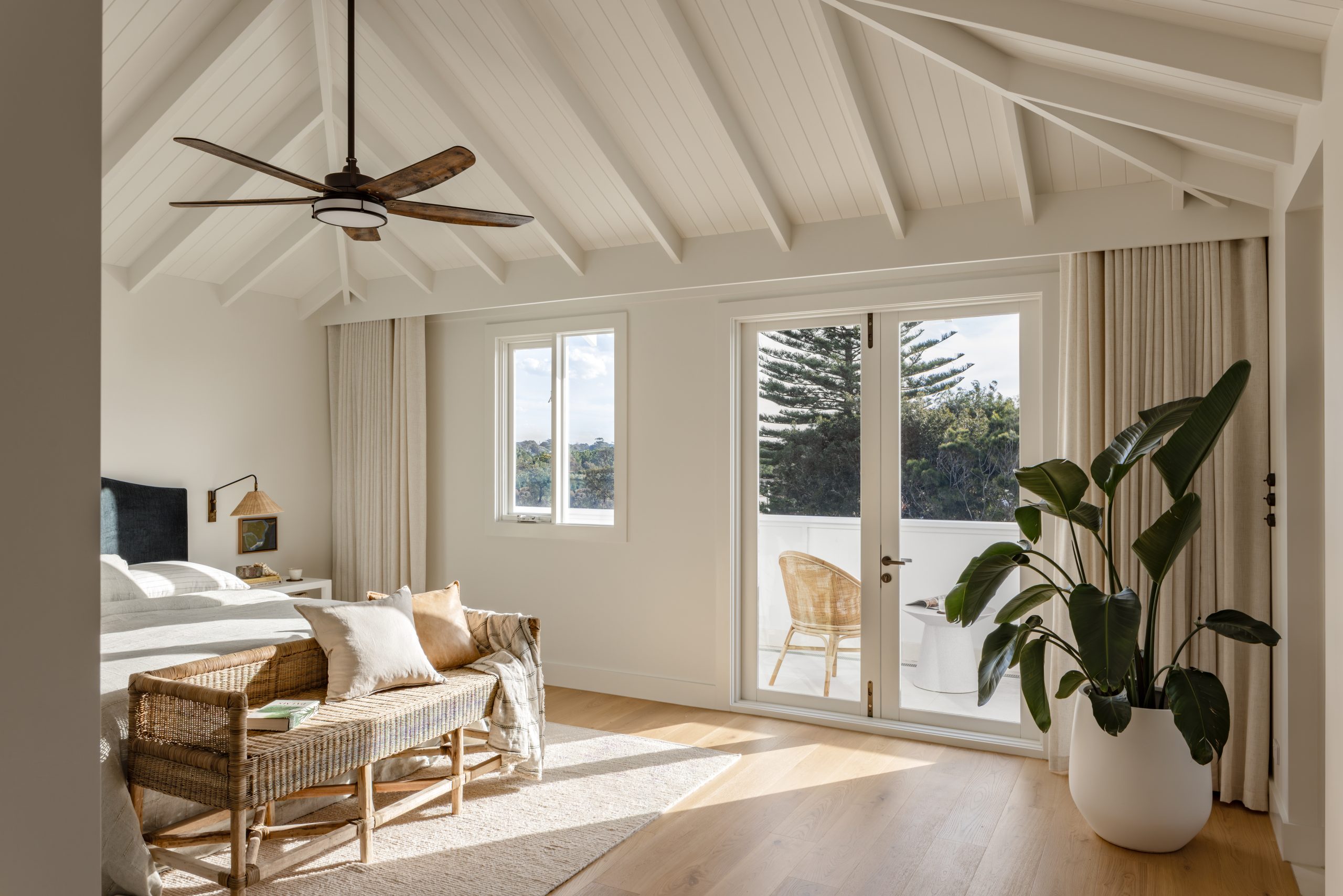
From warmer neutrals to tactile finishes, Australian homes are moving away from stark minimalism and towards spaces that feel more human.