Jamie Durie’s amazing waterfront home for sale with a $33m price tag
A showcase of sustainable luxury, Belah House rises from Stokes Point with sandstone, vertical gardens and off-grid capability.
 2 min
2 min


Anchored into the cliffs of Stokes Point overlooking Pittwater, their recently completed eco mansion was designed by Silvester Fuller Architects in collaboration with the Backyard Blitz and The Block alumni and builder Antoine Gittany, from Dilcara.
The six-bedroom, six-bathroom, two-car garage home also features in the first season of Durie’s latest show, Growing Home.
Despite Durie reportedly knocking back an offer of $30 million earlier this year – and the couple revealing to media that money couldn’t buy the experience of living life in their eco dream home – the Northern Beaches residence has come to market this week with a $33 million price tag through McGrath Pittwater agent James Baker.
The high-profile pair are reportedly moving to the Byron Bay hinterland. Crafted to define what it means to live harmoniously with nature, Belah House is set over four levels on a dramatically elevated 1017sq m block on the prestigious peninsula. The enviable beach house has about 720sq m of internal living with seamless spaces flowing through to the great outdoors.
Wrapped in sandstone, with vertical gardens and carefully curated native greenery throughout the site, the property had been orientated to connect with the vast bushland of Ku-ring-gai National Park.
As a horticulturalist by trade and a sustainability advocate in practice, Durie is best known for his design programs, including appearances on The Oprah Winfrey Show. The couple poured five years of research into their Avalon project, treating their own home as a test run for revolutionary technology to change the way Australians live with nature at home.
The house sits high on seven geothermal probes sunk 120m into the earth to harness the ground temperature to heat or cool the home, as well as its zero-chemical infinity-edge pool, and hydronic floors.
The property features 42 solar panels, a 20kW Skybox solar system for near-total energy independence, and water harvesting systems that recycle every drop. The concrete has been engineered with up to 75 per cent reduced carbon emissions, and the Control4 Smart Home system manages elements from climate control to lighting and irrigation.
Inside Belah House, there are multiple living areas inside and out, walls of glass to capture the outlook, a gourmet open-plan kitchen with a butler’s pantry and coffee station, as well as a full bar and terrace on the same level.
The lower ground floor is home to a palatial main bedroom with dual walk-in wardrobes, a large ensuite with a freestanding tub overlooking the water and three more bedrooms, including one with its own ensuite.
Additional features at the property include a media room, a self-contained guest suite, home cinema, wine cellar, outdoor kitchen, infinity pool, 160sq m rooftop garden containing a vegetable patch, interior hanging gardens, and a wellness retreat complete with a gym, sauna, steam room, plus ice bath.
A 35-metre inclinator services the 37-degree slope to private deep-water facilities, including a jetty, slipway, and grotto entertainment space carved into the natural rock.
Belah House at Avalon Beach is on the market with James Baker of McGrath Pittwater for $33 million via an expressions of interest campaign that closes at 5 pm on November 11.
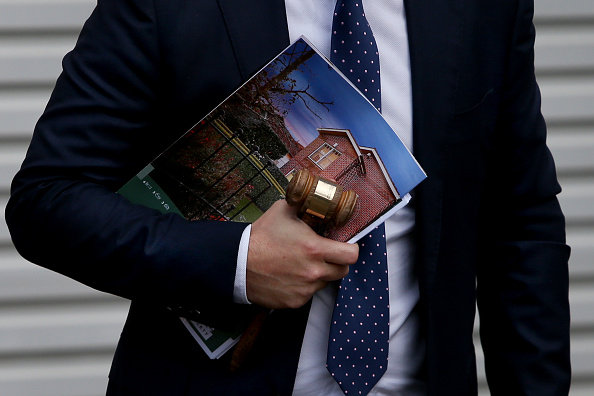
Victorian auction buyers will soon receive a piece of information that has traditionally been withheld until bidding reaches it: the vendor’s reserve price. Under new property-sale and underquoting laws, agents must publish the agreed reserve at least seven days before an auction or fixed-date sale. Most changes begin on 1 October 2026 and apply to …
Continue reading “Victoria’s New Auction Rules Will Force Reserve Prices Into the Open”
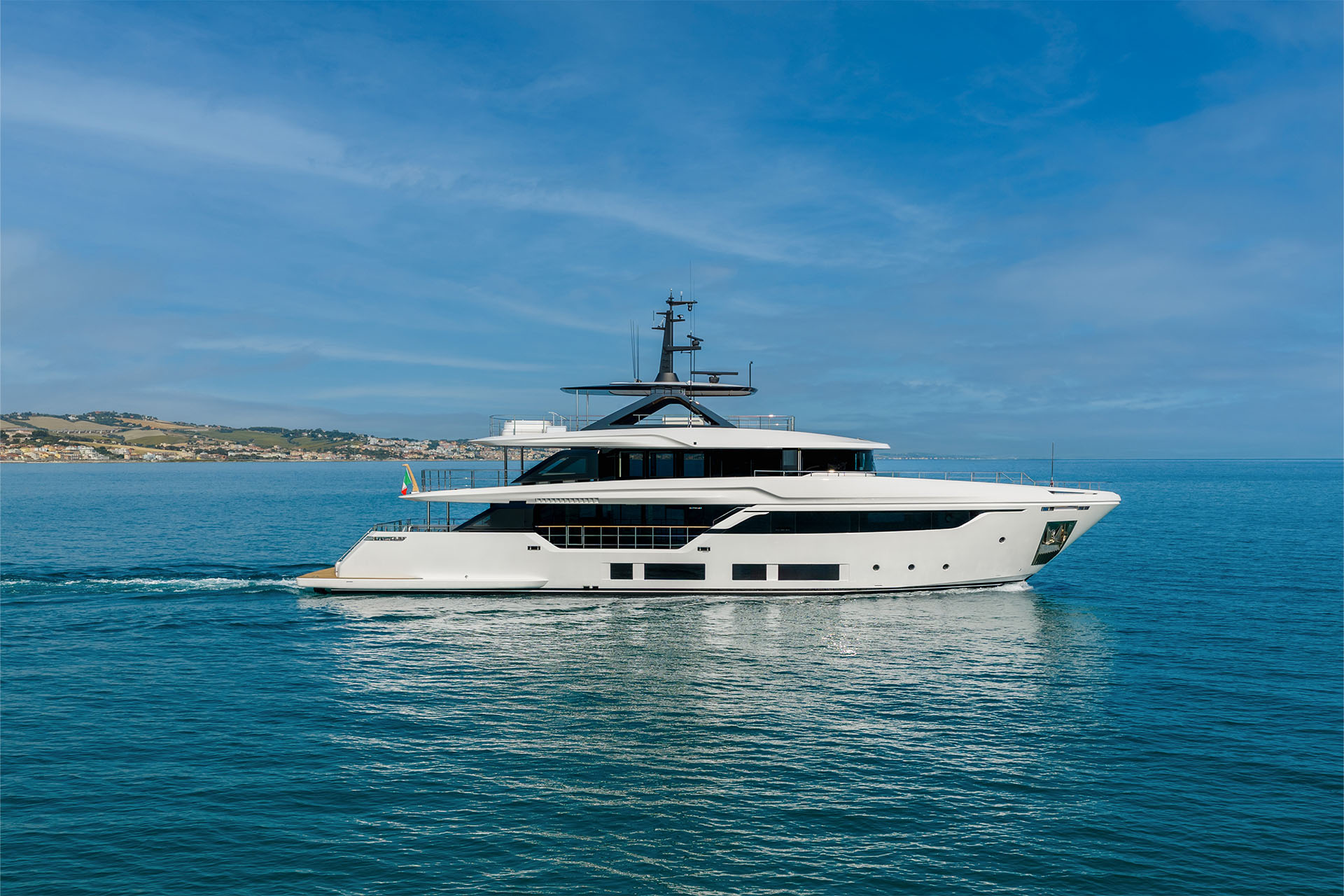
Four decks, 34.5 metres and a made-to-measure interior: step aboard the new Custom Line Navetta 35, unveiled at Cannes.
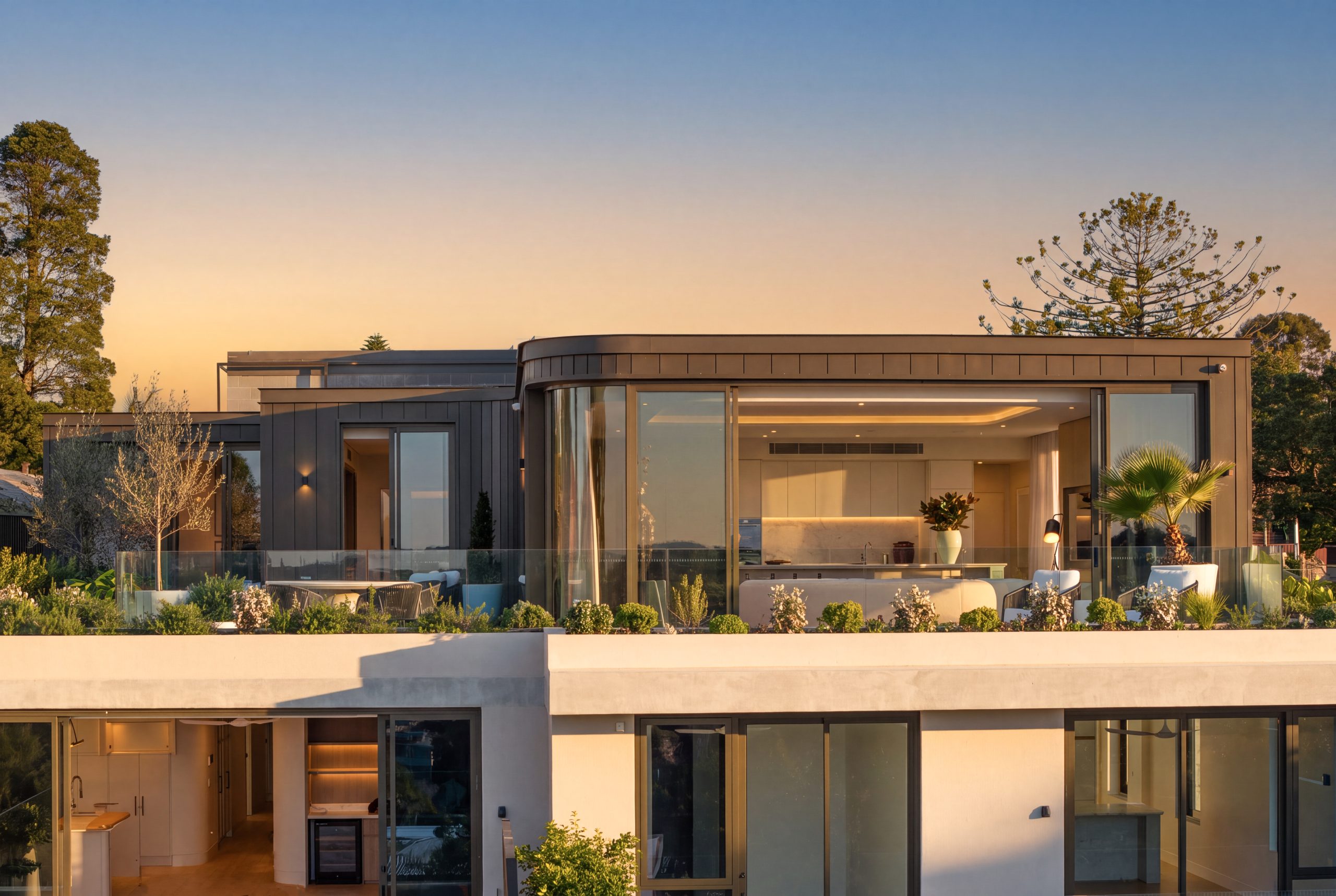
New detached-home sales fell 10% nationally in August, led by a 27% decline in Victoria, raising concerns about construction starts in 2027.
2 min
Australia’s hoped-for recovery in housing construction is losing momentum before it has had time to close the national supply gap.
Sales of new detached homes fell 10 per cent nationally in August, according to the Housing Industry Association’s survey of major volume builders across the five largest mainland states. It was the fourth consecutive monthly decline.
The fall was broad rather than isolated. Victoria recorded the largest retreat, down 27 per cent, followed by Queensland at 20.2 per cent, New South Wales at 17.5 per cent, South Australia at 10.8 per cent and Western Australia at 8.2 per cent.
Across the three months to August, sales were 19.3 per cent below the preceding three-month period and 7.7 per cent lower than the equivalent period a year earlier.
New-home sales matter beyond the immediate fortunes of volume builders. They are an early indicator of future starts: buyers sign contracts, finance is finalised, approvals are secured and construction follows months later. A sustained sales decline during the middle of 2026 is therefore likely to weaken commencements during 2027.
The slowdown reflects the collision of several pressures. Households have absorbed multiple interest-rate rises, reducing borrowing capacity and increasing the repayment cost attached to a new build. Established-home prices have softened in some markets, weakening the relative appeal of waiting through a construction period. Builders continue to face elevated labour and material costs.
The Reserve Bank’s August analysis showed new-dwelling construction prices increased 1.8 per cent during the June quarter and 5.3 per cent over the year. It attributed part of the pressure to oil-derived building products and other conflict-related costs.
Policy uncertainty can also cause buyers and investors to defer large commitments. But the precise contribution of any single tax or regulatory change is difficult to isolate from rates, confidence, land prices and construction costs. The HIA survey should be read as an indicator from large builders rather than a complete count of every dwelling sale.
The figures complicate progress towards the Housing Accord target of 1.2 million homes. The National Housing Supply and Affordability Council reported 308,000 completions since the Accord began and 244,000 dwellings under construction in the March quarter. Approvals and commencements had improved, but falling sales risk undermining the next wave.
For developers and governments, the warning is that planning approvals alone do not create homes. Projects need finance, viable construction pricing and buyers able to settle. If one part fails, approved supply can remain on paper.
Data box
National August new-home sales: Down 10 per cent
Three months to August: Down 19.3 per cent from the preceding three months
Year-on-year three-month comparison: Down 7.7 per cent
Victoria: Down 27 per cent
Queensland: Down 20.2 per cent
New South Wales: Down 17.5 per cent
South Australia: Down 10.8 per cent
Western Australia: Down 8.2 per cent
Four decks, 34.5 metres and a made-to-measure interior: step aboard the new Custom Line Navetta 35, unveiled at Cannes.

By improving sluggish performance or replacing a broken screen, you can make your old iPhone feel new agai