





Gold Coast’s Trophy Market Fires Up for Summer. But It’s Not The Beach.
Prestige demand is shifting inland, where riverfront estates and acreage compounds are setting new records.
 2 min
2 min
The Gold Coast prestige property market has ignited ahead of summer, but this time the heat isn’t coming from the beachfront. Instead, high-end buyers — both local and interstate — are turning their attention inland, where sprawling acreages and riverfront estates are redefining luxury living.
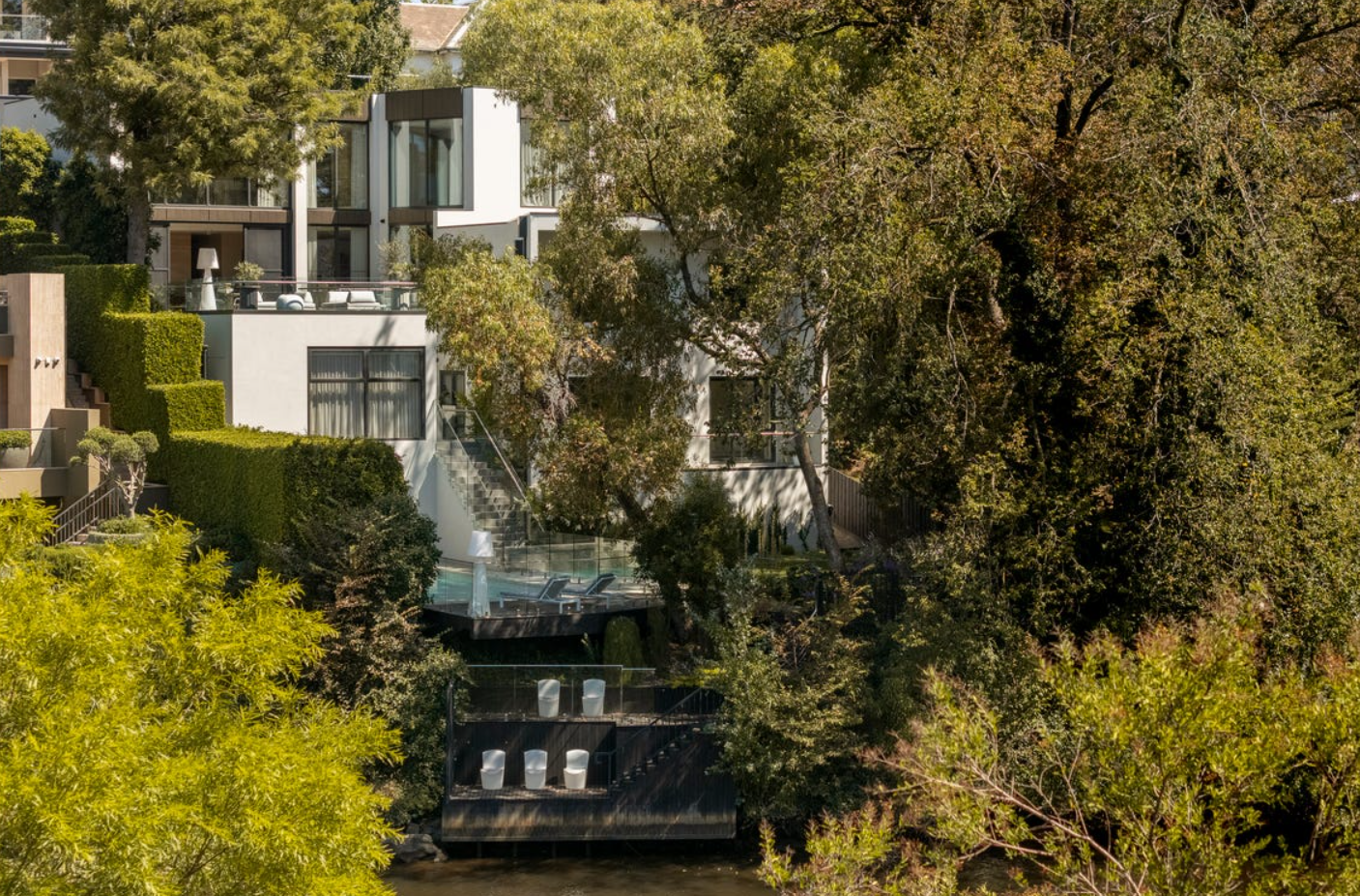
The latest headline-grabbing sale is Rivers Bend in Carrara (pictured), which has changed hands for a record $26 million — the highest price achieved along Main River this year and the second-largest riverfront sale in Gold Coast history.
Set on 6,300 sqm, the estate offers a masterclass in design and amenities. The primary residence features five bedrooms, including a master suite with a Nero Marquina marble ensuite and a 1.2-tonne freestanding bath. A gym, theatre room, 700-bottle temperature-controlled wine cellar, and garaging for 12 vehicles add to the home’s appeal.
Outdoors, the riverside entertaining terrace features a commercial-grade bar and kitchen. In contrast, the 18m saltwater pool — complete with spa, swim-up bar, firepit and TV — overlooks a championship-sized tennis court and rooftop pavilion. A self-contained two-bedroom guesthouse, complete with its own pool and spa, rounds out the estate.
The sale of Rivers Bend follows that of Redwood, the Currumbin Valley acreage that was quietly sold for $28 million earlier this year. The 2.88-hectare estate, last purchased for $2.55 million in 2017, was transformed by vendor Bridget Deer, wife of Ignite Travel founder Randall Deer.
The only other sale this year to break through the $20 million threshold was a Hamptons-style riverfront home in Southport, selling for $22 million.
Designed by Bayden Goddard, the four-level, 1,805sqm residence on Macmillan Court showcases century-old red ironbark flooring, Carrara marble, and chandeliers sourced from New York and Paris.
Among its highlights are five ensuite bedrooms, a chef’s kitchen with a cold room and three ovens, a 3,000-bottle wine cellar, an Aspen-inspired games den, and a six-bar basement.
The top floor is dedicated to leisure, featuring a gym, steam room, and a rooftop bar that accommodates up to 50 guests, complemented by open-plan living spaces that flow seamlessly into a north-facing saltwater pool and spa.
The newest addition to the trophy market is The Estate in Tallai, listed by former AFL player turned tech entrepreneur Brad Moran and marketed by Kollosche. Carved into the mountainside of its 8,888 sqm site, the ultra-luxury residence makes a statement from arrival, with a circular driveway of 75,000 hand-laid cobblestones and a five-element fountain finished in 24-carat gold mosaics.
The 2,240sqm home spans three levels and features 10 bedrooms, 11 bathrooms, a whisky bar, poker room, 16-seat cinema, and a wellness centre complete with gym, yoga studio, sauna, steam room, and hydrotherapy pools.
Outside, a “private fun park” includes a 160m go-kart track, putting green, basketball court, and 20m gold-tiled infinity pool.
Three self-contained “Sky Residences” cater for guests. At the same time, a glass-fronted garage gallery with space for nine cars — plus a race simulator and executive office — cements The Estate as one of the Gold Coast’s most spectacular offerings.
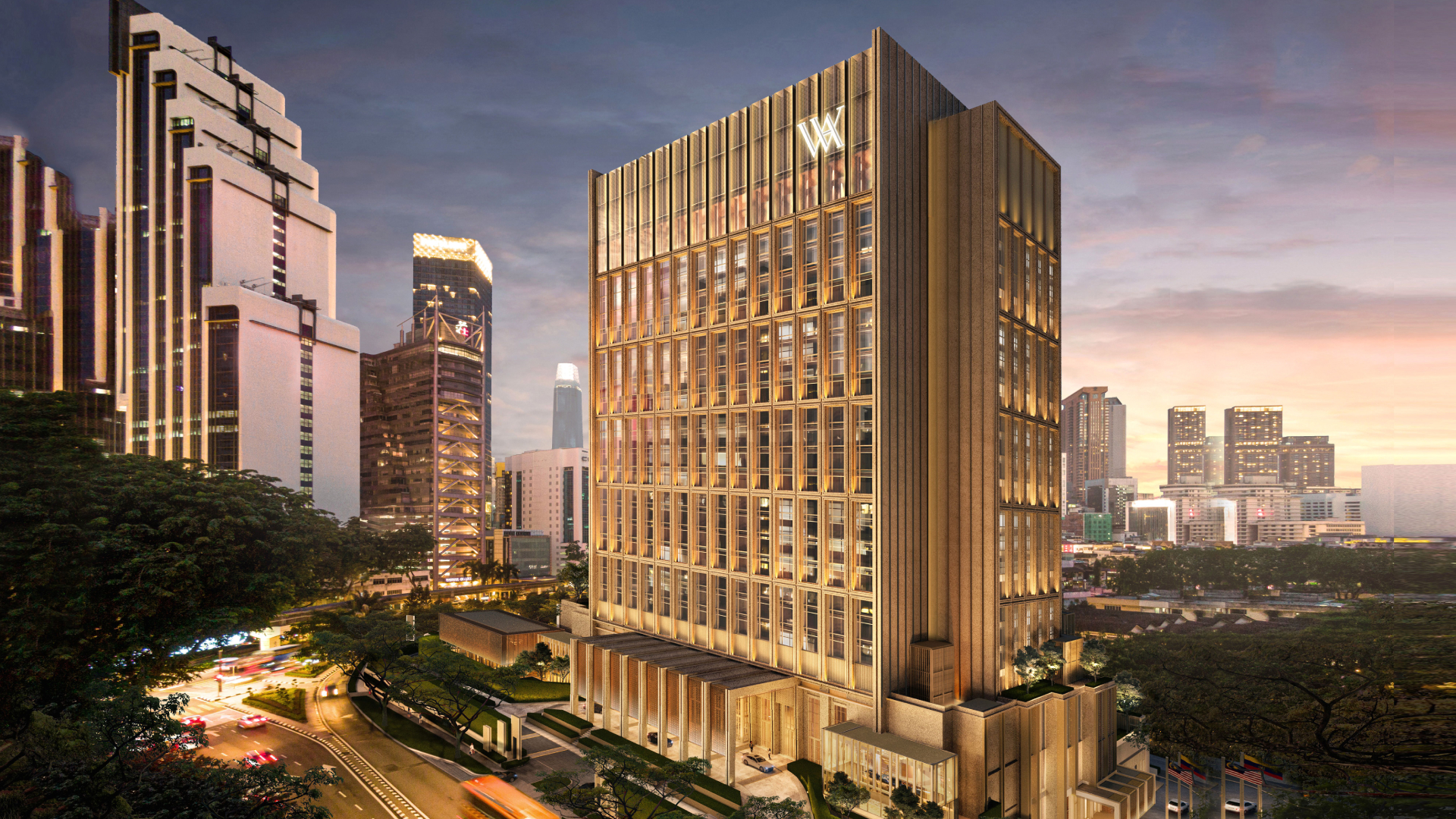
Waldorf Astoria Kuala Lumpur is scheduled to open on 30 October, introducing the Hilton luxury brand to Malaysia with an all-suite hotel in the city’s Golden Triangle.
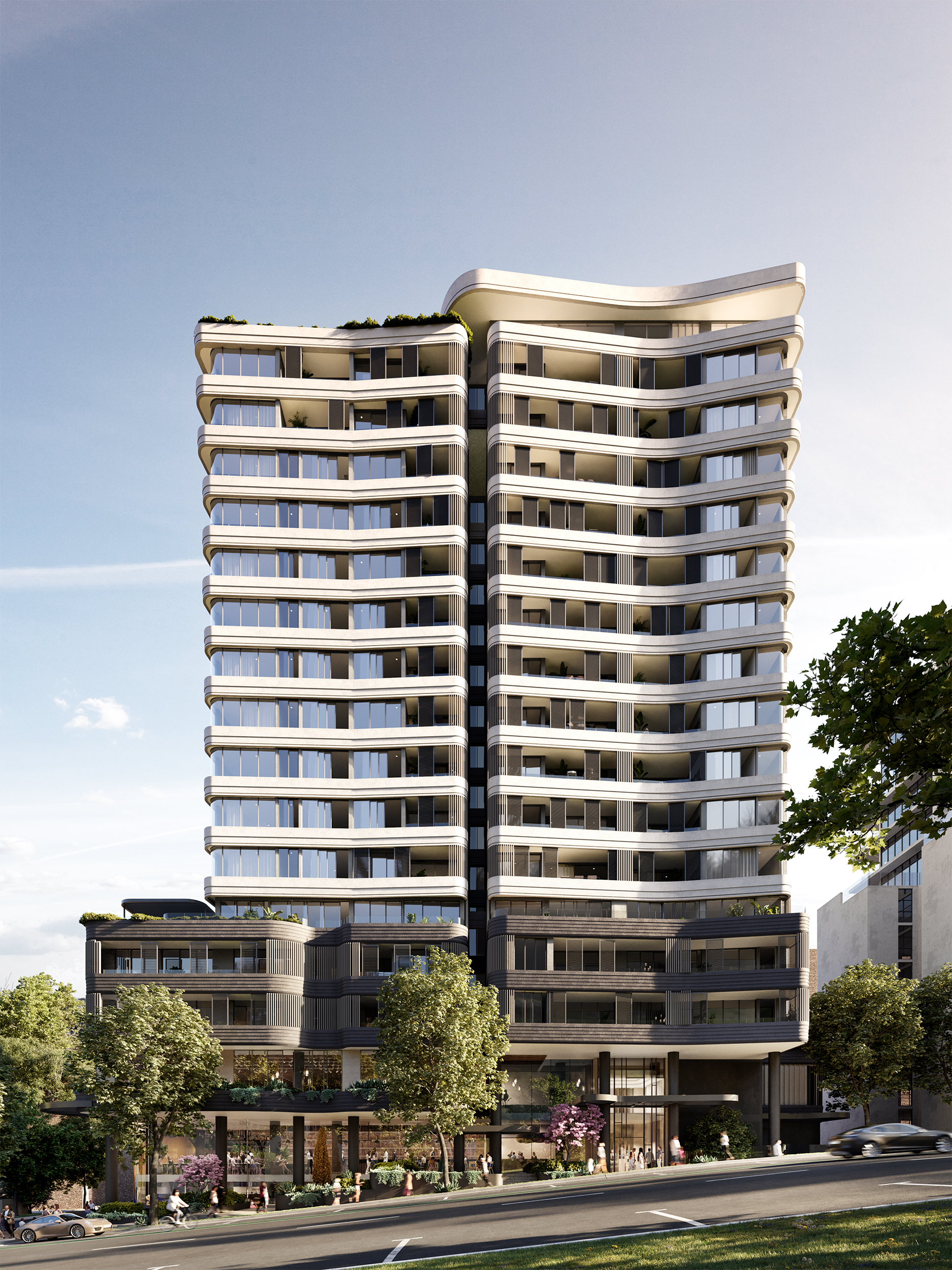
Located steps from Crows Nest Metro, the near-complete development brings luxury living to Sydney’s Lower North Shore.
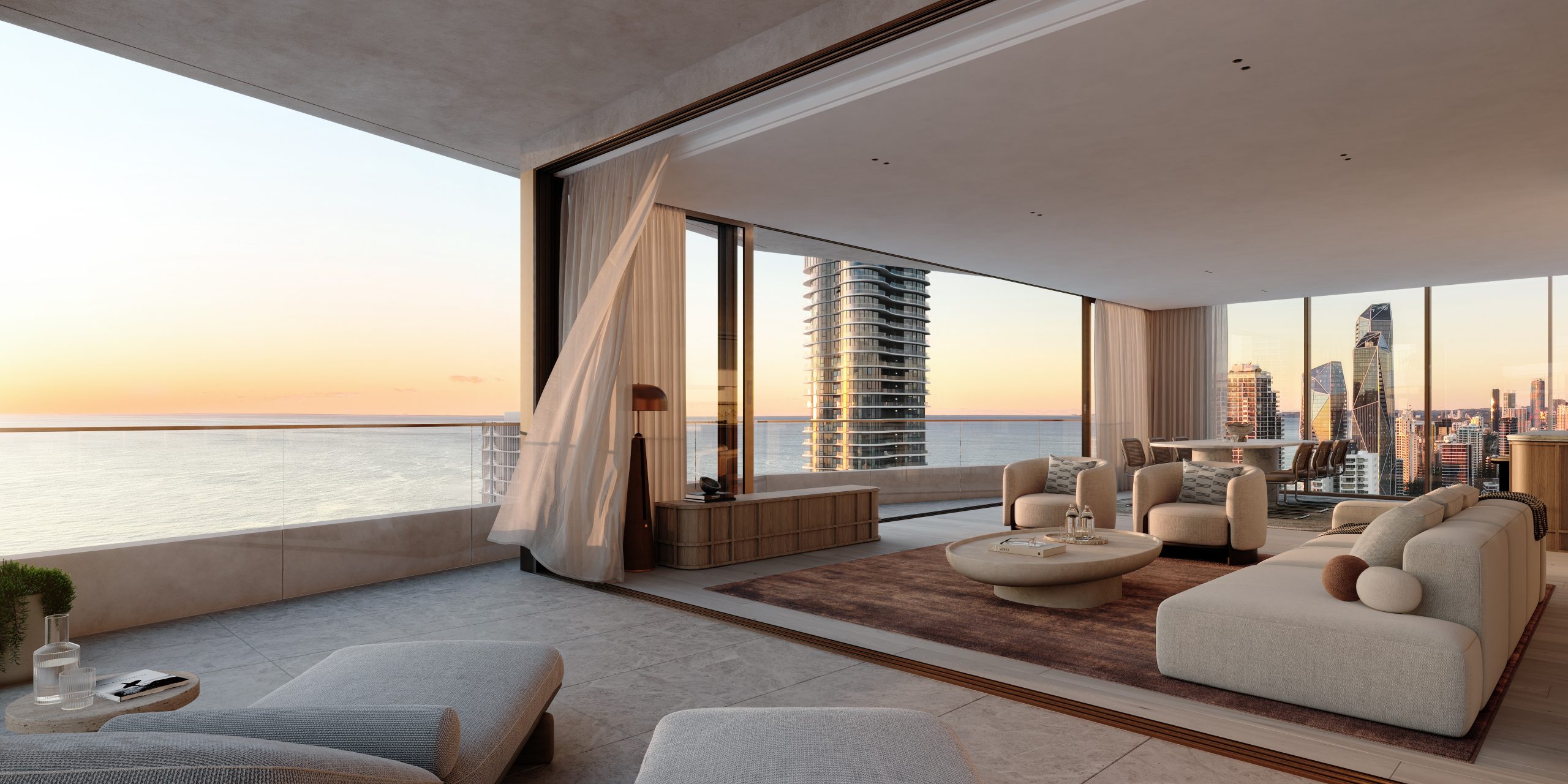
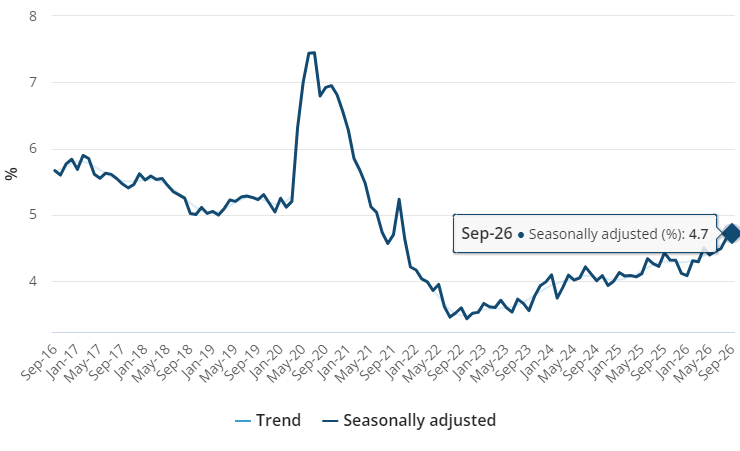
Employment fell by 39,300 and unemployment held at a revised 4.7 per cent, giving the RBA more room to pause in November.
2 min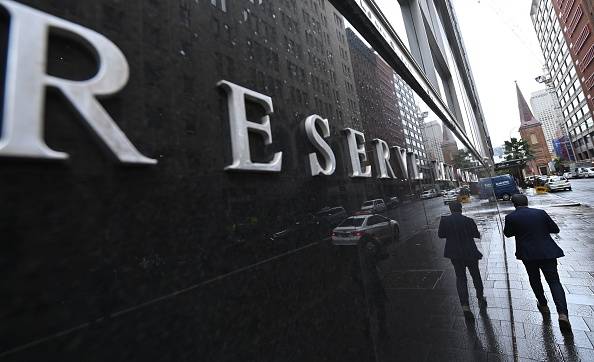
Australia’s labour market weakened in September, reducing—but not eliminating—the case for another Reserve Bank rate rise in November.
The seasonally adjusted unemployment rate was 4.7 per cent, according to the Australian Bureau of Statistics. August was revised to the same level, while September employment fell by 39,300 people. The number of unemployed Australians increased by 8,900 to 732,000.
The weakness extended beyond the headline rate. The employment-to-population ratio fell 0.3 percentage points to 63.6 per cent, participation declined 0.2 points to 66.8 per cent and underemployment edged up to 6.3 per cent. Part-time employment fell by 73,700, partly offset by a 34,400 increase in full-time work.
For the RBA, this is a clearer sign that restrictive monetary policy is cooling demand. Higher unemployment and falling employment reduce wage pressure over time and increase the risk that another rate rise would push the economy harder than necessary.
That makes a November increase less certain. It does not make a hold inevitable. The RBA must balance labour-market softness against inflation, and the September-quarter consumer price index due later in October will carry more direct weight in the decision.
For mortgage holders and property investors, the practical conclusion is not to trade one data release. Borrowers should continue testing repayments at higher rates, preserve liquidity and avoid basing a purchase on an assumed near-term reversal. Refinancing decisions should be assessed against total cost, not simply the advertised rate.
Property markets may initially welcome a reduced probability of another increase because borrowing capacity and sentiment are highly rate-sensitive. But a weakening labour market is not unambiguously positive for housing: job security supports mortgage serviceability, rental demand and buyer confidence.
The September numbers have given the RBA a credible reason to wait. Inflation will determine whether it can use it.

A thoughtful timber-led renovation in Byron Bay has reimagined an existing house as a warm, resort-style family sanctuary grounded in natural materials.

Rising rates, construction inflation and shrinking investor confidence are pushing Australia deeper into a dangerous housing spiral that monetary policy alone cannot fix.


