BHUTAN IN EVERY SEASON: A KINGDOM OF TIMELESS DISCOVERY
From snow-dusted valleys to festival-filled autumns, Bhutan reveals itself as a rare destination where culture, nature and spirituality unfold year-round.
 2 min
2 min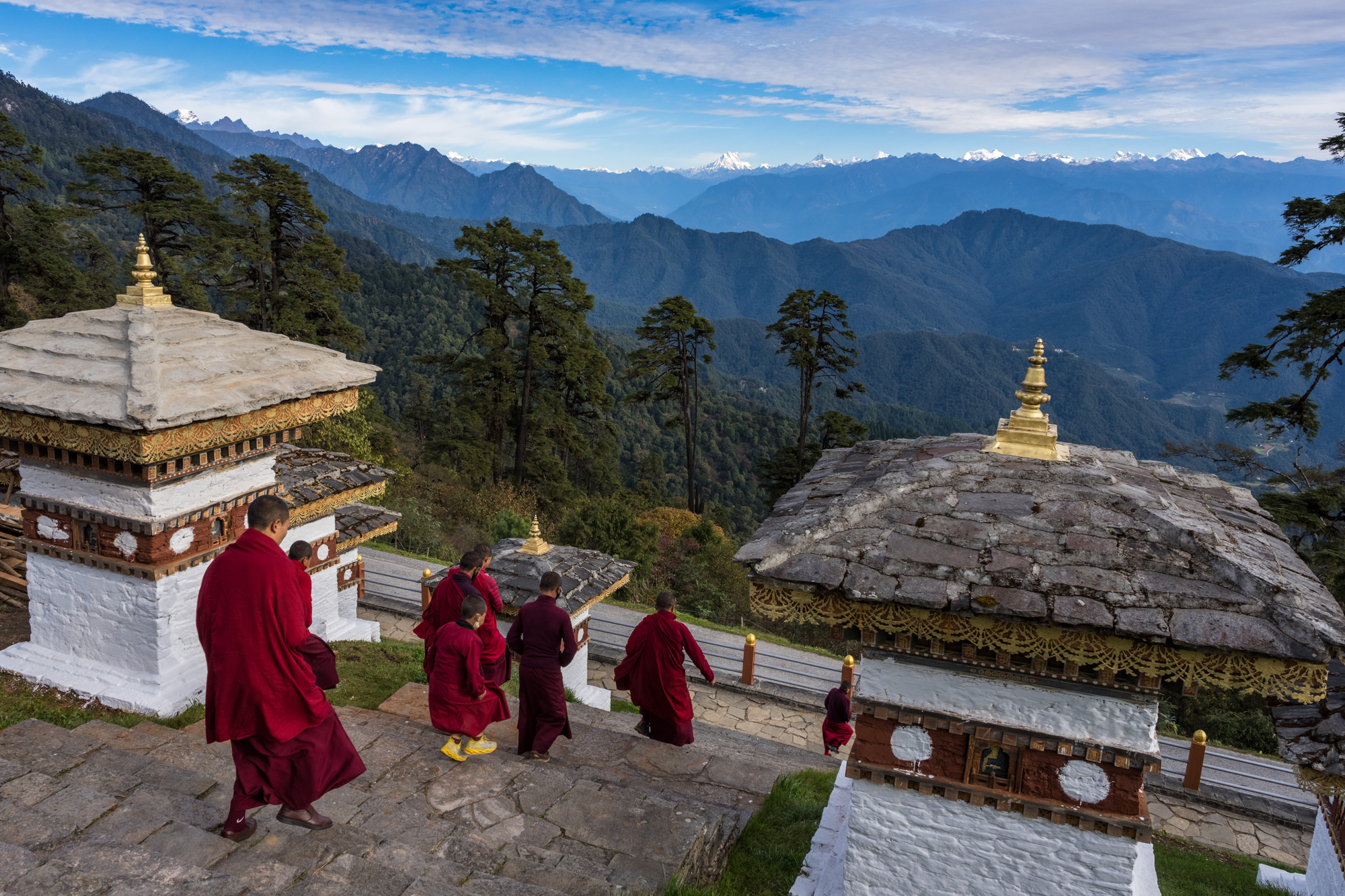
There are destinations you visit, and then there are those you experience slowly, season by season. Bhutan belongs firmly in the latter.
Long regarded as one of the world’s most elusive and culturally preserved nations, the Himalayan kingdom is now positioning itself not as a fleeting escape, but as a year-round destination defined by rhythm, contrast and depth.
Each season brings a distinct expression of the country’s landscape, traditions and way of life, offering travellers a rare sense of continuity between nature and culture.
Winter arrives quietly in Bhutan, settling over its valleys between December and February with snow-capped peaks and a stillness that feels almost meditative.
It is a time for retreat, when remote valleys take on a serene beauty and traditional farmhouses offer a more intimate glimpse into Bhutanese life.
Cultural gatherings such as the Druk Wangyel Tshechu, held at Dochula Pass, bring a sense of ceremony to the season, set against sweeping mountain vistas.
By contrast, spring unfolds in colour. From March to May, rhododendrons bloom across the country, orchards flower in the valleys of Paro and Haa, and the landscape shifts into something softer, more expansive.
Summer brings a different kind of richness. As monsoon rains transform the valleys into vibrant green corridors, the country’s agricultural heart becomes more visible.
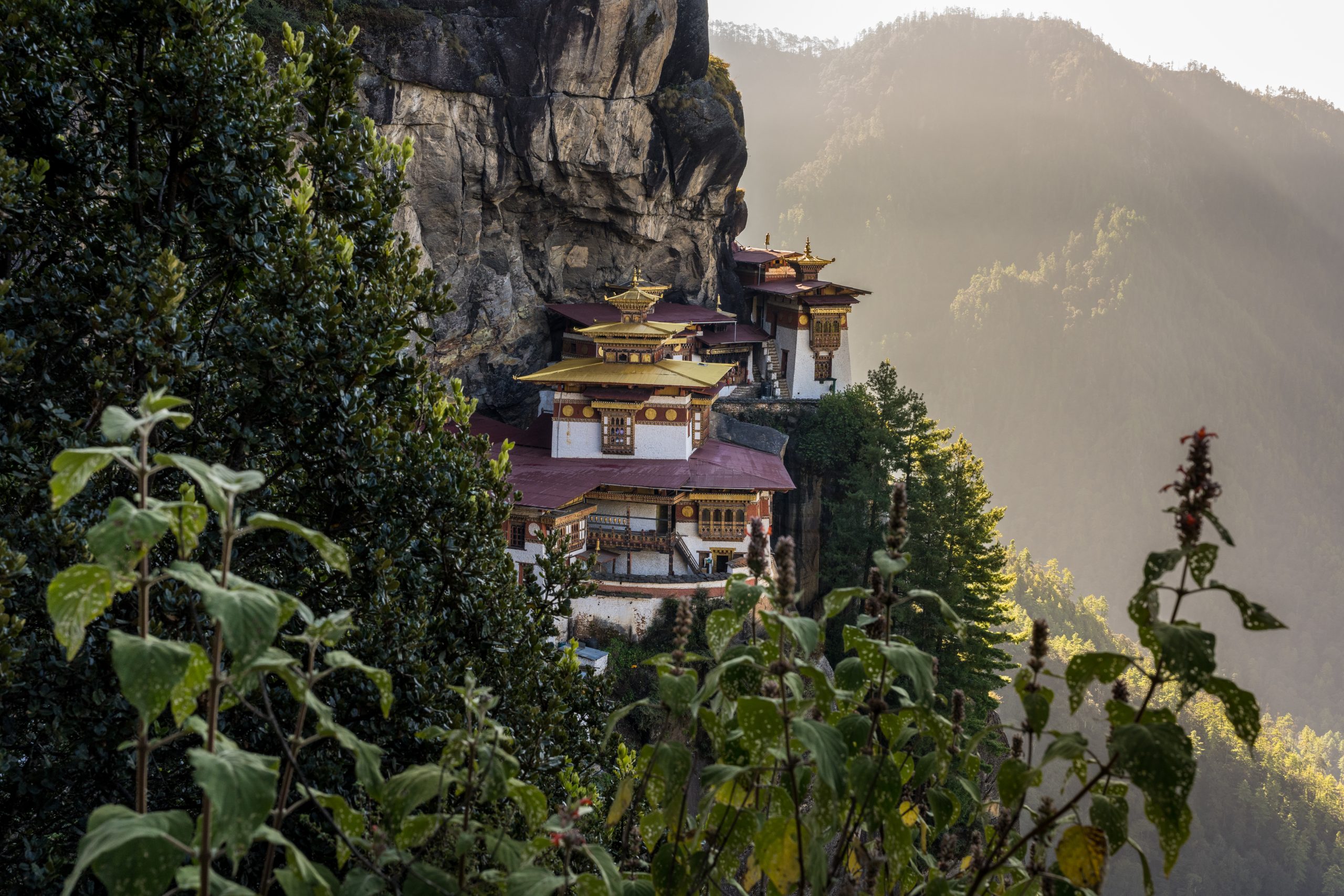
Then comes autumn, often considered Bhutan’s most striking season. Clear skies open up views across the Himalayas, while the cultural calendar reaches its peak. Festivals such as Thimphu Tshechu and Thimphu Drubchen draw locals and visitors alike, with sacred mask dances, music, and ritual offerings that offer insight into Bhutan’s deeply rooted Buddhist traditions.
“Bhutan is not just a destination; it is a journey through time, culture, and nature,” said Damcho Rinzin, Director of the Department of Tourism.
“Whether it’s the serenity of the winter valleys, the blooms of spring, the vibrant energy of summer festivals, or the celebrations of autumn, Bhutan offers experiences that awaken the senses and inspire the soul. We invite travellers to explore Bhutan throughout the year, to connect with our culture, our people, and our extraordinary landscapes.”

From making unpopular decisions to learning when to listen, leaders from five businesses reveal what nobody prepared them for — and how running a company has challenged their expectations.

Technology and semiconductor shares fell sharply as investors questioned the debt financing the AI infrastructure boom and confronted higher rates and Chinese competition.

Waldorf Astoria Kuala Lumpur is scheduled to open on 30 October, introducing the Hilton luxury brand to Malaysia with an all-suite hotel in the city’s Golden Triangle.
4 min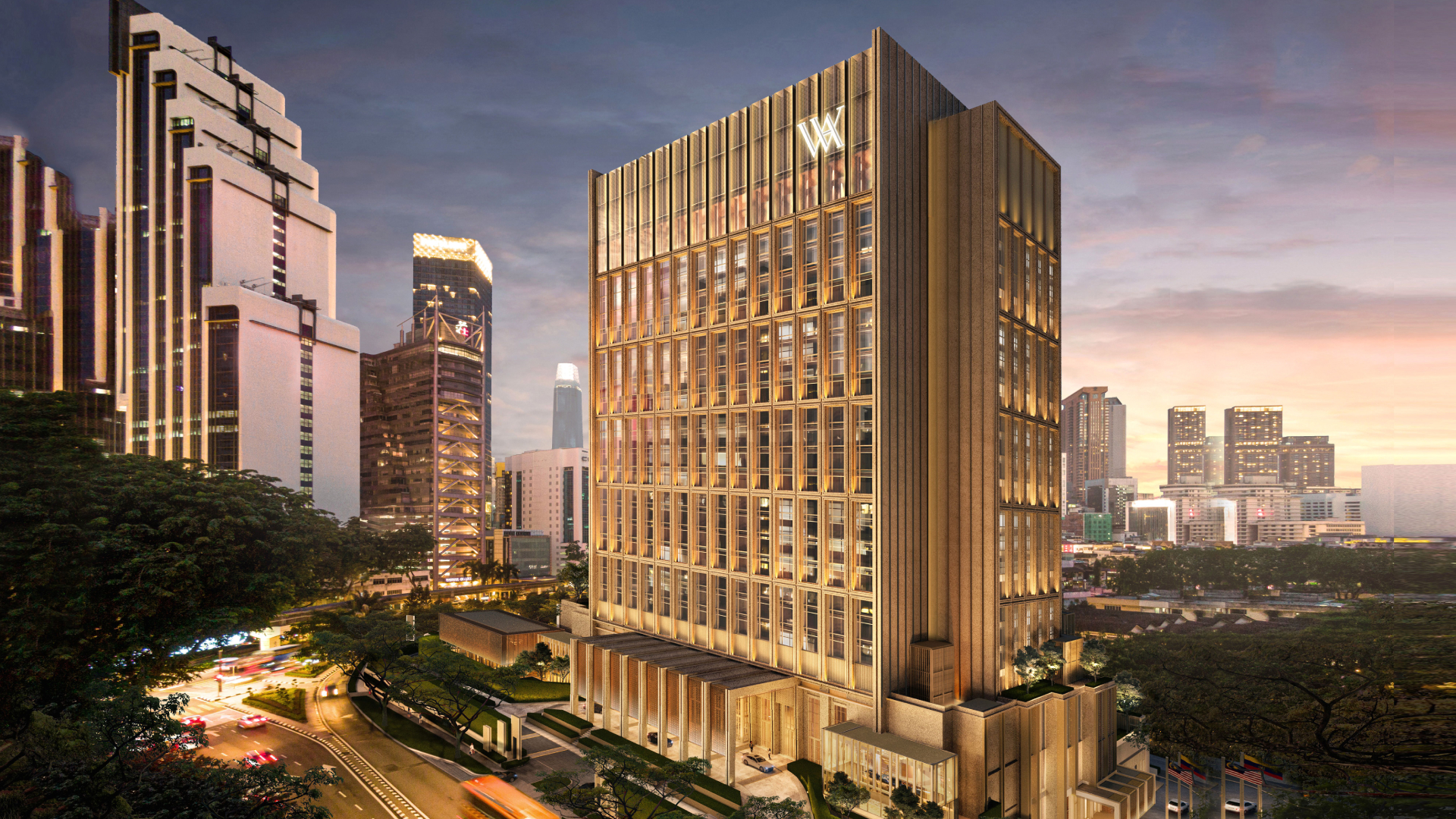
Kuala Lumpur will welcome a significant new luxury address this month when Waldorf Astoria opens its first hotel in Malaysia.
Scheduled to receive its first guests on 30 October, Waldorf Astoria Kuala Lumpur is an all-suite hotel occupying a reimagined address in the capital’s Golden Triangle district.
Its position at 73 Jalan Raja Chulan places it close to Bukit Bintang, Pavilion Kuala Lumpur and the Petronas Twin Towers. For international visitors, that means many of the city’s principal shopping, dining and business destinations will be within easy reach.
The property will contain 268 suites, with even its entry accommodation conceived on a scale more readily associated with serviced residences.
One-bedroom suites begin at approximately 80sqm, providing separate living and sleeping areas suitable for both short visits and extended stays. At the top of the collection is the 745sqm Waldorf Astoria Suite, which will rank among Kuala Lumpur’s largest hotel accommodations.
Floor-to-ceiling windows will bring the city into the rooms, while the interiors combine generous living spaces, subdued textures and a contemporary interpretation of Malaysian design.
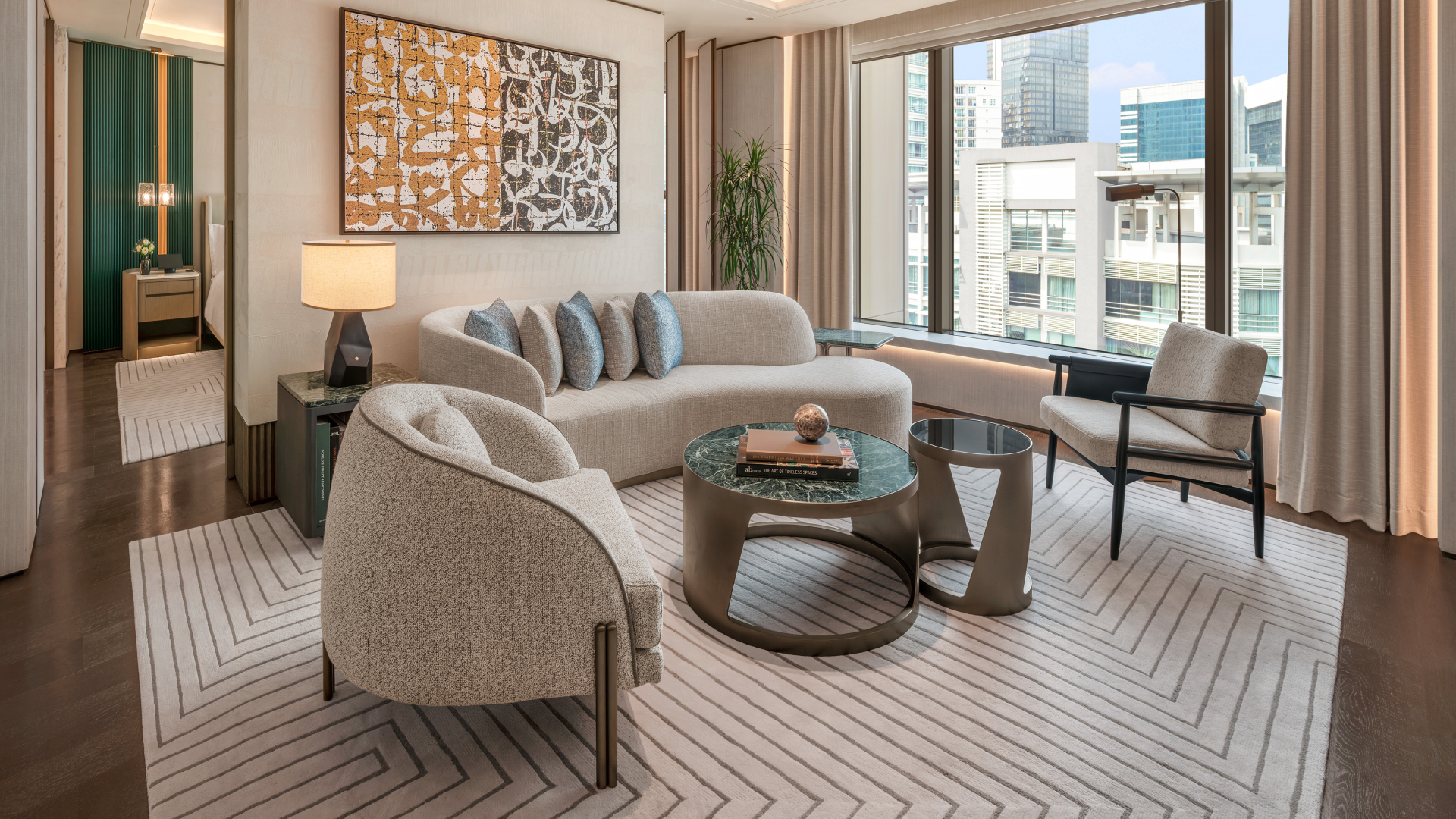
The all-suite model is an important distinction. Luxury city hotels increasingly compete not only on service and location but on the amount of private space they give guests. For travellers accustomed to villas, residences and apartment-style accommodation, a conventional hotel room can feel restrictive regardless of how beautifully it is finished.
Waldorf Astoria Kuala Lumpur is responding with rooms intended to function as private urban retreats rather than simply places to sleep.
The hotel’s approach to service will be shaped around what it calls Layan Tetamu, a reinterpretation of the Malaysian tradition of welcoming and caring for guests. Hilton describes the philosophy as sincere, intuitive and highly personalised.
Food and beverage will be central to the hotel’s ambitions to become a destination for Kuala Lumpur residents as well as international guests.
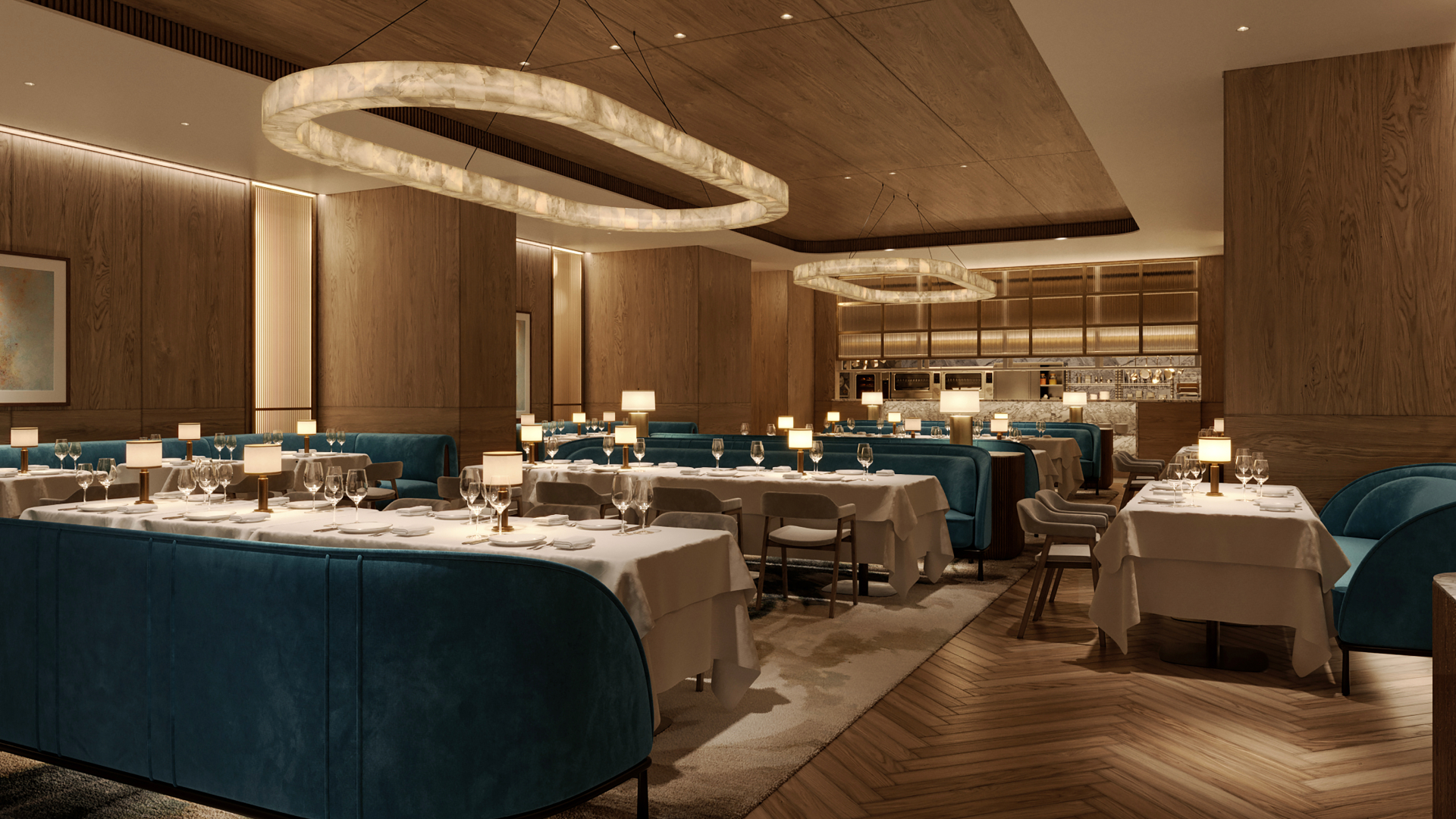
The dining program includes collaborations with Garima Arora and Jean-Georges Vongerichten.
Arora became the first Indian woman to receive a Michelin star and is known for using modern techniques to explore ingredients and culinary traditions from across Asia. Vongerichten oversees an international collection of restaurants and is recognised for combining French technique with influences drawn from Asia and other parts of the world.
One of the hotel’s principal venues will be JG KL by Jean-Georges Vongerichten. The wider collection will encompass formal destination restaurants and more intimate social spaces, each intended to have its own identity rather than operate as a generic hotel outlet.
Wellness will be anchored by the Waldorf Astoria Spa and a separate wellness centre. The announced program includes personalised rituals, advanced treatments and facilities dedicated to exercise and recovery.
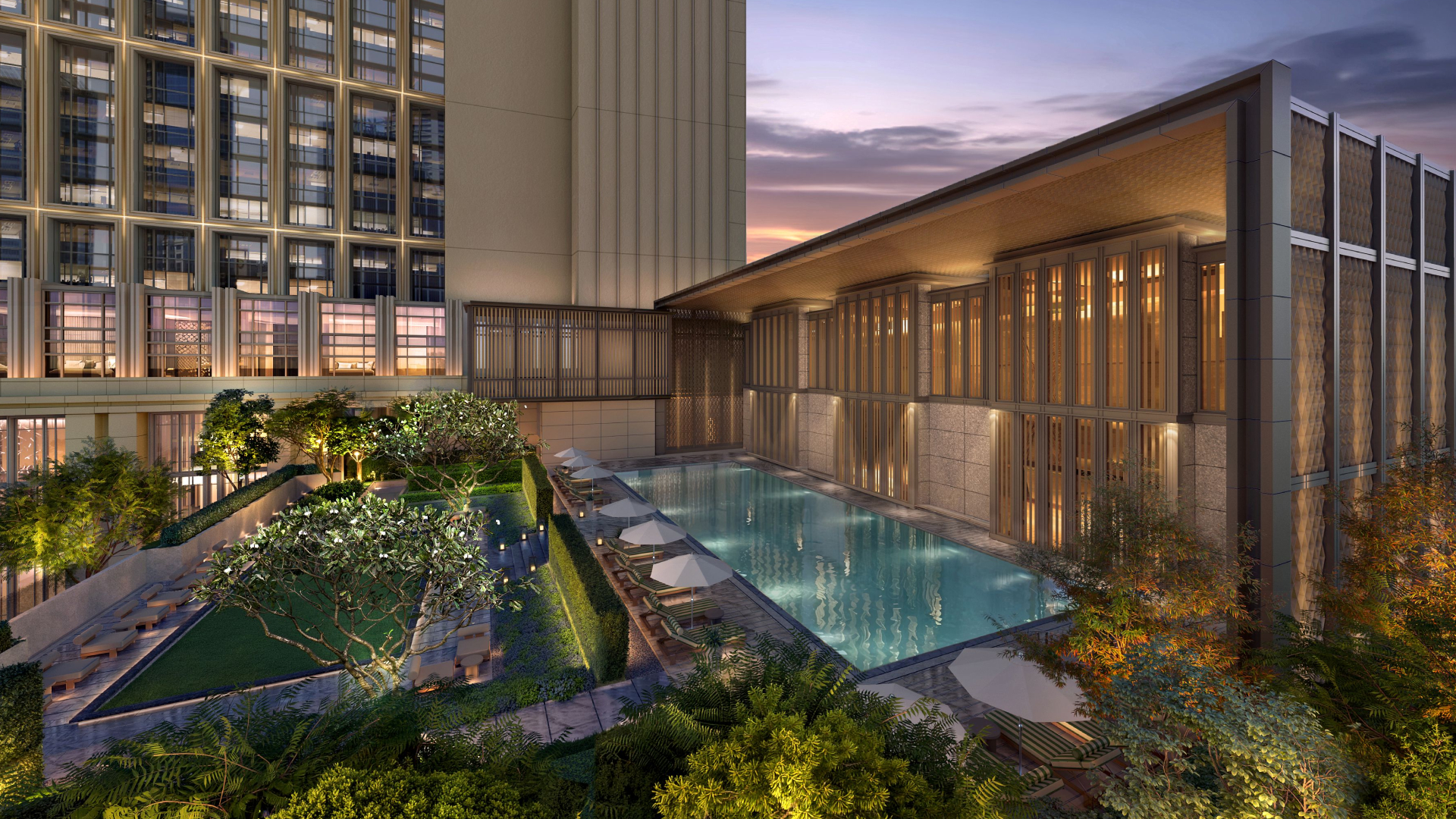
An outdoor swimming pool provides another retreat from the surrounding city, while the hotel will include event spaces designed for weddings, celebrations and major social occasions.
The result is intended to be more than a base for tourists. By combining large suites, restaurants led by internationally recognised chefs, wellness facilities and event venues, Waldorf Astoria is positioning the hotel as part of Kuala Lumpur’s social and dining landscape.
The opening also highlights the growing depth of luxury hospitality in the Malaysian capital.
Kuala Lumpur has traditionally provided compelling value compared with cities such as Singapore, Hong Kong and Tokyo. Room sizes are often more generous, while dining, spa treatments and private transport can remain comparatively accessible to Australian travellers.
The arrival of Waldorf Astoria adds another top-tier international brand to that equation. It also brings the brand’s residential style of hospitality to a city well positioned for stopovers, business trips and longer Southeast Asian itineraries.
Reservations are already open. The introductory Waldorf Astoria Indulgence Escape includes breakfast and 15,000 Hilton Honors points for members booking a minimum stay of two nights.
As with any newly opened hotel, early guests should confirm which restaurants, treatments and facilities will be operating during their stay. Major luxury properties often open in stages, with parts of the dining or wellness program introduced over the months that follow.
If the experience matches the scale of its suites and the strength of its culinary partnerships, Waldorf Astoria Kuala Lumpur could establish itself quickly as one of the city’s most important luxury hotels.
Hotel summary
Hotel: Waldorf Astoria Kuala Lumpur
Opening: 30 October 2026
Address: 73 Jalan Raja Chulan, Bukit Bintang, Kuala Lumpur
Accommodation: 268 suites
Suite sizes: From approximately 80sqm
Largest accommodation: The 745sqm Waldorf Astoria Suite
Dining collaborators: Garima Arora and Jean-Georges Vongerichten
Facilities: Waldorf Astoria Spa, wellness centre, outdoor pool, restaurants and event spaces
Opening offer: Breakfast and 15,000 Hilton Honors points for qualifying two-night stays

A long-standing cultural cruise and a new expedition-style offering will soon operate side by side in French Polynesia.
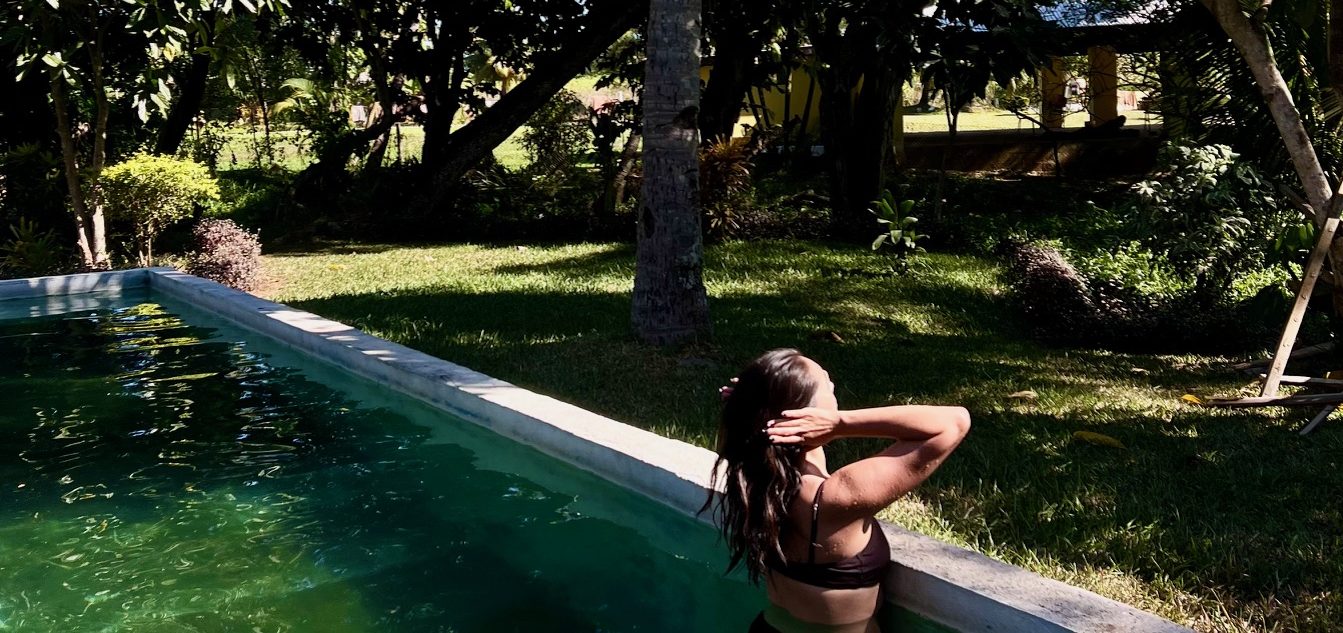
From mud baths to herbal massages, Fiji’s heat rituals turned one winter escape into a soul-deep reset.