

DESIGN TRENDS TO EMBRACE IN 2026 … AND THE ONES TO AVOID
Top architect Georgina Wilson reveals which popular design trends add lasting value and which risk ageing poorly in modern homes.
 2 min

Stainless steel kitchens. Built-in bunk beds. Pure linen curtains. These once-coveted features are rapidly gaining traction, but not all are built to last.
Architect Georgina Wilson, founder and principal of Georgina Wilson Associates, is urging homeowners to think beyond Instagram appeal and focus on choices that enhance longevity, flexibility and everyday liveability.
As Australia’s most followed architect, Wilson sees firsthand how trend-driven decisions shape how people live in their homes.
While some features genuinely improve functionality and future-proof a property, others quickly become high-maintenance burdens or costly mistakes. Here, she shares her honest perspective on the design choices worth embracing and those best left behind.
DESIGN CHOICES TO THINK TWICE ABOUT
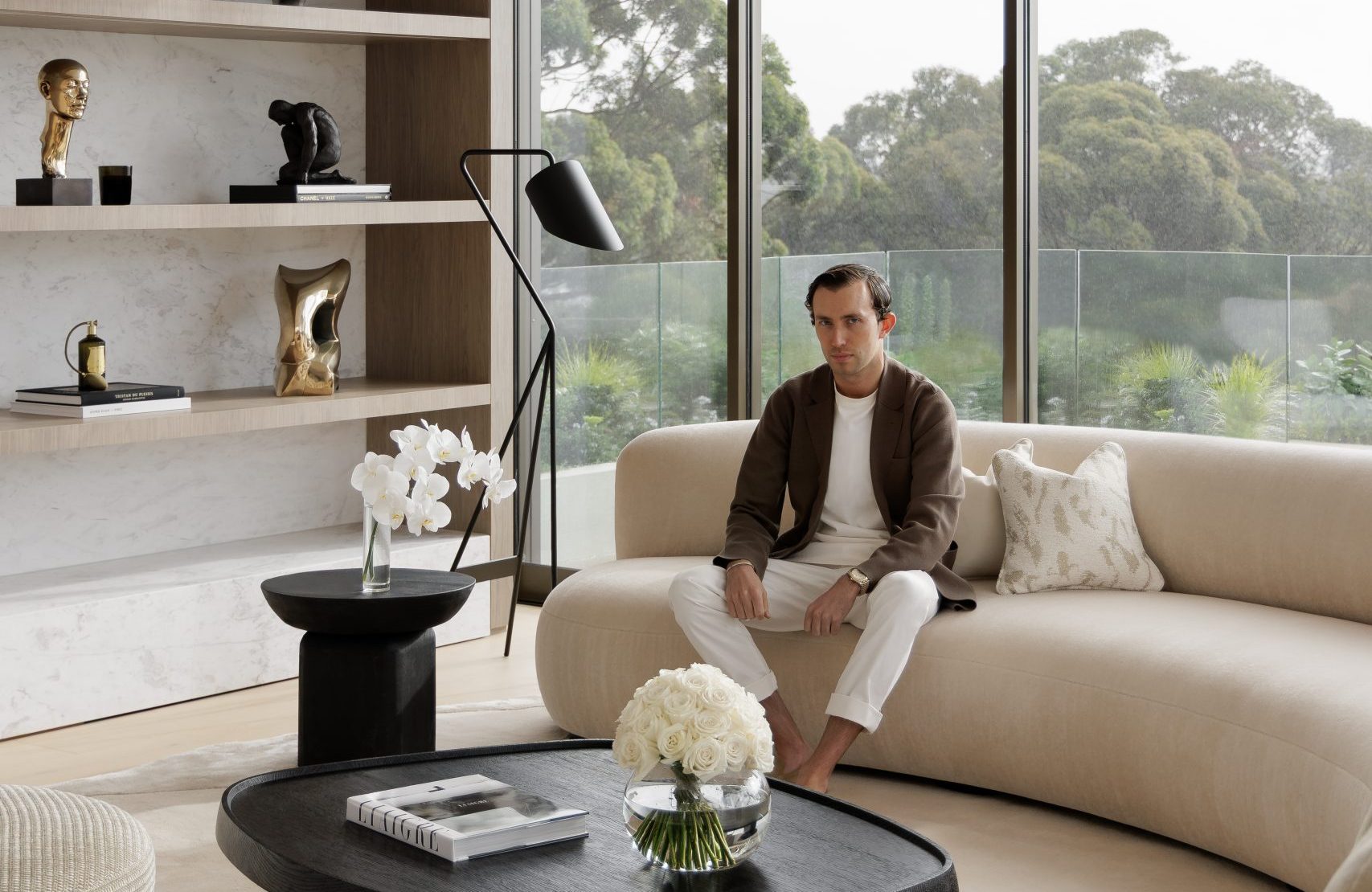
Bookshelves: Considered, curated shelving? Yes. Buying hoards of books just to fill up your shelves? Not on Georgina’s watch. It’s a shortcut to turning your home into a dust haven.
100% linen sofa covers and curtains: While lovely in theory, 100% natural fibres aren’t always the most functional. Linen can shrink, wrinkle and sag over time, so your pieces can end up looking dishevelled.
Kitchen serveries: They might look great on Pinterest, but in reality, kitchen serveries feel like you’re running a tuckshop and can block the primary access to the outside.
Stainless steel kitchens: While visually striking, stainless steel kitchens fall short in everyday life, unless you enjoy constantly wiping away fingerprints, of course.
Built-in bunk beds: Your kids will inevitably outgrow them, and you’ll have to rip them out. The one exception? A holiday house where you need to maximise temporary accommodation.
DESIGN CHOICES WORTH INVESTING IN
Doggy baths: Georgina has had seven requests for dedicated doggy baths in the past three months alone, signalling a growing desire to design homes that cater to every inhabitant. While some may see them as niche, she believes they’re a smart, practical addition that keeps daily life running smoothly for pet-owning households.
Multigenerational living: Georgina is seeing more clients request spaces for grandparents or explore subdividing homes to accommodate adult children, reflecting the rise of multigenerational living. Alongside this, there’s been a notable increase in lifts being retrofitted as families look to future-proof their homes for long-term use.
Two primary bedrooms: An emerging request Georgina has seen several times this year is for two primary bedrooms within one home. While she jokes it sounds like a dream, it speaks to a growing desire for flexibility as living arrangements and family dynamics evolve.
Mudrooms: These remain hugely popular, with clients recognising their value as hardworking, functional spaces that keep homes organised. Georgina notes that the key is to ensure they enhance circulation rather than interrupt it.
Enclosed studies: As working from home becomes a permanent fixture, Georgina says clients are increasingly prioritising fully enclosed studies over makeshift dining table setups. It reflects a shift towards creating proper separation between work and home life.
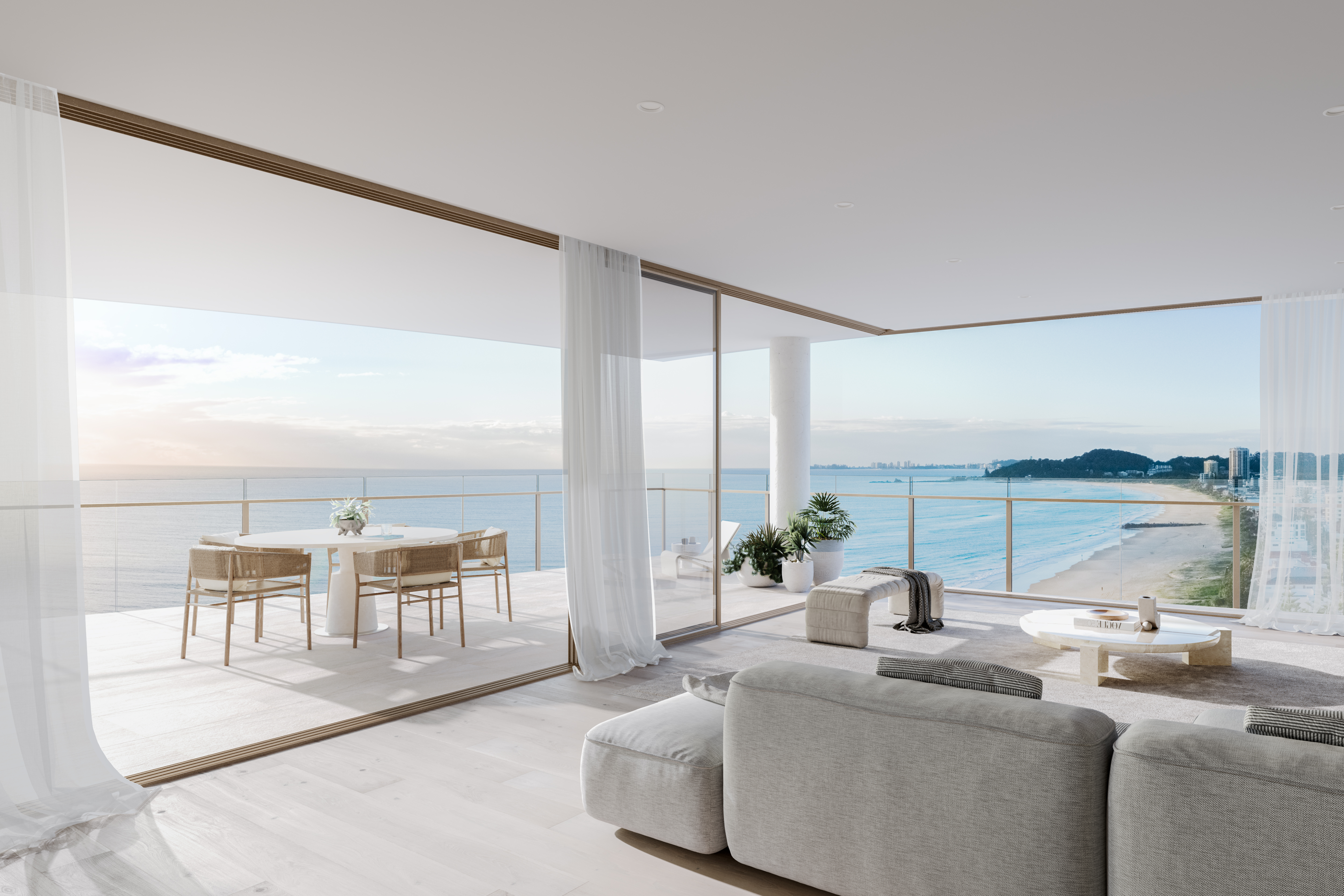
A Sydney couple has paid $15.5 million for the Grand Penthouse at Marquee’s $285 million La Belle Residences beachfront development which is nearing completion at Palm Beach, eclipsing the record for an off-the-plan apartment sale on the southern Gold Coast. The sprawling single level 640 sqm beachfront residence, with sweeping views of the Gold Coast …
Continue reading “$15.5m La Belle Penthouse eclipses southern Gold Coast record”

On the owner’s deck, a 20-metre swimming pool incorporates Feadship’s patented ContraWave technology and extends indoors as a suspended, glass-bottomed infinity pool.
A new study models a potential $80.6 billion lift in Australian GDP after a decade, as national testing shows a decline in Year 10 digital literacy.
2 min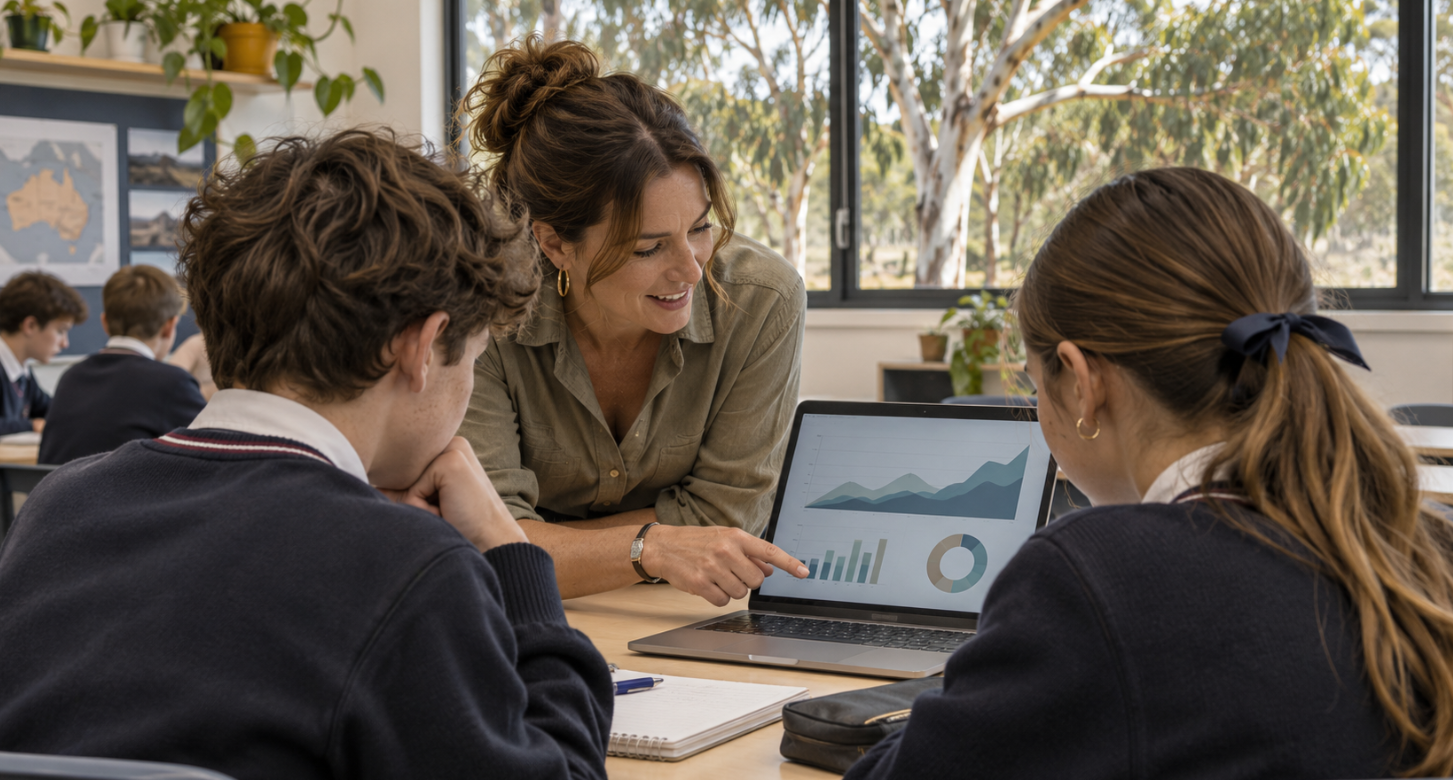
Australia trails Singapore and Malta in a new Commonwealth index, while national testing shows fewer than four in 10 Year 10 students meet the standard for digital literacy.
Australia has ranked third among 56 Commonwealth countries for youth AI readiness, with researchers estimating that artificial intelligence could lift the level of Australian GDP by $80.6 billion after a decade under their middle scenario.
The Ayre Think Tank released the index at the Commonwealth Heads of Government Meeting in Antigua and Barbuda. Australia scored 71 out of 100, behind Singapore on 77.6 and Malta on 75. The United Kingdom followed closely on 70.8, with Canada fifth on 70.2. Only 15 countries reached the study’s benchmark of 53.
What the $80.6 billion figure measures
The researchers applied International Monetary Fund estimates for broad groups of economies to Australia’s 2025 GDP. The resulting scenarios put the potential lift in Australian GDP after 10 years at between $40.9 billion and $120.3 billion, with $80.6 billion representing the midpoint.
The figures describe how much larger the economy could be at the end of the period under each scenario. They represent a change in the level of GDP in year 10.
Digital literacy falls as schools roll out AI tools
Australia scored 8.7 out of 10 for access to technology and 7.5 for digital, data, media and AI capability. Separate national testing found that 37 per cent of Year 10 students met the proficient standard for information and communications technology literacy in 2025, down from 46 per cent in 2022. About one in 10 students reported receiving substantial teaching on AI-related tasks. National assessment results
The report points to two state initiatives aimed at building those skills. Queensland began rolling out an AI education platform in state schools in 2026, while Victoria introduced free specialist training for workers looking to develop AI skills or move into related roles.
The index draws on 1,128 sources and examines the conditions facing people aged 15 to 29, including access to technology, education and pathways into work. Australia had usable data for 76 of the 102 indicators used in the rankings. The researchers found too little comparable evidence to score an eighth area covering critical judgement and people’s ability to exercise control over AI systems.
Professor C. Justin Robinson, campus principal of the University of the West Indies’ Five Islands Campus, said young people should be equipped to question and improve AI tools and supported in building alternatives suited to their needs.
The report calls for affordable access to technology, more practical education and stronger links between training, employment and entrepreneurship. It also urges governments and educators to support AI tools suited to local languages and give young people ways to challenge automated decisions.
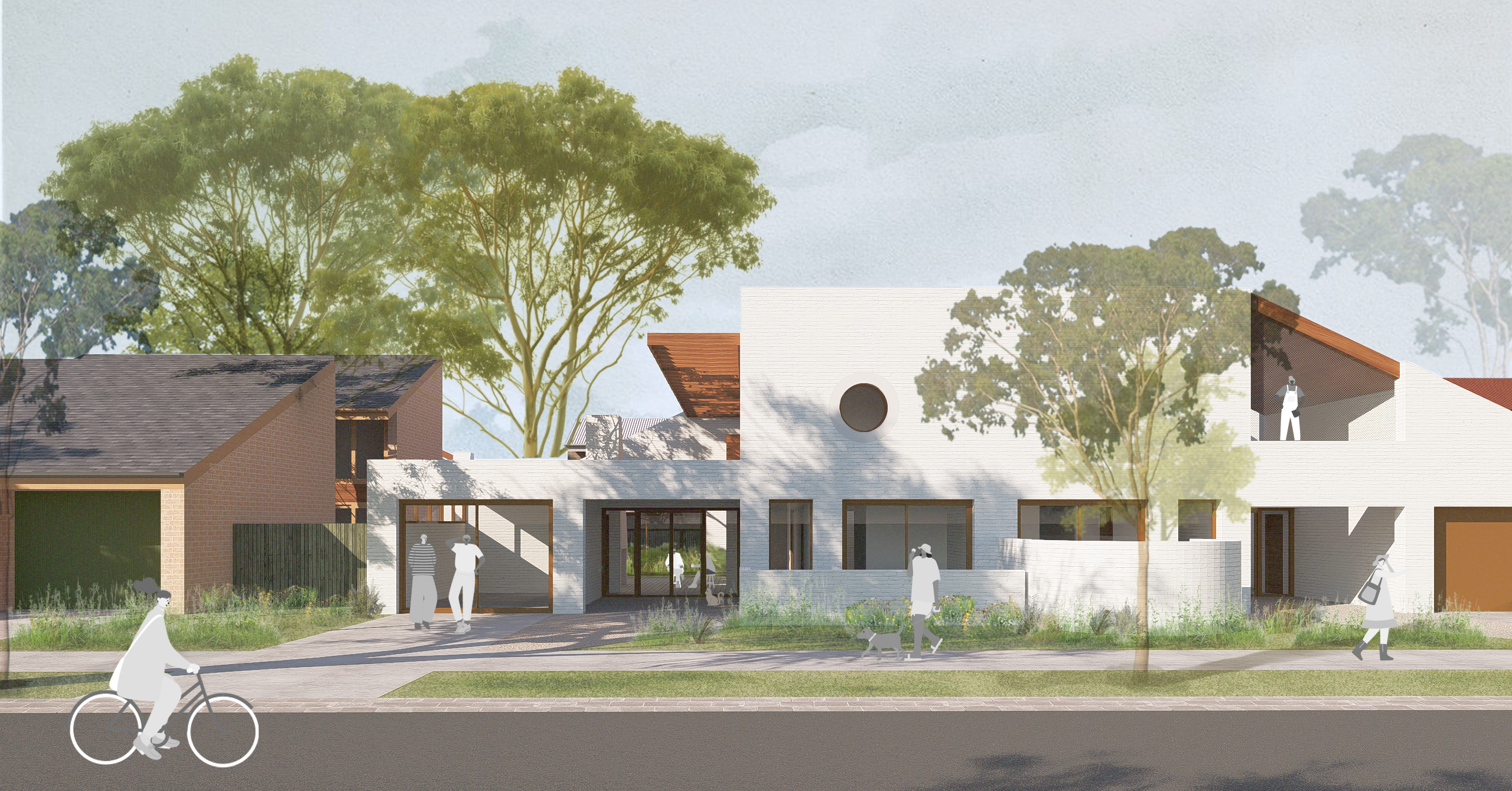
Brickworks has enlisted acclaimed architecture studio Kennedy Nolan to explore how homes could become more adaptable, energy-efficient and connected to community.
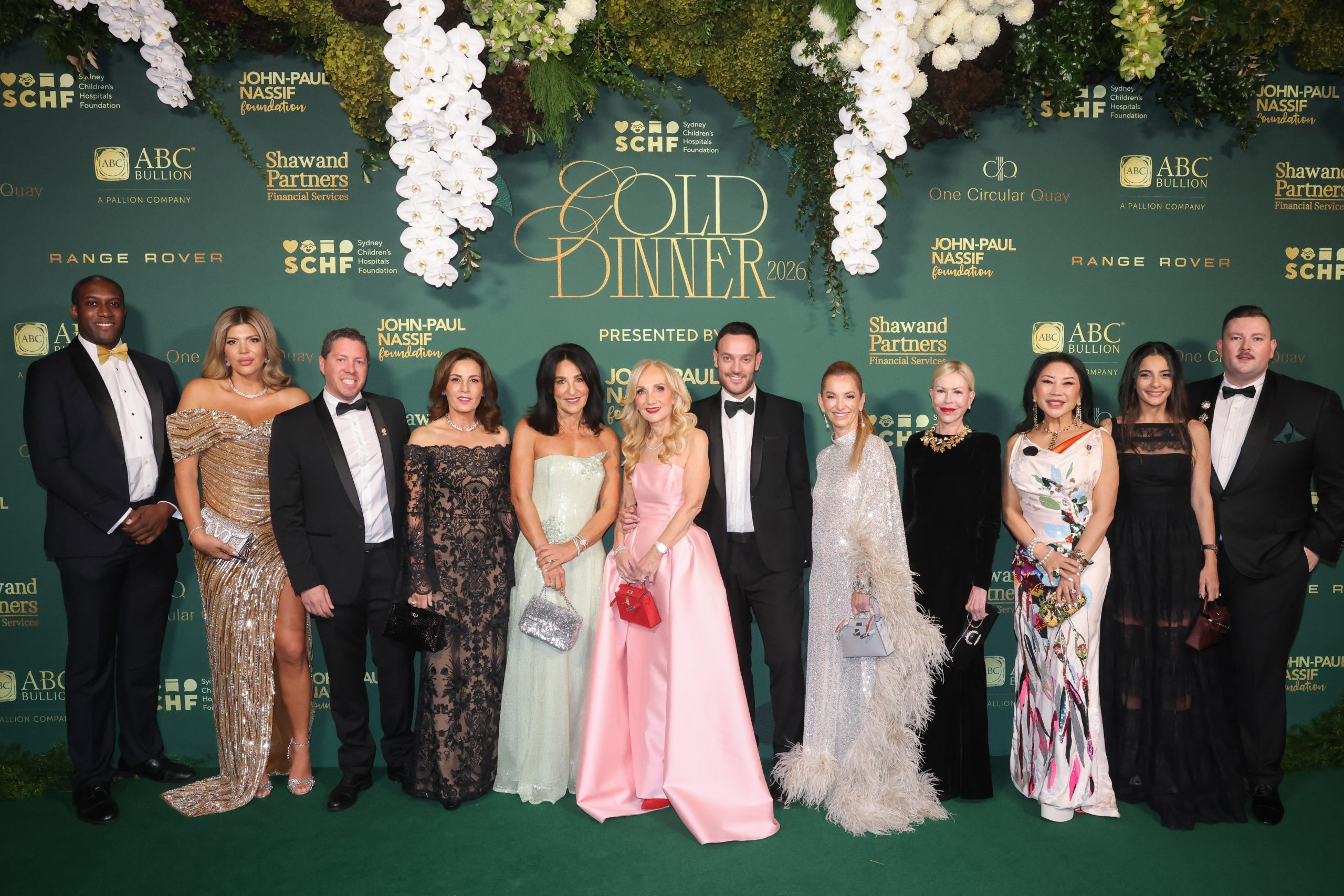
Sydney Children’s Hospitals Foundation CEO Kristina Keneally says Australia’s culture of large-scale philanthropy is becoming more sophisticated as Gold Dinner raises $75.5 million for children’s health, research and innovation.