NATIONAL HOUSING MARKET STALLS AS SYDNEY & MELBOURNE LOSE MOMENTUM
Australia’s housing market was flat in May as falling values in Sydney and Melbourne offset continued growth in Perth, Brisbane and Adelaide.
 3 min
3 min
Australia’s housing market has lost momentum, with Cotality’s latest Home Value Index revealing national dwelling values were flat in May as affordability constraints, higher borrowing costs and weakening buyer sentiment continue to weigh on demand.
The national result masks increasingly divergent conditions across the country.
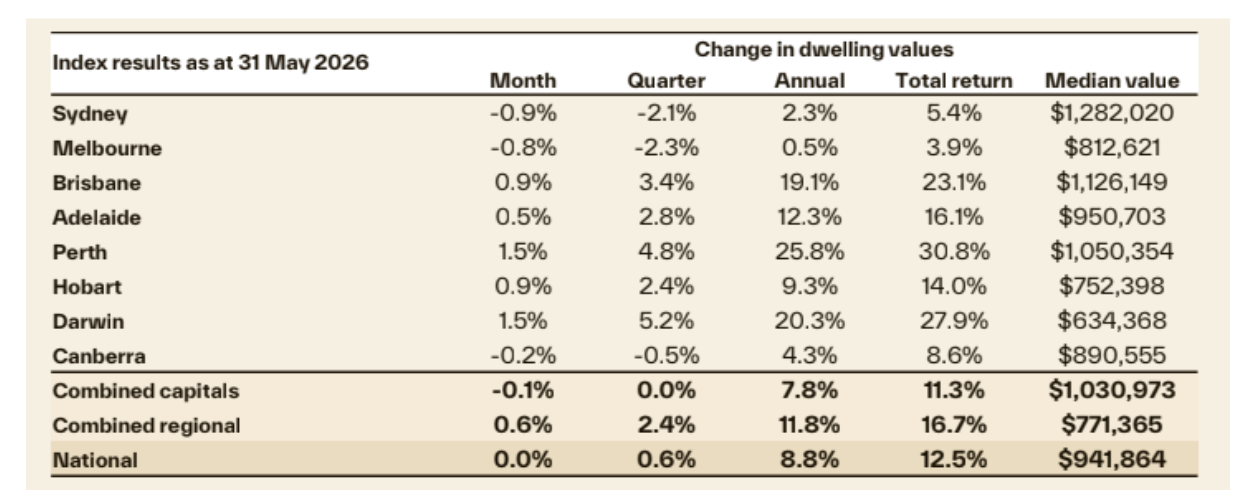
Sydney and Melbourne led the decline, with dwelling values falling 0.9 per cent and 0.8 per cent respectively over the month.
Sydney values are now 2.1 per cent below their November 2025 peak, while Melbourne values sit 3.2 per cent below their March 2022 high.
In contrast, Brisbane, Perth and Adelaide continued to record growth, although even the stronger-performing markets are beginning to show signs of slowing.
Perth again led the capitals, recording monthly growth of 1.5 per cent and annual growth of 25.8 per cent. Brisbane values increased 0.9 per cent in May and are now 19.1 per cent higher than a year ago, while Adelaide recorded a 0.5 per cent monthly rise and annua growth of 12.3 per cent.
Cotality Research Director Tim Lawless said Australia’s housing market continues to operate at vastly different speeds depending on location.
“We are continuing to see multi-speed conditions across Australia’s housing sector, with Perth and Melbourne at opposite ends of the spectrum,” Lawless said.
“The past five years have seen these cities diverge sharply, with Perth values up a stunning 91.4 per cent while Melbourne home values are only 3.3 per cent higher since May 2021.”
Lawless said while the pace of value growth remains highly varied between cities, a common trend is emerging.
“While the speed of value change remains very different from city to city, the direction is becoming more consistent, with most markets losing momentum as demand-side headwinds intensify.”
The slowdown is becoming increasingly evident in transaction activity.
National home sales over the past three months were estimated to be 2.2 per cent lower than a year ago and 4.1 per cent below the five-year average.
Sydney and Melbourne recorded the sharpest declines in sales activity, down 17.0 per cent and 14.2 per cent respectively compared to the same period last year.
Lawless said higher listing volumes are shifting negotiating power back towards buyers.
“These are also the cities where advertised supply has risen to above average levels, providing more choice and better leverage for buyers,” he said.
The softer conditions come despite ongoing supply constraints across much of the country. Construction costs remain elevated and feasibility challenges continue to limit new housing delivery, even as governments in NSW and Victoria continue to implement planning reforms designed to accelerate approvals and increase apartment supply.
For the new apartment sector, the data highlights an increasingly important divide between established housing markets and the off-the-plan market.
While detached housing markets in Sydney and Melbourne continue to soften, the supply of new apartments remains well below the levels required to meet population growth and federal housing targets.
This imbalance is likely to continue supporting demand for new apartment stock, particularly in major urban centres where affordability pressures are forcing more buyers towards higher-density housing options.
The latest rental figures also reinforce the underlying strength of housing demand.
National rents increased another 0.6 per cent in May, taking annual rental growth to 5.9 per cent. Vacancy rates remain at just 1.5 per cent nationally, matching the record lows experienced during the post-pandemic migration surge.
Lawless said renters are increasingly reaching affordability limits.
“With renters dedicating around a third of their pre-tax income to rental payments, it’s uncertain how much longer this upswing in rents can last,” he said.
The housing slowdown is unfolding against a backdrop of improving inflation data and growing confidence that interest rates will remain on hold when the Reserve Bank meets in June.
Australia’s monthly inflation indicator has continued to trend lower in recent months, reinforcing market expectations that the RBA is unlikely to lift the cash rate again in the near term.
Financial markets and economists have increasingly shifted their focus towards the timing of future rate cuts rather than the prospect of further tightening.
While the RBA remains cautious about services inflation and housing-related costs, recent inflation outcomes have largely eased concerns that another rate rise would be required.
That is providing some support to housing sentiment, although affordability and borrowing capacity remain significant constraints.
For now, Cotality’s data suggests the housing market is entering a more subdued phase rather than facing a sharp correction.
Affordability pressures, weaker confidence and slower sales activity are weighing on demand, while population growth, tight rental markets and constrained housing supply continue to provide a floor underneath values.
The result is a housing market that remains highly fragmented, with Sydney and Melbourne continuing to cool, while Perth, Brisbane and Adelaide remain in growth mode, albeit at a slower pace than seen over the past two years.

The Swiss watchmaker’s first collaboration with Atlassian Williams F1 Team produces two sporting Laureato models inspired by the team’s 2026 racing car.
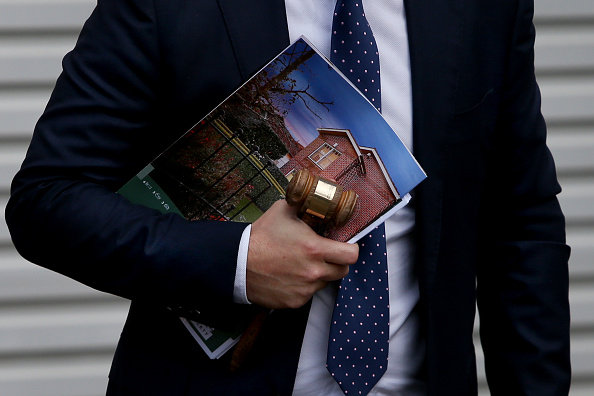
Victorian auction buyers will soon receive a piece of information that has traditionally been withheld until bidding reaches it: the vendor’s reserve price. Under new property-sale and underquoting laws, agents must publish the agreed reserve at least seven days before an auction or fixed-date sale. Most changes begin on 1 October 2026 and apply to …
Continue reading “Victoria’s New Auction Rules Will Force Reserve Prices Into the Open”

More than 10,000 homes, an expansive central park and a mix of hospitality, retail and wellness facilities will form Azizi Developments’ first master-planned community in the emirate.
2 min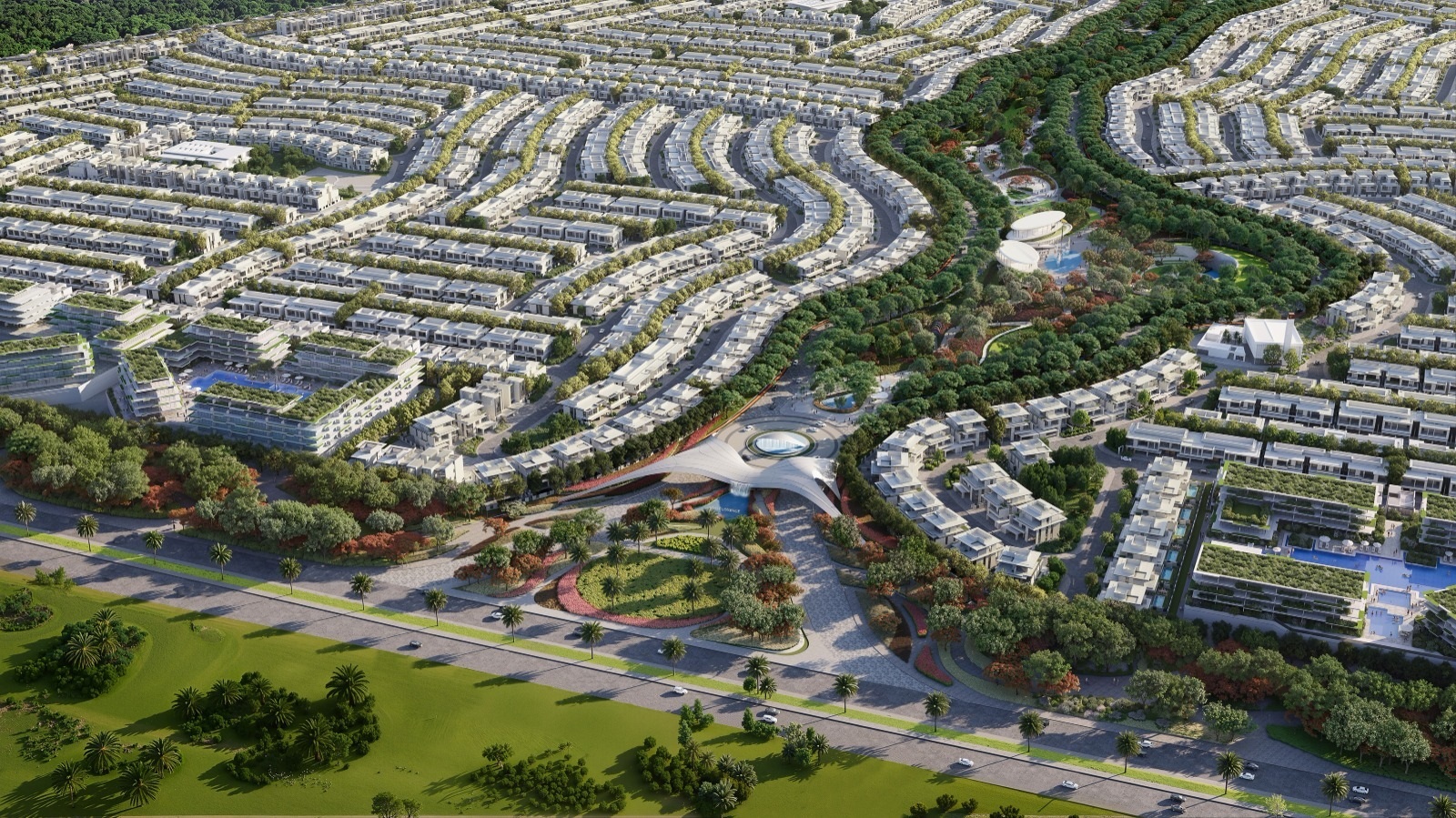
Sharjah is set to receive one of its largest new residential communities, with Azizi Developments unveiling plans for a US$8.1 billion master-planned precinct containing more than 10,000 homes.
Named Azizi Florence, the freehold development will comprise 1,130 villas, more than 6,000 townhouses and 3,500 apartments. Three-bedroom townhouses will start from US$515,000, with an indicative rate of US$231 per square foot of saleable space.
The project marks the Dubai-based developer’s first move into Sharjah, expanding a portfolio that includes the planned Burj Azizi skyscraper and the Azizi Venice community in Dubai.
A park at the heart of the community
Rather than treating landscaping as an afterthought, Azizi Florence will be organised around a 1.7 million sq ft central park.
The wider precinct is planned as a self-contained neighbourhood combining homes with retail, hospitality, education, leisure and wellness facilities.
Six residential clusters will sit within the development, each with its own park, clubhouse, community centre and landscaped gardens. The approach reflects a broader shift across large Middle Eastern developments, where greenery, recreation and everyday convenience are increasingly central to the residential proposition.
The scale of Azizi Florence suggests it is intended to function as a neighbourhood rather than a collection of housing estates. Its mix of housing types should also give the project broader appeal, accommodating apartment buyers alongside families seeking townhouses or standalone villas.
Azizi expands beyond Dubai
Azizi Developments has delivered more than 45,000 homes to buyers from over 100 countries and says it has approximately 150,000 units under construction.
Much of its growth has been concentrated in Dubai, where its portfolio extends across Palm Jumeirah, Mohammed Bin Rashid City, Dubai South, Sheikh Zayed Road and Downtown Jebel Ali.
Its most prominent current project is Burj Azizi, which is intended to become the world’s second-tallest building. Azizi Florence represents a different type of undertaking: a low-rise, family-oriented community built around public space and daily amenity.
For company founder and chairman Mirwais Azizi, the Sharjah project also carries a personal connection. The emirate was his first home in the UAE more than three decades ago, adding a symbolic dimension to the developer’s expansion.
Sharjah’s residential ambitions grow
Although Dubai and Abu Dhabi have traditionally captured much of the international attention directed at the UAE property market, Sharjah has been steadily broadening its residential offering.
Large freehold communities such as Azizi Florence have the potential to attract both local families and international purchasers looking for comparatively accessible entry points into the Emirates’ property market.
At a starting price of US$515,000, the project’s three-bedroom townhouses will sit well below the cost of equivalent family homes in many of Dubai’s more established luxury communities.
The ultimate appeal, however, will depend on execution. At this scale, the quality of the public realm, connections between residential clusters and delivery of the promised supporting infrastructure will be as important as the homes themselves.
If those elements come together, Azizi Florence could help establish a new benchmark for large-scale residential development in Sharjah—and give buyers another option beyond the UAE’s better-known property markets.
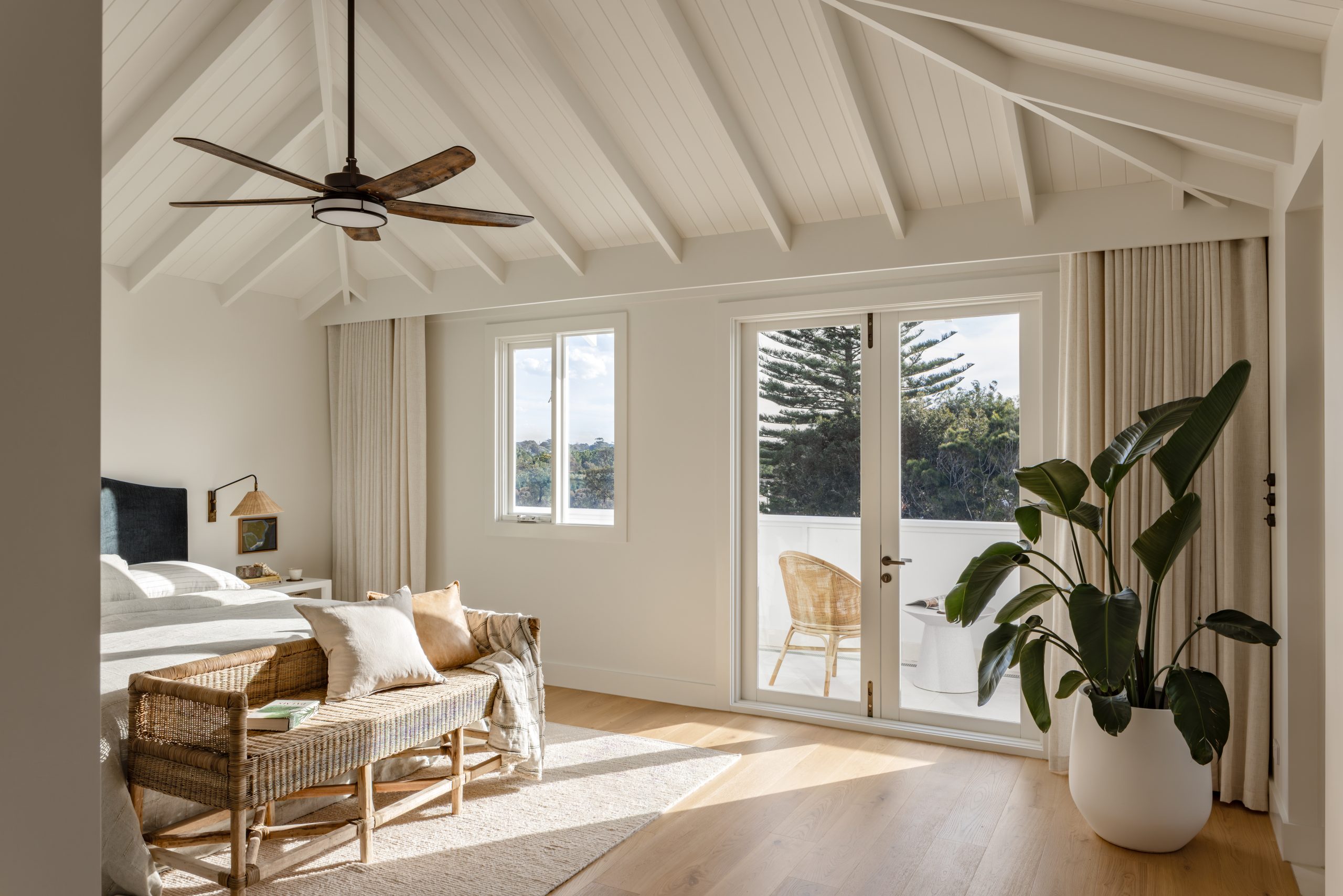
From warmer neutrals to tactile finishes, Australian homes are moving away from stark minimalism and towards spaces that feel more human.
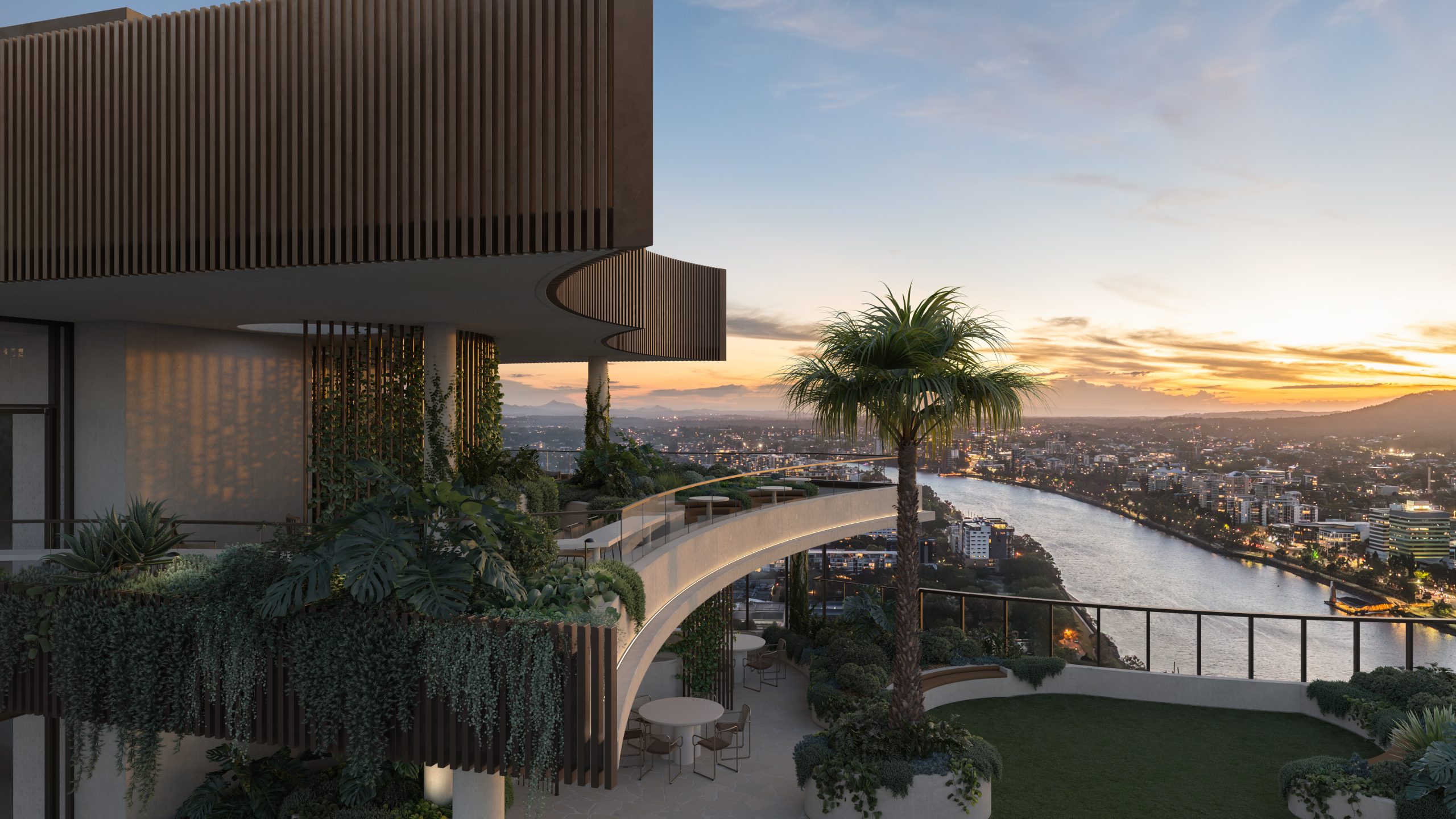
Set on one of the city’s last absolute riverfront sites, The Riversdale by Mosaic combines irreplaceable waterfront ownership with one of Brisbane’s most significant residential opportunities.