RIEDEL’s Cobra Magnum Decanter Leads Striking New Glassware Line-Up
RIEDEL has unveiled the dramatic Cobra Magnum Decanter, a sculptural centrepiece in two bold colourways.
 2 min
2 min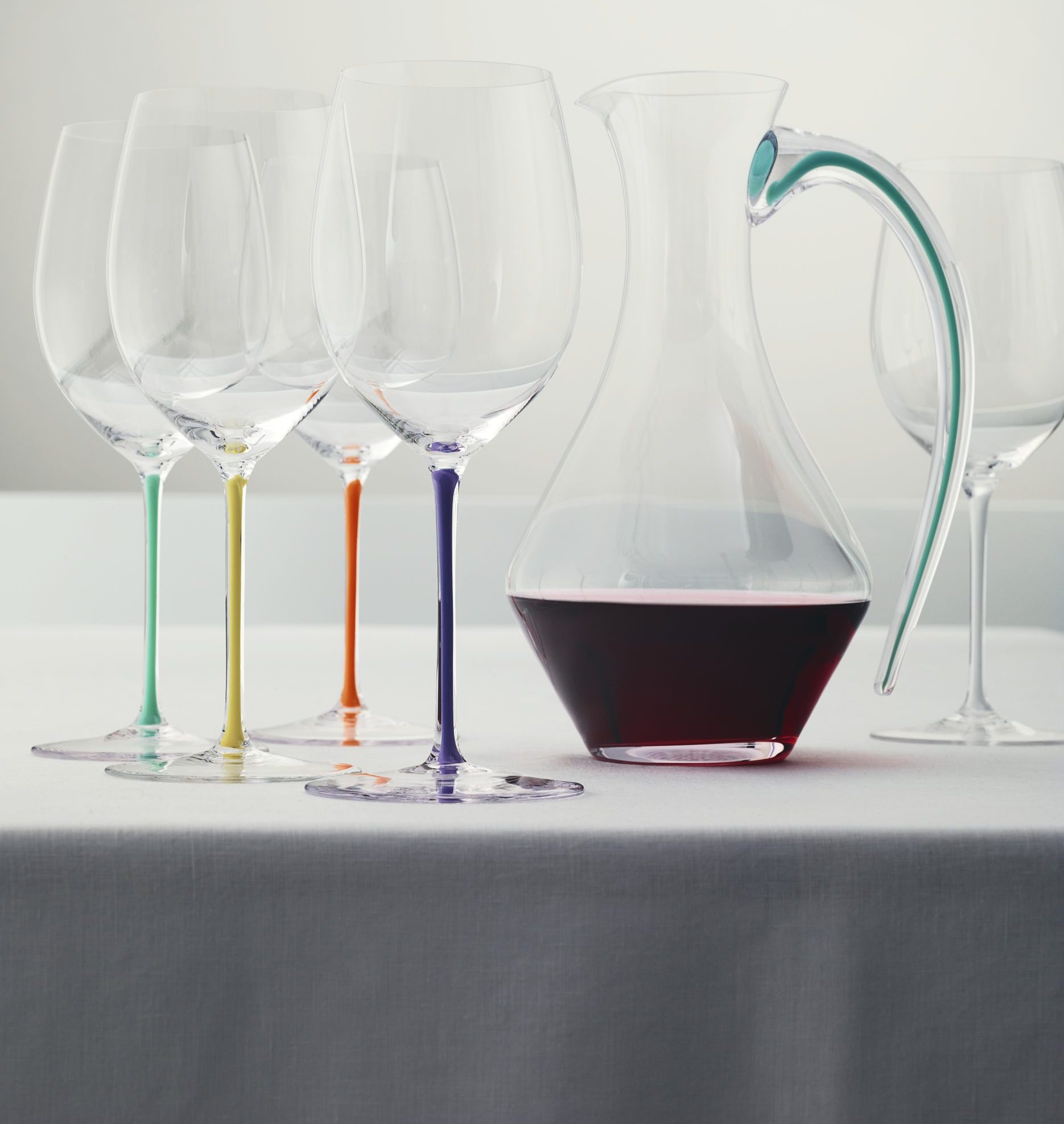
Few names in glassware carry the same weight as RIEDEL, the Austrian family company renowned for transforming the way the world experiences wine.
In 2025, the brand has turned heads again with the launch of the Cobra Magnum Decanter, a bold, sculptural piece that is as much an art object as it is a wine tool.
The limited-edition decanter features a striking optic design and is available in two eye-catching colourways, blue/black and yellow/black.
With its sweeping curves and generous size, the Cobra Magnum is designed not only to enhance wine aeration but also to act as the centrepiece of the table. For anyone who loves to entertain at home, it delivers both conversation-starting design and the functionality RIEDEL is known for.
The Cobra Magnum’s arrival comes as part of a season of innovation across the wider RIEDEL portfolio.
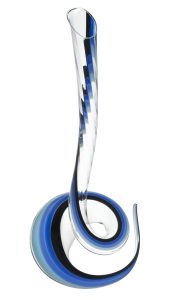
The company’s much-loved Fatto a Mano collection, celebrated for its vibrant colour stems and blend of craftsmanship with machine precision, now includes a new decanter.
This latest design pairs a machine-blown Cabernet body with a hand-applied ergonomic handle in four options: clear crystal, yellow, black or mint.
The handle has been extensively tested for a comfortable and elegant pour, reinforcing the Fatto a Mano philosophy of everyday luxury.
RIEDEL has also expanded the Fatto a Mano range with the new Black Tie series. This collection combines the lightness of the Superleggero goblets with a hand-applied transparent stem and a bold black crystal base.
The result is glassware that is both delicate in form and striking in appearance, perfectly suited for festive occasions and collectors who want to elevate their table setting.
Meanwhile, sister brand SPIEGELAU has introduced the Hi-Lite collection, a feather-light yet durable series of Bordeaux, Burgundy, Champagne and Universal glasses.
Engineered with the elegance of handblown glass but created using the precision of modern technology, Hi-Lite offers wine lovers a refined tasting experience in everyday use.
The collection reflects SPIEGELAU’s centuries-long tradition of innovation, marrying functionality with beauty.
What ties all of these launches together is the ongoing conversation between heritage and innovation. RIEDEL and SPIEGELAU continue to push the boundaries of machine-made glass, crafting pieces that are light, elegant, and durable, yet still infused with the character and individuality of craftsmanship.
For those who love to entertain, the Cobra Magnum Decanter sits firmly at the centre of this narrative. It is not just another wine accessory; it is a piece designed to embody RIEDEL’s design DNA: functional, elegant, and impossible to ignore.
As wine culture increasingly becomes part of how people entertain at home, pieces like this aren’t simply tools; they are lifestyle statements.
Whether it’s the bold drama of the Cobra Magnum, the colourful ergonomics of the Fatto a Mano decanter, the black-crystal glamour of the Black Tie range, or the feather-light refinement of SPIEGELAU’s Hi-Lite, this new season of glassware has one clear message: wine deserves more than a glass – it deserves an experience.

Porsche’s Cayenne Turbo Electric produces up to 1,156PS and reaches 100km/h in a claimed 2.5 seconds.
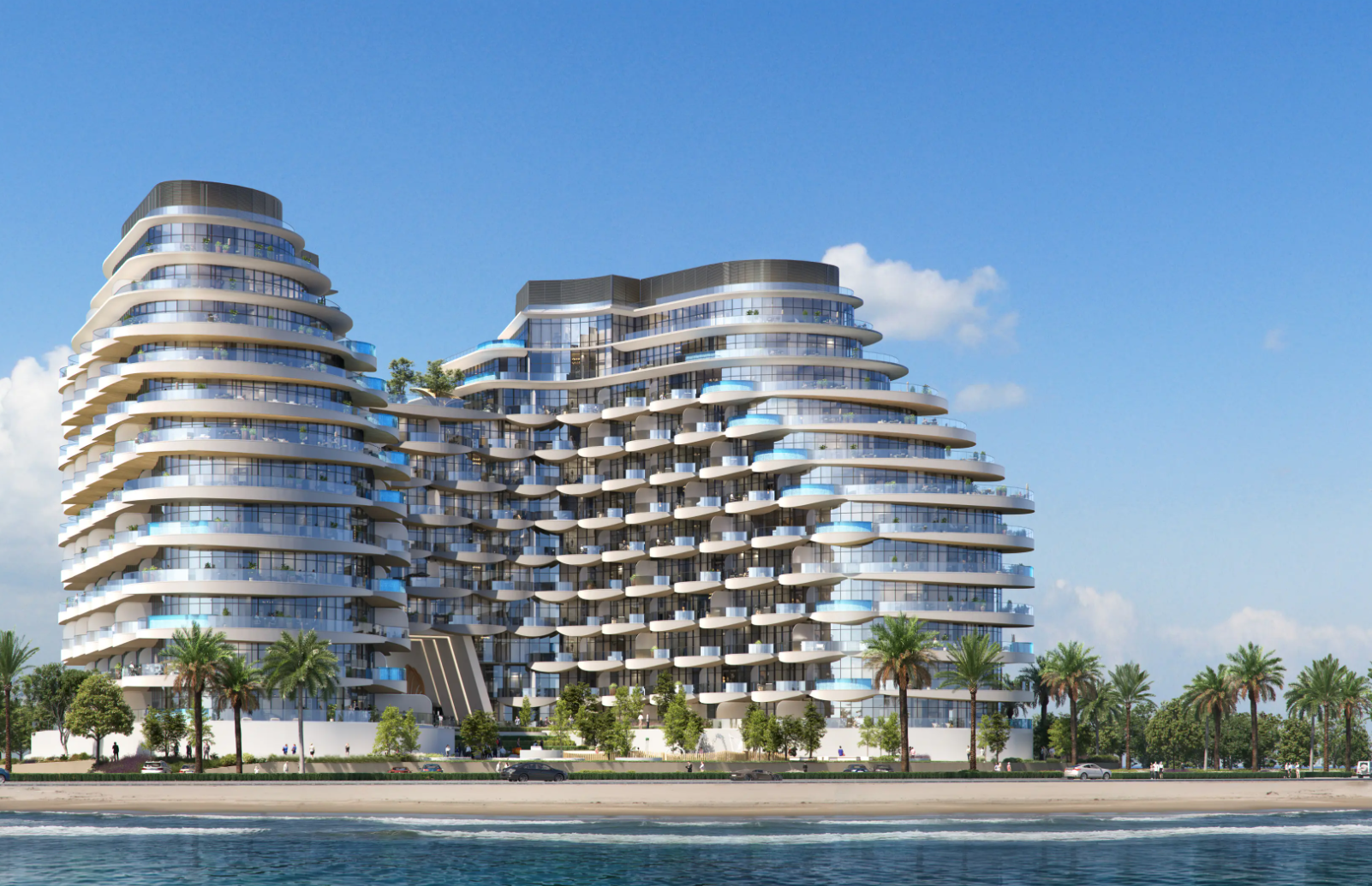
BNW Developments has established a Sydney presence, joining Arada and Sobha Realty among the growing number of UAE developers pursuing Australian buyers and development opportunities.
Dolly Parton’s former Hollywood Hills residence has hit the market for $7.95 million. The nearly 4,700-square-foot home features four bedrooms, panoramic city-to-ocean views, a pool and spa, library, media room and private outdoor spaces.
2 min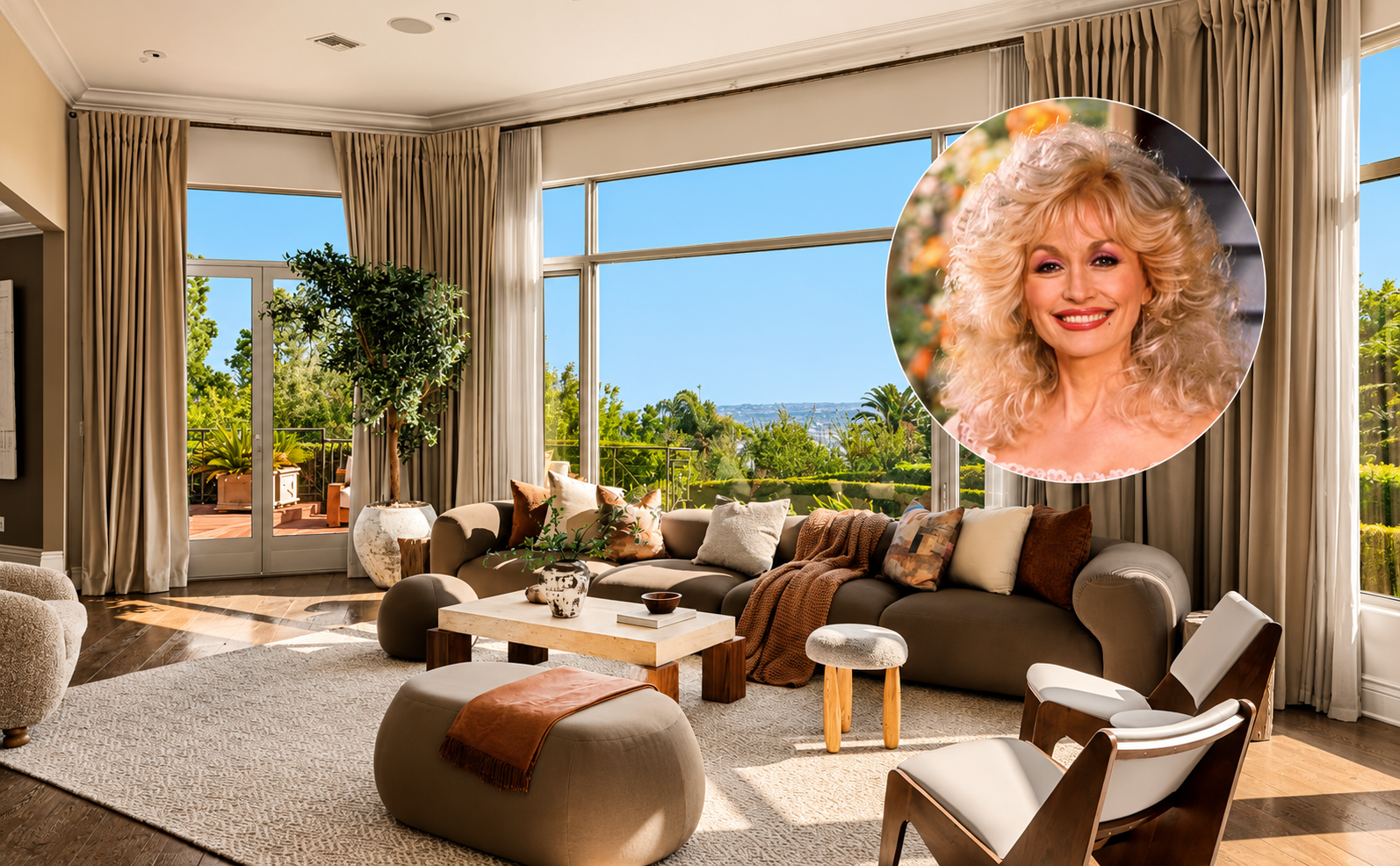
A residence in the Hollywood Hills that was once home to the late Dolly Parton has hit the market for $7.95 million.
The country singer and her late husband, Carl Dean, bought the house in 1985 for $750,000 and sold it in 1990 for $1.2 million, according to listing records.
The property, aptly known as the Dolly Parton House, hasn’t been on the market for 25 years, according to the listing with Edward Tinney of Nourmand & Associates and Kurt Rappaport of Westside Estate Agency.
It’s unlikely Parton and Dean would recognize the house as it stands today though; it was rebuilt in 2009, and upgraded further in the years since, the listing said.
Across its almost 4,700 square feet, the house has living and dining rooms with walls of glass that frame the views that stretch across the city to the Pacific Ocean.
MORE: Flea of the Red Hot Chili Peppers Puts Heptagonal California Home Up for Sale
There’s also a library and media room, a family room and an eat-in kitchen. There are four bedrooms, including the primary suite, which has a coffee bar, a fireplace, two bathrooms, a space for an office or gym, a walk-in closet and a private deck.
Outside, there’s a pool and spa, with space for outdoor dining and entertaining. Plus there’s a two-car garage, electrical infrastructure for an EV charger and a Zen trail, according to the listing.
The seller, who couldn’t be reached for comment, paid $2.05 million for the home in 2001, records with PropertyShark show.
MORE: Tiger Woods’s Mini-Golf Business Partner Lists South Florida Home for $18.5 Million
Parton died on August 25 at the age of 80 after a battle with cancer.
She released 50 studio albums over the course of her career—resulting in 27 gold and platinum albums—and starred in films including “9 to 5,” “The Best Little Whorehouse in Texas” and “Steel Magnolias.”
A philanthropist, she was behind the Imagination Library, which donated more than 200 million books to children around the world. In 2020, she helped fund early research for Moderna’s Covid 19 vaccine with a $1 million donation to Vanderbilt University.
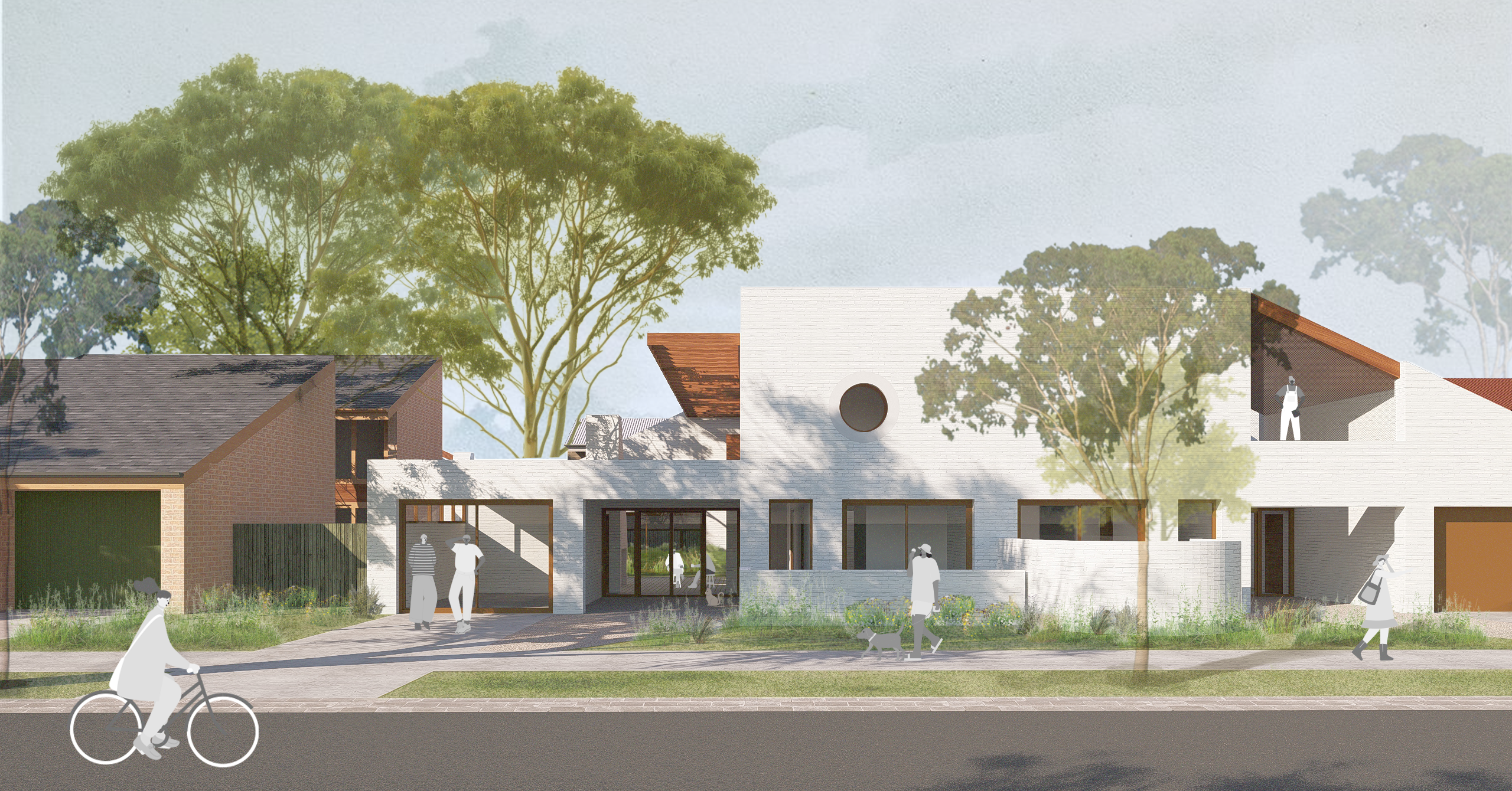
Brickworks has enlisted acclaimed architecture studio Kennedy Nolan to explore how homes could become more adaptable, energy-efficient and connected to community.
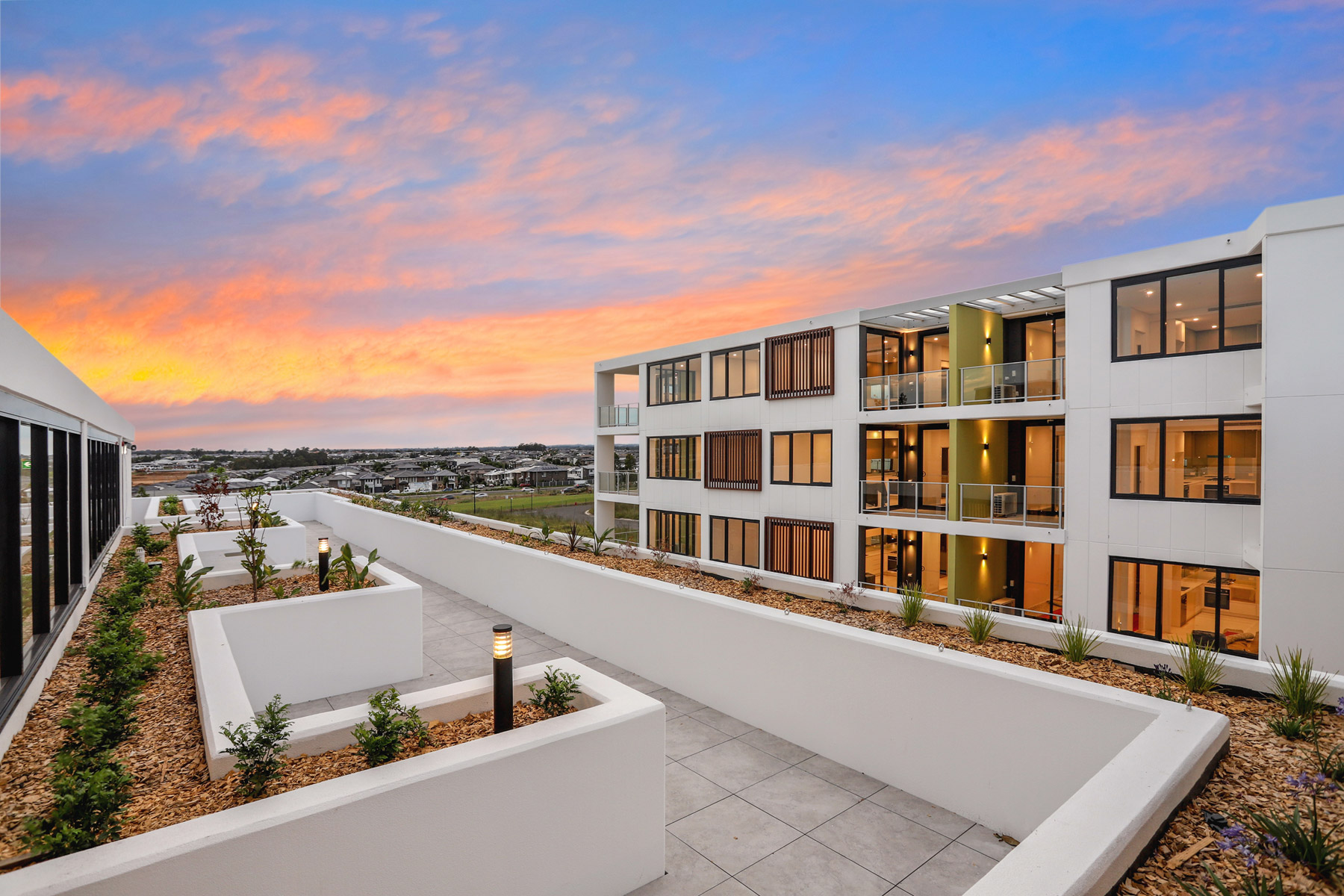
Ophora Tallawong has launched its final release of quality apartments priced under $700,000.