The Return of the Dry-Clean-Only Wardrobe
Organza blouses, cashmere overcoats and tailored skirt suits: Fashion’s Paris forecast signalled an end to washable WFH-wear

 4 min
4 min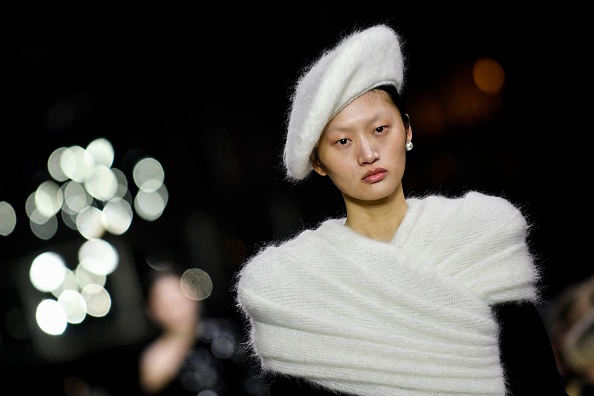
PARIS—With the frisson of a downturn in the air, designers at fashion week here better known for drama battened down the hatches, sending out streams of polished, functional blouses, jackets, skirts, pants and pumps.
Above all, however, they sent coats. Some highlights: strictly cut propositions at Givenchy and Alexander McQueen, luxe puffers at Schiaparelli, and today’s belted, no-tricks camel-coloured overcoats at Louis Vuitton. Liane Wiggins, head of womenswear at British retailer MatchesFashion, praised Paris Fashion Week’s notably beautiful coats in an interview and rated them the “number-one investment” for customers who, in a change from their usual habits, might be choosing between luxuries this year.
And those buying habits are indeed changing. At a dinner for his independent Vienna-based brand, Petar Petrov told me that his clients are no longer searching for the comfort-forward attire of post pandemic life. Instead, women are again craving silk dresses and blouses, things to be worn to appear soignée at work, dinner, on dates (and then dry-cleaned… unthinkable in 2020).
Button-up blouses, a neutral palette, androgynous coats—if it sounds familiar, that may be because Lydia Tár pretty much foretold the fall collections. Although Cate Blanchett’s problematic composer in the Oscar-nominated movie “Tár” was not exactly an aspirational figure, her impeccably tailored wardrobe resonated well beyond the film.
Ms. Wiggins said this season was all about “more tailoring, cleaner looks and what I always call ‘real clothing’—but with added value and details that mean you will have it in your wardrobe forever, and it won’t feel too trend-heavy.”
Here, five brands that made persuasive cases for “real clothing”:
Loewe: Where ‘innovation’ is not just a buzzword
Jonathan Anderson, the designer behind Spanish LVMH brand Loewe, is one of the rare designers who uses innovative techniques and materials to make clothing that is supremely wearable. Without last season’s dependence on surreal elements such as exaggerated anthurium-flower tops, the fall collection focuses on more realistic pieces, like long leather coats and proper trousers.
That realism was imbued with tireless experimentation—the kind that people who love clothing will want to pay for. The seemingly simple silk printed dresses were printed with faded images of dresses from decades past, giving the contemporary pieces a sense of history. Shearling coats were moulded into hourglass shapes. Cropped leather jackets and skirts were vacuum-stiffened into firmness.
Mr. Anderson also excels when he considers and updates familiar and functional pieces—like last season’s Barbour jackets, or this season’s work boot. The Loewe representative who took me around the showroom said that the house’s employees—both men and women—were all excited to wear fall’s comfortable work boot, with its large toe box and nubbly texture.
Balmain: An approachable elegance
In recent seasons, the Balmain show has been an over-the-top spectacle bringing together thousands in stadium-style shows, often with live music. Last season, a raised runway showcased nearly 100 looks, Cher sang and there was a hamburger stand. The styles—as befits a brand beloved by Beyoncé and the Kardashian sisters—prioritised drama, including wide hats and sculpted pieces in unorthodox fabrics like banana leaf. But the show was late and chaotic, and attendants complained (a Vogue reviewer bemoaned his soggy bottom).
So this season the brand swung back to basics, or as close to basics as Balmain gets. In an interview, creative director Olivier Rousteing stressed the importance of looking to the house’s founder Pierre Balmain’s “legacy, and the power of the distinctive tailoring, structure and spirit behind his ‘New French’ style.” The term “New French” was coined by Gertrude Stein’s partner Alice B. Toklas after seeing the brand’s first collection in 1945. It’s a moment—as crystallised by a famous Horst photograph of Stein with her poodle Basket and a Balmain model—that Mr. Rousteing referenced with this collection.
That resulted in a collection full of elegance, like jackets with nipped waists, capes, full skirts and reworked tuxedos. Many looks were worn with simple black velvet cropped pants, the kind of piece that could augment any wardrobe. One guest—74-year-old model Maye Musk (Elon’s mom)—nodded her head in approval.
The Row: Creature comforts, from cashmere to chocolate
The Row, the American design house founded by Mary-Kate and Ashley Olsen, has found a spiritual home in Paris, where it has an office. Like the Japanese brands Yohji Yamamoto and Issey Miyake, both of which show their collections in the French capital, the Row’s pure and formally inventive clothing makes sense when seen against the backdrop of Haussmannian moldings and herringbone floors.
This collection did not stray from the brand’s specialties: Lydia Tár-like suits, shirting and Serious Coats, spare evening wear, elbow-length gloves, flat boots perfect for city walking. But it felt particularly right in the context of a season of realistic, investment-grade fashion—as if the world synced up to the Row than vice versa.
At the show’s conclusion, young men proffered green juice, green tea, perfectly ripe pears and hunks of dark chocolate. Along with great knitwear and flat shoes, these are the keys to many women’s affection.
Balenciaga: A postscandal return to ‘the art of making clothes’
The most hotly anticipated show this season was Balenciaga’s, but not for the usual reasons. With a hint of schadenfreude, editors gossiped about how creative director Demna would react (or not) to the uproar around the brand’s recent campaigns that some interpreted as endorsing child pornography. Demna has apologised for featuring children in the campaign, and Balenciaga’s owner François Pinault last month said “we’re allowed to make mistakes in a group like Kering.”
In his show notes, Demna declared a return to the purity of design: “Fashion to me can no longer be about entertainment, but rather as the art of making clothes.” That manifested as elemental forms and silhouettes, starting with sweeping black lace dresses punctuated by crested shoulders. Blazers, denim jackets, overcoats and trenches were all oversize, dwarfing their wearers. Demna applied his contemporary touch to ladylike Balenciaga signatures like bows and florals.
But under the designer, Balenciaga has always been about far more than clothes. Stunt shows commenting on current events, a Simpsons collaboration and Kim Kardashian mummified in danger tape made it a part of the zeitgeist. Are clothes alone—even ones as thoughtful as this—enough?
Saint Laurent: A powerful vision of business-not-very-casual
When was the last time you saw someone wearing a proper skirt suit—outside of a retro movie or TV show? Chances are, you’re scratching your head, but if Anthony Vaccarello’s Saint Laurent show has anything to do with it, the skirt suit will be on the ascendant come fall.
The show’s vision of a powerful businesswoman—albeit one who still values comfort and sex appeal—began Paris Fashion Week with a slap of chicness. Some fashion obsessives on Twitter used the occasion to compare Mr. Vaccarello’s early work—characterised by micro party dresses and lots of leather—to his sophisticated forays of recent years. The brand has grown up with him.
Although the extreme shoulder of the blazers and the deep décolleté of the camisoles will not be for everyone, the pinstriped wool suit separates and blanket coats are future classics. And Ms. Wiggins of MatchesFashion pointed to the show’s organza blouses, with their dramatic streaming neck ties, as the perfect tops for a dinner date.
 Copyright 2020, Dow Jones & Company, Inc. All Rights Reserved Worldwide. LEARN MORE




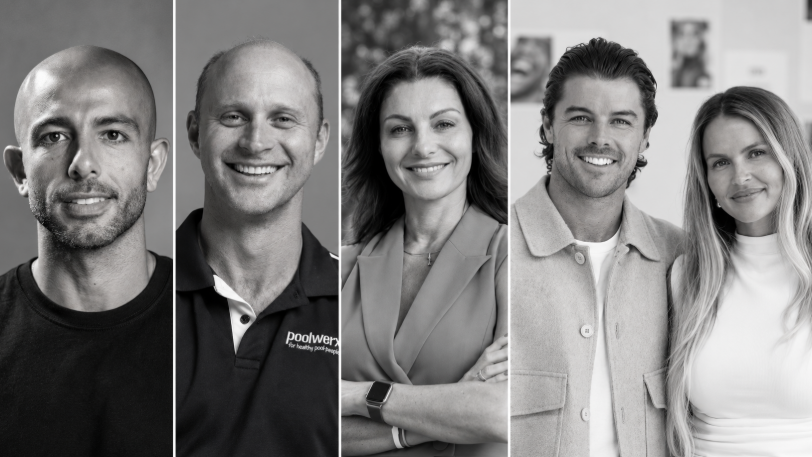
From making unpopular decisions to learning when to listen, leaders from five businesses reveal what nobody prepared them for — and how running a company has challenged their expectations.
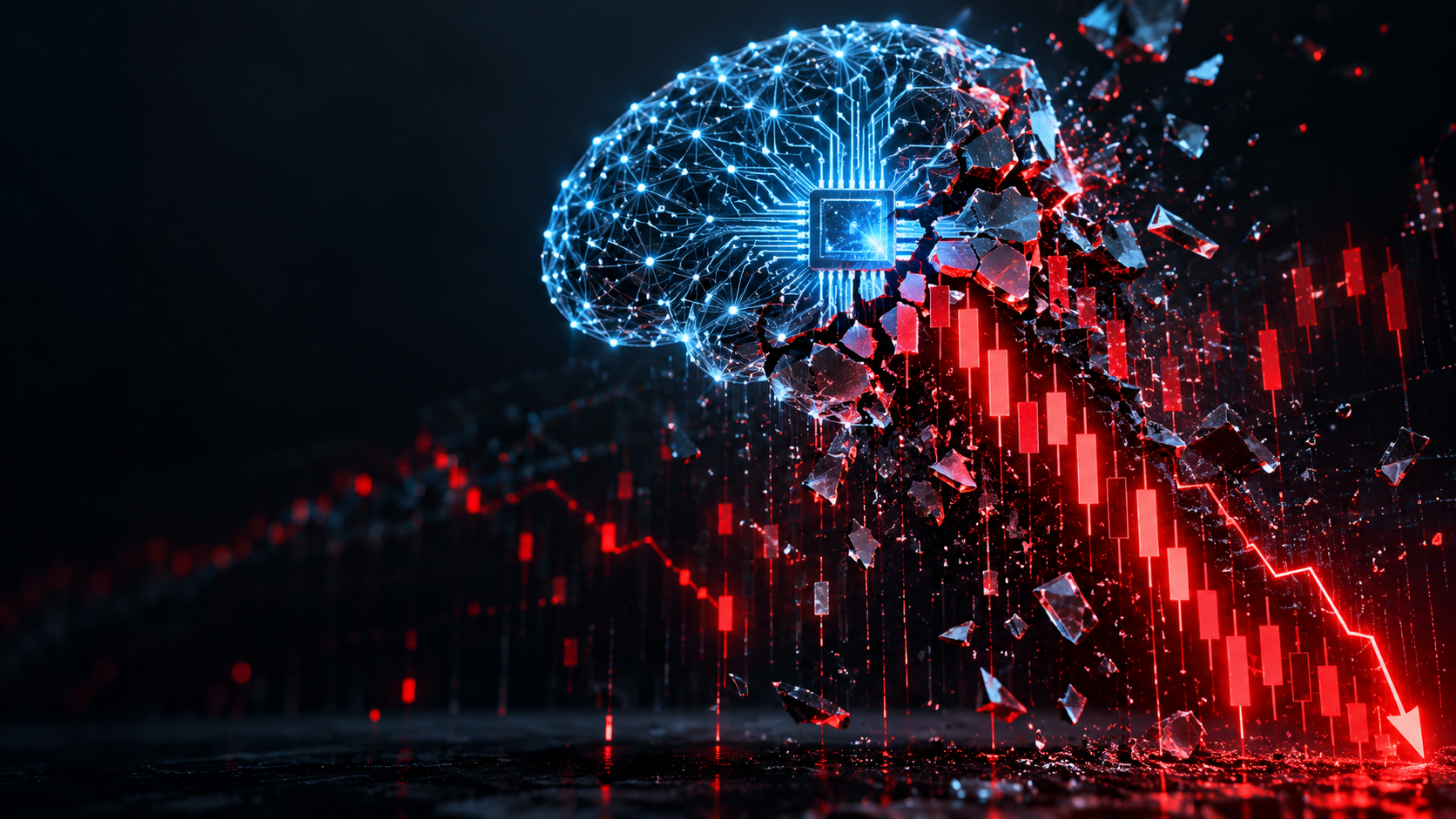
Technology and semiconductor shares fell sharply as investors questioned the debt financing the AI infrastructure boom and confronted higher rates and Chinese competition.
Elon Musk is exploring a potential merger between Tesla and SpaceX, a deal that could reshape the future of AI, robotics, autonomous vehicles and space technology. With a combined valuation potentially reaching $3.5 trillion, the move could bring Musk’s vision of an interconnected technology ecosystem closer to reality, although a deal remains uncertain.
5 min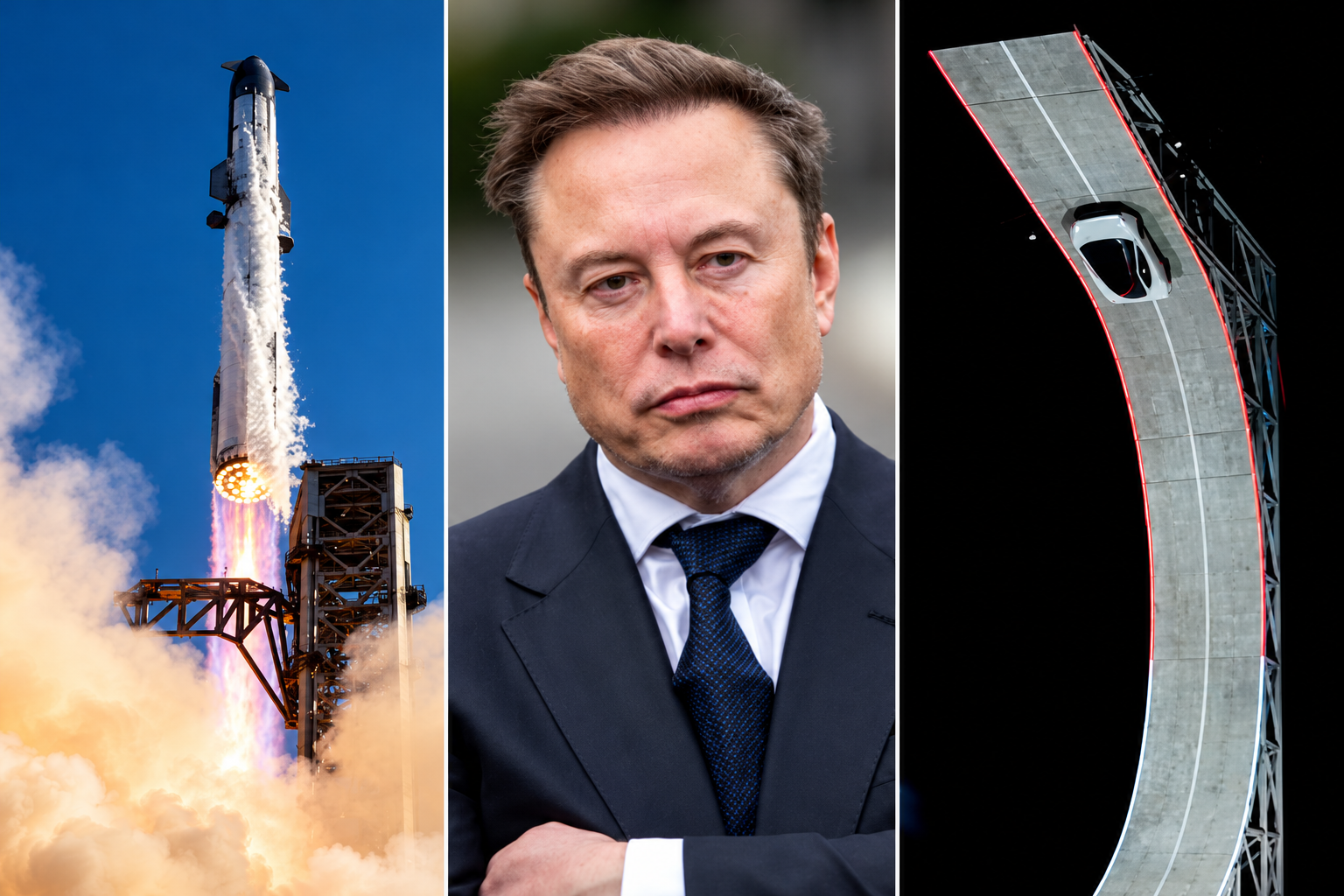
Elon Musk has engineered ties between Tesla TSLA 3.41%increase; up pointing triangle and SpaceX SPCX 7.79%increase; up pointing triangle that are hard to break, and now he wants to fuse them together permanently.
Musk has run both Tesla and SpaceX concurrently over the past two decades, using a schedule that dictated which days he spent focused on each business.
The companies have often shared resources and personnel, signaling their close ties. Last year, SpaceX looked into creating a spacesuit for Tesla’s humanoid robot Optimus, a person familiar with the matter said. Tesla last week showed off its new Roadster, a vehicle featuring SpaceX rocket thrusters that it hopes to soon bring to market.
And in recent months, Musk has repositioned both companies by expanding beyond their core operations toward a shared mission centered on artificial intelligence.
The world’s richest man on Tuesday signaled his interest in tying up SpaceX and Tesla, marking what would be the biggest corporate merger of all time. Because he serves as chief executive of SpaceX and Tesla, Musk said committees of independent directors at both companies are evaluating a possible deal, adding that a transaction might not come to fruition.
The committees will likely evaluate, with lawyers and bankers, how each company would fare in a potential deal and how a deal might best be structured. They then present their conclusions to their respective boards, who typically vote on whether to proceed.
“It’s an odd Kabuki dance where two groups of people are talking and I can’t be in the conversation,” Musk told SpaceX investors on Tuesday in response to an analyst’s question about a potential deal.
For Musk, the merger supports his vision of a world full of autonomous cars, humanoid robots and weekly rocket launches, as well as the data centers and satellites required to keep the whole thing running.
Some investors and analysts said they expect a transaction would be structured as an all-stock deal, with SpaceX potentially paying a modest premium for Tesla shares.
SpaceX, which has a market value of about $2 trillion, said it is seeing sharp growth in revenue across its businesses, which include operating data centers, launching rockets and operating satellite networks such as the internet service Starlink. Tesla is valued at about $1.5 trillion and is expanding its operations beyond its automotive and energy business. Shares in both companies traded higher following the news Tuesday.
Musk’s substantial ownership stakes in both companies, along with voting control at SpaceX, has enabled him to set the deal in motion. Analysts and investors said the deal will probably face regulatory scrutiny internationally, though some see Musk’s close relationship with the Trump administration as an asset to getting approval.
Blurred lines
The companies haven’t said which directors are on the special committees evaluating a potential deal. Several SpaceX and Tesla board members have either personal or business ties to Musk. And like Musk, venture capitalist Ira Ehrenpreis sits on both boards.
In a filing this week, Tesla outlined millions of dollars in business agreements with SpaceX and its subsidiaries last year, including $143 million in car sales to SpaceX, $3.3 million in advertising that it bought on the social-media platform X and $430 million in revenue from the sale of Megapack batteries for SpaceX’s data centers.
The companies also split the cost of resources including the use of Musk’s SpaceX jet and the bill for his personal security, which he runs through a private company.
Employees at both companies routinely move between companies to work on special projects, and some executives have dual roles, including Charles Kuehmann, vice president of materials engineering at both SpaceX and Tesla, and Ashok Elluswamy, the vice president of AI software at Tesla who runs a joint venture with SpaceX called Digital Optimus.
Over the years, Musk has launched new startups within his empire, including brain-implant company Neuralink, underground-tunnel developer the Boring Company and xAI, the AI startup that merged with SpaceX in February.
It is that AI business that Musk thinks can serve a market worth tens of trillions of dollars, justifying the need for a merger.
The business case goes like this: Tesla is developing robotaxis and robots, which it calls “physical AI.” SpaceX is working on the back end of physical AI: the data-center capacity and internet connection required for those robotaxis and robots to operate continuously.
“I don’t see what the value of Tesla is if it’s not merged with SpaceX,” said investment adviser Ross Gerber, a former Tesla bull turned critic invested in both companies. “If they don’t merge, the brains of everything that runs Tesla is owned by another company.”
On top of it all, both companies face constraints on the supply chains they need to make this world a reality, particularly when it comes to chips. To address this, Musk earlier this year announced a joint venture between Tesla, SpaceX and Intel to design and manufacture chips in Texas. “The most epic chip-building exercise by far,” he has said.
Musk at the wheel
For Musk, a merger would also solve two problems: demands on his attention and his lack of control at Tesla.
Tesla for years was Musk’s only public company, a status that came with greater scrutiny. There, Musk reports to a public board, as well as individual investors who make up around 30% of Tesla’s voting power, according to FactSet.
The question of Musk’s attention became a particular focus for investors and the board in recent years after he acquired Twitter in 2022 and launched xAI in 2023, and again in 2025 as he spent time in Washington, D.C., running the Department of Government Efficiency in the early months of President Trump’s second term.
As Tesla’s car business suffered in 2025, Musk threatened to take his AI ambitions outside the company if he wasn’t granted 25% voting control. Last November, Tesla shareholders approved a new pay package for Musk, which created a path for him to vastly expand his stake.
As of Sept. 30, Musk owned a roughly 20% stake in Tesla, according to the company’s proxy filing.
The SpaceX IPO gave Musk a different path. When SpaceX went public in June, the deal’s structure enabled him to have more than 80% voting power at the company—so much that he can’t be fired and decisions can’t be made without his support.
If SpaceX acquires Tesla, he will likely stay in control.
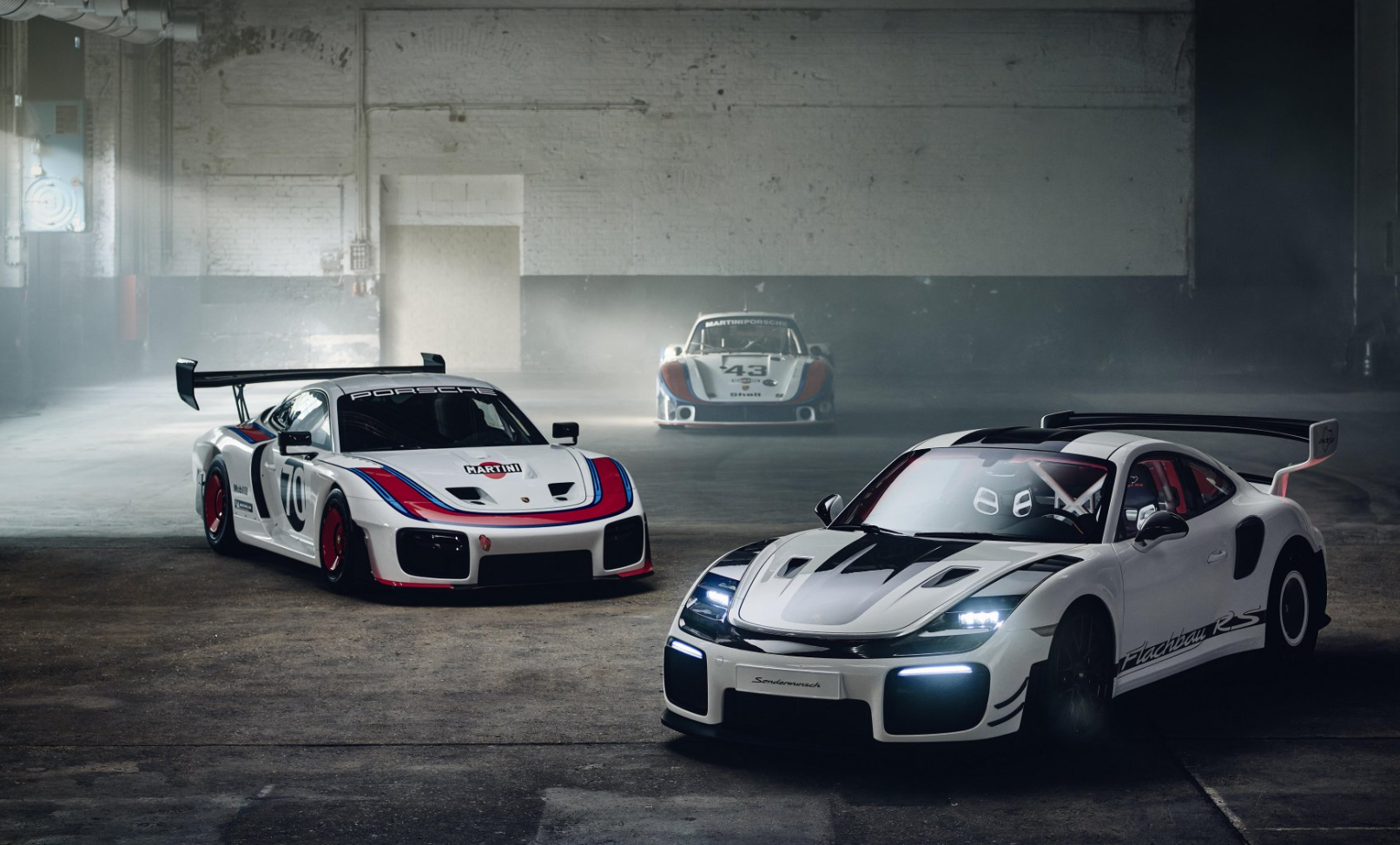
Porsche has revealed a one-off 911 GT2 RS that brings the extraordinary silhouette of its 935/78 “Moby Dick” racing car onto the road. Created by Porsche Sonderwunsch with Manthey, the commission began with a near-new GT2 RS. The owner requested greater performance, a Slantnose profile and a rear wing influenced by the limited 911 GT3 …
Continue reading “Porsche Builds a Road-Going “Moby Dick” From a 911 GT2 RS”
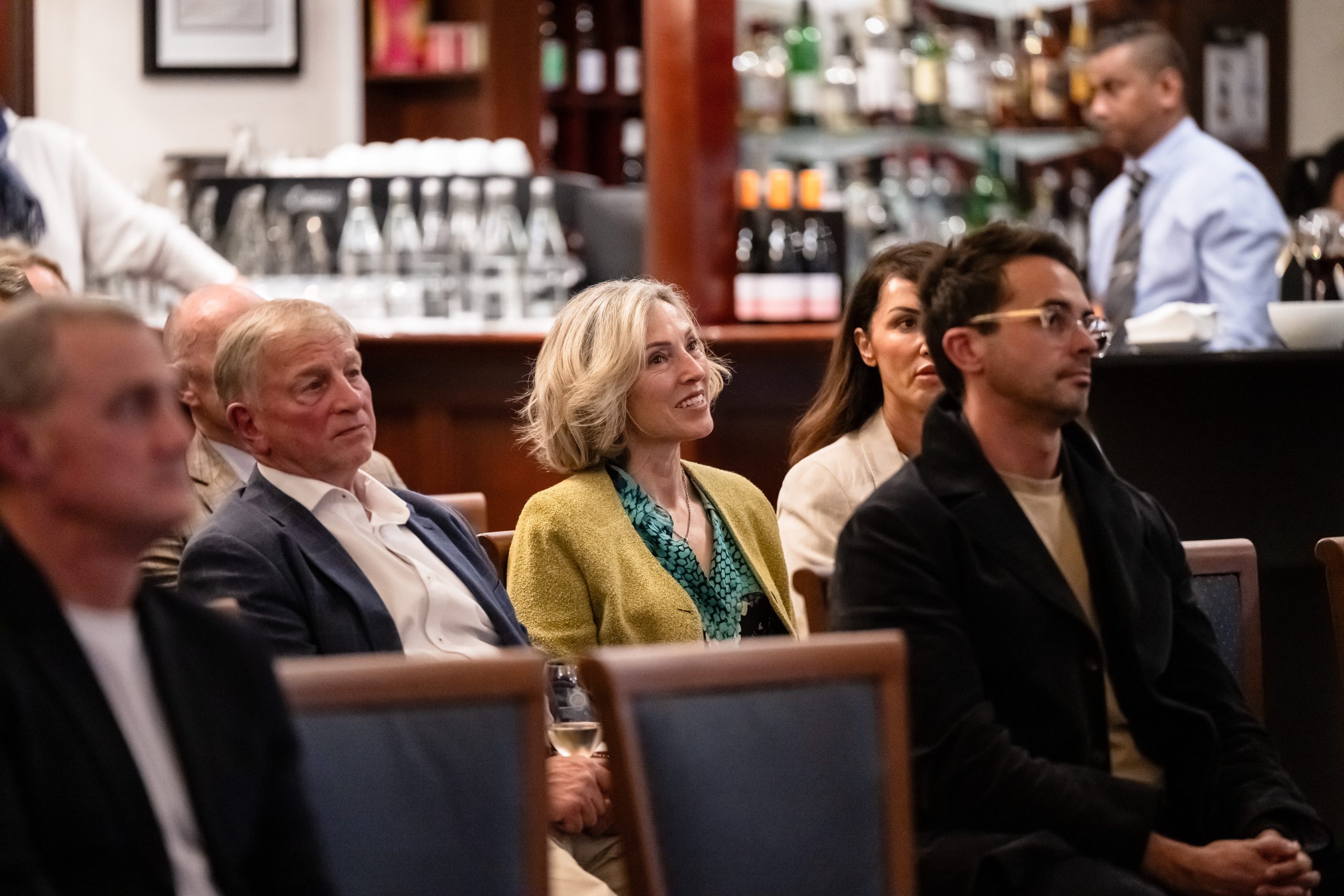
International AI strategist Justin Kabbani will headline the Kanebridge Property Summit in Sydney on June 18, with tickets selling fast.