After Bathla’s Collapse, Why KDMC Is Emerging as the Trusted Name in Marsden Park
 4 min
4 min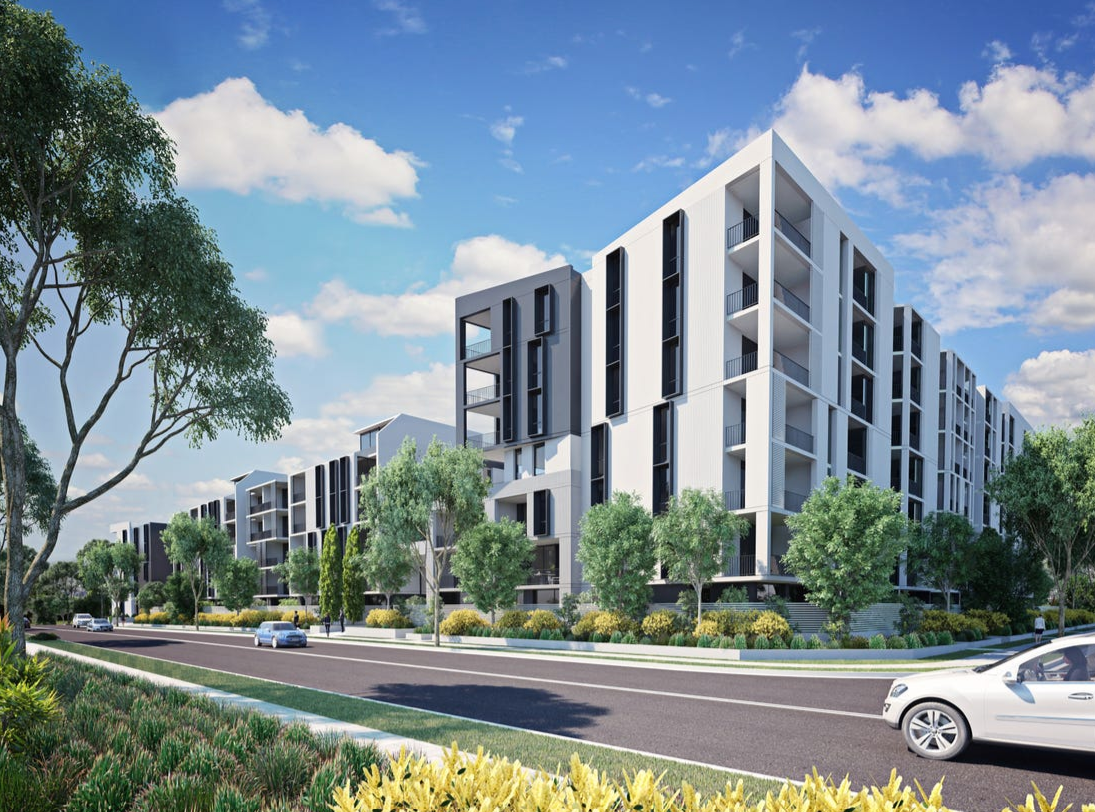
A Perfect Storm Claims a Major Player
Western Sydney’s property development sector was rattled this week by the collapse of Bathla Group, one of the region’s most prominent builders of affordable housing.
Administrators from Teneo were appointed to the group’s main entity, Universal Property Group, along with related firm Raj & Jai Construction, after months of mounting financial pressure.
The scale of the fallout is significant. Universal Property Group reported liabilities of $3.2 billion as at June last year, the bulk of it owed to private credit funds, a detail likely to draw scrutiny as administrators work through the group’s finances.
Founder Bhart Bhushan pointed to a “perfect storm” of softening sales, the impact of May’s federal budget changes and rising construction costs. Bathla’s chief executive was more blunt, acknowledging that falling property prices and climbing build costs had squeezed the business over a sustained period.
The human cost is already visible. Off-the-plan buyers across Bathla’s Western Sydney projects, including in Schofields, Marsden Park and Tallawong, suburbs at the heart of the group’s development pipeline, are now facing uncertainty over deposits, settlement timelines and unfinished builds.
It’s a story that has become depressingly familiar in NSW, with more than 1,500 construction firms going under in the state this financial year alone.
A Market Searching for Certainty
Bathla’s failure isn’t an isolated event. It’s a symptom of the conditions squeezing developers across Western Sydney, and Marsden Park sits right at the centre of that pressure.
Rising construction costs, tighter lending and softening buyer sentiment have combined to push even large, established players to the wall.
For prospective buyers looking at Marsden Park, the collapse has sharpened a question that was already on many minds: not just whether a development looks good on paper, but whether the developer behind it has the staying power, capital discipline and planning relationships to actually deliver.
In that environment, track record has become the differentiator that matters most.
Buyers are no longer simply comparing floorplans and masterplans. They’re asking who has the balance sheet, discipline and history to see a precinct through from approval to completion.
KDMC: 25 Years, Zero Incomplete Projects
Against that backdrop, KDMC’s position in Marsden Park stands out.
The Kanebridge Group development arm has been building in Northwest Sydney for 25 years and, in that time, has never left a project unfinished.
That’s not a marketing line. It’s a completion record buyers can check against a market that has just delivered a stark reminder of what happens when developers overextend.
KDMC’s flagship Marsden Park project, a roughly 1,320-home precinct at 264A South Street, reflects the scale of ambition the suburb now needs from a developer that can actually deliver it.
It’s also a project with history.
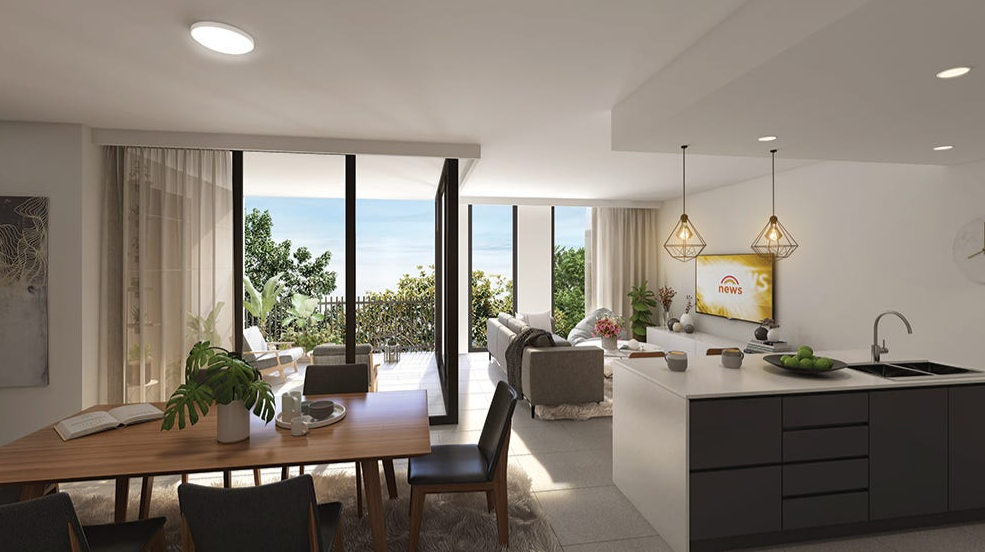
Back in 2017, KDMC launched Stage One of the development and sold 49 units in a single day, a result that speaks for itself in terms of market confidence.
Shortly after, the project was abruptly put on hold when Transport for NSW halted the DA to reserve the site for a future train line. It would have been easy for a lesser developer to walk away.
Instead, that pause has turned into the site’s greatest asset.
With the train line now set to connect Marsden Park directly to both Sydney Airport and the CBD, the residual site has become one of the most sought-after development opportunities in Sydney, a rare case of patience and planning discipline converting a setback into a generational upside.
The current stage of the project is backed by lodged State Environmental Assessment Requirements and formal development applications, along with independent valuation and transport infrastructure analysis.
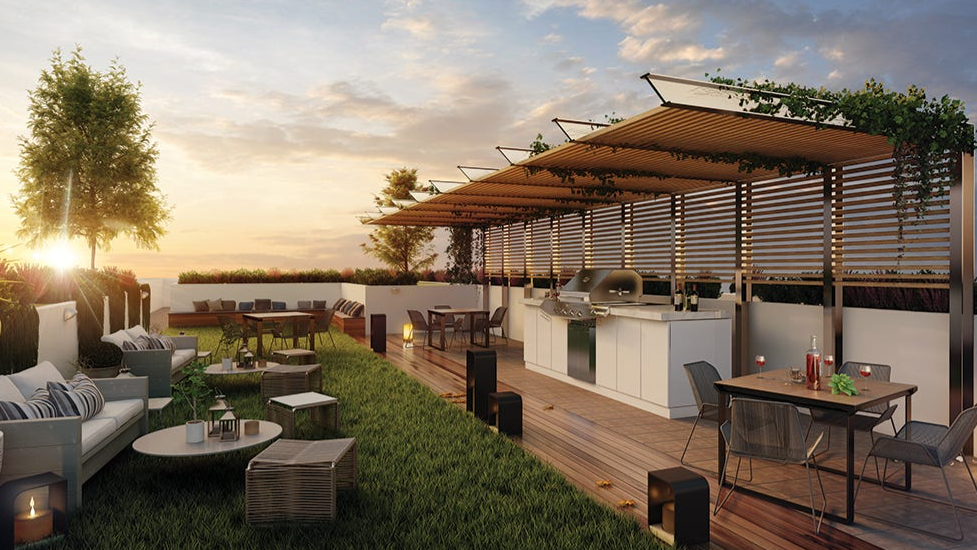
The aim is to ensure the precinct is grounded in real, defensible fundamentals, precisely the kind of financial and planning discipline that was missing in Bathla’s playbook.
KDMC has also backed its recent projects with a 10-year defect warranty, well beyond the statutory minimum most buyers have come to expect.
For anyone who has just watched a major developer collapse mid-build, that kind of guarantee isn’t a nice-to-have. It’s the difference between a confident purchase and a leap of faith.
The Bottom Line for Marsden Park Buyers
Marsden Park’s growth story doesn’t need more supply promises. It needs a developer who delivers on them.
With Bathla out of the picture and its Marsden Park buyers left assessing their options, KDMC’s quarter-century of completed projects and extended defect cover offer something increasingly rare in the current climate: certainty.
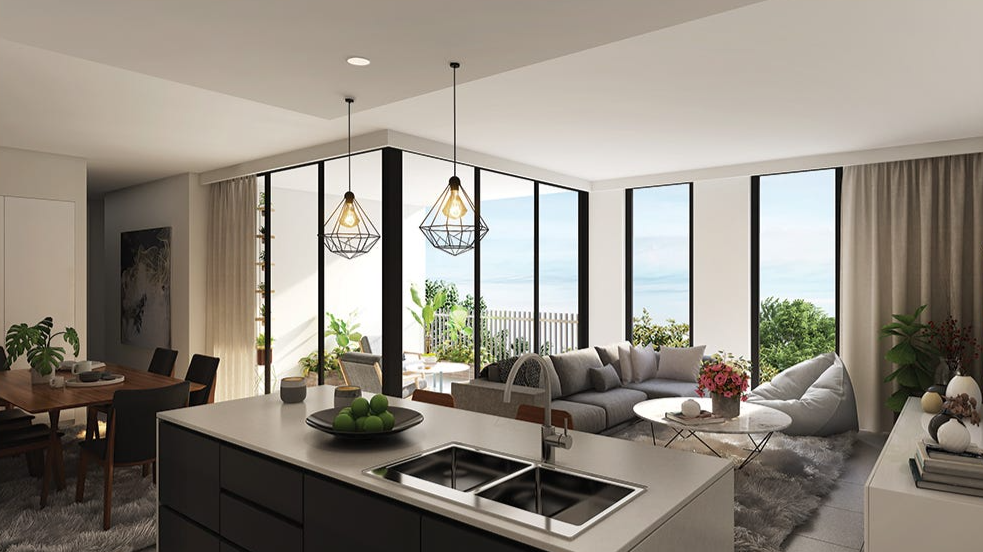
For anyone weighing up where to place their trust in Marsden Park right now, the calculation has become simple.
Choose a developer with a story of every project finished, and a site whose fortunes have only strengthened with time, not a headline about one that wasn’t.
For more information email propertyconcierge@kanebridge.com.au
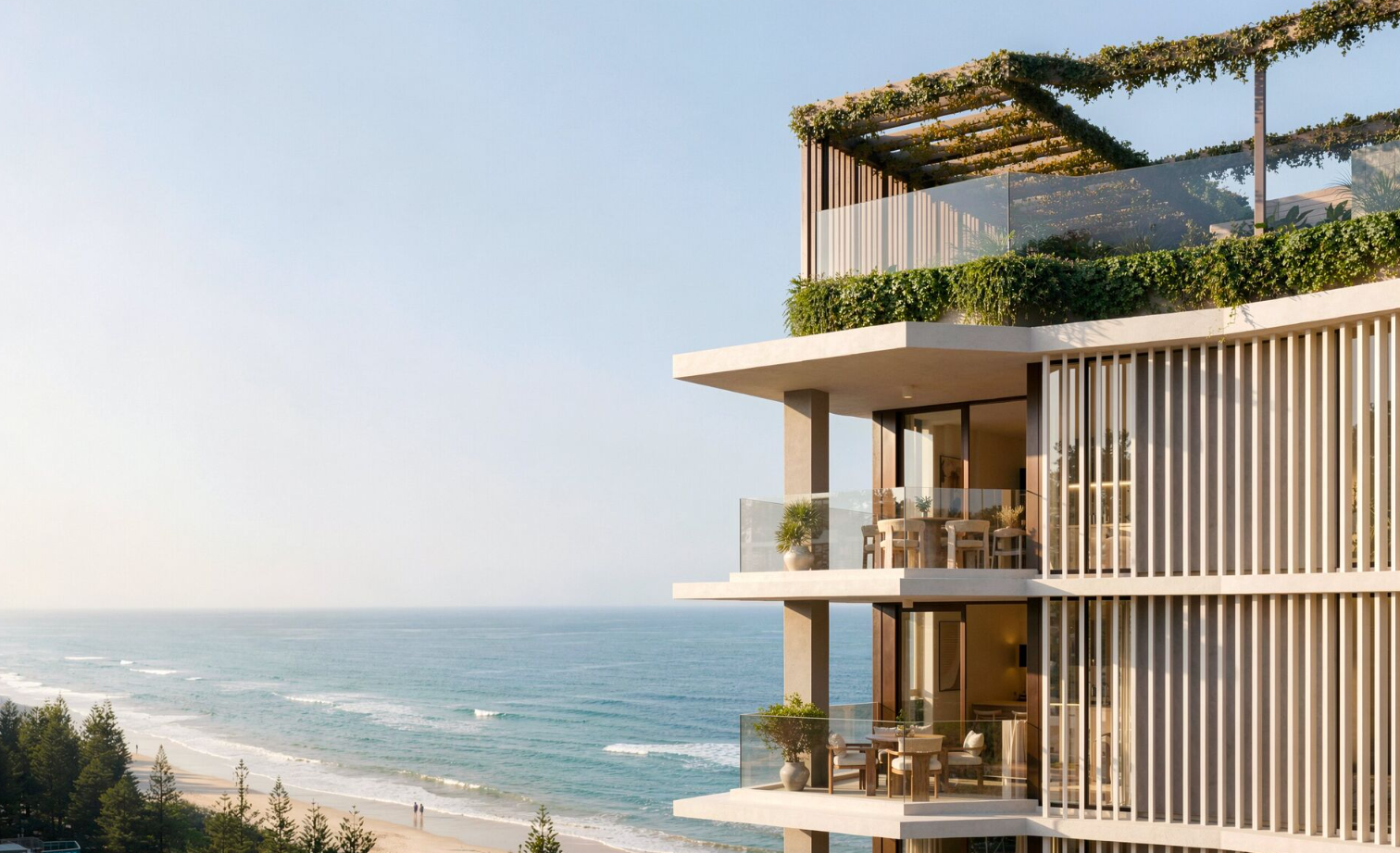
Studio apartments have almost disappeared from new Australian developments. Lura is bringing them back to Burleigh Heads from $495,000.

Porsche’s Cayenne Turbo Electric produces up to 1,156PS and reaches 100km/h in a claimed 2.5 seconds.

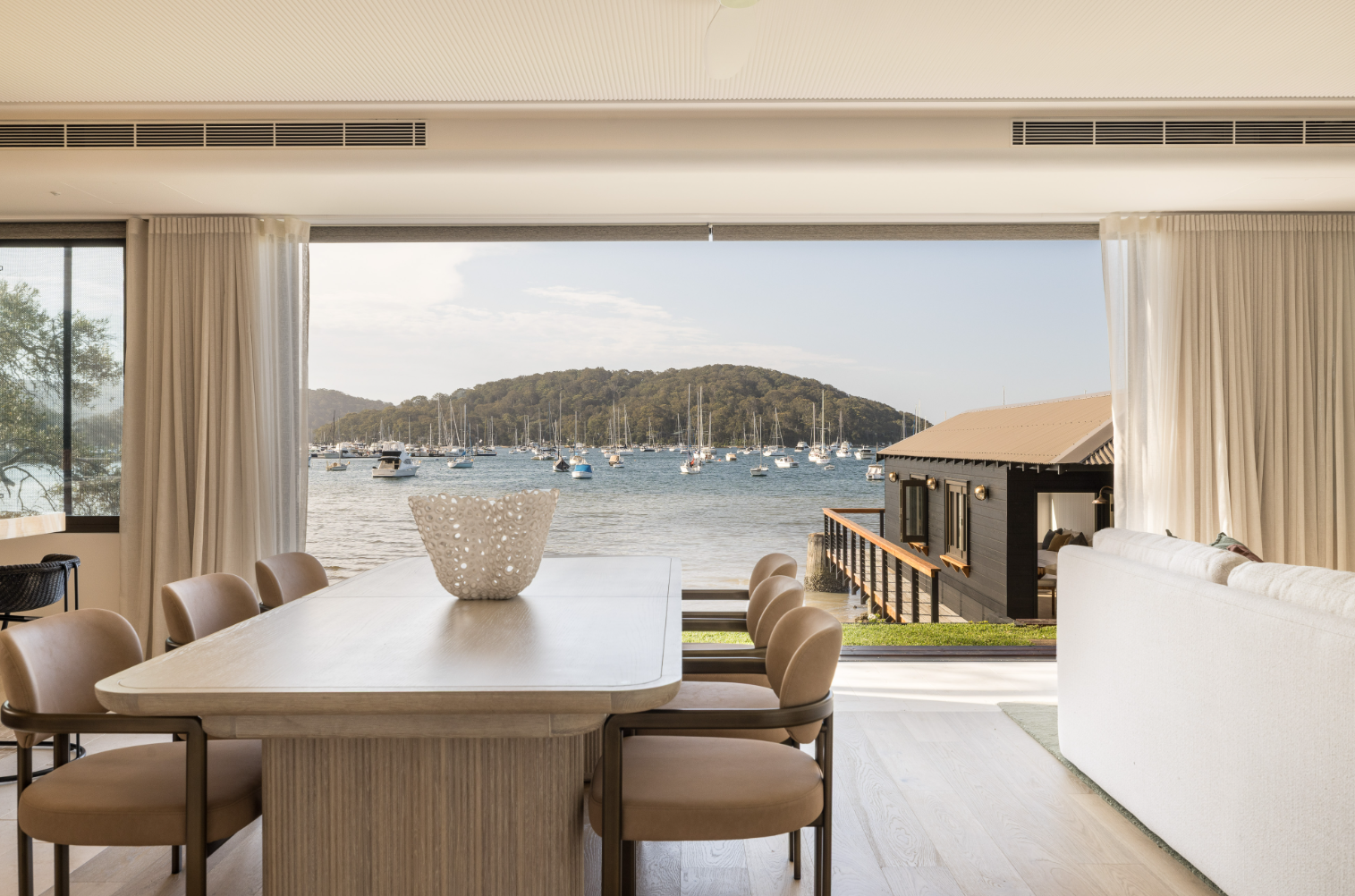
Studio apartments have almost disappeared from new Australian developments. Lura is bringing them back to Burleigh Heads from $495,000.
4 minFor years, the studio apartment was the first rung on the inner-city property ladder.
It gave a single buyer somewhere attainable to own, offered investors a relatively low-cost entry into desirable neighbourhoods and allowed people to live close to work, transport and lifestyle without paying for rooms they did not need.
Then, quietly, studios began to disappear from new Australian apartment projects.
They have not vanished altogether. Student housing, build-to-rent schemes and some inner-city developments continue to include compact homes. But in the conventional build-to-sell market, the new studio has become increasingly rare — particularly in premium coastal locations.
The reason is not a lack of need. Australia has more single-person households, high rents and a worsening shortage of attainable homes in well-connected neighbourhoods. The problem is that studios have become difficult to make work within the economics of modern apartment development.
A small apartment requires many of the same expensive components as a larger one. It still needs a kitchen, bathroom, ventilation, fire protection, acoustic treatment, electrical services, plumbing connections and access to lifts, corridors and common areas.
Those fixed costs do not fall in proportion with the floor area.
At the same time, developers are carrying more expensive land, finance, labour, materials, consultants and longer approval periods. When the cost of creating each dwelling rises, the commercial incentive shifts towards larger apartments that can command a much higher total sale price.
That has helped produce the luxury bias now visible across many Australian apartment markets. New projects increasingly target downsizers and established owner-occupiers seeking two- and three-bedroom residences with generous living areas, multiple bathrooms and substantial amenity.
The homes may be excellent. But the entry-level end of the new-apartment market is gradually removed from the equation.
Studios can also present financing complications. Lending policies differ, but some banks apply additional restrictions to very small apartments or properties without a separate bedroom. Buyers may need a larger deposit, face a narrower choice of lenders or be required to satisfy minimum internal-area policies.
That can make studios harder to pre-sell. For developers relying on presales to secure construction finance, a dwelling type that is more difficult for buyers to fund can become a project risk.
Apartment-design requirements are another consideration. NSW’s Apartment Design Guide, for example, sets a minimum internal area of 35 square metres for a studio. These standards are designed to protect liveability, but they also limit the micro-apartment model seen in some international cities.
The result is a curious gap in the market: Australia needs smaller, lower-priced homes in good locations, but the development system increasingly rewards larger and more expensive ones.
But what has emerged in the last week is somewhat a welcome return of the studio apartment, in Burleigh Heads no less, one of the most sought-after locations for new property not just on the Gold Coast, but across Australia.
The $120 million project called Lura is offering a handful of studio apartments priced from $495,000. To paint the picture clearer, rarely would a new apartment development have apartments launch for under $1 million on the Gold Coast.
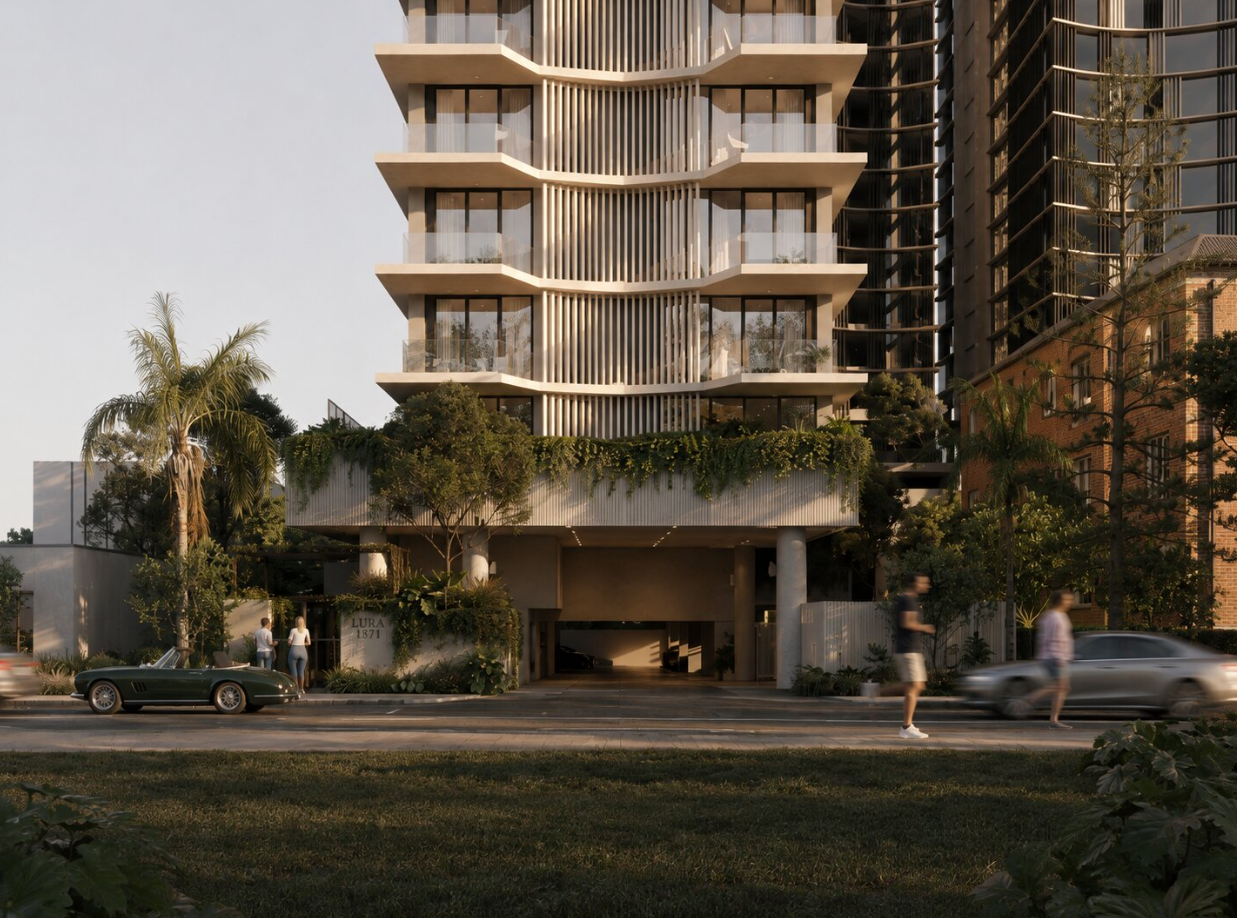
The studios form part of Lura’s wider collection of 96 residences, which also includes one-, two- and three-bedroom apartments and dual-key configurations.
Located at 1871 Gold Coast Highway, the development sits within the emerging Mondrian precinct, approximately 150 metres from Burleigh Heads Beach and around 200 metres from the future G light-rail connection.
The location gives the studios a purpose beyond affordability alone, with James Street’s restaurants, cafés and boutiques all within walking distance. As are Burleigh’s beachfront parks, surf club and national park.
The studios may suit singles seeking a foothold in Burleigh, interstate owners wanting a manageable coastal base or investors attracted to an apartment approved for short-term letting. That approval can allow owners to use the residence personally at selected times and place it into holiday accommodation when away, subject to management arrangements, body-corporate rules and the practical costs of operating a short-stay property.
The interiors have been designed by MODE around natural materials and subdued coastal tones. The stated specification includes engineered timber flooring, stone benchtops, brushed-nickel tapware and feature tiling through kitchens, bathrooms and laundries.
Residents will have access to amenity spread across two levels.
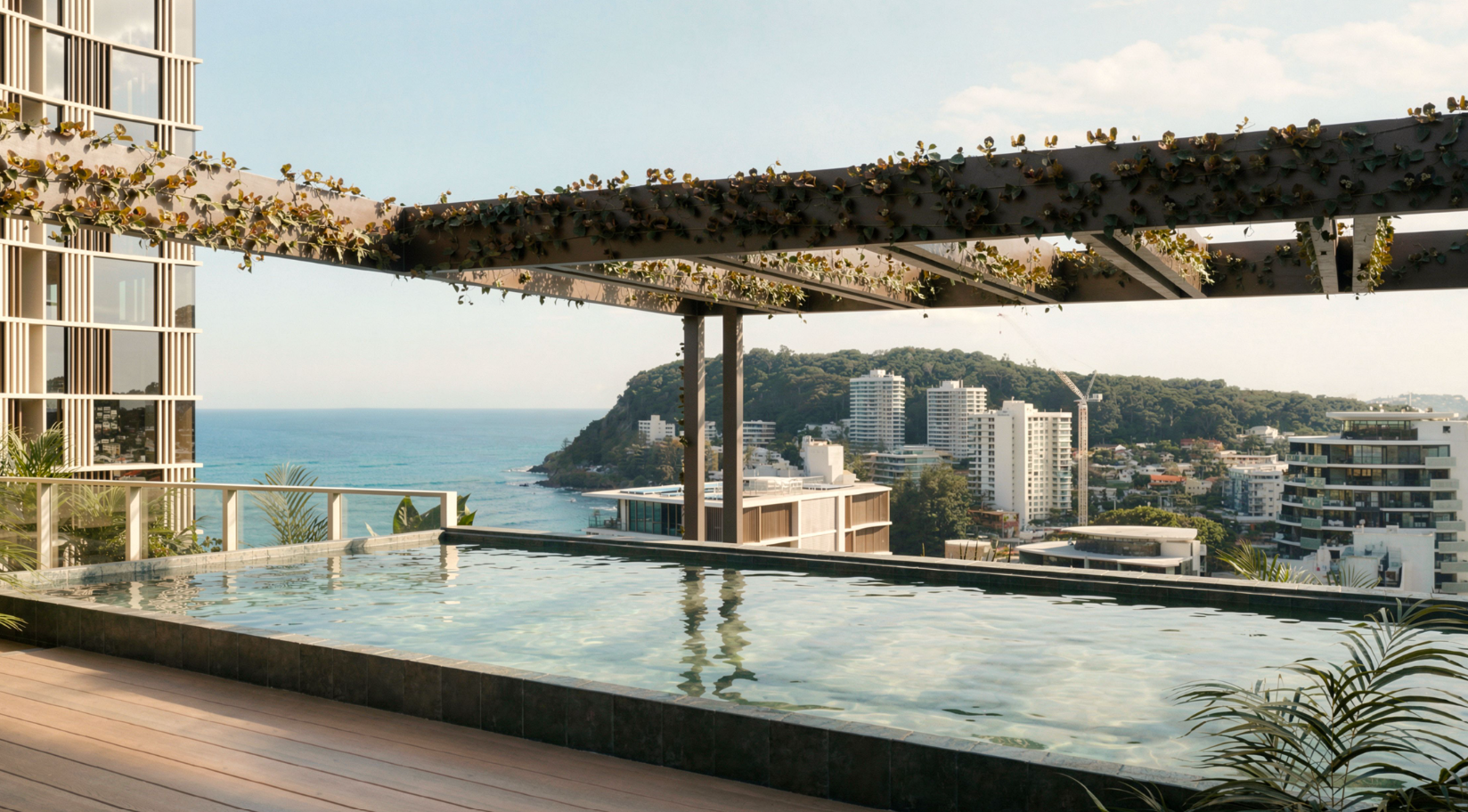
Level two is planned as a health and wellness centre with a gymnasium, sauna, outdoor shower and hot and cold plunge pools. The upper level will contain a rooftop swimming pool, sundeck, barbecue and dining area, with views extending north towards Surfers Paradise and south towards Burleigh Point.
Lura is being developed by TANCA, with BDCM appointed as builder, T-Cubed Consulting as project manager and NPA Projects handling sales and marketing. Construction is underway, with completion currently anticipated in late 2027.
The project’s more expensive residences provide the scale expected of a contemporary coastal tower. But its most interesting offering may be the smallest.
The studio was once an ordinary part of Australia’s apartment market. It was a first home, a city base, a weekender or a straightforward investment. As development economics pushed projects towards larger luxury residences, that modest entry point became increasingly difficult to find.
Lura fact box
Project: Lura
Address: 1871 Gold Coast Highway, Burleigh Heads, Queensland
Studio price: From $495,000
Development: 96 studio, one-, two- and three-bedroom residences, including dual-key configurations
Developer: TANCA
Architecture and interiors: MODE
Builder: BDCM
Project manager: T-Cubed Consulting
Sales and marketing: NPA Projects
Short-term letting: Approved, according to the project campaign
Location: Approximately 150 metres from Burleigh Heads Beach and 200 metres from the planned G connection
Completion: Expected in late 2027; timing remains subject to construction

New research suggests that bonuses make employees feel more like a mere cog in a wheel.

Margot Robbie and Jacob Elordi star in an adaptation of the classic novel that respects the romance’s slow burn.