Carved in Stone
The enduring appeal of marble has gone into overdrive as designers explore the beauty of coloured stone to create truly inviting and indulgent interiors.
 4 min
4 min
Like all design movements, the return of marble to interiors started quietly enough with the rise of ‘greige’ as the dominant colour palette. A warm version of grey, for a while there, you could barely step into a well-considered residential space without being confronted with the ubiquitous neutral tone.
However, to be successful, this look depended on texture, layering and patterning to provide truly heartfelt spaces with genuine depth. And so Calacatta and Carrara marble entered the room, literally making itself at home in kitchens, bathrooms, and living room hearths, as well as in a myriad of accessories and furniture from small bowls and coasters to coffee and dining tables.
As greige made way for a return to colour in interiors, in recent years designers have turned their attention to bolder choices, moving on from the classic tones of Calacatta, Carrara, and Pietra marbles to Verde Indio, Spanish Gold, and Calacatta Viola.

Not that there is anything new about marble. First documented for use in construction in 3rd century Greece BCE, with evidence it was also used in ancient Turkey and Rome, it was originally chosen for its strength and beauty, as well as its accessibility, extracted from quarries using hammers and wedges and removed using pulleys, levers, and winches rather than the more difficult process of mining. While extraction methods have improved, especially in recent years, the nature of this popular stone is unchanged.
A metamorphic rock composed mostly of calcite, it is formed when limestone is subjected to heat and pressure. When the calcite in the limestone recrystallises, it forms a rock that is a mass of interlocking crystals, creating what we know as marble.

While many countries, including Australia, have marble deposits, about half the world’s supply is sourced from just four countries—Spain, Italy, India, and China. Strong enough to endure extended use, it is also soft enough to be relatively easy to carve while its natural beauty allows it to be polished and honed, giving it a glow that adds depth—and a sense of luxury—to any space it inhabits.

Australian designers have been quick to embrace the use of marble, offering, as it does, the opportunity to create truly unique interiors. Creative director of Mim Design, Emma Mahlook, says while budget is always a consideration, a greater variety of marble has become easier to source in recent years.
“Coloured stones provide an opportunity to create distinctive and striking spaces,” she says. “As such, we are finding that there is a slight shift to bolder and braver choices of coloured stone than the traditional whites and greys.”
For homeowners interested in creating distinctive, outstanding spaces, it is hard to beat, with each piece different from the other.
“No batch of stone is ever the same, which makes it so unique and such an interesting and visually appealing product with colours, textures, and patterns that are sometimes as complex as intricate works of art,” says Mahlook.
She cites a recent commercial project her studio realised for Enoteca Boccaccio, an exclusive Italian restaurant in the heart of the Melbourne suburb of Balwyn, where she specified a selection of coloured marbles to create an intimate and luxurious dining experience that looks to the past, as well as the future.
“The choices of natural stone in Enoteca Boccaccio, which featured marbles Rosso Levanto and Carrara as well as a granite called Domino, were selected to reflect Italy’s streets and embody genuine durability and commitment to the art of preservation,” says Mahlook. “Rosso Levanto and Carrara are archaic marbles with such strong significance connecting to Italy’s rich heritage.”
Colour and Communications Manager at Dulux, Andrea Lucena-Orr, says the interest in coloured marble in Australian design has its origins in more transient hospitality spaces like bars and restaurants, where design is traditionally riskier.
“Typically, it starts in hospitality and commercial environments,” she says. “You tend to get it in high-end homes because it is expensive, but it’s beautiful.”
“That whole natural palette is a huge phenomenon—people are celebrating those imperfections in patterns and shapes now.”
Because no two slabs are the same, Mahlook says there’s the ability to create truly distinctive, personal spaces for clients seeking genuinely idiosyncratic interiors.
“The movement towards coloured natural stones reflects a broader cultural shift towards individuality, sustainability, and innovation in design and architecture,” she says.
For those falling under its spell, Director of Studio Tate, Alex Hopkins, says marble pairs well with other materials such as timber and looks beautiful indoors, particularly in kitchens and bathrooms. However, she cautions there are some things to consider before specifying it at home.
“To ensure marble remains a timeless choice rather than a fleeting trend, we recommend using it selectively and pairing it with contrasting materials,” she says. “It’s crucial to understand its maintenance demands and consider the overall budget, including installation and upkeep costs.”
While it is susceptible to staining because of its porosity, Hopkins says using marble sparingly, for example, in a powder room vanity, can minimise maintenance.
“Different finishes, like honed surfaces, can also help reduce the appearance of wear,” she says. “Working with experienced designers or specialists ensures the marble chosen fits both the aesthetic and functional needs of your space.”
Professionally applied sealants can also make staining less likely.
For those bold enough to take the plunge, Hopkins says the rewards are great.
“Its diverse colour palette and natural veining offer a unique aesthetic that other materials can’t match,” she says.
From making unpopular decisions to learning when to listen, leaders from five businesses reveal what nobody prepared them for — and how running a company has challenged their expectations.

Technology and semiconductor shares fell sharply as investors questioned the debt financing the AI infrastructure boom and confronted higher rates and Chinese competition.

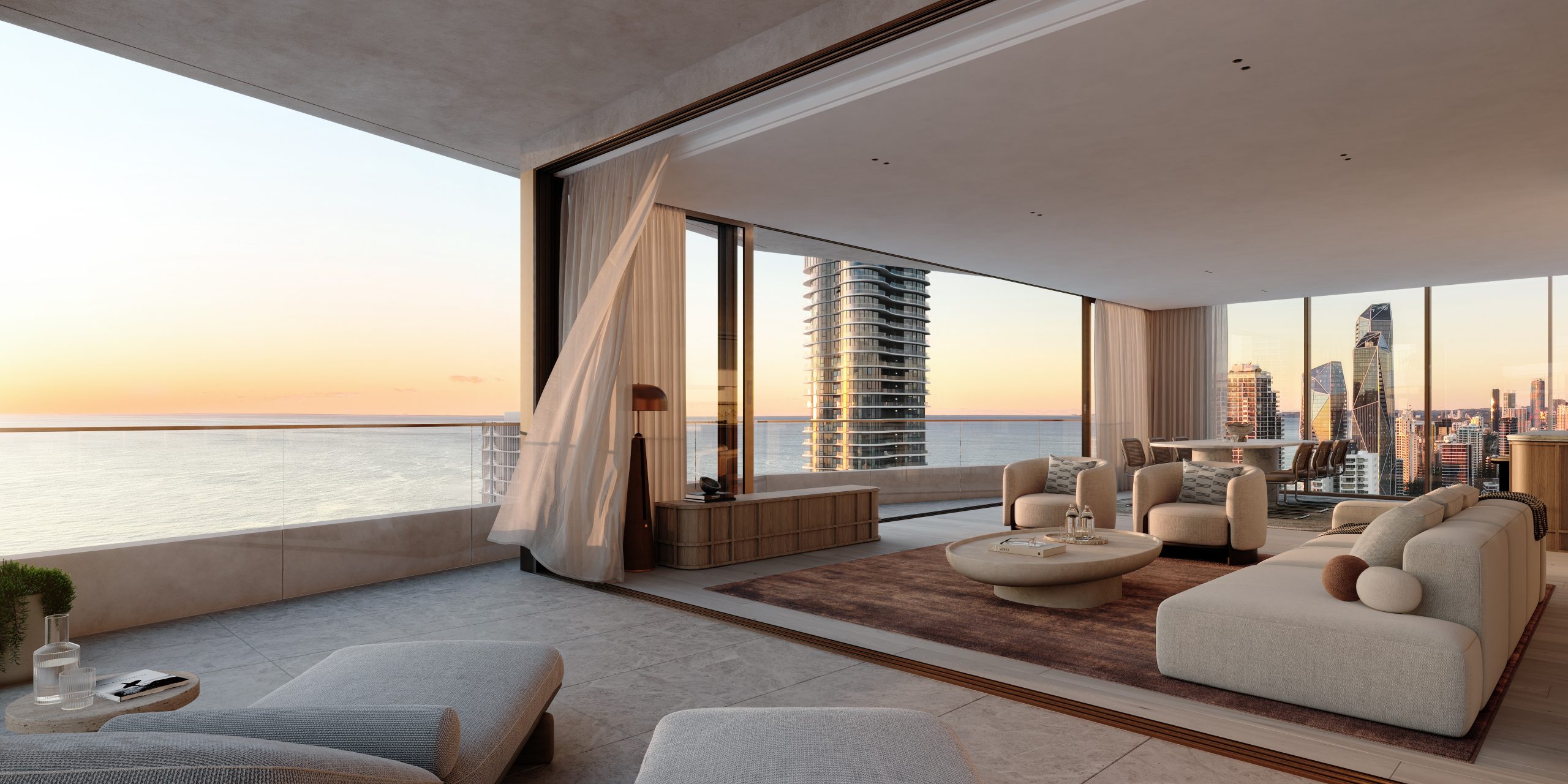
Mirvac’s 45-level Trielle has topped out at Yarra’s Edge, pairing riverfront apartments with wellness facilities, private dining and resident services.
3 min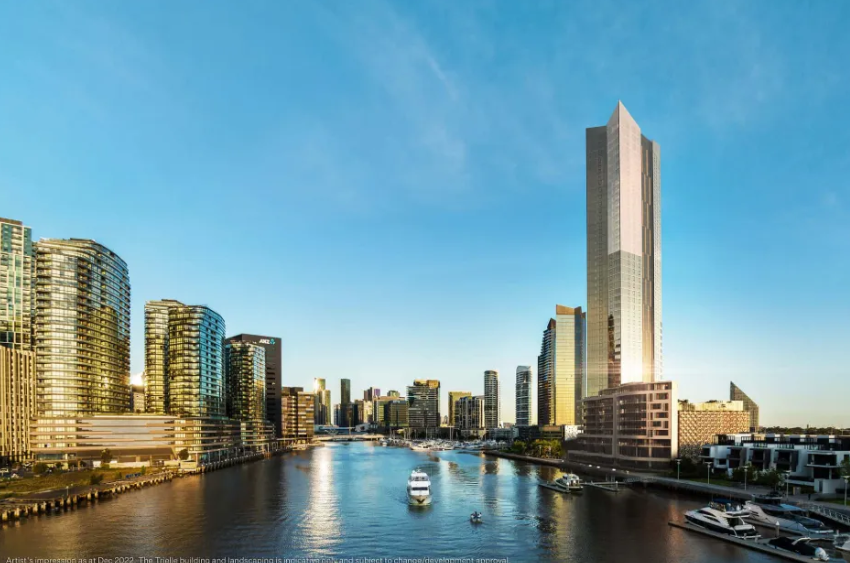
Mirvac has topped out Trielle at Melbourne’s Yarra’s Edge, with more than 70 per cent of the riverfront development sold and approximately 80 per cent of purchasers intending to make their apartment a home.
The figures, released on September 22, point to an owner-occupier audience for one of the precinct’s final residential towers. Mirvac began developing Yarra’s Edge in 2003, and its latest addition occupies one of the remaining absolute riverfront sites.
Mirvac CEO of Development Stuart Penklis said existing residents were among those moving up within the neighbourhood.
“Many purchasers already have a connection to Yarra’s Edge,” Mr Penklis said, describing buyers whose changing needs were encouraging an upgrade within the precinct.
“As one of the final residential towers within Yarra’s Edge, Trielle represents the culmination of more than two decades of creating one of Melbourne’s most established and sought-after waterfront communities,” Penklis said.
“Positioned on the Collins Street axis with absolute river frontage, Trielle offers residents a rare opportunity to enjoy sweeping views across the Yarra River, Melbourne skyline and Port Phillip Bay, while remaining seamlessly connected to the CBD. With Trielle now more than 70 per cent sold, we’re continuing to see strong demand from buyers seeking quality homes in established locations.”
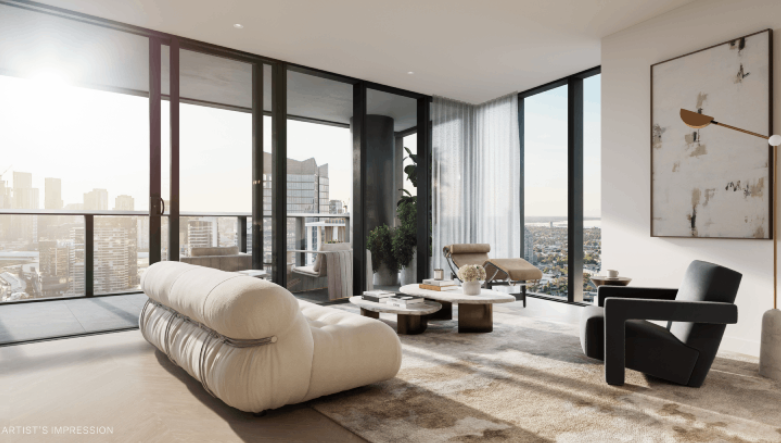
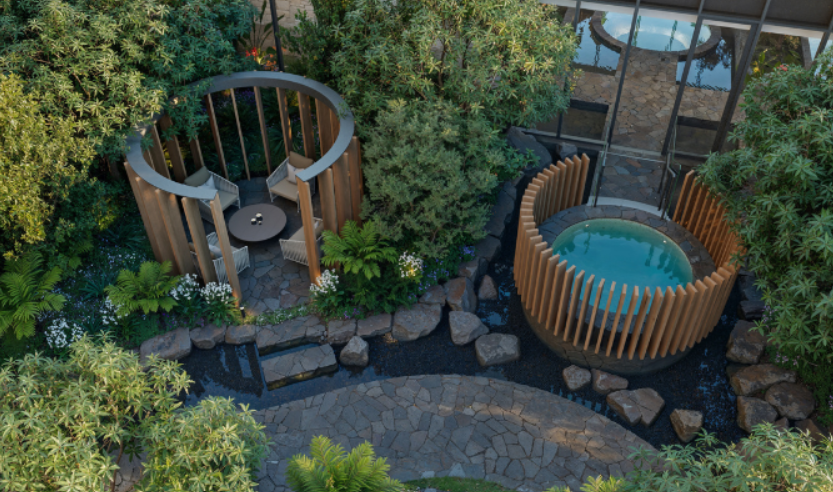
The developer also flagged a penthouse and sub-penthouse collection with larger layouts, premium finishes and broad outlooks. The planned wellness centrepiece, The Oasis, encompasses a 900-square-metre elevated urban rainforest.
Mirvac General Manager Residential Development Victoria Elysa Anderson said Trielle had resonated strongly with buyers seeking a rare lifestyle offering in Melbourne.
“Opportunities to secure a new luxury residence on a riverfront site of this calibre are incredibly rare, particularly within a community like Yarra’s Edge,” Anderson said.
“What makes Trielle unique is the combination of exceptional views, world-class residential facilities and the lifestyle that already exists around it. Residents are buying into a mature waterfront community with parks, promenades, dining, wellness and strong community connections already in place.”
The 45-level tower brings a substantial new presence to that waterfront. Its residential offering spans one-, two-, three- and four-bedroom apartments, with Signature, Prestige and Sub-Penthouse collections accommodating different household sizes. The north-facing position connects the apartments visually to the river and city beyond.
Seven storeys above the promenade, the planned Oasis combines planting and a running stream with a Scandinavian-inspired wellness club developed with spa specialist Naomi Gregory. Facilities include a 25-metre lap pool, hot magnesium pool, sauna, hydrotherapy, a gym, yoga and Pilates room, and treatment spaces.
The amenity extends beyond exercise. Residents will have access to The Biblioteca library and workspaces, ground-floor work pods, and The Salone piano lounge. A private Chef’s Table dining room offers a setting for larger gatherings, while a cinema, games room and sports lounge broaden the entertaining options. Concierge services and a dog-wash area support everyday routines.
Trielle comprises a collection of one, two, three and four-bedroom residences. Reflecting strong demand from owner occupiers, approximately 80 per cent of purchasers to date intend to live in their homes, highlighting the project’s appeal to those seeking a long-term waterfront lifestyle.
Mirvac has recently delivered The Albertine, a premium apartment development on the edge of Melbourne’s CBD, and is nearing completion of Prince & Parade in Brunswick, further strengthening its portfolio of thoughtfully designed apartment communities in some of Melbourne’s most sought-after urban locations.
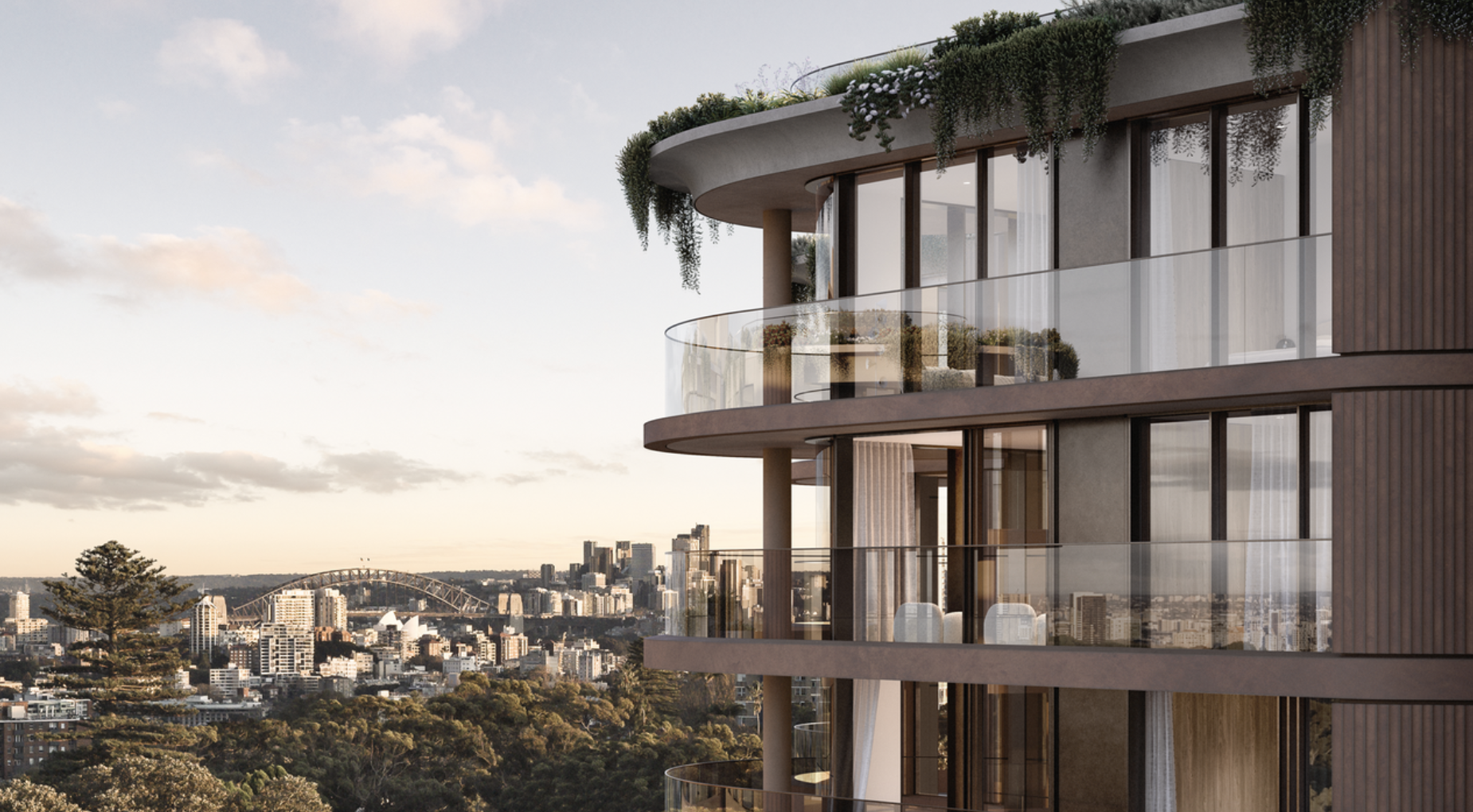
A record-breaking $11 million sale at The Centennial Collection has set a new benchmark for luxury apartment living in Bondi Junction.
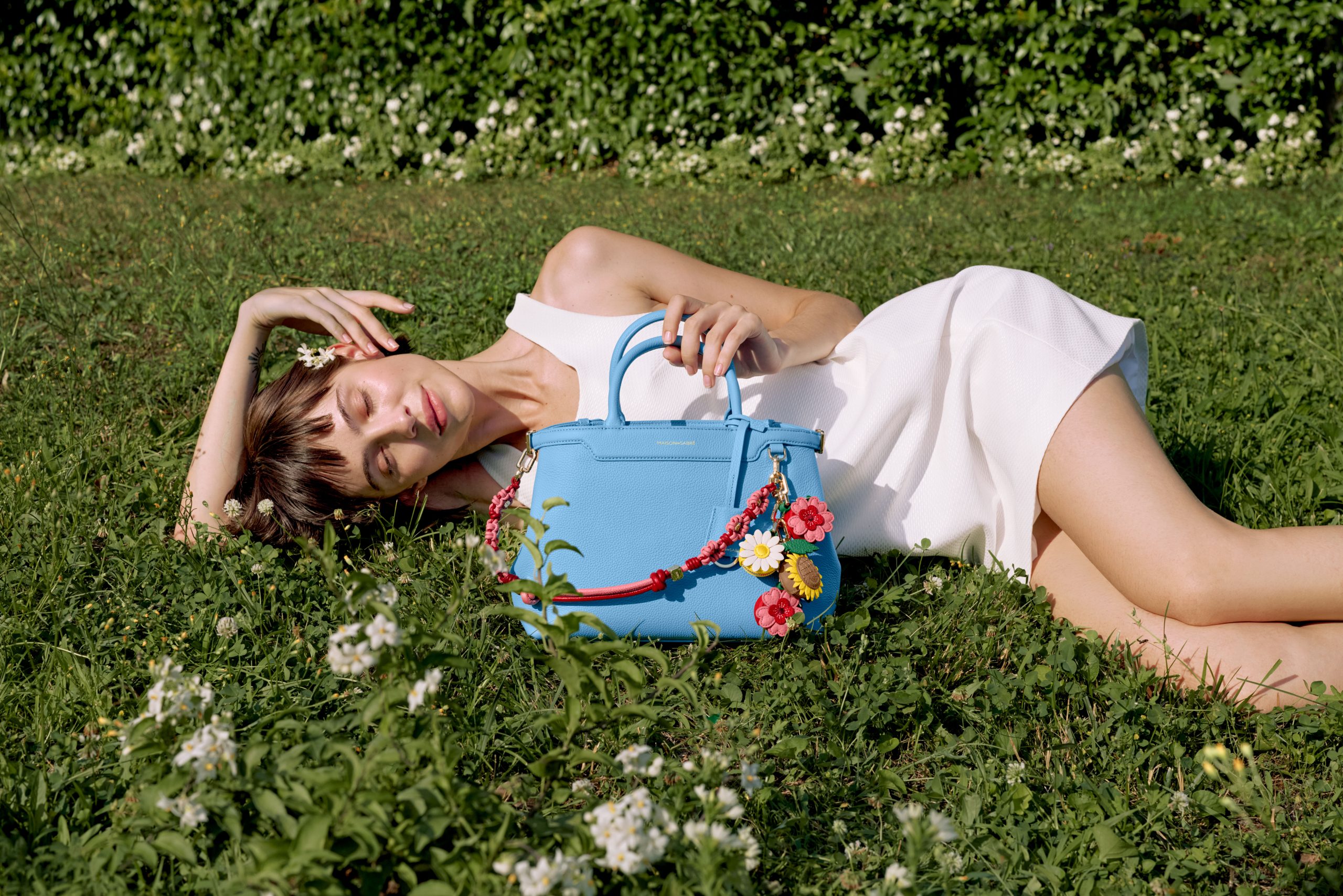
The Australian leather house has opened an immersive four-day pop-up in Manhattan, unveiling its Bloom Collection and redefining what a product launch can look like.