Country Compound with a $30m Price Tag
Built up over more than a decade, Ravensdale Farm and Retreat blends luxury living, resort-style amenities and productive farmland across almost 50 hectares.
 2 min
2 min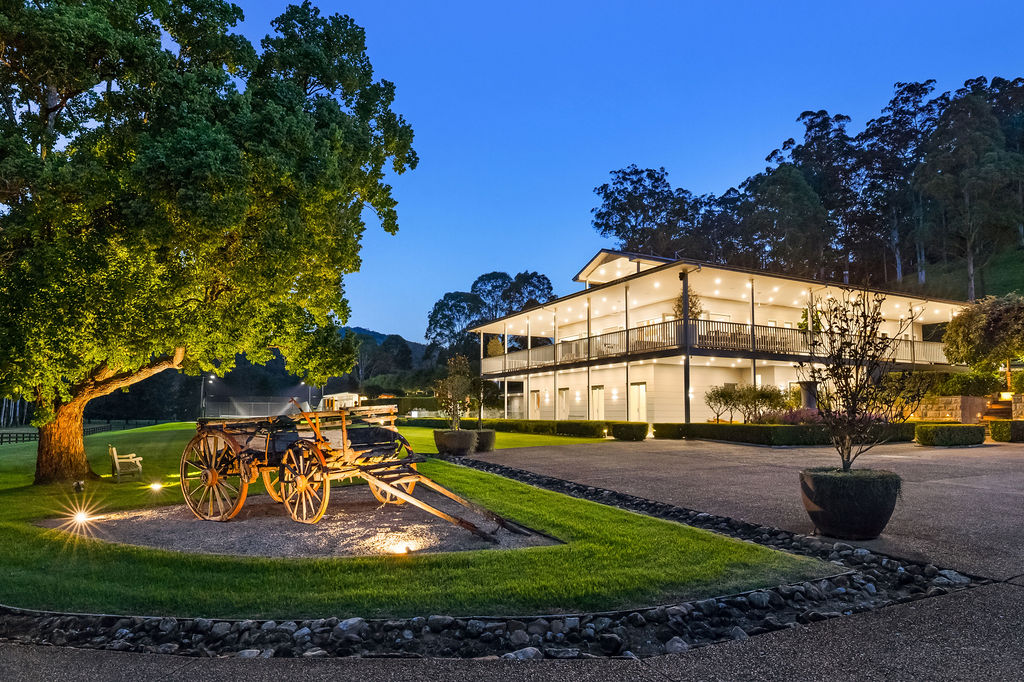
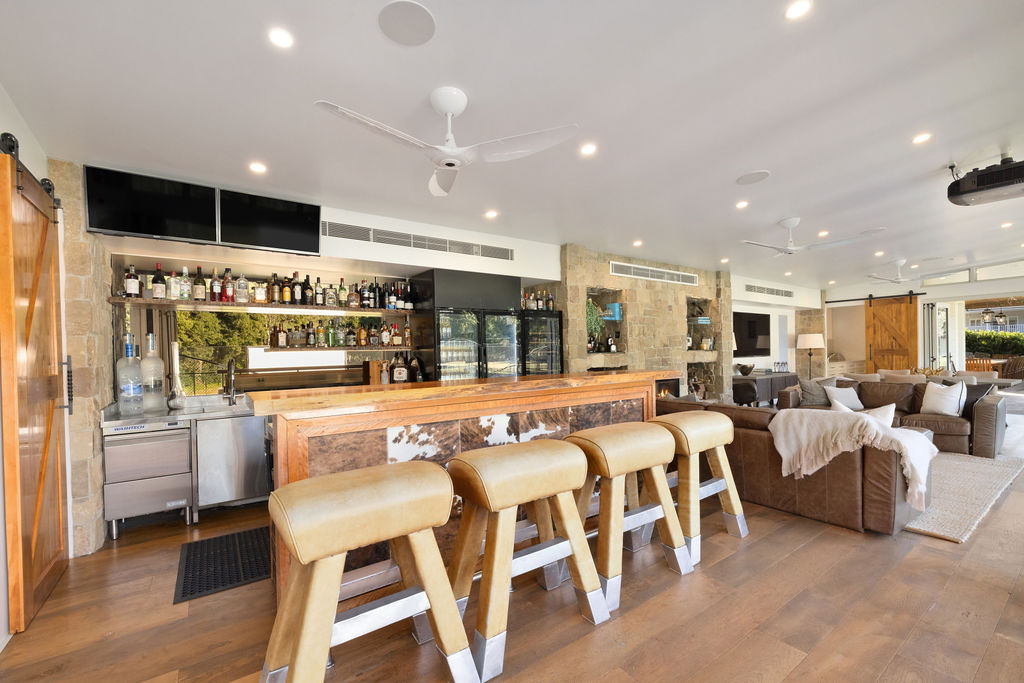
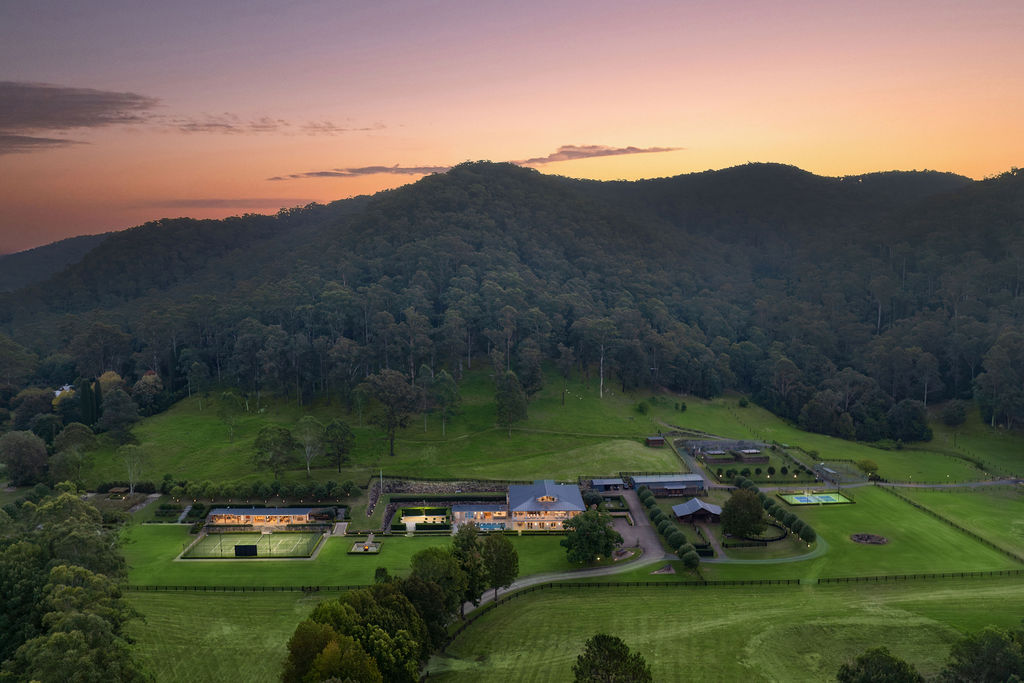
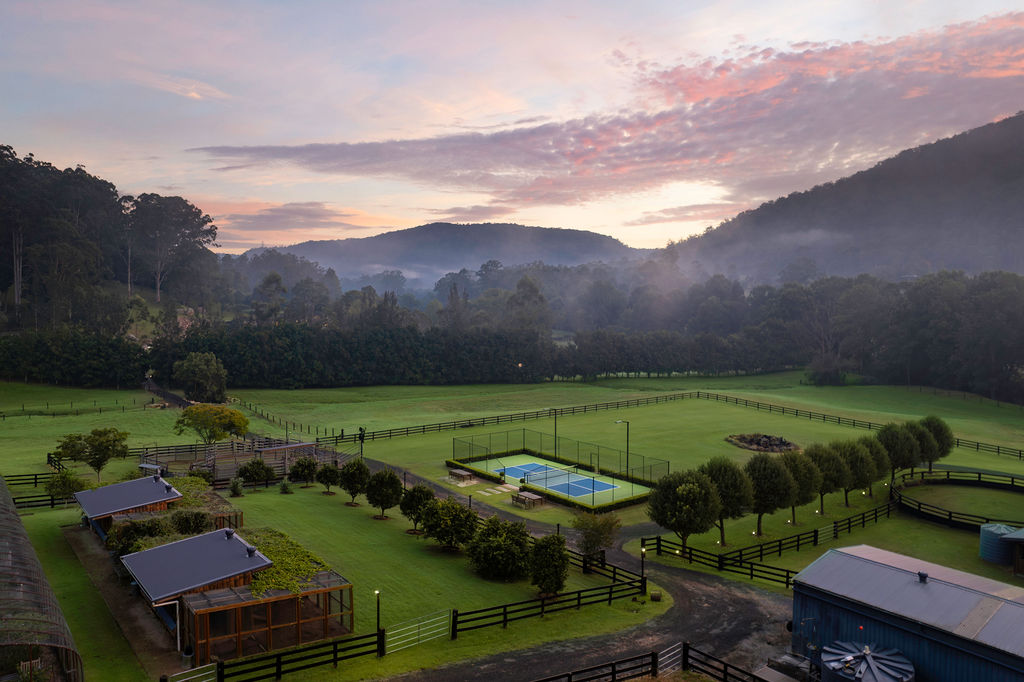
When an estate has been carefully curated by its wealthy owners for more than a decade, the next custodian knows they’re in for a treat of a retreat.
Food-packaging entrepreneur Ted Nathan and his wife, Jenny, purchased the original 25ha Ravensdale Farm in Yarramalong Valley for $1.35 million 12 years ago according to title records.
Since then, the pair have reportedly invested more than $5.5 million to acquire several neighbouring parcels in order to create a contemporary compound now measuring more than 49ha.
Today’s Ravensdale Farm and Retreat, about 24kms from Wyong, is now a dual-estate 12-bedroom, 11-bathroom luxury landholding.
The property is expected to sell for about $30 million via an expressions of interest campaign with Cullen & Royle agents Deborah Cullen and Richard Royle.
Alongside the modern three-storey five-bedroom farmhouse, there is a long list of “must have” resort-style amenities and productive farmland primed to produce a passive income.
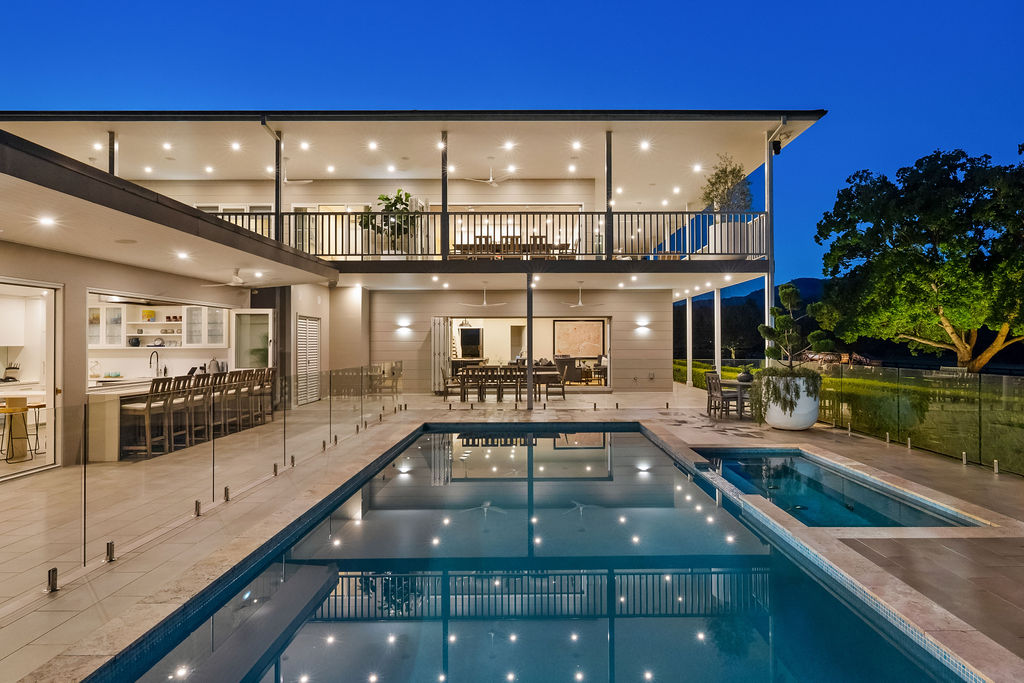
Framed by a 4m wraparound veranda, the sophisticated main residence has several outdoor spaces for homeowners and their guests to soak up the bucolic backdrop, lush paddocks and established gardens.
Inside, the homestead features multiple living spaces for grand scale entertaining inside and out, a library, a home office, private cinema, games room and accommodation designed for large families or a steady stream of weekend guests.
Custom made for hosting year round, the expansive estate also includes a sports bar with a commercial-grade kitchen, a championship size tennis court which can be transformed into an alfresco cinema when the mood strikes.
Additional spaces designed for fun include a sunken fire pit, a hidden garden with a European-inspired pétanque court, a pickle ball court and a private paddock dedicated to major events and functions.
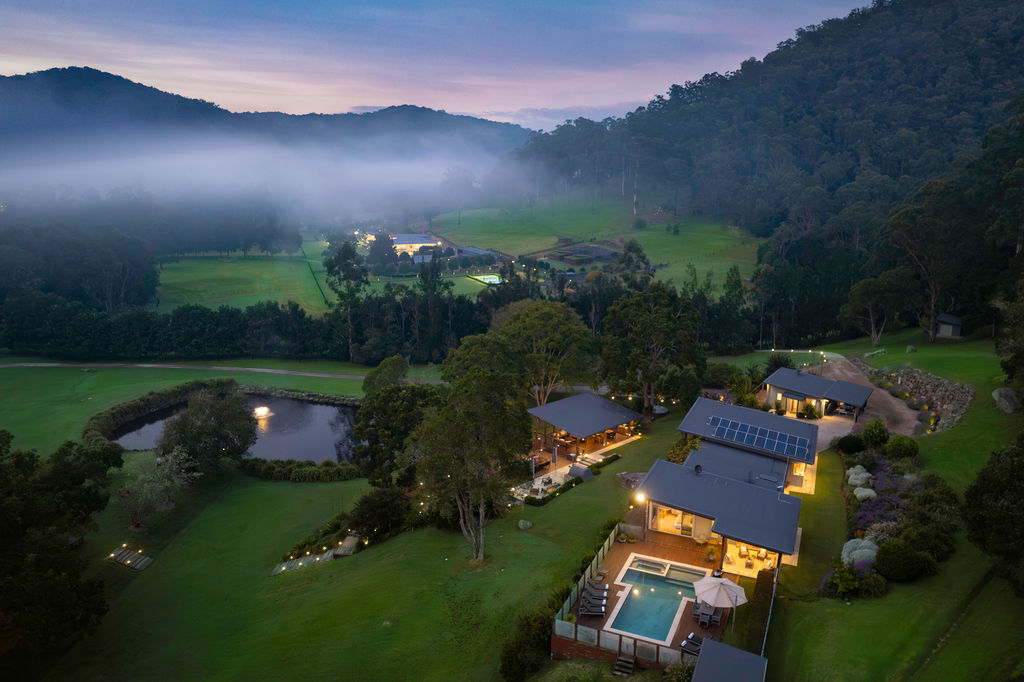
There is also a separate second residence, Ravensdale Retreat, devoted to guest stays or potential short-term accommodation.
The bonus residence is set up to provide a fully self-contained experience outside of the main home when needed. It has a choice of bedrooms, a spacious living area, an outdoor pavilion, pizza deck, and its own pool.
Beyond its weekender credentials, Ravensdale Farm lives up to its name. A working farm, the estate has cattle infrastructure, fertile pastures featuring Kikuyu and Rhodes grasses complemented by high end irrigation and water systems, as well as land management systems designed for efficiency and long-term resilience.
The land can comfortably support cattle and horses – currently home to approximately 40 cows and calves, plus horses – and has productive fruit orchards, vegetable gardens, a chicken coop and a restored century-old barn.
Surrounded by the rolling green hills of the Yarramalong Valley, Ravensdale Farm and Retreat is approximately a 25-minute drive from Wyong and around 90 minutes from Sydney with coastal hotspots like Terrigal and The Entrance are within easy reach.
Ravensdale Farm and Retreat is on the market with a price guide of $30m via an expressions of interest campaign with Cullen & Royle.

From making unpopular decisions to learning when to listen, leaders from five businesses reveal what nobody prepared them for — and how running a company has challenged their expectations.

Technology and semiconductor shares fell sharply as investors questioned the debt financing the AI infrastructure boom and confronted higher rates and Chinese competition.

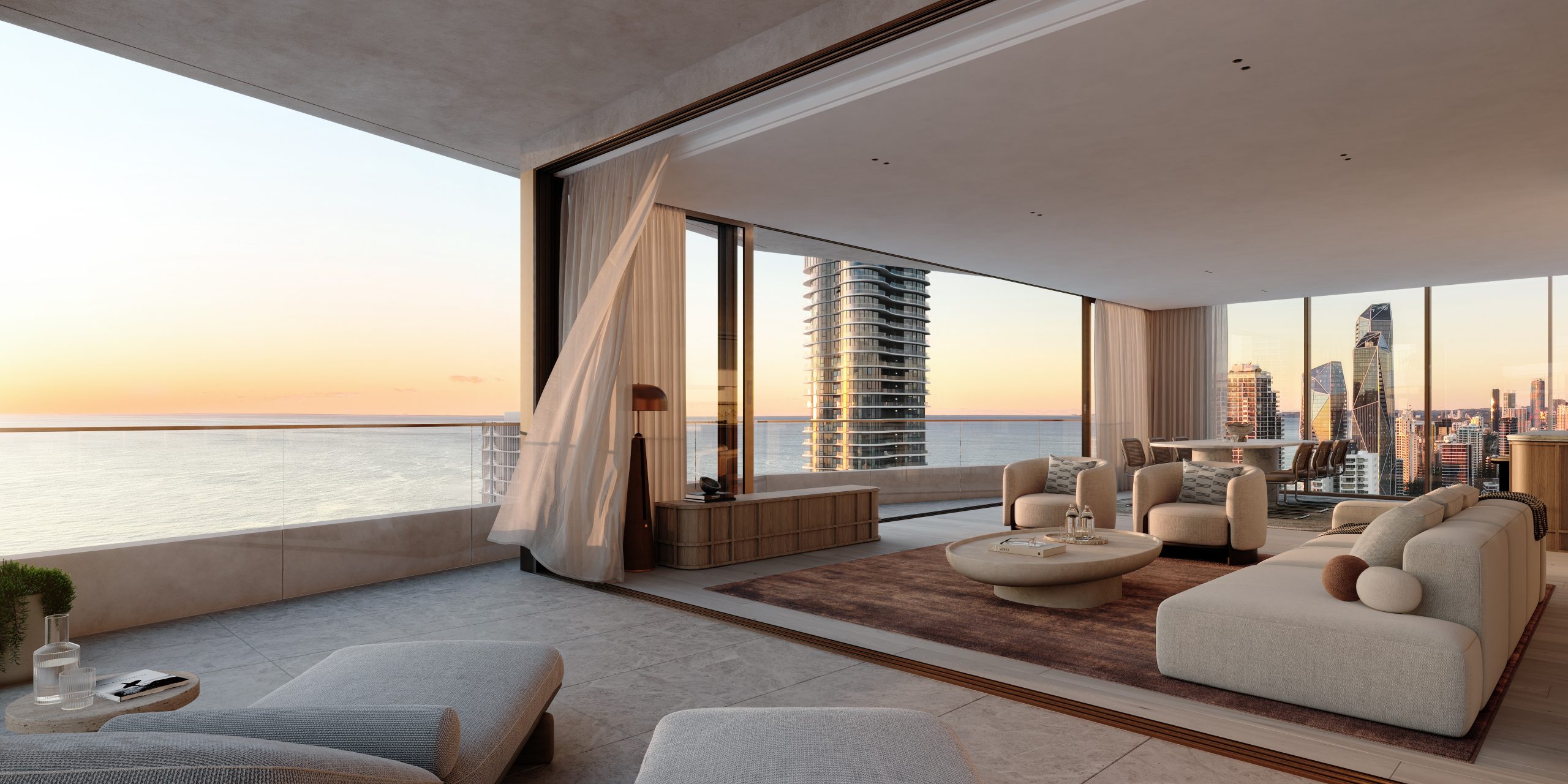
Mirvac’s 45-level Trielle has topped out at Yarra’s Edge, pairing riverfront apartments with wellness facilities, private dining and resident services.
3 min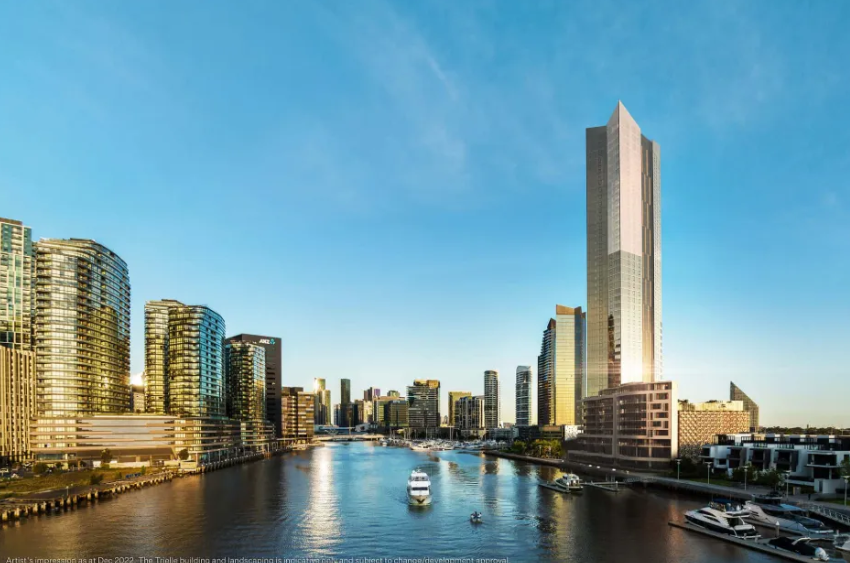
Mirvac has topped out Trielle at Melbourne’s Yarra’s Edge, with more than 70 per cent of the riverfront development sold and approximately 80 per cent of purchasers intending to make their apartment a home.
The figures, released on September 22, point to an owner-occupier audience for one of the precinct’s final residential towers. Mirvac began developing Yarra’s Edge in 2003, and its latest addition occupies one of the remaining absolute riverfront sites.
Mirvac CEO of Development Stuart Penklis said existing residents were among those moving up within the neighbourhood.
“Many purchasers already have a connection to Yarra’s Edge,” Mr Penklis said, describing buyers whose changing needs were encouraging an upgrade within the precinct.
“As one of the final residential towers within Yarra’s Edge, Trielle represents the culmination of more than two decades of creating one of Melbourne’s most established and sought-after waterfront communities,” Penklis said.
“Positioned on the Collins Street axis with absolute river frontage, Trielle offers residents a rare opportunity to enjoy sweeping views across the Yarra River, Melbourne skyline and Port Phillip Bay, while remaining seamlessly connected to the CBD. With Trielle now more than 70 per cent sold, we’re continuing to see strong demand from buyers seeking quality homes in established locations.”
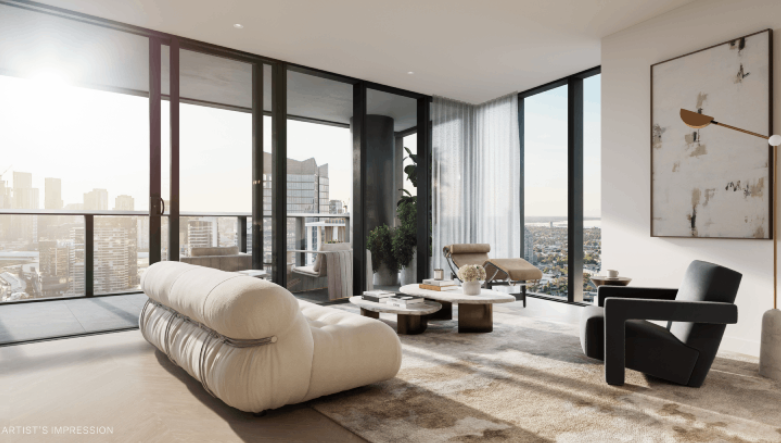
The developer also flagged a penthouse and sub-penthouse collection with larger layouts, premium finishes and broad outlooks. The planned wellness centrepiece, The Oasis, encompasses a 900-square-metre elevated urban rainforest.
Mirvac General Manager Residential Development Victoria Elysa Anderson said Trielle had resonated strongly with buyers seeking a rare lifestyle offering in Melbourne.
“Opportunities to secure a new luxury residence on a riverfront site of this calibre are incredibly rare, particularly within a community like Yarra’s Edge,” Anderson said.
“What makes Trielle unique is the combination of exceptional views, world-class residential facilities and the lifestyle that already exists around it. Residents are buying into a mature waterfront community with parks, promenades, dining, wellness and strong community connections already in place.”
The 45-level tower brings a substantial new presence to that waterfront. Its residential offering spans one-, two-, three- and four-bedroom apartments, with Signature, Prestige and Sub-Penthouse collections accommodating different household sizes. The north-facing position connects the apartments visually to the river and city beyond.
Seven storeys above the promenade, the planned Oasis combines planting and a running stream with a Scandinavian-inspired wellness club developed with spa specialist Naomi Gregory. Facilities include a 25-metre lap pool, hot magnesium pool, sauna, hydrotherapy, a gym, yoga and Pilates room, and treatment spaces.
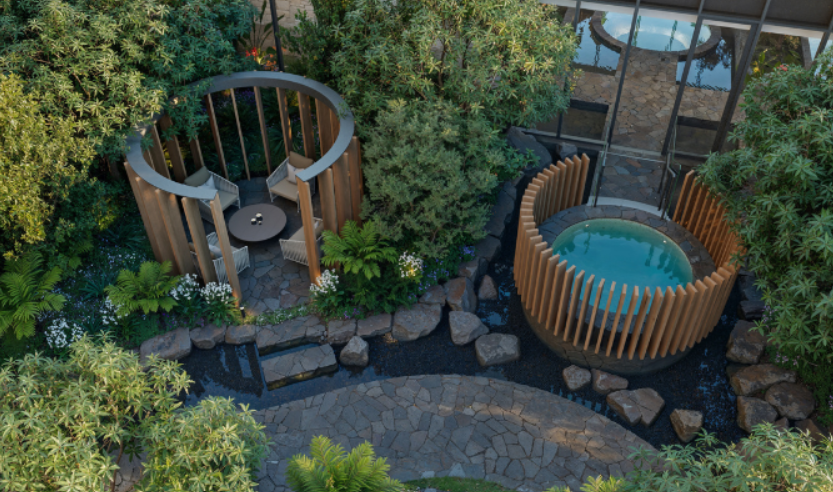
The amenity extends beyond exercise. Residents will have access to The Biblioteca library and workspaces, ground-floor work pods, and The Salone piano lounge. A private Chef’s Table dining room offers a setting for larger gatherings, while a cinema, games room and sports lounge broaden the entertaining options. Concierge services and a dog-wash area support everyday routines.
Trielle comprises a collection of one, two, three and four-bedroom residences. Reflecting strong demand from owner occupiers, approximately 80 per cent of purchasers to date intend to live in their homes, highlighting the project’s appeal to those seeking a long-term waterfront lifestyle.
Mirvac has recently delivered The Albertine, a premium apartment development on the edge of Melbourne’s CBD, and is nearing completion of Prince & Parade in Brunswick, further strengthening its portfolio of thoughtfully designed apartment communities in some of Melbourne’s most sought-after urban locations.

A 30-metre masterpiece unveiled in Monaco brings Lamborghini’s supercar drama to the high seas, powered by 7,600 horsepower and unmistakable Italian design.

An opulent Ryde home, packed with cinema, pool, sauna and more, is hitting the auction block with a $1 reserve.