These little known suburbs are offering the highest rental yields around the country
High rents and rising values are inspiring greater investor activity this year
 3 min
3 min
Advertised rents on houses and apartments have risen by more than 40 percent nationwide since the pre-pandemic period, with a shortage of rental homes and record levels of net overseas migration pushing weekly rents higher and reducing vacancy rates to historical lows, said Proptrack senior economist Eleanor Creagh.
However, Ms Creagh said the pressure in Australia’s rental market should ease over the next year as overseas migration falls, with the Federal Government expecting it to halve from here. Meantime, home values have continued to lift because the supply versus demand imbalance is now so great it is trumping the traditional dampening effect of rising interest rates on prices. Proptrack data showed the national median value lifted for the 17th consecutive month in May.
“Despite a rise in the number of homes for sale this year, strong population growth, tight rental markets, and home equity gains are all contributing to demand, while the supply side of the housing market has fallen short and as a result, home prices reached a fresh peak in May as robust demand has continued to push prices upwards,” Ms Creagh said.
More investors are in the property market this year due to strong rental yields and continually rising values. Ms Creagh said lending to investors had reached record levels in Queensland, South Australia and Western Australia, which are the strongest states at the moment for capital city price growth and rental demand.
Proptrack has published data showing the top suburbs for rental yields in both the capital cities and regional areas of each state, as well as the suburbs with the highest capital growth over five years.
Here are the results for the five mainland states.
NSW
The suburbs with the highest rental yields for houses in Greater Sydney are Killarney Vale 4.2 percent, Watanobbi 4.1 percent, Blue Haven 4.1 percent, Woongarrah 4.1 percent and Airds 4.1 percent.
In the regions, the top rental yields can be found in Broken Hill 9 percent, Cobar 8.5 percent, South Lismore 8.3 percent, Boggabri 7.5 percent and Moree 7.2 percent. The top suburbs across NSW for capital growth over the past five years are Finley 126 percent, Culcairn 123 percent, Hay 108 percent, Broulee 106 percent and West Wyalong 105 percent.
Victoria
In Greater Melbourne, the suburbs with the highest rental house yields are Wollert 4.4 percent, Coolaroo 4.3 percent, Dallas 4.3 percent, Koo Wee Rup 4.2 percent and Roxburgh Park 4.2 percent. In the regions, the best rental yields for houses can be found in Red Cliffs 6 percent, Mooroopna 5.9 percent, Numurkah 5.9 percent, Stawell 5.8 percent and Morwell 5.6 percent.
The top Victorian suburbs for five-year capital growth are Warracknabeal 119 percent, Orbost 108 percent, Beechworth 102 percent, Myrtleford 100 percent and Euroa 99 percent.
Queensland
The suburbs with the highest rental house yields in Greater Brisbane are Laidley North 6.1 percent, Laidley 5.6 percent, Churchill 5.5 percent, North Booval 5.5 percent and Russell Island 5.4 percent. In the regions, the top rental-yielding suburbs are Collinsville 10.4 percent, Moura 10.1 percent, Moranbah 9.7 percent, Pioneer 9.6 percent and Blackwater 9.5 percent.
The Sunshine State’s fastest-growing suburbs for home values over five years are Mount Morgan 157 percent, Woodford 126 percent, Dysart 122 percent, Mount Coolum 121 percent and Worongary 114 percent.
South Australia
The suburbs with the highest rental yields for houses in Greater Adelaide are Eyre 5.6 percent, Elizabeth North 5.6 percent, Smithfield Plains 5.6 percent, Munno Para 5.4 percent and Salisbury North 5.4 percent. The best rental yields in regional South Australia can be found in Whyalla Norrie 7.9 percent, Risdon Park 7.8 percent, Port Pirie South 7.8 percent, Whyalla Stuart 7.7 percent and Port Augusta 7.6 percent.
The top South Australian suburbs for five-year capital growth are Elizabeth Downs and Elizabeth North – both at 135 percent, Elizabeth South 127 percent, Elizabeth East 123 percent and Hackham West 117 percent.
Western Australia
The suburbs with the highest rental yields for houses in Greater Perth are Hilbert 6.4 percent, Medina 6.3 percent, Stratton 6.3 percent, Balga 6.3 percent and Dayton 6.2 percent. The best rental yields across regional areas can be found in Kambalda East 12.2 percent, Kambalda West 11.2 percent, Nickol 11 percent, South Headland 10.9 percent and Newman 10.7 percent.
The top West Australian suburbs for capital growth over the past five years are South Hedland 135 percent, Rangeway 116 percent, Darlington 115 percent, Cooloongup 114 percent and Spalding 113 percent.
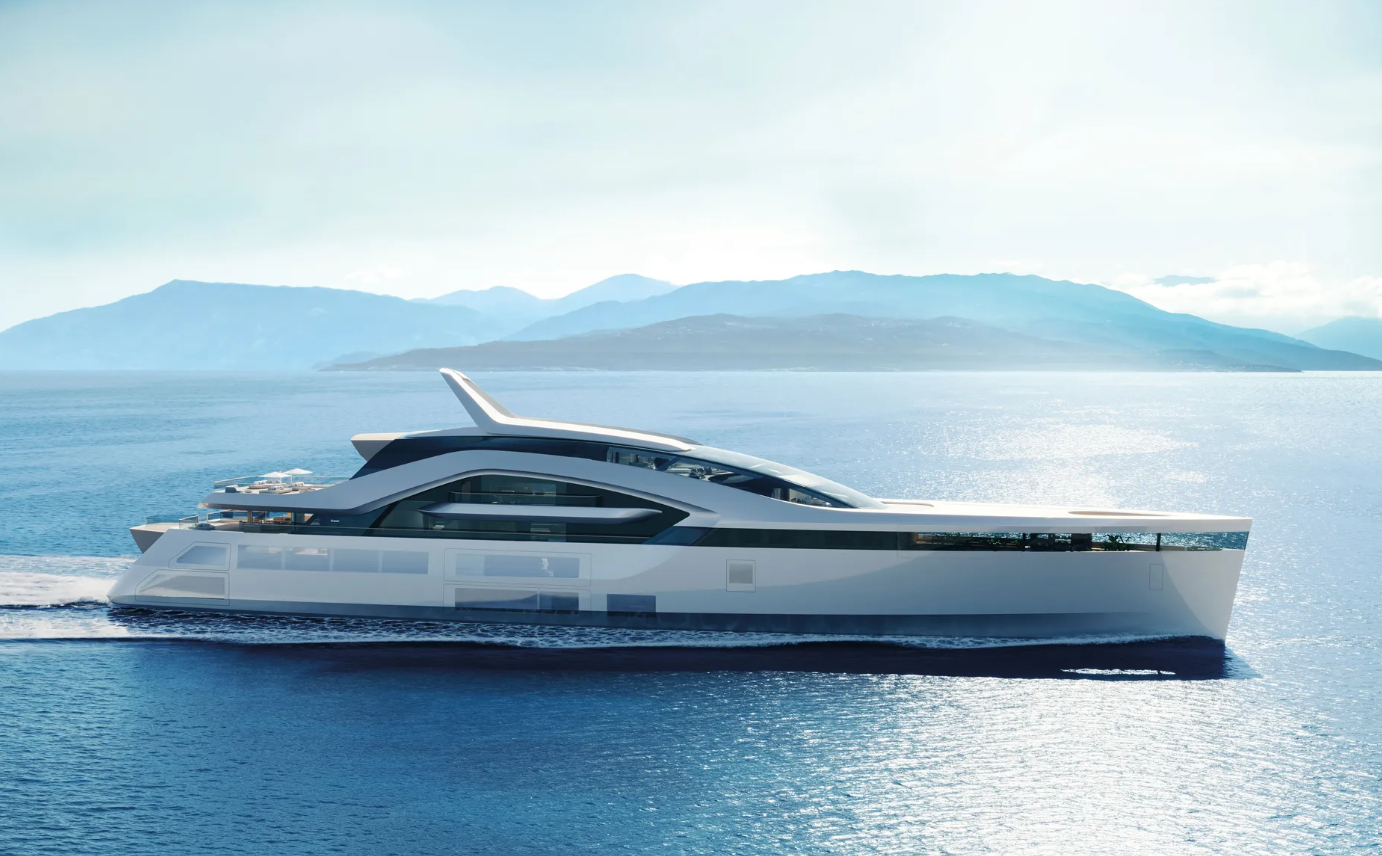
On the owner’s deck, a 20-metre swimming pool incorporates Feadship’s patented ContraWave technology and extends indoors as a suspended, glass-bottomed infinity pool.

Automobili Lamborghini is turning its attention to something considerably more difficult to define: what makes Italian excellence uniquely Italian?

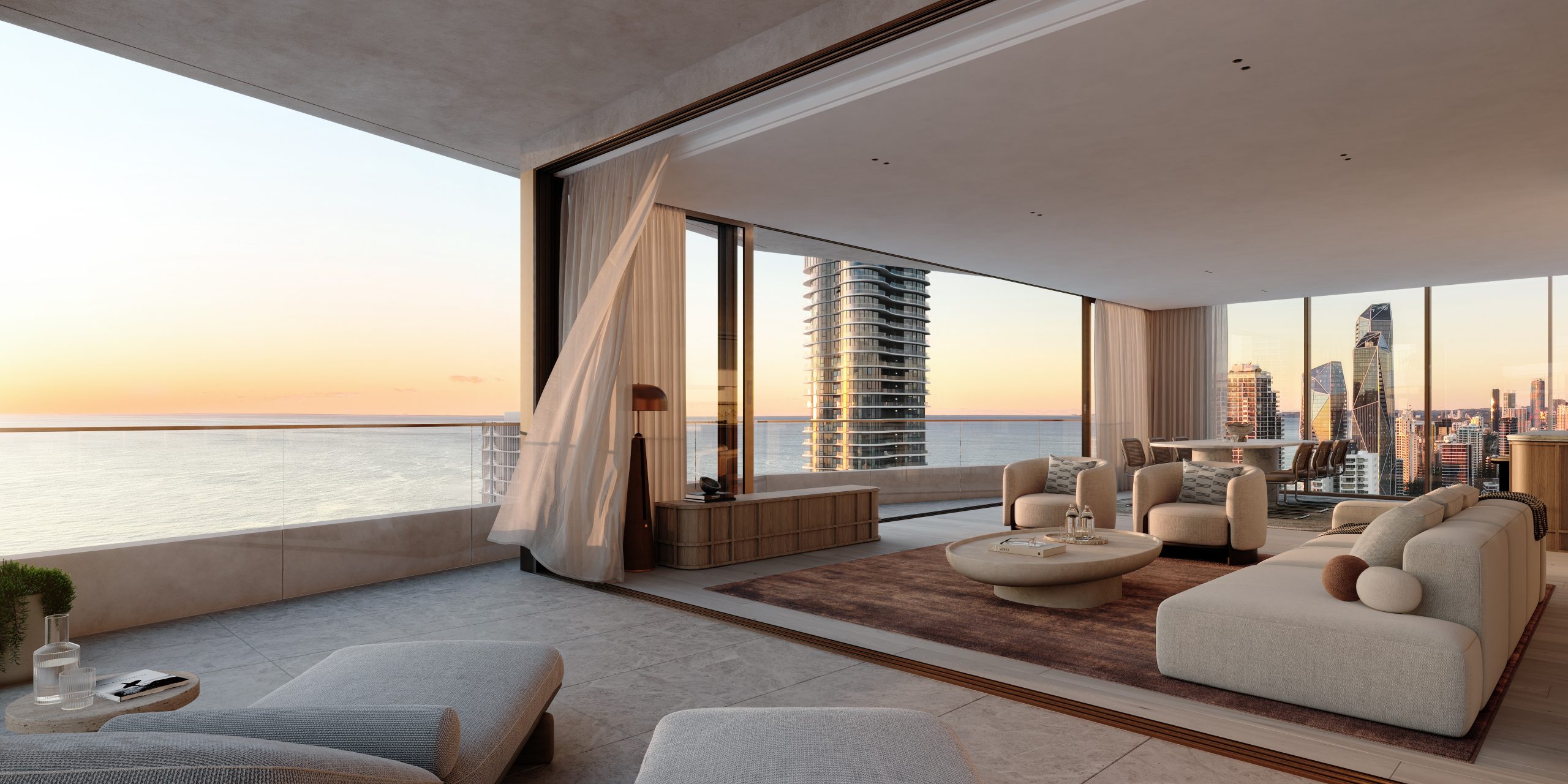
Mirvac’s 45-level Trielle has topped out at Yarra’s Edge, pairing riverfront apartments with wellness facilities, private dining and resident services.
3 min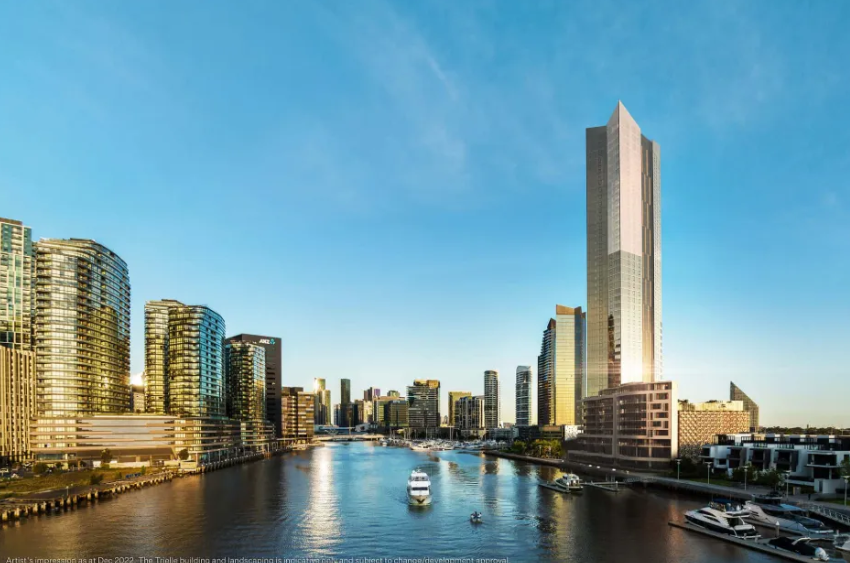
Mirvac has topped out Trielle at Melbourne’s Yarra’s Edge, with more than 70 per cent of the riverfront development sold and approximately 80 per cent of purchasers intending to make their apartment a home.
The figures, released on September 22, point to an owner-occupier audience for one of the precinct’s final residential towers. Mirvac began developing Yarra’s Edge in 2003, and its latest addition occupies one of the remaining absolute riverfront sites.
Mirvac CEO of Development Stuart Penklis said existing residents were among those moving up within the neighbourhood.
“Many purchasers already have a connection to Yarra’s Edge,” Mr Penklis said, describing buyers whose changing needs were encouraging an upgrade within the precinct.
“As one of the final residential towers within Yarra’s Edge, Trielle represents the culmination of more than two decades of creating one of Melbourne’s most established and sought-after waterfront communities,” Penklis said.
“Positioned on the Collins Street axis with absolute river frontage, Trielle offers residents a rare opportunity to enjoy sweeping views across the Yarra River, Melbourne skyline and Port Phillip Bay, while remaining seamlessly connected to the CBD. With Trielle now more than 70 per cent sold, we’re continuing to see strong demand from buyers seeking quality homes in established locations.”
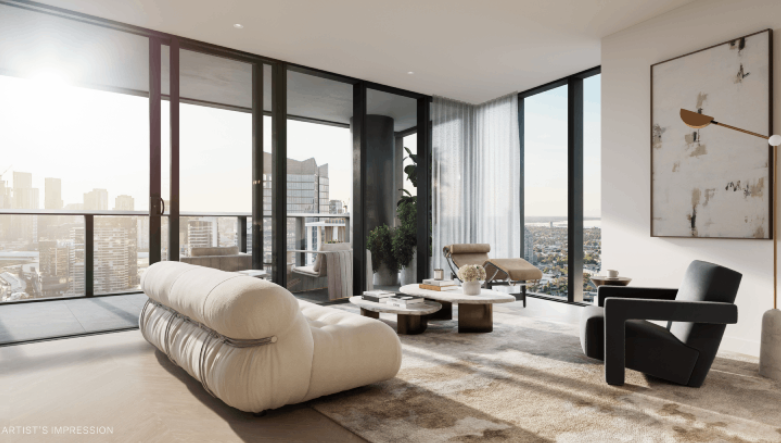
The developer also flagged a penthouse and sub-penthouse collection with larger layouts, premium finishes and broad outlooks. The planned wellness centrepiece, The Oasis, encompasses a 900-square-metre elevated urban rainforest.
Mirvac General Manager Residential Development Victoria Elysa Anderson said Trielle had resonated strongly with buyers seeking a rare lifestyle offering in Melbourne.
“Opportunities to secure a new luxury residence on a riverfront site of this calibre are incredibly rare, particularly within a community like Yarra’s Edge,” Anderson said.
“What makes Trielle unique is the combination of exceptional views, world-class residential facilities and the lifestyle that already exists around it. Residents are buying into a mature waterfront community with parks, promenades, dining, wellness and strong community connections already in place.”
The 45-level tower brings a substantial new presence to that waterfront. Its residential offering spans one-, two-, three- and four-bedroom apartments, with Signature, Prestige and Sub-Penthouse collections accommodating different household sizes. The north-facing position connects the apartments visually to the river and city beyond.
Seven storeys above the promenade, the planned Oasis combines planting and a running stream with a Scandinavian-inspired wellness club developed with spa specialist Naomi Gregory. Facilities include a 25-metre lap pool, hot magnesium pool, sauna, hydrotherapy, a gym, yoga and Pilates room, and treatment spaces.
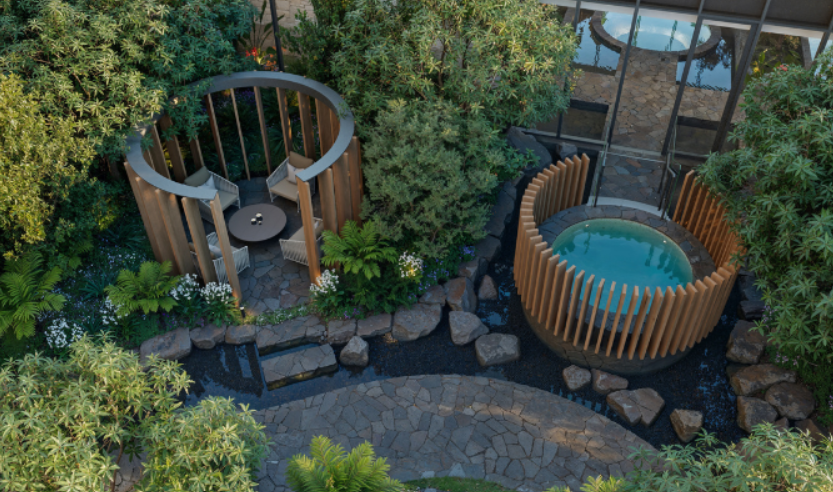
The amenity extends beyond exercise. Residents will have access to The Biblioteca library and workspaces, ground-floor work pods, and The Salone piano lounge. A private Chef’s Table dining room offers a setting for larger gatherings, while a cinema, games room and sports lounge broaden the entertaining options. Concierge services and a dog-wash area support everyday routines.
Trielle comprises a collection of one, two, three and four-bedroom residences. Reflecting strong demand from owner occupiers, approximately 80 per cent of purchasers to date intend to live in their homes, highlighting the project’s appeal to those seeking a long-term waterfront lifestyle.
Mirvac has recently delivered The Albertine, a premium apartment development on the edge of Melbourne’s CBD, and is nearing completion of Prince & Parade in Brunswick, further strengthening its portfolio of thoughtfully designed apartment communities in some of Melbourne’s most sought-after urban locations.

A long-standing cultural cruise and a new expedition-style offering will soon operate side by side in French Polynesia.
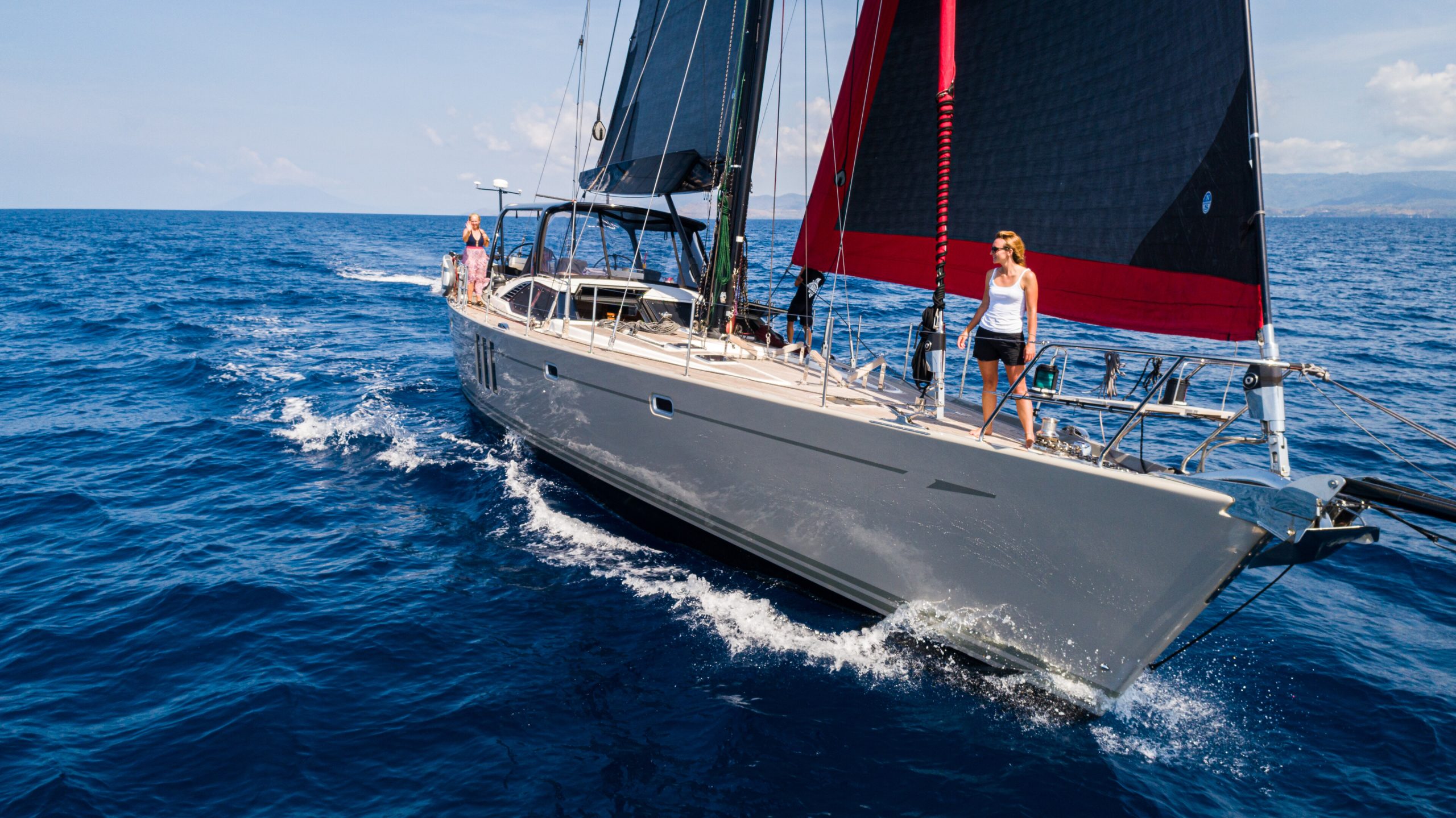
From the Caribbean to Australia’s east coast, Oyster’s latest world rally promises a bluewater voyage designed for owners seeking ultimate sailing experiences.