Australian mortgage holders defying predictions and managing debt
However, there is one group spending their savings at a faster rate than the rest
 3 min
3 min
The number of home loans in arrears are less than one percent of all borrowers, defying predictions of dire outcomes from a ‘mortgage cliff’ and the impact of high interest rates and cost of living pressures.
Most borrowers are making their home loan repayments on time, and although the number of loans in arrears has increased since late 2022, they represent only a tiny portion of the market, according to the Reserve Bank (RBA). Less than 1 percent of all housing loans are 90 or more days in arrears, which is lower than the pre-pandemic peak.
In its latest Financial Stability Review released this month, the RBA said households remain under pressure from high inflation and interest rates, with consumer sentiment very weak. More Australians than usual are seeking support from community organisations, and lenders have a small but rising number of borrowers on temporary hardship arrangements.
“Based on their latest assessment of the economic outlook, banks expect arrears rates to increase a bit further from here but remain low relative to history,” the RBA said.
The RBA notes that since the start of 2022, real disposable income has fallen by about 7 percent to be near its pre-pandemic level in per capita terms. Most mortgagors have seen 30-60 percent increases in their minimum home loan repayments since rates began rising in May 2022. However, only about 5 percent of variable-rate owner-occupier borrowers today have expenses exceeding incomes, giving them a cash flow shortfall.
Households are coping well due to a strong labour market, which is allowing them to increase their hours or get a second job if necessary. They are also drawing on large savings buffers, partly created by pandemic stimulus and lower spending during lockdowns, and have reduced their discretionary spending as necessary.
The loan arrears rate is highest among highly leveraged borrowers, however it is still very small at less than 2 percent. The share of mortgagors estimated to have a cash flow shortfall combined with low savings has risen over the past two years but still represents less than 2 percent of variable-rate owner-occupier borrowers. Unusually, the arrears rate among recent first home buyers is lower than average, possibly reflecting the Bank of Mum and Dad enabling young buyers to purchase properties with less debt.
The arrears rate among borrowers who rolled over from low fixed rates to variable rates in one hit – an event labelled ‘the mortgage cliff’ which was expected to hit hardest late last year – are managing their repayments just as well as other borrowers. “This resilience partly reflects that these borrowers were able to build up savings buffers over a longer period of unusually low interest rates,” the RBA said.
High income earners are depleting their pandemic savings at the fastest rate because they tend to be servicing greater debt. But they still have the highest savings and are likely using some of it to support continued discretionary spending. Conversely, the lowest-income mortgaged households grew their savings in 2023.
The RBA says nearly all borrowers should be able to service their loans even if inflation is more persistent than expected and interest rates remain higher for longer. While the RBA expects a rise in unemployment, it noted that historically mortgagors are less likely to lose their jobs. Many mortgagor households also have multiple incomes, and about half of all borrowers have enough savings to service their debts and essential expenses for at least six months. Lenders can also offer temporary support to borrowers who lose their jobs.
The RBA said most borrowers also have strong equity positions, which protects them from default and limits risk for lenders. Rising property prices last year gave homeowners more equity and banks have been issuing fewer high loan-to-value (LVR) loans since 2021. These types of loans are now at near-historical low levels.
“The share of loans (by number or balances) estimated to be in negative equity at current housing prices remains very low,” the RBA said. “While usually a last resort and very disruptive for owner-occupier borrowers, this would allow almost all borrowers to sell their properties and repay their loans in full before defaulting.”
Hypothetically, in a severe economic downturn during which housing values fell 30 percent, the RBA estimates that the share of loans falling into negative equity would increase to about 11 percent. The RBA said significant losses for lenders would only materialise if more borrowers became unable to service their loans.

From making unpopular decisions to learning when to listen, leaders from five businesses reveal what nobody prepared them for — and how running a company has challenged their expectations.

Technology and semiconductor shares fell sharply as investors questioned the debt financing the AI infrastructure boom and confronted higher rates and Chinese competition.
Mirvac’s 45-level Trielle has topped out at Yarra’s Edge, pairing riverfront apartments with wellness facilities, private dining and resident services.
3 min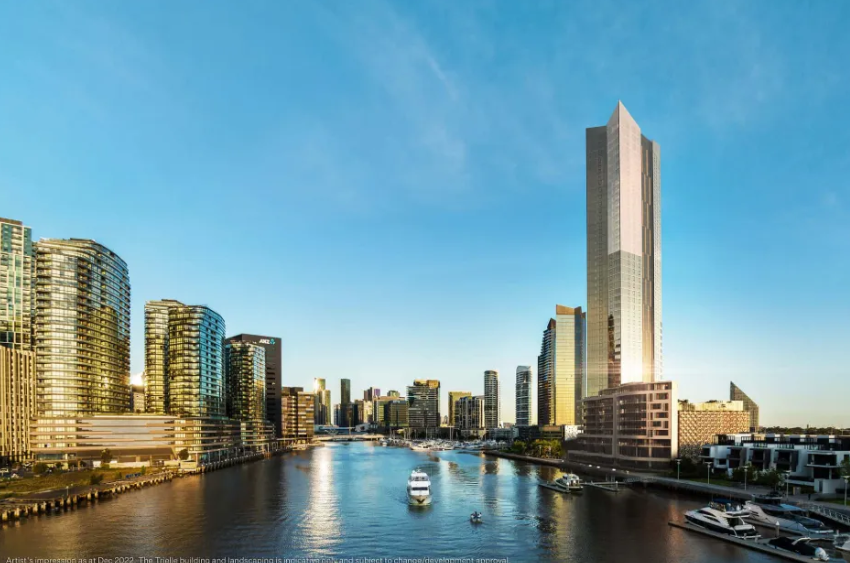
Mirvac has topped out Trielle at Melbourne’s Yarra’s Edge, with more than 70 per cent of the riverfront development sold and approximately 80 per cent of purchasers intending to make their apartment a home.
The figures, released on September 22, point to an owner-occupier audience for one of the precinct’s final residential towers. Mirvac began developing Yarra’s Edge in 2003, and its latest addition occupies one of the remaining absolute riverfront sites.
Mirvac CEO of Development Stuart Penklis said existing residents were among those moving up within the neighbourhood.
“Many purchasers already have a connection to Yarra’s Edge,” Mr Penklis said, describing buyers whose changing needs were encouraging an upgrade within the precinct.
“As one of the final residential towers within Yarra’s Edge, Trielle represents the culmination of more than two decades of creating one of Melbourne’s most established and sought-after waterfront communities,” Penklis said.
“Positioned on the Collins Street axis with absolute river frontage, Trielle offers residents a rare opportunity to enjoy sweeping views across the Yarra River, Melbourne skyline and Port Phillip Bay, while remaining seamlessly connected to the CBD. With Trielle now more than 70 per cent sold, we’re continuing to see strong demand from buyers seeking quality homes in established locations.”

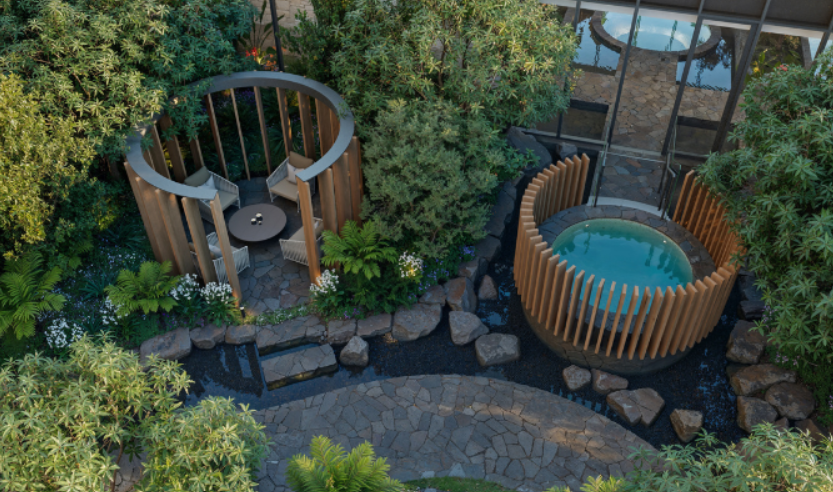
The developer also flagged a penthouse and sub-penthouse collection with larger layouts, premium finishes and broad outlooks. The planned wellness centrepiece, The Oasis, encompasses a 900-square-metre elevated urban rainforest.
Mirvac General Manager Residential Development Victoria Elysa Anderson said Trielle had resonated strongly with buyers seeking a rare lifestyle offering in Melbourne.
“Opportunities to secure a new luxury residence on a riverfront site of this calibre are incredibly rare, particularly within a community like Yarra’s Edge,” Anderson said.
“What makes Trielle unique is the combination of exceptional views, world-class residential facilities and the lifestyle that already exists around it. Residents are buying into a mature waterfront community with parks, promenades, dining, wellness and strong community connections already in place.”
The 45-level tower brings a substantial new presence to that waterfront. Its residential offering spans one-, two-, three- and four-bedroom apartments, with Signature, Prestige and Sub-Penthouse collections accommodating different household sizes. The north-facing position connects the apartments visually to the river and city beyond.
Seven storeys above the promenade, the planned Oasis combines planting and a running stream with a Scandinavian-inspired wellness club developed with spa specialist Naomi Gregory. Facilities include a 25-metre lap pool, hot magnesium pool, sauna, hydrotherapy, a gym, yoga and Pilates room, and treatment spaces.
The amenity extends beyond exercise. Residents will have access to The Biblioteca library and workspaces, ground-floor work pods, and The Salone piano lounge. A private Chef’s Table dining room offers a setting for larger gatherings, while a cinema, games room and sports lounge broaden the entertaining options. Concierge services and a dog-wash area support everyday routines.
Trielle comprises a collection of one, two, three and four-bedroom residences. Reflecting strong demand from owner occupiers, approximately 80 per cent of purchasers to date intend to live in their homes, highlighting the project’s appeal to those seeking a long-term waterfront lifestyle.
Mirvac has recently delivered The Albertine, a premium apartment development on the edge of Melbourne’s CBD, and is nearing completion of Prince & Parade in Brunswick, further strengthening its portfolio of thoughtfully designed apartment communities in some of Melbourne’s most sought-after urban locations.

Warmer minimalism, tactile materials and wellness focused layouts are redefining luxury interiors as homeowners design for comfort, connection and lasting appeal.
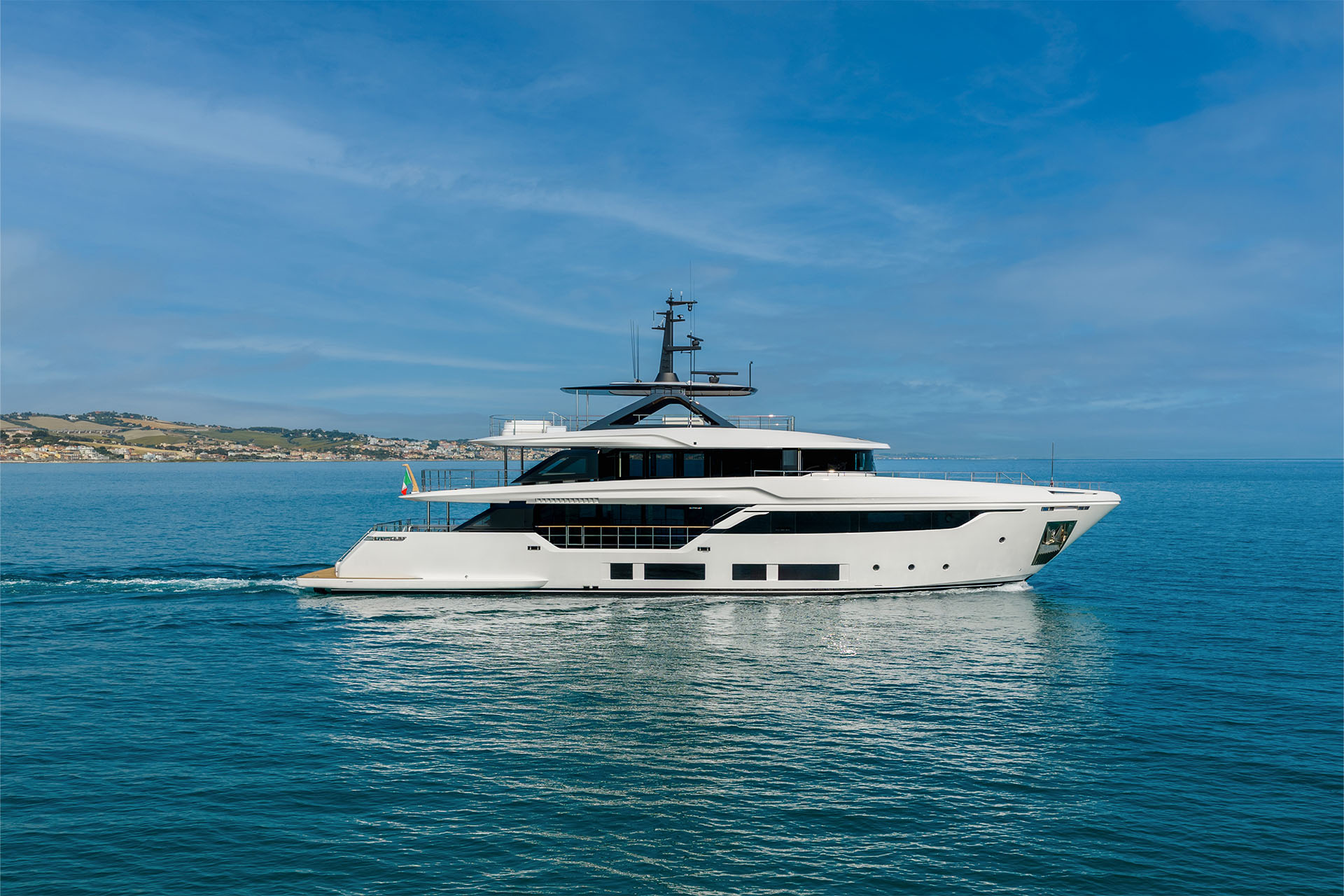
Four decks, 34.5 metres and a made-to-measure interior: step aboard the new Custom Line Navetta 35, unveiled at Cannes.