Where Australians are moving to — and why they’re not coming back
As job opportunities grow in regional areas, more Australians are leaving our cities behind in favour of lifestyle benefits
 2 min
2 min
Australians are leaving the city for the country, and they’re not coming back, new data reveals.
Once considered a COVID lockdown-induced exodus that would inevitably bounce back, research from the Regional Movers Index (RMI) showed 27 percent more people moved from Australian cities to the regions than in the other direction.
The RMI is a partnership between the Commonwealth Bank of Australia and the Regional Australia Institute, an independent think tank founded in 2011 and focused on building strong regional economies.
Regional Australia Institute CEO, Liz Ritchie said the data showed the shift in domestic migration patterns to regional areas was not a passing fad.
“This analysis is clearly showing the population movement we’re seeing is a sustained new trend, that is higher than pre-Covid migration patterns,” Ms Ritchie said. “The regional Australia we have now, is quite different to the regional Australia of five years ago,” Ms Ritchie said.
She said regional areas have a key role to play as Australia seeks to move towards a more sustainable future.
“The emergence of this new era signifies how important the regions are to the future of our nation. The regions will be at the heart of Australia’s net zero transition, and it is vital the infrastructure and services our growing regions require are met to ensure long-term prosperity and sustainability of our country.”
Among migration hotspots, the NSW coast rated highly, with Lake Macquarie on the mid north coast attracting an almost 5 percent share of net internal migration. The NSW far south coast also saw a population boost, specifically the Local Government Areas of Bega Valley and Eurobodalla.
CBA’s Executive General Manager Regional and Agribusiness Paul Fowler said the migration reflected a greater focus on the lifestyle benefits of living outside the big cities.
“The coastal appeal of regional hubs like Lake Macquarie, Bega Valley and Eurobodalla offer an attractive lifestyle with convenient access to quality healthcare and education services, as well as employment opportunities, further bolstered by major industry investments like the Snowy Hydro 2.0 project in Southern NSW,” Mr Fowler said.
About 75 percent of those who had left the cities in the past three months moved to regional NSW and Victoria, indicating that Sydney and Melbourne were the capitals shedding the most residents.
Ms Ritchie said the onus was now on governments to provide the appropriate infrastructure to regional centres to ensure they were able to support the influx.
“With so many people settling in our southern states, it’s critical governments, industry, business and community work together on ensuring regional cities and towns are supported during this phase of expansion,” she said. “The regions provide so much: affordability, a sense of community, fulfilling career options and green space. Let’s ensure this new era of regionality is met with vision and leadership to drive a more decentralised Australia.”

The Swiss watchmaker’s first collaboration with Atlassian Williams F1 Team produces two sporting Laureato models inspired by the team’s 2026 racing car.

Victorian auction buyers will soon receive a piece of information that has traditionally been withheld until bidding reaches it: the vendor’s reserve price. Under new property-sale and underquoting laws, agents must publish the agreed reserve at least seven days before an auction or fixed-date sale. Most changes begin on 1 October 2026 and apply to …
Continue reading “Victoria’s New Auction Rules Will Force Reserve Prices Into the Open”
Paramount and California’s attorney general are in advanced settlement talks over the company’s proposed $81 billion merger with Warner Bros. Discovery. Potential concessions include investing $1.5 billion in California production, retaining both studio lots and introducing safeguards for CNN’s editorial independence.
3 min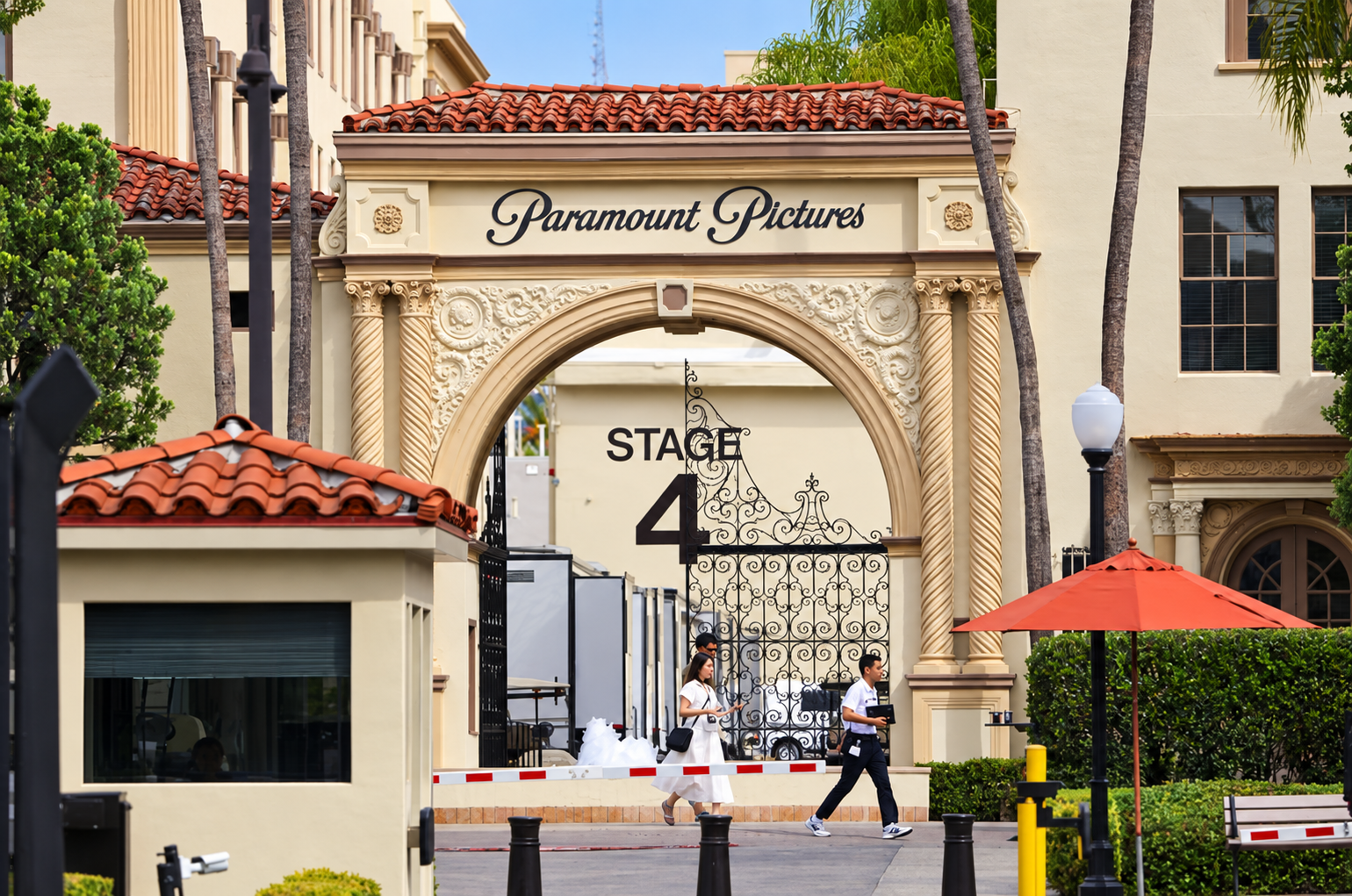
California’s attorney general and Paramount PSKY -3.86%decrease; down pointing triangle have discussed a series of potential concessions as part of advanced settlement negotiations, including a $1.5 billion investment by the company in production in California, according to people familiar with the discussions.
Paramount executives and a coalition of states that sued to block its $81 billion merger with Warner Bros. Discovery WBD -1.56%decrease; down pointing triangle spent the weekend hashing out the details of a possible settlement. Such an agreement would clear the way for a deal that would bring HBO, CBS, CNN, streaming services and famed movie studios under one owner.
Among the concessions the parties have discussed beyond the sizable production investment: a promise not to sell either studio lot and to stay in the state of California, the people said. The company had explored moving out of the state as the deal faced opposition.
The parties have also considered potential penalties if Paramount doesn’t make good on an earlier pledge to make 30 movies a year after the merger, including having to sell its stake in Miramax, known for such classic movies as “No Country for Old Men” and “Pulp Fiction,” the people familiar with the matter said.
Other measures the sides have explored include the sale of some cable channels and the creation of a board to ensure that CNN retains editorial independence, people with knowledge of the talks said. The network has been a political flashpoint throughout Paramount CEO David Ellison’s fight for Warner. Paramount had been discussing creating such an editorial board before the lawsuit.
A final deal hasn’t been reached, and it is unclear what terms the parties may ultimately agree to.
Ellison has spent the past year fighting to buy Warner in a megadeal that would expand his entertainment empire, but that has drawn opposition from some political and Hollywood figures.
A dozen Democratic-led states led by California Attorney General Rob Bonta sued in July to block the deal on antitrust grounds, arguing that the combination of Paramount and Warner would create too much concentration in the markets for theatrical films and cable television channels.
The Writers Guild of America sued over the merger, saying that the deal would eliminate jobs and career opportunities for Hollywood screenwriters.
About two dozen demonstrators gathered in front of the Elihu M. Harris State Office Building in downtown Oakland on Sunday evening to protest a potential settlement. Holding signs reading “Bonta: Don’t You Dare” and “Block the Megamerger,” they took turns giving speeches urging the attorney general to continue pressing the suit.
“Nothing has changed since he filed the case,” said Annie Leonard, co-founder of the nonprofit Committee for the First Amendment, which advocates for free expression. “He needs to stay as strong as he was in filing it.”
The two sides had come under pressure to settle the matter in recent months, including from California Gov. Gavin Newsom, Los Angeles Mayor Karen Bass, gubernatorial candidate Xavier Becerra, movie theater chains and some Hollywood labor unions.
Paramount’s agreement with Warner also included a “ticking fee” with payments to Warner shareholders of roughly $650 million a quarter, or $7 million a day, beginning next month, until the transaction closes.
Paramount had asked a federal judge to require the states and the Writers Guild to put up a nearly $1.9 billion bond for challenging the acquisition, money that would go to the company if it ultimately won the case.

The sports-car maker delivered 279,449 cars last year, down from 310,718 in 2024.

From elevated skincare to handcrafted home pieces, this year’s most thoughtful gifts go beyond the expected.