Beefy, Austrian-Made Camper Van Aims to Drive America’s Glampers off the Beaten Path

 4 min
4 min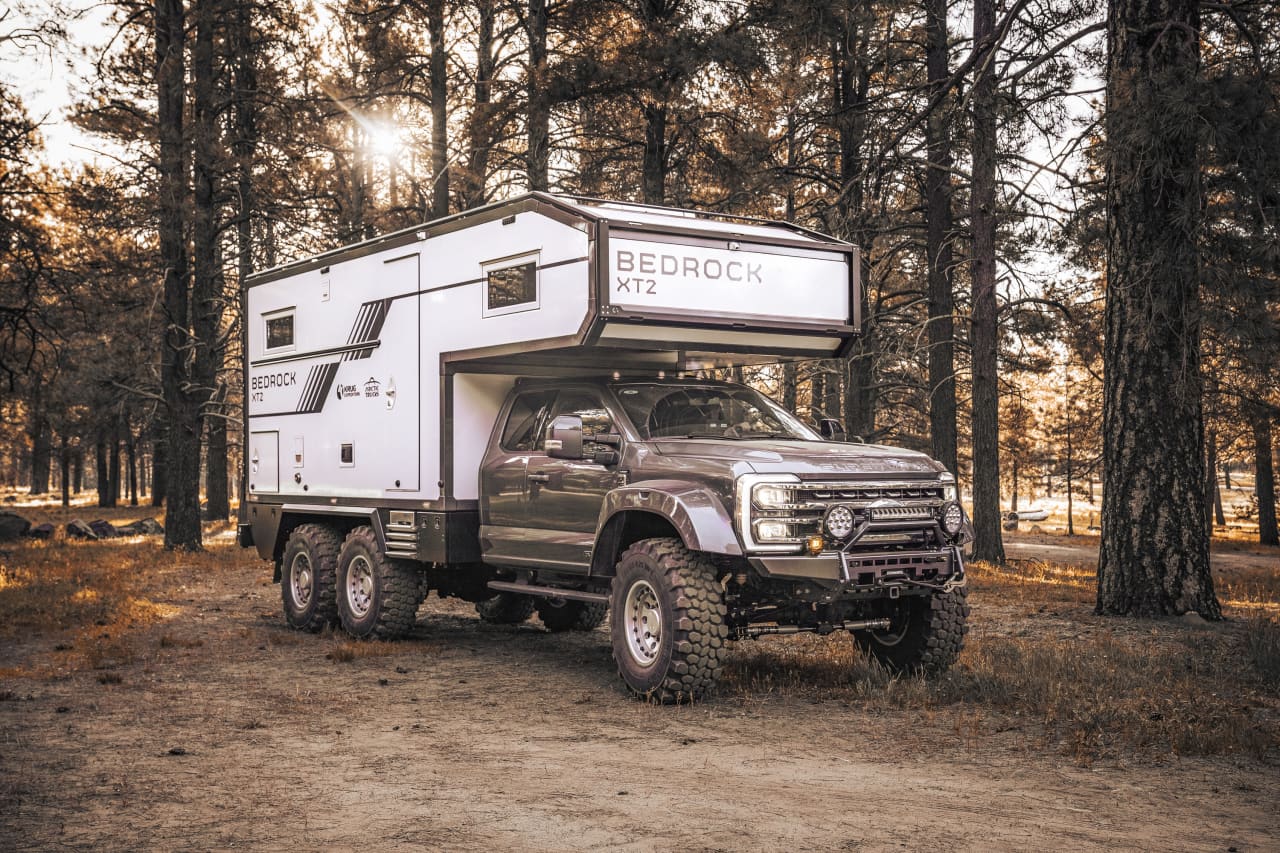
People do like to sit high in their rides, but this high? A ladder would have been helpful to mount the extra-tall Krug Expedition Bedrock XT2, a US$690,000 go-anywhere camper from an Austrian company that wants to conquer the American off-road RV market. This is off-the-beaten-path glamping at its finest.
The example tested is, so far, the only one, but Krug has high hopes for the American market, which has a growing appetite for “expedition” off-road vehicles ranging from trucks to beefed-up RVs. The company describes the XT2 as a “6×4 off-road machine converting a luxury variant of the Ford Super Duty F-550 and bringing it to the next level with suspension and chassis frame reliability.” In other words, it’s a rugged three-axle truck with a double bed attached. The camper is a joint production with Iceland-based Arctic Trucks, which specialises in polar expeditions to the Arctic and Antarctic.
One of Arctic’s vehicles set a speed record of 108 hours from the Russian Novolazarevskaya Antarctic research station to the South Pole in 2010. The XT2 might be ideal, then, for a trip through the spectacular scenery of Alaska or for hitting the highway in Canada and driving north. The truck is ready to go off the grid, supported by electric power from a 1,450-watt-peak solar panel array and a 23-kilowatt-hour battery bank.
The founder of Krug, Viktor Ermolov, tried a competitor’s expedition vehicle around 2010 and thought he could do better with a vehicle filling an unmet need for a light (relatively speaking) expedition camper that could drive well in extreme terrain. The first truck came out in 2011.
Krug
“Our clients are adventure-seeking individuals with a passion for nature and conservation. They prioritise quality, reliability, and sustainability in their purchasing decisions and are motivated by the desire for unique and meaningful experiences,” Krug Expedition CEO Slawa Knorr said in a statement to Penta .
Asked about the typical client, he said that young couples and families with children are being seen more and more.
On the road, the 9,000 to 10,000-pound XT2, which looks like a normal truck-mounted camper on steroids, was surprisingly easy to drive. Under the hood was a Ford Powerstroke 6.7-litre diesel with direct injection and 330 horsepower, with the weight of the camper yielding something like nine miles per gallon. The assisted steering was fairly light. The brakes felt like they were hauling down considerable weight, which they were. The biggest consideration while driving was considering the width and avoiding contact with cars lining the road. The cab was relatively comfortable, and the visibility good except toward the back, where the big mirrors became extra important.
The third axle decreases ground pressure up to 25%, and the big Continental multi-purpose tires provide a lot of grip. The rear air suspension is adjustable from the cab to accommodate heavy loads and rough terrain.
Krug
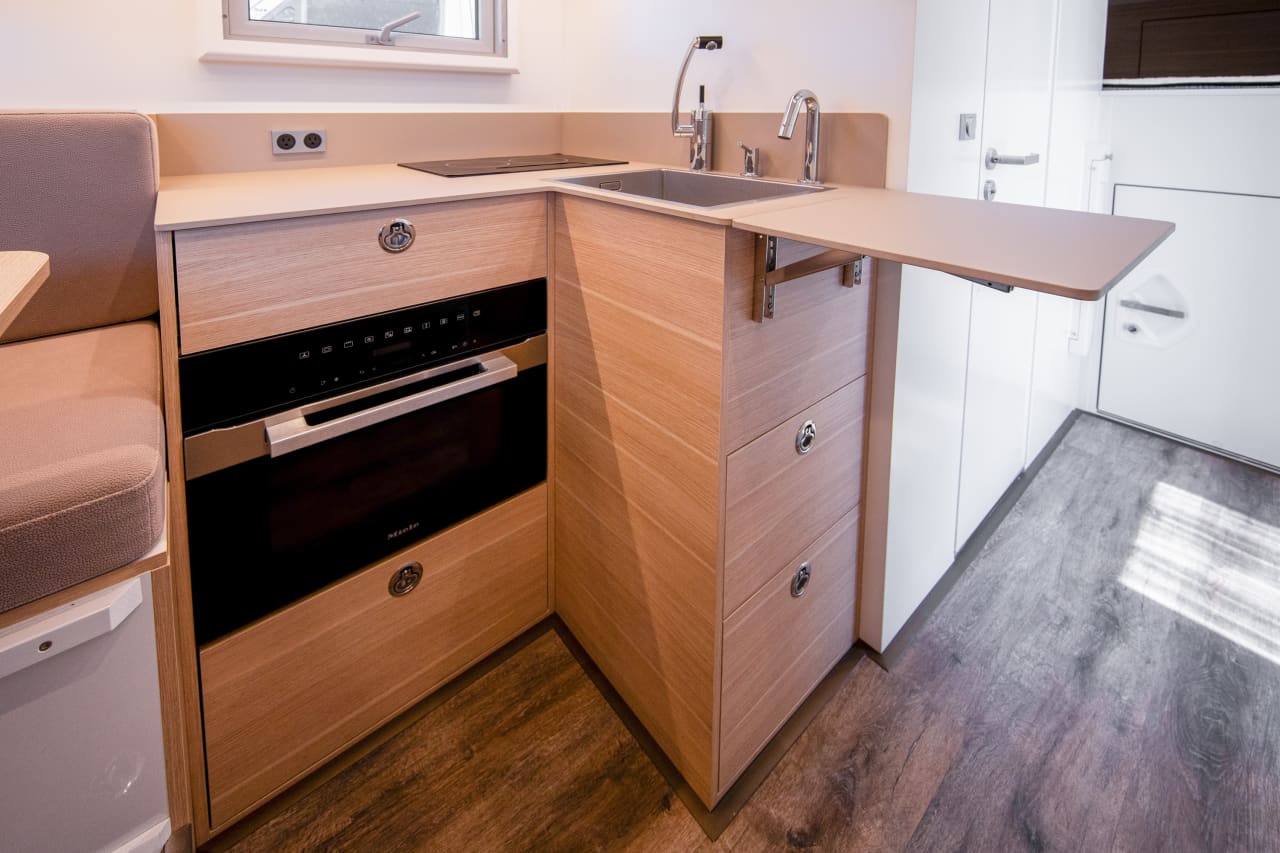
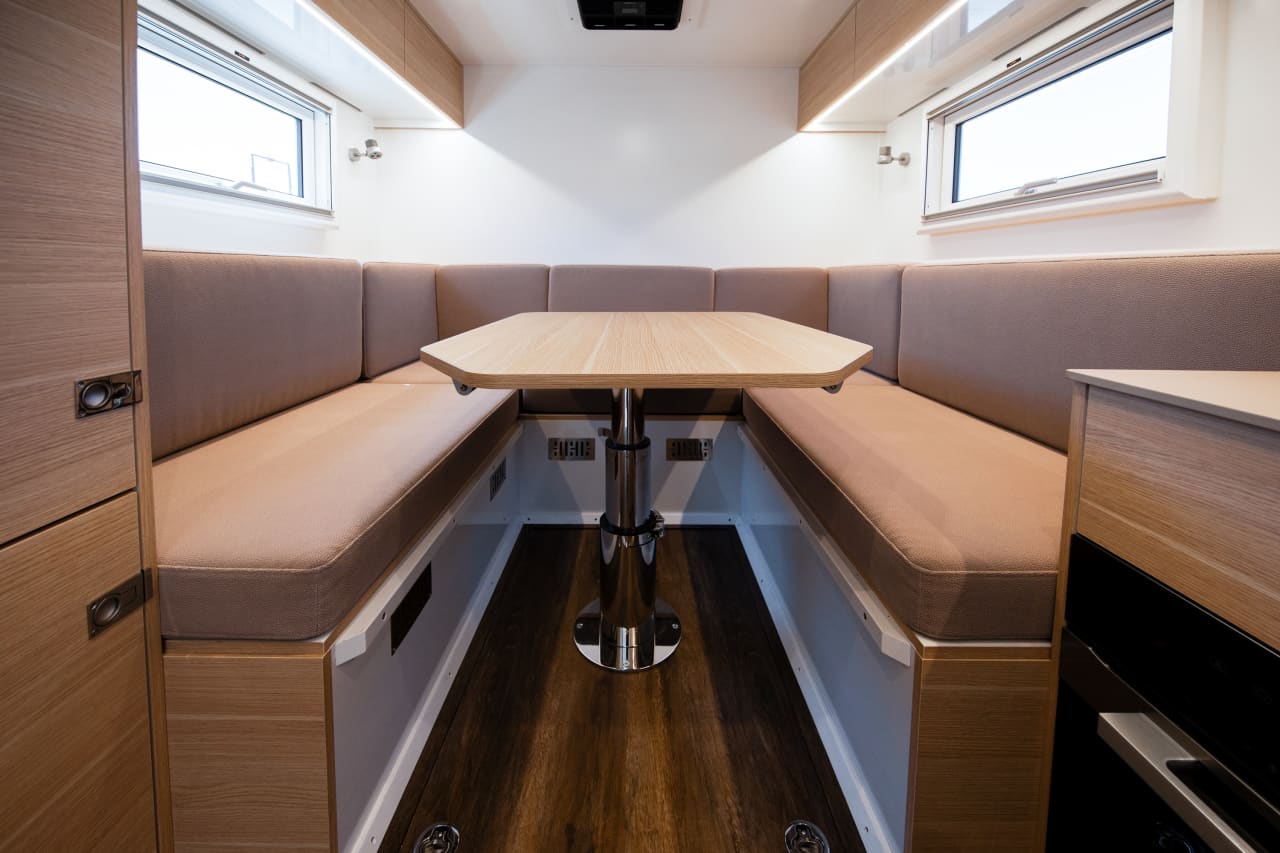
The exterior camper panels are made from a high-grade, glass-reinforced plastic (GRP) laminate that is 70% fibreglass. Inside, the XT2 offers functional luxury. There was a comfortable-looking king bed in its own nook, a kitchenette, a bathroom with walk-in shower supported by a 118-gallon filtered water tank, and a dining area and lounge with a 32-inch TV (with Starlink connectivity) and a table that converted to a second sleeping area. For a week away, it was more than fine, and the buyer can make it as luxurious as they want.
Krug
The kitchen’s fresh water uses the General Ecology Seagull IV-X2 system to banish chemicals, bacteria, and viruses. It may be cold where you’re going, so the quiet Truma Combi diesel-powered air heating system is on board, providing cabin heat and hot water. A hydronic system for underfloor heating is also available for colder climates, with automatic frost protection and radiators in the bathroom and dining area radiators. And for hotter weather, there’s the highly energy-efficient Nomadic Cooling air-conditioning system.
If cooking al fresco is desired, a portable outdoor kitchen can be built into the underfloor storage boxes.
For weekend getaways, any number of less-expensive camper solutions are available. The XT2 is aimed at rugged adventurers, who want to be virtually self-sufficient for excursions off the beaten path. It’s not the only vehicle in this expedition category. There’s also the evocatively named Storyteller GXV Epic, priced at a similar US$696,377. This is a big, tough all-wheel drive truck with up to 1,800 miles of range, 18 kilowatt-hours of available power, a built-in washer and dryer, and more.
Or how about the Ford F-250-based US$350,000 27 North Ascender RexRover truck, which sleeps four? Need more room? The cabover Loki Steyr 1491 accommodates six.
 Copyright 2020, Dow Jones & Company, Inc. All Rights Reserved Worldwide. LEARN MORE





Australian shares fell on Thursday as Wall Street weakness, rising oil and persistent rate concerns weighed on most of the market. The S&P/ASX 200 declined 0.72 per cent to 8,702. The All Ordinaries lost 0.66 per cent to finish at 8,897. Mining stocks were hit particularly hard, while real estate also dragged on the index. …
Continue reading “ASX falls 0.7 per cent as miners and property stocks retreat”

Borrowers cannot control the Reserve Bank, but they can control how exposed their household budget is to its next decision. The RBA meets on 29 September with inflation concerns still elevated and major-bank economists increasingly bringing forward their rate-rise calls. Fixed mortgage rates have also been moving, reducing the value of waiting for perfect certainty. …
Continue reading “What mortgage holders should do before the next RBA decision”
2 min
A property portfolio can look comfortable until several small pressures arrive together: a rate increase, a vacancy, higher insurance and an unexpected repair. The correct time to model that combination is before it occurs.
Start by recalculating every loan at 0.25, 0.50 and one percentage point above its current rate. Include principal-and-interest repayments even where a loan is temporarily interest-only, because the eventual step-up may be larger than the next RBA move.
Then calculate true net rent. Deduct management, council and water charges, strata, insurance, maintenance, land tax where applicable and a vacancy allowance. A property advertised with an attractive gross yield can produce a very different result after these costs.
Third, review the portfolio’s liquidity. An offset account can reduce interest while keeping cash accessible, but investors should obtain tax advice before moving funds between loans. The distinction between investment and private debt affects deductibility, and poorly structured redraws can create lasting complexity.
Fourth, examine refinancing risk rather than just today’s rate. A highly leveraged investor may be unable to refinance on the same terms because the new lender tests total debt at a higher assessment rate. Credit-card limits, owner-occupied debt and shaded rental income can all reduce capacity.
Fifth, rank properties by resilience. Consider net yield, vacancy risk, near-term capital expenditure, tenant demand, debt attached and the cost of selling. This is not an instruction to sell the weakest performer automatically; transaction costs and tax consequences matter. It is a way to identify where pressure would emerge first.
Investors should also review fixed-rate and interest-only expiry dates. A portfolio with several facilities resetting in the same quarter carries concentration risk even when each loan appears manageable individually.
The goal is not to predict the RBA perfectly. It is to ensure that one policy decision does not force a rushed refinancing, sale or reduction in essential maintenance. A portfolio that can absorb higher rates and temporary income interruptions gives its owner time to make deliberate decisions.
Read more: What mortgage holders should do before the next RBA decision
Portfolio checklist
Stress test: Current rate plus 0.25, 0.50 and one percentage point.
Model: Net rent after every recurring cost and vacancy.
Check: Fixed-rate expiries, interest-only expiries and loan maturity.
Preserve: An accessible emergency buffer.
Review: Insurance, land tax, strata works and major maintenance.
Seek advice: Licensed credit, financial and tax advice before restructuring.
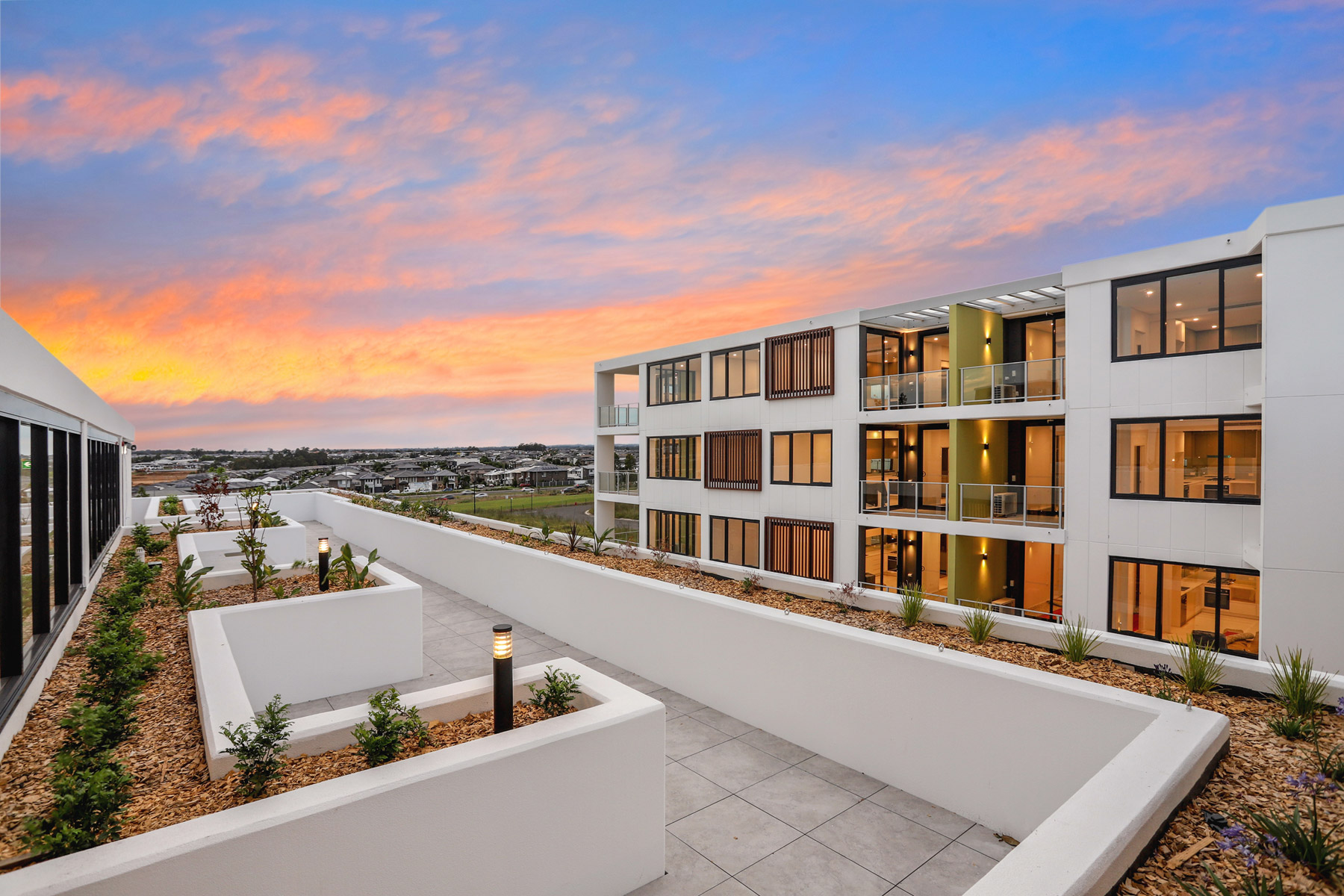
Ophora Tallawong has launched its final release of quality apartments priced under $700,000.

From citrus oils to warming spices, the classic G&T is being reimagined at home as a more thoughtful, seasonal ritual for modern entertaining.