Why Disney Is Plowing Cash Into a Cruise Line Expansion
Entertainment titan plans to launch seven new ships by 2031, looking to overseas markets far from theme parks

 4 min
4 min
Chief Executive Bob Iger had christened the 1,119-foot-long Disney Treasure the previous evening while 1,000 drones hovered overhead in the shape of a Champagne bottle. The fleet of drones transformed into shapes of images from “Aladdin,” “Coco,” “Moana” and other movies as pop star Jordin Sparks belted out a song written specially for the new ship.
The spectacle was a coming-out party of sorts for a business that for years has played a bit part in Disney’s overall entertainment empire, but is now increasing in prominence. Growth is slowing in the entertainment company’s parks businesses, and its legacy TV business is suffering from cord-cutting , but Disney fans worldwide can’t seem to get enough of cruises.
When Disney announced plans last year to “turbocharge” investment in its Experiences division, which includes theme parks, resorts and consumer products, the company said 20% of the $60 billion over the next decade would go toward its cruise business and other projects that haven’t been announced yet. Disney plans to more than double its fleet from six to 13 ships by 2031 and further expand its service internationally. undefined undefined “Given the fact that we are still a relatively small player and we see this strong demand, it’s only natural and actually the best time to invest in this business,” said Thomas Mazloum , who leads the part of Disney’s Experiences division that includes cruises.
Cruise travel overall surpassed prepandemic levels last year, attracting 31.7 million passengers, up from 29.7 million in 2019, according to the Cruise Lines International Association, a trade group.
More affluent millennials are choosing cruises over land-based vacations in part because a host of new, larger ships with premium amenities make them feel they get good value for the money, JPMorgan Chase said in a June research note. Rising international airfares have also made cruises that leave from ports in their home country more attractive to some overseas families.
Most cruise lines offer chaperoned children’s activities. On the Disney Treasure, parents can sunbathe with cocktails by the pool while children are entertained until as late as midnight with activities such as playing in a “Star Wars”-themed workshop, completing hero’s missions set in the Marvel Comics universe or designing a virtual theme-park ride to their specifications.
The Disney Treasure offers “Moana” and “Beauty and the Beast” themed stage shows, a piano bar themed after the movie “The Aristocats,” and a Mexican eatery where you can watch mariachi musicians sing songs from “Coco” while you sip a margarita and eat enchiladas. On a typical Disney cruise, costumed characters such as Pluto, Goofy and Donald Duck roam the decks and movie theaters show Disney films that are playing on land in cinemas.
Disney is betting that interest in cruises will prompt travelers to pay more for its cruises, which tend to cost more than mass-market cruise lines such as Royal Caribbean or Carnival. A four-day cruise to the Bahamas for a family of four on the Disney Wish ship, leaving from Florida’s Port Canaveral during a popular spring-break week next April, starts at $7,692. On Royal Caribbean, a much larger cruise line, a comparable trip starts at $3,368.
“You’re paying up to cruise with Mickey,” said Matt Hochberg, editor of Royal Caribbean Blog, which focuses on the cruise industry and isn’t affiliated with the cruise line.
Disney says that some of the cost of cruise tickets comes from docking fees charged at ports, which are largely passed on to the customer. Entertainment and dining options and even free unlimited soda—a perk harder to come by on competitors’ cruises—are part of the value proposition that passengers find attractive, the company said.
“You want it to feel like part of the mythology,” said Danny Handke, one of Disney’s parks and attractions designers who helped create the Haunted Mansion-themed bar aboard the Treasure.
The company discloses certain financial metrics for its cruise business but doesn’t share its full financials. In the year ended in September, Disney said a 5% increase in revenue for the Experiences division that includes cruises was driven in part by higher average cruise line ticket prices.
“Passenger cruise days,” the number of passengers aboard Disney ships multiplied by the days they spend on voyages, rose 14% in the company’s 2023 fiscal year (the most recent time period for which such figures are available) and 32% the previous year.
Mazloum, the head of the division that includes cruises, said that with only 5% of the Caribbean market and 2.5% of the global market, Disney is still a small player in cruising. But among Disney’s menu of entertainment options, it is one of the experiences that rates the highest among guests.
Consumer satisfaction surveys show that 82% of Disney’s cruise passengers intend to take another and that sea journeys are the highest-rated experience in Disney’s Entertainment division portfolio, Mazloum said.
At Disney’s busiest cruise port, Port Canaveral, two of the line’s ships launched 157 voyages that were on average 92.4% full in the year ended in September, publicly available port information shows. That metric, the average number of passengers per vessel as a proportion of each vessel’s maximum capacity, has returned to prepandemic levels for Disney.
Disney is now increasingly focused on the Asian market, where hundreds of millions of potential Disney Experiences customers live without a nearby theme park.
Launching next year, the Disney Adventure, which can hold up to 6,700 passengers and will initially operate in Southeast Asia, is Disney’s biggest ship yet. It will sail out of Singapore—the company’s first-ever service there—and aims to attract affluent Indian, Indonesian and Malaysian travelers.
 Copyright 2020, Dow Jones & Company, Inc. All Rights Reserved Worldwide. LEARN MORE




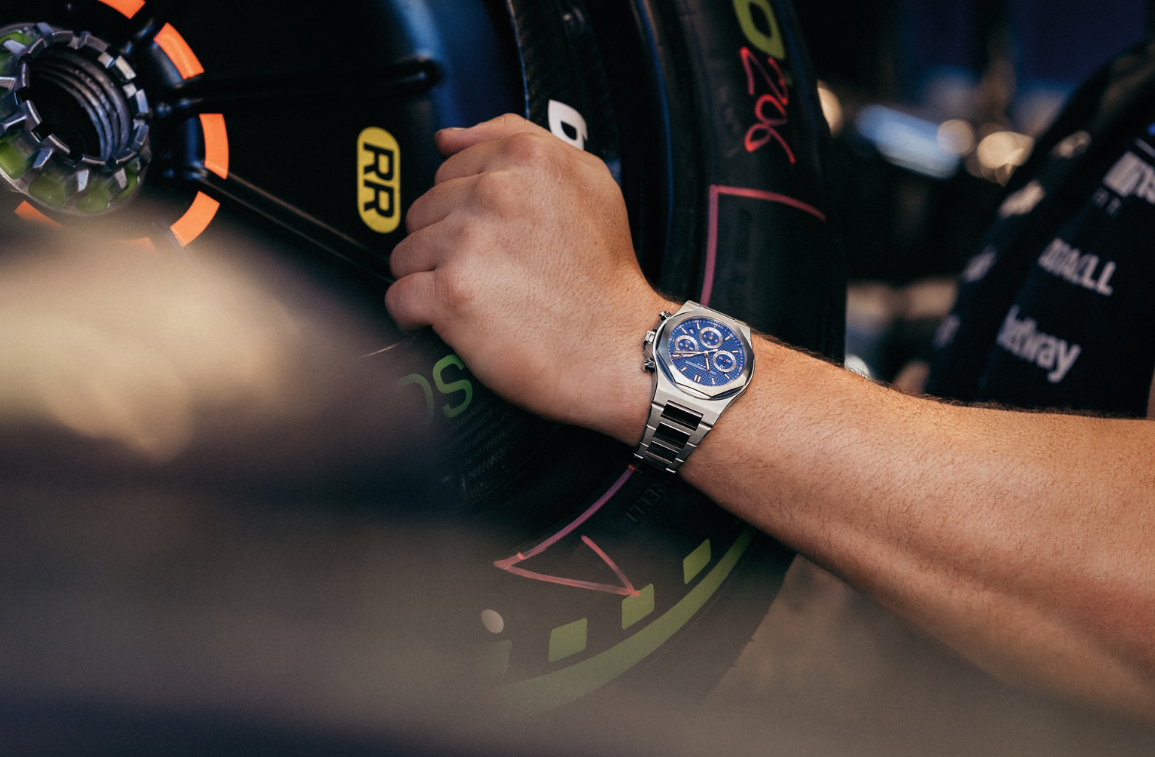
The Swiss watchmaker’s first collaboration with Atlassian Williams F1 Team produces two sporting Laureato models inspired by the team’s 2026 racing car.
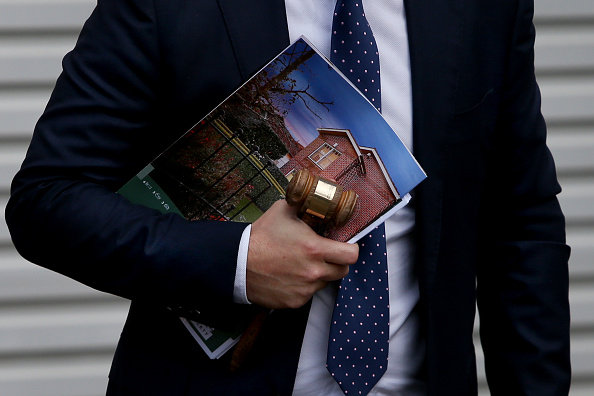
Victorian auction buyers will soon receive a piece of information that has traditionally been withheld until bidding reaches it: the vendor’s reserve price. Under new property-sale and underquoting laws, agents must publish the agreed reserve at least seven days before an auction or fixed-date sale. Most changes begin on 1 October 2026 and apply to …
Continue reading “Victoria’s New Auction Rules Will Force Reserve Prices Into the Open”
Paramount and California’s attorney general are in advanced settlement talks over the company’s proposed $81 billion merger with Warner Bros. Discovery. Potential concessions include investing $1.5 billion in California production, retaining both studio lots and introducing safeguards for CNN’s editorial independence.
3 min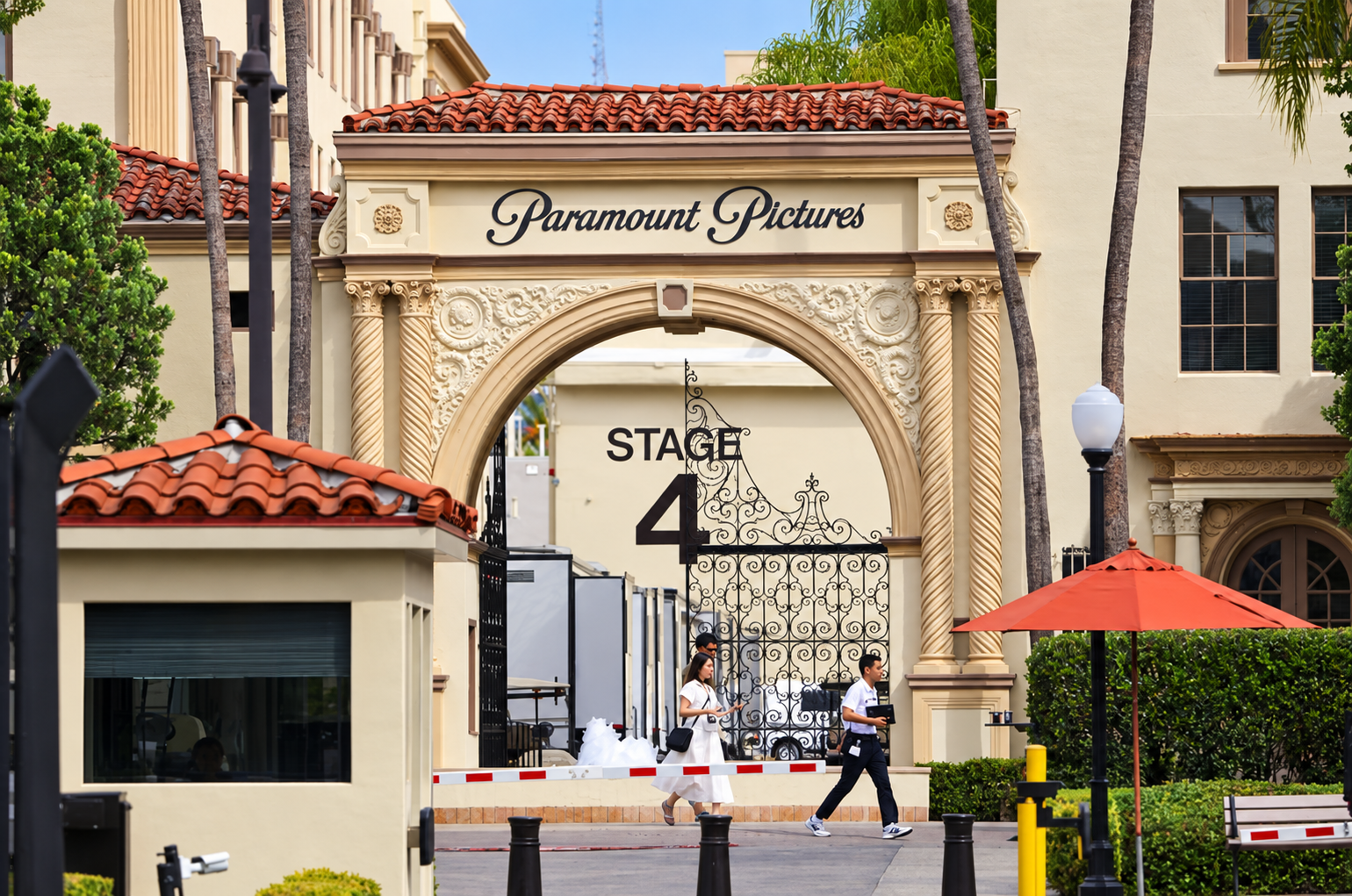
California’s attorney general and Paramount PSKY -3.86%decrease; down pointing triangle have discussed a series of potential concessions as part of advanced settlement negotiations, including a $1.5 billion investment by the company in production in California, according to people familiar with the discussions.
Paramount executives and a coalition of states that sued to block its $81 billion merger with Warner Bros. Discovery WBD -1.56%decrease; down pointing triangle spent the weekend hashing out the details of a possible settlement. Such an agreement would clear the way for a deal that would bring HBO, CBS, CNN, streaming services and famed movie studios under one owner.
Among the concessions the parties have discussed beyond the sizable production investment: a promise not to sell either studio lot and to stay in the state of California, the people said. The company had explored moving out of the state as the deal faced opposition.
The parties have also considered potential penalties if Paramount doesn’t make good on an earlier pledge to make 30 movies a year after the merger, including having to sell its stake in Miramax, known for such classic movies as “No Country for Old Men” and “Pulp Fiction,” the people familiar with the matter said.
Other measures the sides have explored include the sale of some cable channels and the creation of a board to ensure that CNN retains editorial independence, people with knowledge of the talks said. The network has been a political flashpoint throughout Paramount CEO David Ellison’s fight for Warner. Paramount had been discussing creating such an editorial board before the lawsuit.
A final deal hasn’t been reached, and it is unclear what terms the parties may ultimately agree to.
Ellison has spent the past year fighting to buy Warner in a megadeal that would expand his entertainment empire, but that has drawn opposition from some political and Hollywood figures.
A dozen Democratic-led states led by California Attorney General Rob Bonta sued in July to block the deal on antitrust grounds, arguing that the combination of Paramount and Warner would create too much concentration in the markets for theatrical films and cable television channels.
The Writers Guild of America sued over the merger, saying that the deal would eliminate jobs and career opportunities for Hollywood screenwriters.
About two dozen demonstrators gathered in front of the Elihu M. Harris State Office Building in downtown Oakland on Sunday evening to protest a potential settlement. Holding signs reading “Bonta: Don’t You Dare” and “Block the Megamerger,” they took turns giving speeches urging the attorney general to continue pressing the suit.
“Nothing has changed since he filed the case,” said Annie Leonard, co-founder of the nonprofit Committee for the First Amendment, which advocates for free expression. “He needs to stay as strong as he was in filing it.”
The two sides had come under pressure to settle the matter in recent months, including from California Gov. Gavin Newsom, Los Angeles Mayor Karen Bass, gubernatorial candidate Xavier Becerra, movie theater chains and some Hollywood labor unions.
Paramount’s agreement with Warner also included a “ticking fee” with payments to Warner shareholders of roughly $650 million a quarter, or $7 million a day, beginning next month, until the transaction closes.
Paramount had asked a federal judge to require the states and the Writers Guild to put up a nearly $1.9 billion bond for challenging the acquisition, money that would go to the company if it ultimately won the case.
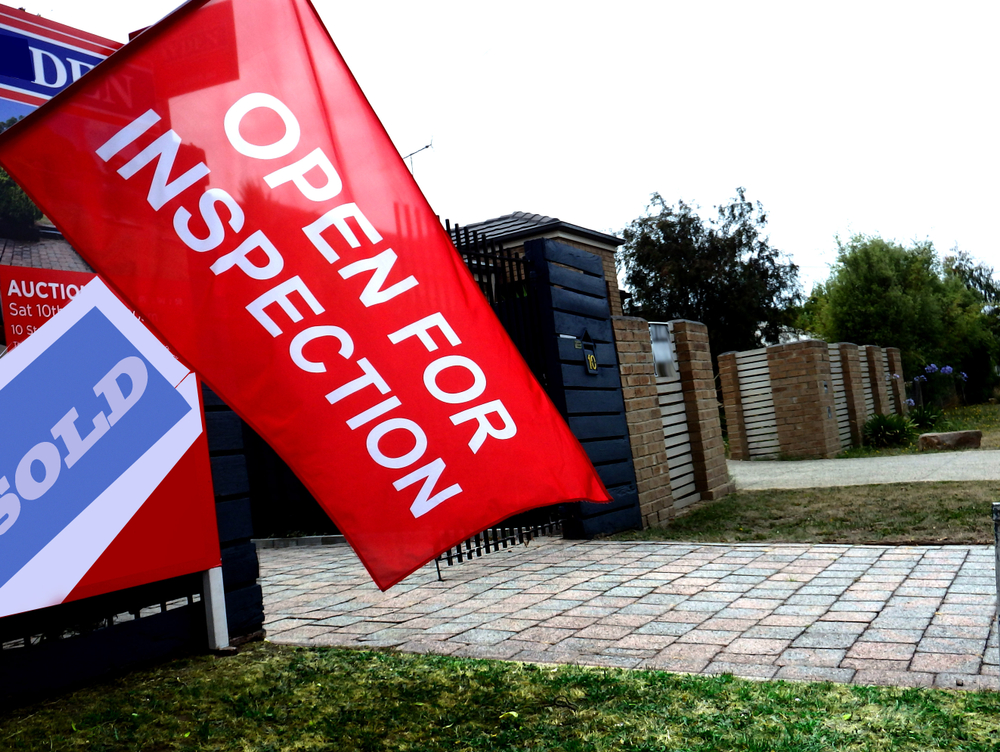
Australia’s housing market rebounded sharply in 2025, with lower-value suburbs and resource regions driving growth as rate cuts, tight supply and renewed competition reshaped the year.

A luxury lifestyle might cost more than it used to, but how does it compare with cities around the world?