Sydney’s Hidden Chateau: Bellevue Hill’s Regal Landmark on the Market
Beyond its romantically Roman facade, this Sydney ‘palace’ is about as unique as they come.
 2 min
2 min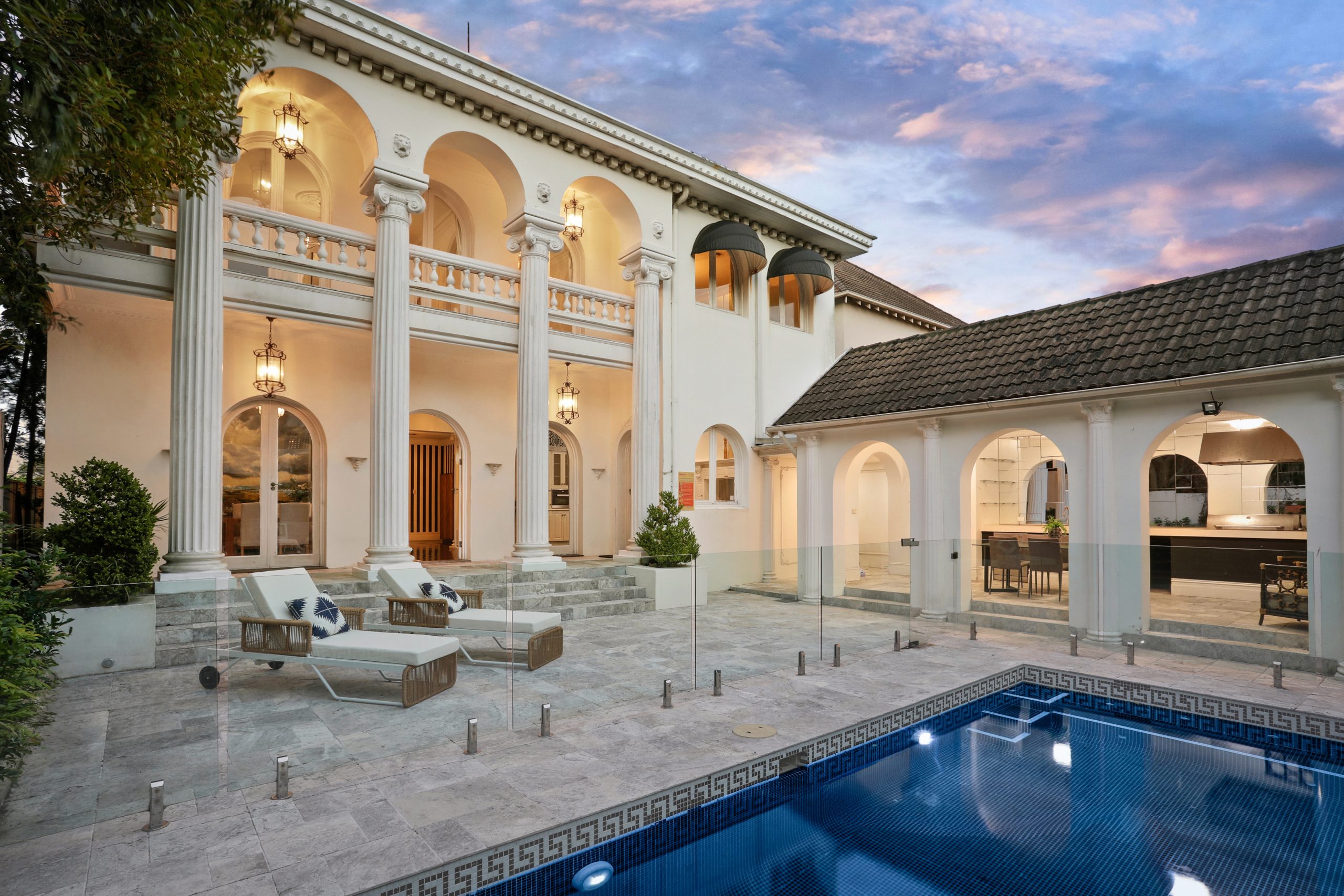
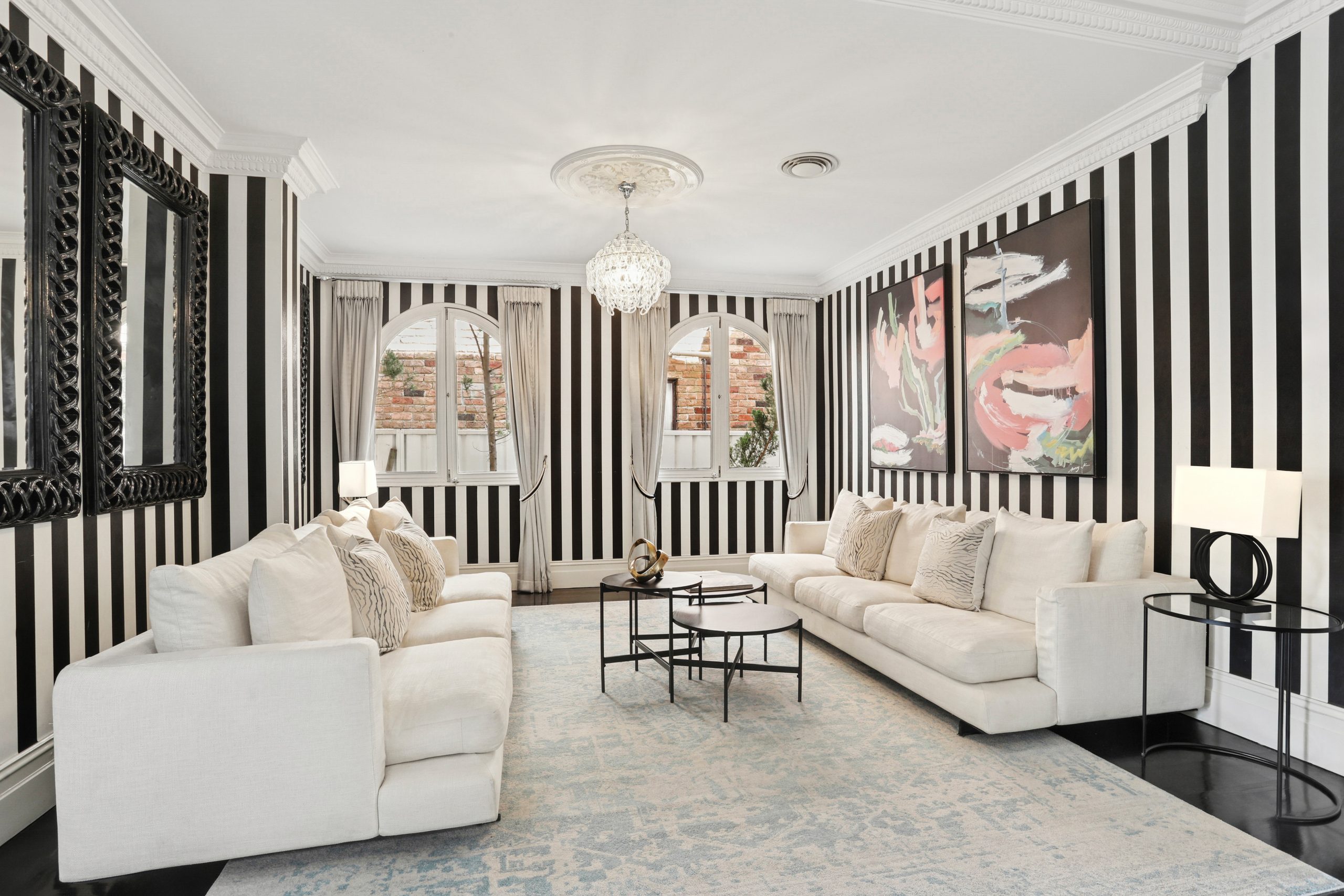
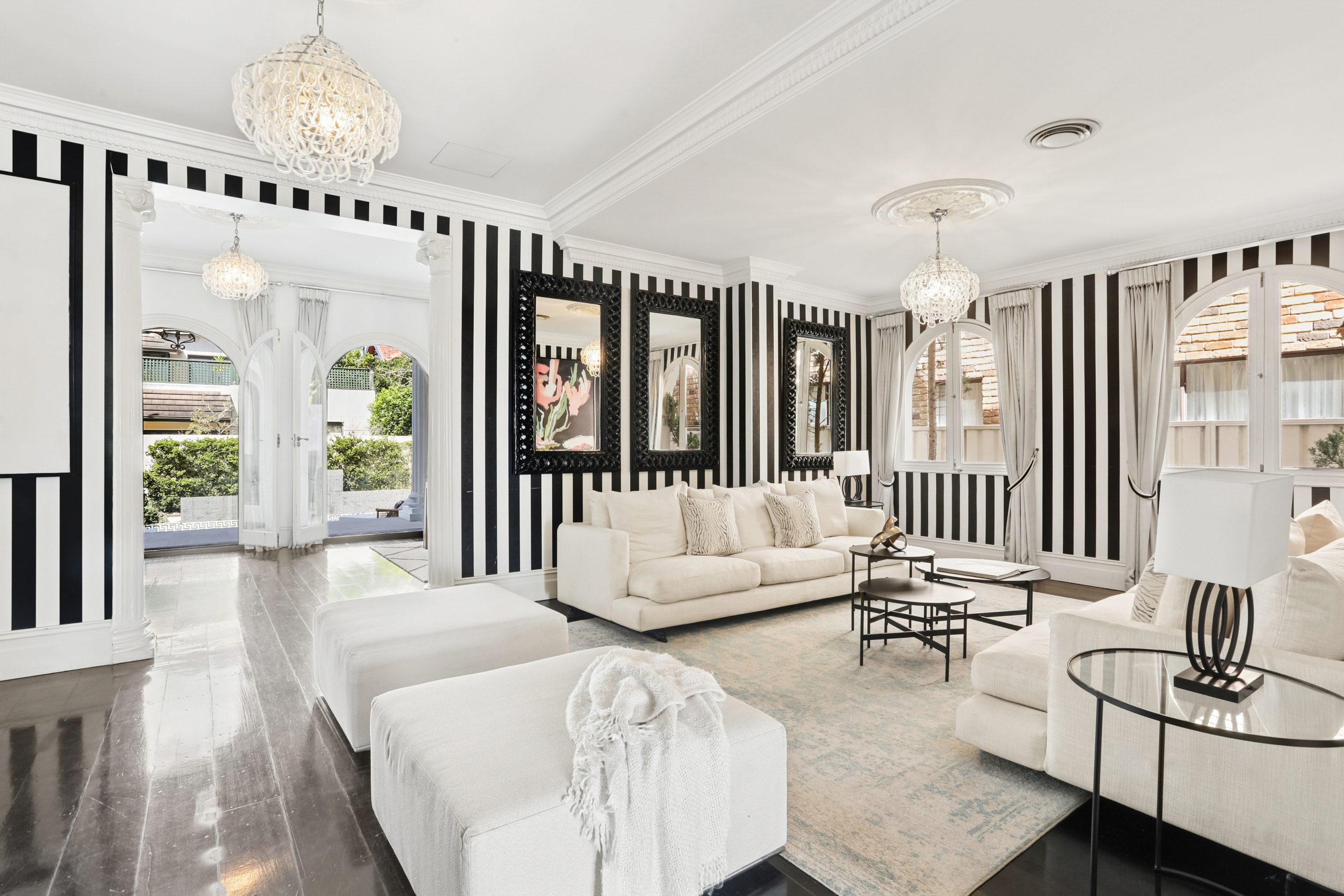
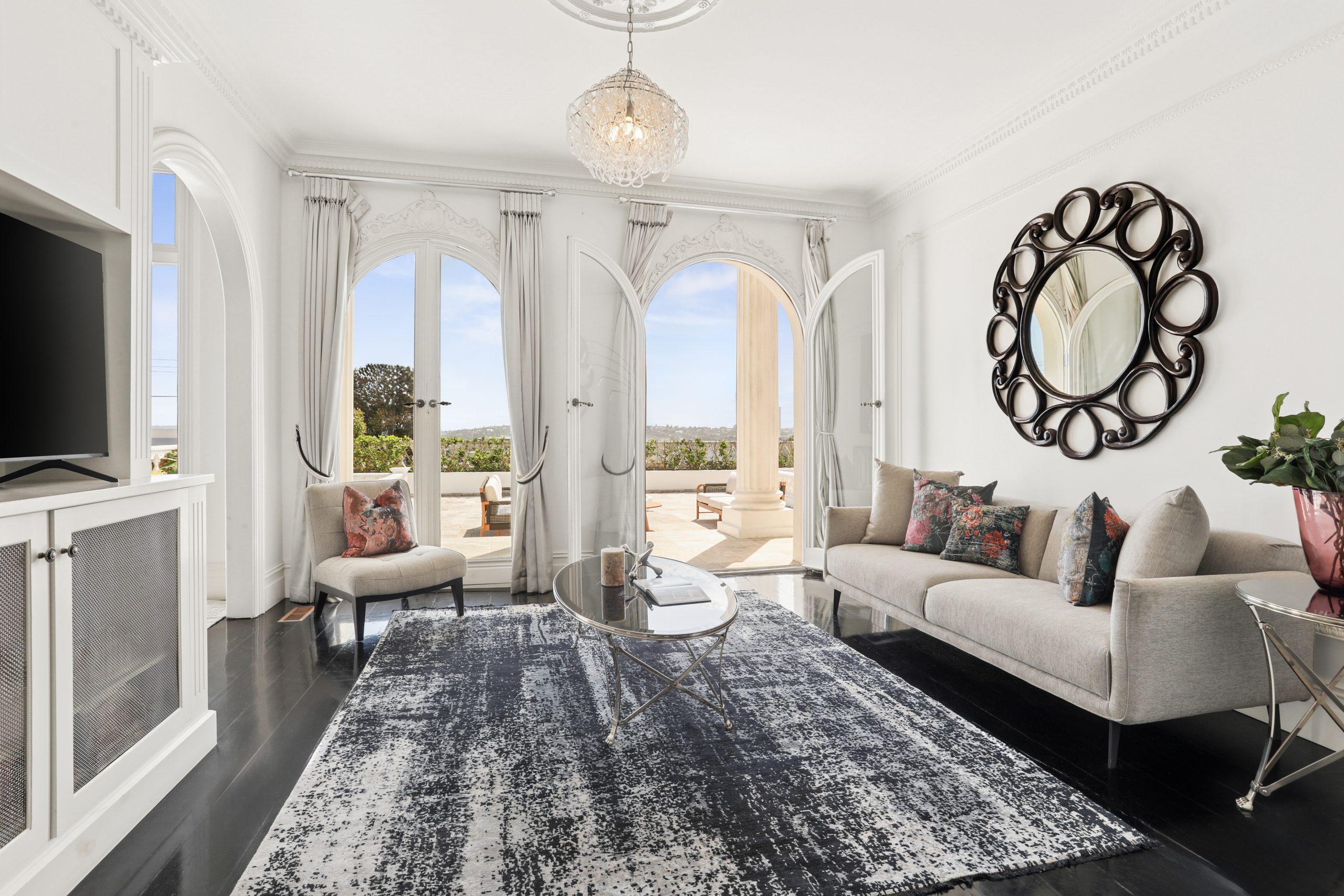
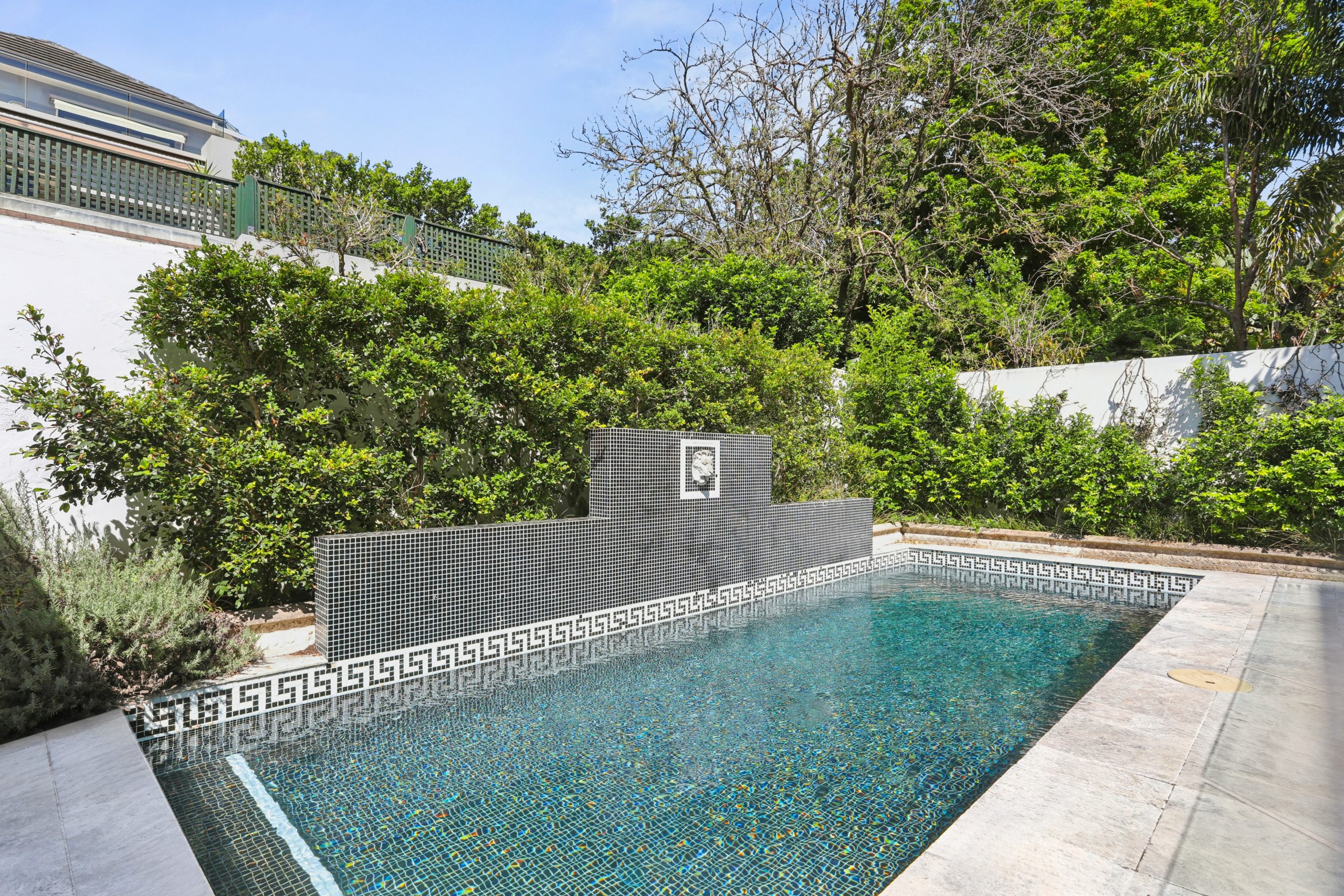

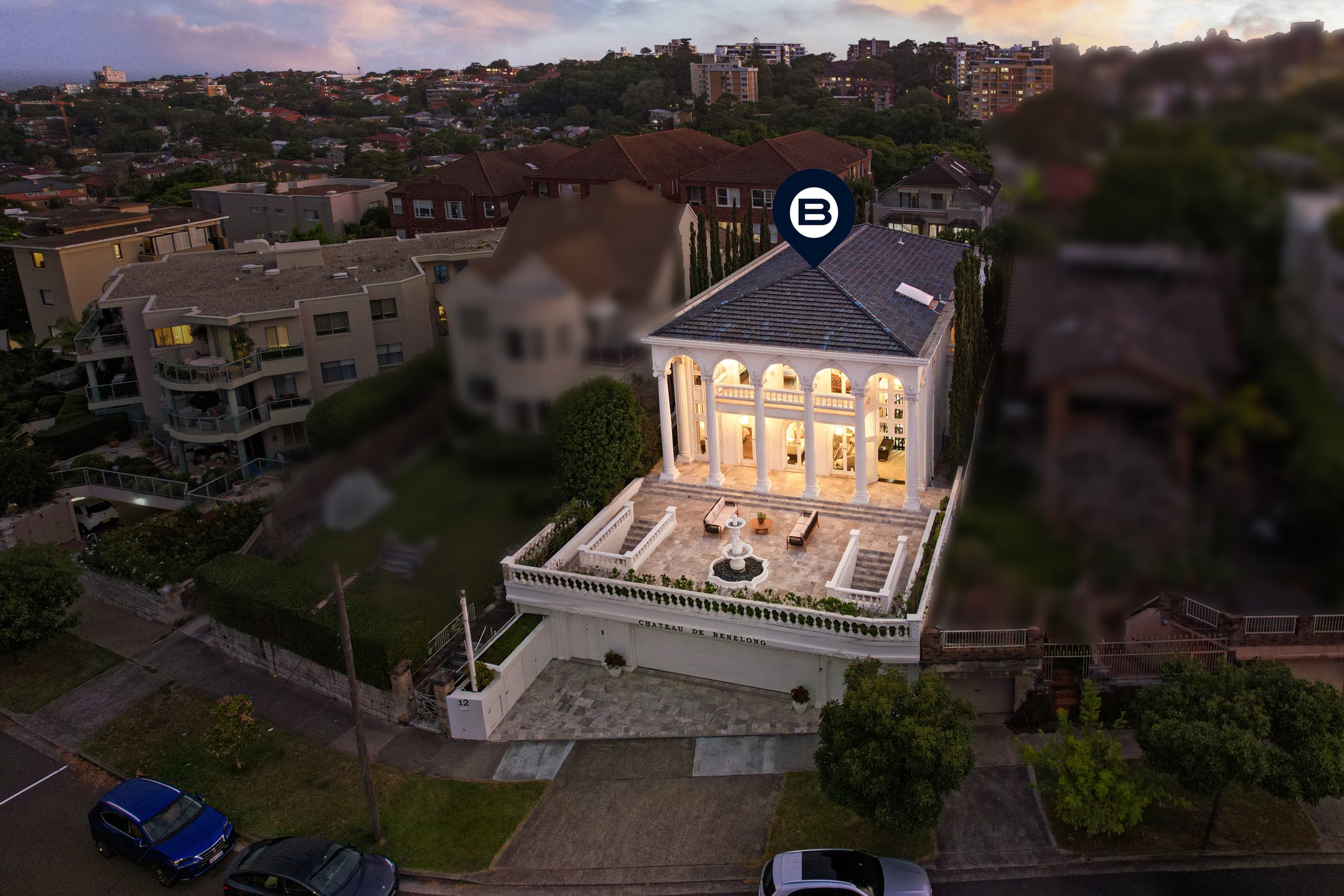
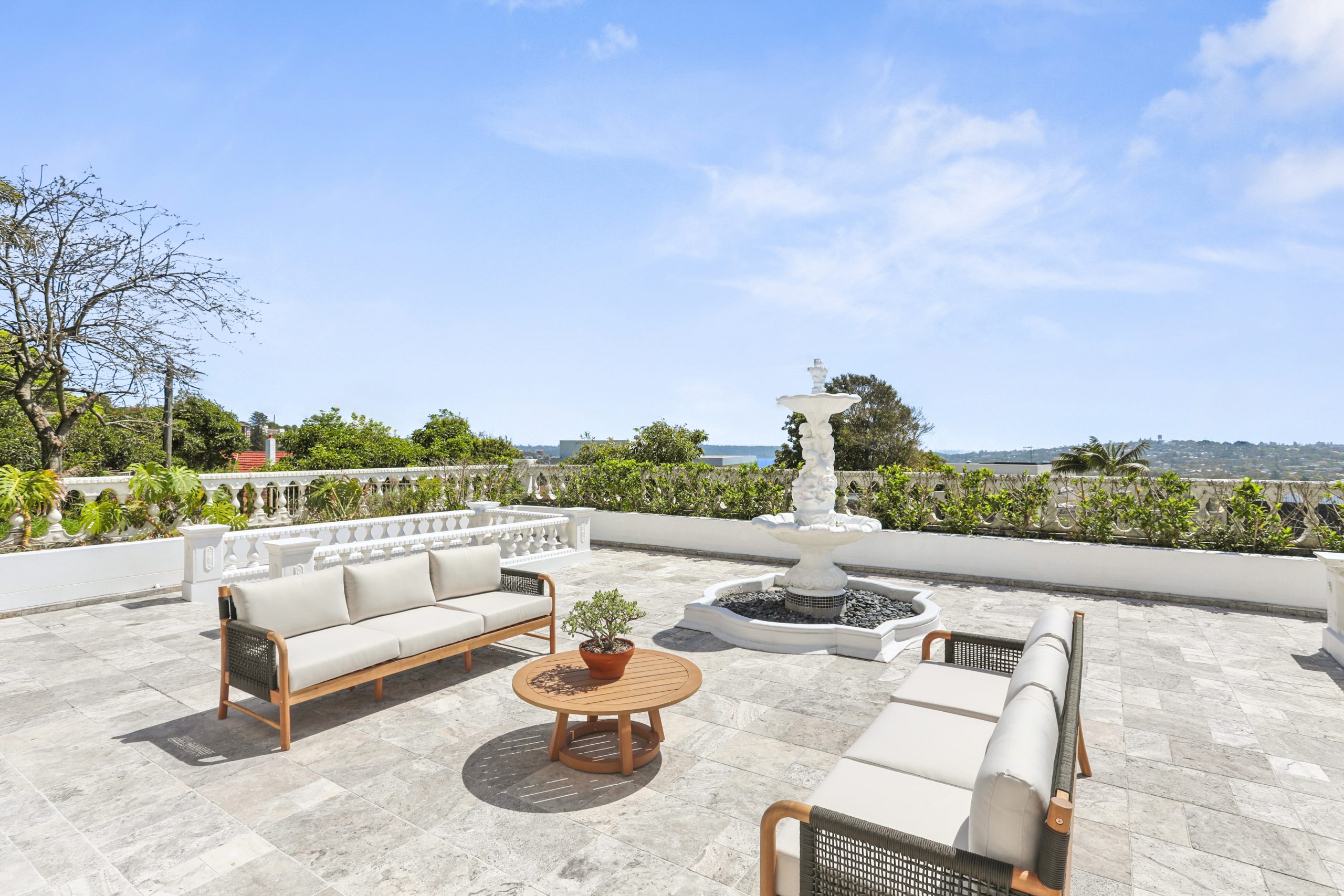
Sydney isn’t known for its castles, but Chateau de Benelong is a local landmark with a difference. The regal seven-bedroom 1970s residence with its Roman archways and Greek columns stands tall among its neighbouring contemporary homes on Benelong Cres in Bellevue Hill.
The eastern suburbs palace was created by award-winning designer Lesley Santy in the neo-classical style. Santy wasn’t known for architecture, but did win a gold medal in the 1957 international furniture exhibition in Milan.
Benelong Crescent’s landmark property stood largely untouched for decades before getting an extensive custom renovation in 2011 by former owners Nare Elio and Makedonka Del-Ben of the Big Dig Build Group. The pair had paid $3.67 million for it in 2009 and set about adding a pool, a pavilion, a home theatre and wine cellar.
It was back on the market by 2012 with a $7.5 million price guide, but ended up selling for $4.995 million. The chateau last exchanged hands in 2015 for $5.9 million.
Fast forward a decade, and Bellevue Hill is now home to Australia’s most expensive property according to Domain’s December House Price Report showing a median sale price of $8.51 million.
Today, the home described as “one of Sydney’s most iconic residences” has resurfaced with price expectations of $13 million to $15 million via Paul Biller and Ben Torban of Biller Property – the agency behind the sale a decade ago.
The impressive three-storey home is a blend of European style and theatrical Hollywood grandeur.
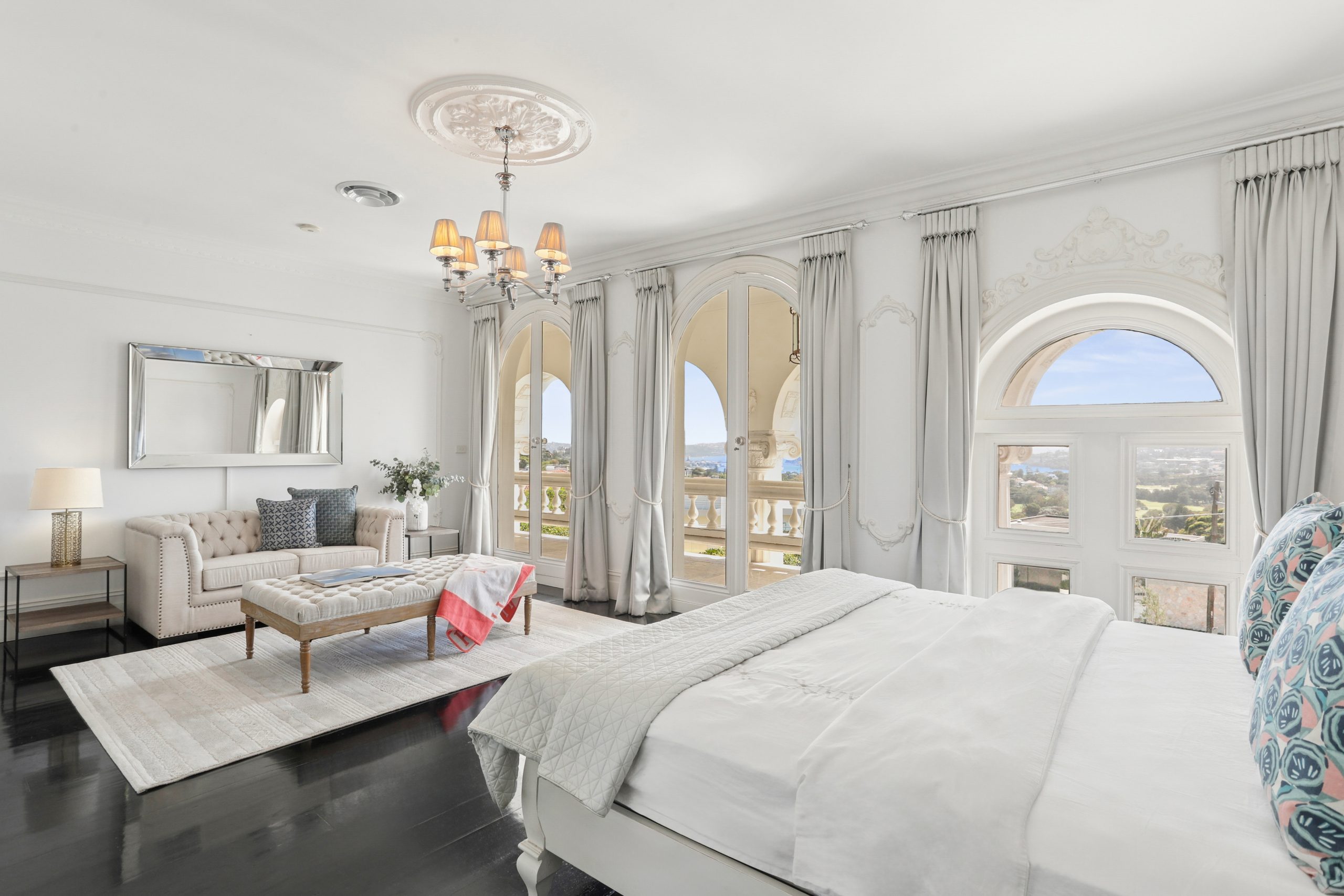
Thanks to its elevated position, Chateau de Benelong has sweeping views over the harbour from a variety of vantage points.
Across the ground floor there are several living spaces for casual and more formal entertaining, as well as wide north and south-facing terraces to follow the sun all year long. Throughout the grand home there are stylish interiors including grand hallways, high ceilings and a series of iconic arched windows which open out to private terraces.
This ground floor layout is home to two kitchens with a separate wing suitable for guest or staff accommodation. The primary kitchen has been reimagined in a French Provincial style with an adjoining outdoor kitchen and Travertine terrace for alfresco gatherings. Beyond the barbecue area, the yard has a heated mosaic-tiled pool and landscaped gardens.
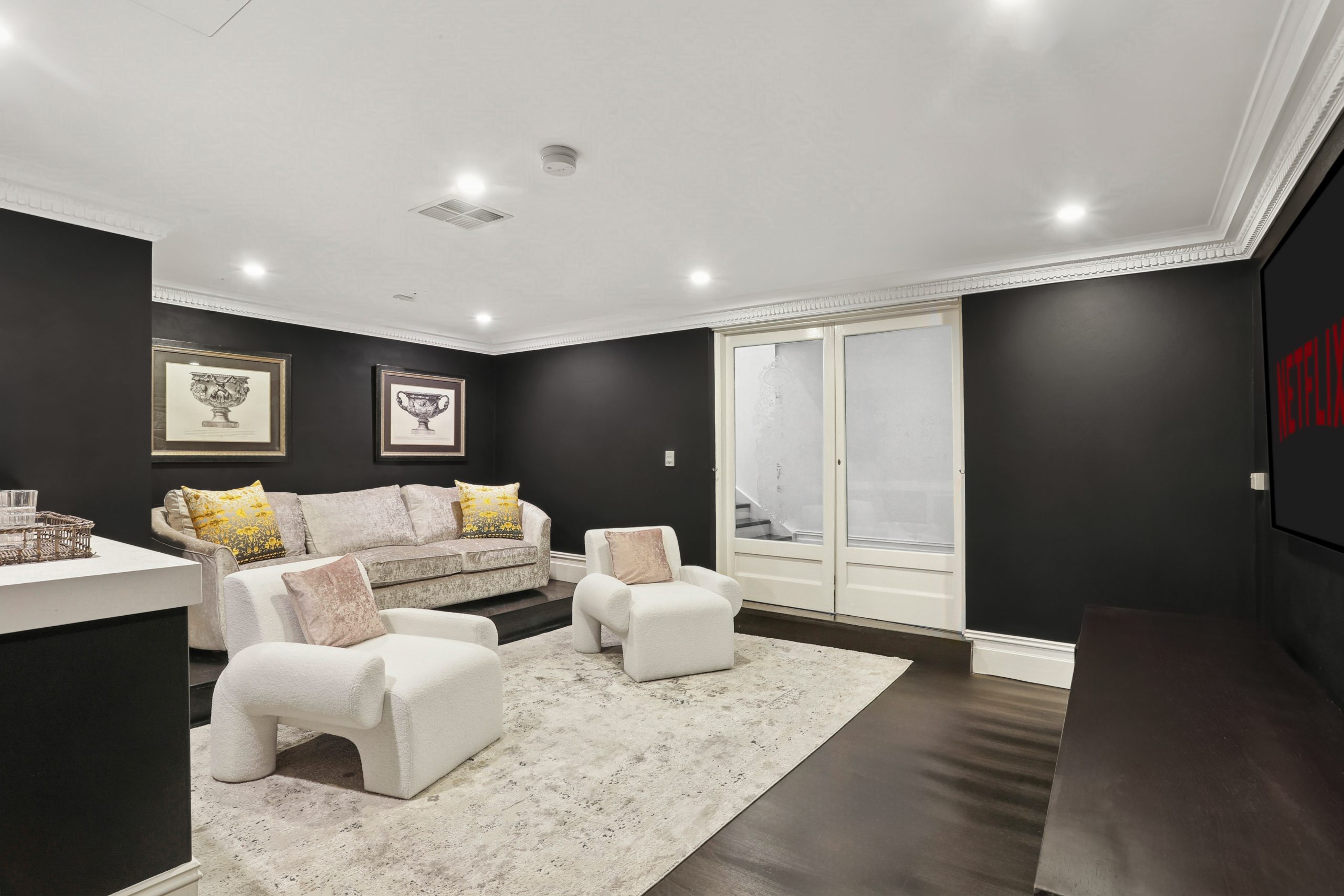
There is even more space for entertaining in style with a poolside cabana, a lower level rumpus room or home theatre plus a gym or yoga room.
Up on the accommodation level a main bedroom suite has a dressing room, a large ensuite and balcony, while four more bedrooms on the same level have Travertine ensuites or balcony access.
Additional features include internal access to a four-car garage, a wine cellar, ducted air-conditioning and DA approval for a rooftop terrace capitalising on harbour views.
Chateau de Benelong is positioned close to sought after schools, popular harbour beaches, Bondi Beach, Double Bay shopping, and the Rose Bay ferry wharf.
Bellevue Hill’s Chateau de Benelong is listed with Paul Biller of Biller Property with a $13 million to $15 million price guide.

From making unpopular decisions to learning when to listen, leaders from five businesses reveal what nobody prepared them for — and how running a company has challenged their expectations.

Technology and semiconductor shares fell sharply as investors questioned the debt financing the AI infrastructure boom and confronted higher rates and Chinese competition.

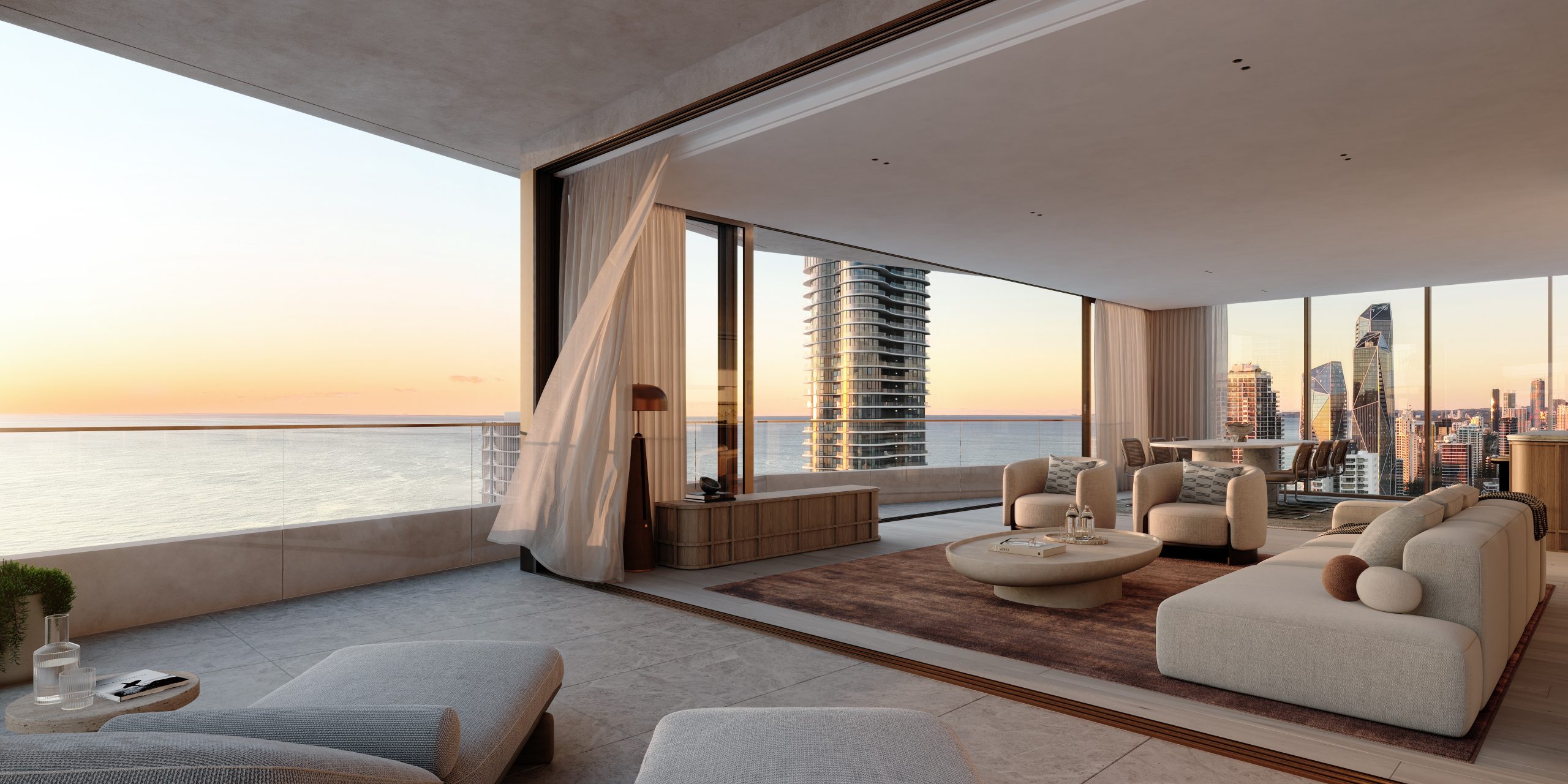
Mirvac’s 45-level Trielle has topped out at Yarra’s Edge, pairing riverfront apartments with wellness facilities, private dining and resident services.
3 min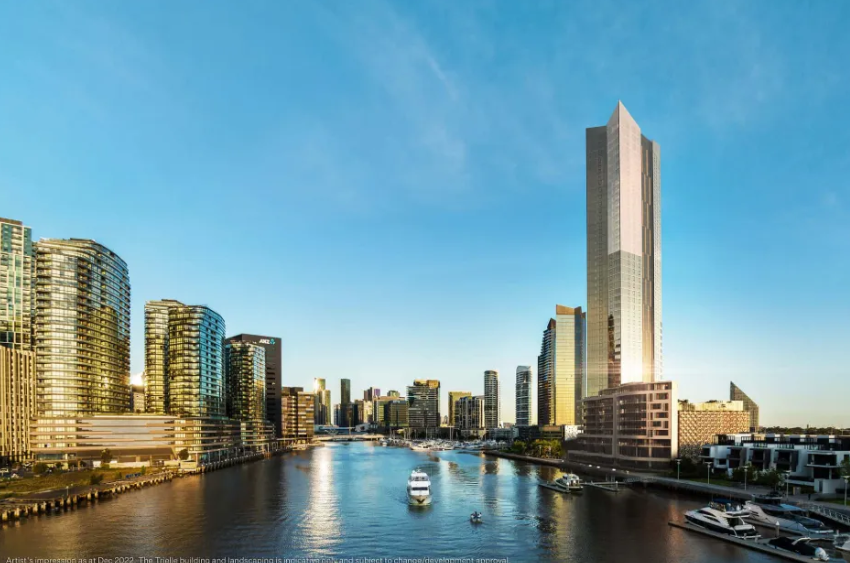
Mirvac has topped out Trielle at Melbourne’s Yarra’s Edge, with more than 70 per cent of the riverfront development sold and approximately 80 per cent of purchasers intending to make their apartment a home.
The figures, released on September 22, point to an owner-occupier audience for one of the precinct’s final residential towers. Mirvac began developing Yarra’s Edge in 2003, and its latest addition occupies one of the remaining absolute riverfront sites.
Mirvac CEO of Development Stuart Penklis said existing residents were among those moving up within the neighbourhood.
“Many purchasers already have a connection to Yarra’s Edge,” Mr Penklis said, describing buyers whose changing needs were encouraging an upgrade within the precinct.
“As one of the final residential towers within Yarra’s Edge, Trielle represents the culmination of more than two decades of creating one of Melbourne’s most established and sought-after waterfront communities,” Penklis said.
“Positioned on the Collins Street axis with absolute river frontage, Trielle offers residents a rare opportunity to enjoy sweeping views across the Yarra River, Melbourne skyline and Port Phillip Bay, while remaining seamlessly connected to the CBD. With Trielle now more than 70 per cent sold, we’re continuing to see strong demand from buyers seeking quality homes in established locations.”
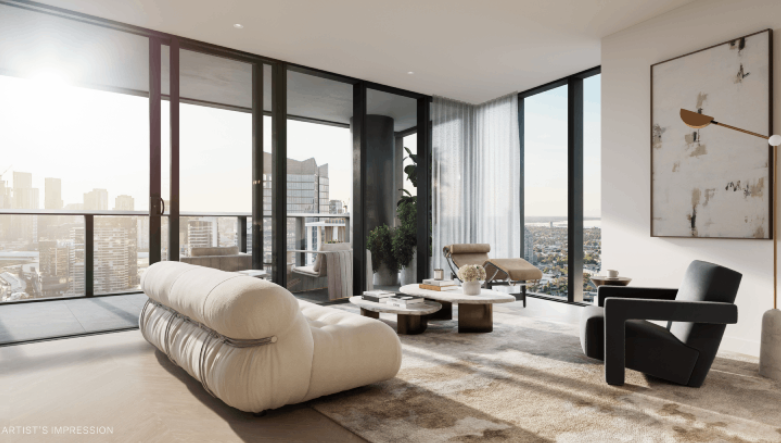
The developer also flagged a penthouse and sub-penthouse collection with larger layouts, premium finishes and broad outlooks. The planned wellness centrepiece, The Oasis, encompasses a 900-square-metre elevated urban rainforest.
Mirvac General Manager Residential Development Victoria Elysa Anderson said Trielle had resonated strongly with buyers seeking a rare lifestyle offering in Melbourne.
“Opportunities to secure a new luxury residence on a riverfront site of this calibre are incredibly rare, particularly within a community like Yarra’s Edge,” Anderson said.
“What makes Trielle unique is the combination of exceptional views, world-class residential facilities and the lifestyle that already exists around it. Residents are buying into a mature waterfront community with parks, promenades, dining, wellness and strong community connections already in place.”
The 45-level tower brings a substantial new presence to that waterfront. Its residential offering spans one-, two-, three- and four-bedroom apartments, with Signature, Prestige and Sub-Penthouse collections accommodating different household sizes. The north-facing position connects the apartments visually to the river and city beyond.
Seven storeys above the promenade, the planned Oasis combines planting and a running stream with a Scandinavian-inspired wellness club developed with spa specialist Naomi Gregory. Facilities include a 25-metre lap pool, hot magnesium pool, sauna, hydrotherapy, a gym, yoga and Pilates room, and treatment spaces.
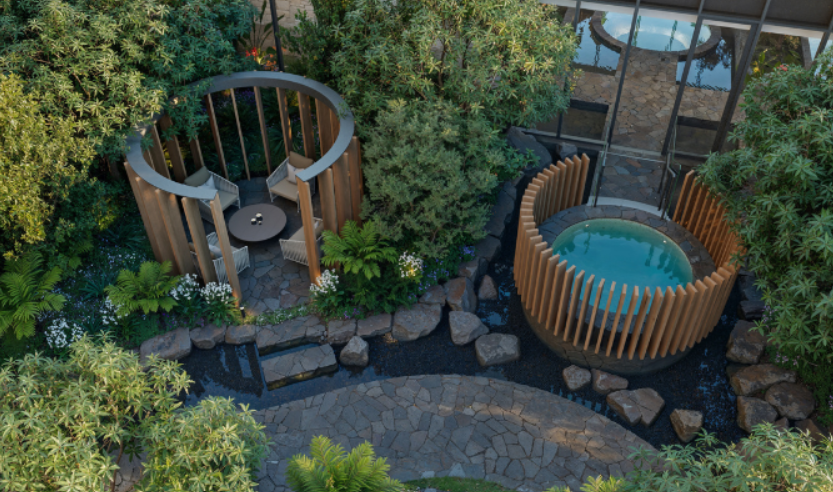
The amenity extends beyond exercise. Residents will have access to The Biblioteca library and workspaces, ground-floor work pods, and The Salone piano lounge. A private Chef’s Table dining room offers a setting for larger gatherings, while a cinema, games room and sports lounge broaden the entertaining options. Concierge services and a dog-wash area support everyday routines.
Trielle comprises a collection of one, two, three and four-bedroom residences. Reflecting strong demand from owner occupiers, approximately 80 per cent of purchasers to date intend to live in their homes, highlighting the project’s appeal to those seeking a long-term waterfront lifestyle.
Mirvac has recently delivered The Albertine, a premium apartment development on the edge of Melbourne’s CBD, and is nearing completion of Prince & Parade in Brunswick, further strengthening its portfolio of thoughtfully designed apartment communities in some of Melbourne’s most sought-after urban locations.
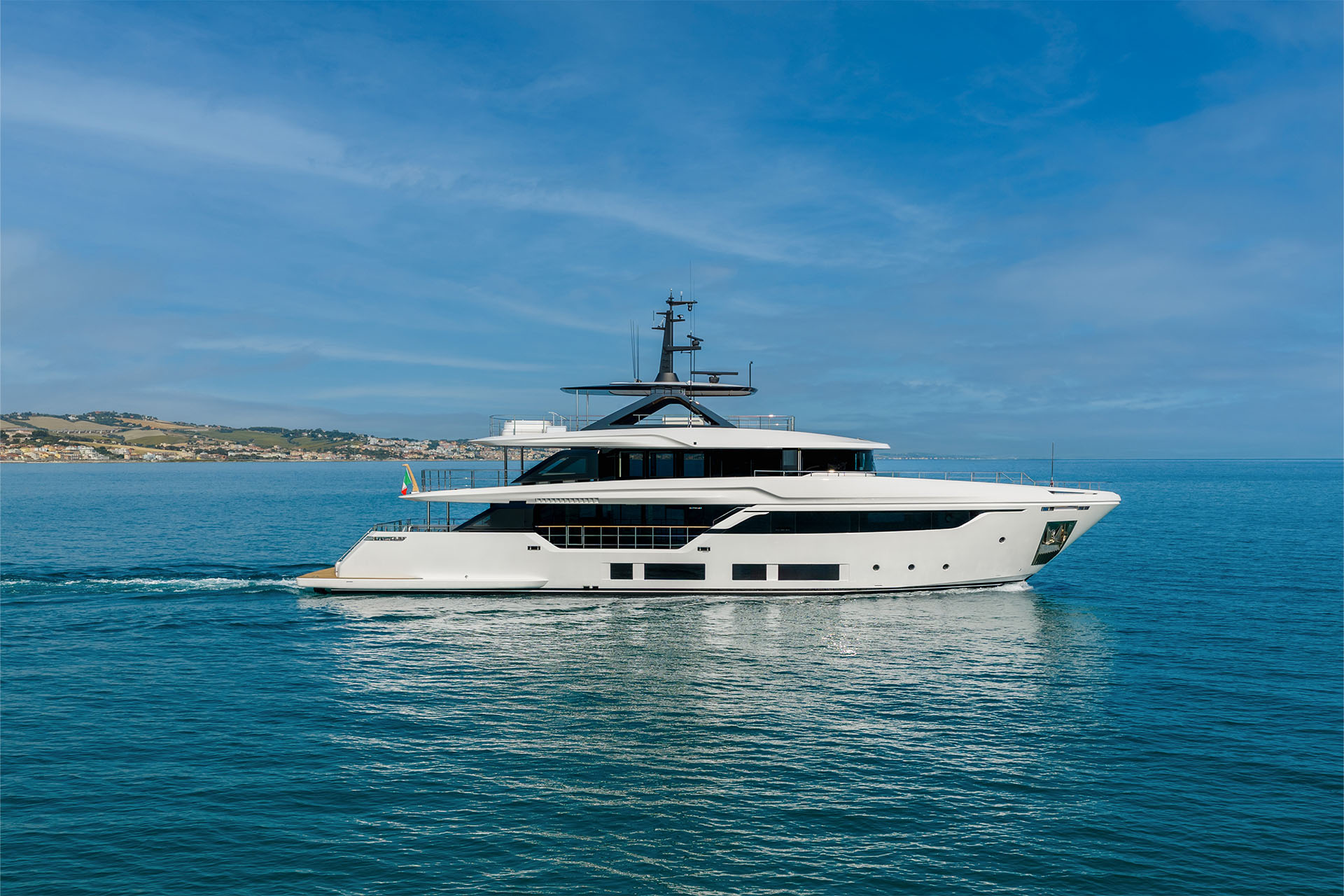
Four decks, 34.5 metres and a made-to-measure interior: step aboard the new Custom Line Navetta 35, unveiled at Cannes.

The Swiss watchmaker’s first collaboration with Atlassian Williams F1 Team produces two sporting Laureato models inspired by the team’s 2026 racing car.