Contemporary Brighton home transformed by design doyen
Once home to Australia’s kitchenware king, this Brighton residence is now on the market with a $15m–$16.5m price tag.
 2 min
2 min


Alex Schiavo, James Driver and Jia Teresa Wizel of Kay & Burton Bayside, have listed the contemporary Brighton residence and are asking for expressions of interest by 5pm on September 16.
Brian Davis, founder of the Decor Corporation, lived at the Wolseley Grove home until his passing in 2021. Davis built his humble homewares company from the ground up in the late 1950s, eventually securing lucrative contracts with Coles and Woolworths.
He then went on to sell his award-winning designs around the world and was inducted into the Design Institute of Australia’s Hall of Fame in 1996.
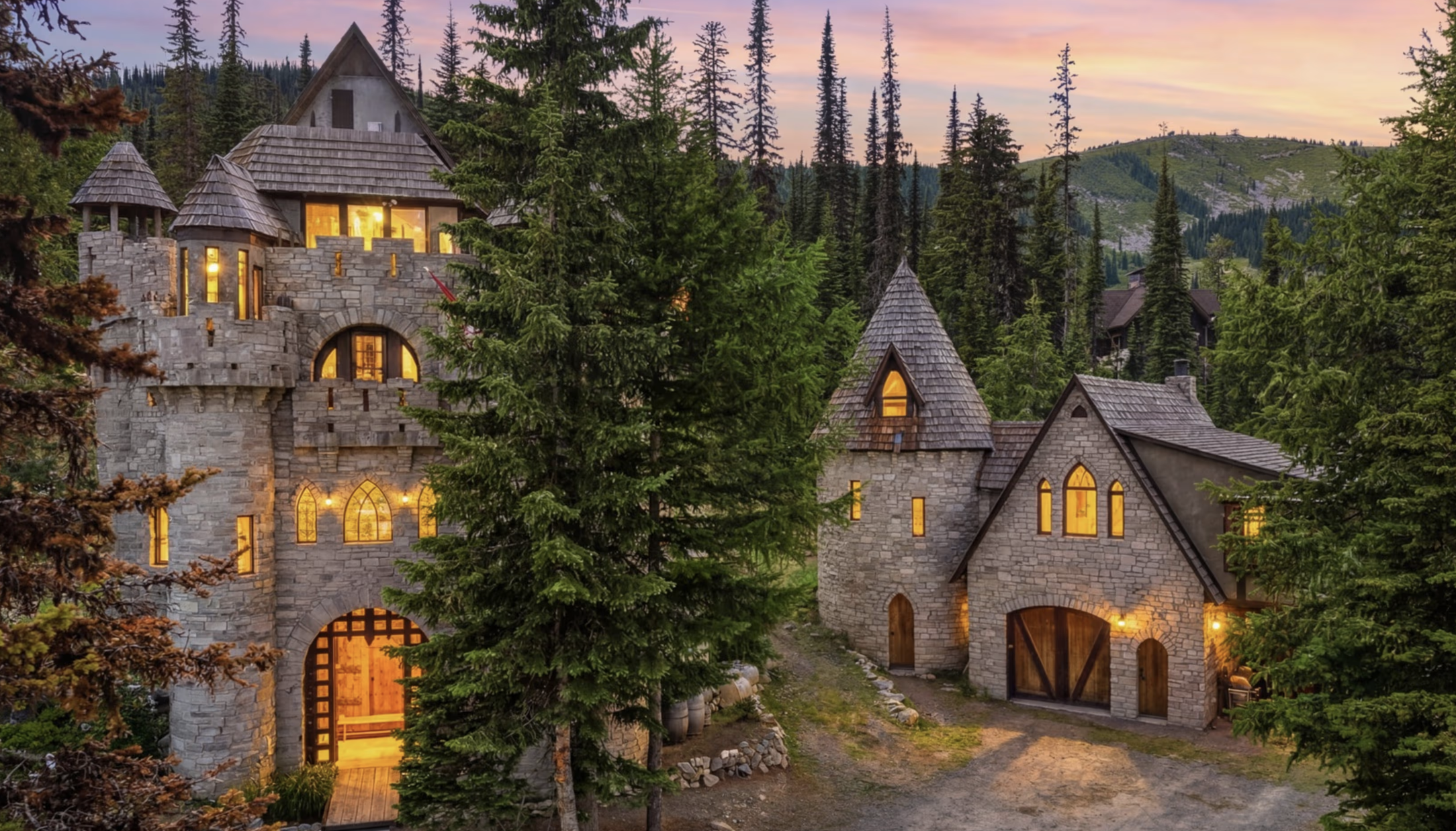
After his estate was sold in 2022 for $8 million, the current owners engaged Frank Macchia of Macchia Design Studio to inject some Byron Bay je ne sais quoi into the then four-bedroom mid century modern house.
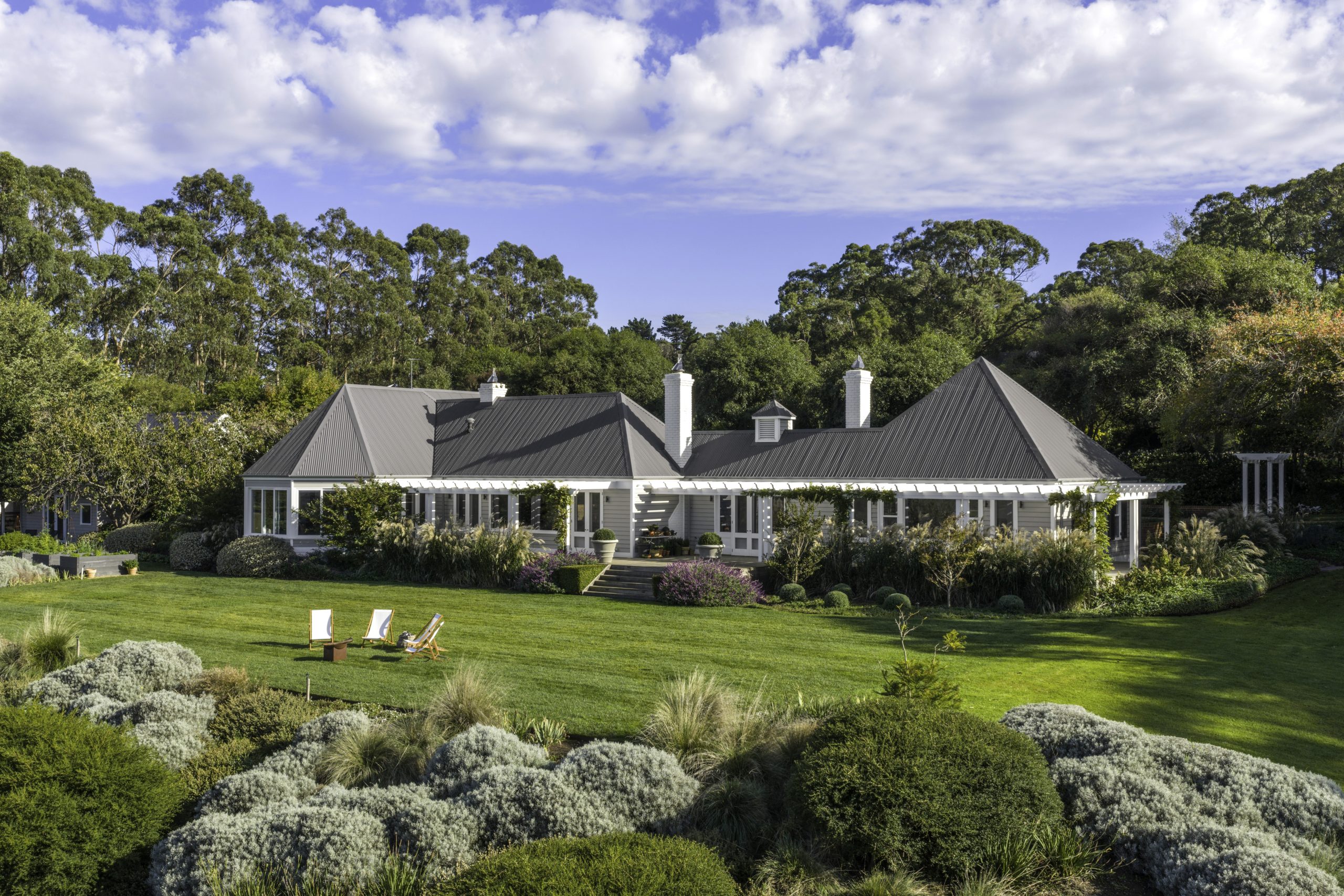
Today, the reimagined five-bedroom home on a grand 1630sq m is a private retreat with all the mod cons expected of a 21st century beachside home.
Beyond the double entry doors, the expansive ground floor has been created for quiet contemplation and meaningful gatherings.
The open plan footprint flows via seamless bi-folds to the outdoors, with the layout centred around a reading and conversation space featuring integrated seating and inspired planting.
There is also a fireside sitting area, window seats and a banquette dining zone next to the unique limestone kitchen with its vast island bench, Wolf appliances and large butler’s pantry.
Macchia’s modern touch has introduced Tongue & Groove oak floors, sand-laced wall render, fluted windows, custom made concrete basins, designer lighting and bespoke joinery throughout.
Additional entertainment areas on the lower level include a separate media room and the north-facing landscaped backyard complete with a family-friendly heated pool and spa. There is also a decadent outdoor spa, self-contained poolside pavilion and gym with a space for a sauna.
While four bedrooms with ensuites and a dedicated study space sit on the entry level, the first floor is home to a palatial suite with a lounge area and bedroom featuring a yard-facing balcony, walk-in wardrobe and a twin-basin ensuite with multiple skylights.
The new-look Brighton residence also has a big wine cellar with tasting table, a large laundry, an attic storage space, reverse-cycle heating and cooling, comprehensive camera security, bore-water irrigation, a substantial wine cellar, a lower-level powder room, and undercover parking for at up to three cars.
A unique Brighton property, the Wolseley Grove house is close to Church and Hampton streets, sought after schools, Sandbelt fairways, city trains, the Bay Trail, and Brighton Beach.
Listed with Kay & Burton Bayside, 3 Wolseley Grove is on the market via an expressions of interest campaign closing on September 16.
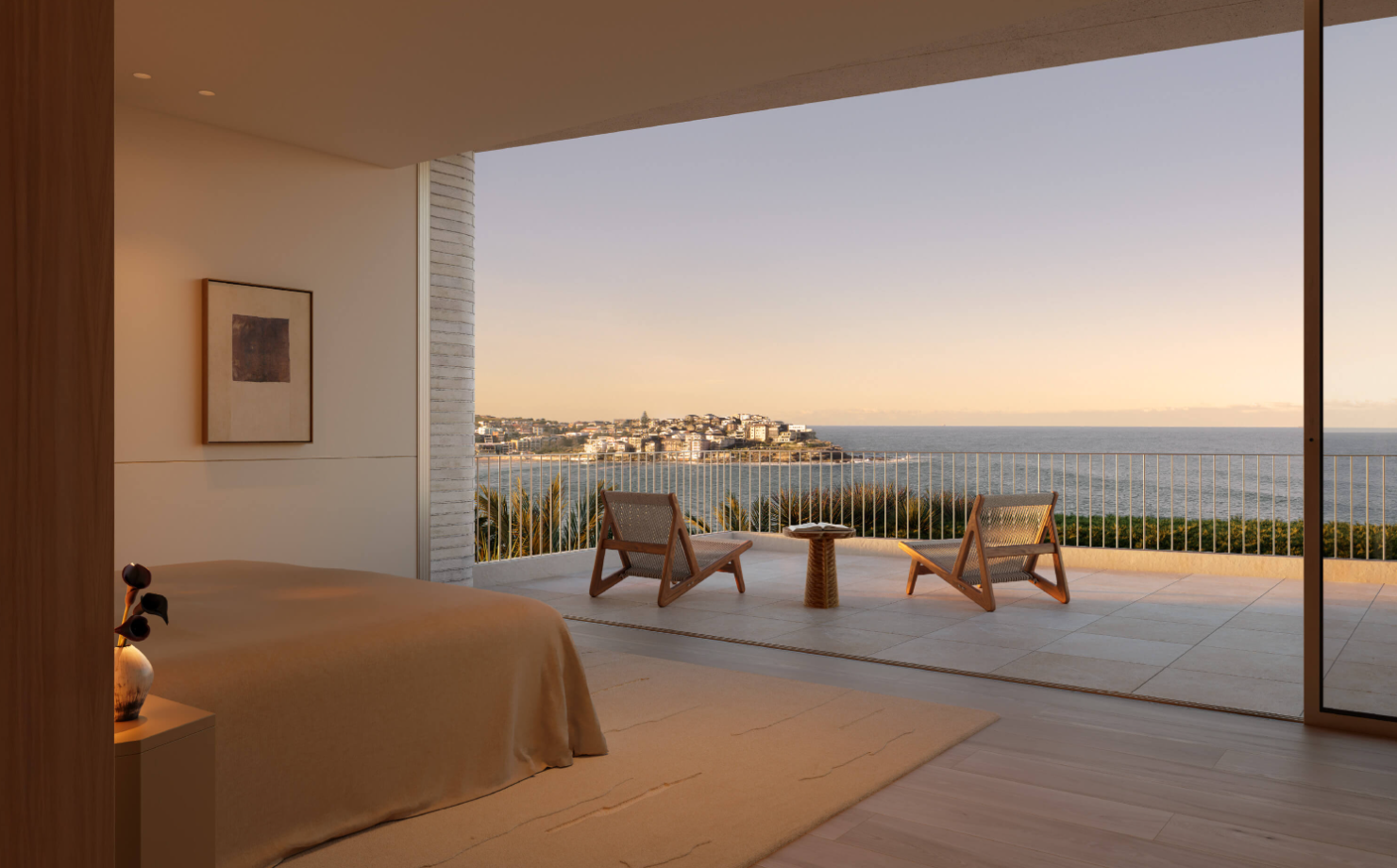
For Central Element, the start of work at Pearl represents another step in the company’s growing eastern suburbs pipeline.

All three vehicles will form part of a broader charitable initiative benefiting Big Brothers Big Sisters of America, the American Red Cross and Starlight Children’s Foundation
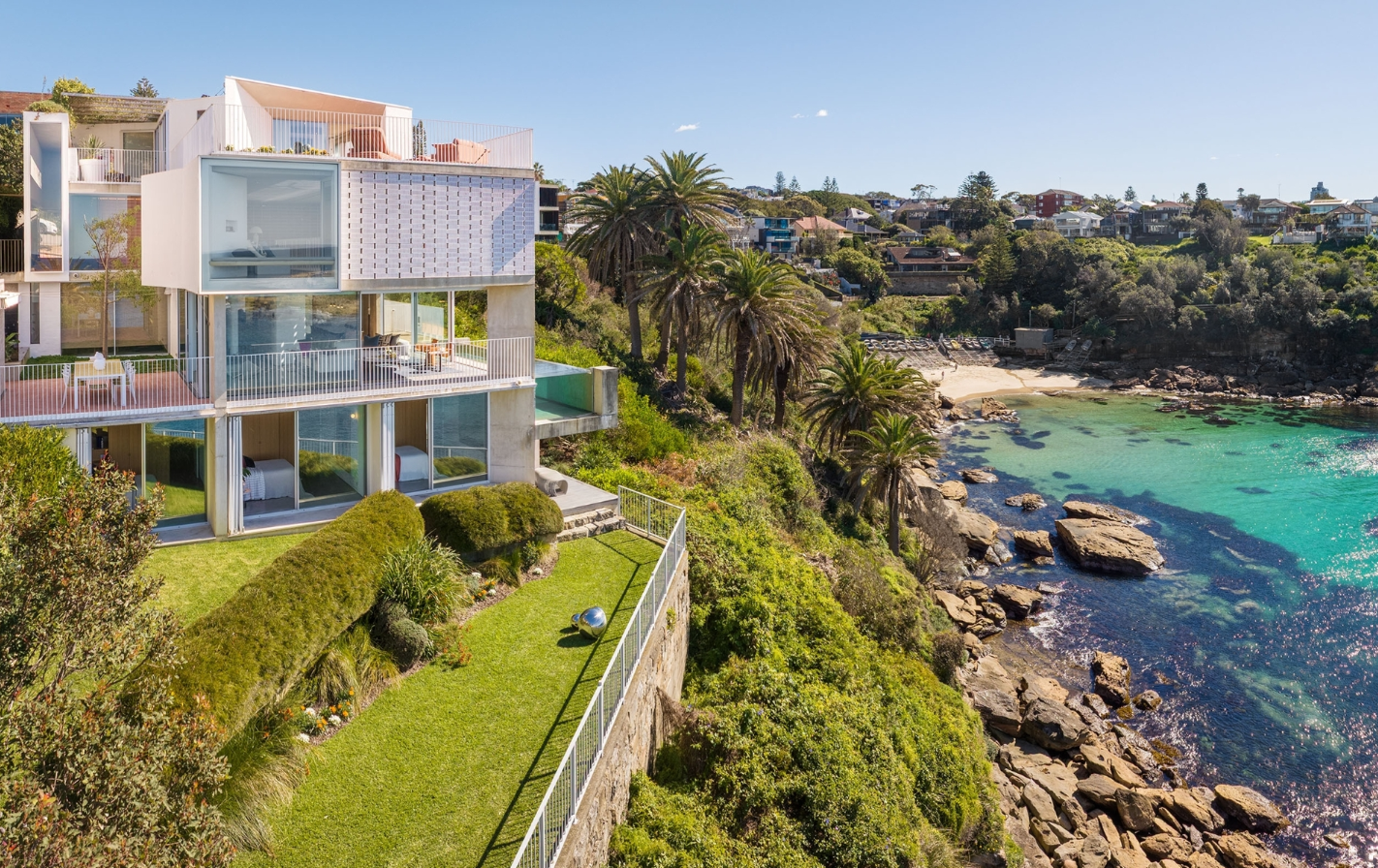
Jack Freeman believes the most compelling interiors are not decorated, but collected. The FREEMAN & CO founder creates layered, personal spaces shaped by art, travel and craftsmanship.
4 min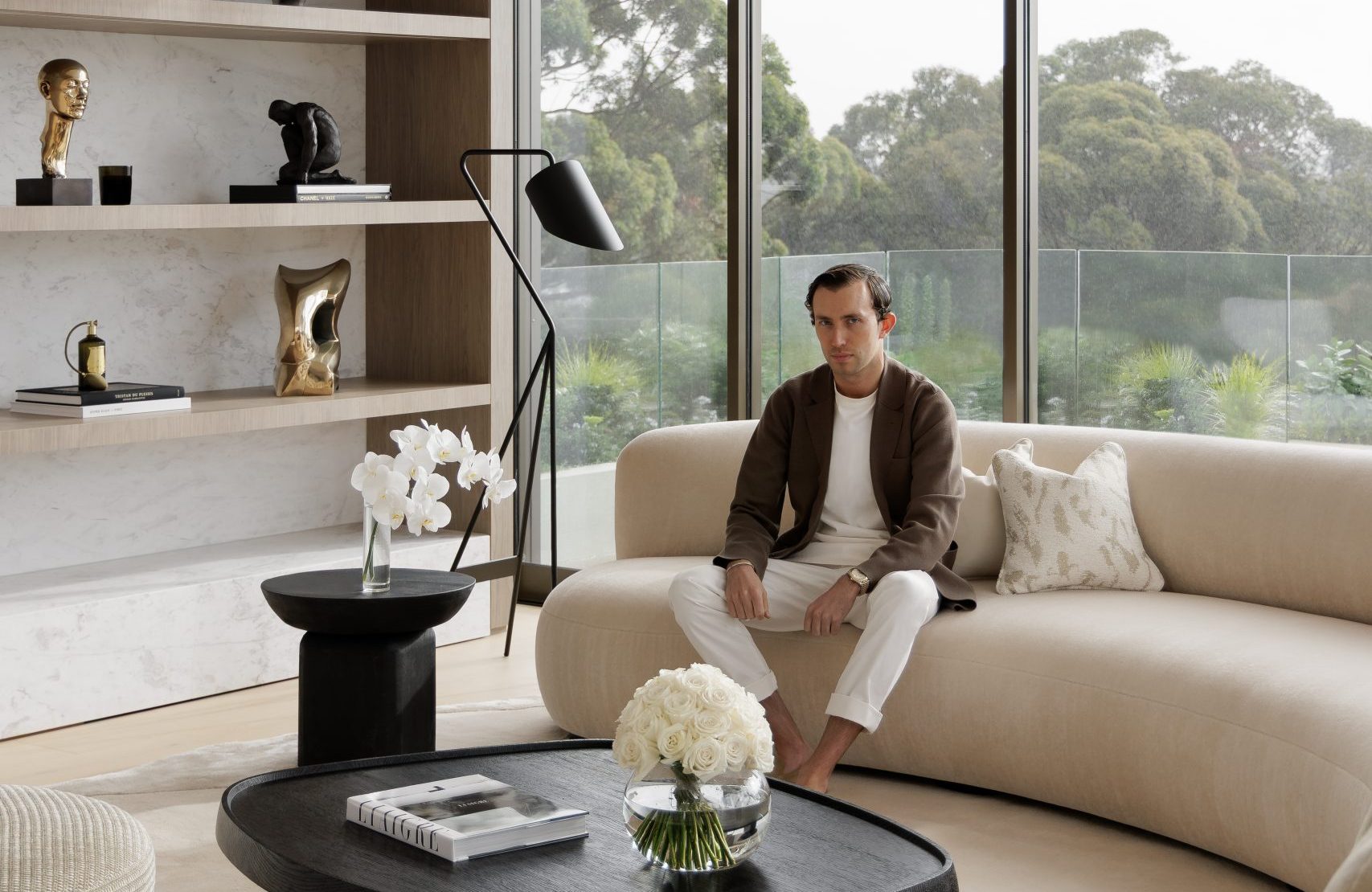
For Jack Freeman, a compelling interior should not look as though it was completed in a single shopping trip.
The founder and designer behind FREEMAN & CO prefers rooms that develop through art, travel, commissioned furniture and objects collected over time. It is an approach that treats the home less as a decorative project and more as an evolving portrait of its owner.
“I am a true believer in collecting versus decorating,” Freeman says.
That distinction underpins the international practice he has built across private residences, hotels, property developments, yachts and private aviation. Its projects stretch from Point Piper, Vaucluse, Circular Quay and Toorak to Mayfair, Bel Air and the Caribbean.
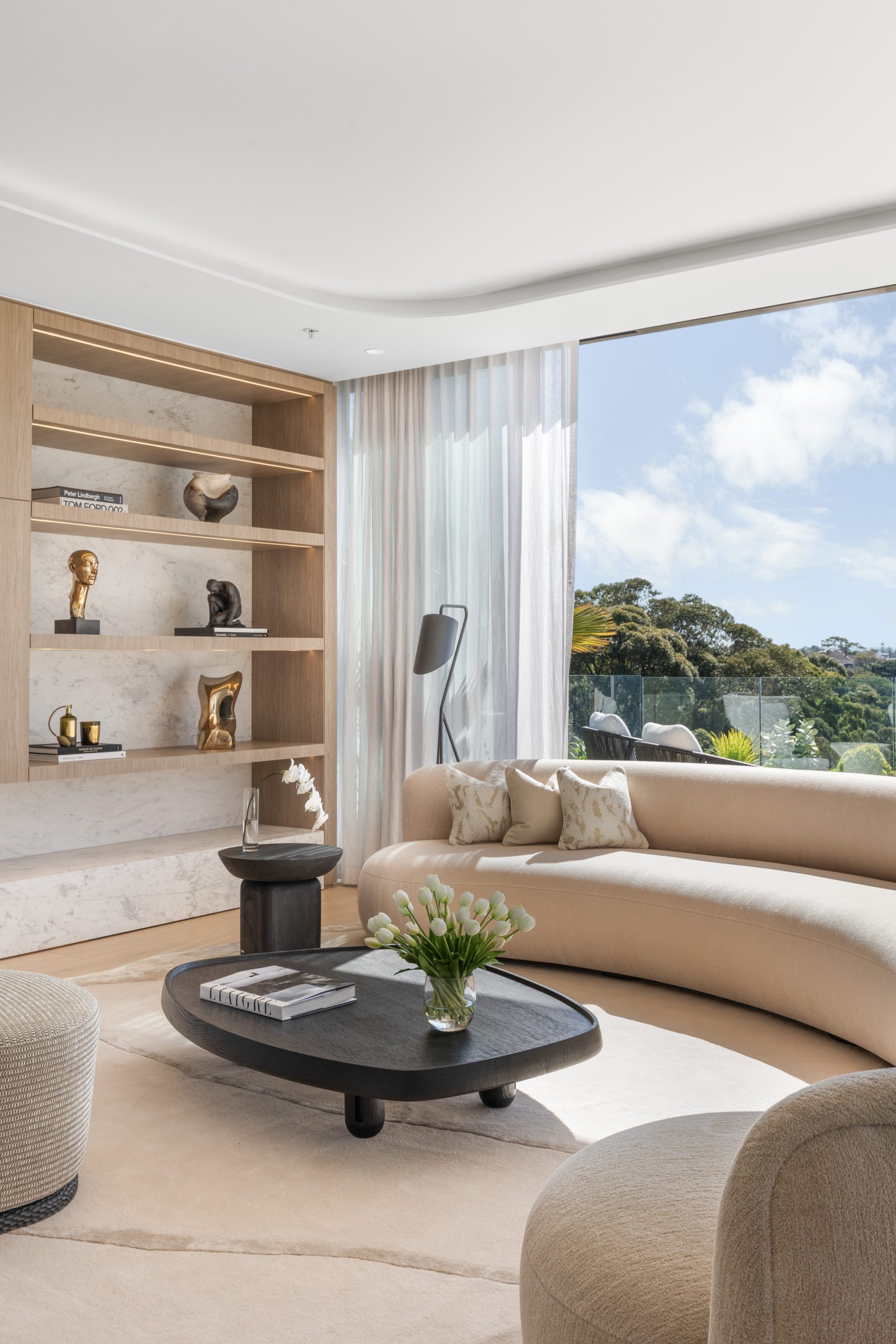
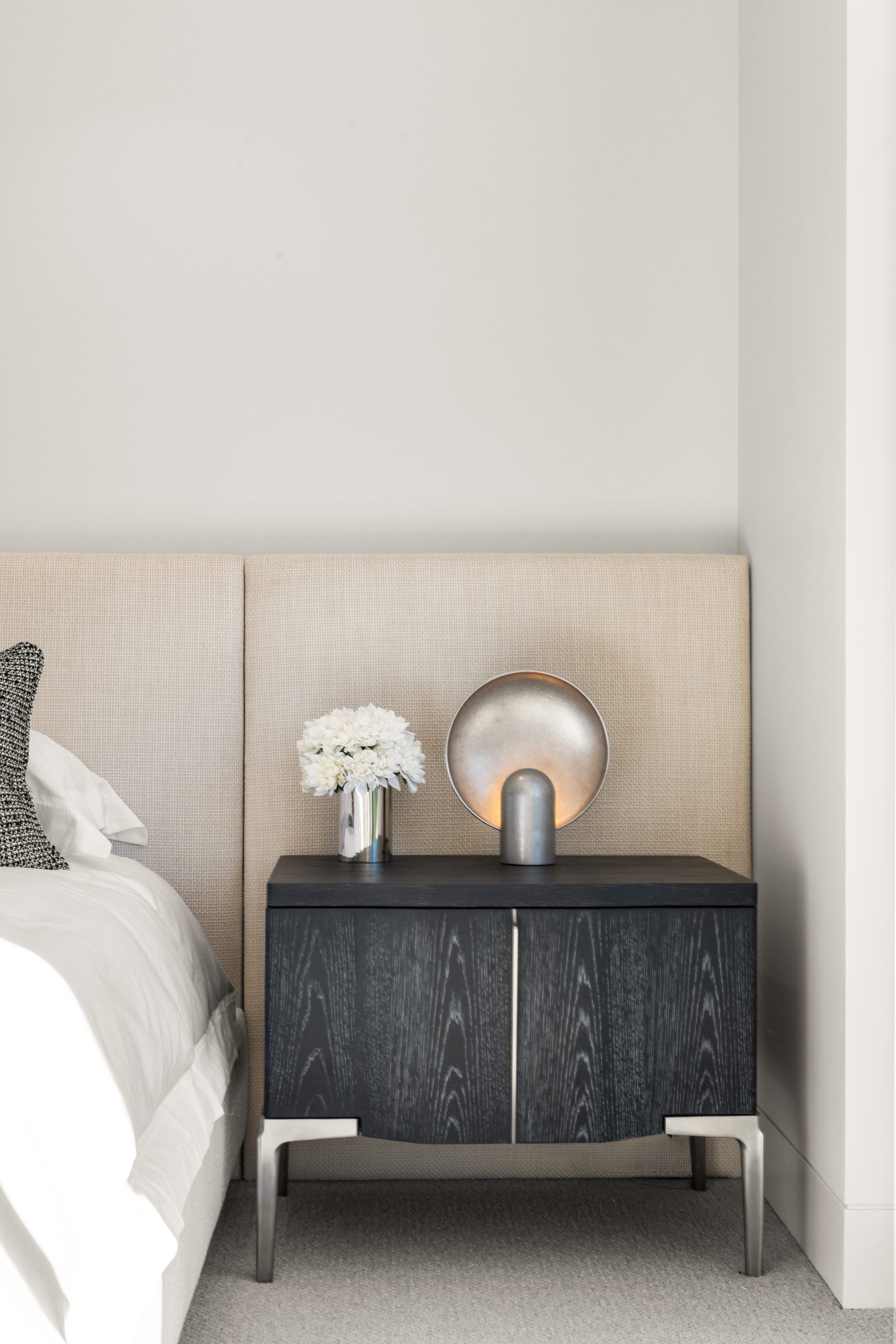
Although the locations and architecture vary considerably, the work is connected by a restrained design language. Natural stone, warm timbers and sculptural furniture establish the foundation, while art, bespoke lighting and individual objects give each interior its identity.
The objective is not to overwhelm a room with obvious symbols of expense. It is to create an environment that feels calm, layered and particular to the people living within it.
“The greatest luxury isn’t about excess,” Freeman says. “It’s about creating an oasis where you come home and feel immediately grounded — effortlessly chic and deeply personal.”
Collecting instead of decorating
Decorating can imply the completion of a room: selecting the required furniture, filling the available walls and producing a coherent finished image.
Collecting is less conclusive.
A collected interior has room to change as its owners travel, discover artists, inherit pieces or reassess how they use their home. Its character comes from the relationship between objects rather than adherence to a single brand or season.
That does not mean placing unrelated pieces together without discipline. The designer must understand scale, proportion, material and provenance well enough to create a dialogue between them.
A contemporary artwork might sit beside a historic piece of furniture. A precisely detailed new interior may be interrupted by an irregular object made by hand. Smooth stone can be balanced by timber, textiles or a patinated metal surface that becomes richer with age.
The tension between those elements is part of the appeal.
For Freeman, art is not an accessory to be added once the furniture plan is complete. It forms part of the architecture and atmosphere of the room from the beginning.
Lighting is considered in the same way. Beyond its practical purpose, a bespoke fitting can operate as a suspended sculpture, changing both the room’s composition and the way its materials are experienced after dark.
A design perspective shaped by travel
International travel plays a significant role in Freeman’s creative process.
Design fairs such as PAD Paris and Salone del Mobile in Milan provide opportunities to encounter emerging designers, established galleries, new materials and collectible furniture away from the filter of social media.
More spontaneous discoveries can prove equally important.
“Sometimes it’s the simple things,” Freeman says. “That piece found on a shopping trip with a client in Paris, stumbling across an artisan’s workshop, or a special memory that forms the narrative of the story.”
Objects selected during travel bring more than visual interest into a home. They carry an association with a place, maker or experience, giving the client a connection that cannot be reproduced by ordering an entire interior from a catalogue.
Freeman’s influences are international, but his projects are not conceived as replicas of Parisian, Milanese or Californian style. Each commission responds to its architecture, setting, natural light and the daily lives of its occupants.
A waterfront Sydney residence demands a different treatment from a Mayfair townhouse. A Caribbean estate shaped by brutalist architecture and reflecting pools calls for another response again.
The designer’s role is to absorb those references without allowing them to overwhelm the individual qualities of the property.
Designing the complete experience
FREEMAN & CO extends beyond conventional interior decoration.
The practice’s stated services include interior design and architecture, project management, property acquisition, development advice, concept design, documentation, furniture and lighting design, procurement and art curation.
That breadth allows the team to become involved before a room’s dimensions and finishes are fixed.
Early participation can be important at the top end of the residential market, where architecture, landscape, interiors, technology and art must operate as one environment. Decisions about ceiling heights, wall dimensions, sightlines and lighting can directly affect where art is installed or how custom furniture is proportioned.
The practice can then carry those decisions through to procurement and final installation, maintaining the design narrative as a project moves between architects, builders, specialist craftspeople, dealers and suppliers.
Its residential portfolio includes a South Coast retreat conceived as an escape from urban life, a Caribbean estate with reflecting pools, an East Coast-inspired Palm Beach residence and a Mayfair townhouse organised around an expressive drawing room.
The studio also says it has worked on highly tailored Sydney residences with values exceeding $100 million, although the private nature of such commissions means individual addresses and clients are not always disclosed.
A home that can keep changing
The risk in creating a perfectly resolved interior is that it can become too static — a composition that looks exceptional in photographs but leaves little room for life.
Freeman sees the home as something that should evolve with its owners.
“I love the evolution of design,” he says. “We are talking about people’s lives, and as they evolve, so too should their private sanctuaries.”
That evolution might involve adding art, reupholstering a significant piece, adapting rooms as a family changes or making space for objects gathered through future travels.
The original design needs to be strong enough to accommodate those layers.
This may be the clearest expression of Freeman’s approach to luxury. It is not simply access to rare stone, collectible furniture or commissioned craftsmanship. It is the creation of a personal environment whose meaning deepens rather than diminishes with time.
Fact box
- Designer: Jack Freeman
- Role: Founder and managing director
- Practice: FREEMAN & CO
- Base: Australia, with international projects
- Project locations named by the practice: Point Piper, Vaucluse, Circular Quay, Toorak, Palm Beach, the NSW South Coast, Mayfair, Bel Air and the Caribbean
- Sectors: Private residences, hotels, residential developments, private aviation and superyachts
- Services: Interior design and architecture, property development, project management, property acquisition, documentation, furniture and lighting design, FF&E procurement, interior dressing and art curation
- Design philosophy: Collected, personal interiors shaped by art, craftsmanship, travel and enduring materials
- Website: free-man.co

Mirzaian is a senior director within CBRE’s Development NSW business, operating across the company’s Western Sydney and North Sydney offices

With two waterfronts, bushland surrounds and a $35 million price tag, this Belongil Beach retreat could become Byron’s most expensive home ever.