RARE TASMANIAN COASTAL ESTATE ON THE MARKET FOR MORE THAN $20 MILLION
A 250-hectare beachfront vineyard, distillery and resort on Tasmania’s East Coast has been listed for sale, marking one of the most significant lifestyle and tourism opportunities to emerge in the State in years.
 2 min
2 min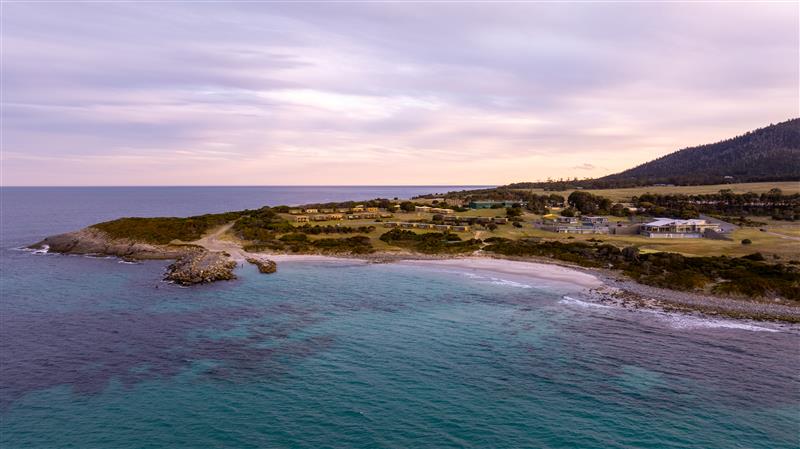
A landmark coastal property on Tasmania’s East Coast has hit the market, with expectations of more than $20 million for the fully integrated vineyard, distillery and hospitality estate.
White Sands Estate, set across 250 hectares at Four Mile Creek, is being offered by owner-operator John White through Tom Ryan of Knight Frank and Josh Hart of McGrath.
It represents one of the largest privately owned coastal holdings on the East Coast, a region increasingly favoured by both domestic and international investors seeking long-term tourism and lifestyle assets.
The property’s credentials are formidable. It encompasses an operating brewery, distillery and vineyard with a cellar door and tasting room housed within a 3,254-square-metre two-level complex.
Accommodation includes 19 self-contained villas and larger group lodges, alongside multiple event spaces catering to weddings, conferences and corporate retreats. The estate also features manicured lawns, gardens and beachfront event locations with direct private access to Four Mile Creek beach.
Located along the Tasman Highway between St Helens and Bicheno, White Sands occupies a prime position on the East Coast tourism trail, within easy reach of Freycinet National Park, Douglas Apsley and Maria Island. It’s about 90 minutes’ drive from Launceston, making it an accessible yet secluded escape that draws consistent visitor traffic year-round.
Knight Frank’s Tom Ryan said the property’s combination of operational success, large-scale infrastructure and future potential made it an exceptional offering. “An opportunity of this scale simply doesn’t come to the market,” he said.
“We expect strong interest from both domestic and international investors, particularly given the global profile White Sands Estate has developed.”
While already operating as a successful hospitality and tourism venture, the property also offers significant potential for expansion.
“The large-scale site offers multiple future development pathways,” Ryan added. “That includes eco-tourism, resort or residential projects, as well as expanded events and commercial operations.”
McGrath’s Josh Hart echoed that sentiment, describing the listing as a “once-in-a-generation opportunity to secure a fully operational coastal agritourism and lifestyle asset in a tightly held pocket of the East Coast.”
“It occupies a rare stretch of coastline with direct beach access and sweeping ocean views,” Hart said.
“This region benefits from strong year-round visitation linked to nearby icons such as Freycinet and Wineglass Bay, and there are very few large-scale holdings of this nature remaining.”
The East Coast of Tasmania has long been a magnet for tourism investment, prized for its dramatic coastal scenery, growing food and wine culture, and consistent visitor growth.
With strong domestic demand and increasing international visibility, assets like White Sands Estate are becoming increasingly scarce, and increasingly valuable.
The Expressions of Interest campaign for White Sands Estate closes at 2pm AEDT on Thursday, November 20.

Victorian auction buyers will soon receive a piece of information that has traditionally been withheld until bidding reaches it: the vendor’s reserve price. Under new property-sale and underquoting laws, agents must publish the agreed reserve at least seven days before an auction or fixed-date sale. Most changes begin on 1 October 2026 and apply to …
Continue reading “Victoria’s New Auction Rules Will Force Reserve Prices Into the Open”
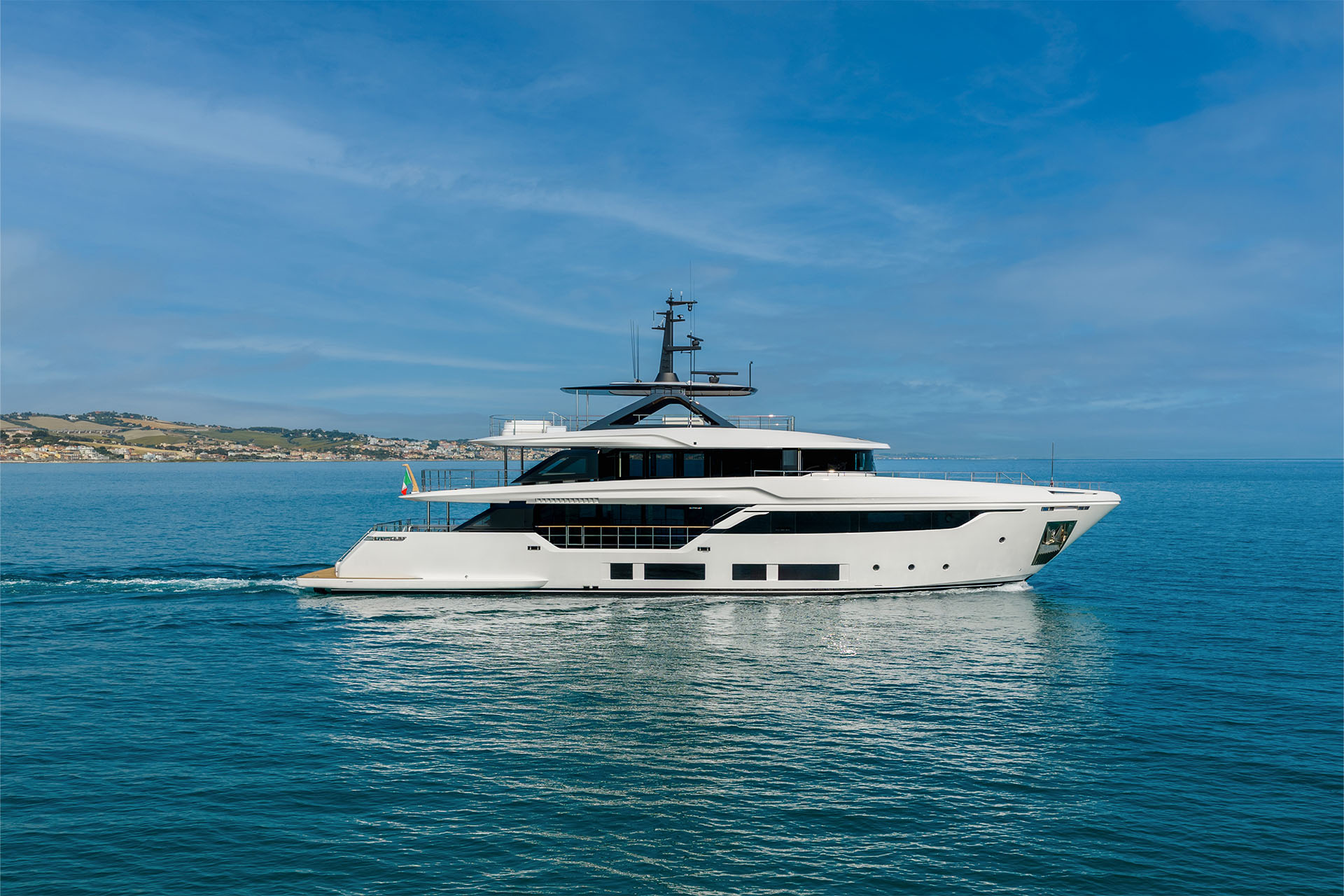
Four decks, 34.5 metres and a made-to-measure interior: step aboard the new Custom Line Navetta 35, unveiled at Cannes.
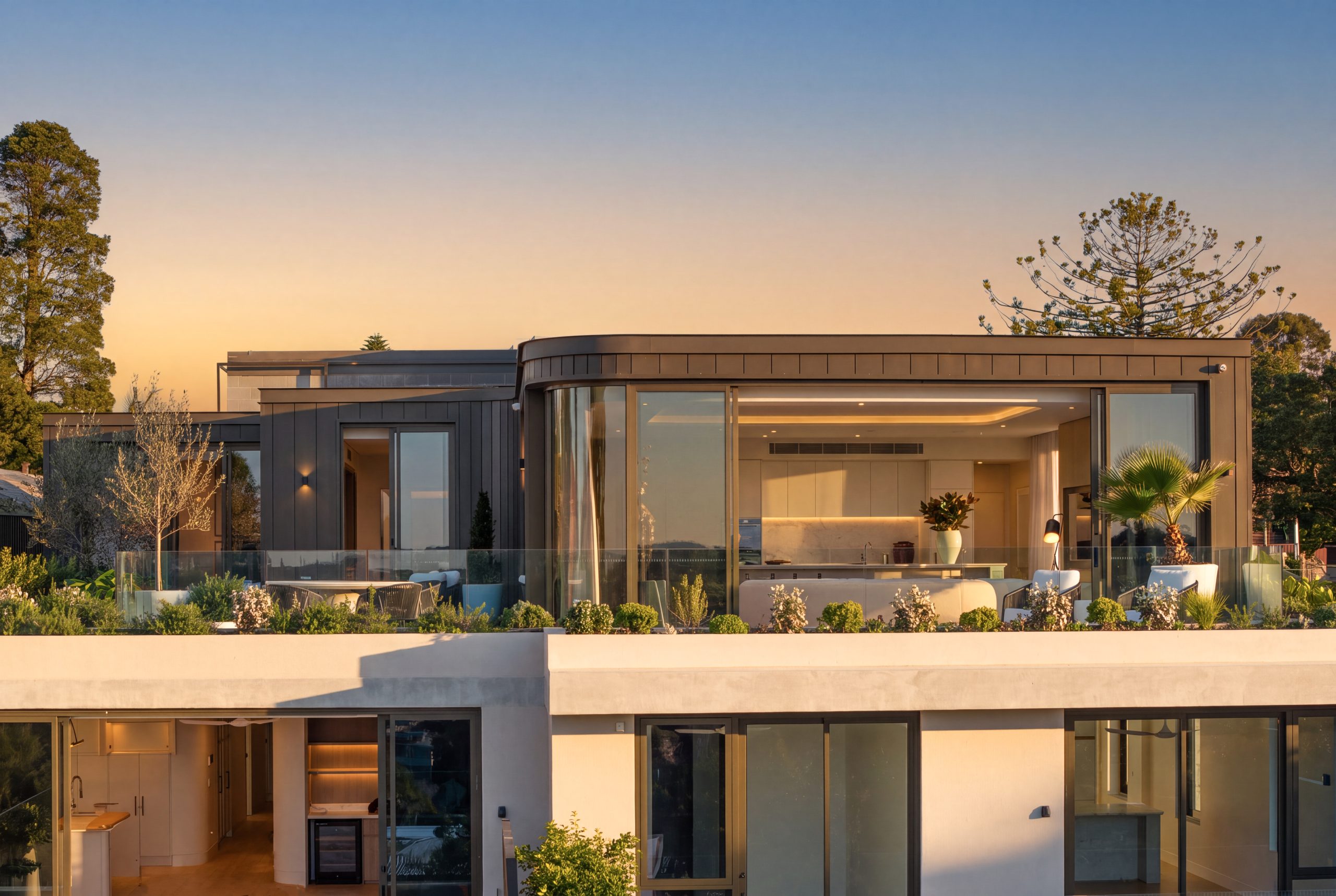
New detached-home sales fell 10% nationally in August, led by a 27% decline in Victoria, raising concerns about construction starts in 2027.
2 min
Australia’s hoped-for recovery in housing construction is losing momentum before it has had time to close the national supply gap.
Sales of new detached homes fell 10 per cent nationally in August, according to the Housing Industry Association’s survey of major volume builders across the five largest mainland states. It was the fourth consecutive monthly decline.
The fall was broad rather than isolated. Victoria recorded the largest retreat, down 27 per cent, followed by Queensland at 20.2 per cent, New South Wales at 17.5 per cent, South Australia at 10.8 per cent and Western Australia at 8.2 per cent.
Across the three months to August, sales were 19.3 per cent below the preceding three-month period and 7.7 per cent lower than the equivalent period a year earlier.
New-home sales matter beyond the immediate fortunes of volume builders. They are an early indicator of future starts: buyers sign contracts, finance is finalised, approvals are secured and construction follows months later. A sustained sales decline during the middle of 2026 is therefore likely to weaken commencements during 2027.
The slowdown reflects the collision of several pressures. Households have absorbed multiple interest-rate rises, reducing borrowing capacity and increasing the repayment cost attached to a new build. Established-home prices have softened in some markets, weakening the relative appeal of waiting through a construction period. Builders continue to face elevated labour and material costs.
The Reserve Bank’s August analysis showed new-dwelling construction prices increased 1.8 per cent during the June quarter and 5.3 per cent over the year. It attributed part of the pressure to oil-derived building products and other conflict-related costs.
Policy uncertainty can also cause buyers and investors to defer large commitments. But the precise contribution of any single tax or regulatory change is difficult to isolate from rates, confidence, land prices and construction costs. The HIA survey should be read as an indicator from large builders rather than a complete count of every dwelling sale.
The figures complicate progress towards the Housing Accord target of 1.2 million homes. The National Housing Supply and Affordability Council reported 308,000 completions since the Accord began and 244,000 dwellings under construction in the March quarter. Approvals and commencements had improved, but falling sales risk undermining the next wave.
For developers and governments, the warning is that planning approvals alone do not create homes. Projects need finance, viable construction pricing and buyers able to settle. If one part fails, approved supply can remain on paper.
Data box
National August new-home sales: Down 10 per cent
Three months to August: Down 19.3 per cent from the preceding three months
Year-on-year three-month comparison: Down 7.7 per cent
Victoria: Down 27 per cent
Queensland: Down 20.2 per cent
New South Wales: Down 17.5 per cent
South Australia: Down 10.8 per cent
Western Australia: Down 8.2 per cent

Wealthy Aussies are swapping large family homes for high-end apartments, with sales of prestige units tripling over the past decade.

A cluster of century-old warehouses beneath the Harbour Bridge has been transformed into a modern workplace hub, now home to more than 100 businesses.