Melbourne set to overtake Sydney as Australia’s biggest city as property demand surges
Strong population growth, major infrastructure spending and comparatively affordable property are expected to cement Melbourne’s position as Australia’s most attractive long-term real estate market.
 2 min
2 min
Melbourne is poised to become Australia’s largest city within the next decade, with strong population growth, infrastructure investment and relative affordability driving long-term property demand.
A new research report from Knight Frank argues the Victorian capital remains one of the country’s most compelling markets for investors, businesses and residents.
The report highlights the city’s rapidly expanding population, diverse economy and major infrastructure pipeline as key factors underpinning future property growth.
Knight Frank Managing Director Victoria, Dominic Long, said Melbourne’s fundamentals continue to position the city strongly for long-term investment.
“Melbourne continues to stand out as one of Australia’s most compelling real estate markets,” he said.
“It is Australia’s strongest long-term growth city with the fastest growing population, the most diversified economy, world-class liveability and the most affordable major market for office, industrial and residential property.”
Population growth driving demand
Melbourne’s population has grown at an average rate of 1.8 per cent per year since 2000, faster than any advanced global economy, according to the research.
In the year to June 2025 alone, the city added about 123,500 residents, the largest annual increase of any Australian capital.
Population growth is expected to remain one of the key drivers of demand across residential and commercial property markets, including housing, offices and logistics space.
The report forecasts Melbourne’s population will overtake Sydney’s by the 2030s, reinforcing its position as the country’s fastest-growing major city.
Office market offering value
Melbourne’s CBD office market is also attracting renewed attention from investors.
Prime office rents remain significantly lower than in competing cities, with CBD office space about 46 per cent cheaper than Sydney and around 13 per cent cheaper than Brisbane.
That relative affordability is expected to drive long-term demand from occupiers and investors seeking value in Australia’s largest office markets.
The city’s office sector is also showing signs of recovery, with effective rents rising in 2025 and demand increasing for high-quality buildings in premium locations.
Industrial market benefiting from scale
Melbourne’s industrial sector continues to expand, supported by strong population growth, e-commerce demand and the scale of the city’s logistics network.
The city already hosts the country’s largest industrial market, with about 34 million square metres of warehousing stock and significant land available for future development.
Industrial rents remain competitive compared with other capitals, while Melbourne’s port handles the largest container volumes in Australia, further supporting demand for logistics space.
Infrastructure pipeline supporting growth
More than $200 billion in transport infrastructure investment between 2014 and 2036 is also expected to reshape the city and support future property values.
Major projects include the Metro Tunnel, the West Gate Tunnel, the North-East Link and the Suburban Rail Loop, which together will improve connectivity across Melbourne and its growth corridors.
Knight Frank’s Head of Research & Consulting, Victoria, Dr Tony McGough, said these investments would play a key role in supporting the city’s economic expansion.
“Melbourne is Australia’s most economically diverse city and has delivered stable growth for more than two decades,” he said.
“With strong population growth, a highly educated workforce and unprecedented infrastructure investment, Melbourne is well placed to remain one of Australia’s most attractive long-term property markets.”
Victorian auction buyers will soon receive a piece of information that has traditionally been withheld until bidding reaches it: the vendor’s reserve price. Under new property-sale and underquoting laws, agents must publish the agreed reserve at least seven days before an auction or fixed-date sale. Most changes begin on 1 October 2026 and apply to …
Continue reading “Victoria’s New Auction Rules Will Force Reserve Prices Into the Open”
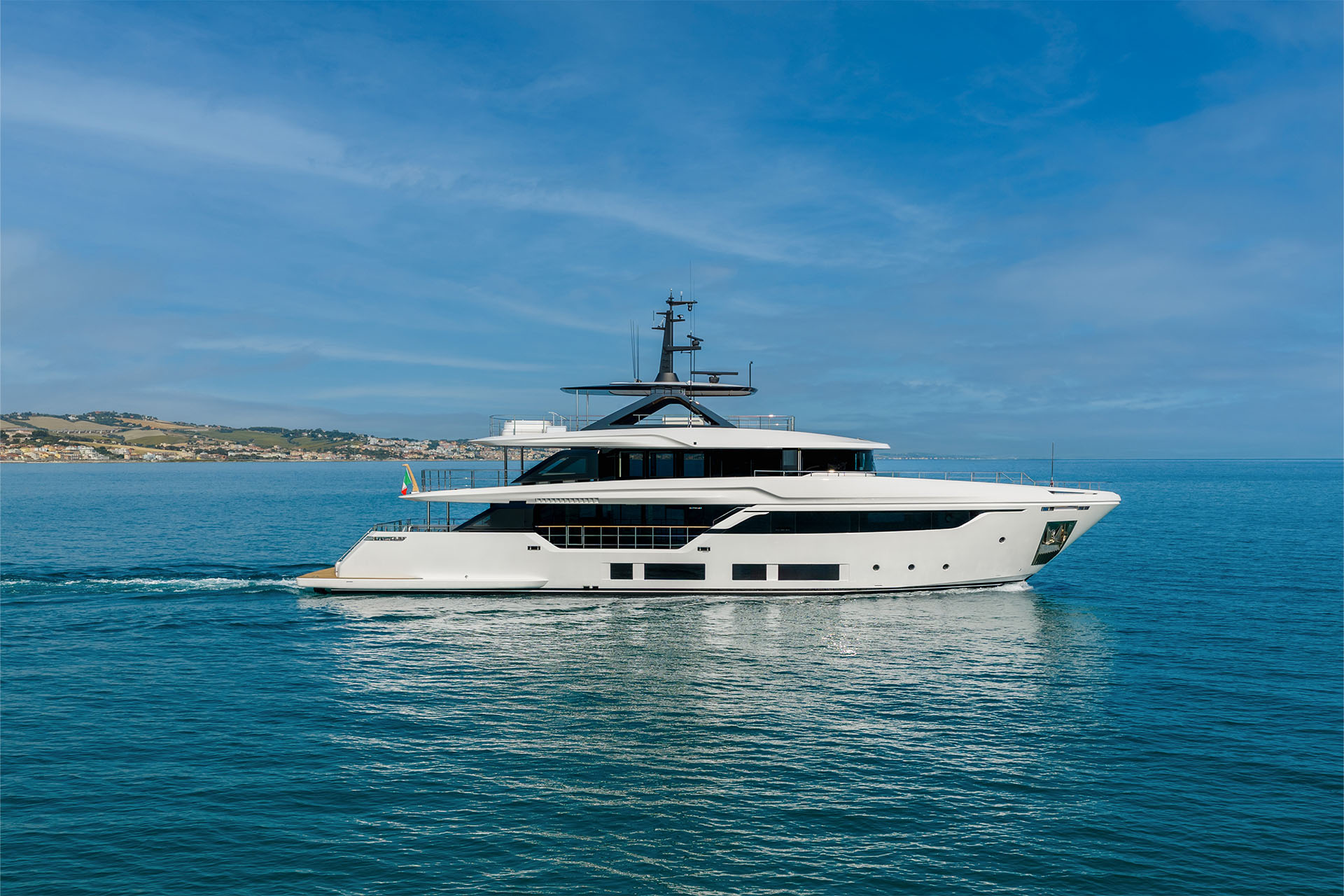
Four decks, 34.5 metres and a made-to-measure interior: step aboard the new Custom Line Navetta 35, unveiled at Cannes.
New detached-home sales fell 10% nationally in August, led by a 27% decline in Victoria, raising concerns about construction starts in 2027.
2 min
Australia’s hoped-for recovery in housing construction is losing momentum before it has had time to close the national supply gap.
Sales of new detached homes fell 10 per cent nationally in August, according to the Housing Industry Association’s survey of major volume builders across the five largest mainland states. It was the fourth consecutive monthly decline.
The fall was broad rather than isolated. Victoria recorded the largest retreat, down 27 per cent, followed by Queensland at 20.2 per cent, New South Wales at 17.5 per cent, South Australia at 10.8 per cent and Western Australia at 8.2 per cent.
Across the three months to August, sales were 19.3 per cent below the preceding three-month period and 7.7 per cent lower than the equivalent period a year earlier.
New-home sales matter beyond the immediate fortunes of volume builders. They are an early indicator of future starts: buyers sign contracts, finance is finalised, approvals are secured and construction follows months later. A sustained sales decline during the middle of 2026 is therefore likely to weaken commencements during 2027.
The slowdown reflects the collision of several pressures. Households have absorbed multiple interest-rate rises, reducing borrowing capacity and increasing the repayment cost attached to a new build. Established-home prices have softened in some markets, weakening the relative appeal of waiting through a construction period. Builders continue to face elevated labour and material costs.
The Reserve Bank’s August analysis showed new-dwelling construction prices increased 1.8 per cent during the June quarter and 5.3 per cent over the year. It attributed part of the pressure to oil-derived building products and other conflict-related costs.
Policy uncertainty can also cause buyers and investors to defer large commitments. But the precise contribution of any single tax or regulatory change is difficult to isolate from rates, confidence, land prices and construction costs. The HIA survey should be read as an indicator from large builders rather than a complete count of every dwelling sale.
The figures complicate progress towards the Housing Accord target of 1.2 million homes. The National Housing Supply and Affordability Council reported 308,000 completions since the Accord began and 244,000 dwellings under construction in the March quarter. Approvals and commencements had improved, but falling sales risk undermining the next wave.
For developers and governments, the warning is that planning approvals alone do not create homes. Projects need finance, viable construction pricing and buyers able to settle. If one part fails, approved supply can remain on paper.
Data box
National August new-home sales: Down 10 per cent
Three months to August: Down 19.3 per cent from the preceding three months
Year-on-year three-month comparison: Down 7.7 per cent
Victoria: Down 27 per cent
Queensland: Down 20.2 per cent
New South Wales: Down 17.5 per cent
South Australia: Down 10.8 per cent
Western Australia: Down 8.2 per cent
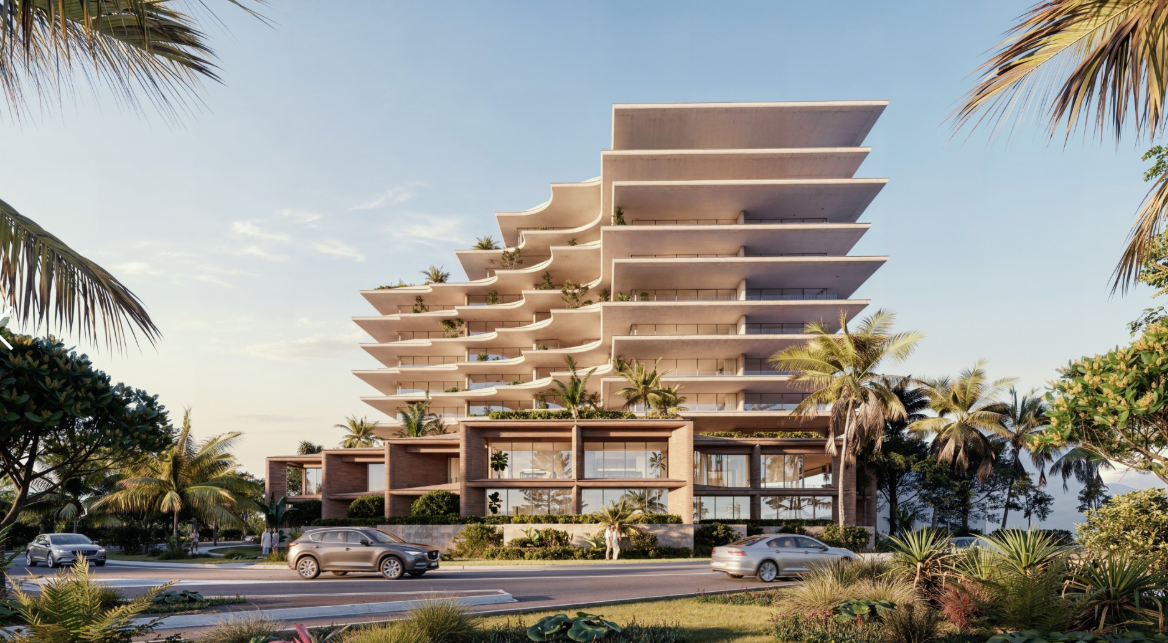
Queensland-based builder-developer MAYD has unveiled an exclusive first look at its anticipated ultra-luxury North Kirra mixed-use project as it lodges a minor amendment with the City of Gold Coast Council. The project sits across a 4,742sqm amalgamated landholding spanning seven parcels at 2–6 Pacific Parade and 27–33 Golden Four Drive, Bilinga, which MAYD secured in …
Continue reading “MAYD”s North Kirra Plans Unveiled Ahead of Early 2027 Launch”

In the remote waters of Indonesia’s Anambas Islands, Bawah Reserve is redefining what it means to blend barefoot luxury with environmental stewardship.