Purpose-driven travel surges as Africa’s immersive safaris attract a new generation of explorers
Travellers are swapping traditional sightseeing for immersive experiences, with Africa emerging as a must-visit destination.
 3 min
3 min
Travellers are increasingly seeking deeper, more meaningful holidays, with Africa emerging as one of the world’s leading destinations for immersive and purpose-driven travel.
New industry figures suggest the global experiential travel market is projected to exceed $1.9 trillion by 2030, while around 70 per cent of travellers now say they prefer journeys focused on learning, culture and authentic engagement rather than traditional sightseeing.
Africa’s vast landscapes, wildlife and cultural heritage are helping to drive that shift, offering travellers opportunities to engage directly with conservation programs, local communities and ecosystems.
Across the continent, a growing number of lodges and reserves are designing experiences that move beyond the typical safari to provide education, conservation and cultural immersion.
Conservation in action at Shamwari
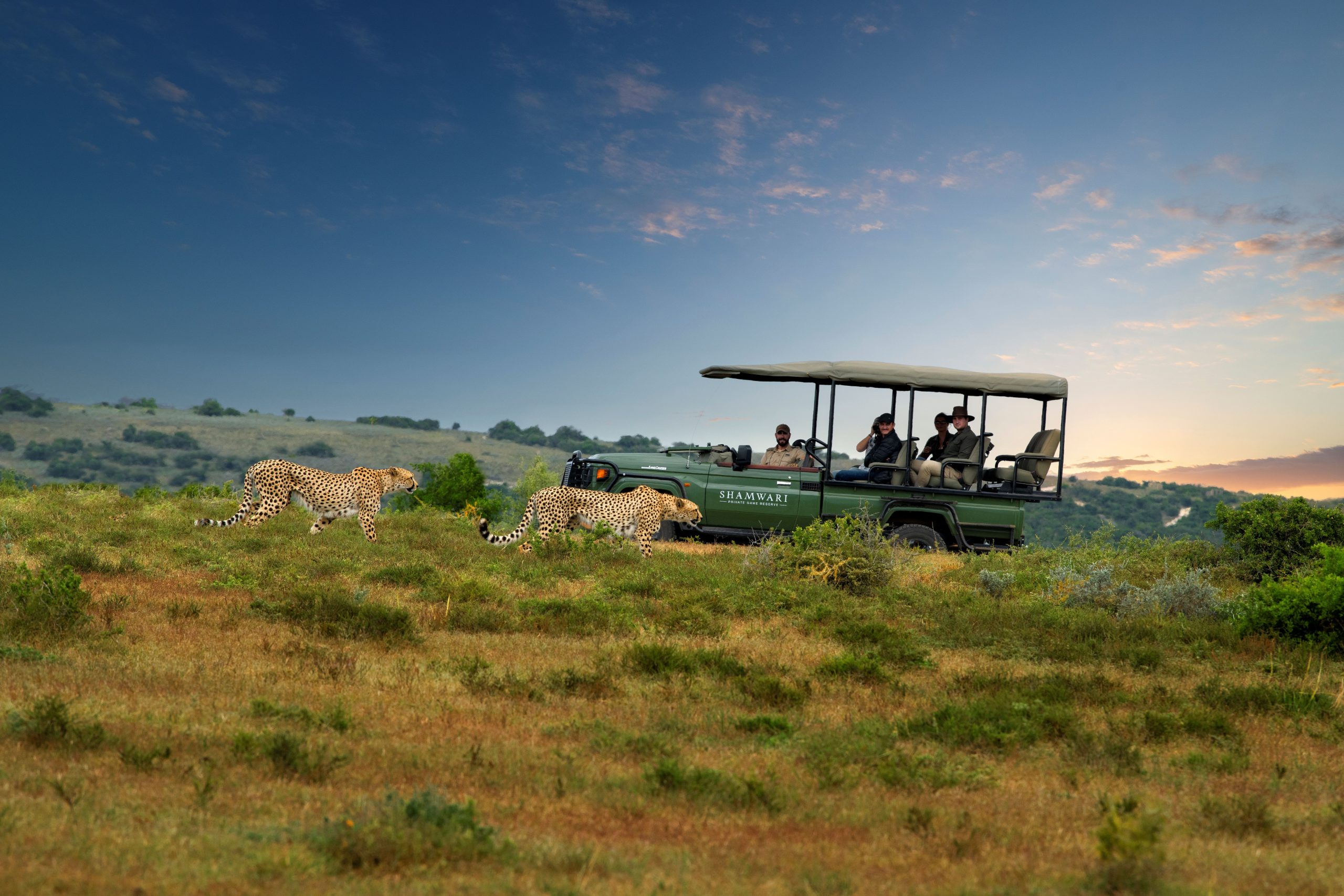
At Shamwari Private Game Reserve in South Africa, guests can spend several days working alongside conservation teams to gain a deeper understanding of wildlife protection.
Visitors are invited to learn about anti-poaching initiatives, wildlife rehabilitation and long-term conservation strategies while joining guided walks focused on animal tracking and sustainability.
The experience allows travellers to move beyond traditional game drives and witness the realities of wildlife conservation firsthand.
Discovering culture in Graaff-Reinet
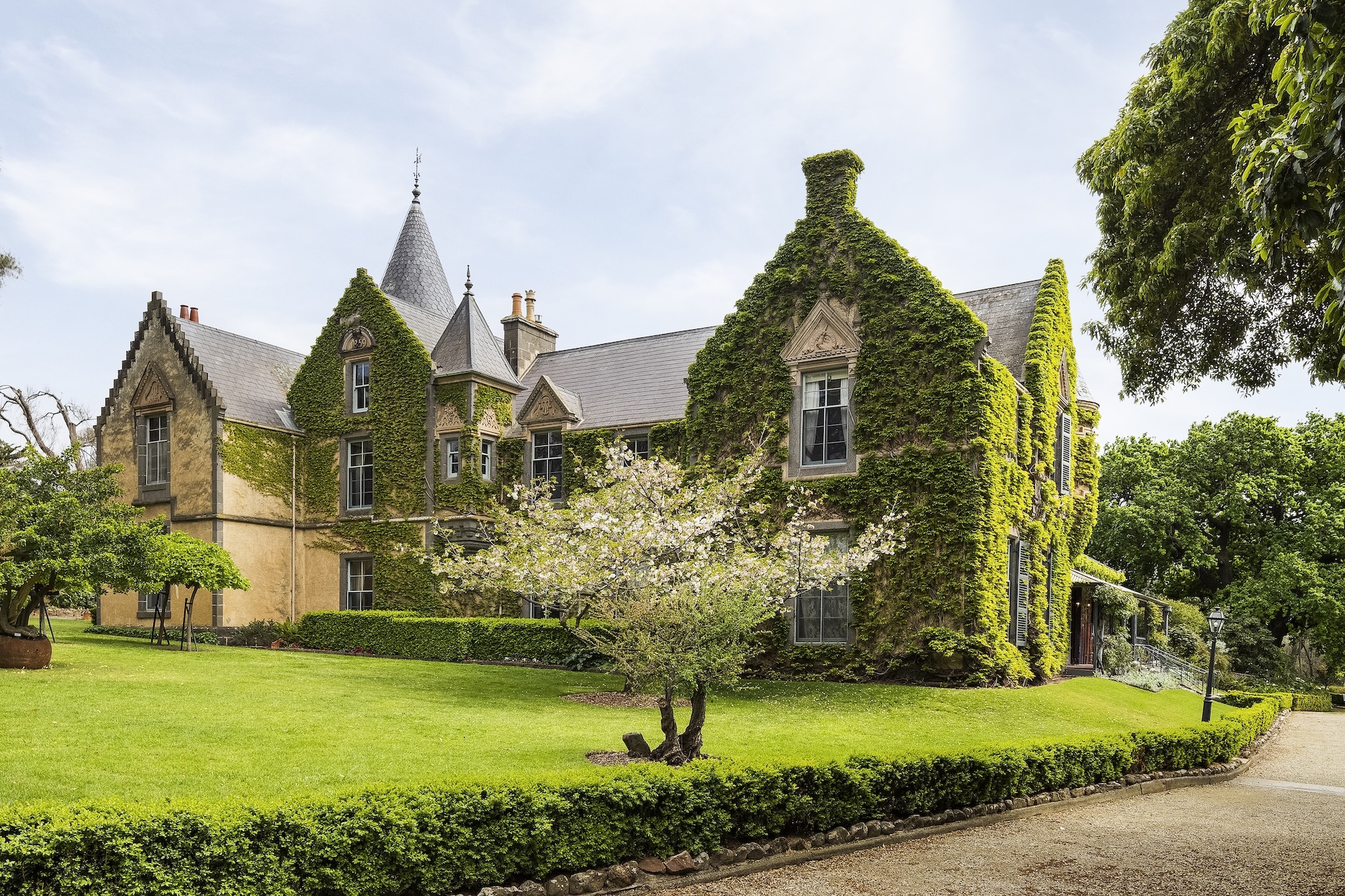
In the historic Karoo town of Graaff-Reinet, the Drostdy Hotel offers guests a more cultural immersion experience.
Travellers can explore the dramatic landscapes of the Valley of Desolation with expert guides and visit the Karoo Origins Fossil Centre, home to one of the world’s largest generational fossil collections.
The property combines heritage architecture with tranquil gardens and spa experiences designed to reconnect visitors with the surrounding landscape.
Eco-luxury along the Maputaland coast
On South Africa’s remote Maputaland coastline, Thonga Beach Lodge blends luxury with conservation in a pristine coastal environment.
The eco-lodge offers opportunities to witness turtles nesting and hatching, guided by local experts, and also provides cultural tours to nearby homesteads, schools, and clinics.
Nearby Lake Sibaya, Southern Africa’s largest freshwater lake, adds another dimension to the experience, offering a rich ecosystem for exploration.
Protecting endangered vultures
At Cape Vulture Nature Reserve, travellers can participate directly in conservation programs to protect one of Africa’s most threatened bird species.
Visitors assist researchers in field studies, contribute to habitat restoration and join educational hikes led by naturalists.
The reserve also runs community outreach initiatives designed to raise awareness about the ecological role of vultures and the challenges facing their survival.
Wildlife and birdlife on the Zambezi
Tsowa Safari Island, located along the Zambezi River, offers a wilderness experience centred on one of Africa’s richest bird habitats.
Guests can observe rare species such as Schalow’s Turaco, Pel’s Fishing Owl and African Finfoot while exploring landscapes dotted with ancient baobab trees.
The island’s remote setting allows travellers to immerse themselves fully in the rhythms of the surrounding ecosystem.
A new luxury safari in the Masai Mara
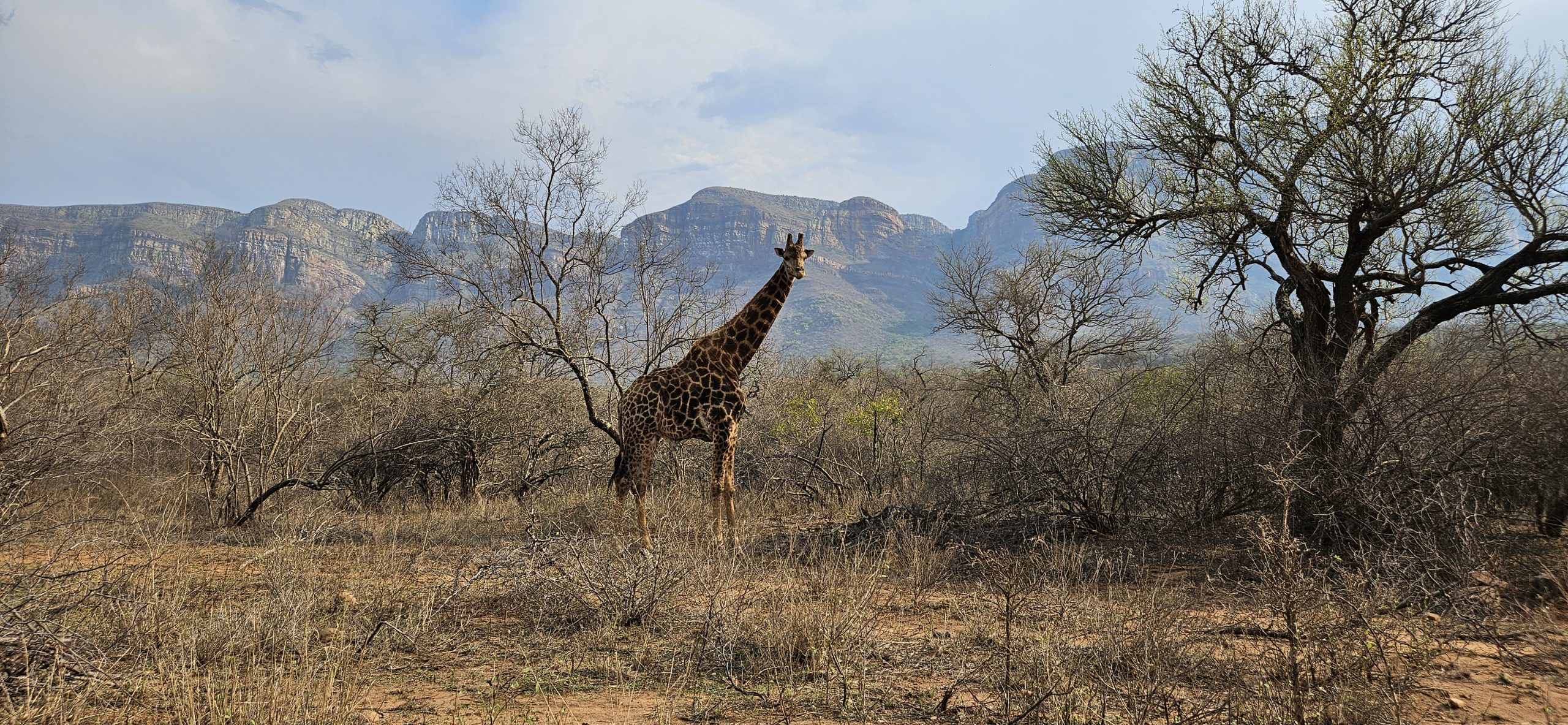
In Kenya, The Ritz-Carlton, Masai Mara Safari Camp introduces travellers to the dramatic wildlife spectacle of the Sand River during the Great Migration.
Guests can also explore Masai culture through storytelling, music and beadwork while visiting historic sites such as the Kenya–Tanzania border marker that links two of Africa’s most iconic ecosystems.
A shift toward meaningful travel
Industry experts say experiences like these reflect a broader shift in global travel behaviour.
Rather than simply visiting destinations, travellers increasingly want to understand them, engaging with local communities, supporting conservation efforts and gaining deeper insight into the natural world.
As demand for experiential travel continues to rise, Africa’s combination of wildlife, culture and conservation is positioning the continent at the centre of this growing trend.
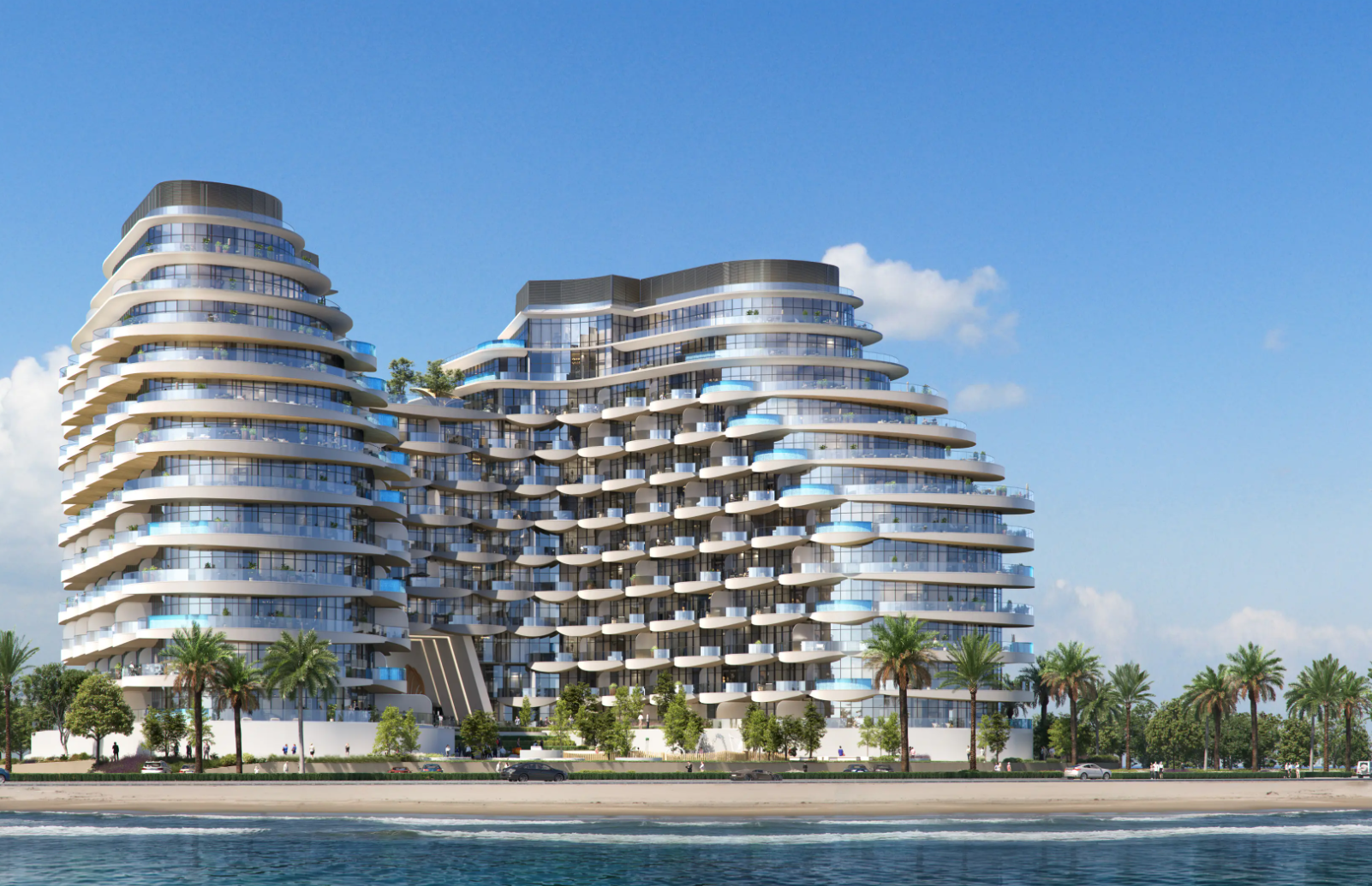
BNW Developments has established a Sydney presence, joining Arada and Sobha Realty among the growing number of UAE developers pursuing Australian buyers and development opportunities.

Australian shares fell on Thursday as Wall Street weakness, rising oil and persistent rate concerns weighed on most of the market. The S&P/ASX 200 declined 0.72 per cent to 8,702. The All Ordinaries lost 0.66 per cent to finish at 8,897. Mining stocks were hit particularly hard, while real estate also dragged on the index. …
Continue reading “ASX falls 0.7 per cent as miners and property stocks retreat”
Opening in 2028, Amanolu is planned as a 52-key resort with 16 private residences in the Vaavu Atoll, including five-bedroom homes occupying individual islands.
2 min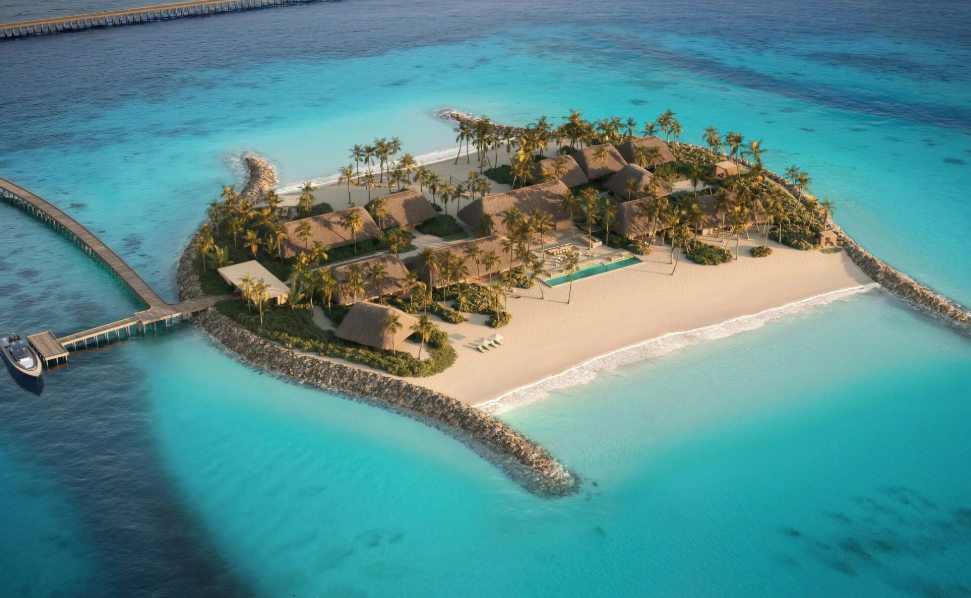
Aman has named its first Maldives destination Amanolu, setting the stage for a 2028 opening in the comparatively secluded Vaavu Atoll.
The name combines Aman—Sanskrit for peace—with “Olu”, inspired by the water lily. It is a fitting identity for a project intended to extend the brand’s restrained approach to luxury across a private-island setting.
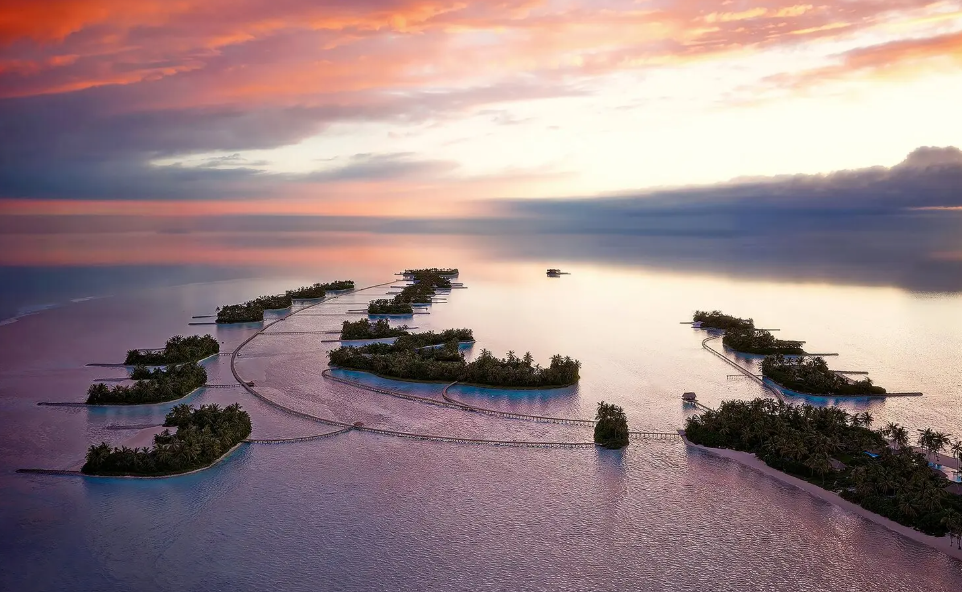
Current plans describe a 52-key resort and 16 Aman Residences. The residential proposition is extraordinary even by Maldives standards: each five-bedroom home is expected to occupy its own private island, with a 25-metre swimming pool and private jetty.
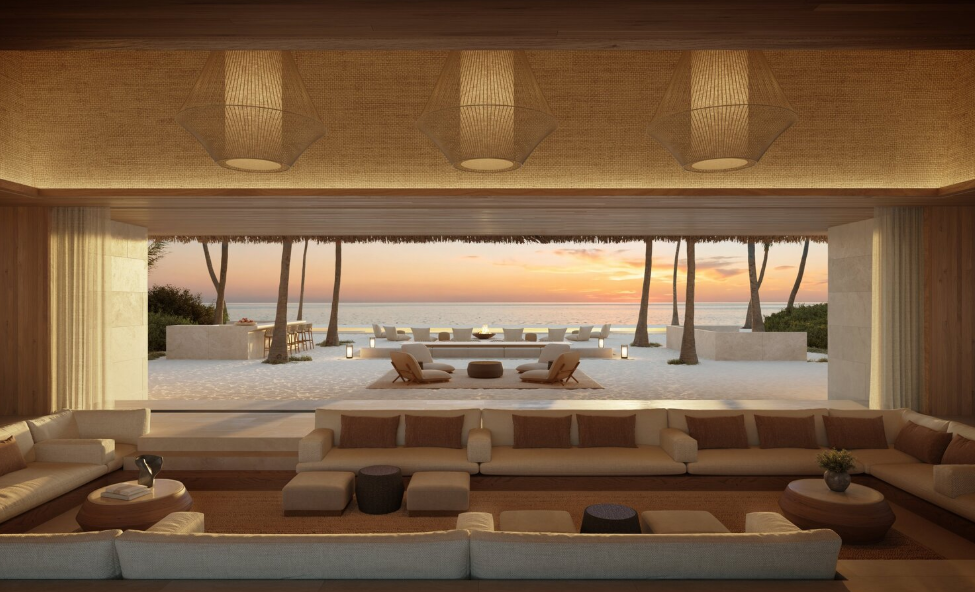
The resort is also expected to devote an entire island to wellness. That physical separation could allow treatments, movement and restoration programs to operate away from the social energy of the main resort, although the exact facilities and practitioner program should be confirmed as the opening approaches.
Vaavu Atoll offers a different context from the archipelago’s more intensively developed resort regions. Its appeal rests on marine environment, privacy and the sensation of remoteness. Access, transfer times and seasonal conditions will therefore form an important part of the guest experience.
For prospective residence owners, the romance of a private island comes with a demanding operational model. Marine infrastructure, utilities, staffing, maintenance, insurance, management fees and resale provisions require close scrutiny. Ownership structure and local legal rights should be assessed with specialist advisers.
Amanolu also enters a competitive field. The Maldives already contains some of the world’s most ambitious resorts, so novelty cannot rest on an overwater villa alone. Aman’s opportunity is to translate its signature privacy, spatial calm and service into a destination where the physical landscape is already spectacular.
With opening still two years away, design, pricing, booking dates and residence availability may change. For now, Amanolu’s most compelling promise is radical separation: fewer keys, a dedicated wellness island and residences that turn the idea of a private island from marketing language into a literal address.
Fact box
Resort: Amanolu
Location: Vaavu Atoll, Maldives
Expected opening: 2028
Resort scale: 52 keys
Residences: 16 private homes
Residence concept: Five bedrooms, 25-metre pool and private jetty; each reportedly on its own island
Wellness: Dedicated island planned

Australia’s housing market defies forecasts as prices surge past pandemic-era benchmarks.

Three-Michelin-starred chef Massimiliano Alajmo will host an intimate Mediterranean sailing aboard Crystal Serenity, redefining fine dining at sea.