This 900-Year-Old Castle Is the Priciest Home Ever Listed for Sale in Luxembourg
Château d’Ansembourg and the adjacent Domaine du Presbytère d’Ansembourg are on the market for €37.5 Million

 < 1 min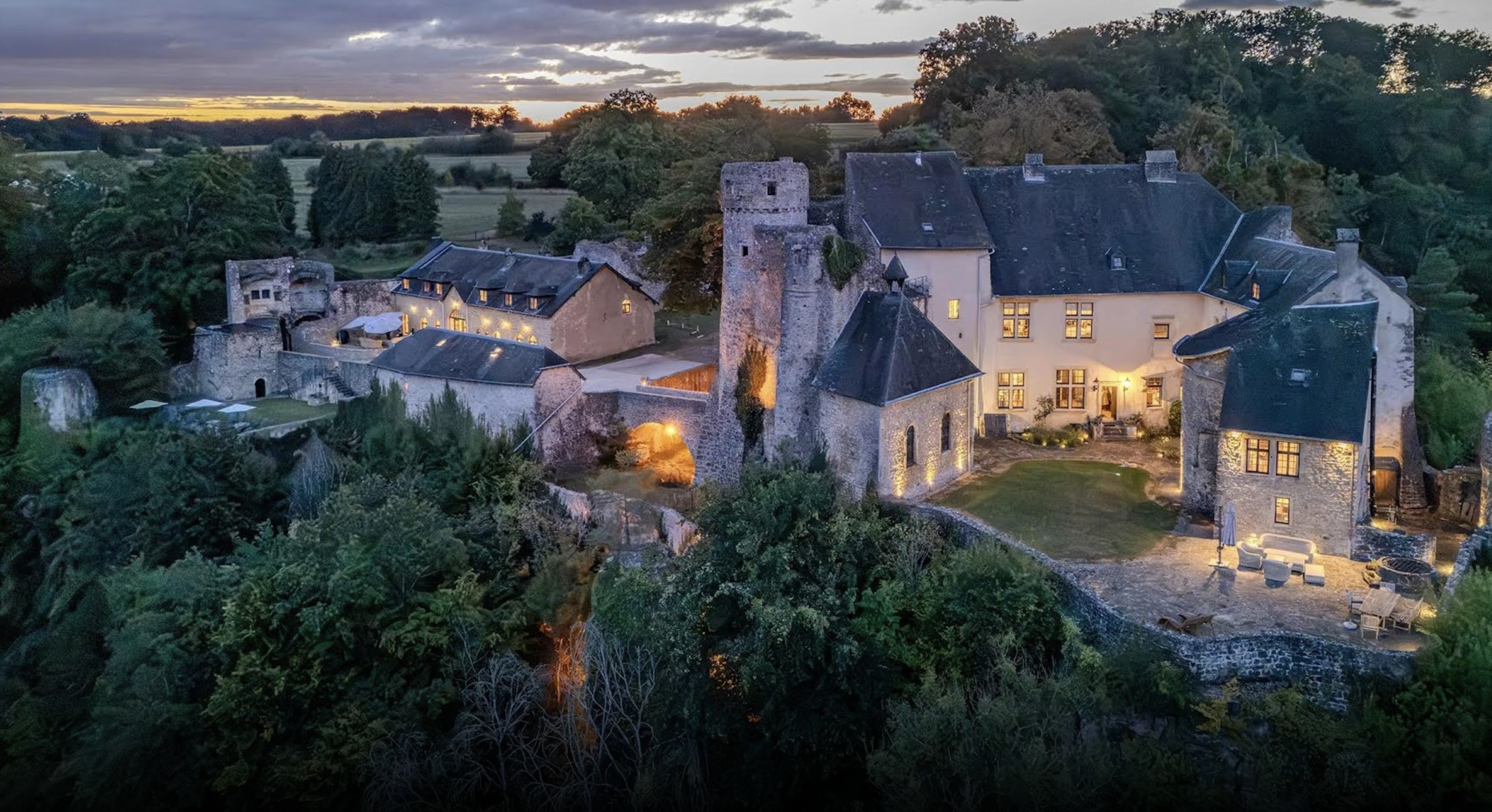
The listing comprises the ancient Château d’Ansembourg and the adjacent Domaine du Presbytère d’Ansembourg, which are within central Luxembourg’s Valley of the Seven Castles.
Château d’Ansembourg is one of the seven castles the valley is named for and is regarded as one of the country’s most important privately owned châteaus, according to Ignace Meuwissen, the founder of Whisper Auctions, who is handling the sale.
The castle sits at the heart of an almost 500-acre estate overlooking the picturesque village of Ansembourg, and records of its existence date to 1135.
Domaine du Presbytère d’Ansembourg, meanwhile, is a more than 110-acre estate comprising a former presbytery, a chapel dating to 1678, a historic school site, forests and meadows.
“Properties of this calibre rarely become available,” Meuwissen said.
“What is being offered today is far more than a chateau. The combination of nearly nine centuries of documented history, 245 hectares of land and a unique location in the Valley of the Seven Castles creates an opportunity that is exceptionally rare within Europe. Opportunities of this scale and heritage value are seldom brought to market and are often preserved within families for generations.”
The properties are being marketed through a “semi-off-market sales process,” with limited information and marketing materials publicly available, and access to the properties is reserved for a small number of pre-qualified candidates, according to Meuwissen.
Both estates have been privately occupied by the same owner, whom Meuwissen declined to identify. Mansion Global could not confirm who the seller is.
 Copyright 2020, Dow Jones & Company, Inc. All Rights Reserved Worldwide. LEARN MORE




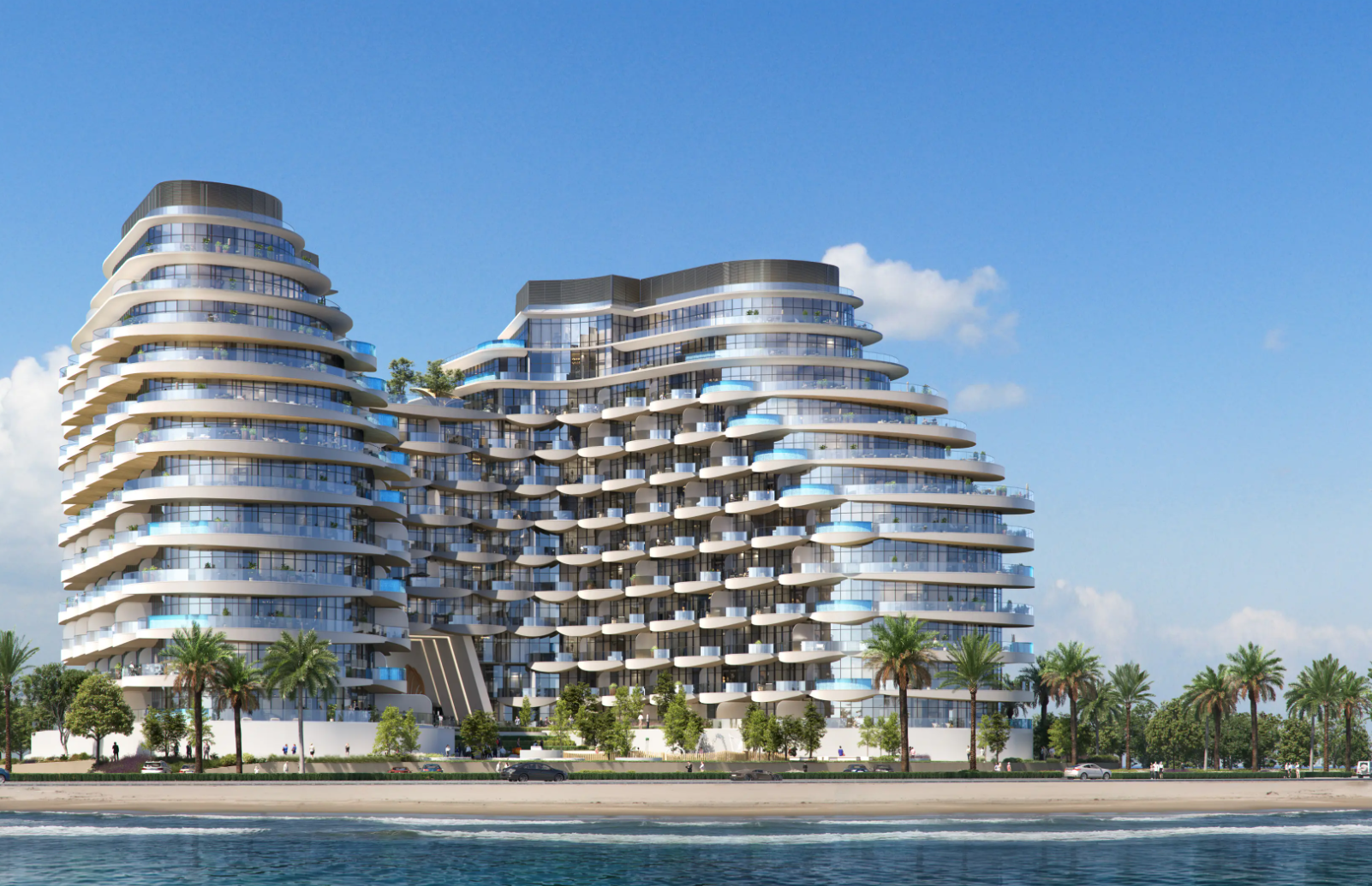
BNW Developments has established a Sydney presence, joining Arada and Sobha Realty among the growing number of UAE developers pursuing Australian buyers and development opportunities.

Australian shares fell on Thursday as Wall Street weakness, rising oil and persistent rate concerns weighed on most of the market. The S&P/ASX 200 declined 0.72 per cent to 8,702. The All Ordinaries lost 0.66 per cent to finish at 8,897. Mining stocks were hit particularly hard, while real estate also dragged on the index. …
Continue reading “ASX falls 0.7 per cent as miners and property stocks retreat”
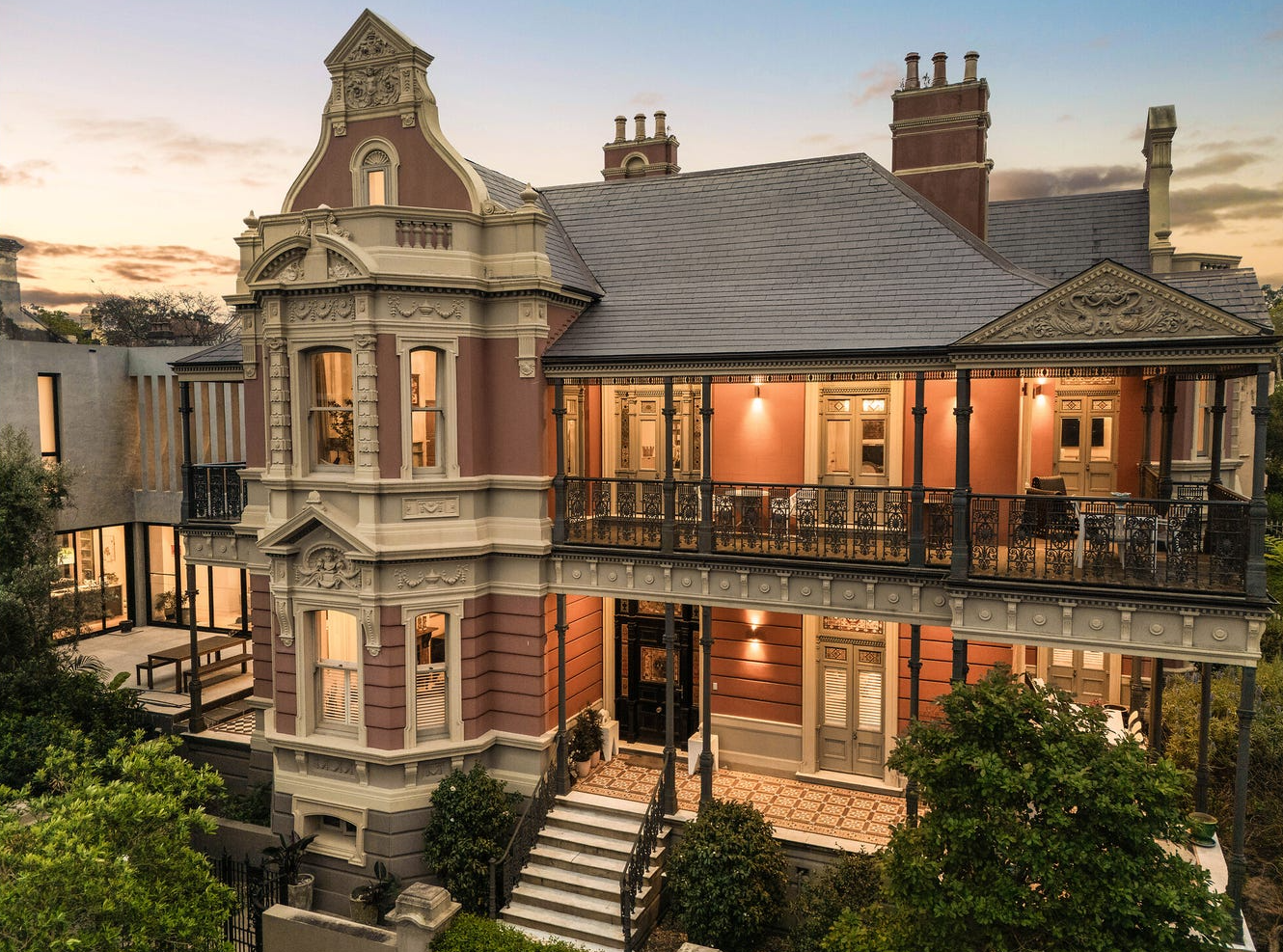
Restored Victorian Italianate manor Earlswood combines two substantial residences on 778sqm and leads the prestige offering from the newly established Ray White Phillips & Co.
3 min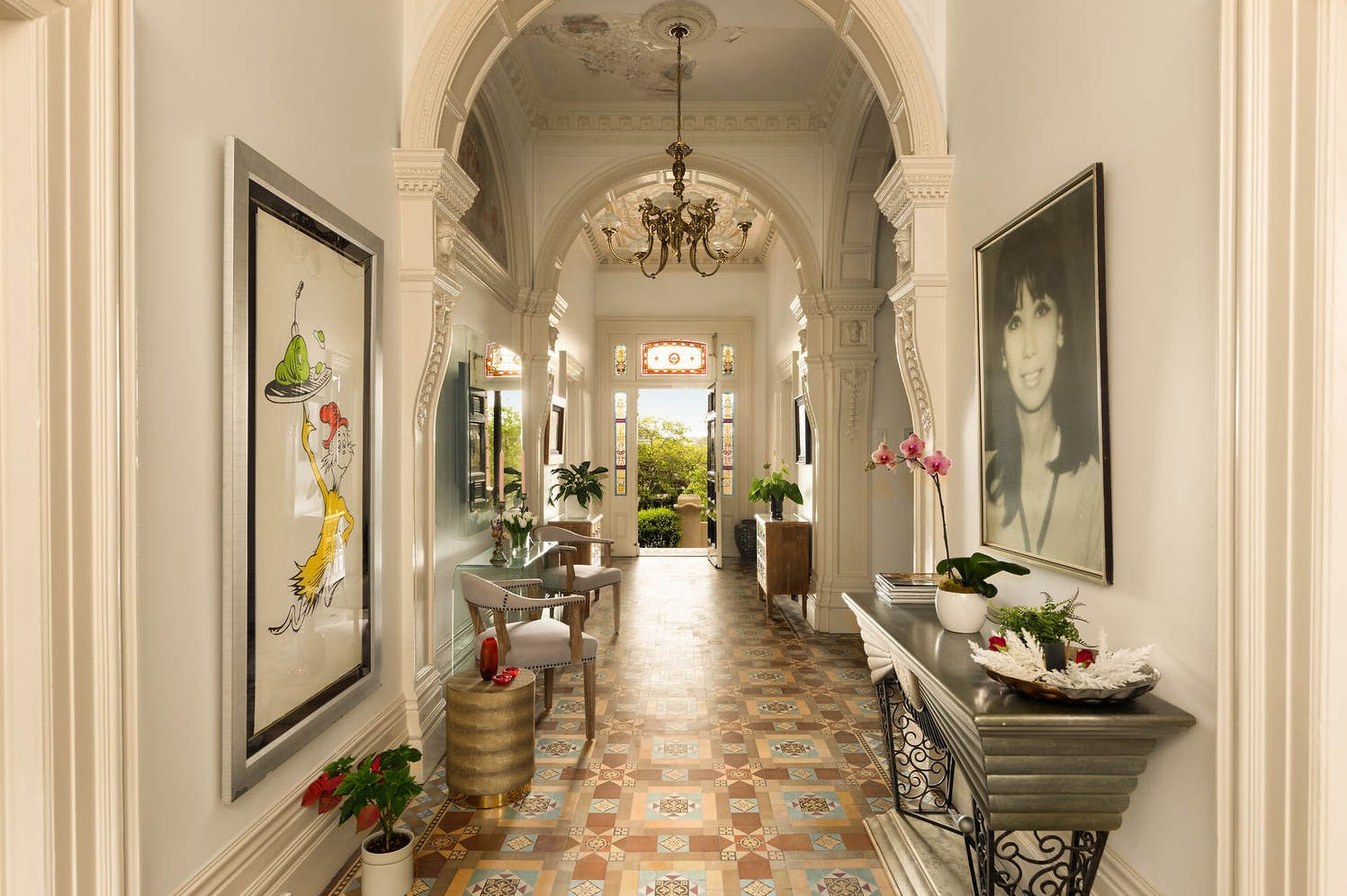
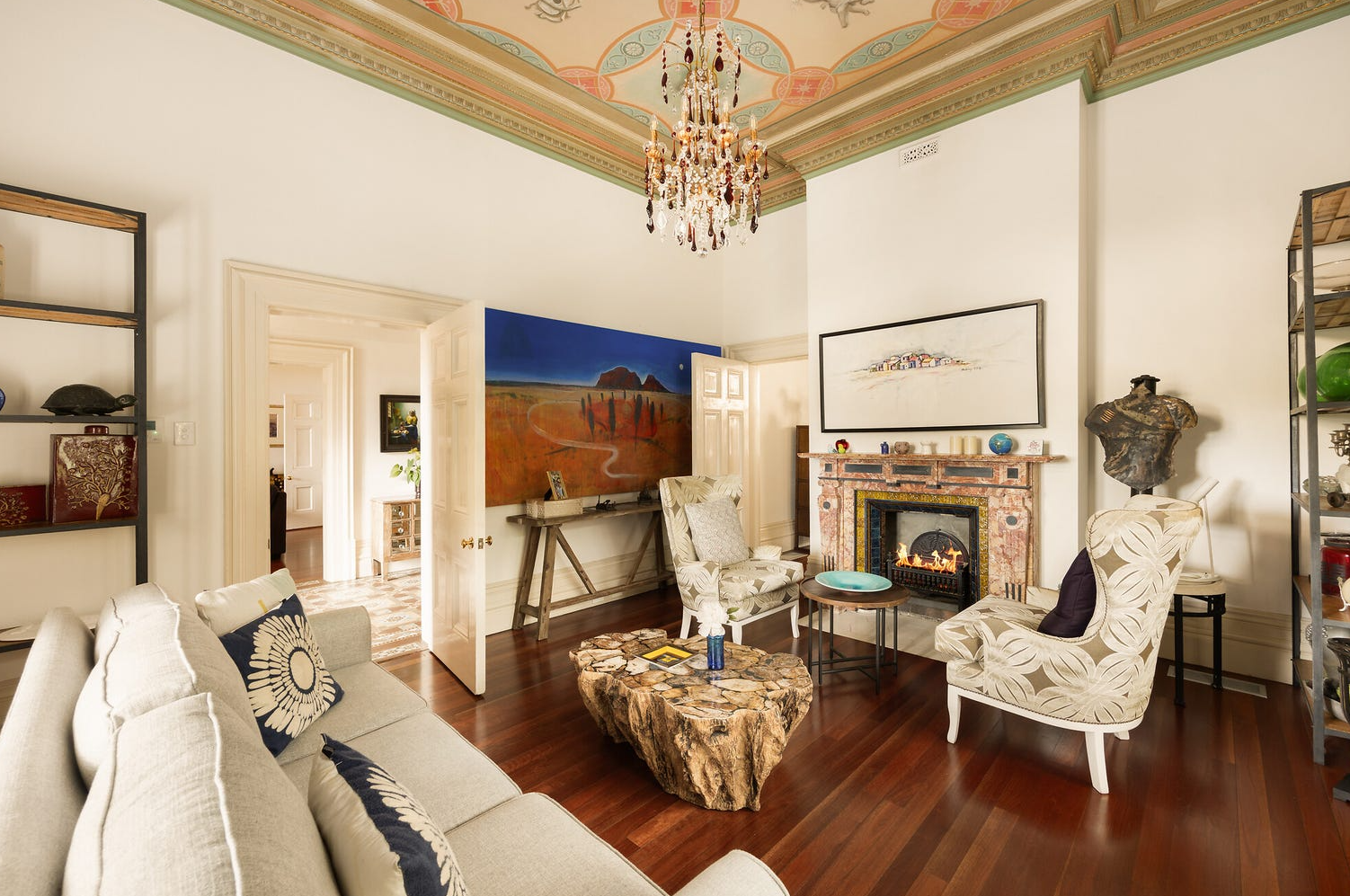
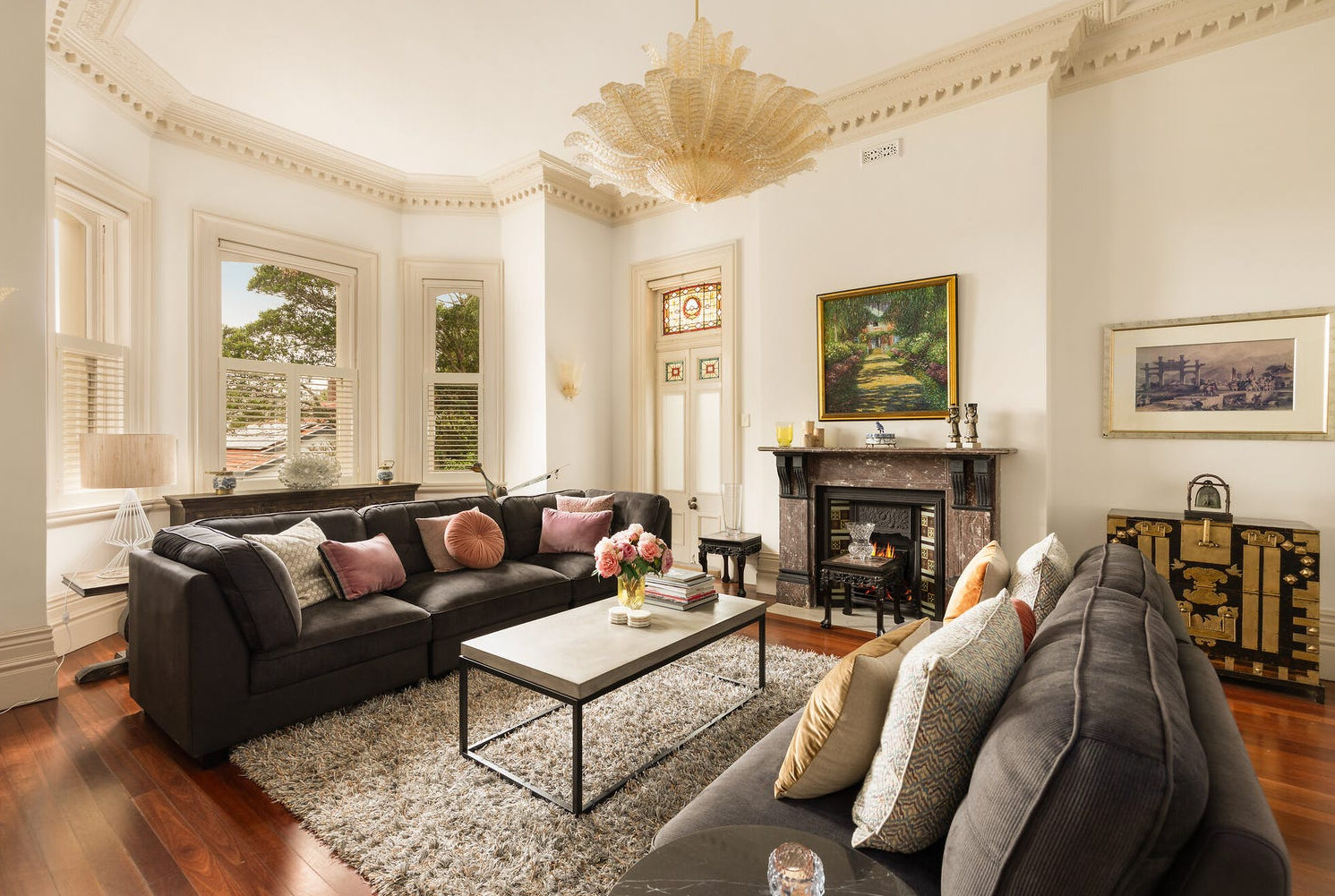
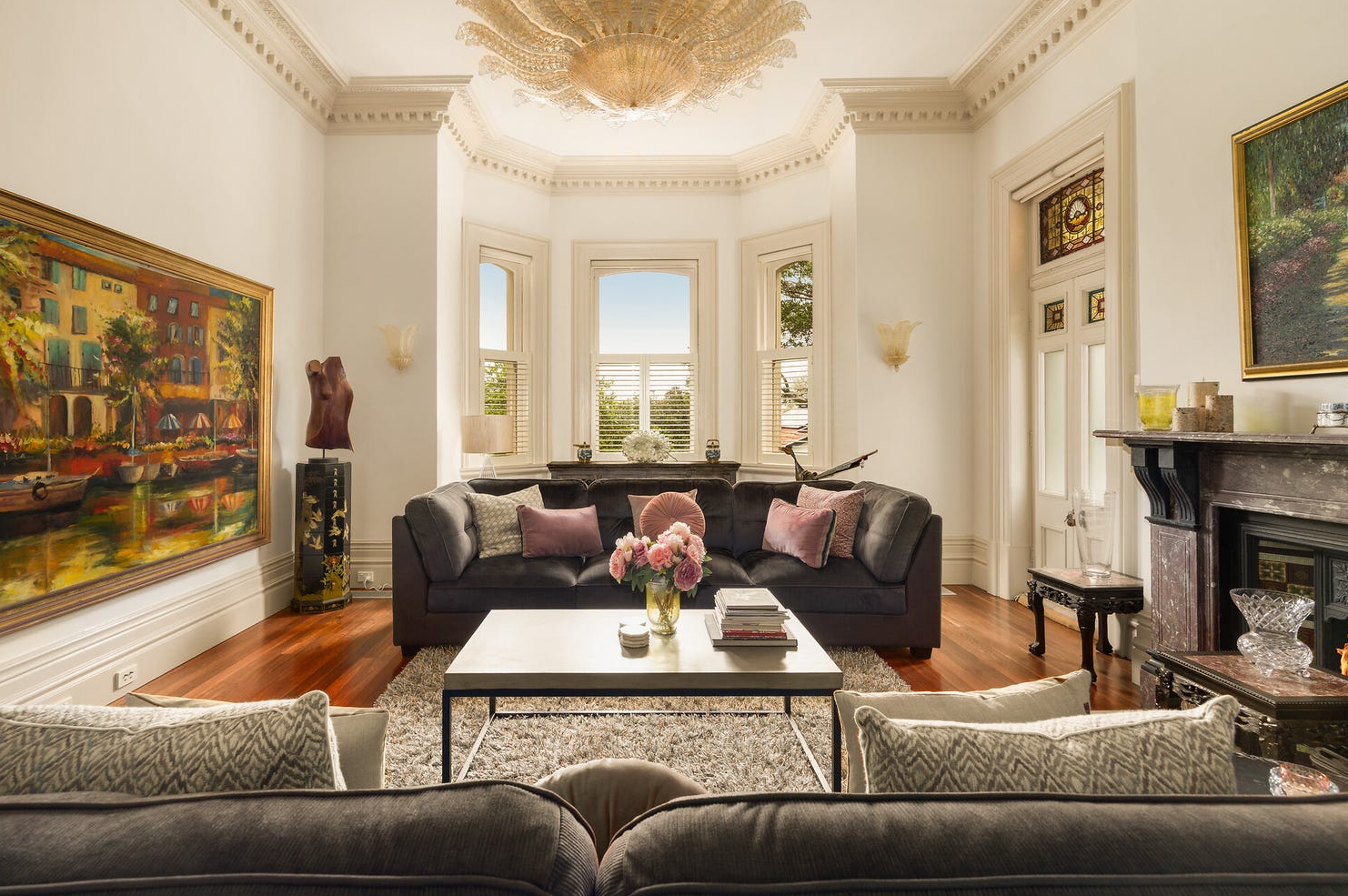
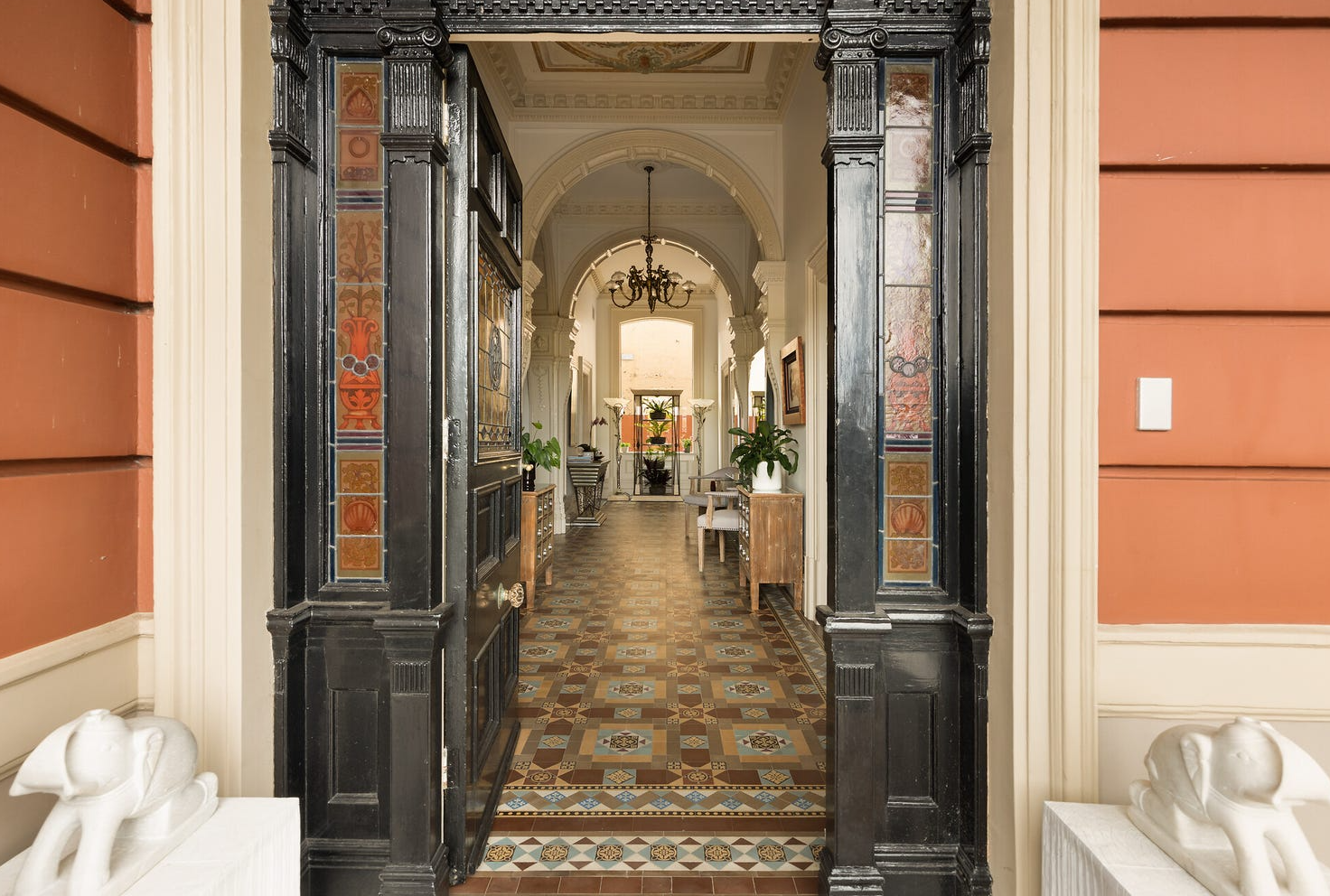
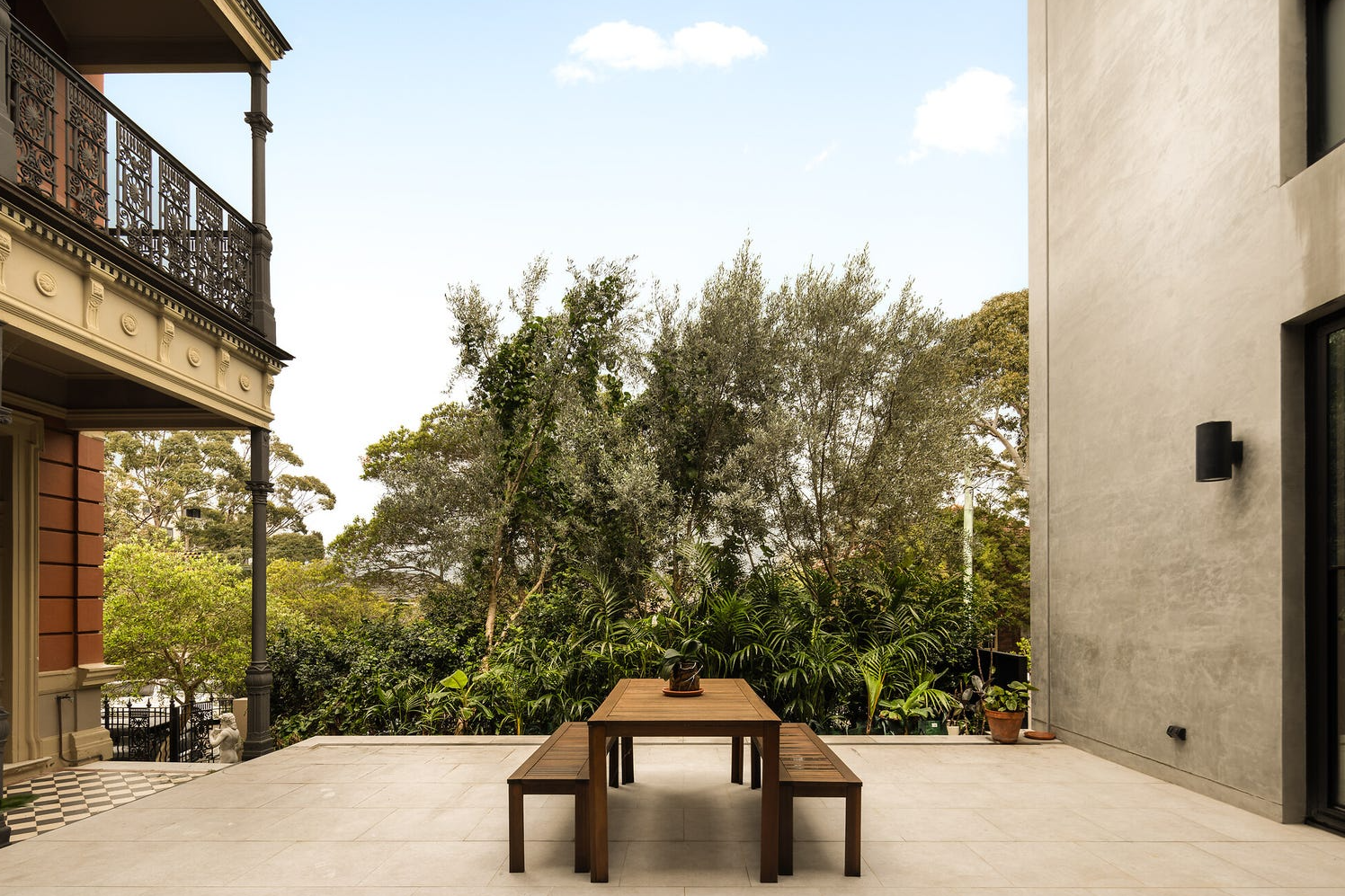
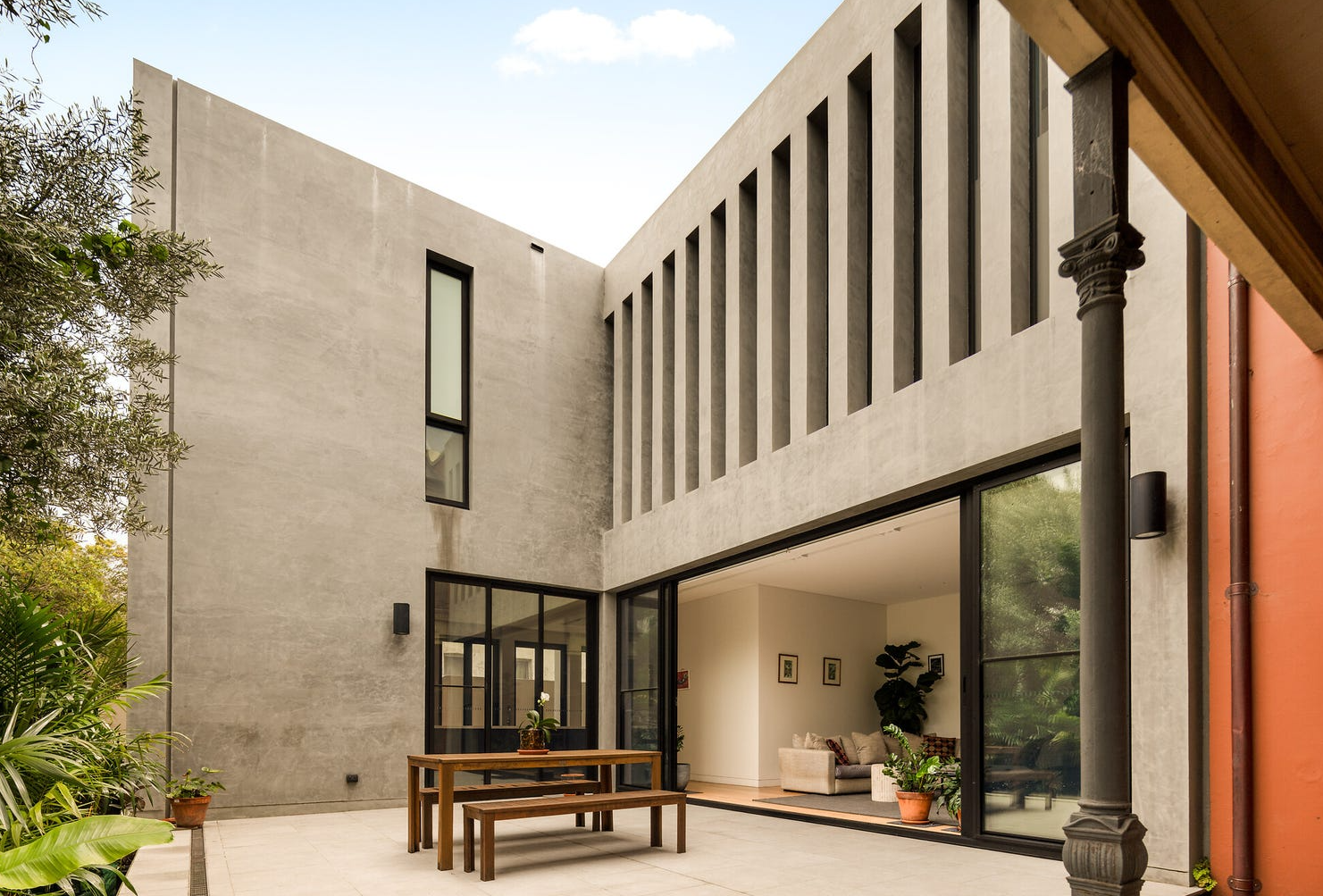
Alexander Phillips has unveiled his first newly launched trophy campaign since establishing Ray White Phillips & Co, with the landmark Randwick estate Earlswood being offered with a guide of $10.5 million.
The listing is an early statement for Phillips’ new Woollahra-based agency. Less than a month after opening, Ray White Phillips & Co had already secured more than $30 million across a series of booked auction campaigns, including the $9 million sale of 92 Ocean Street, Bondi, and sales in Waverley, Bronte, Clovelly, Paddington and Coogee.
Phillips also recently sold 9 Kenneth Street, Tamarama, for $20.25 million, the highest reported Eastern Beaches sale of 2026.
The latest addition to the agency’s books is one of the eastern suburbs’ more distinctive estates.
Occupying 778 sqm at 54 Dutruc Street, Earlswood pairs a restored Victorian Italianate manor with an adjoining two-storey contemporary residence designed by X-PACE Design Group.
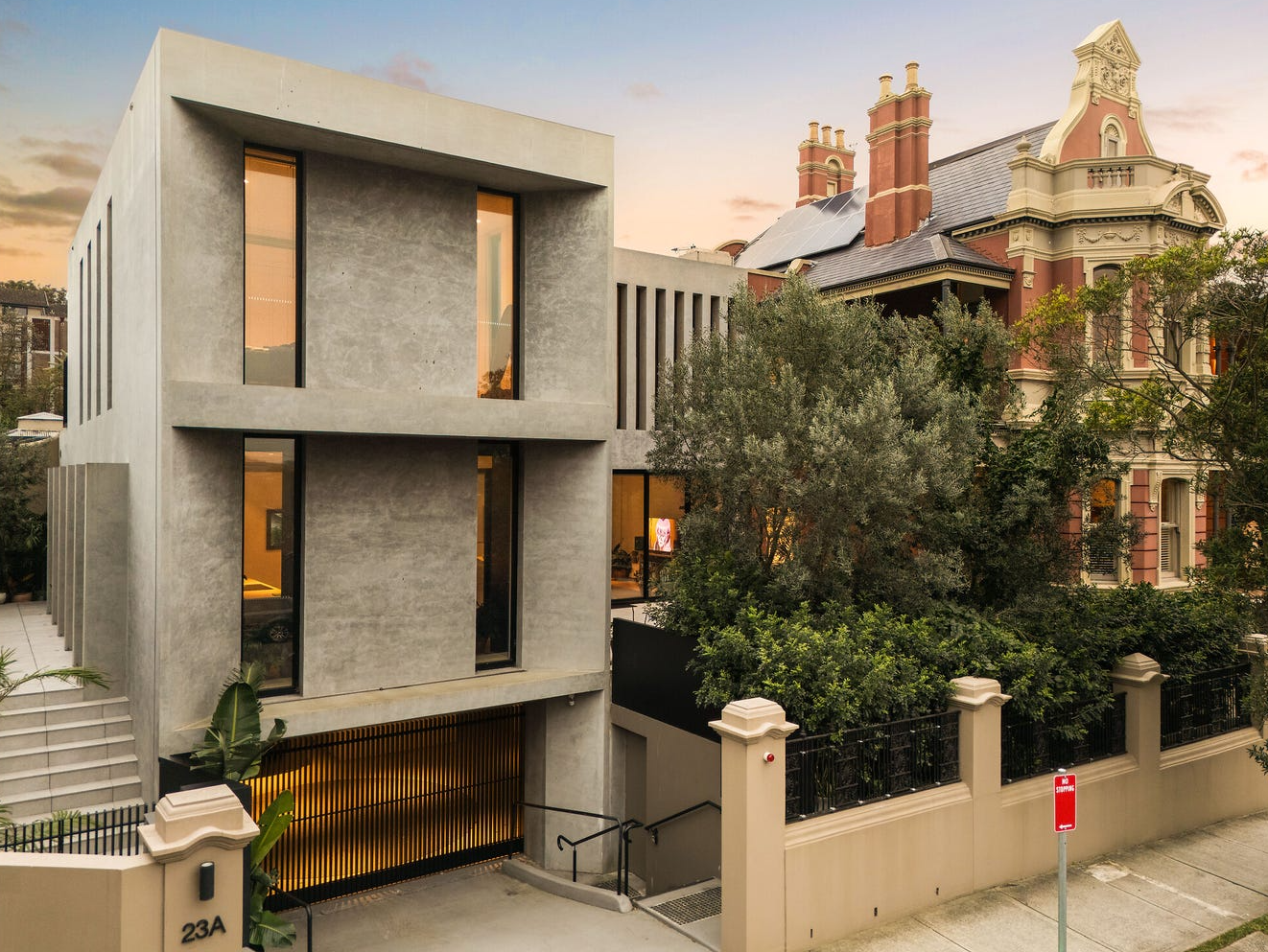
The original home was built in 1891 and is a locally listed heritage residence within Randwick’s St Marks conservation area. Its restoration retains much of the formality and detail expected of a grand Victorian property, including a substantial entrance foyer, frescoes by Augusto Lorenzini, four-metre ceilings, marble fireplaces and a series of reception and entertaining rooms.
Four king-sized bedrooms are arranged on one level, while an attic retreat captures views towards the ocean. More recent additions include a custom kitchen with Gaggenau appliances, a butler’s pantry, Spotted Gum floors and ducted air-conditioning.
Next door, the second residence takes a distinctly contemporary approach. Off-form concrete, wide oak floorboards and clean architectural lines establish a deliberate contrast with the ornate historic manor.
The modern home contains three upper-level ensuite bedrooms, two living areas, a designer kitchen, courtyard and north-facing rooftop terrace. Villeroy & Boch-appointed terrazzo bathrooms and Italian lighting continue the detailed finish found throughout the estate.
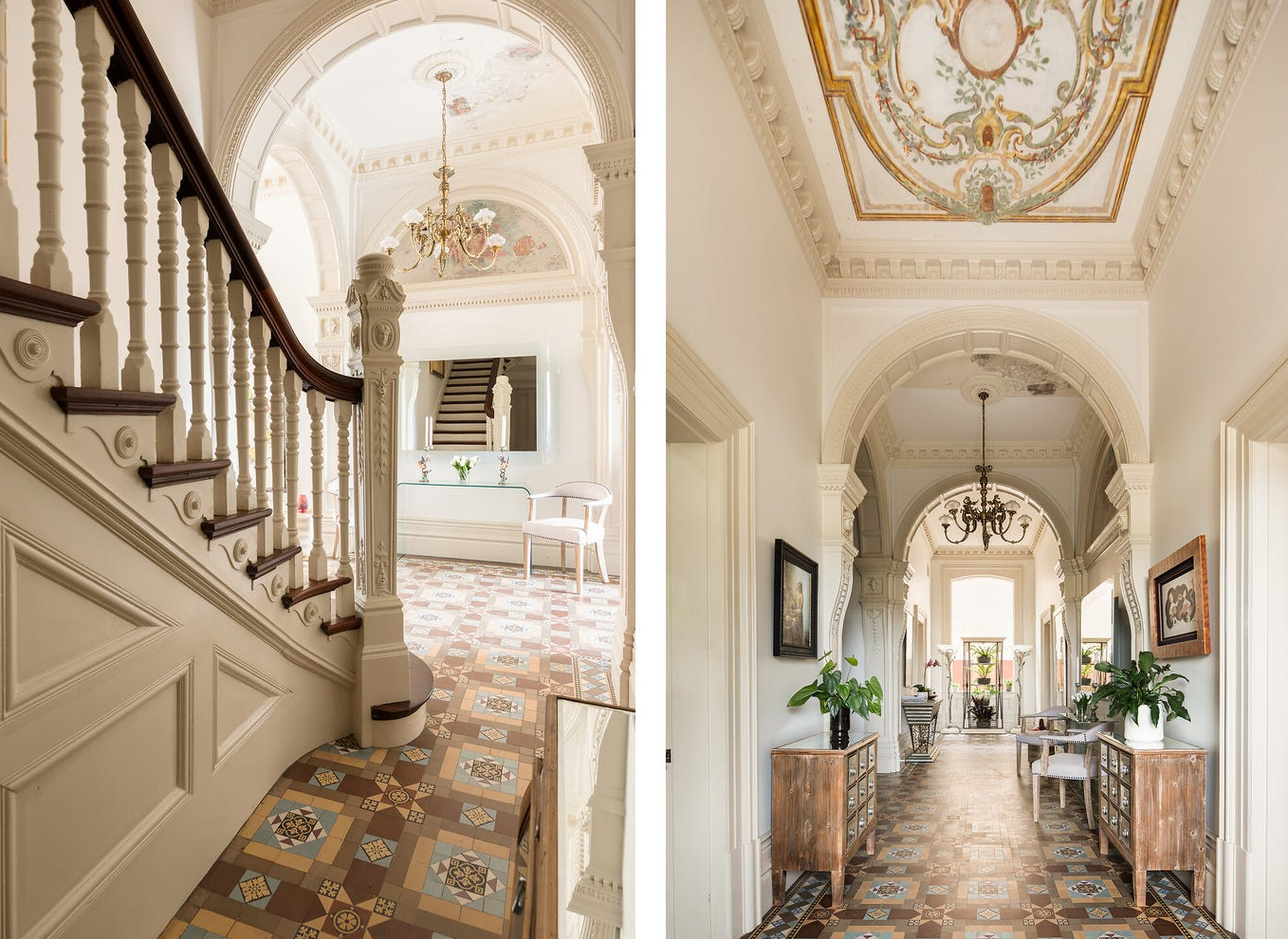
Although architecturally different, the two homes have been designed to operate together or independently. Each has its own entrance, while both connect to a four-car basement containing a vehicle turntable, wine cellar and internal lift access.
The configuration lends itself to multigenerational living, accommodation for adult children or extended family, or a principal residence with a separate income-producing home. The properties have also been prepared for possible future title subdivision, subject to council approval.
The estate spans approximately 717sqm of internal floor area and has a 39-metre frontage to Rae Street, as well as landscaped gardens and dual-street access. It last changed hands for $10.75 million in November 2023, according to publicly available property records.
Earlswood arrives as Phillips begins the next phase of a 24-year career in Sydney’s eastern suburbs. He has been ranked among Australia’s leading residential agents for more than a decade, with his team reported to transact more than $1 billion in property annually across more than 400 clients.
Phillips said his decision to launch Ray White Phillips & Co was driven by the industry’s increasing reliance on technology, data and network reach, while maintaining his team’s focus on the eastern suburbs.
For Ray White, Earlswood provides an appropriately high-profile introduction to its newest prestige operation: a rare dual-residence property that offers both a carefully preserved piece of Randwick’s history and a markedly contemporary way of living.
Earlswood at 54 Dutruc Street, Randwick, is being marketed by Alexander Phillips of Ray White Phillips & Co through expressions of interest closing November 5.

Hand-built in Melbourne and limited to just 10 cars a year, the Zeigler/Bailey Z/B 4.4 is reshaping what a modern collector car can be.

Once a sleepy surf town, Noosa has become Australia’s prestige property hotspot, where multi-million dollar knockdowns, architectural showpieces and record-setting sales are the new normal.