$11m sale breaks Bondi Junction apartment record
A record-breaking $11 million sale at The Centennial Collection has set a new benchmark for luxury apartment living in Bondi Junction.
 3 min
3 min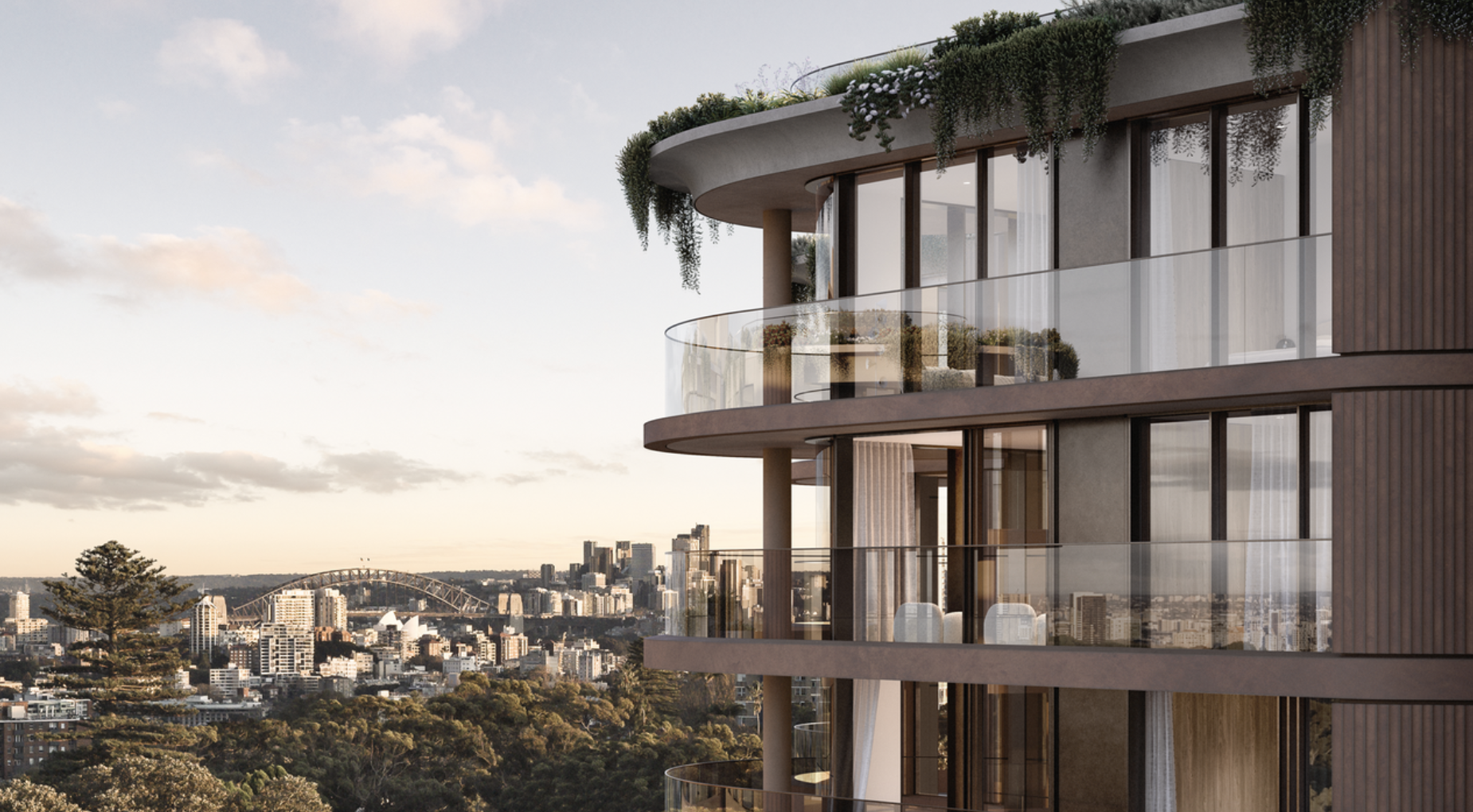
The Centennial Collection, the new apartment development on the edge of Centennial Park in Bondi Junction, continues to break local residential property records.
A local Eastern suburbs buyer has splashed $11 million on a three-bedroom, sub-penthouse on level 10 of the development, topping the previous record within the same development.
At 266 sqm, including internal and external space, the north-facing residence achieved more than $55,000 per sqm, making it one of the most expensive apartment transactions ever recorded in Sydney’s eastern suburbs outside the harbourfront enclaves of Double Bay and Darling Point.
The buyer had originally purchased a three-bedroom apartment in The Centennial Collection in 2025 for $6.5 million before deciding to secure the larger half-floor sub-penthouse.
Ray White Projects Director of Sales Marcello Bo, who is managing sales for the project, said the transaction highlighted the continued strength of demand for premium apartments in Sydney’s eastern suburbs.
“This sale is a clear indication of buoyancy in the upper end of the market and reinforces the strong demand and appetite for primely located, larger-sized apartments with all the luxurious inclusions you would expect with a development of this calibre,” Bo said.
“It also demonstrates that superbly-designed, lifestyle-driven residences in tightly held locations continue to outperform, particularly when they deliver scale, privacy, rarity and long-term liveability that aligns with how buyers want to live today.”
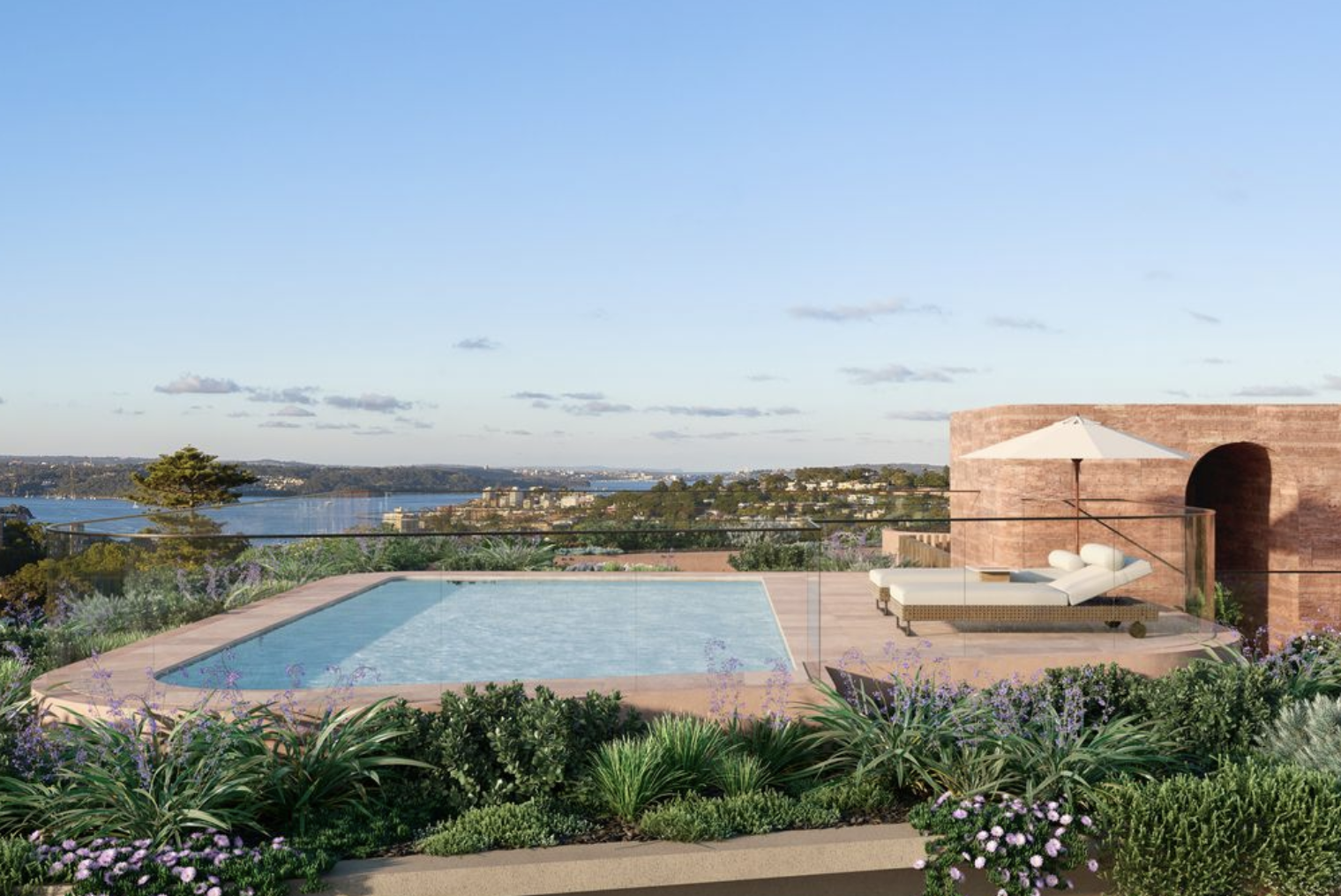
The Centennial Collection occupies a prominent gateway site overlooking Centennial Park at the junction of Bondi Junction, Woollahra and Paddington. Following recent State Significant Development approval, the project now comprises 79 apartments across two adjoining towers rising 13 and 16 storeys.
The development has been designed to target owner-occupiers seeking larger-format apartments, with residences featuring inclusions more commonly associated with standalone homes, including private rooftop pools, bedroom fireplaces, wet bars, butler’s pantries and full-sized wine fridges.
The record-setting residence was originally designed as one of the project’s penthouses before the approval process allowed additional levels to be added to the scheme.
Positioned on Level 10, the apartment occupies half a floor and has no common walls. It offers 270-degree views spanning Sydney Harbour, the Harbour Bridge, Opera House, Centennial Park and both the northern and southern headlands.
The purchaser said that proximity to Centennial Park, transport connectivity, and the surrounding lifestyle amenities ultimately drove his decision.
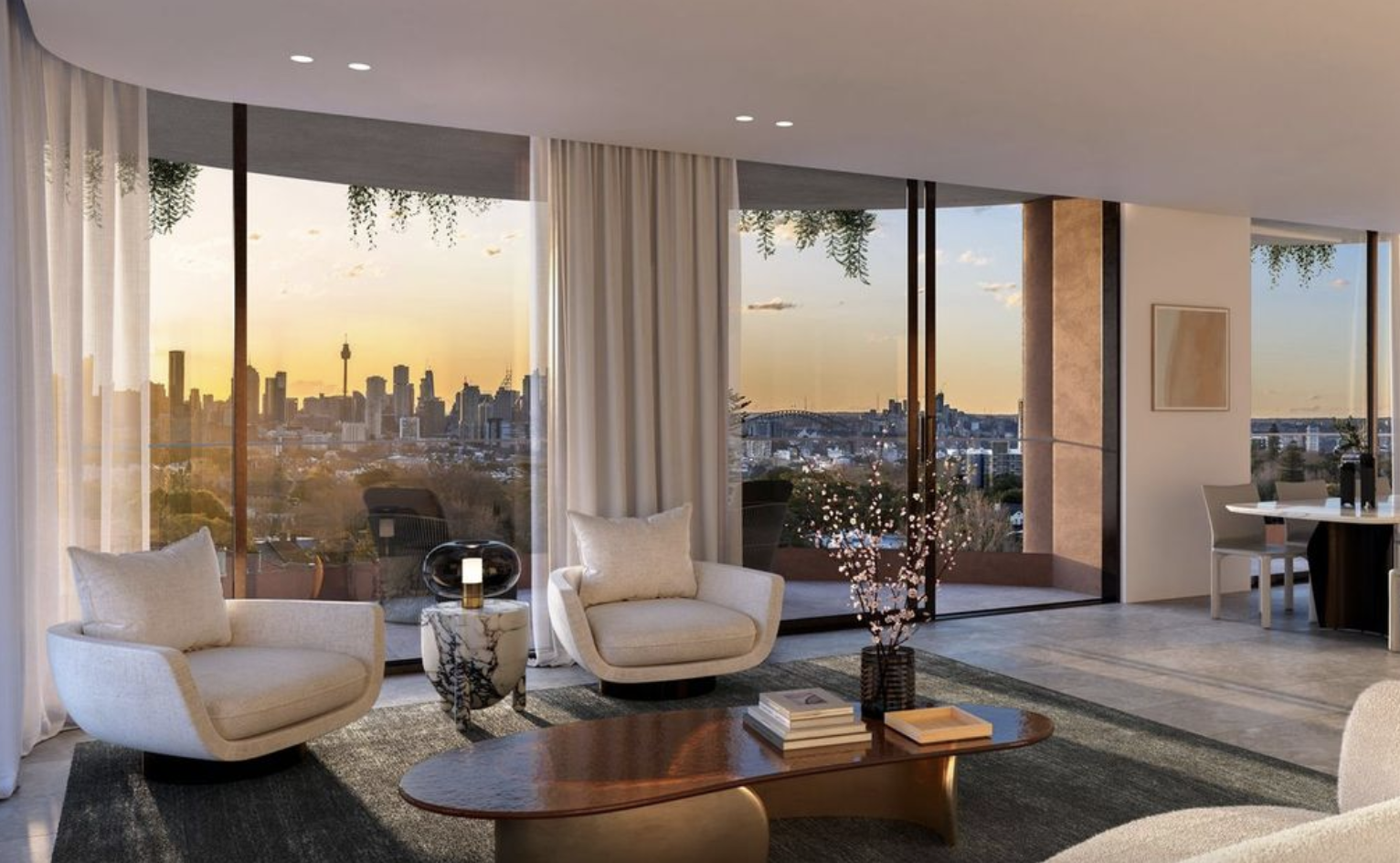
“I’m constantly looking at developments everywhere in the east, from Darling Point to Rushcutters Bay, Double Bay, all the beaches, Bondi, Bronte, Tamarama, Woollahra. I wanted something new,” he said.
“Everywhere you go, there’s a trade-off. It might have a great floor plan, but it doesn’t have a view. Working in the city, your daily commute impacts everything, so Bondi Junction train station was a huge factor in my decision.”
The buyer, an avid cyclist who rides regularly in Centennial Park, said his view of the location changed significantly as he spent more time assessing the eastern suburbs market.
“At first, I thought, who would want to live there? It’s one of the busiest intersections in the eastern suburbs. But when you peel it all back, it’s one of the best locations in Sydney. You’re close to everything, you can walk to everything, the amenity is incredible, and the views are amazing.”
Bondi Junction is slated to look materially different in the coming decades, with a draft 100-page masterplan proposing a regeneration of the suburb which would include thousands more apartments as well as a revitalised commercial, retail, and dining precinct.

Technology and semiconductor shares fell sharply as investors questioned the debt financing the AI infrastructure boom and confronted higher rates and Chinese competition.
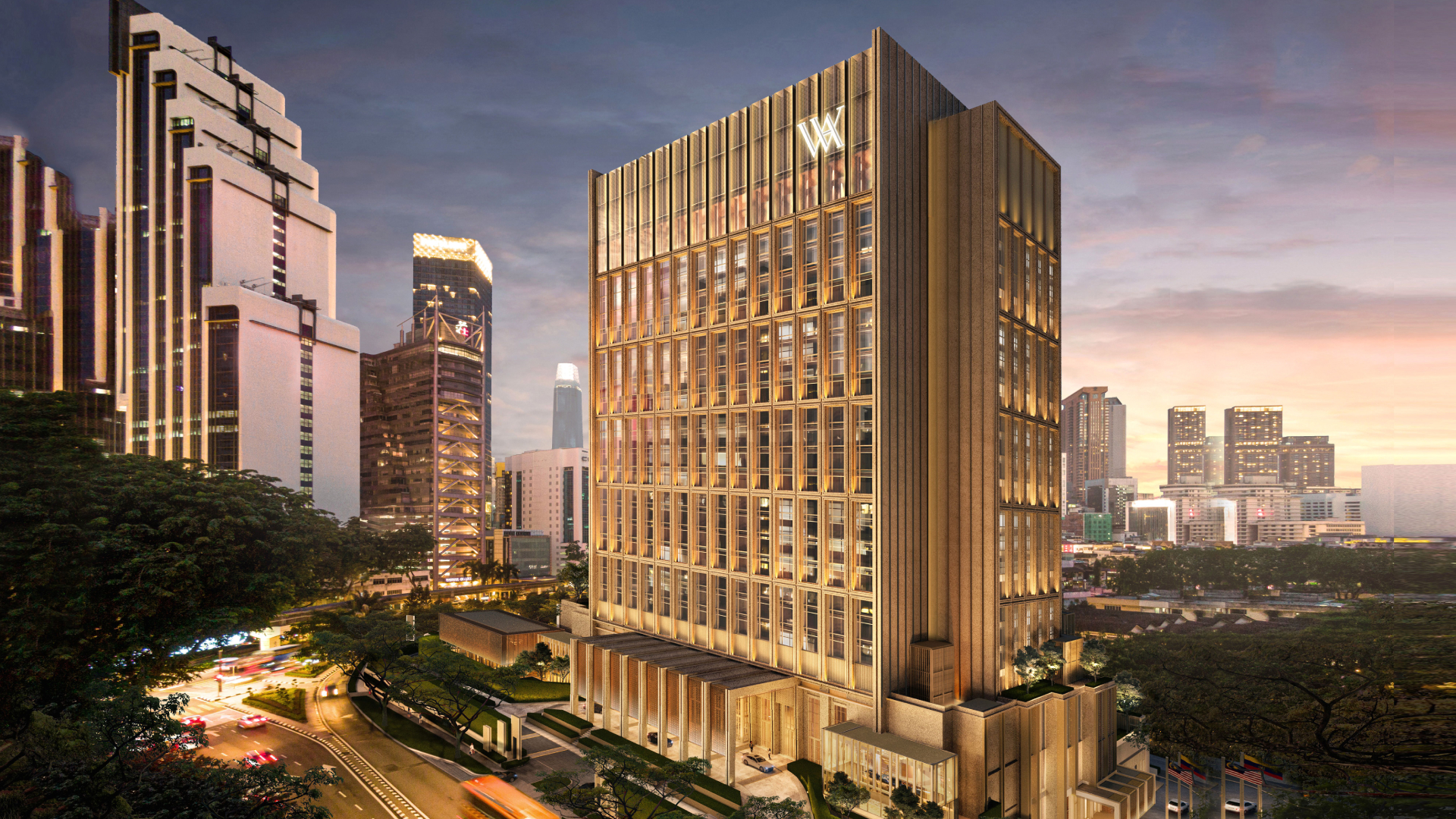
Waldorf Astoria Kuala Lumpur is scheduled to open on 30 October, introducing the Hilton luxury brand to Malaysia with an all-suite hotel in the city’s Golden Triangle.
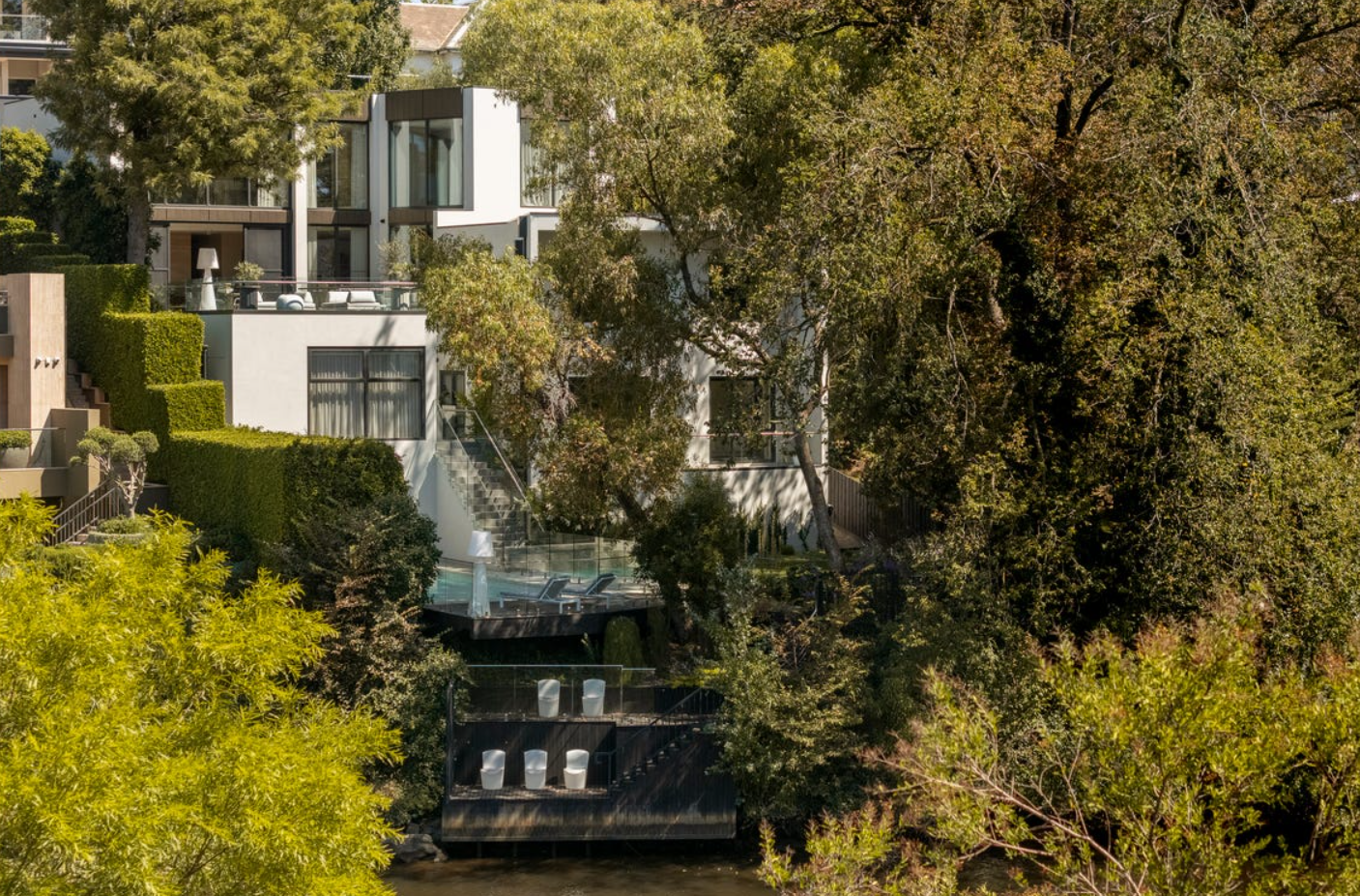
Employment fell by 39,300 and unemployment held at a revised 4.7 per cent, giving the RBA more room to pause in November.
2 min
Australia’s labour market weakened in September, reducing—but not eliminating—the case for another Reserve Bank rate rise in November.
The seasonally adjusted unemployment rate was 4.7 per cent, according to the Australian Bureau of Statistics. August was revised to the same level, while September employment fell by 39,300 people. The number of unemployed Australians increased by 8,900 to 732,000.
The weakness extended beyond the headline rate. The employment-to-population ratio fell 0.3 percentage points to 63.6 per cent, participation declined 0.2 points to 66.8 per cent and underemployment edged up to 6.3 per cent. Part-time employment fell by 73,700, partly offset by a 34,400 increase in full-time work.
For the RBA, this is a clearer sign that restrictive monetary policy is cooling demand. Higher unemployment and falling employment reduce wage pressure over time and increase the risk that another rate rise would push the economy harder than necessary.
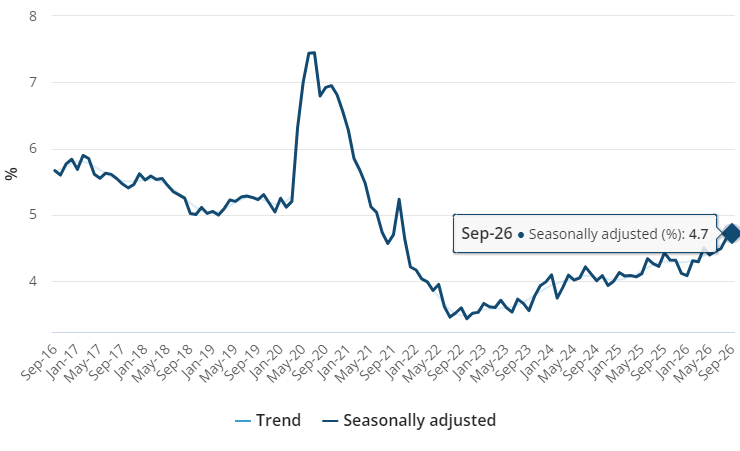
That makes a November increase less certain. It does not make a hold inevitable. The RBA must balance labour-market softness against inflation, and the September-quarter consumer price index due later in October will carry more direct weight in the decision.
For mortgage holders and property investors, the practical conclusion is not to trade one data release. Borrowers should continue testing repayments at higher rates, preserve liquidity and avoid basing a purchase on an assumed near-term reversal. Refinancing decisions should be assessed against total cost, not simply the advertised rate.
Property markets may initially welcome a reduced probability of another increase because borrowing capacity and sentiment are highly rate-sensitive. But a weakening labour market is not unambiguously positive for housing: job security supports mortgage serviceability, rental demand and buyer confidence.
The September numbers have given the RBA a credible reason to wait. Inflation will determine whether it can use it.

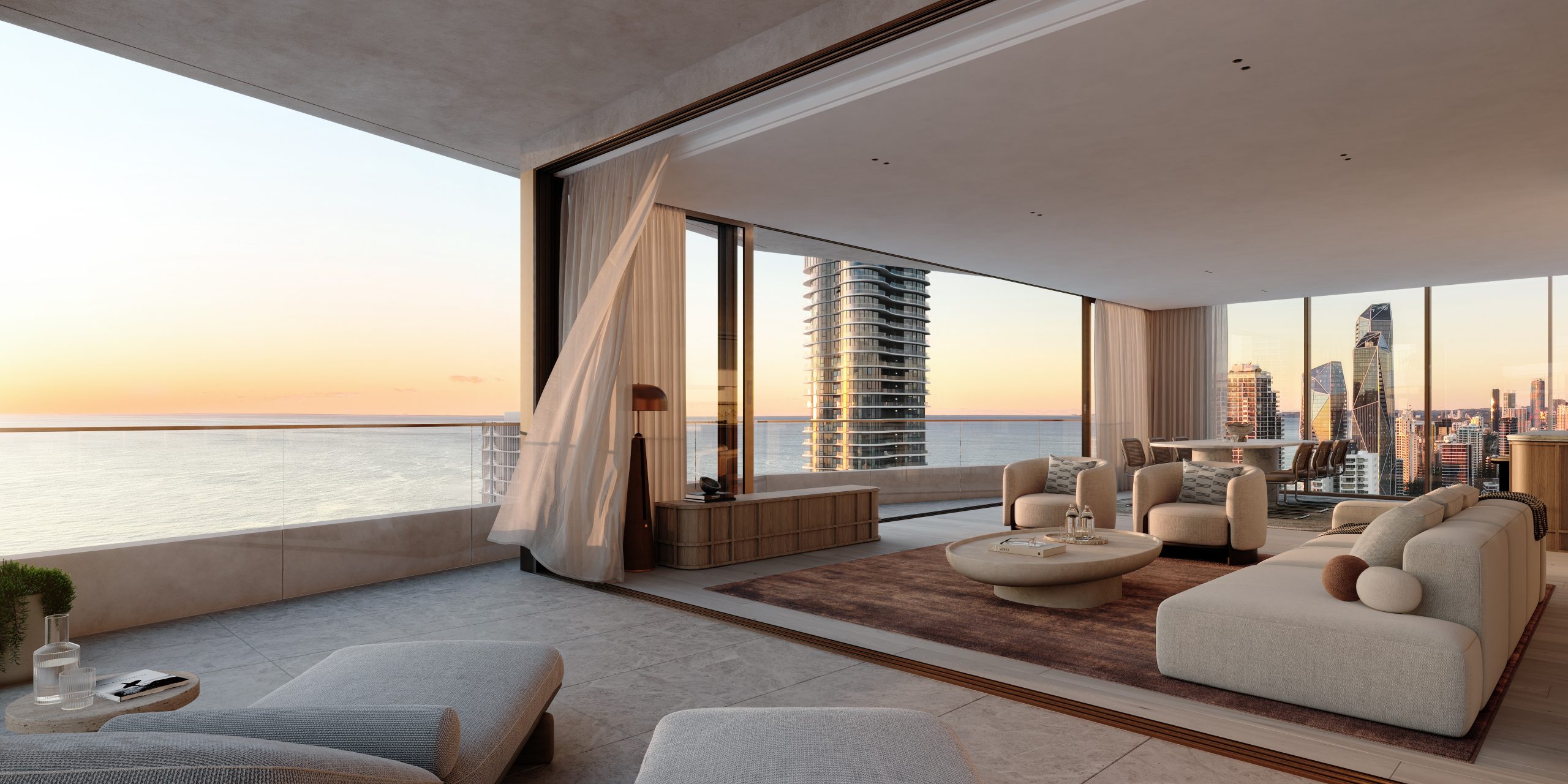
Warmer minimalism, tactile materials and wellness focused layouts are redefining luxury interiors as homeowners design for comfort, connection and lasting appeal.

An opulent Ryde home, packed with cinema, pool, sauna and more, is hitting the auction block with a $1 reserve.