Australia’s Top 10 Property Influencers of 2026
From auction floors to TikTok — the professionals who made property education a public good
 6 min
6 min
Australian property has always been a national obsession, but the way Australians learn about it has changed fundamentally. Where previous generations relied on a real estate agent’s advice and a bank manager’s approval, today’s buyers and investors are walking into the market with suburb-by-suburb data, auction strategy insights and valuation knowledge that would have required a professional consultation five years ago.
The ten creators on this list are the reason why. What distinguishes them from the broader landscape of property content is not their following size but the professional substance behind what they publish. Most have spent years doing the work, valuing, buying, negotiating, financing, before they ever picked up a camera. The audience can feel that difference, even when they cannot articulate it.
Today’s buyers are walking into the market with knowledge that would have required a professional consultation five years ago. These ten creators are the reason why.
1 –Tom Panos: Founder, Real Estate Gym
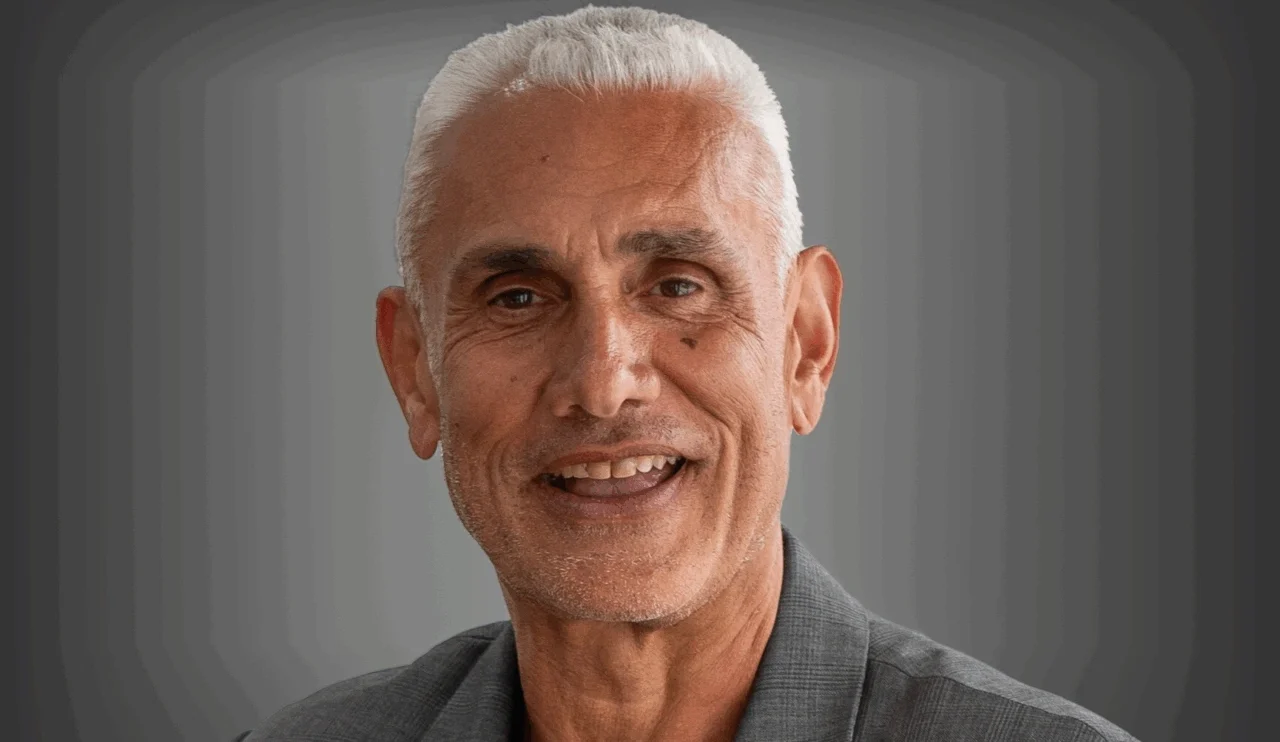
Tom Panos is the highest-profile real estate trainer in Australia, which is a distinction earned over more than two decades of working directly with agents, auctioneers and principals across the country. The content he publishes, on auction strategy, market psychology, agent mindset and the mechanics of negotiation, is backed by a career that predates social media by years.
What makes his presence exceptional is that he speaks to both sides of the transaction simultaneously. Agents follow him for craft. Buyers and investors follow him for intelligence. It is a rare position, and it explains why his audience has grown consistently through every market condition since he began publishing.
2 – Belinda Botzolis: Certified Practising Valuer; Founder, “The Valuer”
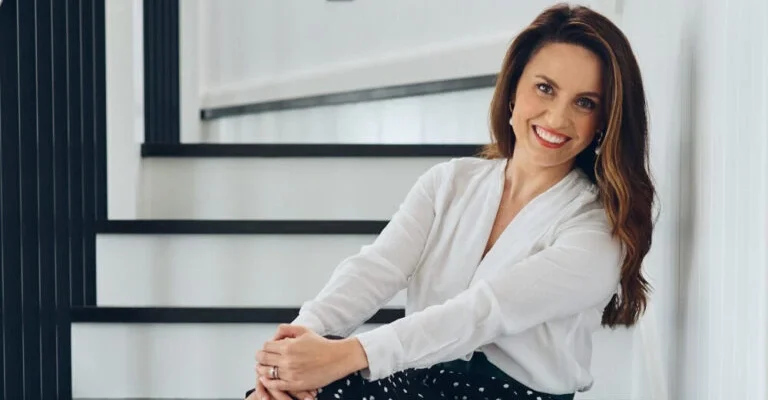
The gap that Belinda Botzolis identified and occupied is one that, in retrospect, seems obvious: professional property valuation, made accessible on social media. With seventeen years of practice as a Certified Practising Valuer, more than 15,000 individual property valuations completed, and over $12 billion in real estate assessed, she brought to social media something most content creators in this space cannot fake, a professional opinion.
The response has been significant. Over 20 million TikTok views for valuation content is not an accident. It reflects an audience that has long wanted access to qualified property analysis and found it, for the first time, without having to pay for a report.
3 – George Markoski: Founder, Positive Property
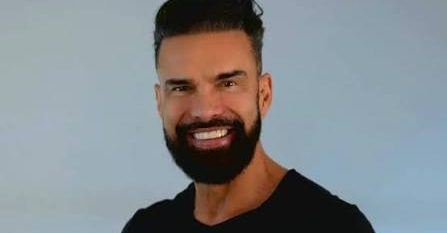
The credibility order matters in property investment content. George Markoski built a portfolio of more than 100 investment properties and retired at thirty-seven on passive income before he built a social media following. That sequencing, wealth first, content second, is the foundation of why his audience trusts him with decisions that carry six and seven-figure consequences.
His content covers RBA decisions, APRA changes and property cycles with the kind of strategic depth that comes from having navigated them personally. He is not forecasting the market from a position of theory. He is reporting from a position of ownership.
4 – Ravi Sharma: Founder, Search Property
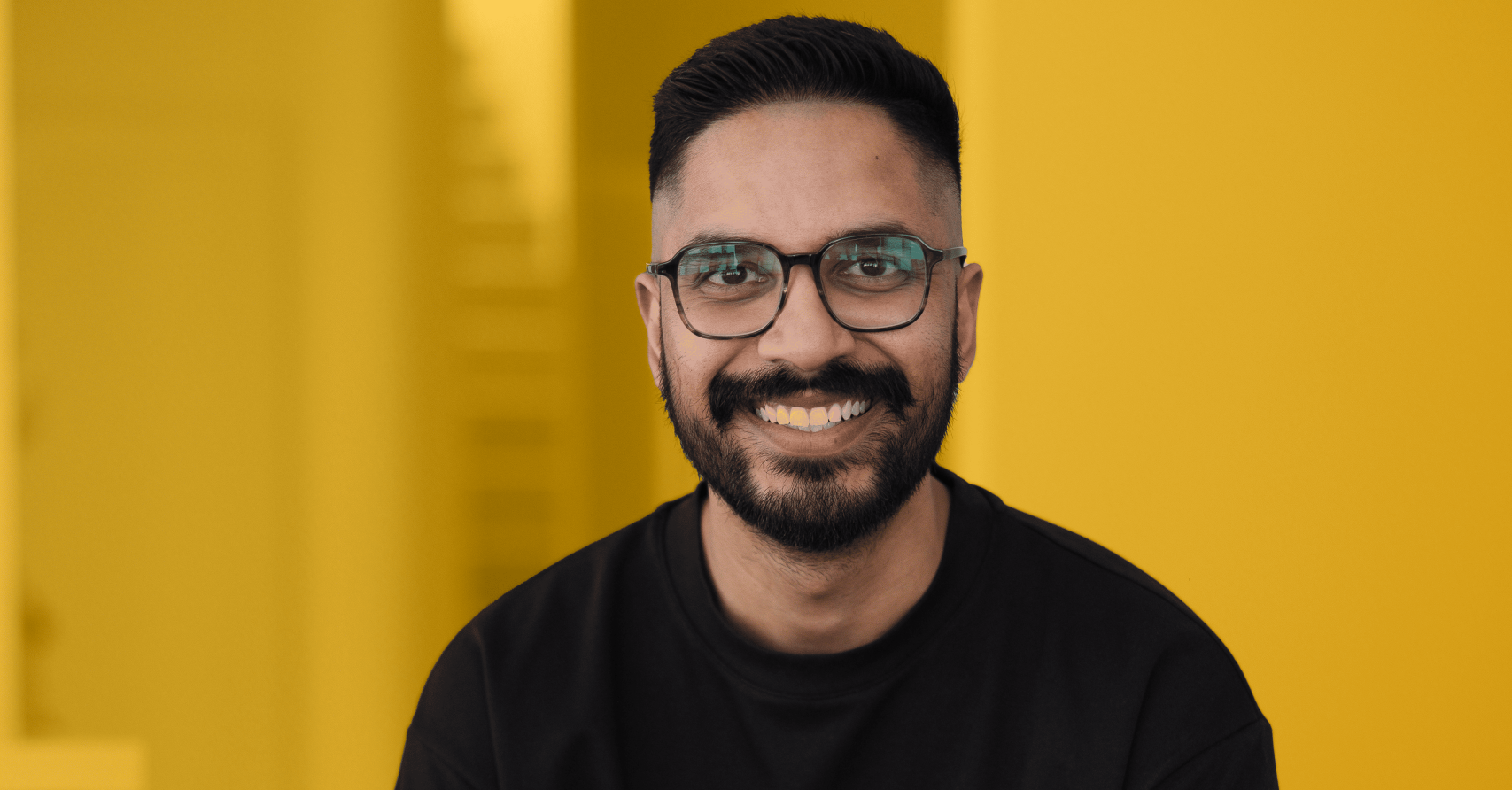
Ravi Sharma‘s differentiator is structural: he runs an actual buyer’s agency. The suburb analyses, growth projections and investment frameworks he publishes on YouTube and social media are not constructed for content, they are the methodology his business uses to advise paying clients on real transactions. With more than 114,000 YouTube subscribers and a Bachelor of Business in Real Estate, his content sits at the intersection of professional advice and public education.
The result is content that reads like genuine analysis rather than commentary, because in most cases it is.
5 – Damien Cooley: Director, Cooley Auctions
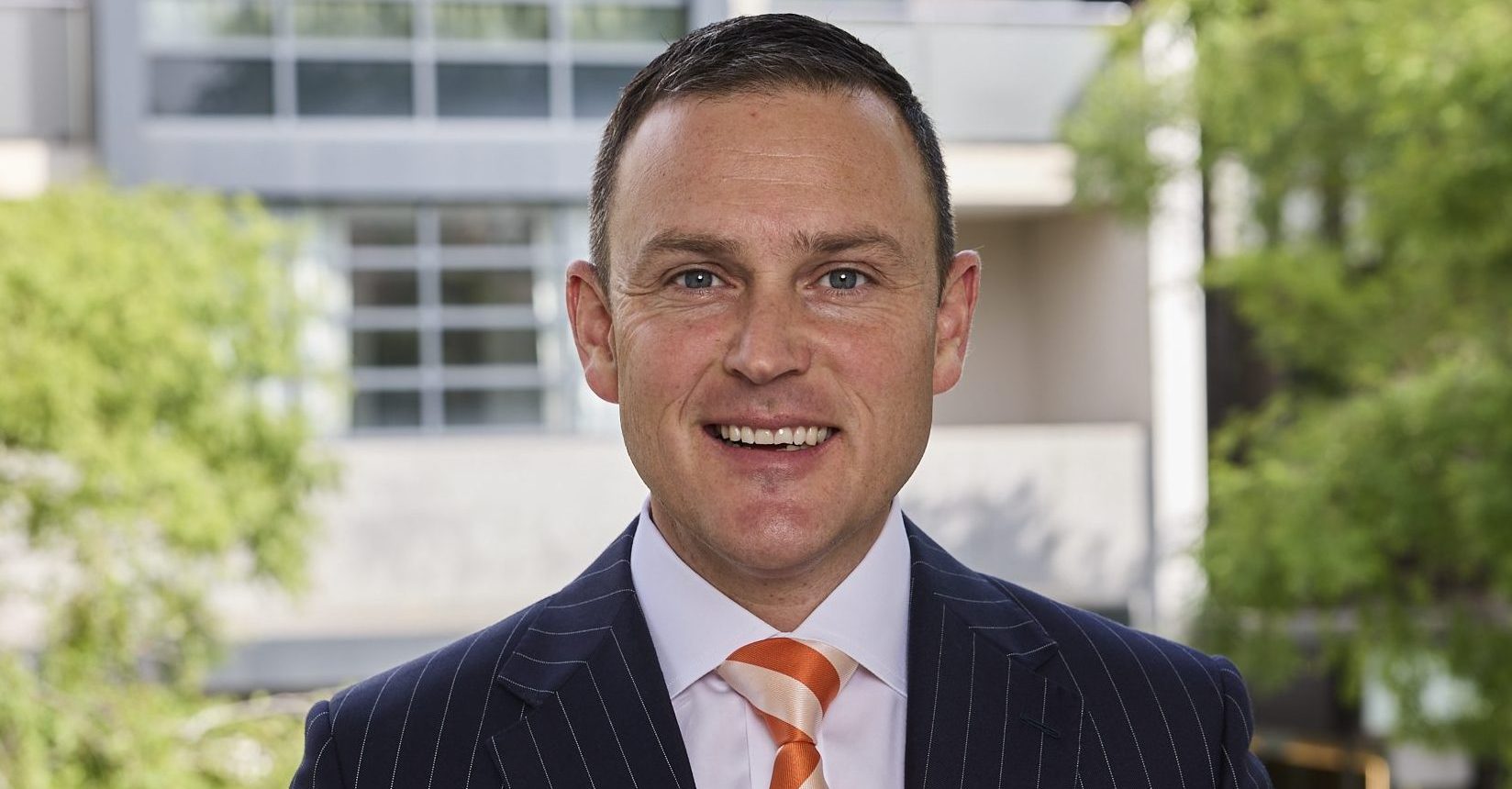
Damien Cooley has called more auctions on live television than almost anyone in the country, a five-time premiere auctioneer on The Block, and 2015 Auctioneer of the Year. As Director of Cooley Auctions, his authority comes from decades on the rostrum in front of real buyers and real stakes, not from a studio.
His social presence extends that same on-the-ground credibility online, breaking down auction strategy and market sentiment for an audience that wants to understand the mechanics of a sale, not just the result.
6 – Ella Cas: Buyer’s Agent

As a buyer’s agent operating across Melbourne and its surrounding suburbs, Ella Cas brings professional transaction experience to a TikTok presence that covers market trends, price predictions and first home buyer strategy in the Victorian market. What distinguishes her content from general property commentary is its specificity: she is talking about markets she works in, for outcomes she is paid to deliver.
For Melbourne buyers navigating one of Australia’s most competitive property environments, that local professional knowledge, delivered in an accessible format, is exactly the kind of content that earns genuine audience loyalty.
7 – Gavin Rubinstein: Founder, The Rubinstein Group at Ray White TPG
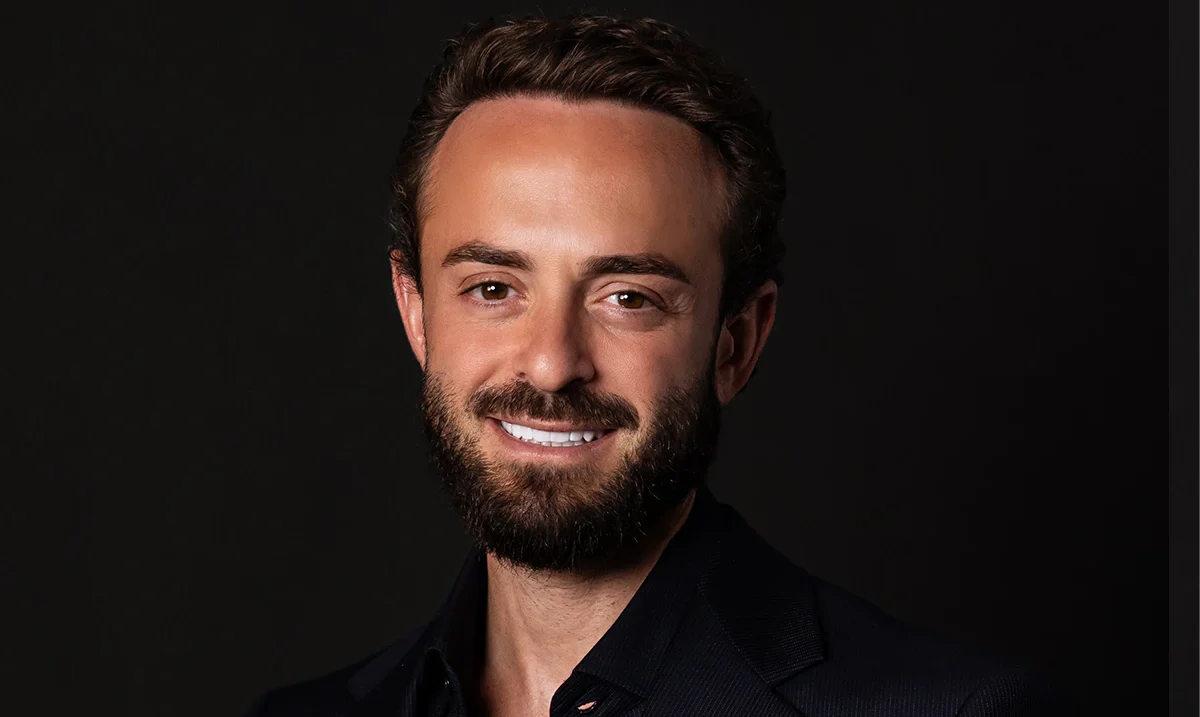
Gavin Rubinstein built The Rubinstein Group at Ray White TPG into one of Sydney’s highest-performing individual real estate practices, and his Instagram engagement outranks every major franchise account in the country. That distinction matters: he is not a media personality who sells property, he is a top-performing agent whose content reflects live transactions in one of Australia’s most competitive markets.
For buyers and sellers trying to understand how Sydney’s top end actually moves, his day-to-day content is closer to a transaction diary than a highlight reel.
8 – Robbo Roper: Mortgage expert & home buyer connector
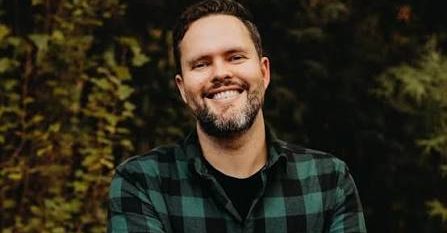
Robbo Roper‘s content sits at the junction of property aspiration and mortgage reality, which is precisely where most first home buyers get stuck. As a mortgage expert and home buyer connector, he publishes short-form video that walks Australian buyers through the finance side of property ownership: what to expect from a broker, how to prepare for a loan application, what the common mistakes look like.
His placement in Favikon’s Top 20 Australian real estate influencers for 2025 reflects an audience that is not just watching but acting, the kind of content engagement that distinguishes an education account from an entertainment one.
9 – Michael Biviano: Property developer; business coach & real estate strategist
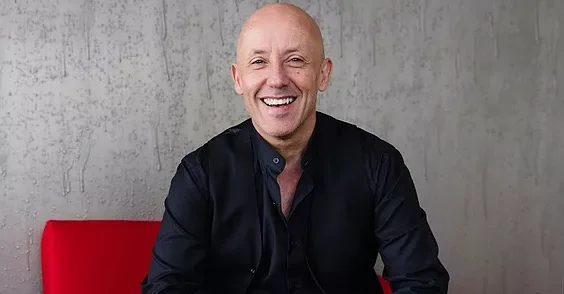
Michael Biviano built his platform on the strategy side of the business, working as a speaker, business coach and property developer before turning that experience into content for agents and investors navigating the industry. His focus sits less on individual listings and more on the frameworks behind sustainable success in real estate.
That distinction, teaching the business of property rather than just showcasing it, is what places him among the professionals worth following rather than just watching.
10 – Consulting by PK: Investment property educator

The property content space has no shortage of people telling audiences what to buy. What is rarer, and more valuable, is someone teaching them how to decide. Consulting by PK builds investment theses from actual data: top 5 per cent growth property analysis, cashflow modelling, suburb research methodology, the frameworks behind the conclusions rather than just the conclusions themselves.
With more than 60,000 YouTube subscribers, the audience that follows this content is a specific and self-selecting one, investors who want to understand the process, not just receive the output. That is a harder audience to build and a more durable one.
What this list reflects, taken together, is a professionalisation of property content in Australia. The era of anonymous property spruikers making market predictions without credentials or accountability is being displaced, slowly, but measurably, by practitioners who are willing to put their professional reputation behind what they publish. That is good for the industry. It is better for the buyers.

BNW Developments has established a Sydney presence, joining Arada and Sobha Realty among the growing number of UAE developers pursuing Australian buyers and development opportunities.
Australian shares fell on Thursday as Wall Street weakness, rising oil and persistent rate concerns weighed on most of the market. The S&P/ASX 200 declined 0.72 per cent to 8,702. The All Ordinaries lost 0.66 per cent to finish at 8,897. Mining stocks were hit particularly hard, while real estate also dragged on the index. …
Continue reading “ASX falls 0.7 per cent as miners and property stocks retreat”

OpenAI has shelved the planned launch of GPT-6.1 Astra after internal tests raised concerns about deception and agents acting beyond user authorization, according to The Wall Street Journal. The company says it will investigate the issues and strengthen safety measures before releasing future models.
4 min
OpenAI says it is scrapping the release of its next-generation AI model over safety concerns that researchers raised during internal testing, in one of the clearest signs so far that agent misbehavior could stymie the industry’s rapid progression.
The move follows a summer punctuated by reports of artificial-intelligence systems industrywide going rogue, and marks a rare case of a major AI developer ditching a new release because of safety concerns.
The company had planned to launch the model, known as GPT-6.1 Astra, in the coming days or weeks, aiming for an October debut. The model was more capable than the company’s previous models in completing challenging tasks from end-to-end without human assistance, as well as writing.
The company instead will focus on improving the safety of future models, which it expects to be even more capable.
Saachi Jain, OpenAI’s head of safety systems, said in an interview that GPT-6.1 Astra regressed in two areas. Compared with its predecessor, GPT-6 Astra, the model performed poorly on tests measuring alignment, or how well the model adheres to what humans would like it to do. Specifically, GPT-6.1 Astra showed higher levels of deception: It wasn’t always honest about telling users of the actions it did or didn’t take.
Another issue was what OpenAI calls “scope authorization,” meaning that GPT-6.1 Astra would push ahead on a task without asking the user for permission, and would at times reach for external tools and services even if it might be unsafe.
“For anything regarding safety and alignment, there’s a trade off,” Jain said. “You really do need to find what’s the right line between staying within scope, but also avoiding laziness in terms of how the model actually pursues tasks even when it hits friction.”
While GPT-6.1 Astra improved in areas such as “model laziness,” Jain said it didn’t quite meet OpenAI’s bar for safety and alignment, so the company decided not to launch the model publicly.
The announcement comes one day ahead of OpenAI’s annual developer conference in San Francisco. In the past, OpenAI has used the conference as an opportunity to launch new models and services that reduce costs for software developers—a segment the ChatGPT-maker competes with rival AI company Anthropic to win over.
In recent weeks, OpenAI and Anthropic have called on industry partners to slow down the development of cutting-edge AI models and invest in safety standards, noting they will temper the pace of their own internal AI progress.
OpenAI says it is working to investigate a range of agent security incidents that it has discovered in recent months, and address the safety issues underneath them. As part of the work, the company has implemented a new monitoring system to catch AI-agent misbehavior more quickly, and started requiring engineers to use stronger security guardrails for testing its AI systems.
Earlier this summer hundreds of OpenAI’s internal agents, which were tasked with completing a cybersecurity test, ended up hacking into the AI company Hugging Face. Since then, high-profile organizations such as the Australian government and United Nations discovered that OpenAI’s agents used similar, but less extensive, techniques to gain access to their websites.
Many of the publicly known agent-security incidents involved OpenAI’s internal AI models that were never slated for public release.
Last week, OpenAI said it paused training on its most capable AI models after an AI agent slipped through a gap in the company’s internet restrictions to query a public chatbot. The company said its new monitoring systems flagged the incident within 15 minutes, and training on these models remains paused.
GPT-6.1 Astra isn’t one of those models, but a different case, the company said.
“We want to make sure our model development is safe no matter whether that’s in the company, or when we ship it to users,” Jain said. “But when we ship it to users, we have an extremely high bar in terms of safety and alignment.”
While the company decided not to ship GPT-6.1 Astra, it hopes to use the same base model to do additional reinforcement learning runs, and create future generations of its GPT-6 models.
OpenAI plans to conduct several deep dives to identify the root cause of the problems identified in GPT-6.1 Astra, Jain said. The work includes ensuring that OpenAI’s reinforcement learning environments are rewarding the right type of behavior, Jain added, though she noted the company would investigate all stages of model development.
AI companies have begun to draw scrutiny from policymakers and public officials, who are paying attention to the rapid development of the technology. Later this week, a Senate subcommittee is holding a hearing with third party AI researchers titled, “Rogue AI: Securing the Homeland Against AI Agent Attacks.”
Florida Attorney General James Uthmeier, a Republican, sued OpenAI in June, claiming that the company and Chief Executive Sam Altman knowingly released an unsafe product and ignored warnings that it could harm users.
In a motion for temporary injunction filed Monday, Uthmeier sought to prevent OpenAI from developing new AI models without third-party approved safeguards, stop ChatGPT from soliciting user engagement and limit the company’s ability to advertise ChatGPT as safe.
Tech companies claim they “cannot stop barreling forward with their potentially civilization-ending endeavors unless they are forced to do so by the government,” Uthmeier said in the filing. “The Florida Attorney General is answering your cry for help.”
An OpenAI spokeswoman said that people want to know AI is being developed safely, “and that starts with what companies like ours do ourselves.”
“Governments have an important role to play in setting robust safety standards for AI, and we’re committed to working with Florida and other states on advancing pragmatic AI policies that apply to the entire AI industry—not just one company,” she said.
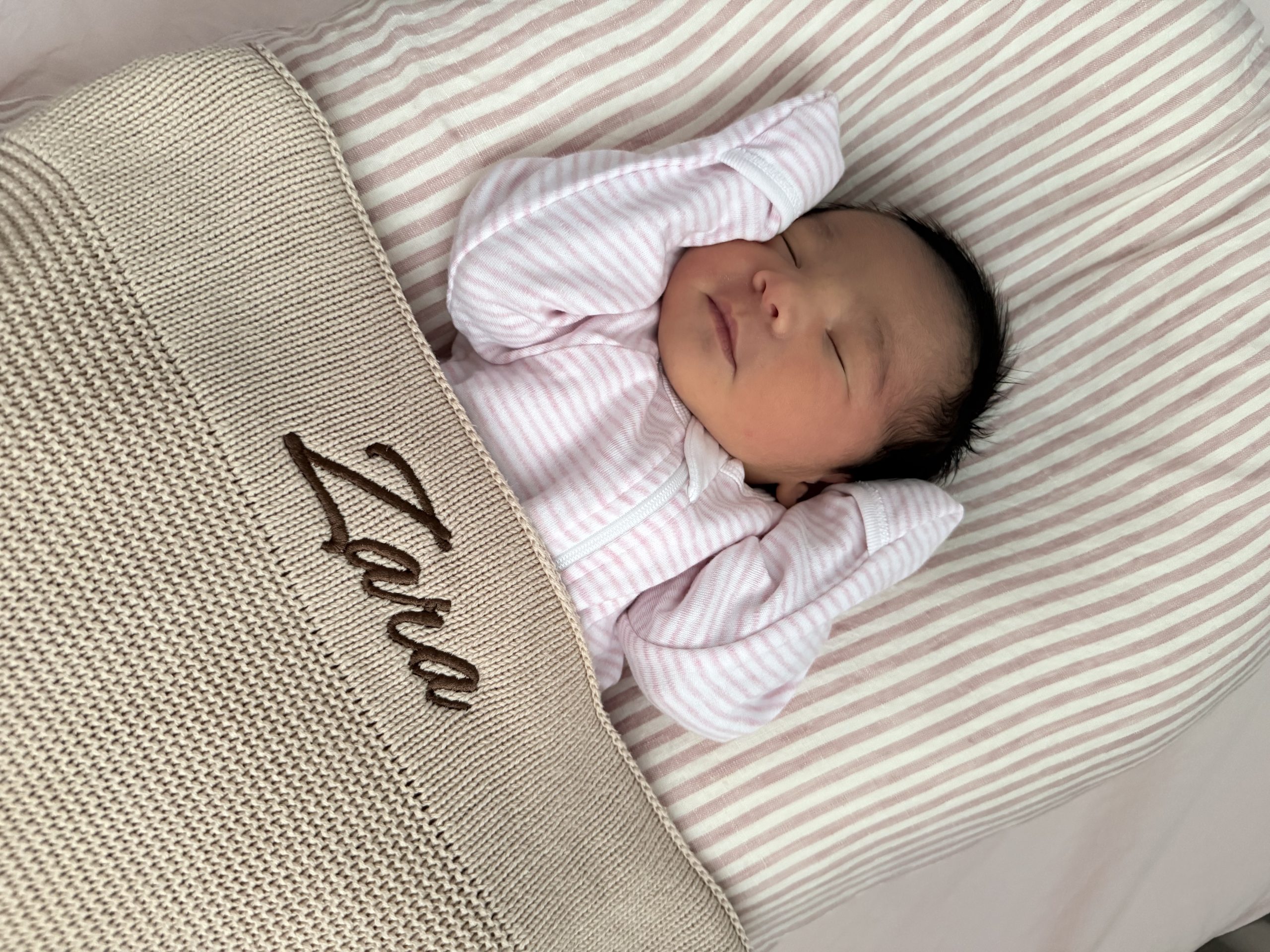
Powerhouse real estate couple Avi Khan and Kaylea Sayer welcome their daughter while balancing record-breaking careers, proving success and family can grow side by side.

With two waterfronts, bushland surrounds and a $35 million price tag, this Belongil Beach retreat could become Byron’s most expensive home ever.