The best coffee tables to get you through summer
These hard working tables combine style with serviceability to create a highly functional living space
 3 min
3 min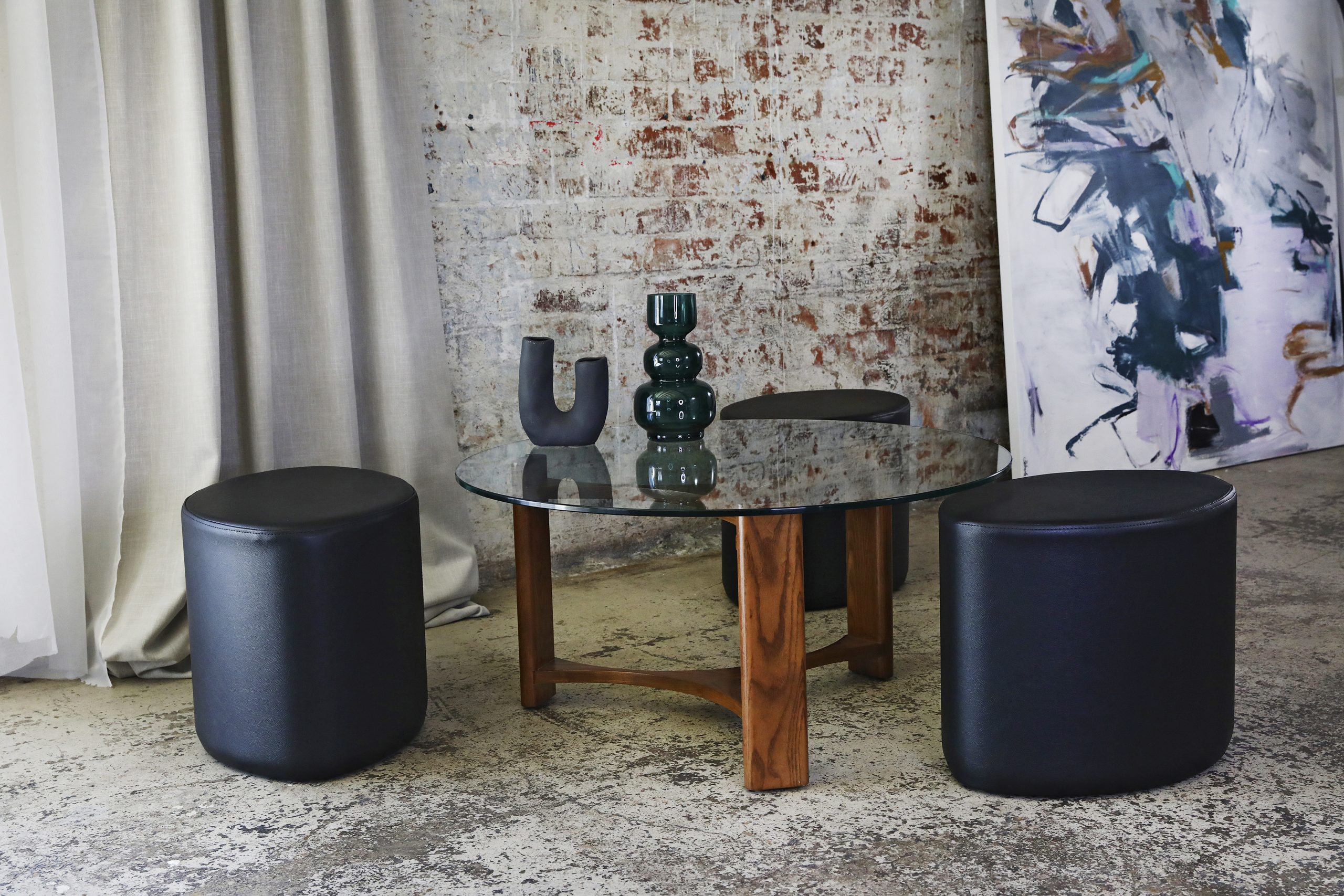
Choosing a coffee table is harder than it looks. More likely to take the same beating as your dining table, it needs to serve its purpose as everything from a footstool and impromptu table to keeper of the remote controls and, well, coffee table books. As a focal point in your living room, it has to complement your lounge in style and materiality, as well as working with the shape and size of your room, all without compromising functionality. Nothing to it, right?
To get you started, we’ve assembled our top six coffee tables. They’re a diverse range, from well known (and not so well known) classics, to space savvy, contemporary solutions versatile enough to suit any living room style.
Noguchi Coffee Table
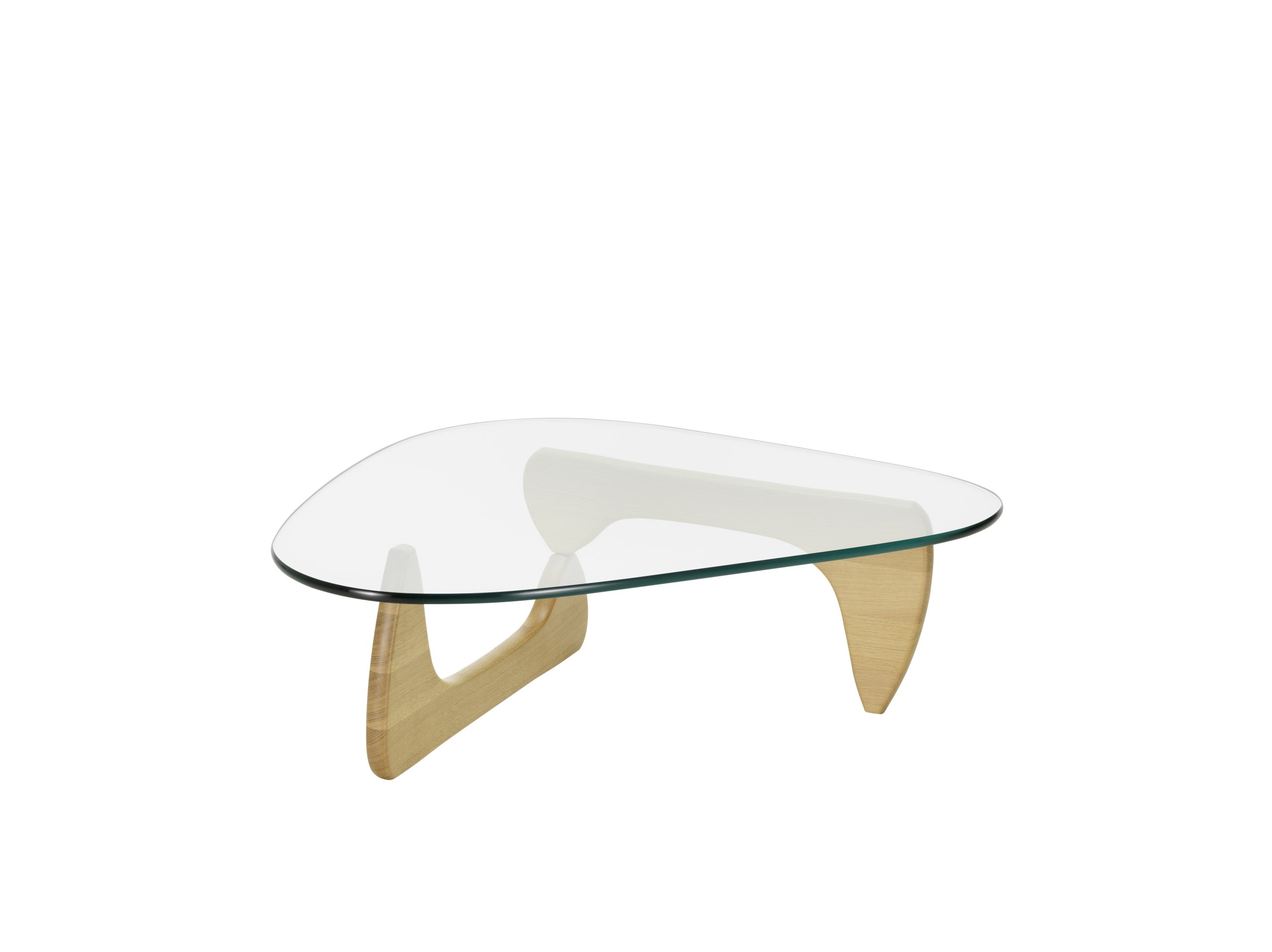
Japanese American designer Isamu Noguchi took his inspiration from nature to create this classic coffee table from Vitra using just three elements to create a perfectly balanced structure. It has never gone out of style since it was released in 1944, $4,760 from Living Edge
Rondo Pouffe Table
This clever design, which allows for three perfectly sized pouffe seat to store below is from Adelaide based TH Brown, legendary mid century Australian designers and manufacturers. The Rondo Pouffe table was only re-released last year and is $2,500, including glass top from TH Brown
Nakashima table
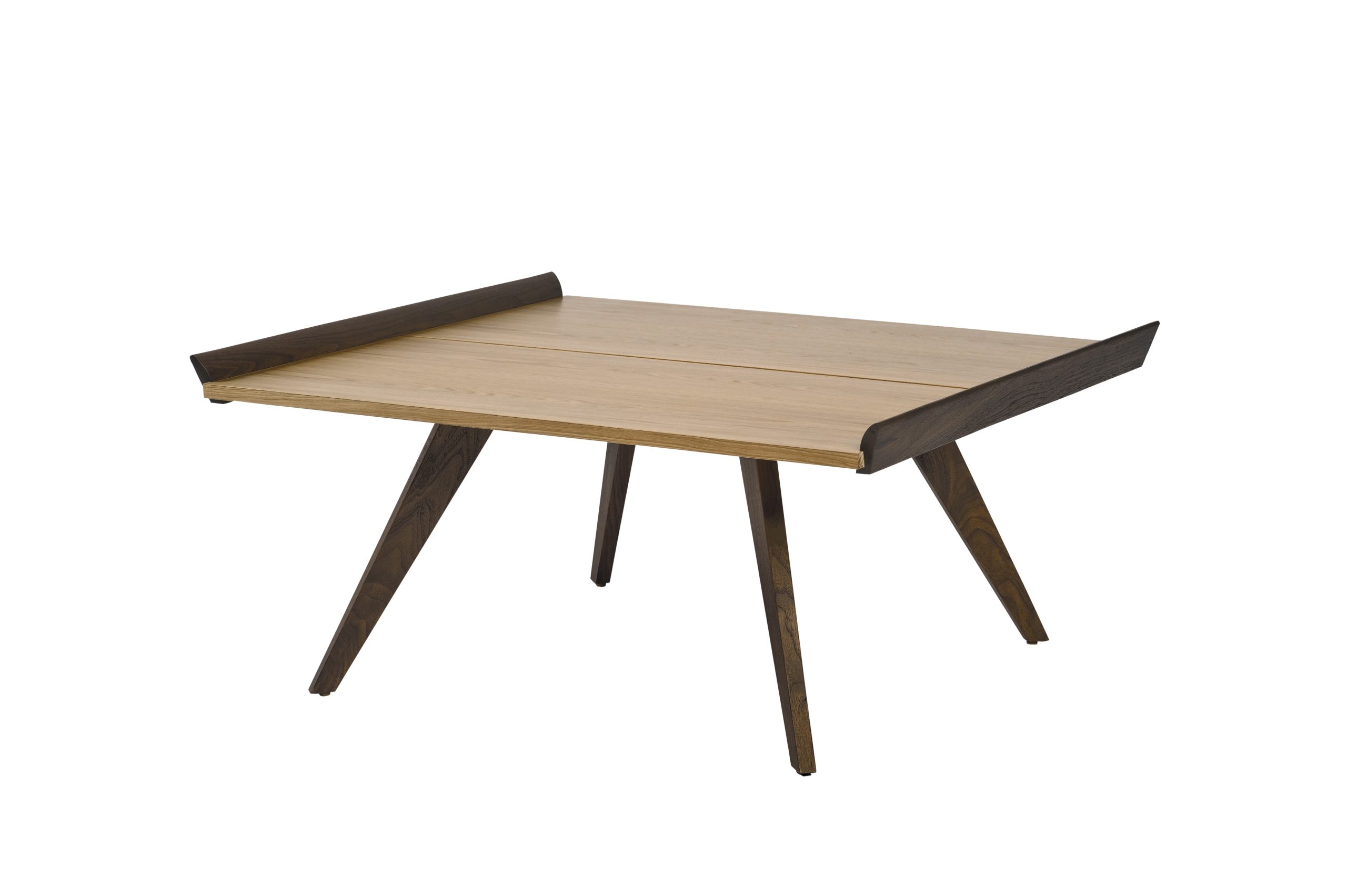
Another re-release, the Nakashima table designed in the 1940s by George Nakashima, has splayed tapered legs to give this table from Knoll a modernist edge, $8,110 from dedece
Drop Leaf SideTable
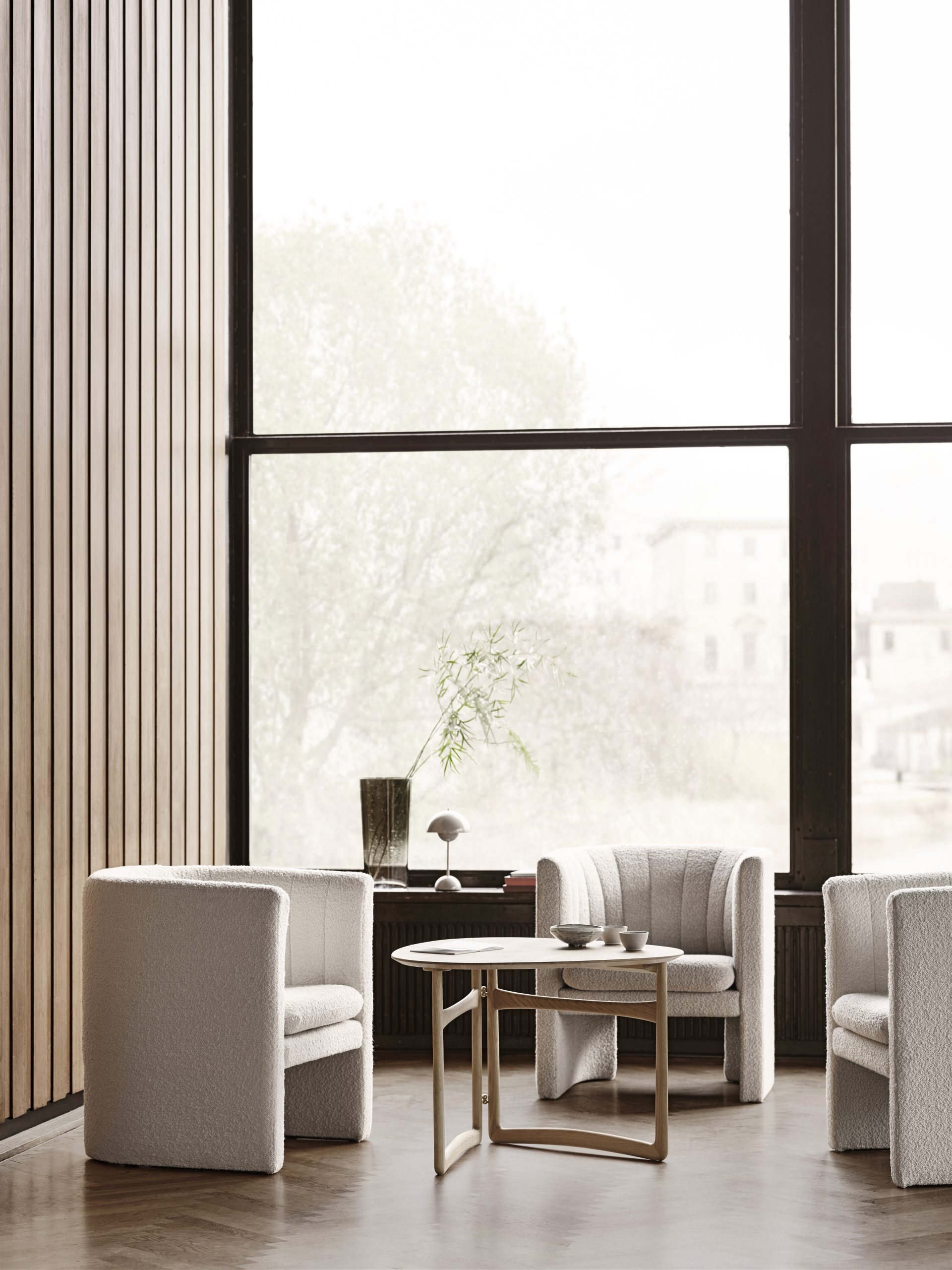
A little short on space? No problem. The design of the drop leaf side table by Hvidt & Mølgaard, the latest designers to join the fold at &Tradition, allows it to be folded up when not in use. Released in 1956, it’s refined form makes it ideal for apartments, as a side table or any small space where a stylish table would look at home, from $3,630 from Cult
Artie Wave table
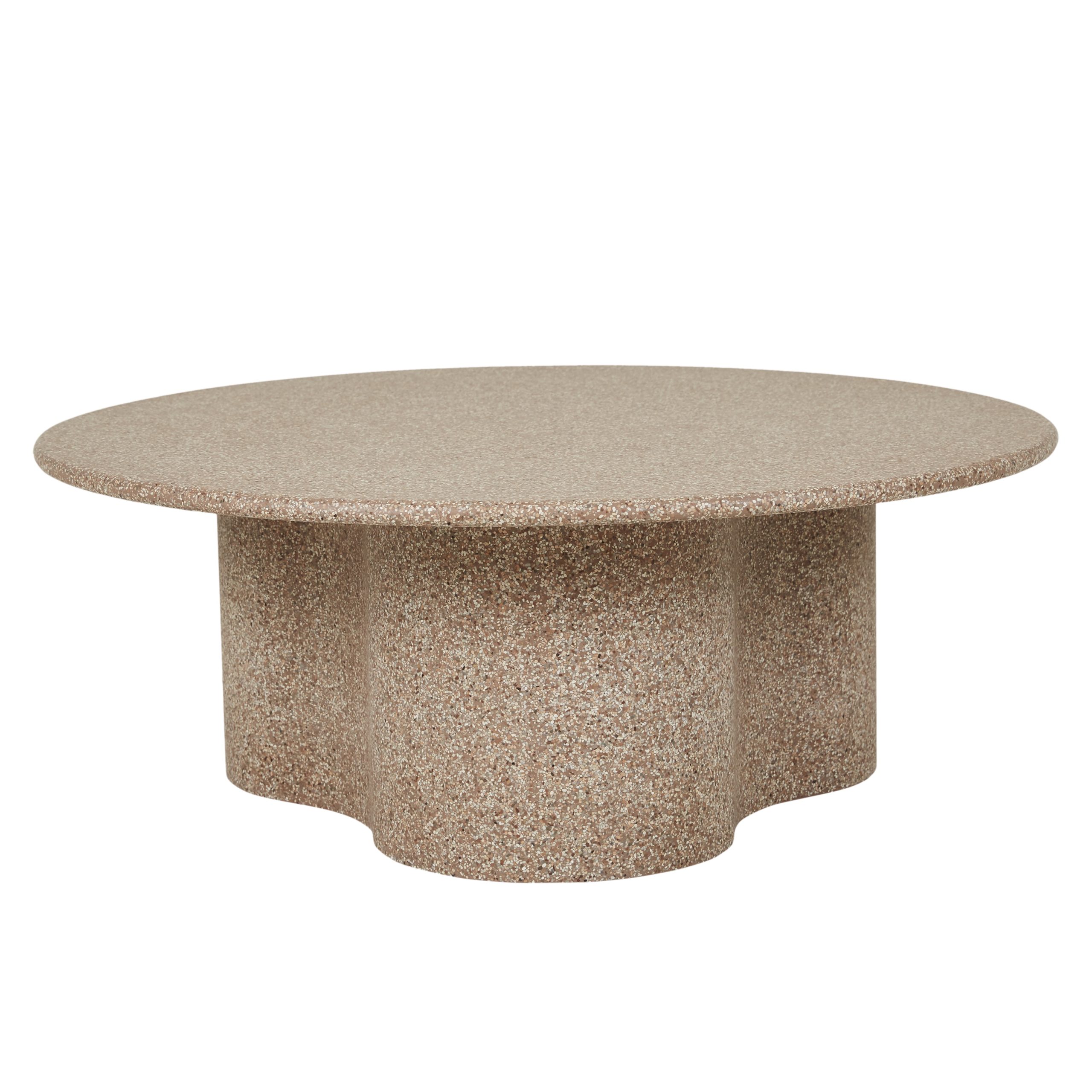
Looking to anchor your living space? This solid table could be just what the designer ordered. Suitable for use inside or out, the curved lines of the versatile Artie Wave table soften its heavyweight status, $2,875 from GlobeWest,
Wild Child table
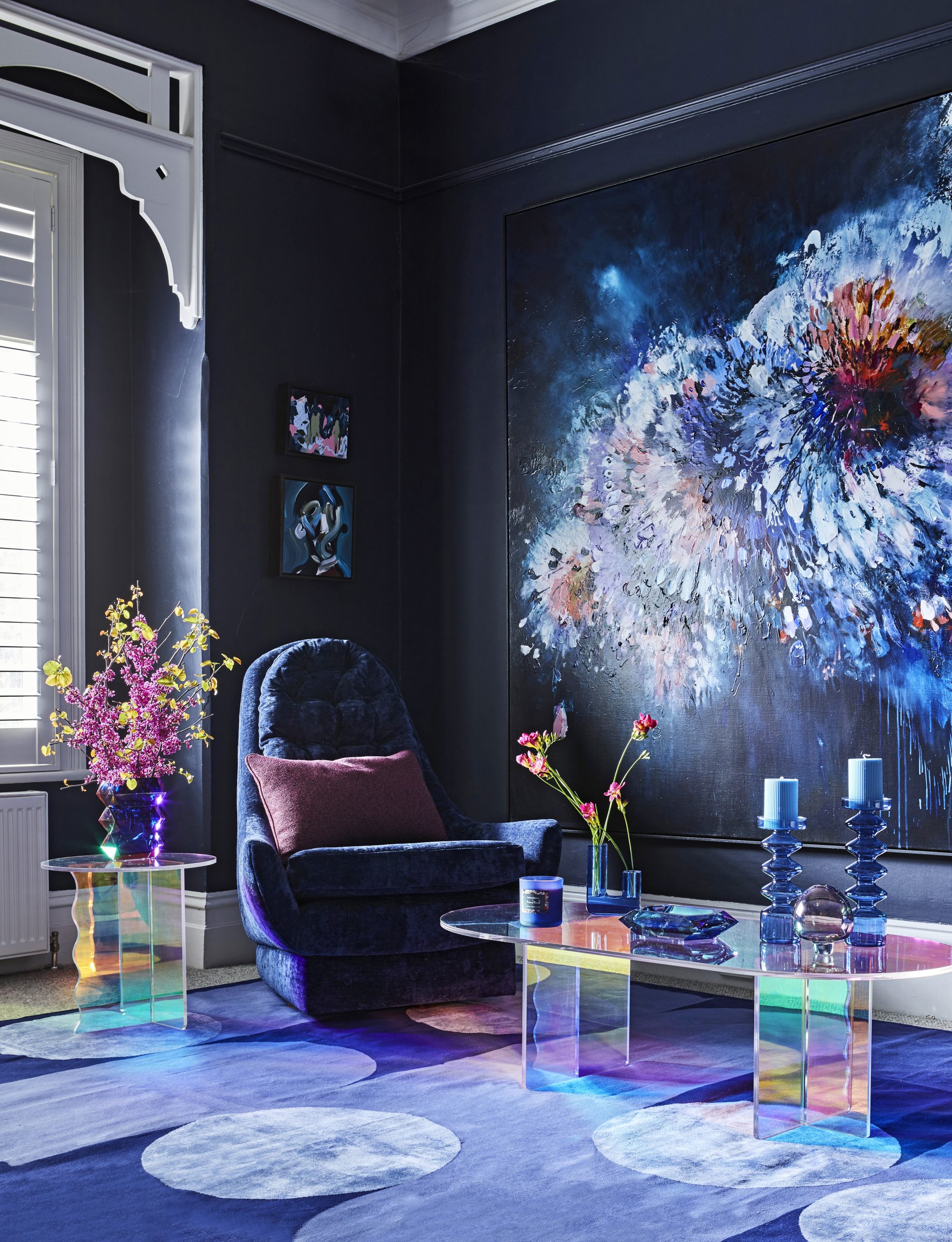
Transparent furniture is useful in smaller spaces where a larger table might feel too oppressive. Ditch the clear glass options with the Wild Child table, made from holographic acrylic in rainbow colours, $750 from Fenton&Fenton,

Waldorf Astoria Kuala Lumpur is scheduled to open on 30 October, introducing the Hilton luxury brand to Malaysia with an all-suite hotel in the city’s Golden Triangle.
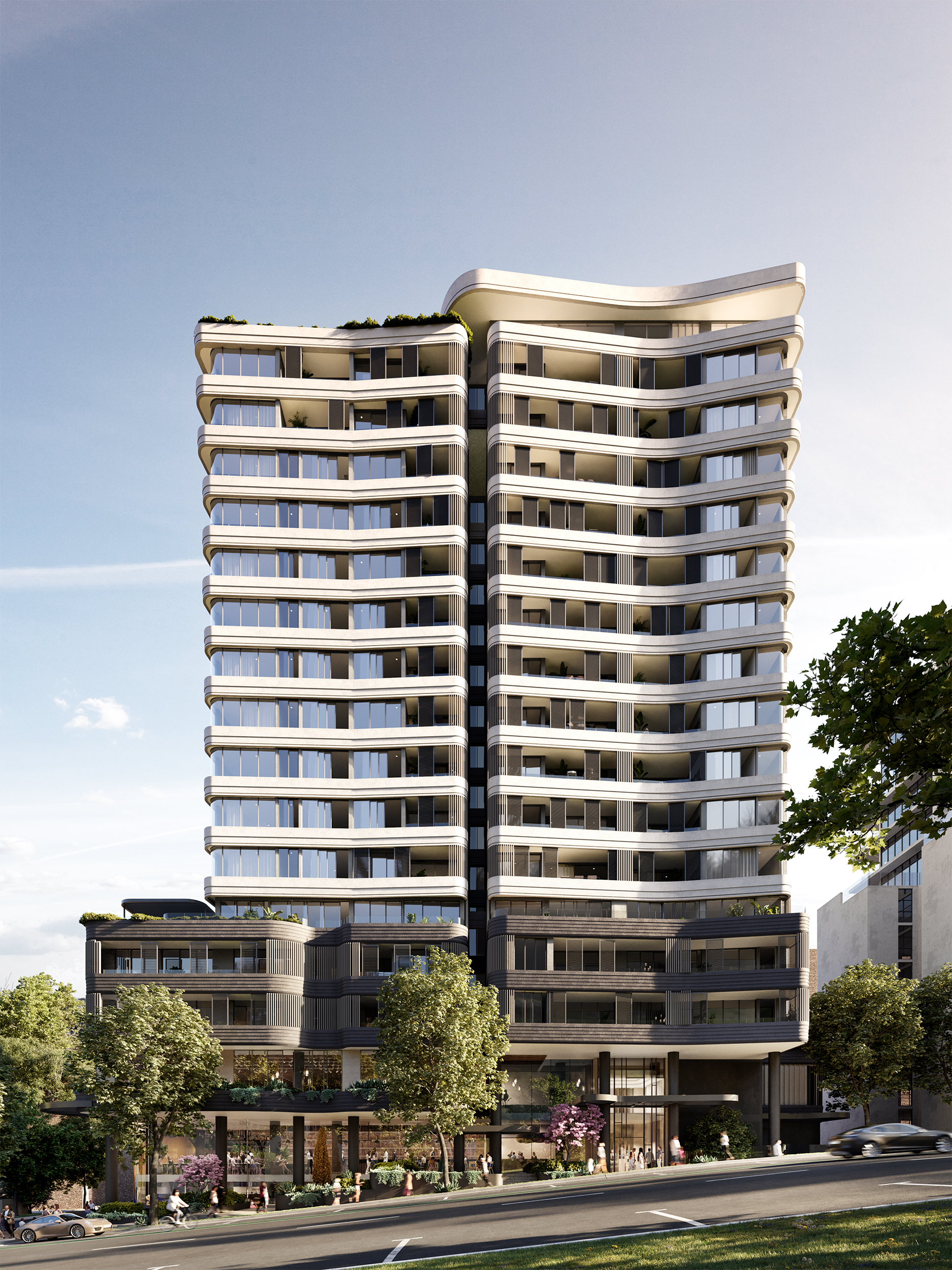
Located steps from Crows Nest Metro, the near-complete development brings luxury living to Sydney’s Lower North Shore.
3 min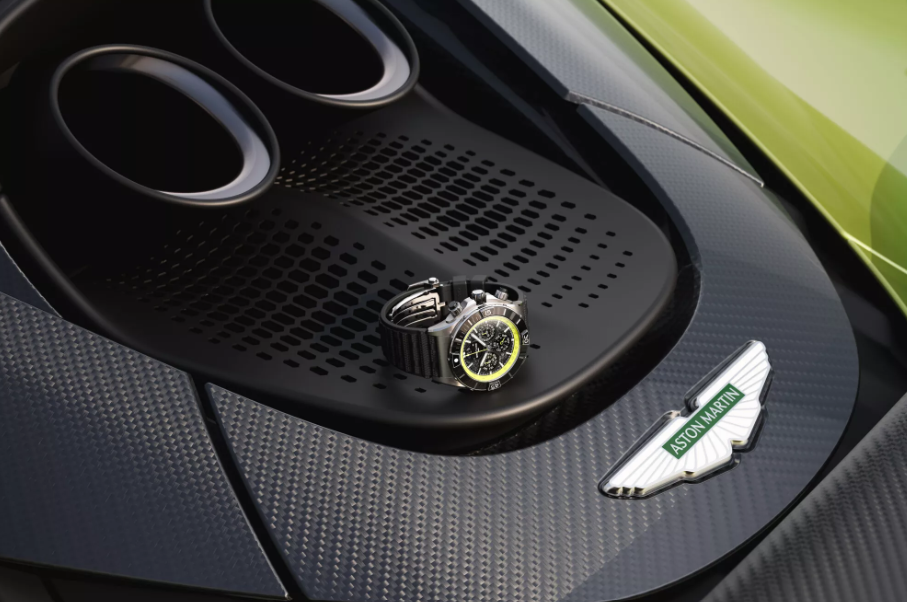
Buyers of Aston Martin’s 1,079PS Valhalla can commission one of two bespoke Breitling Super Chronomat watches, with colours and personalised details inspired by their individual car.
The relationship between cars and watches has produced countless branded chronographs, racing editions and logo-bearing collaborations. Breitling and Aston Martin are taking a more personal route with a new watch program reserved exclusively for owners of the Valhalla supercar.
Rather than offering every customer the same limited-edition watch, Breitling is opening part of its Super Chronomat design process to Valhalla owners. A dedicated configurator will allow each buyer to commission a timepiece inspired by the specification of their car and their individual tastes.
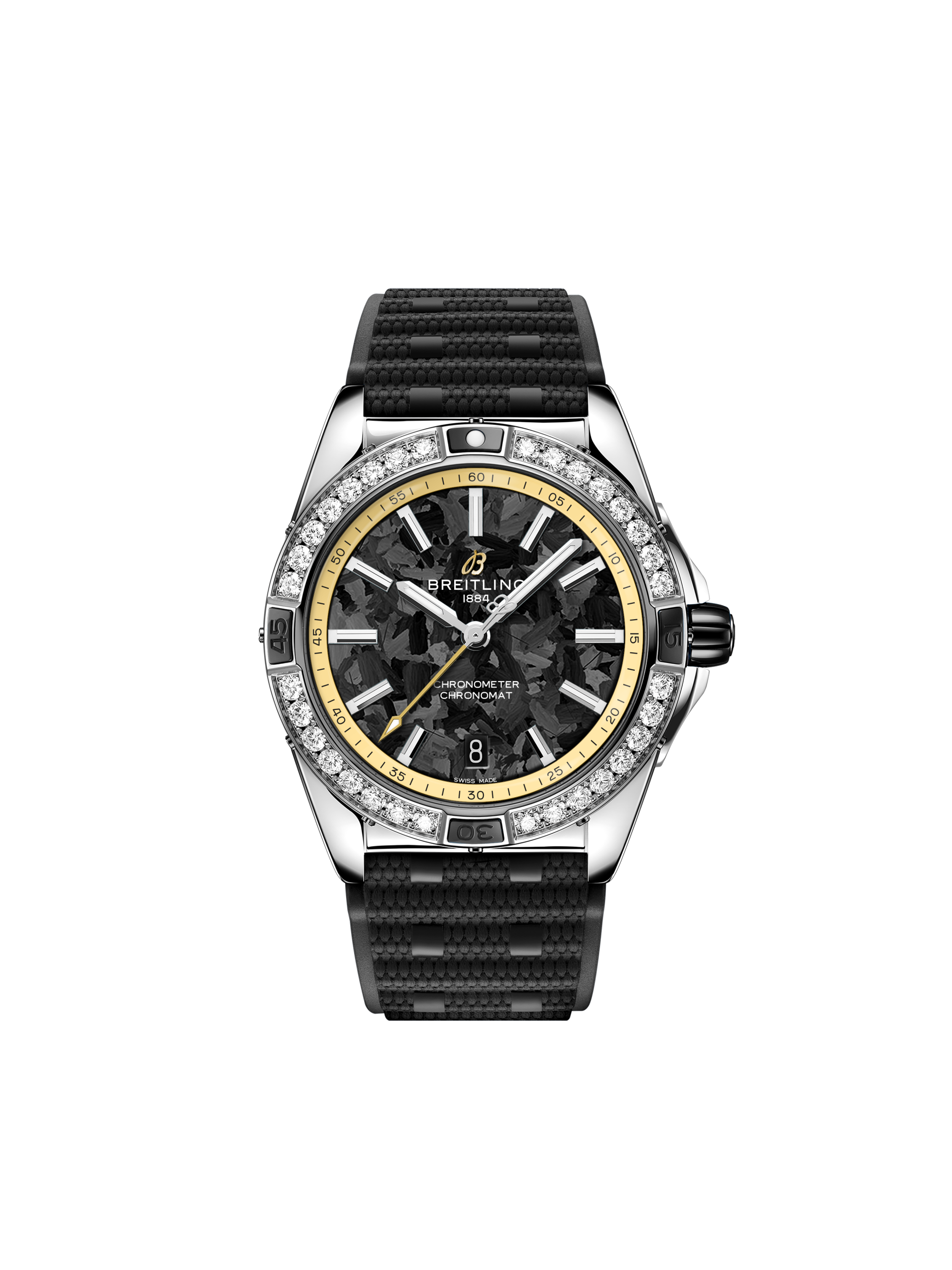
Two Super Chronomat models are available: a technically ambitious 44mm perpetual-calendar chronograph and a more compact 38mm automatic watch.
The flagship is the Super Chronomat B19 44 Perpetual Calendar Chronograph. Presented in a 44mm titanium case with Breitling’s distinctive Rouleaux bracelet, it combines a carbon-fibre dial with one of mechanical watchmaking’s most sophisticated complications.
Its automatic perpetual calendar accounts for months of different lengths, leap years and the phases of the moon. Provided it continues running, the calendar will not require manual correction until 2100—the next centurial year that will not be recognised as a leap year.
The B19 movement also provides a 96-hour power reserve, allowing the watch to be left unworn for four days without stopping. A display caseback exposes the movement and black rotor.
Valhalla owners can customise the colour of the inner bezel, seconds hand and chronograph counter hands. The rotor can also be engraved, creating a more permanent connection between the watch and its owner.
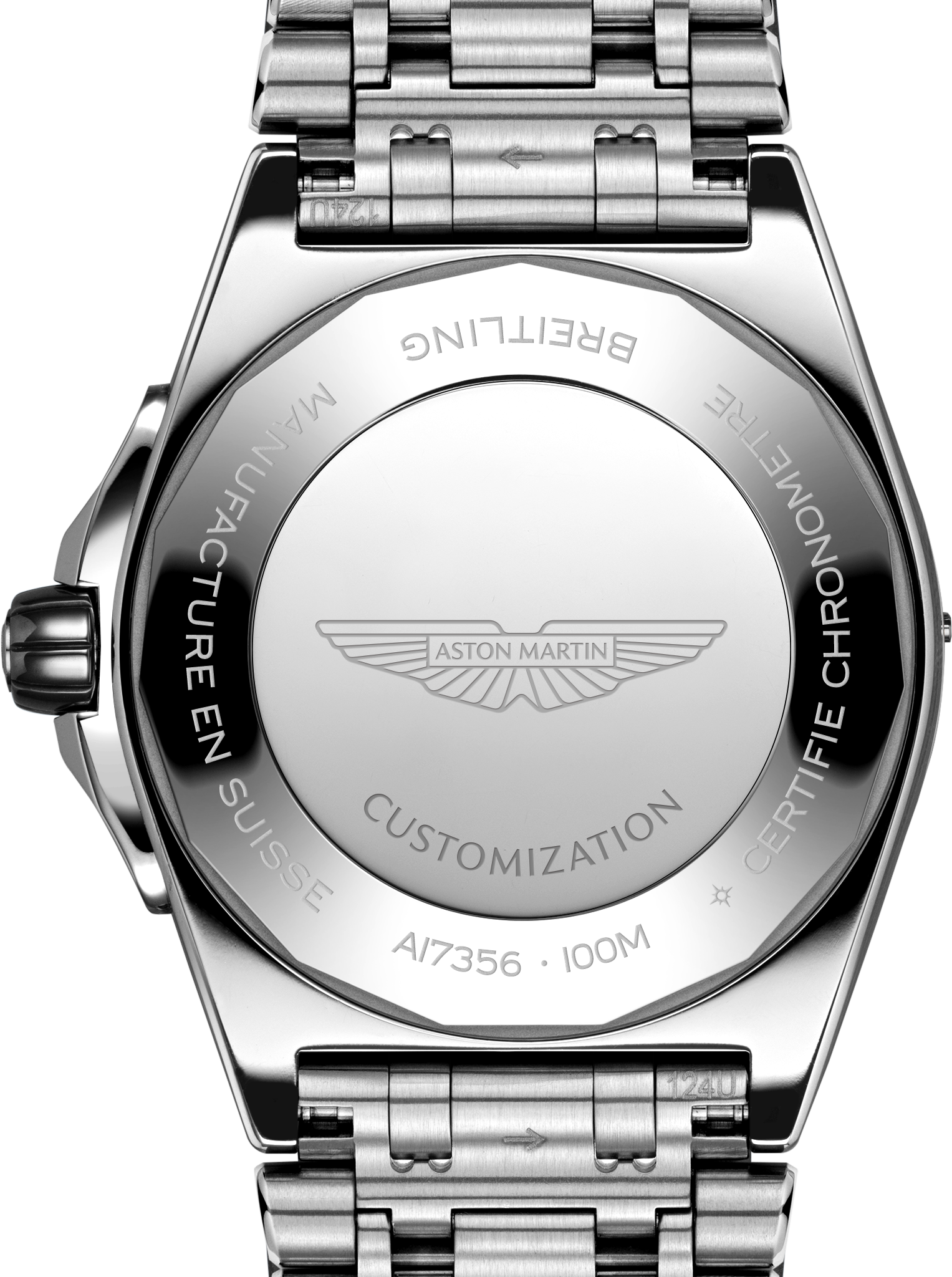
The second option, the Super Chronomat Automatic 38, offers a less complicated and more restrained interpretation.
Its 38mm stainless-steel case is paired with a textured carbon-fibre dial, a titanium crown and a diamond-set bezel. The automatic three-hand display incorporates a date window at six o’clock, while customisation extends to the colours used for the inner bezel and hands, together with a personalised caseback engraving.
The combination of carbon fibre and diamonds might appear contradictory, but it captures the dual character of the Valhalla: a car built around highly technical performance that remains unmistakably positioned as a luxury object.
The watch program draws directly from Aston Martin’s first series-production, mid-engined plug-in hybrid supercar.
Valhalla combines a 4.0-litre twin-turbocharged V8 with three electric motors to produce 1,079PS. Aston Martin claims it can accelerate from zero to 62mph—approximately 100km/h—in 2.5 seconds and reach 217mph, or about 349km/h.

Production is limited to 999 examples worldwide.
Formula One-derived technology and aerodynamic development have played central roles in the car’s engineering, but customisation is equally important to its ownership proposition. Breitling’s configurator extends that process from the Aston Martin specification studio to the wrist.
Each car will be produced at Aston Martin’s headquarters in Gaydon, England, while the watches will be made at Breitling’s Chronometrie in La Chaux-de-Fonds, Switzerland.
The program also reflects a broader change in the luxury market. Exclusivity is increasingly being defined by access rather than the simple production of another numbered edition. These watches cannot be purchased merely by joining a waiting list or paying a premium on the secondary market; the commission begins with ownership of the corresponding car.
That restriction gives the project greater authenticity than a conventional co-branded release. The strongest configurations should be those that use colour and engraving to create a subtle relationship with a particular Valhalla, rather than attempting to reproduce the car too literally.
For Valhalla buyers, the choice ultimately comes down to two very different expressions of the same idea. The 44mm B19 is the serious collector’s proposition, built around a rare combination of perpetual calendar and chronograph. The Automatic 38 is simpler, smaller and likely more versatile as an everyday watch.
Both turn the usual automotive-watch collaboration into something more individual: a timepiece configured alongside one of Aston Martin’s most significant new cars.
Watch summary
Program: Bespoke Breitling Super Chronomat watches for Aston Martin Valhalla owners
Available models: Super Chronomat B19 44 Perpetual Calendar Chronograph and Super Chronomat Automatic 38
B19 case: 44mm titanium
B19 power reserve: Approximately 96 hours
B19 complication: Automatic perpetual calendar chronograph
Automatic 38 case: 38mm stainless steel
Shared design element: Textured carbon-fibre dial
Customisation: Selected colours and personalised engraving
Availability: Exclusively for Aston Martin Valhalla owners
Valhalla production: Limited to 999 cars worldwide
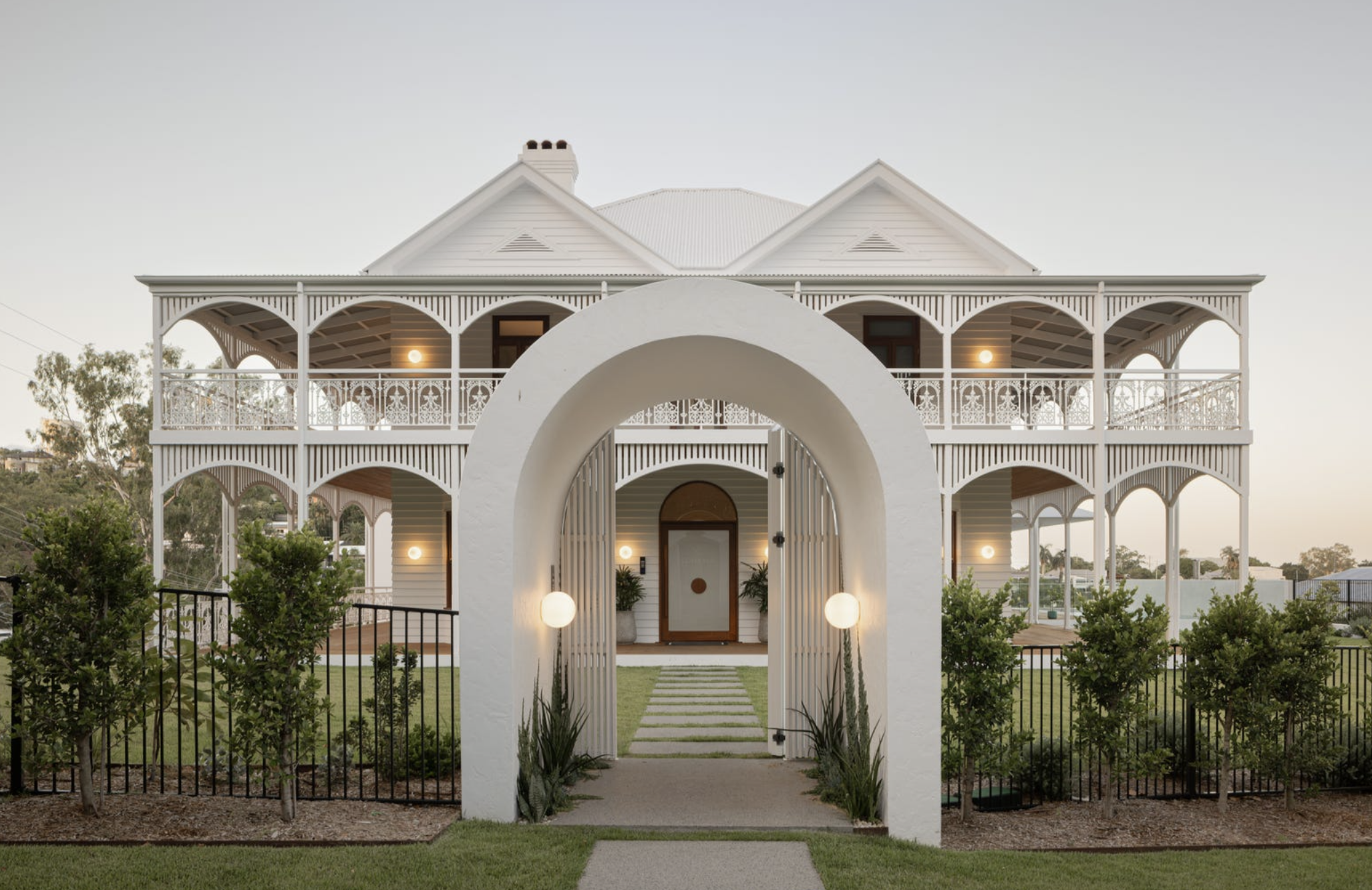
A restored 1860s Brisbane residence transformed by GRAYA has smashed Paddington’s house price record, selling for more than $12 million.
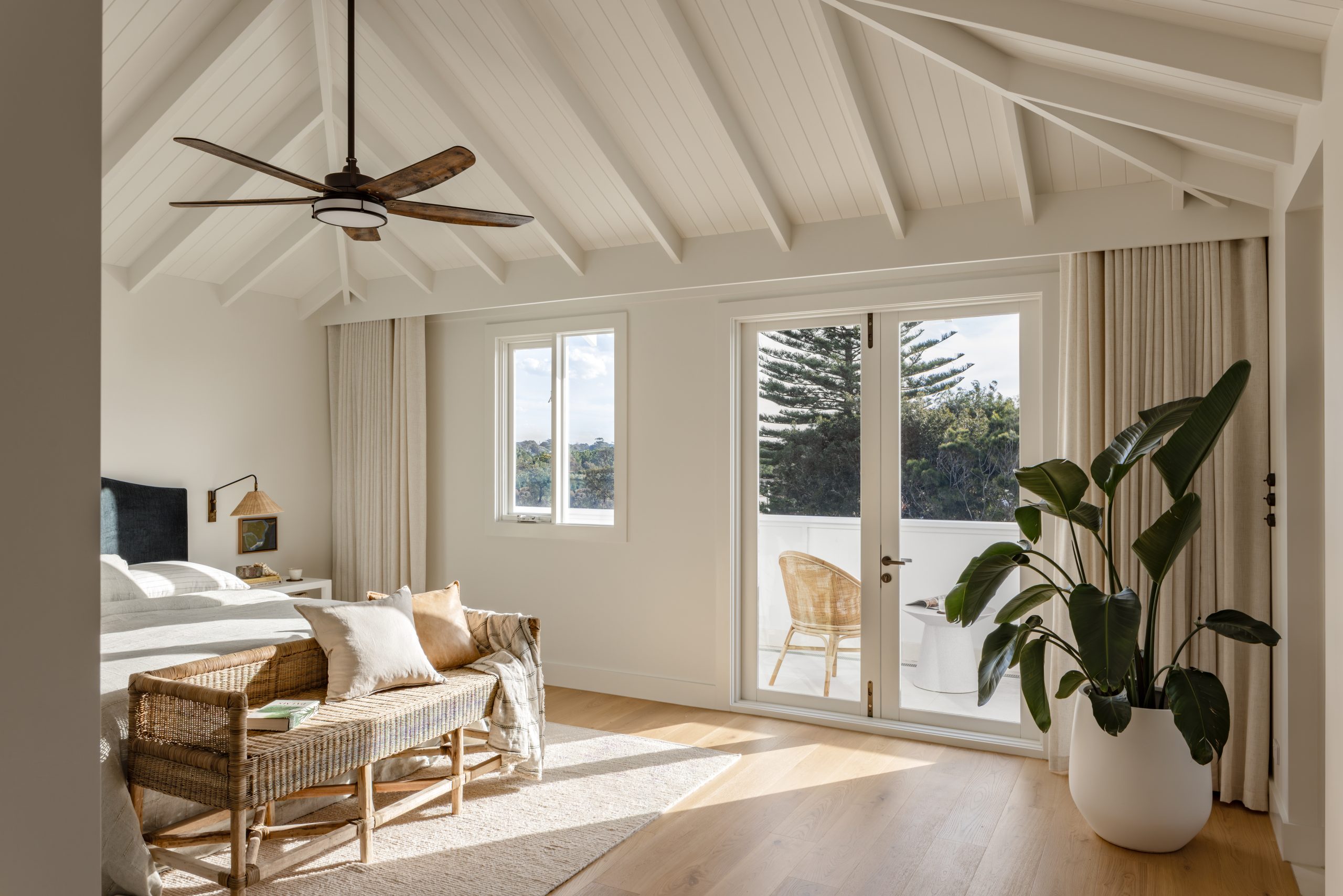
From warmer neutrals to tactile finishes, Australian homes are moving away from stark minimalism and towards spaces that feel more human.