A Megamansion in Dubai’s Swanky Emirates Hills Community Sells for $40.2 Million
The 19-bedroom villa is the latest big-ticket deal amid the city’s luxury real estate boom

 2 min
2 min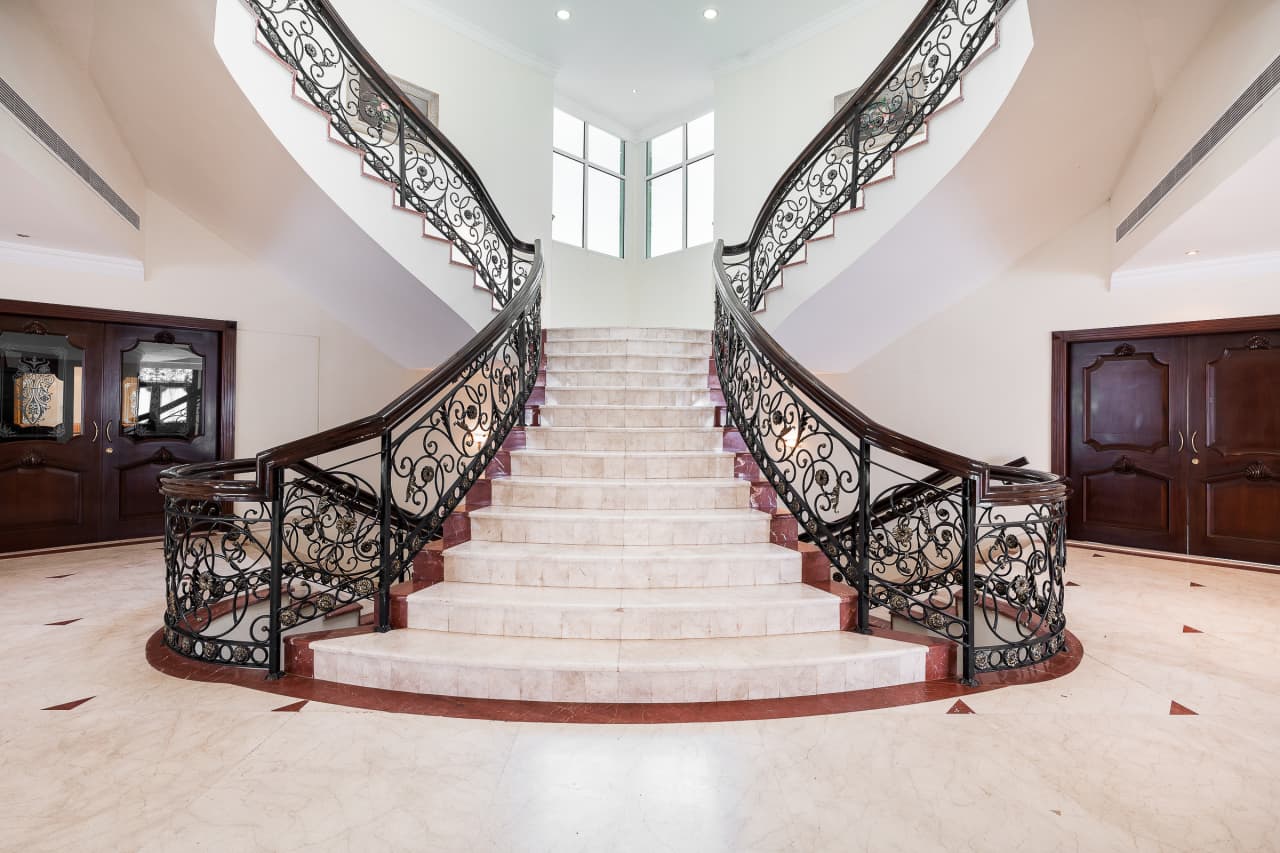
In the latest example of Dubai’s thriving luxury real estate market, a 19-bedroom megamansion in the city’s prestigious gated golf community of Emirates Hills has sold for US$40.2 million.
The villa, which sits on the largest lot in the posh enclave, changed hands last week, and the sale was handled by Leigh Borg and Timothy Ogunniyi of Dubai Sotheby’s International Realty.
“To own the largest land plot in Emirates Hills along with one of the biggest homes in the community makes this property stand out,” Ogunniyi said. “To find a property that gives you 80,000 square feet of land and 55,700 square feet of living space is rare in Dubai.”
Other large plots in the community are “not quite as massive,” he added. It’s “very seldom these plots come into the market in Emirates Hills. No doubt, this presented a great appeal to the buyer and an opportunity to capitalise on its value.”

The home has a classic feel, with an exterior that “combines timeless architectural elements with the use of natural materials, all of which are reflected in the roof shape, window style and classic columns,” Ogunniyi said.
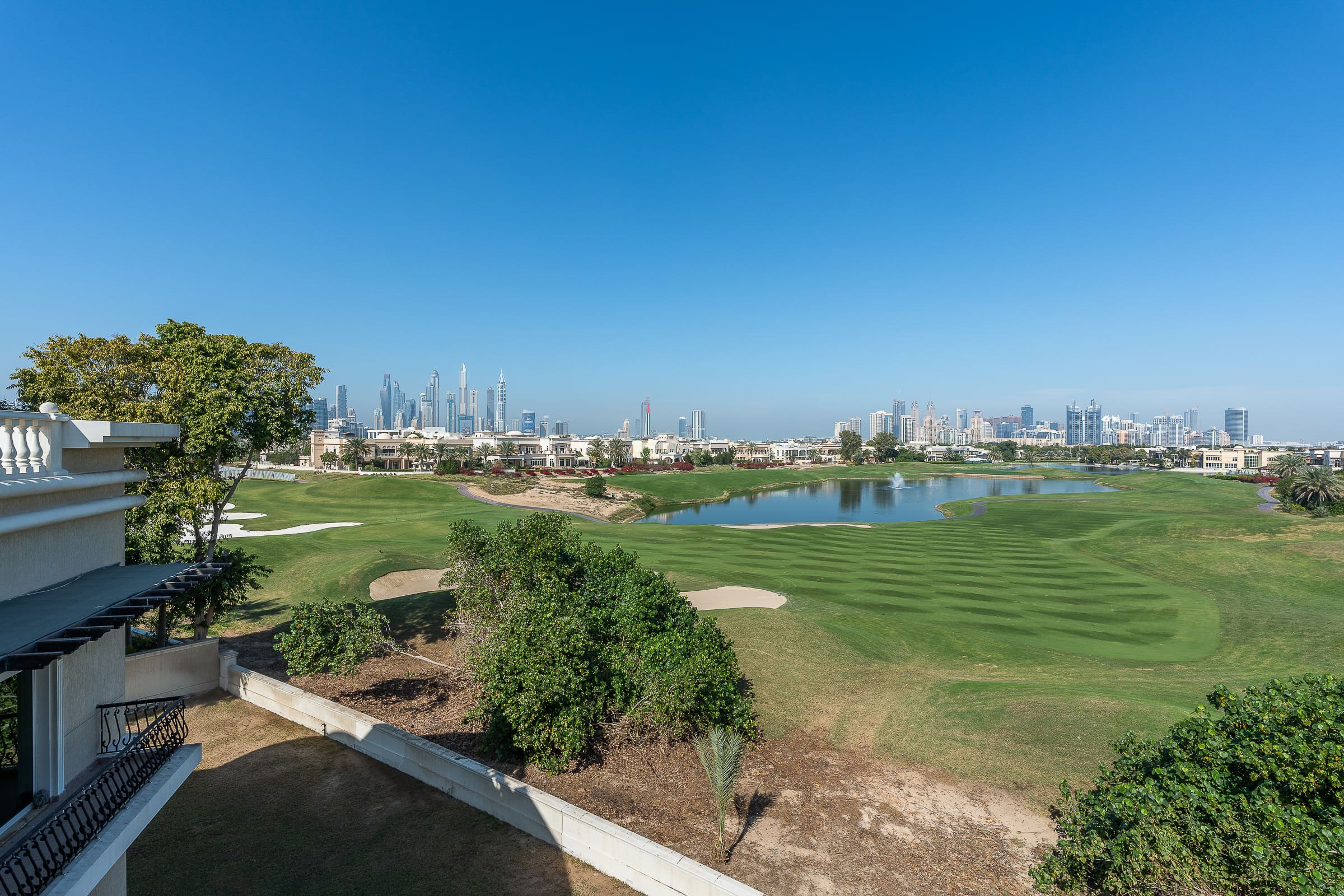
It also has far-reaching views of the Dubai skyline and the surrounding golf course.
“With the market in Dubai appreciating, it is fair to say that this was a very good deal to come by, both for buyer and seller,” Ogunniyi said, without disclosing the identities of the parties. The seller had owned the villa for the past 15 years and lived in the property when in town, he added. Mansion Global couldn’t identify either party.
Dubai’s luxury home market has been on a tear, complete with sky-high prices that grew 17.4% last year , and record-breaking transactions.
“This year, we have witnessed a significant evolution in the luxury real estate landscape, characterised by the introduction of new iconic developments and a sustained influx of wealthy investors, many of whom boast billionaire status,” said George Azar, CEO and chairman of Dubai Sotheby’s International Realty.
“While there exists a substantial demand for super prime homes, it’s crucial to note that the market currently lacks a sufficient number of uber-luxury projects and finishes that resonate with the discerning tastes of global billionaires,” he added. That gap “underscores the resilience and strength of this segment within our market.”
 Copyright 2020, Dow Jones & Company, Inc. All Rights Reserved Worldwide. LEARN MORE




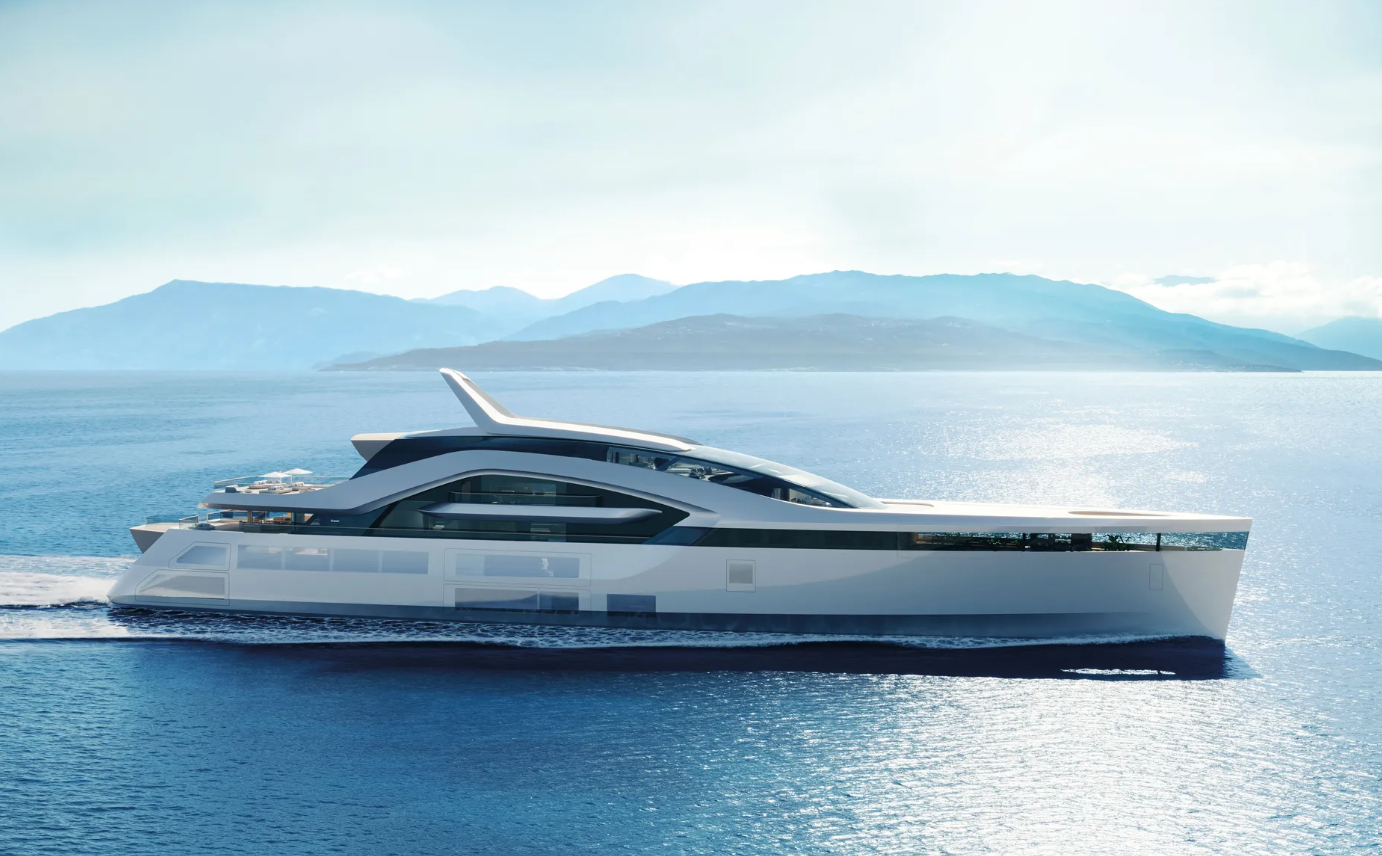
On the owner’s deck, a 20-metre swimming pool incorporates Feadship’s patented ContraWave technology and extends indoors as a suspended, glass-bottomed infinity pool.

Automobili Lamborghini is turning its attention to something considerably more difficult to define: what makes Italian excellence uniquely Italian?

Mirvac’s 45-level Trielle has topped out at Yarra’s Edge, pairing riverfront apartments with wellness facilities, private dining and resident services.
3 min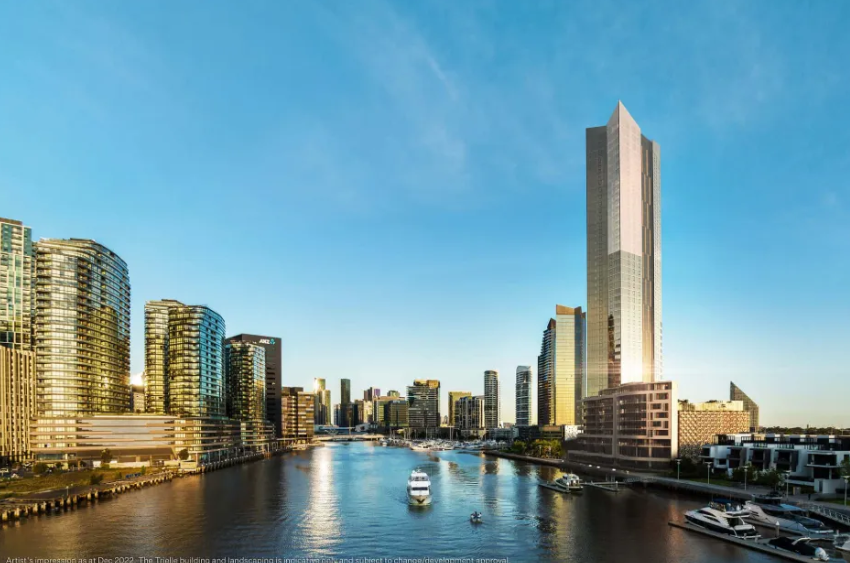
Mirvac has topped out Trielle at Melbourne’s Yarra’s Edge, with more than 70 per cent of the riverfront development sold and approximately 80 per cent of purchasers intending to make their apartment a home.
The figures, released on September 22, point to an owner-occupier audience for one of the precinct’s final residential towers. Mirvac began developing Yarra’s Edge in 2003, and its latest addition occupies one of the remaining absolute riverfront sites.
Mirvac CEO of Development Stuart Penklis said existing residents were among those moving up within the neighbourhood.
“Many purchasers already have a connection to Yarra’s Edge,” Mr Penklis said, describing buyers whose changing needs were encouraging an upgrade within the precinct.
“As one of the final residential towers within Yarra’s Edge, Trielle represents the culmination of more than two decades of creating one of Melbourne’s most established and sought-after waterfront communities,” Penklis said.
“Positioned on the Collins Street axis with absolute river frontage, Trielle offers residents a rare opportunity to enjoy sweeping views across the Yarra River, Melbourne skyline and Port Phillip Bay, while remaining seamlessly connected to the CBD. With Trielle now more than 70 per cent sold, we’re continuing to see strong demand from buyers seeking quality homes in established locations.”
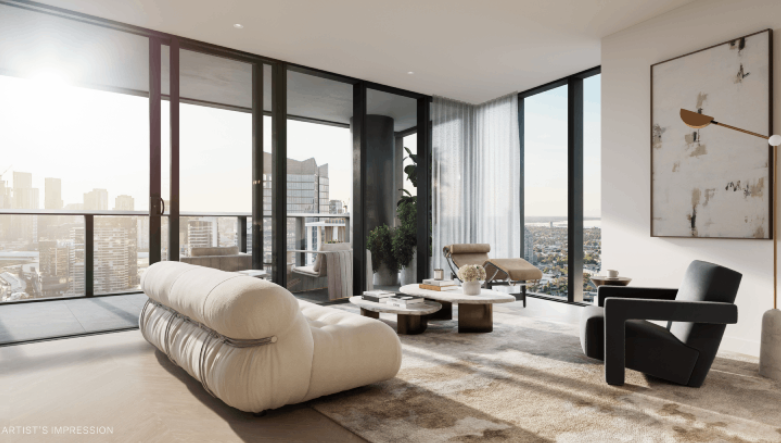
The developer also flagged a penthouse and sub-penthouse collection with larger layouts, premium finishes and broad outlooks. The planned wellness centrepiece, The Oasis, encompasses a 900-square-metre elevated urban rainforest.
Mirvac General Manager Residential Development Victoria Elysa Anderson said Trielle had resonated strongly with buyers seeking a rare lifestyle offering in Melbourne.
“Opportunities to secure a new luxury residence on a riverfront site of this calibre are incredibly rare, particularly within a community like Yarra’s Edge,” Anderson said.
“What makes Trielle unique is the combination of exceptional views, world-class residential facilities and the lifestyle that already exists around it. Residents are buying into a mature waterfront community with parks, promenades, dining, wellness and strong community connections already in place.”
The 45-level tower brings a substantial new presence to that waterfront. Its residential offering spans one-, two-, three- and four-bedroom apartments, with Signature, Prestige and Sub-Penthouse collections accommodating different household sizes. The north-facing position connects the apartments visually to the river and city beyond.
Seven storeys above the promenade, the planned Oasis combines planting and a running stream with a Scandinavian-inspired wellness club developed with spa specialist Naomi Gregory. Facilities include a 25-metre lap pool, hot magnesium pool, sauna, hydrotherapy, a gym, yoga and Pilates room, and treatment spaces.
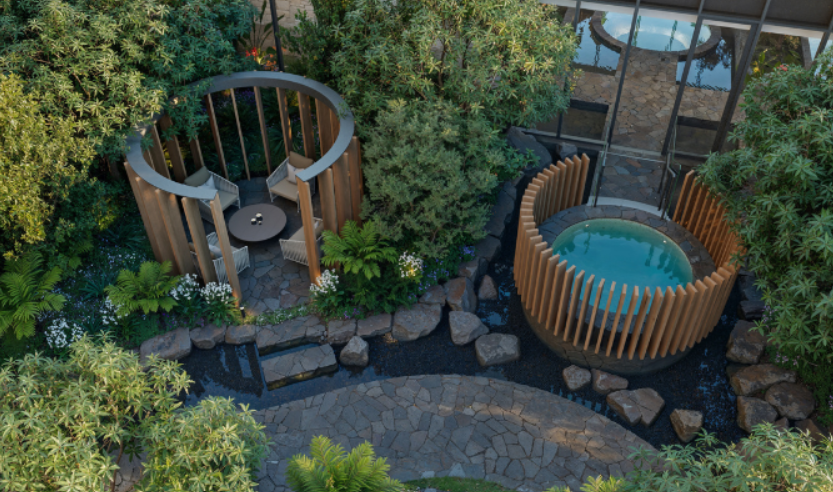
The amenity extends beyond exercise. Residents will have access to The Biblioteca library and workspaces, ground-floor work pods, and The Salone piano lounge. A private Chef’s Table dining room offers a setting for larger gatherings, while a cinema, games room and sports lounge broaden the entertaining options. Concierge services and a dog-wash area support everyday routines.
Trielle comprises a collection of one, two, three and four-bedroom residences. Reflecting strong demand from owner occupiers, approximately 80 per cent of purchasers to date intend to live in their homes, highlighting the project’s appeal to those seeking a long-term waterfront lifestyle.
Mirvac has recently delivered The Albertine, a premium apartment development on the edge of Melbourne’s CBD, and is nearing completion of Prince & Parade in Brunswick, further strengthening its portfolio of thoughtfully designed apartment communities in some of Melbourne’s most sought-after urban locations.
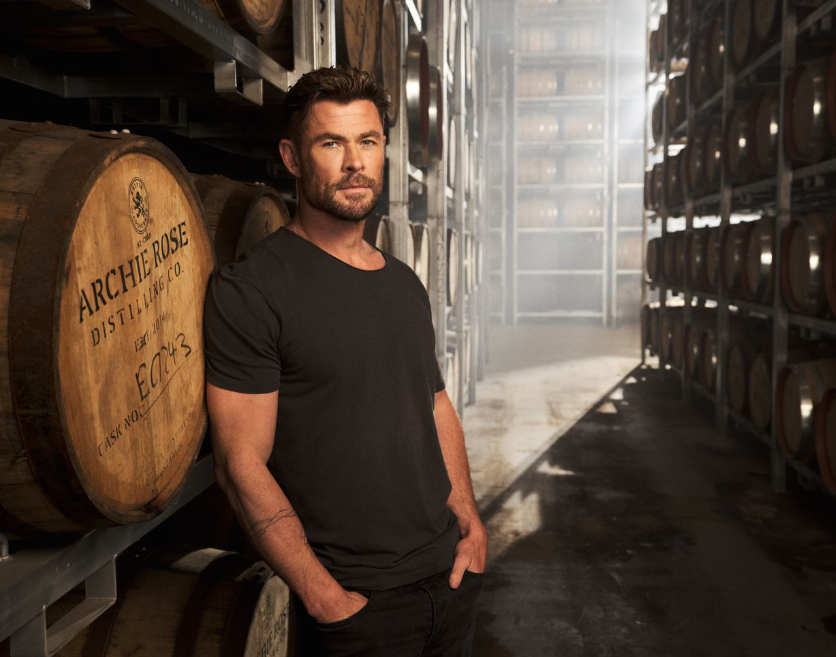
Australian actor Chris Hemsworth has joined Archie Rose Distilling Co. as co-owner and strategic business partner as the Sydney spirits company prepares to enter the United States. The partnership brings Hemsworth together with Archie Rose founder Will Edwards, with the pair aiming to build greater international recognition for Australian whisky. Founded in Sydney in 2014, …
Continue reading “Chris Hemsworth Joins Archie Rose as Co-Owner Ahead of Global Expansion”

French luxury-goods giant’s results are a sign that shoppers weren’t splurging on its collections of high-end garments in the run-up to the holiday season.