Bank of England Rate Cut Offers a ‘Boost to Sentiment’ in the Luxury Sector
The first cut in four years will still fuel confidence among less rate-sensitive consumers

 2 min
2 min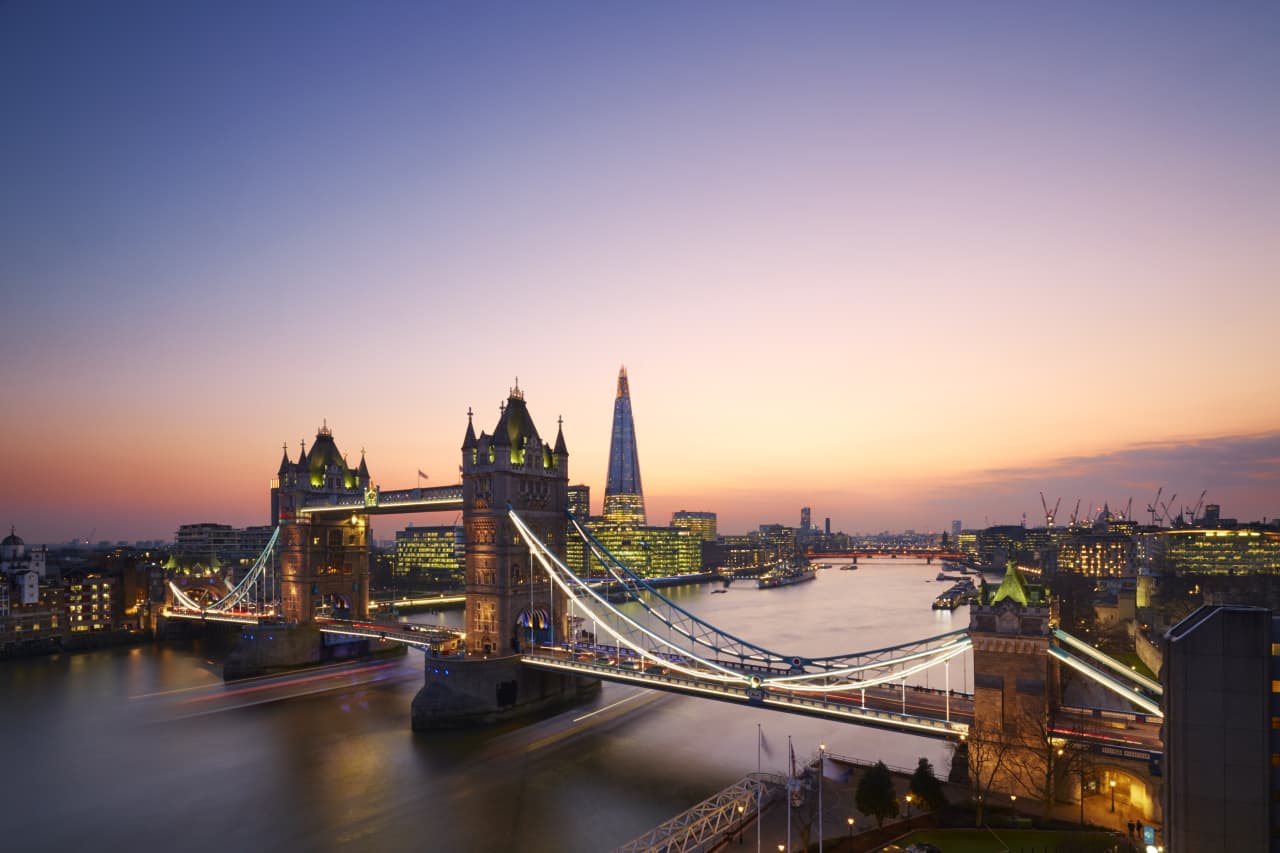
The Bank of England’s first interest rate cut in four years on Thursday prompted a sigh of relief from home buyers and sellers nationwide that will boost confidence in the luxury home market, too.
The central bank voted to cut the benchmark lending rate from 5.25% to 5% in a move that is expected to have a more pronounced impact on the middle and lower ends of the property market—who more frequently finance their home purchases—as opposed to the more discretionary top end.
However, it may prove to be an auspicious sign for foreign investors, according to Simon Barry, head of new developments at Harrods Estates. “Today’s rate cut, hopefully the first of several, sends a resounding message to international investors: Now is the opportune moment to move back into U.K. property,” Barry said.
“Investors who have enjoyed solid returns in cash over the past two years may now be tempted to shift their wealth into property before the market picks up, particularly in prime central London, where some areas remain undervalued compared to their 2014 peaks,” he added.
Though high-end buyers tend to be less affected by interest rate fluctuations, they aren’t completely decoupled from the shifts. “Even those who can afford to purchase properties outright at the top end of the market often opt for financing, as it can be a savvy investment strategy,” according to Barry.
Overall, he said, “this announcement will be warmly welcomed across the property sector.”
Following 14 consecutive rises, the base rate had been held at 5.25% since August 2023.
If nothing else, the cut will be a “boost to sentiment to the prime property markets going forward,” said Mark Parkinson, managing director of London-based real estate consultant Middleton Advisors.
“It reflects a positive direction of travel. Less positive was this morning’s news of the government confirming the end of the non-dom status,” Parkinson said, referring to the scrapping of a tax law that has benefited the wealthy for centuries . “But both of these developments today will provide buyers and sellers more certainty of what is in store.”
In July, asking prices across the U.K. dropped 0.4% monthly to £373,493, “a bigger July drop than usual,” according to a report from online property portal Rightmove
“Capacity for house price growth will remain limited until there is a more significant reduction in the cost of debt,” said Emily Williams, director of research at estate agency Savills. “However, this is a clear signal to the market that the Bank feels it has turned a corner in the battle against inflation, and it should give most buyers and sellers confidence that the market will improve as we head into 2025.”
 Copyright 2020, Dow Jones & Company, Inc. All Rights Reserved Worldwide. LEARN MORE




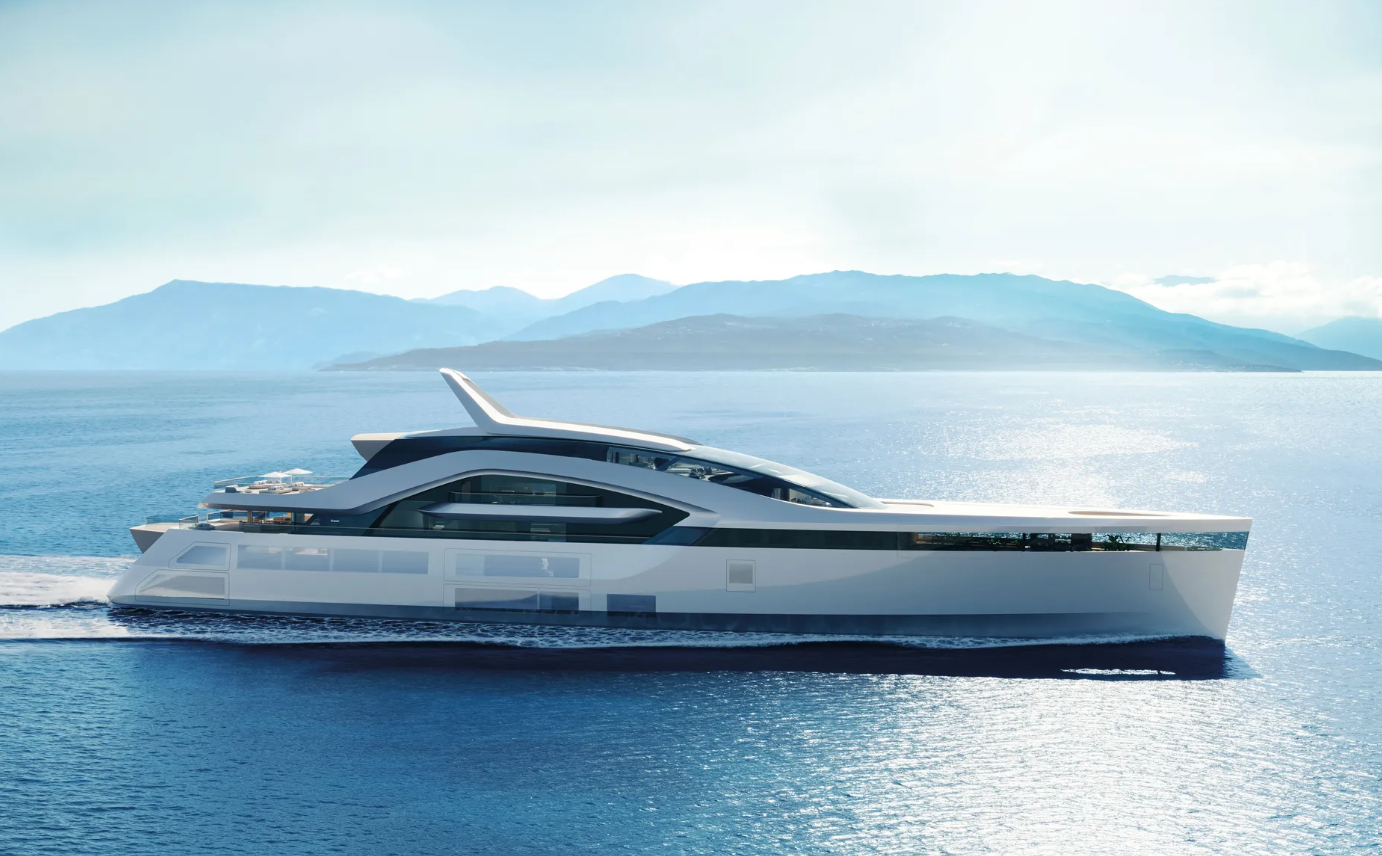
On the owner’s deck, a 20-metre swimming pool incorporates Feadship’s patented ContraWave technology and extends indoors as a suspended, glass-bottomed infinity pool.

Automobili Lamborghini is turning its attention to something considerably more difficult to define: what makes Italian excellence uniquely Italian?

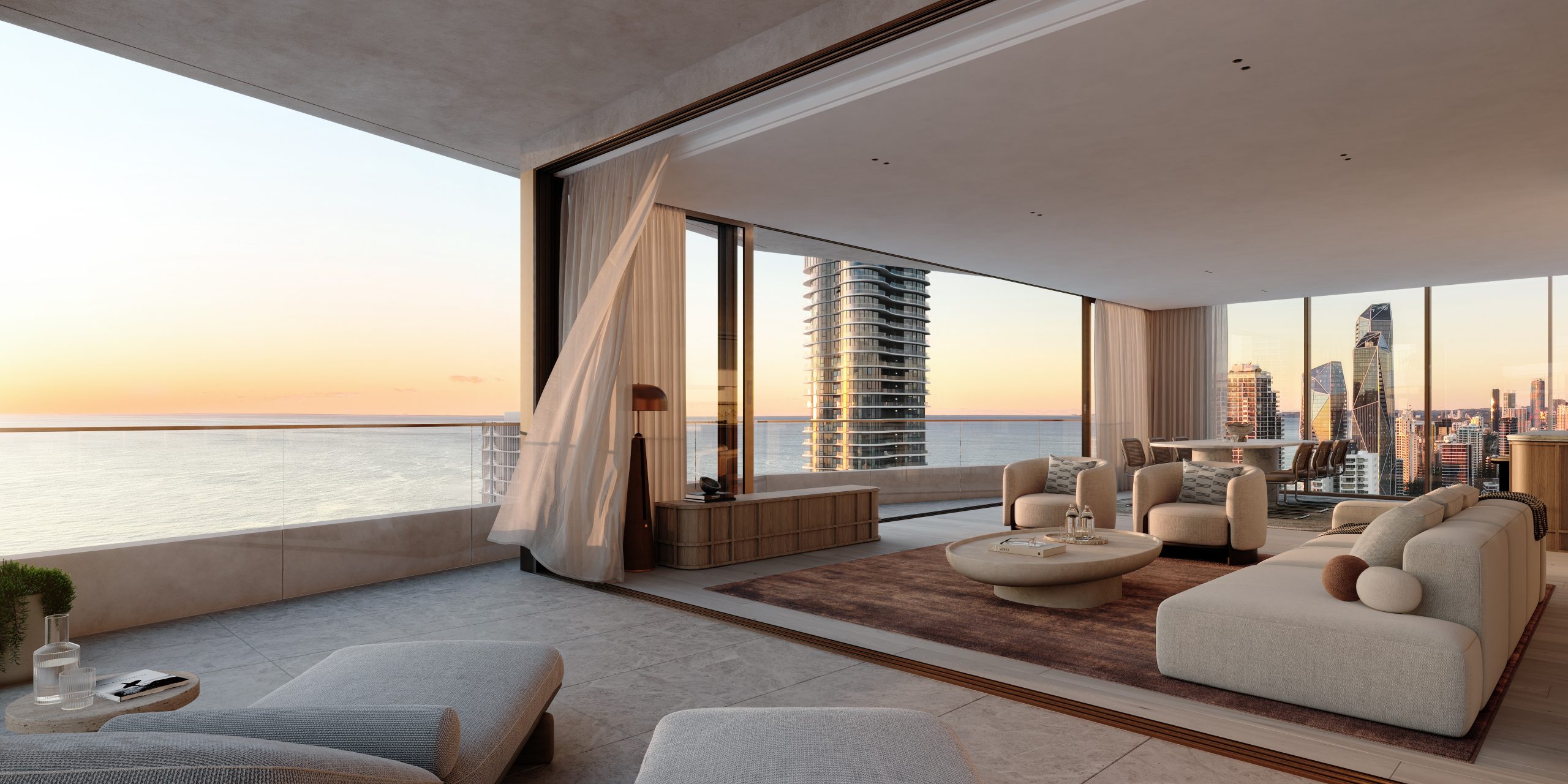
Mirvac’s 45-level Trielle has topped out at Yarra’s Edge, pairing riverfront apartments with wellness facilities, private dining and resident services.
3 min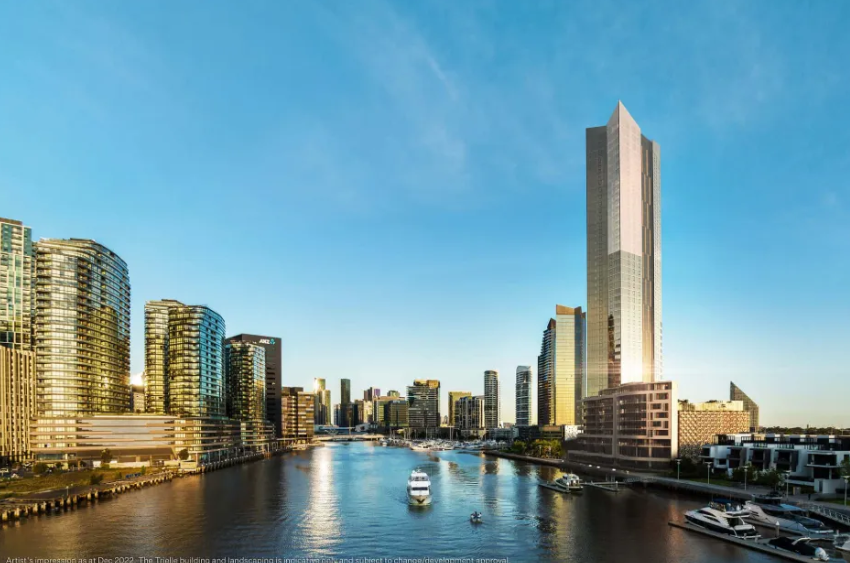
Mirvac has topped out Trielle at Melbourne’s Yarra’s Edge, with more than 70 per cent of the riverfront development sold and approximately 80 per cent of purchasers intending to make their apartment a home.
The figures, released on September 22, point to an owner-occupier audience for one of the precinct’s final residential towers. Mirvac began developing Yarra’s Edge in 2003, and its latest addition occupies one of the remaining absolute riverfront sites.
Mirvac CEO of Development Stuart Penklis said existing residents were among those moving up within the neighbourhood.
“Many purchasers already have a connection to Yarra’s Edge,” Mr Penklis said, describing buyers whose changing needs were encouraging an upgrade within the precinct.
“As one of the final residential towers within Yarra’s Edge, Trielle represents the culmination of more than two decades of creating one of Melbourne’s most established and sought-after waterfront communities,” Penklis said.
“Positioned on the Collins Street axis with absolute river frontage, Trielle offers residents a rare opportunity to enjoy sweeping views across the Yarra River, Melbourne skyline and Port Phillip Bay, while remaining seamlessly connected to the CBD. With Trielle now more than 70 per cent sold, we’re continuing to see strong demand from buyers seeking quality homes in established locations.”
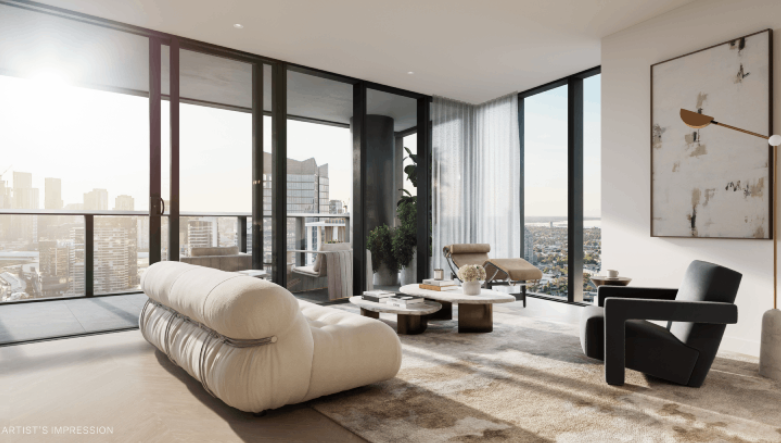
The developer also flagged a penthouse and sub-penthouse collection with larger layouts, premium finishes and broad outlooks. The planned wellness centrepiece, The Oasis, encompasses a 900-square-metre elevated urban rainforest.
Mirvac General Manager Residential Development Victoria Elysa Anderson said Trielle had resonated strongly with buyers seeking a rare lifestyle offering in Melbourne.
“Opportunities to secure a new luxury residence on a riverfront site of this calibre are incredibly rare, particularly within a community like Yarra’s Edge,” Anderson said.
“What makes Trielle unique is the combination of exceptional views, world-class residential facilities and the lifestyle that already exists around it. Residents are buying into a mature waterfront community with parks, promenades, dining, wellness and strong community connections already in place.”
The 45-level tower brings a substantial new presence to that waterfront. Its residential offering spans one-, two-, three- and four-bedroom apartments, with Signature, Prestige and Sub-Penthouse collections accommodating different household sizes. The north-facing position connects the apartments visually to the river and city beyond.
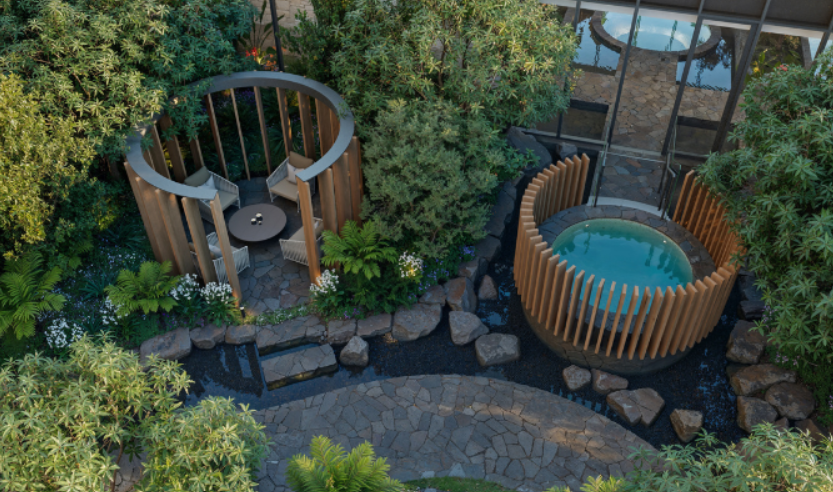
Seven storeys above the promenade, the planned Oasis combines planting and a running stream with a Scandinavian-inspired wellness club developed with spa specialist Naomi Gregory. Facilities include a 25-metre lap pool, hot magnesium pool, sauna, hydrotherapy, a gym, yoga and Pilates room, and treatment spaces.
The amenity extends beyond exercise. Residents will have access to The Biblioteca library and workspaces, ground-floor work pods, and The Salone piano lounge. A private Chef’s Table dining room offers a setting for larger gatherings, while a cinema, games room and sports lounge broaden the entertaining options. Concierge services and a dog-wash area support everyday routines.
Trielle comprises a collection of one, two, three and four-bedroom residences. Reflecting strong demand from owner occupiers, approximately 80 per cent of purchasers to date intend to live in their homes, highlighting the project’s appeal to those seeking a long-term waterfront lifestyle.
Mirvac has recently delivered The Albertine, a premium apartment development on the edge of Melbourne’s CBD, and is nearing completion of Prince & Parade in Brunswick, further strengthening its portfolio of thoughtfully designed apartment communities in some of Melbourne’s most sought-after urban locations.
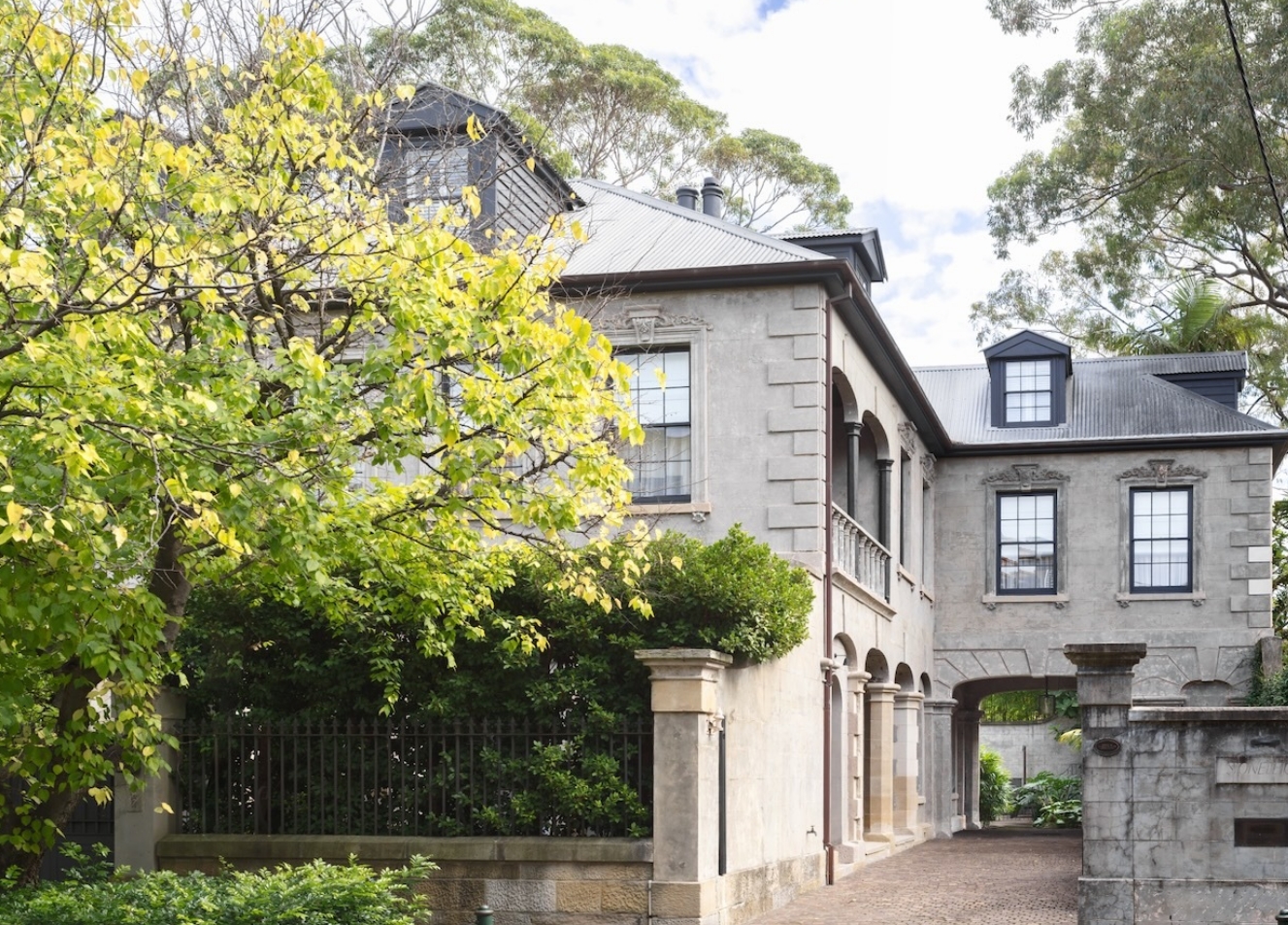
The 1860s Darlinghurst mansion Stoneleigh could become Sydney’s most expensive home ever sold under the hammer when it goes to auction. Clint Ballard is giving buyers a $28 million guide for the heritage-listed mansion on Darley Street, opposite Iona, the former home of Hollywood royalty Baz Luhrmann. Stoneleigh is being offered for sale for the …

Once a sleepy surf town, Noosa has become Australia’s prestige property hotspot, where multi-million dollar knockdowns, architectural showpieces and record-setting sales are the new normal.