From a Gangster’s ‘Rat Pit’ to Sunny Condos: Duplex Atop the Third-Oldest Building in Manhattan Lists for $US1.825 Million
The 250-year-old structure in the South Street Seaport District had a colorful past before a developer converted it to apartments in the 1990s

 3 min
3 min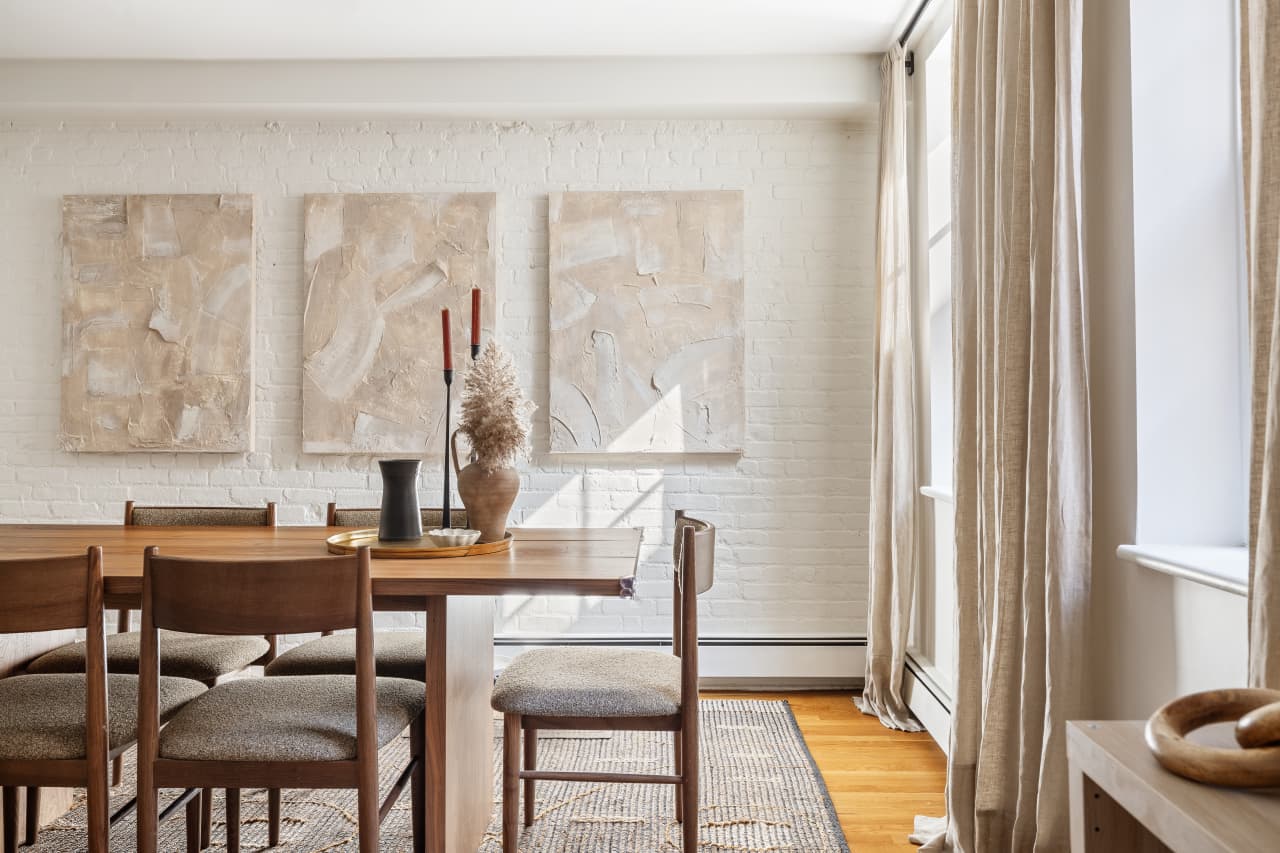
An apartment atop the third oldest building still standing in Manhattan has hit the market for $1.825 million.
The two-bedroom duplex occupies the top two floors of the Captain Joseph Rose house in the South Street Seaport District, the third oldest building in Manhattan after the Morris-Jumel Mansion in Washington Heights and St. Paul’s Chapel near the World Trade Center. In 1773 it was a fashionable two-story home for Rose, a successful lumber merchant, but its more colourful history came a century later, during the Civil War era, when it was the site an infamous saloon known as “Kit Burns’ Rat Pit,” run by one of the founders of the Dead Rabbits gang.
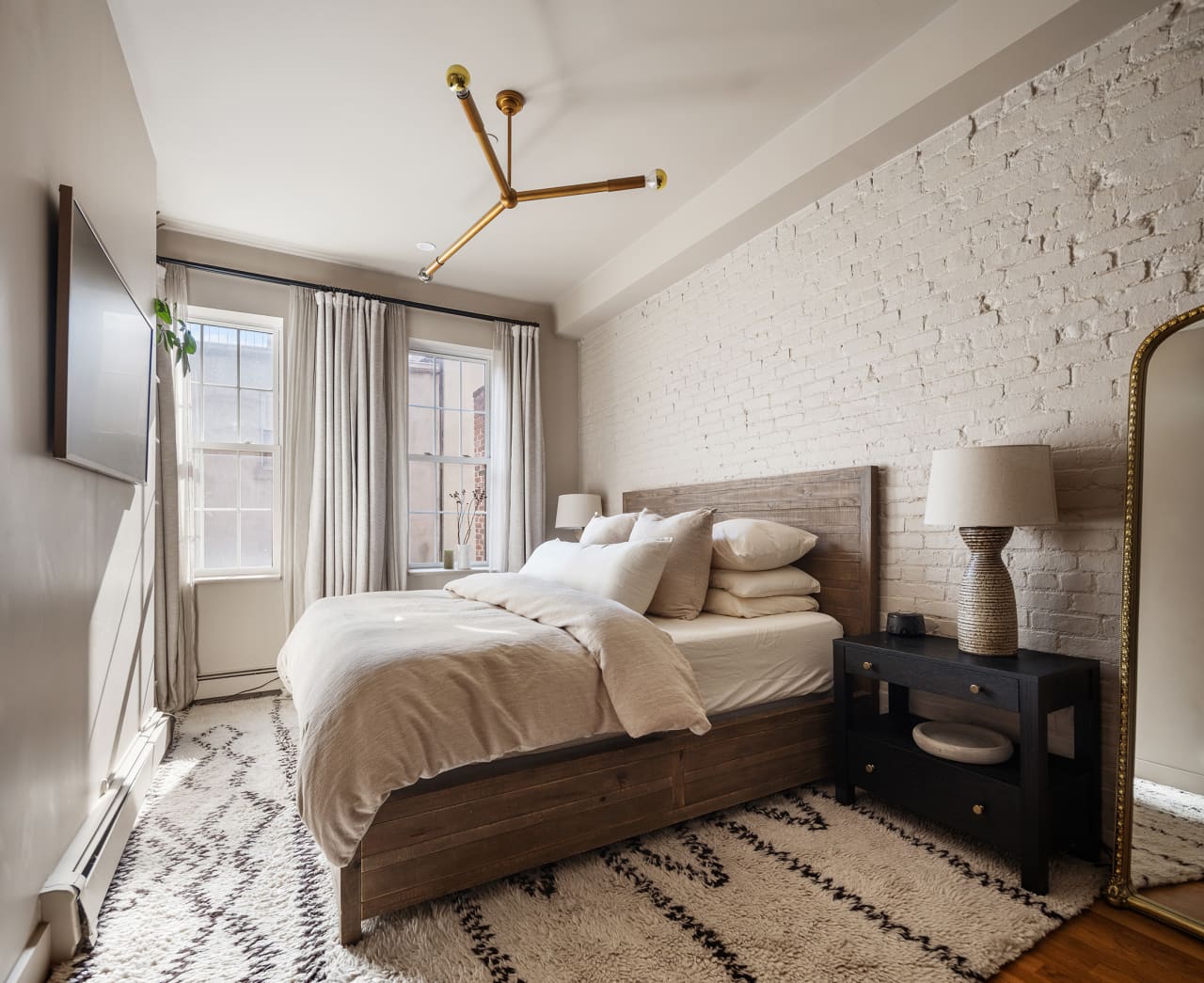
Today, the 1,424-square-foot unit shows few signs of its unsavoury past. Located on a cobblestoned side street, the building still retains its brick facade and original Georgian-style, but the upper floors were added after a fire in 1904, and the interiors were completely restored by architect Oliver Lundquist when the building was converted to condos in 1997.
The sellers, who purchased the unit for $1.575 million in 2022, listed the property with Lindsey Stokes and Allison Venditti of Compass on Tuesday.
When Rose built the home on Water Street, the isle of Manhattan was smaller, and the home had direct access to the East River where he docked his merchant ship, Industry . By the turn of the century the ground floor had been converted to commercial use, and it was used as an apothecary, a cobbler shop, a watchmakers’ shop and a grocery.
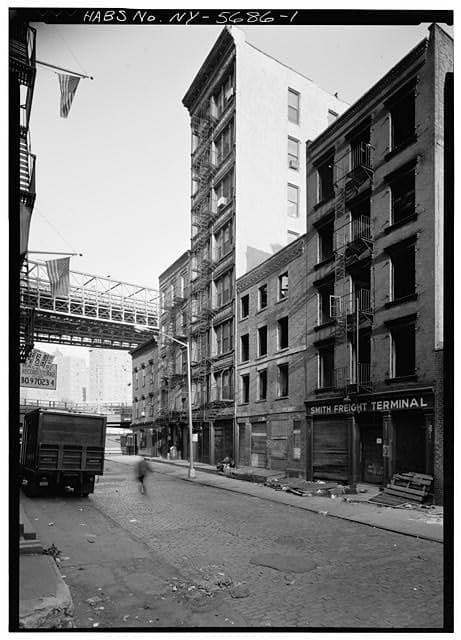
Library of Congress
By the 1860s, the bustling South Street Seaport had begun to decline as shipping lines moved to larger ports along the Hudson River, and the neighbourhood deteriorated. The Joseph Rose building was purchased by Christopher “Kit” Burns, who opened a saloon called Sportsman’s Hall, a den of vice most notable for its rat pit—the largest in the city—where Burns staged “rat baiting” events, in which caged dogs compete to kill rats while spectators bet on the outcome.
Journalist James W. Buel described Sportsman’s Hall in a book on American cities published in 1883. “This place was once an eating cancer on the body municipal,” he wrote. “Within its crime begrimed walls have been enacted so many villainies, that the world has wondered why the wrath of vengeance did not consume it.”
In 1870, the saloon was shut down by the authorities, and Burns leased the building to the Williamsburg Methodist Church, which used it as a refuge for women. Burns, meanwhile, opened a rat pit down the block at 388 Water St.
As the years progressed, the building suffered fires in 1904 and again in 1976, after which it fell into disrepair and was seized for unpaid taxes. In 1997, the city sold the neglected building to developer Frank Sciame Jr. for just $1, who restored it and converted it to luxury condos.
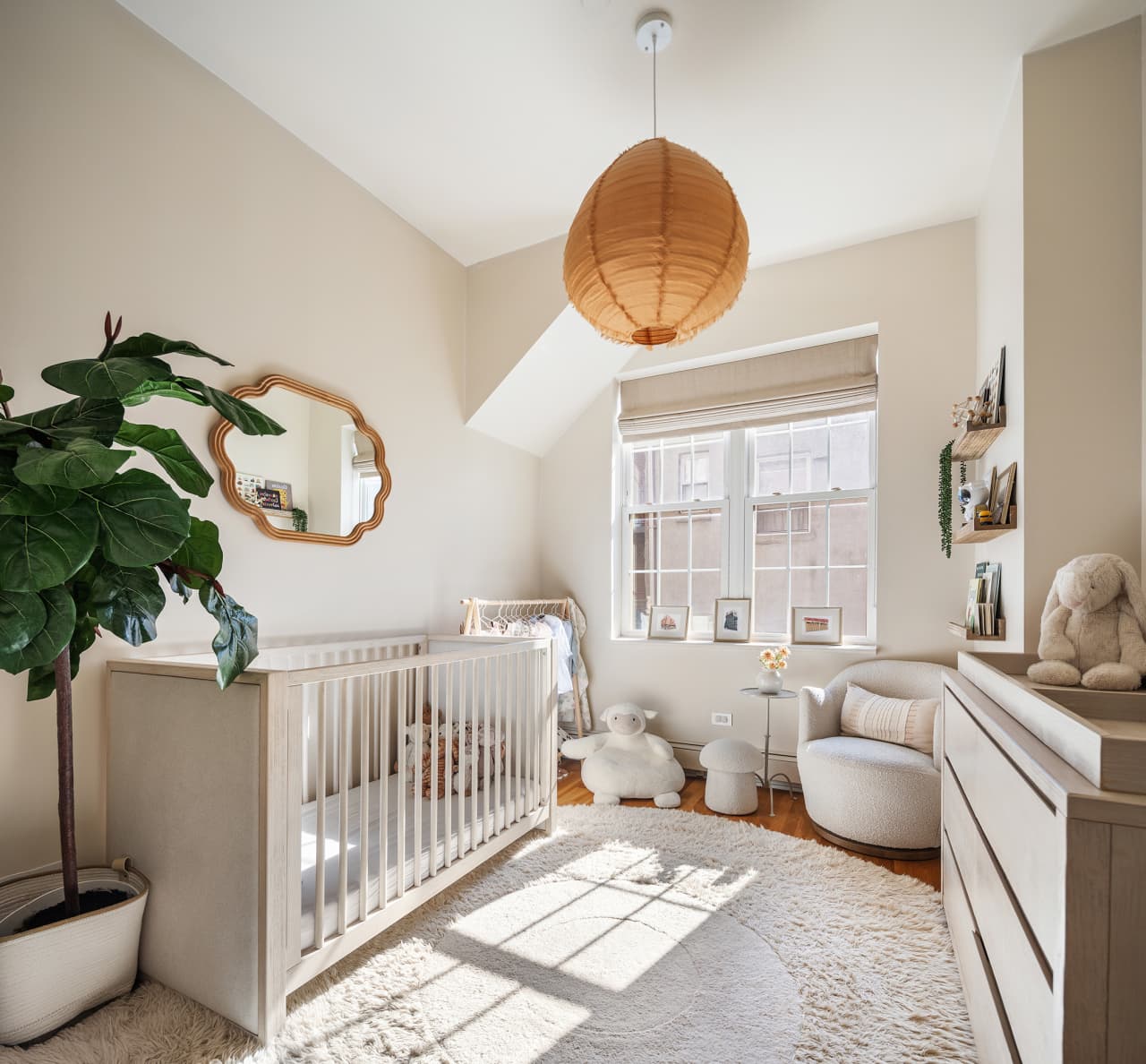
The upper unit has traded hands several times in the decades since. Currently, the unit begins with a foyer that leads to an open plan living and dining area on the main level, with a staircase leading to two bedrooms on the upper level, and a private rooftop.
After purchasing the unit, the sellers worked with designer Lauryn Stone to renovate the upper level, reconfiguring the floor plan and remodelling the primary bathroom, according to Stokes. The interiors feature finished white oak floors and painted brick walls, with built-in shelves and a ventless fireplace in the living room, stone counters in the kitchen, a walk-in closet off the primary bedroom, and two rows of six-over-six panelled windows adding light and air.
 Copyright 2020, Dow Jones & Company, Inc. All Rights Reserved Worldwide. LEARN MORE




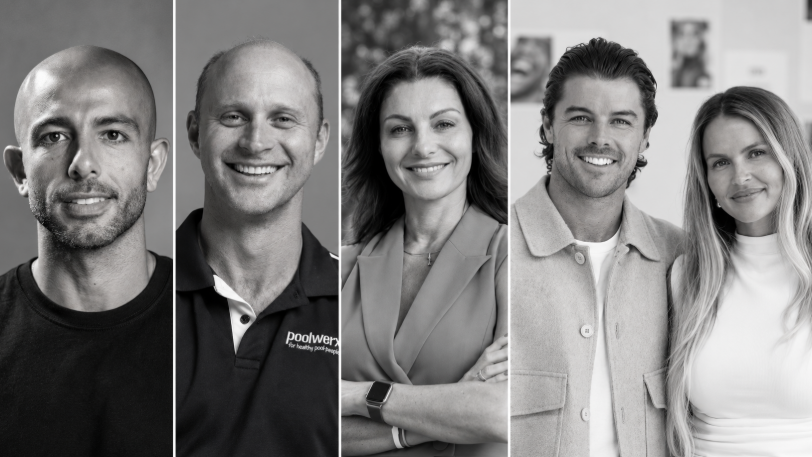
From making unpopular decisions to learning when to listen, leaders from five businesses reveal what nobody prepared them for — and how running a company has challenged their expectations.

Technology and semiconductor shares fell sharply as investors questioned the debt financing the AI infrastructure boom and confronted higher rates and Chinese competition.
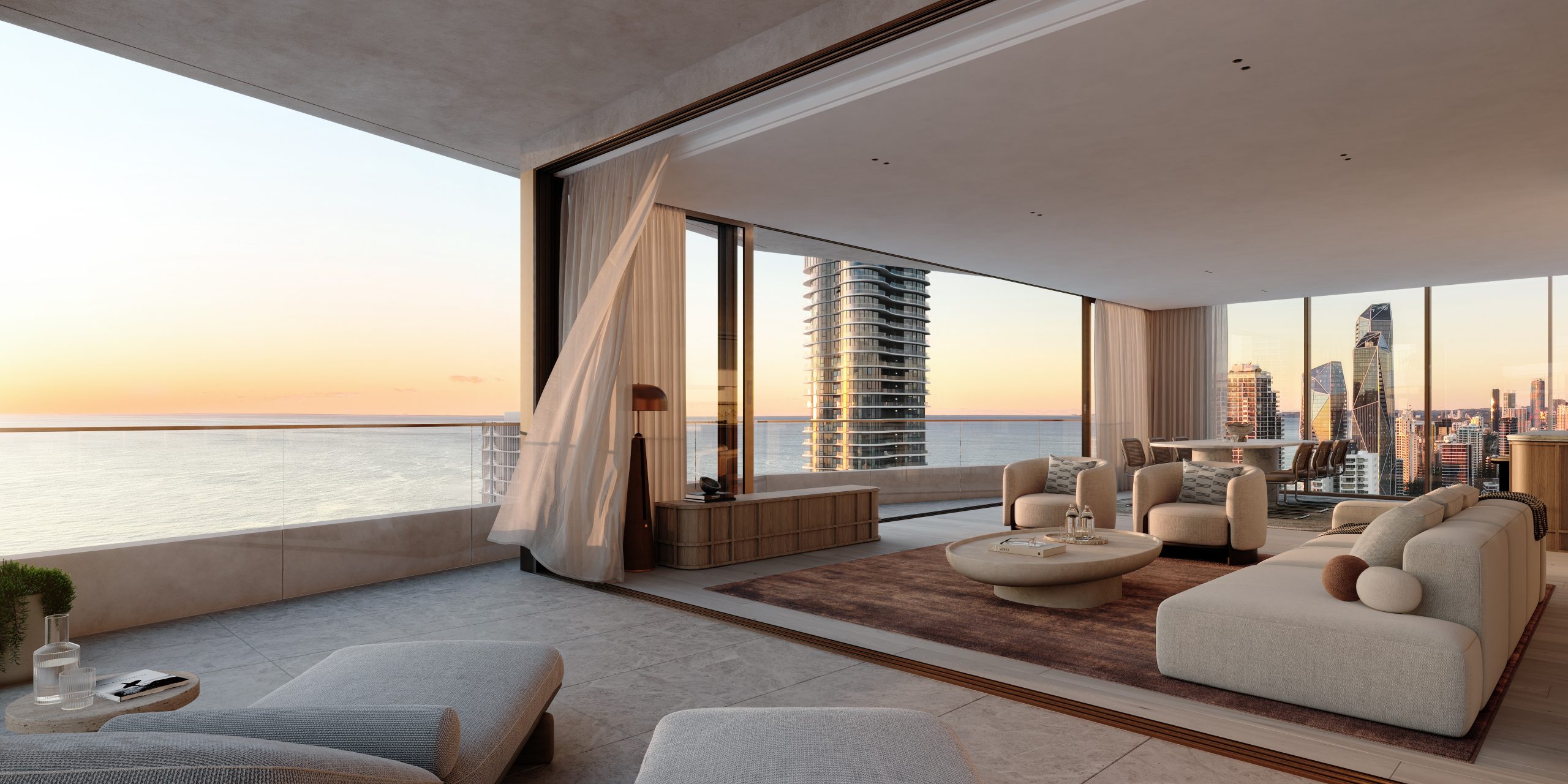
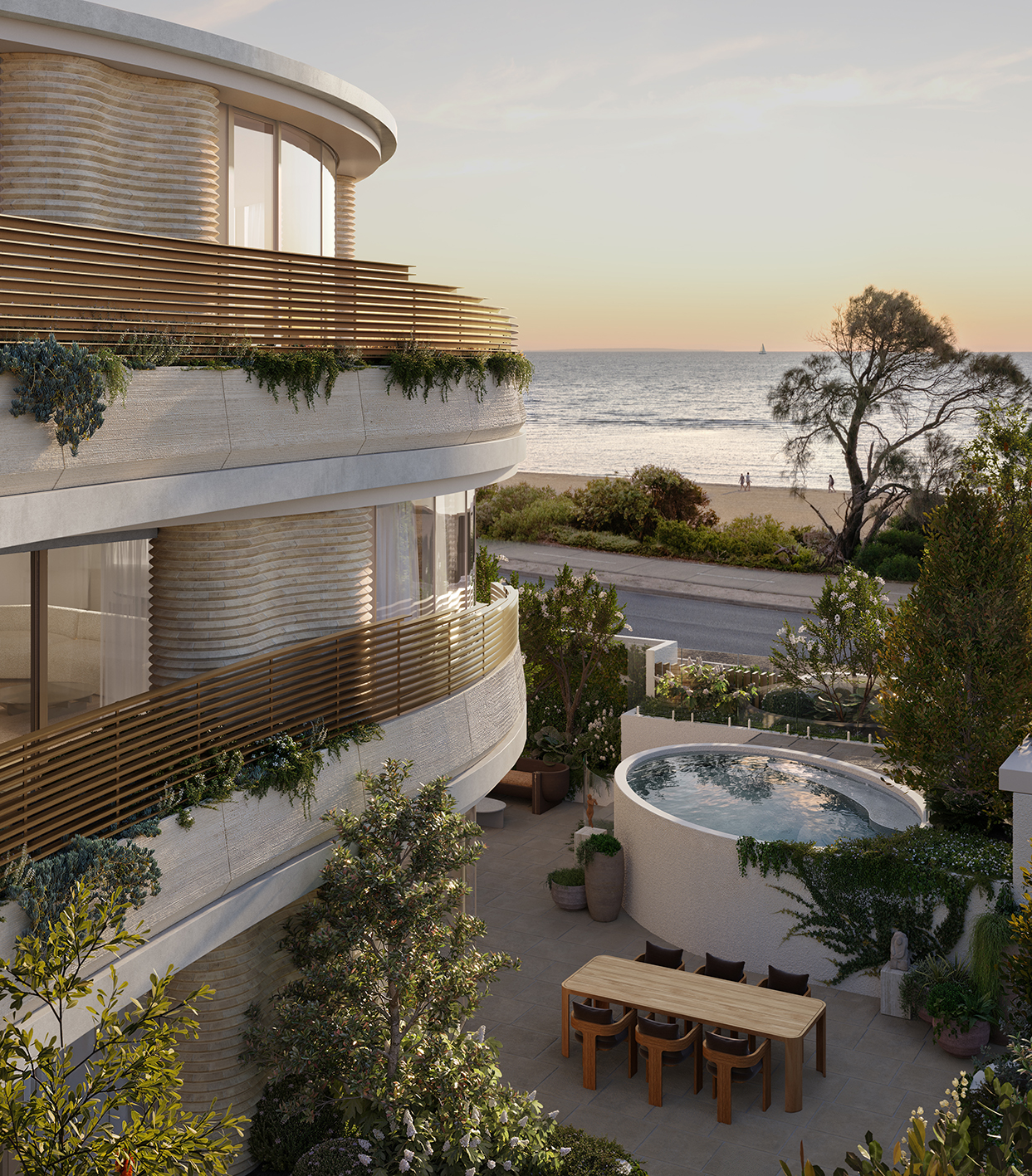
Mirvac’s 45-level Trielle has topped out at Yarra’s Edge, pairing riverfront apartments with wellness facilities, private dining and resident services.
3 min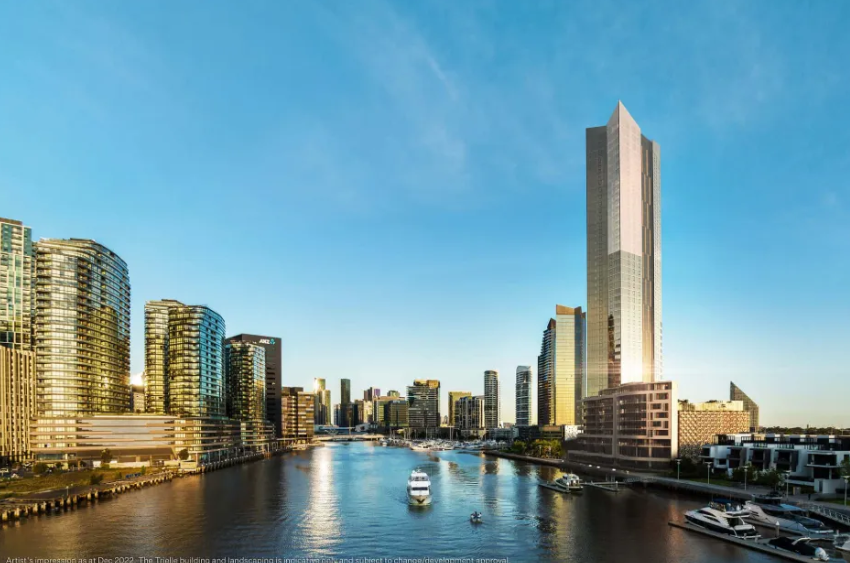
Mirvac has topped out Trielle at Melbourne’s Yarra’s Edge, with more than 70 per cent of the riverfront development sold and approximately 80 per cent of purchasers intending to make their apartment a home.
The figures, released on September 22, point to an owner-occupier audience for one of the precinct’s final residential towers. Mirvac began developing Yarra’s Edge in 2003, and its latest addition occupies one of the remaining absolute riverfront sites.
Mirvac CEO of Development Stuart Penklis said existing residents were among those moving up within the neighbourhood.
“Many purchasers already have a connection to Yarra’s Edge,” Mr Penklis said, describing buyers whose changing needs were encouraging an upgrade within the precinct.
“As one of the final residential towers within Yarra’s Edge, Trielle represents the culmination of more than two decades of creating one of Melbourne’s most established and sought-after waterfront communities,” Penklis said.
“Positioned on the Collins Street axis with absolute river frontage, Trielle offers residents a rare opportunity to enjoy sweeping views across the Yarra River, Melbourne skyline and Port Phillip Bay, while remaining seamlessly connected to the CBD. With Trielle now more than 70 per cent sold, we’re continuing to see strong demand from buyers seeking quality homes in established locations.”
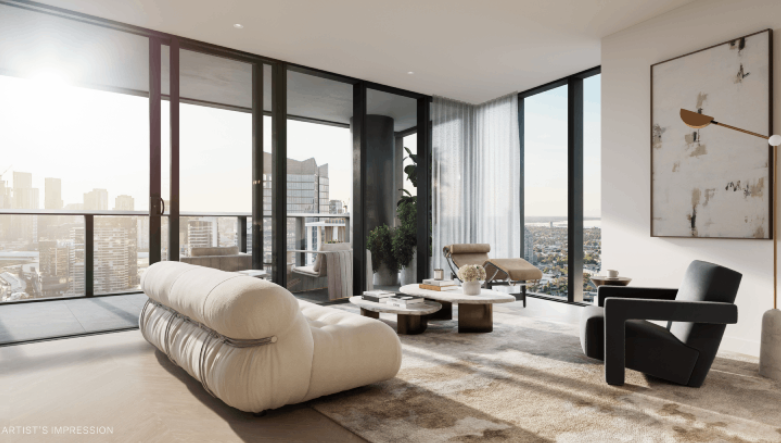
The developer also flagged a penthouse and sub-penthouse collection with larger layouts, premium finishes and broad outlooks. The planned wellness centrepiece, The Oasis, encompasses a 900-square-metre elevated urban rainforest.
Mirvac General Manager Residential Development Victoria Elysa Anderson said Trielle had resonated strongly with buyers seeking a rare lifestyle offering in Melbourne.
“Opportunities to secure a new luxury residence on a riverfront site of this calibre are incredibly rare, particularly within a community like Yarra’s Edge,” Anderson said.
“What makes Trielle unique is the combination of exceptional views, world-class residential facilities and the lifestyle that already exists around it. Residents are buying into a mature waterfront community with parks, promenades, dining, wellness and strong community connections already in place.”
The 45-level tower brings a substantial new presence to that waterfront. Its residential offering spans one-, two-, three- and four-bedroom apartments, with Signature, Prestige and Sub-Penthouse collections accommodating different household sizes. The north-facing position connects the apartments visually to the river and city beyond.
Seven storeys above the promenade, the planned Oasis combines planting and a running stream with a Scandinavian-inspired wellness club developed with spa specialist Naomi Gregory. Facilities include a 25-metre lap pool, hot magnesium pool, sauna, hydrotherapy, a gym, yoga and Pilates room, and treatment spaces.
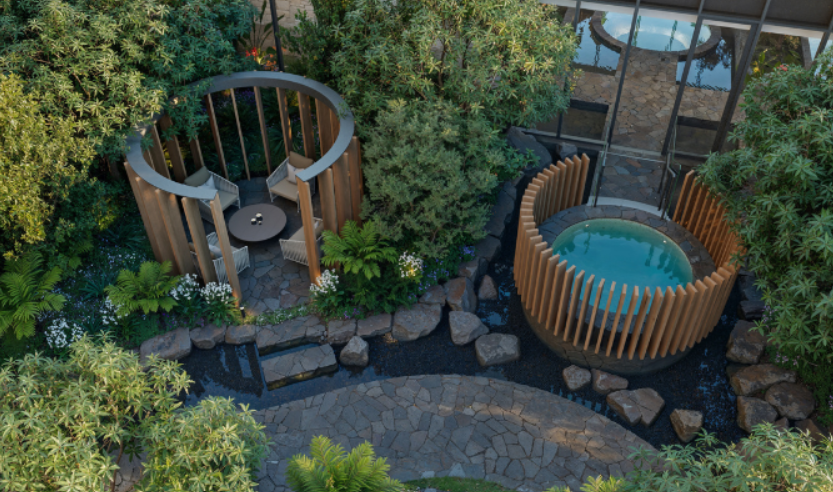
The amenity extends beyond exercise. Residents will have access to The Biblioteca library and workspaces, ground-floor work pods, and The Salone piano lounge. A private Chef’s Table dining room offers a setting for larger gatherings, while a cinema, games room and sports lounge broaden the entertaining options. Concierge services and a dog-wash area support everyday routines.
Trielle comprises a collection of one, two, three and four-bedroom residences. Reflecting strong demand from owner occupiers, approximately 80 per cent of purchasers to date intend to live in their homes, highlighting the project’s appeal to those seeking a long-term waterfront lifestyle.
Mirvac has recently delivered The Albertine, a premium apartment development on the edge of Melbourne’s CBD, and is nearing completion of Prince & Parade in Brunswick, further strengthening its portfolio of thoughtfully designed apartment communities in some of Melbourne’s most sought-after urban locations.
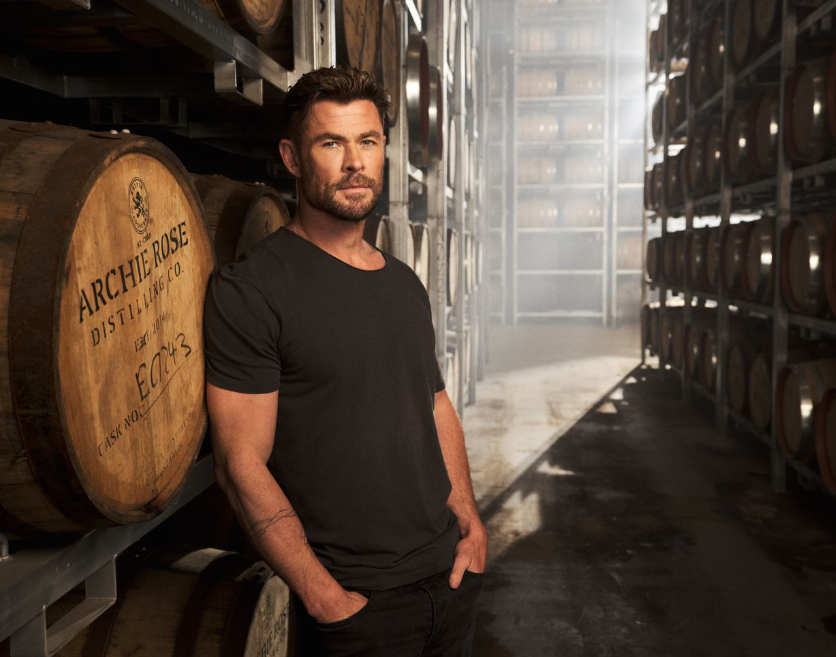
Australian actor Chris Hemsworth has joined Archie Rose Distilling Co. as co-owner and strategic business partner as the Sydney spirits company prepares to enter the United States. The partnership brings Hemsworth together with Archie Rose founder Will Edwards, with the pair aiming to build greater international recognition for Australian whisky. Founded in Sydney in 2014, …
Continue reading “Chris Hemsworth Joins Archie Rose as Co-Owner Ahead of Global Expansion”

New research suggests that bonuses make employees feel more like a mere cog in a wheel.