How the Four Seasons Hit a Marketing Jackpot With HBO’s ‘The White Lotus’
Hotel operator’s risky partnership with a show that features murder and mayhem pays off with rising inquiries and occupancy rates.

 3 min
3 min
]Some brands would be wary of becoming the site of a grisly murder. But not Four Seasons, one of the world’s most exclusive hotel operators.
Three of its resorts have played starring roles in each of the three seasons of “The White Lotus,” HBO’s twisted take on wealth, class, privilege and five-star hotels. The chain’s properties in Maui, the Sicilian hilltop town of Taormina and the island of Koh Samui in Thailand have served as backdrops for the murder, mayhem and bad manners of the show’s unsavory characters.
Now, the show and hotel operator are officially business partners. Season 3 is the first time White Lotus offered to let the Four Seasons use its fictional brand for the hotel’s own marketing.
Four Seasons hosts White Lotus viewings at five hotels and launches pop-up bars with cocktails inspired by the show. In April, its Westlake Village, Calif., hotel will transform into a White Lotus-style “wellness weekend.”
“The marketing machine is really starting to be put in motion,” said Marc Speichert , chief commercial officer and executive vice president of the Four Seasons.
The partnership between Warner Bros. Discovery’s HBO Max and the Four Seasons is purely serendipitous. When Covid grounded Hollywood production, HBO reached out to producer Mike White to see if he had any ideas for a show that could be shot during the lockdown.
White said yes and began scouting locales that could house a cast and crew for weeks in a bubblelike environment. Initially he tried to find a spot in Australia. But work visas were for eight weeks, not enough time to shoot a show, said David Bernad , an executive producer of “White Lotus.”
Next up was Hawaii, where the challenge was finding a resort that could be taken over by a cast and crew for 13 weeks.
“We ended up at Four Seasons because that was the one hotel that let us shoot there,” said Bernad.
The Four Seasons signed up for season 1 with no knowledge about the show’s plots. There were no finished scripts, only a nondescript first episode, said Bernad.
Even with that uncertainty, the Four Seasons saw a unique opportunity. The luxury hotel was already closed due to the Covid lockdown. Renting out the property to Hollywood was a no-brainer to ride out the pandemic downturn.
“We wouldn’t have gotten any business at the Maui resort during Covid without the show,” said Speichert.
Not everyone would have taken that bet. Without knowing the details of the story line, the Four Seasons risked any number of potential negative brand associations, said Eric Resnick , chief executive of KSL Capital Partners, a private-equity firm that invests in travel and leisure.
“If you were to take one of our hotels and have some terrible misfortune befall the hotel in a mass market movie or TV show, it would give me pause,” said Resnick, whose hotel investment properties have also been featured in movies and TV. “But kudos to Four Seasons as this has been very successful.”
The Four Seasons had a record with these kinds of deals. In 2019, the Four Seasons Hotel Mexico City was featured in the Netflix series “Narcos: Mexico,” a fictionalized chronicle of the Mexican drug trade.
So far, the gamble on the White Lotus has paid off for the legacy hotel chain. Each episode of the White Lotus now acts as a Hollywood-level advertisement for the Four Seasons’ properties.
Four Seasons declined to say how much the HBO series boosted room rates or overall bookings. But it did say that visits to the Four Seasons webpage for the Sicily hotel soared 193% after season two. The Maui property did even better with a nearly threefold rise in web visits. Customer inquiries about available hotel rooms experienced triple-digit percent increases.
New customers are also willing to pay a premium for the White Lotus experience (sans gruesome crime). Occupancy rates in the more expensive multi-bedroom suites that were featured in the show are up 7 percentage points.
To capitalize on this “set-jetting” momentum, the Four Seasons is offering guests a 20-day White Lotus private jet excursion that stops at each of the resorts featured in the show.
For the current season, Bernad said HBO looked at 50 hotels before landing on the Four Seasons Resort Koh Samui. During the Maui shoot in the middle of Covid, cast and crew stayed at the hotel and there was little overlap with civilians.
The next two seasons led to some periods when HBO was shooting at the same time the resorts had guests as well watching the action.
“By now people know who we are,” said Bernad.
“White Lotus” hasn’t decided in what city it will take place next season, and Four Seasons has no guarantee it will play host again, Bernad said.
The Mandarin Oriental is already touting its Bangkok hotel’s cameo in episode 5, which it said “serves as the glamorous backdrop” for the Thailand-based season.
Corrections & Amplifications undefined The Four Seasons will host a “White Lotus”-inspired wellness event at its hotel in Westlake Village, Calif. An earlier version of this article incorrectly said the location was West Lake, Calif. Also, David Bernad is an executive producer of “White Lotus.” An earlier version of this article incorrectly referred to him as Bernard on subsequent references. (Corrected on March 16)
 Copyright 2020, Dow Jones & Company, Inc. All Rights Reserved Worldwide. LEARN MORE





From making unpopular decisions to learning when to listen, leaders from five businesses reveal what nobody prepared them for — and how running a company has challenged their expectations.

Technology and semiconductor shares fell sharply as investors questioned the debt financing the AI infrastructure boom and confronted higher rates and Chinese competition.
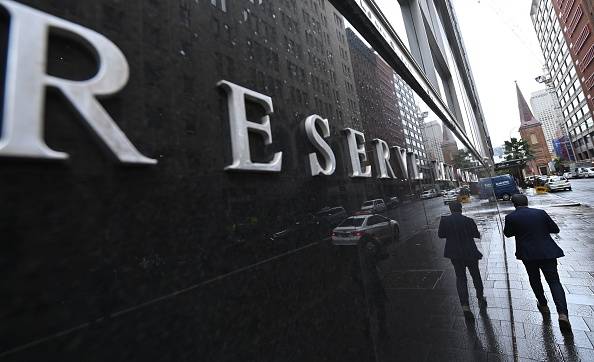
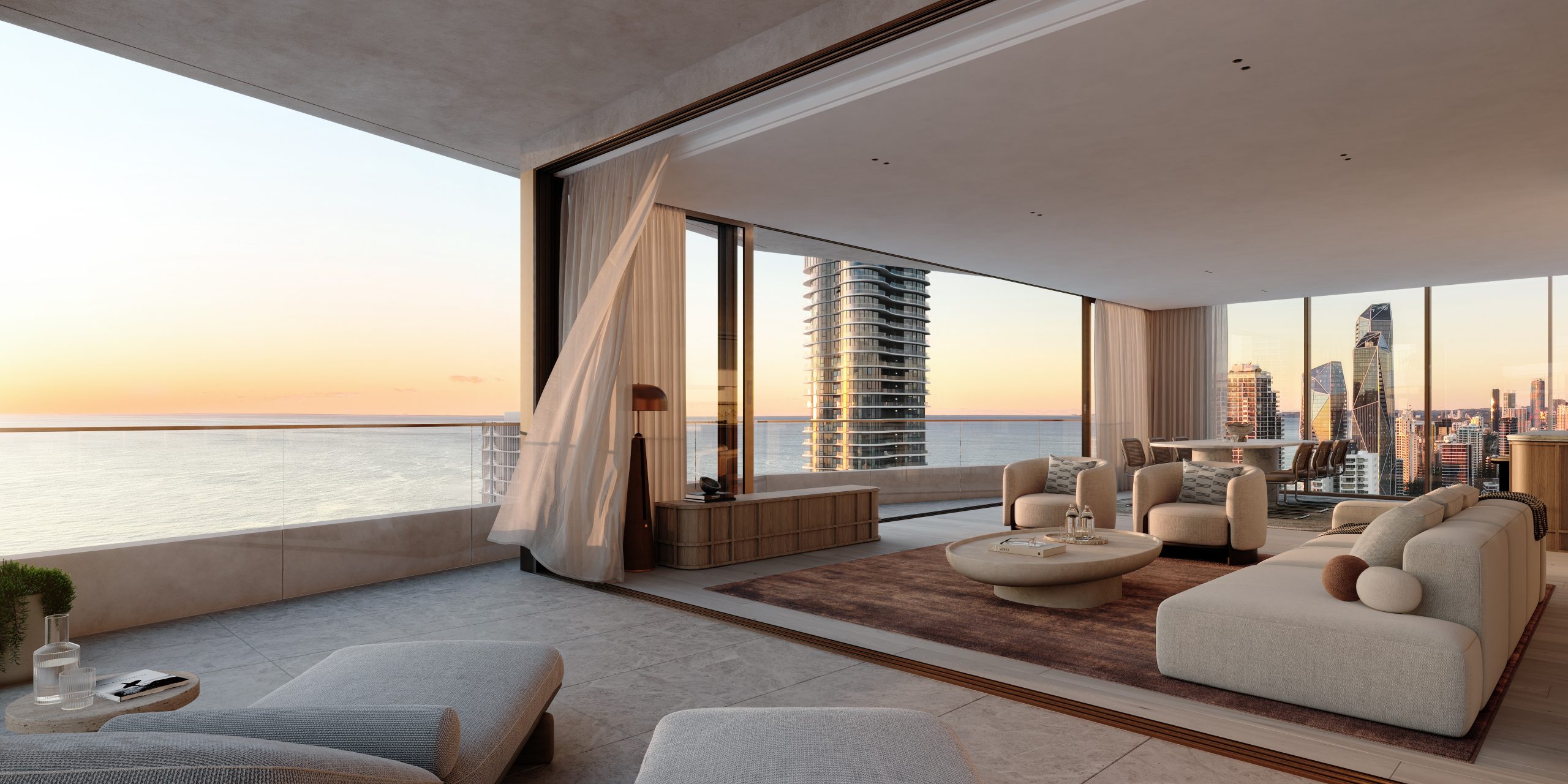
Mirvac’s 45-level Trielle has topped out at Yarra’s Edge, pairing riverfront apartments with wellness facilities, private dining and resident services.
3 min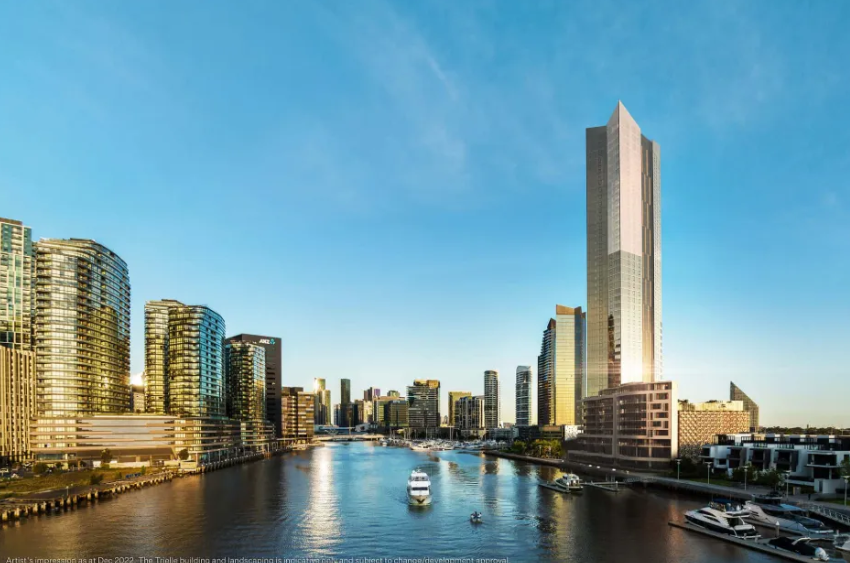
Mirvac has topped out Trielle at Melbourne’s Yarra’s Edge, with more than 70 per cent of the riverfront development sold and approximately 80 per cent of purchasers intending to make their apartment a home.
The figures, released on September 22, point to an owner-occupier audience for one of the precinct’s final residential towers. Mirvac began developing Yarra’s Edge in 2003, and its latest addition occupies one of the remaining absolute riverfront sites.
Mirvac CEO of Development Stuart Penklis said existing residents were among those moving up within the neighbourhood.
“Many purchasers already have a connection to Yarra’s Edge,” Mr Penklis said, describing buyers whose changing needs were encouraging an upgrade within the precinct.
“As one of the final residential towers within Yarra’s Edge, Trielle represents the culmination of more than two decades of creating one of Melbourne’s most established and sought-after waterfront communities,” Penklis said.
“Positioned on the Collins Street axis with absolute river frontage, Trielle offers residents a rare opportunity to enjoy sweeping views across the Yarra River, Melbourne skyline and Port Phillip Bay, while remaining seamlessly connected to the CBD. With Trielle now more than 70 per cent sold, we’re continuing to see strong demand from buyers seeking quality homes in established locations.”
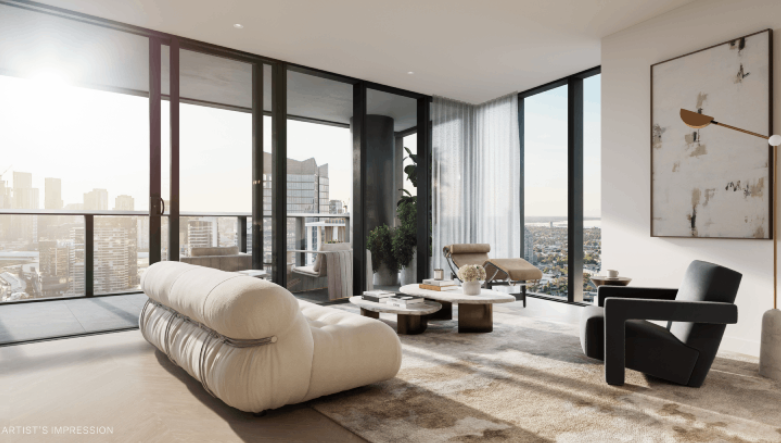
The developer also flagged a penthouse and sub-penthouse collection with larger layouts, premium finishes and broad outlooks. The planned wellness centrepiece, The Oasis, encompasses a 900-square-metre elevated urban rainforest.
Mirvac General Manager Residential Development Victoria Elysa Anderson said Trielle had resonated strongly with buyers seeking a rare lifestyle offering in Melbourne.
“Opportunities to secure a new luxury residence on a riverfront site of this calibre are incredibly rare, particularly within a community like Yarra’s Edge,” Anderson said.
“What makes Trielle unique is the combination of exceptional views, world-class residential facilities and the lifestyle that already exists around it. Residents are buying into a mature waterfront community with parks, promenades, dining, wellness and strong community connections already in place.”
The 45-level tower brings a substantial new presence to that waterfront. Its residential offering spans one-, two-, three- and four-bedroom apartments, with Signature, Prestige and Sub-Penthouse collections accommodating different household sizes. The north-facing position connects the apartments visually to the river and city beyond.
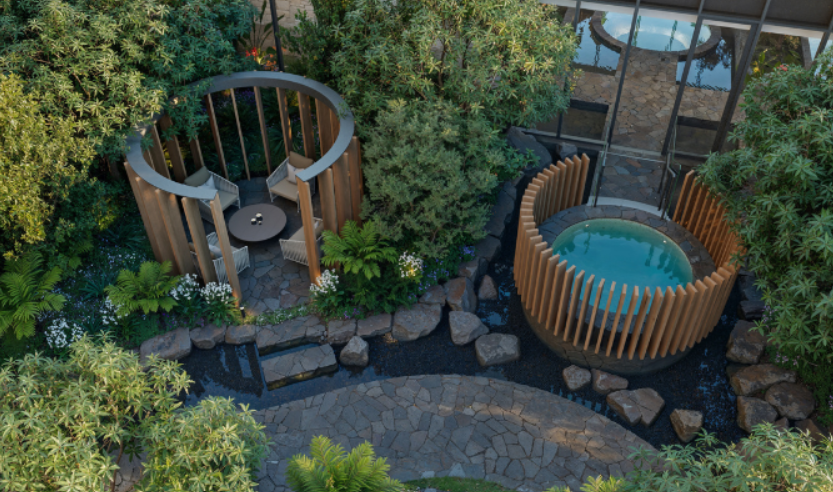
Seven storeys above the promenade, the planned Oasis combines planting and a running stream with a Scandinavian-inspired wellness club developed with spa specialist Naomi Gregory. Facilities include a 25-metre lap pool, hot magnesium pool, sauna, hydrotherapy, a gym, yoga and Pilates room, and treatment spaces.
The amenity extends beyond exercise. Residents will have access to The Biblioteca library and workspaces, ground-floor work pods, and The Salone piano lounge. A private Chef’s Table dining room offers a setting for larger gatherings, while a cinema, games room and sports lounge broaden the entertaining options. Concierge services and a dog-wash area support everyday routines.
Trielle comprises a collection of one, two, three and four-bedroom residences. Reflecting strong demand from owner occupiers, approximately 80 per cent of purchasers to date intend to live in their homes, highlighting the project’s appeal to those seeking a long-term waterfront lifestyle.
Mirvac has recently delivered The Albertine, a premium apartment development on the edge of Melbourne’s CBD, and is nearing completion of Prince & Parade in Brunswick, further strengthening its portfolio of thoughtfully designed apartment communities in some of Melbourne’s most sought-after urban locations.
As housing drives wealth and policy debate, the real risk is an economy hooked on growth without productivity to sustain it.

Three-Michelin-starred chef Massimiliano Alajmo will host an intimate Mediterranean sailing aboard Crystal Serenity, redefining fine dining at sea.