Our Retirement Travel Plan? Wing It.
Hoping to recreate a freewheeling world tour from their youth, two retirees set themselves a ‘no itinerary’ challenge: Can they improvise their way across seven countries?

 4 min
4 min
In our 20s, my new husband and I took a year off from our fledgling careers to travel in Southeast Asia. Equipped with paper maps, we began in China and improvised each day’s “itinerary” on the go. A gap year for grown-ups, I called it, although I scarcely qualified as one.
Nearly 40 years later, we are new retirees with the same wanderlust. We wondered: Could we recapture the thrill of winging it, enduring rough roads and cheap hotels?
We could and did, but for 2½ months instead of 12. We mapped out a route that would take us up Africa’s east coast and then—who knows where? Here’s how we rolled and five important lessons we learned on a 6,000-mile trip.
Kenya: Live large by day
Our first stop was the tiny, car-free island of Lamu, well-known for its high-profile visitors, from Kate Moss to the Obamas. This low-key getaway offered white-sand beaches, dhows — boats you can rent for day cruises and snorkelling — and lots of donkeys, the main mode of transport.
We considered the beachside Peponi Hotel in Shela, a hot spot since the 1960s (Mick Jagger bunked there). But room rates start at $250, far above our per-night budget of $70 or less. When contemplating almost 100 nights of travel, price matters.
So we chose a villa in the dunes called Amani Lamu, $61 per night for an en suite room with a private terrace and shared plunge pool.
We still had a cool Peponi moment come sunset: On the hotel’s whitewashed veranda, we sipped Pepotinis and plotted our next day’s interlude at the Majlis, Lamu’s fanciest resort (from $580).
With a $20 day pass, we could lounge around its pools and beach bars like proper resort habitués.
Lesson learned: Live like billionaires by day and frugal backpackers by night.
Must-go: Across the bay on Manda Island, bunk a night in a thatched-roof bungalow on stilts at Nyla’s Guest House and Kitchen (from $48 with breakfast).
After a dinner of doro wat, a spicy Ethiopian chicken stew and rice, the sound of waves will lull you asleep.
Egypt: Ask. Politely.
From Lamu, we flew to Aswan in Egypt. Our “plan”: Cruise down the Nile to Luxor, then take a train to Cairo, and venture to Giza’s pyramids.
Turns out it’s the kind of thing one really should book in advance. But at our Aswan hostel, the proprietor, who treated us like guests deserving white-glove service, secured a felucca, a vessel manned by a navigator and captain-cum-cook. Since we’d booked fewer than 24 hours in advance and there were no other takers, we were its sole passengers for the three-day trip.
One day, we stopped to tour ancient temples and visit a bustling camel fair, but otherwise, we remained on board watching the sunbaked desert slide by. We slept on futons on the deck under the stars. The cost: about $100 per night per person, including three meals.
Lesson learned: Ask for help. We found Egyptians kind and unfazed by our haplessness, especially when we greeted them respectfully with assalamu alaikum (“Peace to you”).
Must-go: For buys from carpets to kebabs, don’t miss Cairo’s massive Khan el-Khalili bazaar, in business since 1382. We loved the babouche, cute leather slippers, but resisted as our packs were full.
Turkey: Heed weather reports
Next stop Tunisia, via a cheap flight on EgyptAir. We loved Tunisia, but left after six days because the weather got chilly.
Fair enough, it was January. We hopped continents by plane and landed in Istanbul, where it snowed. Fortunately, two of Istanbul’s main pleasures involve hot water. We indulged in daily hammams, or Turkish baths, ranging from $30 to $60 for services that included, variously, a massage, a scrub-down and a soak.
Beneath soaring ceilings at the temple-like Kılıç Ali Paşa Halamı, brisk workers sternly wielded linen sacks to dowse my body in a cloud of hot foam.
In between visits to Ottoman-era mosques and the city’s spice markets, we staved off the chill by drinking fruity pomegranate tea and sampling Turkish delight and baklava at tea salons.
A favourite salon: Sekerci Cafer Erol in Kadıköy, a ferry-ride away on the “Asian” side of Istanbul, where the city adjoins Asia.
Lesson learned: Pay attention to the weather gods. We foolishly took the concept of travelling off-season too far.
Must-go: Don’t miss the Istanbul Modern, the Renzo Piano-designed art museum in the historic Beyoğlu district.
Cambodia: Chill out
After a long flight from Istanbul, we spent two weeks in Laos and then hopped another plane to Cambodia, specifically Koh Rong Sanloem, another car-free island.
Like vagabonds, we lolled by the warm, super-blue water of Sunset Beach, steps from our bungalow at Sleeping Trees (from $54 per night).
A caveat: You have to sweat to get to this island paradise. We took a bus, a ferry and then hiked for 40 minutes up and down a steep hill and through a jungle. You’ll find only a handful of “resorts”—simple bungalow complexes like ours. There’s nothing much to do. I’ll be back.
Lesson learned: Until our week in Cambodia, we’d been travelling too much and too fast, prioritising exploration over relaxation. This island taught us the pleasures of stasis.
Must-go: Spend one day in Cambodia’s capital city, Phnom Penh, to delve into its sobering history. Tour the Choeung Ek Genocidal Centre, site of a Killing Field, where nearly 9,000 Cambodians died.
Thailand: Be a frugal hedonist
We spent our last two weeks on the island of Ko Samui, where season three of “The White Lotus” was shot.
We went there for its astounding beauty, not the luxury resort experience that comes with too many boisterous lads on vacation, snake farms and traffic jams in town.
Truth be told, we flouted our budget rules to book an Airbnb with a pool (from $300) in the hills of Lipa Noi on the island’s quiet side. We joined the nearby Gravity Movement Gym to work out, but cooked our own meals to keep our final tabulation of expenses within reach.
Lesson learned: Pinching pennies feels restrictive, no matter how lush the surroundings. And it leads to bickering, as partners tally up who squandered how much on what.
With the end in sight, we splurged on the villa and even bought souvenirs, knowing we’d lug them for days, not weeks.
Must-go: Take the 30-minute ferry to sister island Ko Pha Ngan for its peace, love and yoga vibe and, once a month, full-moon parties.
Via Airbnb, we bunked at a Thai house called Baan Nuit, run by the Dear Phangan restaurant proprietors.
We sampled steamed dumplings, white fish in a Thai basil sauce and spicy noodles for a mere $15 apiece.
Hey, indulge in that “White Lotus” moment if you dare!
 Copyright 2020, Dow Jones & Company, Inc. All Rights Reserved Worldwide. LEARN MORE




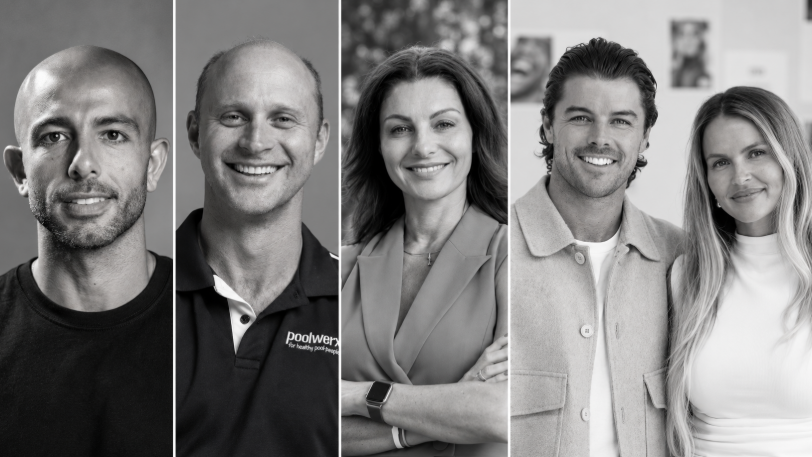
From making unpopular decisions to learning when to listen, leaders from five businesses reveal what nobody prepared them for — and how running a company has challenged their expectations.

Technology and semiconductor shares fell sharply as investors questioned the debt financing the AI infrastructure boom and confronted higher rates and Chinese competition.

Elon Musk is exploring a potential merger between Tesla and SpaceX, a deal that could reshape the future of AI, robotics, autonomous vehicles and space technology. With a combined valuation potentially reaching $3.5 trillion, the move could bring Musk’s vision of an interconnected technology ecosystem closer to reality, although a deal remains uncertain.
5 min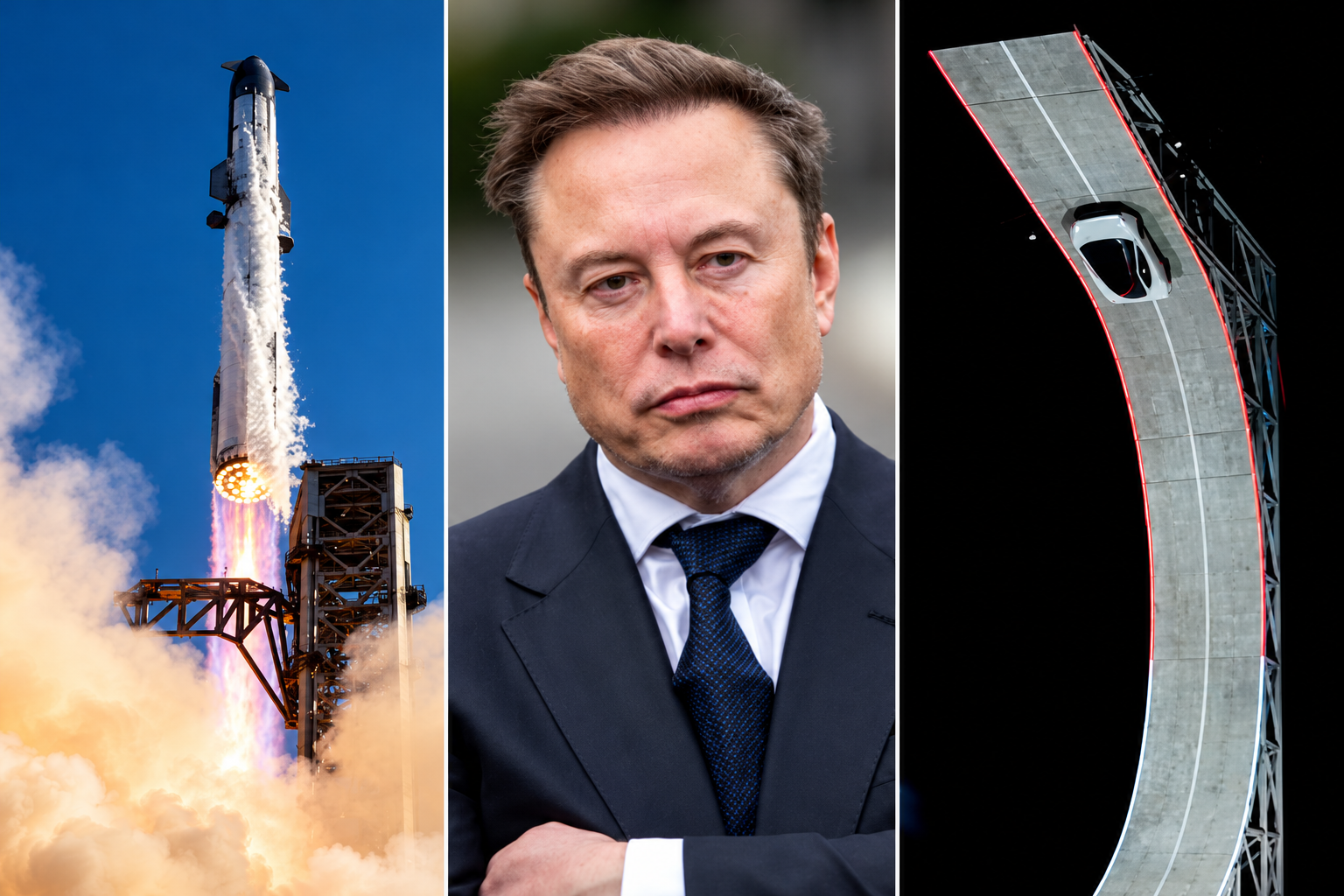
Elon Musk has engineered ties between Tesla TSLA 3.41%increase; up pointing triangle and SpaceX SPCX 7.79%increase; up pointing triangle that are hard to break, and now he wants to fuse them together permanently.
Musk has run both Tesla and SpaceX concurrently over the past two decades, using a schedule that dictated which days he spent focused on each business.
The companies have often shared resources and personnel, signaling their close ties. Last year, SpaceX looked into creating a spacesuit for Tesla’s humanoid robot Optimus, a person familiar with the matter said. Tesla last week showed off its new Roadster, a vehicle featuring SpaceX rocket thrusters that it hopes to soon bring to market.
And in recent months, Musk has repositioned both companies by expanding beyond their core operations toward a shared mission centered on artificial intelligence.
The world’s richest man on Tuesday signaled his interest in tying up SpaceX and Tesla, marking what would be the biggest corporate merger of all time. Because he serves as chief executive of SpaceX and Tesla, Musk said committees of independent directors at both companies are evaluating a possible deal, adding that a transaction might not come to fruition.
The committees will likely evaluate, with lawyers and bankers, how each company would fare in a potential deal and how a deal might best be structured. They then present their conclusions to their respective boards, who typically vote on whether to proceed.
“It’s an odd Kabuki dance where two groups of people are talking and I can’t be in the conversation,” Musk told SpaceX investors on Tuesday in response to an analyst’s question about a potential deal.
For Musk, the merger supports his vision of a world full of autonomous cars, humanoid robots and weekly rocket launches, as well as the data centers and satellites required to keep the whole thing running.
Some investors and analysts said they expect a transaction would be structured as an all-stock deal, with SpaceX potentially paying a modest premium for Tesla shares.
SpaceX, which has a market value of about $2 trillion, said it is seeing sharp growth in revenue across its businesses, which include operating data centers, launching rockets and operating satellite networks such as the internet service Starlink. Tesla is valued at about $1.5 trillion and is expanding its operations beyond its automotive and energy business. Shares in both companies traded higher following the news Tuesday.
Musk’s substantial ownership stakes in both companies, along with voting control at SpaceX, has enabled him to set the deal in motion. Analysts and investors said the deal will probably face regulatory scrutiny internationally, though some see Musk’s close relationship with the Trump administration as an asset to getting approval.
Blurred lines
The companies haven’t said which directors are on the special committees evaluating a potential deal. Several SpaceX and Tesla board members have either personal or business ties to Musk. And like Musk, venture capitalist Ira Ehrenpreis sits on both boards.
In a filing this week, Tesla outlined millions of dollars in business agreements with SpaceX and its subsidiaries last year, including $143 million in car sales to SpaceX, $3.3 million in advertising that it bought on the social-media platform X and $430 million in revenue from the sale of Megapack batteries for SpaceX’s data centers.
The companies also split the cost of resources including the use of Musk’s SpaceX jet and the bill for his personal security, which he runs through a private company.
Employees at both companies routinely move between companies to work on special projects, and some executives have dual roles, including Charles Kuehmann, vice president of materials engineering at both SpaceX and Tesla, and Ashok Elluswamy, the vice president of AI software at Tesla who runs a joint venture with SpaceX called Digital Optimus.
Over the years, Musk has launched new startups within his empire, including brain-implant company Neuralink, underground-tunnel developer the Boring Company and xAI, the AI startup that merged with SpaceX in February.
It is that AI business that Musk thinks can serve a market worth tens of trillions of dollars, justifying the need for a merger.
The business case goes like this: Tesla is developing robotaxis and robots, which it calls “physical AI.” SpaceX is working on the back end of physical AI: the data-center capacity and internet connection required for those robotaxis and robots to operate continuously.
“I don’t see what the value of Tesla is if it’s not merged with SpaceX,” said investment adviser Ross Gerber, a former Tesla bull turned critic invested in both companies. “If they don’t merge, the brains of everything that runs Tesla is owned by another company.”
On top of it all, both companies face constraints on the supply chains they need to make this world a reality, particularly when it comes to chips. To address this, Musk earlier this year announced a joint venture between Tesla, SpaceX and Intel to design and manufacture chips in Texas. “The most epic chip-building exercise by far,” he has said.
Musk at the wheel
For Musk, a merger would also solve two problems: demands on his attention and his lack of control at Tesla.
Tesla for years was Musk’s only public company, a status that came with greater scrutiny. There, Musk reports to a public board, as well as individual investors who make up around 30% of Tesla’s voting power, according to FactSet.
The question of Musk’s attention became a particular focus for investors and the board in recent years after he acquired Twitter in 2022 and launched xAI in 2023, and again in 2025 as he spent time in Washington, D.C., running the Department of Government Efficiency in the early months of President Trump’s second term.
As Tesla’s car business suffered in 2025, Musk threatened to take his AI ambitions outside the company if he wasn’t granted 25% voting control. Last November, Tesla shareholders approved a new pay package for Musk, which created a path for him to vastly expand his stake.
As of Sept. 30, Musk owned a roughly 20% stake in Tesla, according to the company’s proxy filing.
The SpaceX IPO gave Musk a different path. When SpaceX went public in June, the deal’s structure enabled him to have more than 80% voting power at the company—so much that he can’t be fired and decisions can’t be made without his support.
If SpaceX acquires Tesla, he will likely stay in control.
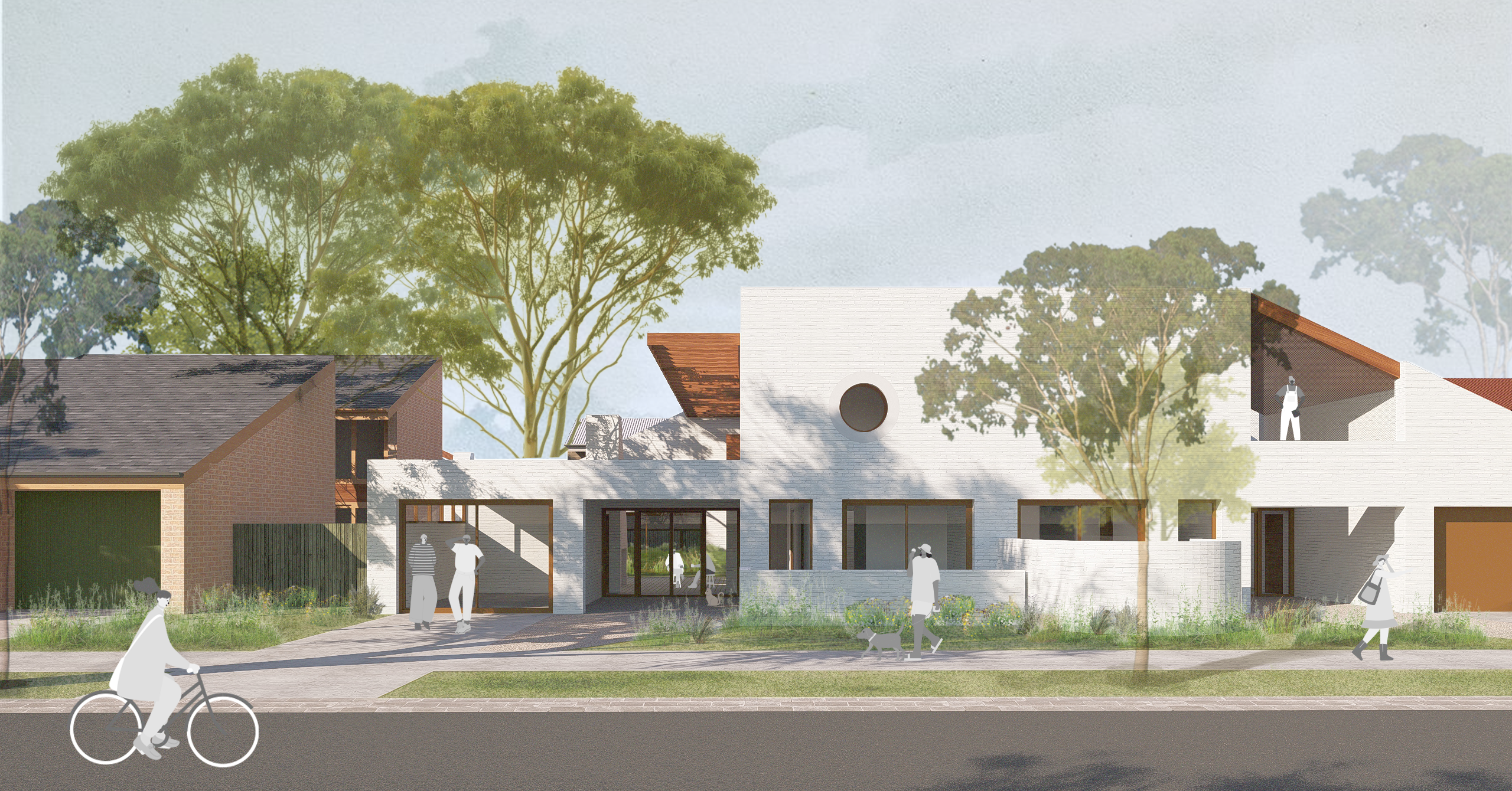
Brickworks has enlisted acclaimed architecture studio Kennedy Nolan to explore how homes could become more adaptable, energy-efficient and connected to community.

Travellers are swapping traditional sightseeing for immersive experiences, with Africa emerging as a must-visit destination.