





Oyster Yachts unveils epic 16-month global sailing rally
From the Caribbean to Australia’s east coast, Oyster’s latest world rally promises a bluewater voyage designed for owners seeking ultimate sailing experiences.
 2 min
2 min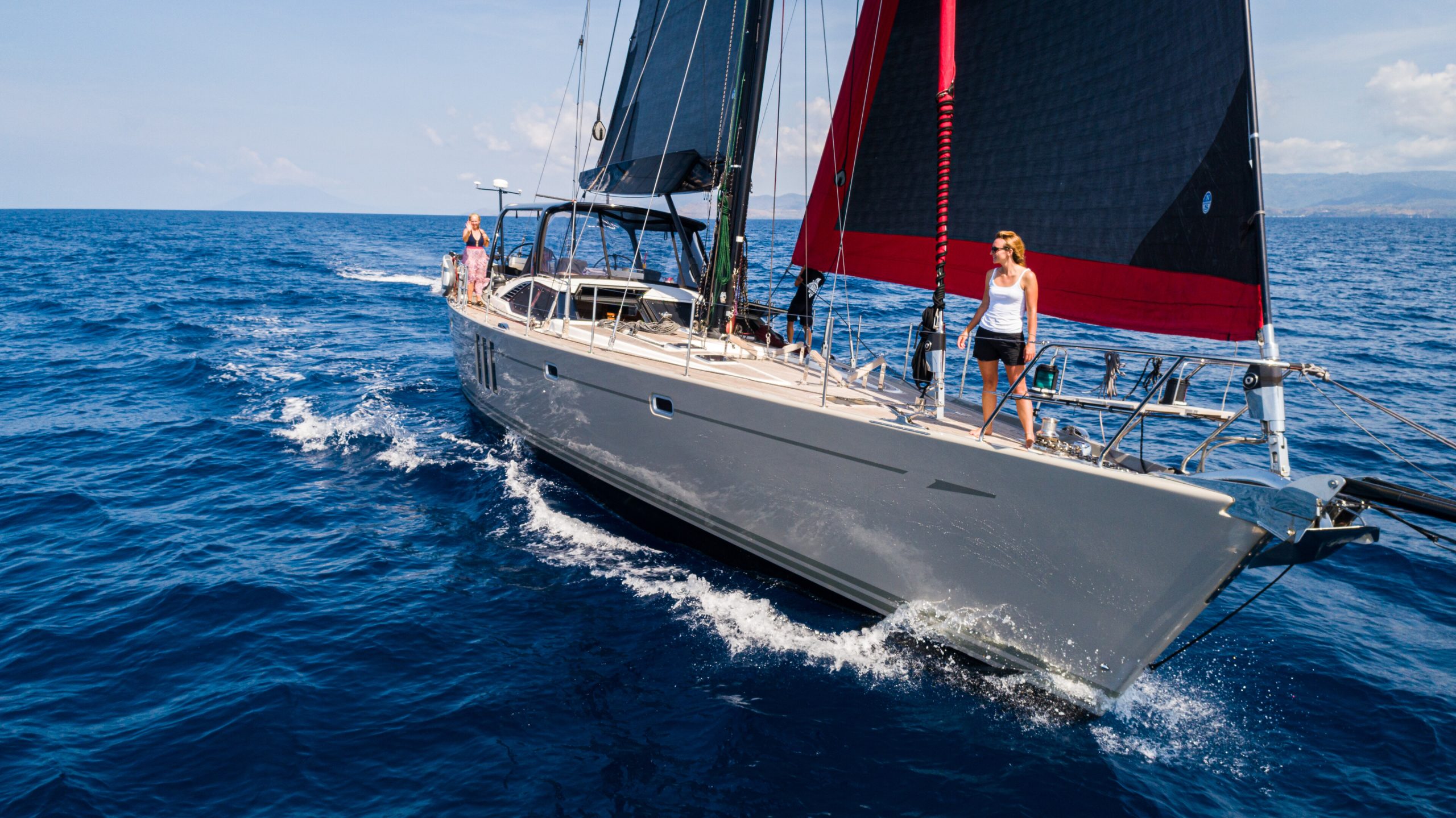
British luxury yacht builder Oyster Yachts has announced plans for its next flagship global adventure, the Oyster World Rally 2030–31, a fully supported circumnavigation designed exclusively for owners of its bluewatersailing yachts.
The 16-month voyage will cover about 27,000 nautical miles across three oceans, beginning in Antigua in January 2030 and taking participants through some of the world’s most celebrated cruising destinations, including Australia’s east coast.
Limited to just 30 yachts, the rally is positioned as both a structured and flexible experience, allowing owners to explore independently while benefiting from comprehensive logistical, technical and safety support from a dedicated Oyster team.

Richard Hadida, Owner and Chairman of Oyster Yachts, said: “The Oyster World Rally represents the very essence of our brand.
“Oyster yachts are built to cross oceans in safety, comfort and style, and the Rally is the ultimate expression of that capability.
“But beyond the yachts themselves, it is about enabling extraordinary life experiences.
“To see owners commit to a dream that may have been decades in the making, and to support them as they realise it, is something very special. The Rally embodies our belief that time is the greatest luxury of all.”
Unlike competitive sailing events, the rally is non-racing and does not require yachts to travel in close formation.
Participants are free to diverge from the main fleet to explore remote anchorages or sail in smaller groups before reconnecting at designated ports.
Preparation begins well before departure, with an extensive training programme launched 18 months in advance.
Workshops, masterclasses and online seminars cover meteorology, navigation, yacht systems, medical and safety readiness, provisioning and passage planning, helping crews build the confidence required for a full circumnavigation.

Allie Smith, Director of Oyster Rallies and Training, said: “The Oyster World Rally is about community above all else.
“Every owner joins for a different reason, and every Rally develops its own character shaped by those taking part.
“Our team are all experienced sailors, from logistics to technical support, and that shared experience builds real trust.
“What makes this Rally so special is the balance it offers: complete freedom to explore at your own pace, combined with the reassurance that our team is with you every step of the way.
“Watching owners grow in confidence, form lifelong friendships and complete a circumnavigation remains one of the most rewarding parts of what we do.”
Owners planning to commission a new yacht for the rally are advised to allow a three- to four-year lead time, reflecting Oyster’s limited production capacity and the importance of a thorough shakedown period before departure.
Entries for the Oyster World Rally 2030–31 opened on March 3, with strong demand anticipated following the success of previous editions and growing momentum behind the brand’s global circumnavigation programme.

Two coming 2027 models – the first of the “Neue Klasse” cars coming to the U.S. early next year – have been revealed.

A&K Sanctuary unveils Kitirua Plains Lodge, a sustainability-focused luxury property shaped by landscape, local craft and contemporary safari architecture.

Four one-off Cullinan commissions draw on the design language of yachting, blending marine craftsmanship with Rolls-Royce’s signature bespoke detailing.
< 1 min
Rolls-Royce has revealed a new series of bespoke Cullinan motor cars inspired by the world of yachting, with four individually commissioned vehicles reflecting the materials, movement and design codes of life at sea.
Presented at Goodwood in the UK, the Cullinan Yachting collection comprises four one-off vehicles themed around the cardinal directions, North, South, East and West, each expressed through distinct exterior finishes and interior detailing.
The commissions lean heavily into maritime influence, a space Rolls-Royce says is closely aligned with its global client base.
Each vehicle features marine-grade teak, hand-painted fascia artwork inspired by the wake of a tender cutting through water, and intricate marquetry compass motifs made from more than 40 individual pieces of wood veneer.
Hand-painted elements have become an increasingly sought-after feature among Rolls-Royce clients, with the brand employing dedicated artisans to develop bespoke interior compositions.
For the Cullinan Yachting series, the painted wake effect required months of experimentation to achieve a natural sense of movement.
Inside, the vehicles are finished in Arctic White and Navy Blue leather, with hand-stitched detailing designed to echo the structure of nautical ropework. A signature Rolls-Royce Starlight
Headliner has also been reimagined, with fibre-optic constellations arranged to reflect Mediterranean wind patterns.
Each car’s exterior colour has been developed to align with its directional theme, ranging from lighter blue tones evoking northern waters to deeper hues referencing warmer southern seas and storm-lit horizons.
Rolls-Royce said the collection reflects a longstanding relationship between the marque and the world of yachting, dating back to its co-founder Charles Rolls, whose family owned a steam yacht and travelled extensively through the Mediterranean.
The release underscores the growing demand for highly personalised vehicles among ultra-high-net-worth buyers, with Rolls-Royce increasingly positioning its cars as part of a broader luxury lifestyle that extends beyond the road.

New research suggests that bonuses make employees feel more like a mere cog in a wheel.

From Italian vegetable-tanned leather to real-world training insight, Australian brand PK9 Gear is redefining what luxury means for discerning dog owners.


