Record-breaking US luxury agents to lead high-level real estate summit
From record-breaking US agents to leadership strategists, AREC 2026 is positioning itself as a must-attend event for ambitious property professionals.
 2 min
2 min
Some of the world’s most recognisable names in luxury real estate will headline this year’s Australasian Real Estate Conference (AREC), as organisers sharpen the event’s focus on practical skills, performance and long-term growth.
Scheduled for May 24 and 25 at the Gold Coast Convention and Exhibition Centre, AREC 2026 will bring together high-profile agents, business leaders and performance mentors at a time organisers describe as one of its most complex market environments in recent memory.
Izzy Savva, Head of Total Real Estate Training, says the program has been shaped by feedback from agents seeking guidance on how to stay competitive amid ongoing change.
“After listening closely to agents in this current market, it became clear that now is the time to focus on the fundamentals — the core skills that build sustainable careers,” she said.
“AREC is designed to focus on what really drives success in real estate: client relationships, negotiation, listing mastery, and personal growth.”
Among the headline speakers are internationally renowned US agents Josh Altman and Josh Flagg, known globally through Million Dollar Listing Los Angeles.
Both have built careers representing some of California’s most prestigious homes and have collectively transacted billions of dollars in property.
Flagg will appear in a Q&A session with AREC founder John McGrath, offering insights into reputation-driven business, marketing and client relationships.
Altman, who has sold more than $9 billion in real estate during his career, is recognised for consistently achieving record-setting results in highly competitive luxury markets.
They will be joined by Tim Smith of Coldwell Banker’s Tim Smith Real Estate Group, who has achieved more than $6 billion in sales and built a reputation for strategic marketing and negotiation expertise across Orange County’s sought-after coastal communities.
Beyond sales performance, AREC 2026 will also explore the mindset and leadership skills required to succeed at the top end of the market.
Performance strategist Phill Nosworthy, leadership expert Holly Ransom and high-performance mentor Ben Crowe are among the confirmed speakers, alongside Harvard Business School professor Alison Wood Brooks, whose research focuses on negotiation and communication in high-stakes environments.

Entrepreneur and endurance athlete Jesse Itzler will also join the program virtually, bringing insights from his experience building and scaling global businesses.
According to John McGrath, the event is designed to deliver more than inspiration.
“The real estate industry is facing challenges like never before, and agents need to sharpen the fundamentals while embracing new growth opportunities,” he said.
“AREC is exactly the kind of event that helps our industry step back, reflect, and come away with strategies they can implement immediately.”

Technology and semiconductor shares fell sharply as investors questioned the debt financing the AI infrastructure boom and confronted higher rates and Chinese competition.

Waldorf Astoria Kuala Lumpur is scheduled to open on 30 October, introducing the Hilton luxury brand to Malaysia with an all-suite hotel in the city’s Golden Triangle.

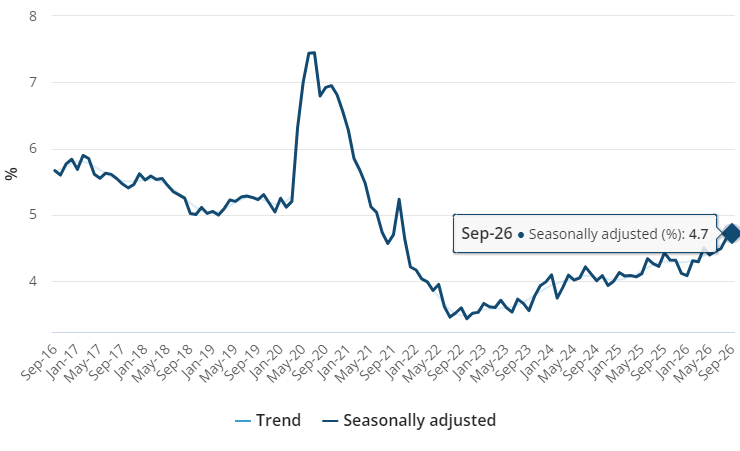
Employment fell by 39,300 and unemployment held at a revised 4.7 per cent, giving the RBA more room to pause in November.
2 min
Australia’s labour market weakened in September, reducing—but not eliminating—the case for another Reserve Bank rate rise in November.
The seasonally adjusted unemployment rate was 4.7 per cent, according to the Australian Bureau of Statistics. August was revised to the same level, while September employment fell by 39,300 people. The number of unemployed Australians increased by 8,900 to 732,000.
The weakness extended beyond the headline rate. The employment-to-population ratio fell 0.3 percentage points to 63.6 per cent, participation declined 0.2 points to 66.8 per cent and underemployment edged up to 6.3 per cent. Part-time employment fell by 73,700, partly offset by a 34,400 increase in full-time work.
For the RBA, this is a clearer sign that restrictive monetary policy is cooling demand. Higher unemployment and falling employment reduce wage pressure over time and increase the risk that another rate rise would push the economy harder than necessary.
That makes a November increase less certain. It does not make a hold inevitable. The RBA must balance labour-market softness against inflation, and the September-quarter consumer price index due later in October will carry more direct weight in the decision.
For mortgage holders and property investors, the practical conclusion is not to trade one data release. Borrowers should continue testing repayments at higher rates, preserve liquidity and avoid basing a purchase on an assumed near-term reversal. Refinancing decisions should be assessed against total cost, not simply the advertised rate.
Property markets may initially welcome a reduced probability of another increase because borrowing capacity and sentiment are highly rate-sensitive. But a weakening labour market is not unambiguously positive for housing: job security supports mortgage serviceability, rental demand and buyer confidence.
The September numbers have given the RBA a credible reason to wait. Inflation will determine whether it can use it.

Studio apartments have almost disappeared from new Australian developments. Lura is bringing them back to Burleigh Heads from $495,000.
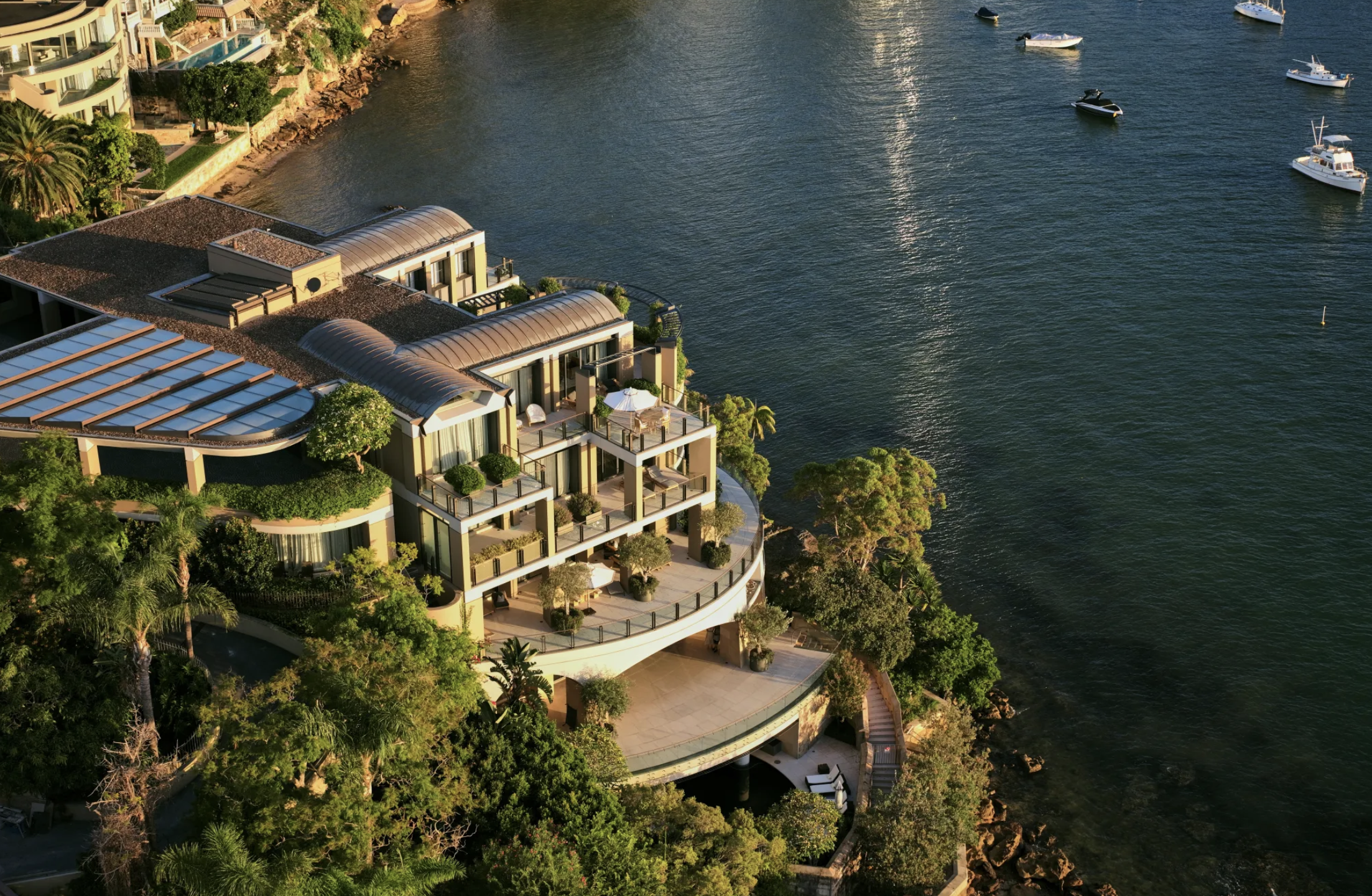
Records keep falling in 2025 as harbourfront, beachfront and blue-chip estates crowd the top of the market.