

REVEALED: THE BIGGEST BLOCKERS TO PROPERTY SUCCESS
A clear strategy matters more than a high income, say two of Australia’s top property experts.
 3 min
3 min
When it comes to property investing, most people don’t fail because they picked the wrong suburb or mistimed the market. They fail before they even begin — not from bad decisions, but from the wrong beliefs.
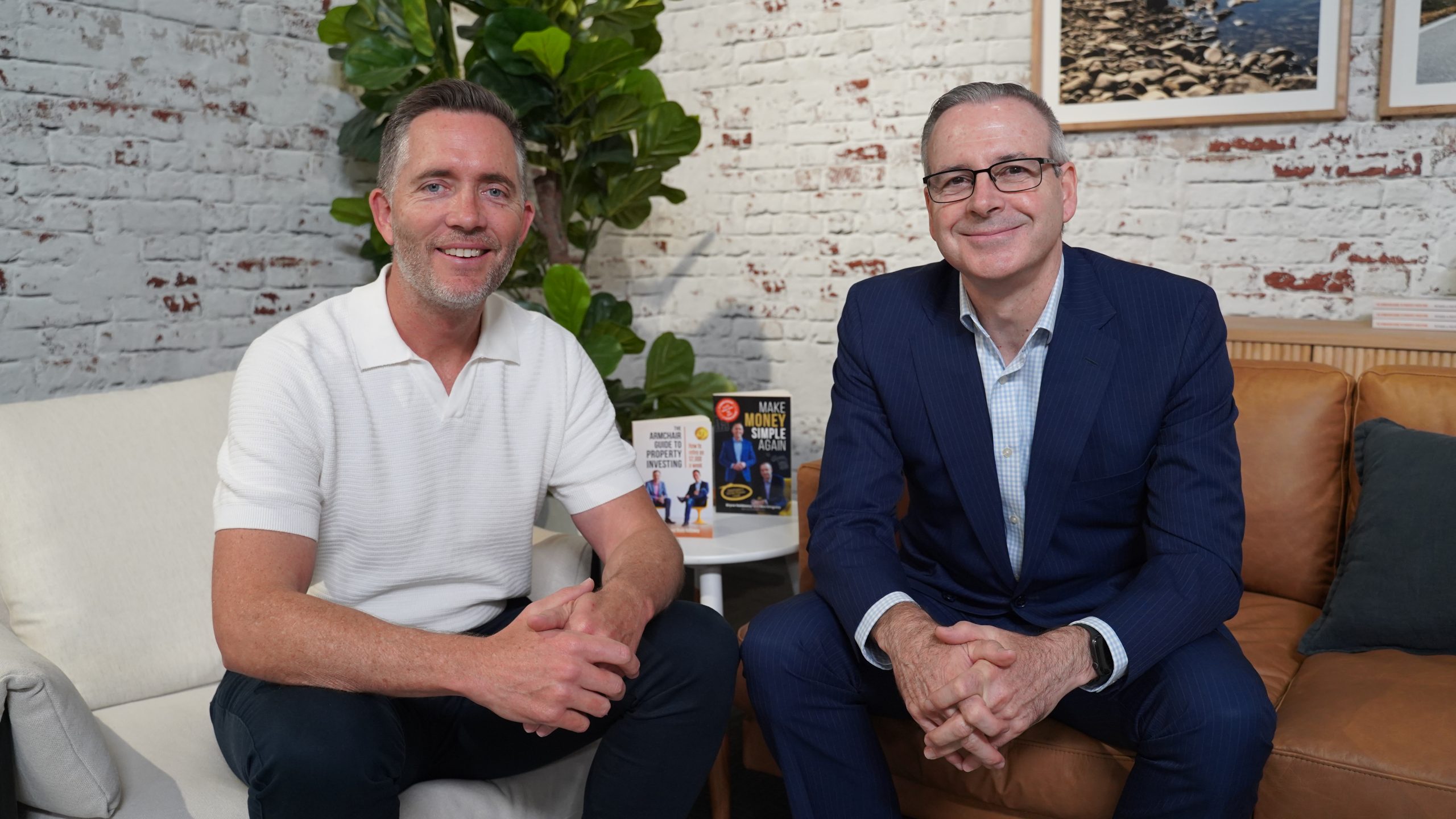
Property commentators Bryce Holdaway and Ben Kingsley say mindset is often the biggest barrier, not money or opportunity. After two decades advising Australians on how to build wealth through property, and being investors themselves, they’ve seen how a few common myths can keep people stuck on the sidelines.
Here, they break down the six most damaging beliefs holding Australians back and reveal the mindset shifts that could make all the difference.
Myth 1: “You Need to Be Rich to Invest”
This is the most common belief that holds people back. Many assume property investing is reserved for high-income earners or people who already have significant wealth.
In reality, wealth is built by what you do with your income, not how much you earn. Holdaway and Kingsley have worked with teachers, tradies, nurses and young professionals who all started with modest savings. The difference? They followed a strategy aligned to their goals, avoided spruikers, and played the long game. You don’t need to be rich — just intentional.
Myth 2: “I Need to Learn Everything Before I Start”
Education matters, but perfectionism is progress’s worst enemy. They’ve met countless people stuck in a loop of reading books, attending webinars, and watching YouTube videos — and never taking the first step.
Property investing is a marathon, not a sprint. You don’t need all the answers before you begin. You need a clear goal and a trusted process.
Myth 3: “I Missed the Boat”
We hear this every time the market rises. And yet people were saying the same thing 10, 20, even 30 years ago.
The truth? The best time to invest was yesterday — the second-best time is today. Property rewards time in the market, not timing the market.
Myth 4: “Property Is Too Risky”
Every investment carries risk, but inaction driven by fear is often the greater danger. In Australia, property represents more than investment; it’s stability, aspiration, and security.
Yes, buying the wrong asset in the wrong place is risky. But that’s a reason to get educated, not a reason to avoid the market altogether. When you buy investment-grade property in a good location with a long-term view, risk becomes manageable. You’re not gambling — you’re making a calculated decision.
Myth 5: “You Need 10 Properties to Retire”
Some investors chase a big portfolio. But the truth is, you only need enough income to live the life you want — and that often comes from two or three high-performing properties.
The authors have seen small, strategic portfolios outperform larger ones built on volume. It’s not about how many properties you own — it’s whether they’re working for you.
Myth 6: “I’m Too Young/Too Old to Start”
You’re never the wrong age to shape your financial future. Young investors often underestimate their greatest asset — time. Older Australians worry they’ve left it too late. But Holdaway and Kingsley say they’ve worked with people in their 40s and beyond who’ve built strong passive income streams later in life.
It’s not about age. It’s about clarity, action and alignment with your goals.
Bryce Holdaway and Ben Kingsley are co-authors of How to Retire on $3,000 a Week: The Property Couch’s Playbook for Passive Property Investing (Major Street Publishing RRP $32.99). They are two of Australia’s leading voices in property.
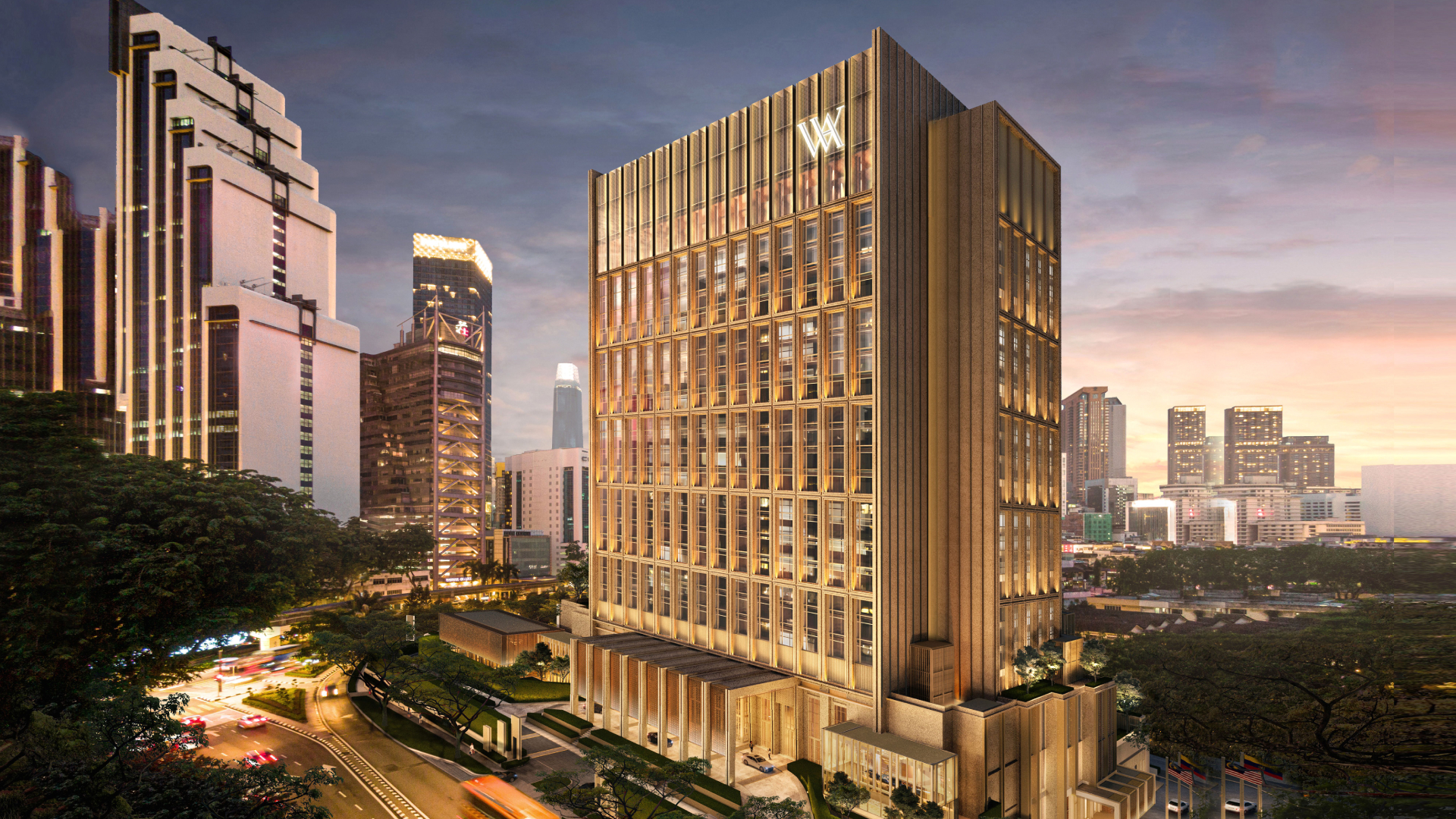
Waldorf Astoria Kuala Lumpur is scheduled to open on 30 October, introducing the Hilton luxury brand to Malaysia with an all-suite hotel in the city’s Golden Triangle.
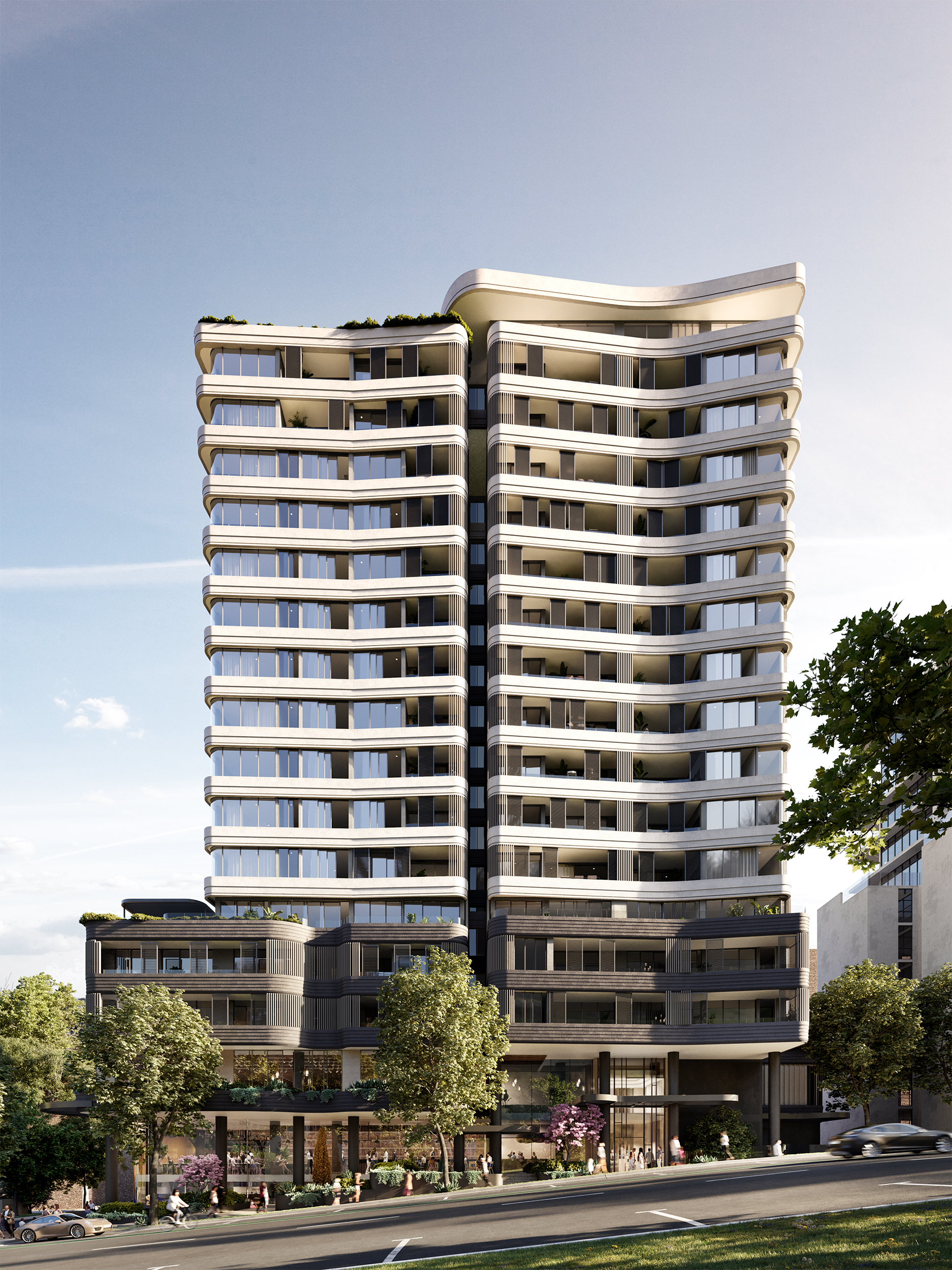
Located steps from Crows Nest Metro, the near-complete development brings luxury living to Sydney’s Lower North Shore.

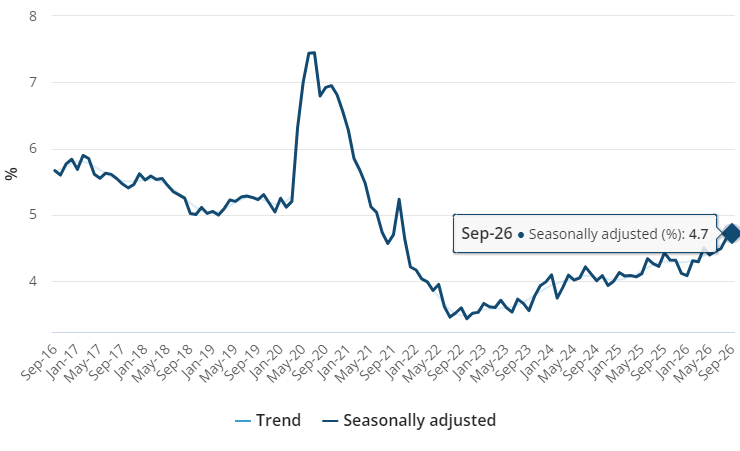
Employment fell by 39,300 and unemployment held at a revised 4.7 per cent, giving the RBA more room to pause in November.
2 min
Australia’s labour market weakened in September, reducing—but not eliminating—the case for another Reserve Bank rate rise in November.
The seasonally adjusted unemployment rate was 4.7 per cent, according to the Australian Bureau of Statistics. August was revised to the same level, while September employment fell by 39,300 people. The number of unemployed Australians increased by 8,900 to 732,000.
The weakness extended beyond the headline rate. The employment-to-population ratio fell 0.3 percentage points to 63.6 per cent, participation declined 0.2 points to 66.8 per cent and underemployment edged up to 6.3 per cent. Part-time employment fell by 73,700, partly offset by a 34,400 increase in full-time work.
For the RBA, this is a clearer sign that restrictive monetary policy is cooling demand. Higher unemployment and falling employment reduce wage pressure over time and increase the risk that another rate rise would push the economy harder than necessary.
That makes a November increase less certain. It does not make a hold inevitable. The RBA must balance labour-market softness against inflation, and the September-quarter consumer price index due later in October will carry more direct weight in the decision.
For mortgage holders and property investors, the practical conclusion is not to trade one data release. Borrowers should continue testing repayments at higher rates, preserve liquidity and avoid basing a purchase on an assumed near-term reversal. Refinancing decisions should be assessed against total cost, not simply the advertised rate.
Property markets may initially welcome a reduced probability of another increase because borrowing capacity and sentiment are highly rate-sensitive. But a weakening labour market is not unambiguously positive for housing: job security supports mortgage serviceability, rental demand and buyer confidence.
The September numbers have given the RBA a credible reason to wait. Inflation will determine whether it can use it.
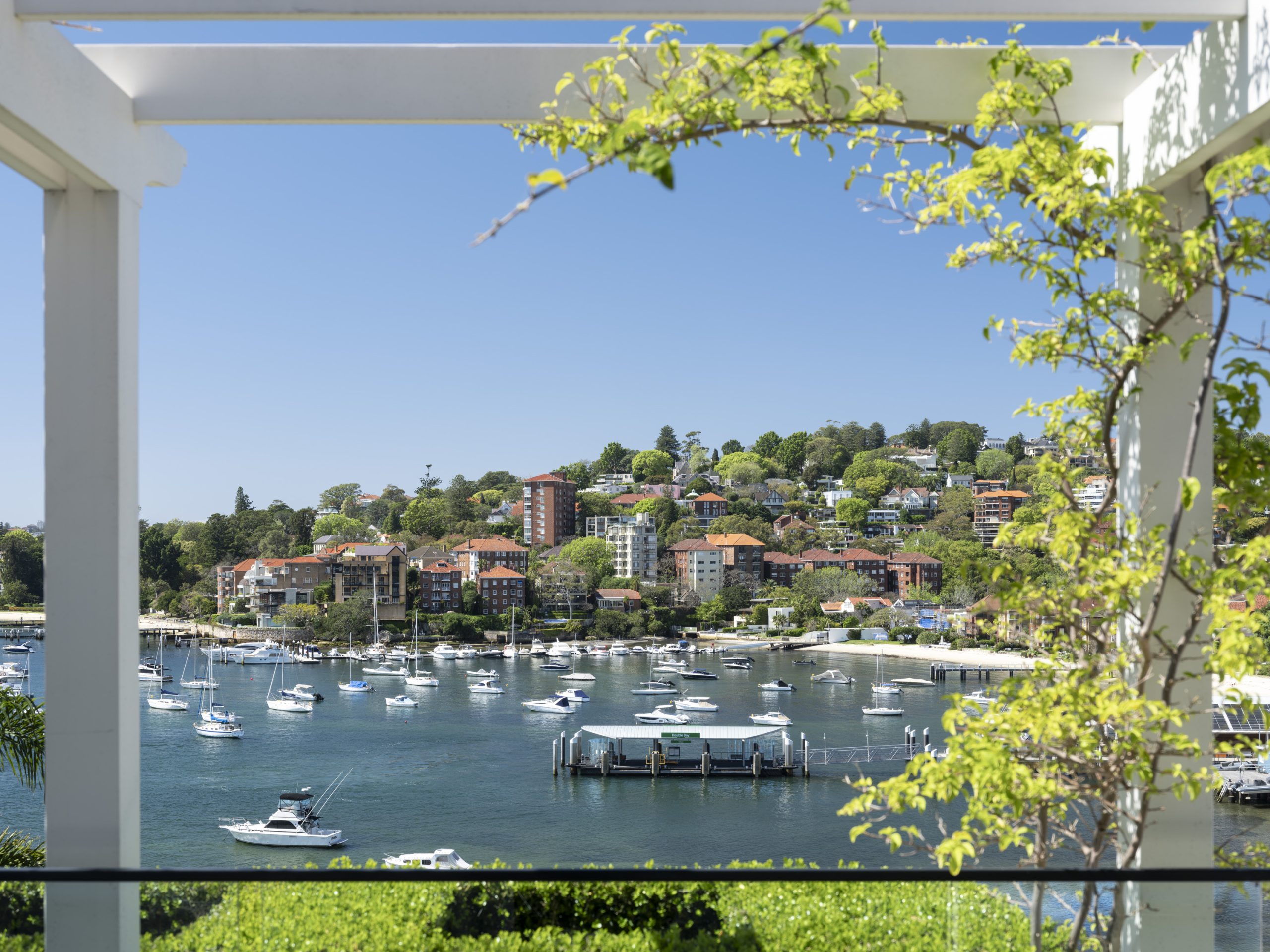
The grand harbourside residence combines sweeping Sydney Heads views, resort-style entertaining and refined designer finishes with a reported $36 million price guide.

Odd Culture Group brings a new kind of after-dark energy to the CBD, where daiquiris, disco and design collide beneath the city streets.