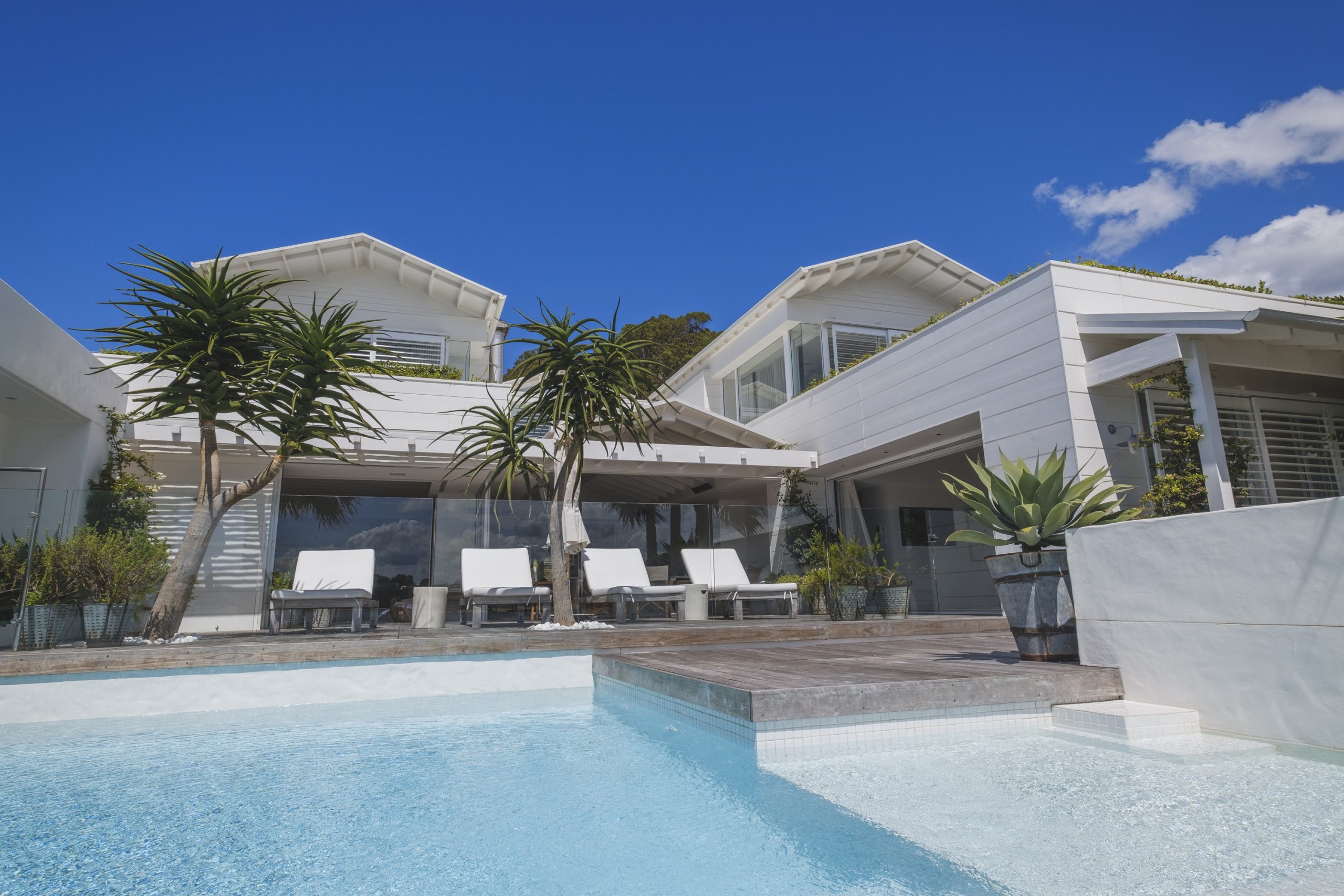
Sold for $86 Million: An LA Compound With Rod Stewart’s Former Mansion
A television producer sold the property to two separate buyers; one paid $57 million for the main house, and the other bought a smaller parcel for $29 million.

 3 min
3 min
A Los Angeles compound that includes the musician Rod Stewart’s former home has sold to two separate buyers for a total of $86 million.
The sellers are Bradley Bell, executive producer and head writer of the long-running daytime soap opera “The Bold and the Beautiful,” and his wife, former diplomat Colleen Bell. They bought the house from Stewart for $6.25 million in 1992.
The roughly 6-acre compound is being divided into two sections and sold separately.
The bigger of the two parcels—a roughly 4-acre lot that includes the main house—was sold to David Zander , a television, commercial and film producer for about $57 million.
The remaining parcel, with a circa-1911 cabin on it, has been sold to Nick Kaiser, co-founder of the private-equity firm Marlin Equity Partners for about $29 million.
Zander has a penchant for storied real estate: He previously bought, renovated and sold Lasata, the circa-1917 Hamptons estate where Jacqueline Kennedy Onassis spent childhood summers.
Neither Zander or Kaiser responded to a request for comment.
Designed in 1925 by Montecito architect George Washington Smith, one of the masters of the Spanish Colonial Revival style in Southern California, the property’s main 17,000-square-foot, six-bedroom Spanish Colonial-style home was built for Henry Kern, a retired distillery entrepreneur, and his wife, Elsa Mary Kern.
The Kerns were tough clients for Smith, forcing him to redesign the property several times and to include greater levels of ornamentation than was his usual style, according to “The Legendary Estates of Beverly Hills,” a book by the late real-estate agent Jeff Hyland.
When the Bells bought the main house, they were newly married and in their 20s; Bradley had been making a name for himself in Hollywood producing “The Bold and the Beautiful.”
“I don’t know that we could really even afford it,” said Colleen.
The property required a lot of work, but the house reminded them of Bradley’s childhood vacation home on Wisconsin’s Lake Geneva, where the pair met as teenagers when Colleen’s parents rented the house next door.
They spent two years renovating and restoring the house. Stewart, who bought the house in the 1970s, had added art nouveau-style features, including a disco room.
The Bells removed those elements and restored as many original details as possible, uncovering the coffered ceilings and removing marble floors to reveal the original tiles.
“Of course, it took longer than we anticipated and cost more than we thought it would,” said Colleen, who served as U.S. Ambassador to Hungary under President Obama and is now director of the California Film Commission.
“We just hoped that the [television] work would continue and we’d be able to pay our bills, which it did, and the show stayed on the air.” The drama, which started in 1987, has been running for 38 seasons.
In 2004, the Bells bought the longtime home of the actor Gregory Peck for $19.5 million, razing the Peck home and merging the properties into one roughly 6-acre compound.
The couple had a longstanding friendship with Peck and his wife Veronique Peck; they all frequently had dinner together.
“When Brad and I moved in, they had left a beautiful little Poinsettia plant with a handwritten note that said, ‘Dear Colleen and Brad, welcome to the ‘hood,’” Colleen said.
After Peck died in 2003, Veronique approached the Bells and asked if they’d like to purchase the property.
The Bells weren’t planning to sell, but were approached several times by Zander’s agent. “We said, ‘OK, we’ll just show them around,’” Colleen said.
“Then, one thing led to another, and we started to think about it.” The Bells raised their four children in the house, so selling the property is “poignant,” she said.
Zander wasn’t interested in the entire property, however, so the Bells’ agent, Ben Bacal of Revel Real Estate, brought in Kaiser to take the rest.
The sale has taken more than a year to complete because of the complexities of subdividing the property, Bacal said.
Bacal represented the Bells and Kaiser. Drew Fenton of Carolwood Estates represented Zander.
 Copyright 2020, Dow Jones & Company, Inc. All Rights Reserved Worldwide. LEARN MORE





From making unpopular decisions to learning when to listen, leaders from five businesses reveal what nobody prepared them for — and how running a company has challenged their expectations.

Technology and semiconductor shares fell sharply as investors questioned the debt financing the AI infrastructure boom and confronted higher rates and Chinese competition.

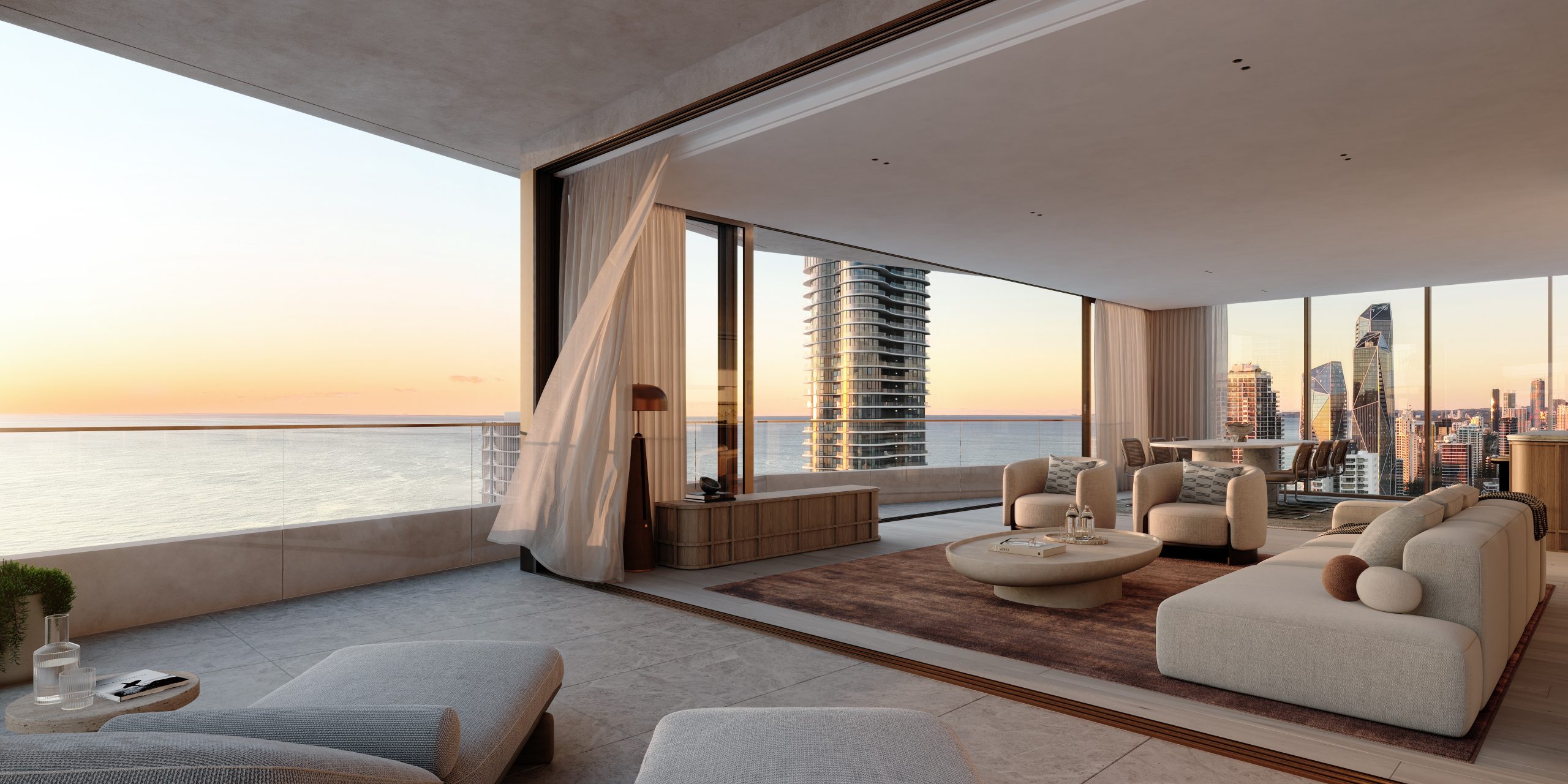
Mirvac’s 45-level Trielle has topped out at Yarra’s Edge, pairing riverfront apartments with wellness facilities, private dining and resident services.
3 min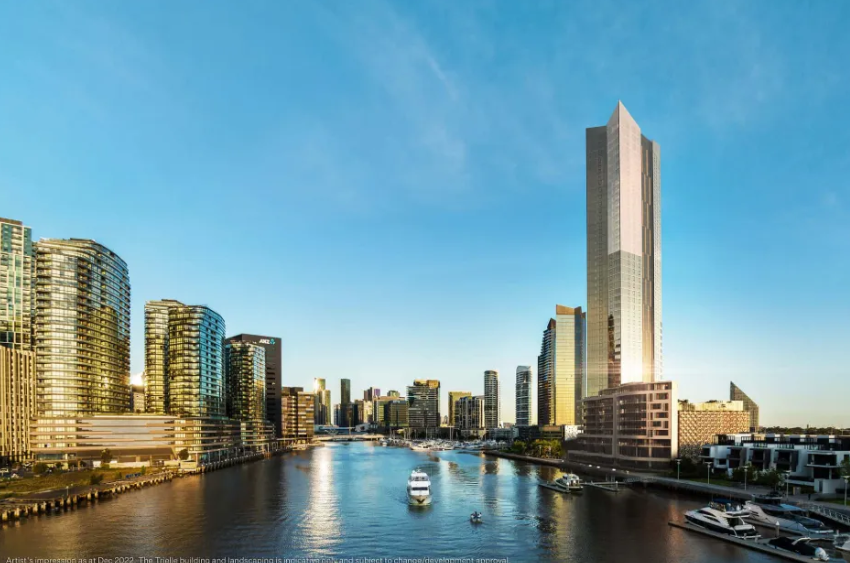
Mirvac has topped out Trielle at Melbourne’s Yarra’s Edge, with more than 70 per cent of the riverfront development sold and approximately 80 per cent of purchasers intending to make their apartment a home.
The figures, released on September 22, point to an owner-occupier audience for one of the precinct’s final residential towers. Mirvac began developing Yarra’s Edge in 2003, and its latest addition occupies one of the remaining absolute riverfront sites.
Mirvac CEO of Development Stuart Penklis said existing residents were among those moving up within the neighbourhood.
“Many purchasers already have a connection to Yarra’s Edge,” Mr Penklis said, describing buyers whose changing needs were encouraging an upgrade within the precinct.
“As one of the final residential towers within Yarra’s Edge, Trielle represents the culmination of more than two decades of creating one of Melbourne’s most established and sought-after waterfront communities,” Penklis said.
“Positioned on the Collins Street axis with absolute river frontage, Trielle offers residents a rare opportunity to enjoy sweeping views across the Yarra River, Melbourne skyline and Port Phillip Bay, while remaining seamlessly connected to the CBD. With Trielle now more than 70 per cent sold, we’re continuing to see strong demand from buyers seeking quality homes in established locations.”
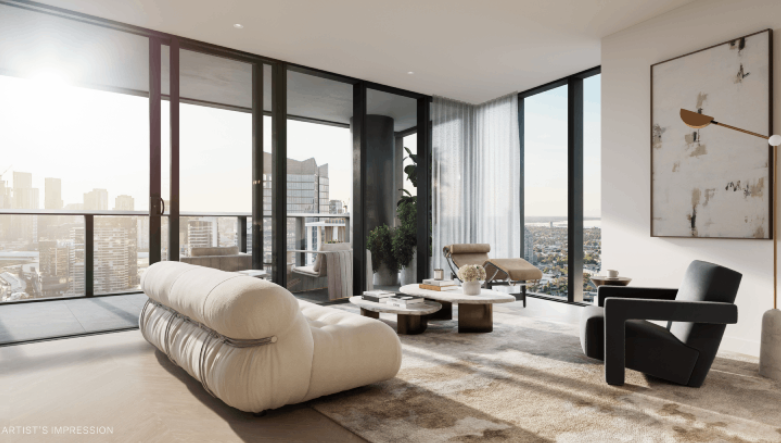
The developer also flagged a penthouse and sub-penthouse collection with larger layouts, premium finishes and broad outlooks. The planned wellness centrepiece, The Oasis, encompasses a 900-square-metre elevated urban rainforest.
Mirvac General Manager Residential Development Victoria Elysa Anderson said Trielle had resonated strongly with buyers seeking a rare lifestyle offering in Melbourne.
“Opportunities to secure a new luxury residence on a riverfront site of this calibre are incredibly rare, particularly within a community like Yarra’s Edge,” Anderson said.
“What makes Trielle unique is the combination of exceptional views, world-class residential facilities and the lifestyle that already exists around it. Residents are buying into a mature waterfront community with parks, promenades, dining, wellness and strong community connections already in place.”
The 45-level tower brings a substantial new presence to that waterfront. Its residential offering spans one-, two-, three- and four-bedroom apartments, with Signature, Prestige and Sub-Penthouse collections accommodating different household sizes. The north-facing position connects the apartments visually to the river and city beyond.
Seven storeys above the promenade, the planned Oasis combines planting and a running stream with a Scandinavian-inspired wellness club developed with spa specialist Naomi Gregory. Facilities include a 25-metre lap pool, hot magnesium pool, sauna, hydrotherapy, a gym, yoga and Pilates room, and treatment spaces.
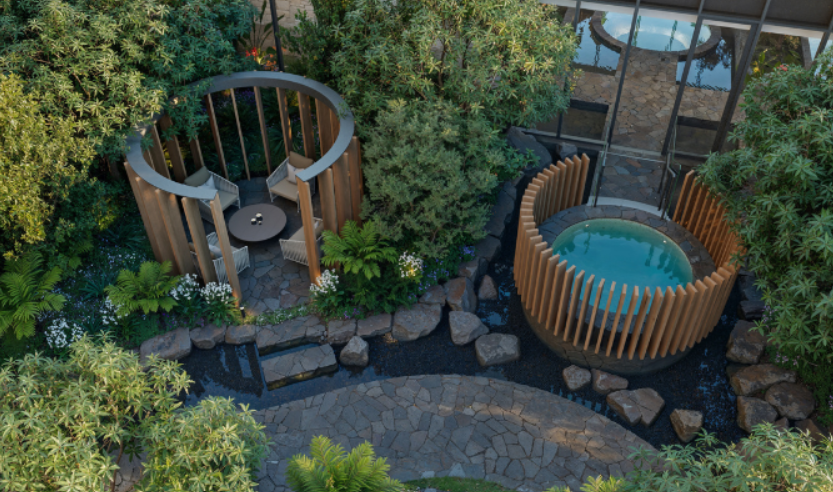
The amenity extends beyond exercise. Residents will have access to The Biblioteca library and workspaces, ground-floor work pods, and The Salone piano lounge. A private Chef’s Table dining room offers a setting for larger gatherings, while a cinema, games room and sports lounge broaden the entertaining options. Concierge services and a dog-wash area support everyday routines.
Trielle comprises a collection of one, two, three and four-bedroom residences. Reflecting strong demand from owner occupiers, approximately 80 per cent of purchasers to date intend to live in their homes, highlighting the project’s appeal to those seeking a long-term waterfront lifestyle.
Mirvac has recently delivered The Albertine, a premium apartment development on the edge of Melbourne’s CBD, and is nearing completion of Prince & Parade in Brunswick, further strengthening its portfolio of thoughtfully designed apartment communities in some of Melbourne’s most sought-after urban locations.
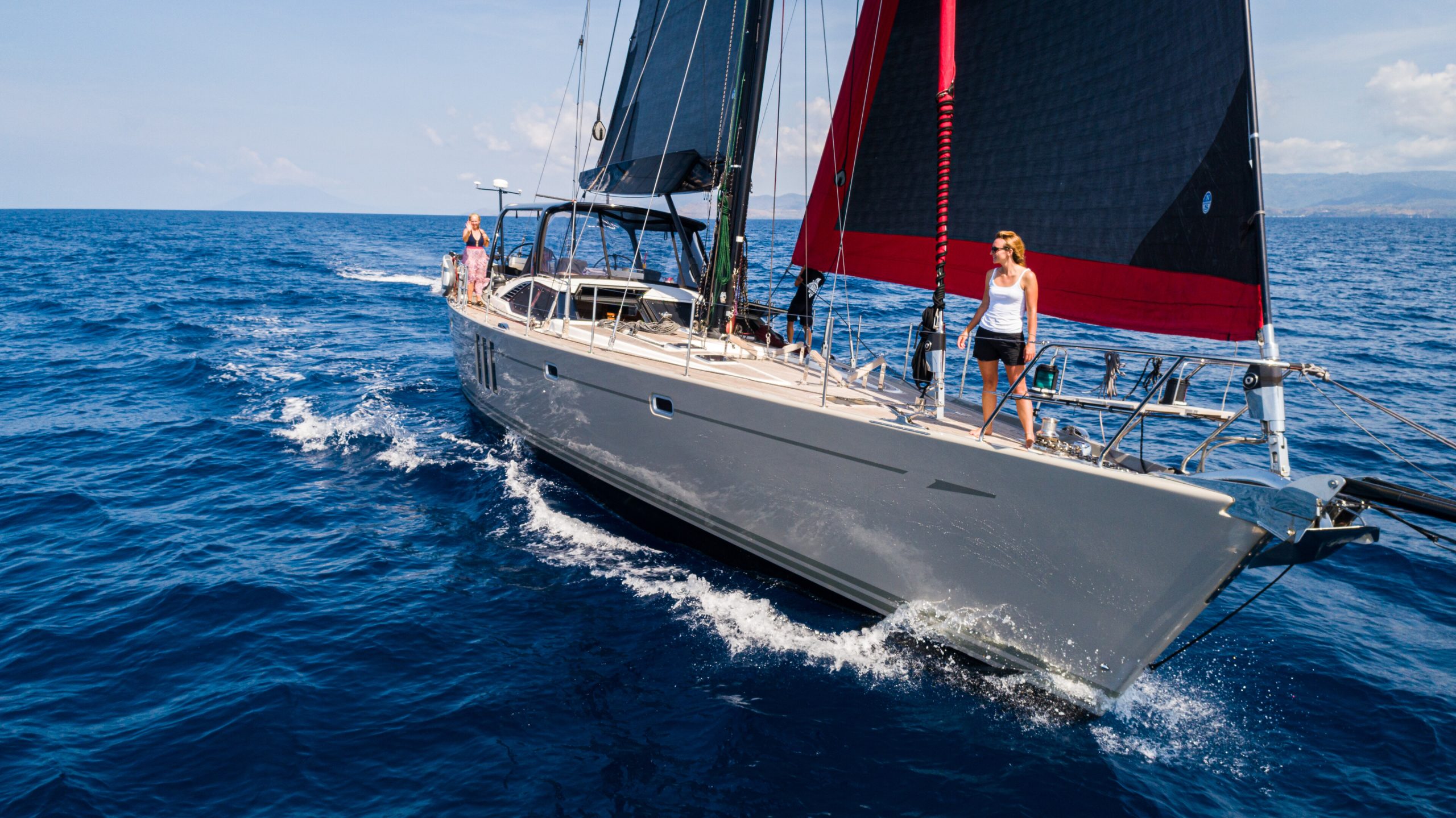
From the Caribbean to Australia’s east coast, Oyster’s latest world rally promises a bluewater voyage designed for owners seeking ultimate sailing experiences.

In the lead-up to the country’s biggest dog show, a third-generation handler prepares a gaggle of premier canines vying for the top prize.