The Art of Living Beautifully
Art can transform more than just walls—it shapes mood, evokes memory, and elevates the everyday. Discover how thoughtfully curated interiors can become living expressions of personal meaning and refined luxury, from sculptural furniture to bespoke murals.
 4 min
4 min


Art can transform more than just walls—it shapes mood, evokes memory, and elevates the everyday. Discover how thoughtfully curated interiors can become living expressions of personal meaning and refined luxury, from sculptural furniture to bespoke murals.
-
Artful Abundance: The Sophisticated Joy of Artful Interiors
Imagine a hushed hospital corridor, its sterile walls awash in the glow of flickering fluorescent lights. In that unexpected moment, a solitary Monet painting emerged—a luminous tableau of delicate lilies dancing in quiet defiance.
As the clinical austerity yielded to the graceful presence of art, this single work transformed into a vessel of solace and hope amid overwhelming uncertainty.
That moment continues to resonate with me—a vivid reminder that art transcends mere aesthetics to become a profound catalyst for emotional healing and inspiration. It is this transformative experience that fuels my passion as a biophilic interior designer.
I create environments where every element, from bespoke murals to sculptural installations, harnesses art’s power to elevate the human spirit, spark creativity, and enrich lives. Let us journey together into the world of luxurious interiors that define modern elegance.
2. Art as Wellness: A Daily Ritual of Rejuvenation
At its core, art is a daily ritual that renews both mind and spirit. Scientific research consistently confirms that nature-inspired art reduces stress, lowers blood pressure, and kindles creativity.
The simple act of beholding a tranquil landscape or a subtle floral motif transforms your space into a private retreat, offering solace amidst a hectic world.
In my practice, I meticulously select artworks chosen not only for their aesthetic appeal but also for their potent, therapeutic benefits.
Each piece serves as daily inspiration—a quiet invitation to experience calm and well-being. For example, our Hilton project demonstrates how hospitality resorts integrate nature-inspired art not only for its visual impact but also as a medium of healing; here, a collaboration with a local artist produced a masterful installation that functions both as a statement piece and a source of well-being.
3. Bespoke Brilliance: Celebrating Your Unique Narrative
Luxury design is profoundly personal. Bespoke art transcends mass-produced décor by capturing your unique story—whether through a custom mural reminiscent of your favourite botanical garden or silk wallpapers that evoke the allure of exotic landscapes.
Each personalised creation turns your walls into a living narrative of cherished memories and distinctive taste. Consider how a thoughtfully designed space can reflect your individuality and elevate your living experience.
4. Sculptural Elegance: Redefining Spatial Dynamics
Art is not confined to two dimensions. Three-dimensional sculptural works bring vitality to interiors by adding depth, texture, and tactile allure.
Picture a gracefully sculpted piece—a marble table echoing the gentle rhythm of ocean waves or a repurposed bronze branch serving as an elegant room divider.
Such statement sculptures command attention while seamlessly integrating form with function and providing a natural conversation starter in any refined space.
5. Architectural Artistry: When Structure Meets Art
A truly sophisticated home elegantly merges art with architecture. Imagine a residence where bespoke staircases curve with elegance, where hand-carved wooden doors evoke the intricate beauty of nature, and where expansive windows frame breathtaking vistas.
In these spaces, every architectural detail contributes to a cohesive canvas of artistic expression. As you envision your own home, consider how your surroundings can be thoughtfully designed to reflect both beauty and purpose.
6. Furniture as Functional Art: Merging Practicality with Mastery
In luxury interiors, even the functional becomes exceptional through artful design. Consider a one-of-a-kind, hand-carved pink marble swivel chair—a masterpiece where practicality meets refined craftsmanship.
More than just a piece of furniture, this chair sparks conversation and serves as an emblem of creative innovation and exclusivity.
Let this be a symbol of how every element in your home might reflect your dedication to exquisite artistry.
7. Digital Sophistication: The Future of Artistic Expression
In an age defined by rapid technological advancement, digital art installations offer a contemporary twist on traditional forms.
High-resolution displays now present dynamic landscapes—a cascade of waterfalls, the quiet majesty of a forest, or a serene digital ocean vista—that adapt and evolve with your environment.
This modern element seamlessly aligns cutting-edge technology with timeless aesthetics, ensuring your space remains as innovative as it is elegant.
8. Luxurious Textiles and Furnishings: The Essence of Understated Elegance
Luxury is often revealed in the details: the textures, colours, and fabrics that together create a haven of understated splendour.
Bespoke silk cushions with intricate botanical embroidery, sumptuous velvet throws that evoke tropical charm, and bedding that mirrors the ethereal beauty of cloudscapes all contribute to an atmosphere of refined elegance and comfort.
Every tactile detail is chosen to evoke warmth and stand as a testament to your taste for excellence.
9. Refined Heritage: Honouring Timeless Craftsmanship
In the realm of luxury, tradition and modernity exist in perfect harmony. Integrating timeless antiques—such as a rare Vladimir Kagan couch or a coveted Hans Wegner chair—with contemporary design creates a dialogue that honours both heritage and innovation.
These storied pieces carry with them a legacy of masterful craftsmanship, adding layers of significance and depth to your living environment. They remind us that true elegance is built upon a foundation of enduring quality.
10. The Art of Personal Meaning: Crafting Your Legacy
Ultimately, art is the language through which you express your unique legacy.
Every carefully chosen piece reflects a part of your personal journey, turning your living space into a narrative as emotionally resonant as it is visually stunning.
It imbues your environment with memories, aspirations, and the essence of who you are—a living masterpiece that evolves with time.
Reflect on how these elements might not only beautify your home but also stand as timeless expressions of your personal story.
Now is the moment to immerse yourself fully in the joy of art. Elevate your surroundings and transform your residence into your greatest masterpiece.
Your heart, your legacy, and your space deserve nothing less than extraordinary artistry.
Ozge Fettahlioglu is the founder of Cocoplum | Biophilic Design Studio and Boxareno | Custom Modular Constructions. A wellness and biophilic design leader, she creates bespoke spaces that inspire, heal, and elevate daily living. Ozge is also a board member of Biophilic Cities Australia.
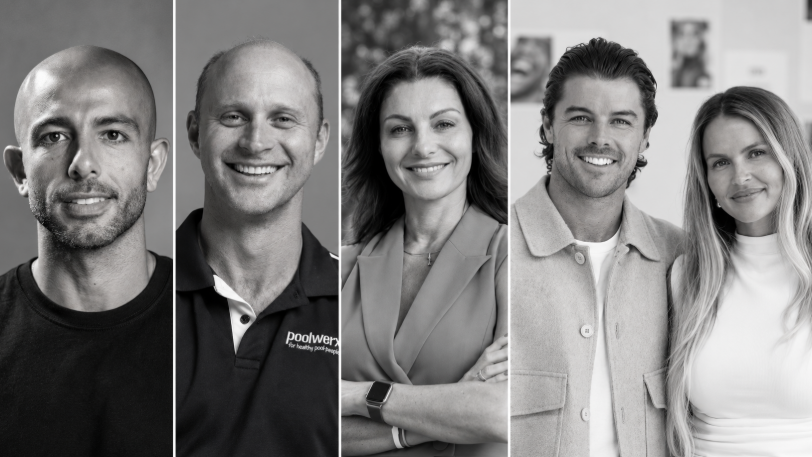
From making unpopular decisions to learning when to listen, leaders from five businesses reveal what nobody prepared them for — and how running a company has challenged their expectations.

Technology and semiconductor shares fell sharply as investors questioned the debt financing the AI infrastructure boom and confronted higher rates and Chinese competition.

Elon Musk is exploring a potential merger between Tesla and SpaceX, a deal that could reshape the future of AI, robotics, autonomous vehicles and space technology. With a combined valuation potentially reaching $3.5 trillion, the move could bring Musk’s vision of an interconnected technology ecosystem closer to reality, although a deal remains uncertain.
5 min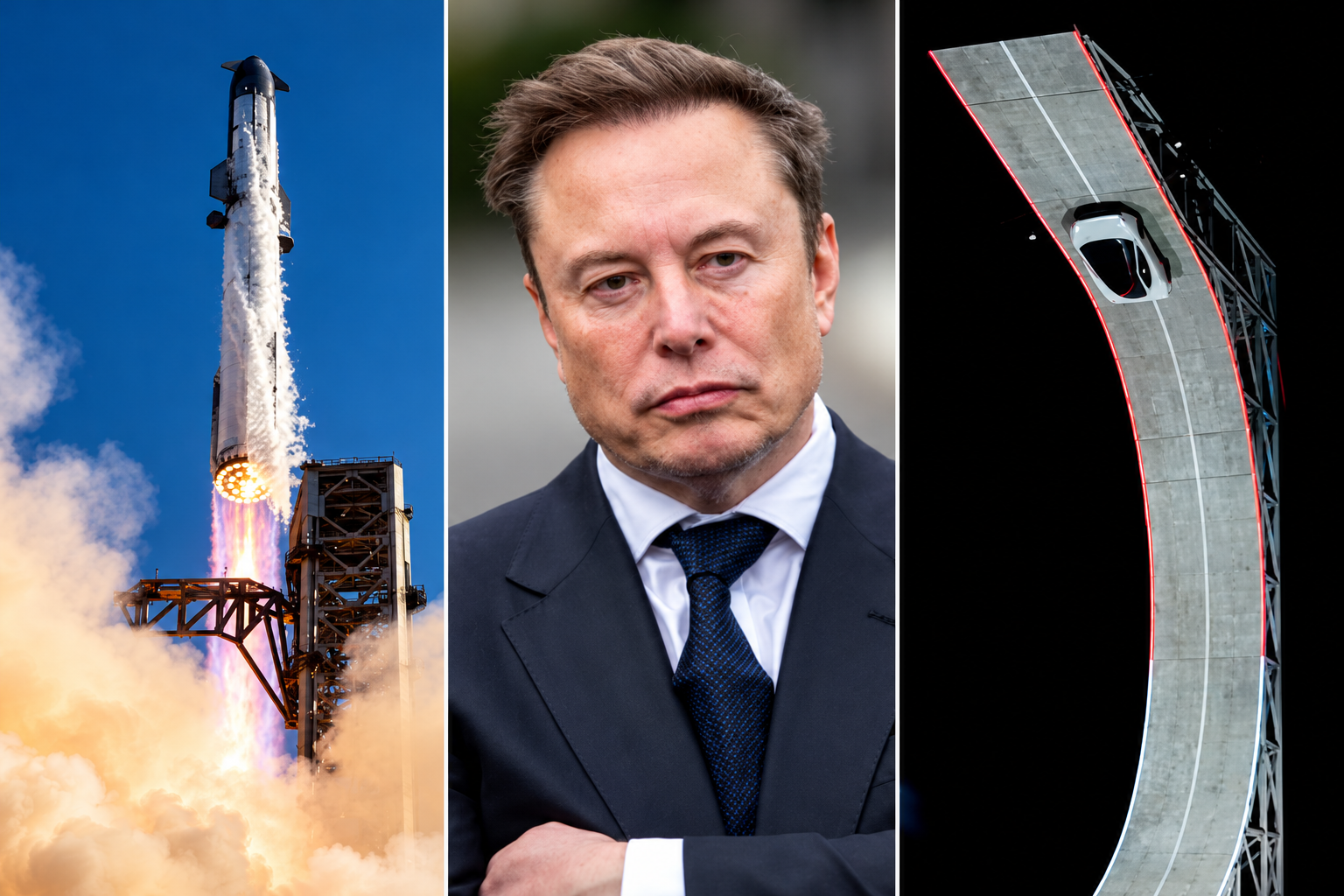
Elon Musk has engineered ties between Tesla TSLA 3.41%increase; up pointing triangle and SpaceX SPCX 7.79%increase; up pointing triangle that are hard to break, and now he wants to fuse them together permanently.
Musk has run both Tesla and SpaceX concurrently over the past two decades, using a schedule that dictated which days he spent focused on each business.
The companies have often shared resources and personnel, signaling their close ties. Last year, SpaceX looked into creating a spacesuit for Tesla’s humanoid robot Optimus, a person familiar with the matter said. Tesla last week showed off its new Roadster, a vehicle featuring SpaceX rocket thrusters that it hopes to soon bring to market.
And in recent months, Musk has repositioned both companies by expanding beyond their core operations toward a shared mission centered on artificial intelligence.
The world’s richest man on Tuesday signaled his interest in tying up SpaceX and Tesla, marking what would be the biggest corporate merger of all time. Because he serves as chief executive of SpaceX and Tesla, Musk said committees of independent directors at both companies are evaluating a possible deal, adding that a transaction might not come to fruition.
The committees will likely evaluate, with lawyers and bankers, how each company would fare in a potential deal and how a deal might best be structured. They then present their conclusions to their respective boards, who typically vote on whether to proceed.
“It’s an odd Kabuki dance where two groups of people are talking and I can’t be in the conversation,” Musk told SpaceX investors on Tuesday in response to an analyst’s question about a potential deal.
For Musk, the merger supports his vision of a world full of autonomous cars, humanoid robots and weekly rocket launches, as well as the data centers and satellites required to keep the whole thing running.
Some investors and analysts said they expect a transaction would be structured as an all-stock deal, with SpaceX potentially paying a modest premium for Tesla shares.
SpaceX, which has a market value of about $2 trillion, said it is seeing sharp growth in revenue across its businesses, which include operating data centers, launching rockets and operating satellite networks such as the internet service Starlink. Tesla is valued at about $1.5 trillion and is expanding its operations beyond its automotive and energy business. Shares in both companies traded higher following the news Tuesday.
Musk’s substantial ownership stakes in both companies, along with voting control at SpaceX, has enabled him to set the deal in motion. Analysts and investors said the deal will probably face regulatory scrutiny internationally, though some see Musk’s close relationship with the Trump administration as an asset to getting approval.
Blurred lines
The companies haven’t said which directors are on the special committees evaluating a potential deal. Several SpaceX and Tesla board members have either personal or business ties to Musk. And like Musk, venture capitalist Ira Ehrenpreis sits on both boards.
In a filing this week, Tesla outlined millions of dollars in business agreements with SpaceX and its subsidiaries last year, including $143 million in car sales to SpaceX, $3.3 million in advertising that it bought on the social-media platform X and $430 million in revenue from the sale of Megapack batteries for SpaceX’s data centers.
The companies also split the cost of resources including the use of Musk’s SpaceX jet and the bill for his personal security, which he runs through a private company.
Employees at both companies routinely move between companies to work on special projects, and some executives have dual roles, including Charles Kuehmann, vice president of materials engineering at both SpaceX and Tesla, and Ashok Elluswamy, the vice president of AI software at Tesla who runs a joint venture with SpaceX called Digital Optimus.
Over the years, Musk has launched new startups within his empire, including brain-implant company Neuralink, underground-tunnel developer the Boring Company and xAI, the AI startup that merged with SpaceX in February.
It is that AI business that Musk thinks can serve a market worth tens of trillions of dollars, justifying the need for a merger.
The business case goes like this: Tesla is developing robotaxis and robots, which it calls “physical AI.” SpaceX is working on the back end of physical AI: the data-center capacity and internet connection required for those robotaxis and robots to operate continuously.
“I don’t see what the value of Tesla is if it’s not merged with SpaceX,” said investment adviser Ross Gerber, a former Tesla bull turned critic invested in both companies. “If they don’t merge, the brains of everything that runs Tesla is owned by another company.”
On top of it all, both companies face constraints on the supply chains they need to make this world a reality, particularly when it comes to chips. To address this, Musk earlier this year announced a joint venture between Tesla, SpaceX and Intel to design and manufacture chips in Texas. “The most epic chip-building exercise by far,” he has said.
Musk at the wheel
For Musk, a merger would also solve two problems: demands on his attention and his lack of control at Tesla.
Tesla for years was Musk’s only public company, a status that came with greater scrutiny. There, Musk reports to a public board, as well as individual investors who make up around 30% of Tesla’s voting power, according to FactSet.
The question of Musk’s attention became a particular focus for investors and the board in recent years after he acquired Twitter in 2022 and launched xAI in 2023, and again in 2025 as he spent time in Washington, D.C., running the Department of Government Efficiency in the early months of President Trump’s second term.
As Tesla’s car business suffered in 2025, Musk threatened to take his AI ambitions outside the company if he wasn’t granted 25% voting control. Last November, Tesla shareholders approved a new pay package for Musk, which created a path for him to vastly expand his stake.
As of Sept. 30, Musk owned a roughly 20% stake in Tesla, according to the company’s proxy filing.
The SpaceX IPO gave Musk a different path. When SpaceX went public in June, the deal’s structure enabled him to have more than 80% voting power at the company—so much that he can’t be fired and decisions can’t be made without his support.
If SpaceX acquires Tesla, he will likely stay in control.

Margot Robbie and Jacob Elordi star in an adaptation of the classic novel that respects the romance’s slow burn.
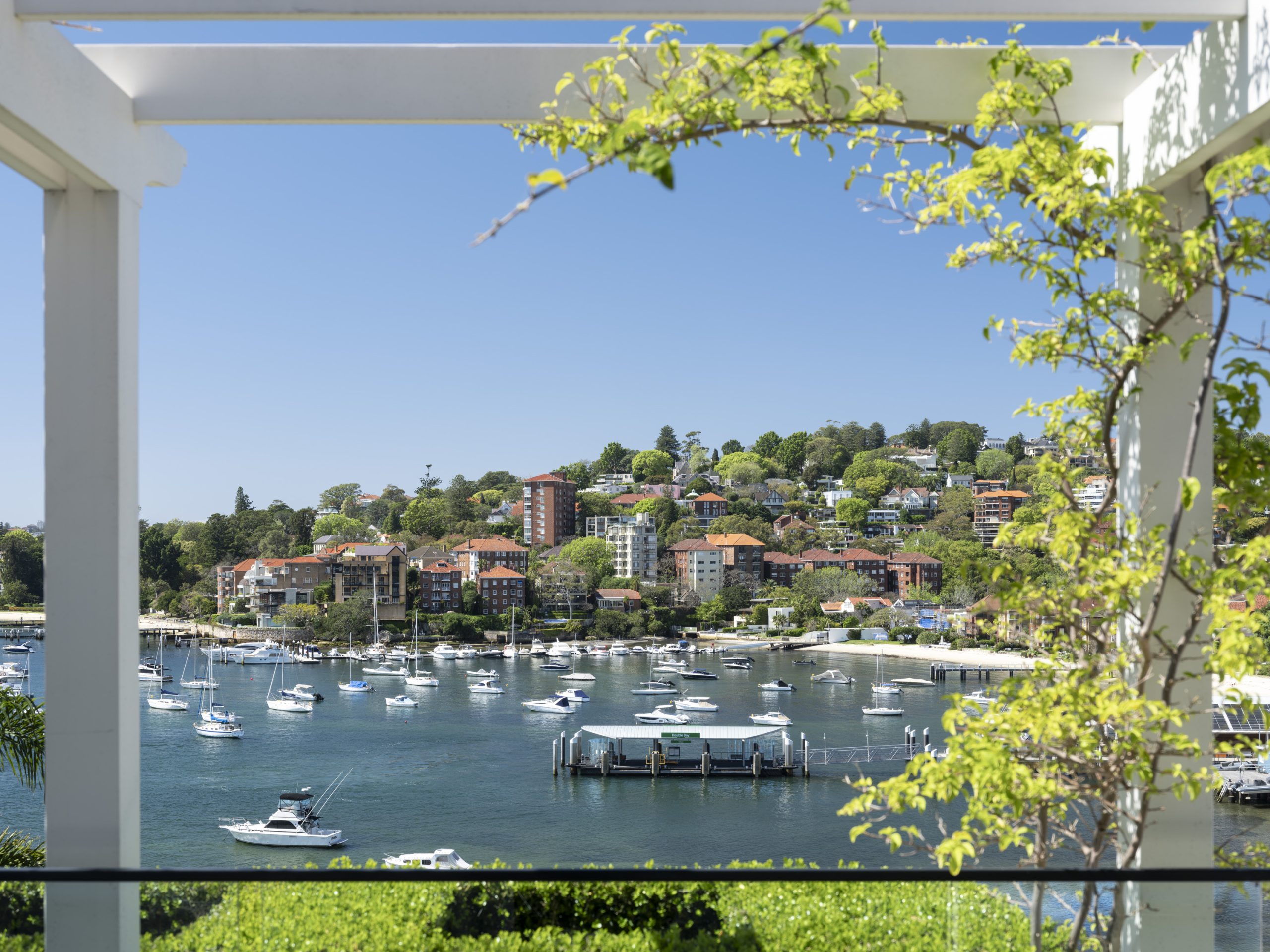
The grand harbourside residence combines sweeping Sydney Heads views, resort-style entertaining and refined designer finishes with a reported $36 million price guide.