





The top suburbs where population growth is driving up property values
While demand for affordable housing is attracting more Australians to fringe suburbs, some are seeing value in regional tourist hotspots
 3 min
3 min
Australia’s population growth hot spots are mostly affordable property markets on the outskirts of major cities and in regional areas, according to an analysis by PropTrack. But homes may not remain affordable for long, with most of these areas recording above-average price growth over the past five years.
Australia’s population grew by 2.5 percent to 26.8 million people over the 12 months ending 30 September, according to the latest figures from the Australian Bureau of Statistics (ABS). This was an annual increase of 659,800 people, with migrants making up 83 percent of the increase.
REA economist Megan Lieu said home prices in Australia’s population growth hot spots are growing at an above-average pace due to strong buyer demand. However, median prices in the SA3 regions she analysed are still more affordable than their nearest capital cities or major regional cities.
Wyndham, on the western edge of Melbourne, recorded the strongest population growth over the past five years with almost 41,000 more people living there today compared to June 2018. In NSW, Blacktown–North in western Sydney had the highest growth with almost 36,000 new residents. In Queensland, Ormeau–Oxenford in the Gold Coast’s northern suburbs gained almost 28,000 new residents, with Ms Lieu noting it was a popular market with interstate and international migrants.
Ms Lieu said the worst housing affordability in three decades may be driving population growth in areas with lower median values.
“A potential factor contributing to this trend is that homes in a majority of these regions are generally priced lower than their broader greater capital city area (GCCSA),” Ms Lieu said. “This is evident when we look at the current median sale price of homes in these SA3s. Over 60 percent of them sold for less than the median in their respective city or regional area.”
Ms Lieu said other drivers of these areas’ strong population growth could be local councils zoning large swathes of land for home development.
“They tend to be in peripheries of cities where more new homes are being built relative to other areas. The increase in the supply of homes could be contributing to more competitive pricing.”
However, these competitive prices are attracting more demand than supply, leading to strong price growth. “All except four of the SA3 regions have experienced larger price growth in the past five years compared to their corresponding city or regional area,” Ms Lieu said.
The price growth differential is more than 20 percent in some regions, such as Rouse Hill-McGraths Hill in Sydney, Ormeau-Oxenford in Queensland and Fleurieu-Kangaroo Island in South Australia.
Median house prices have moved up dramatically in many of the individual suburbs within the SA3 population hot spots. For example, the median house price in the suburb of Ormeau on the Gold Coast in Queensland is $830,500, according to PropTrack data. It has risen 7.9 percent over the past 12 months and skyrocketed 68 percent over the past five years. The median house price in the suburb of Rouse Hill in north-west Sydney is $977,500, down 2.5 percent over the past year but up 30 percent over five years. The median price in the Melbourne outskirts suburb of Wyndham Vale is $585,000, up 2.5 percent over the past year and 26 percent over five years.
Another factor driving strong price growth may be the increasing lifestyle appeal of these particular areas over the past five years. For example, Ormeau is close to Westfield Coomera, which opened in 2018, and has benefitted from numerous M1 road upgrades between Brisbane and the Gold Coast. Rouse Hill has its own station on the Sydney Metro Northwest rail line, which began running in 2019.
Ms Lieu said it was likely that more Australians would seek cheaper homes in city outskirts areas and the regions as property values continue to grow amid a continued forecast housing undersupply.
“With supply unable to meet continued strong housing demand, home prices may experience further upward pressure,” Ms Lieu said.
Top 3 areas for highest population growth over 5 years
NSW
Blacktown–North, Sydney 36,233 (new residents since 2018)
Bringelly-Green Valley, Sydney 27,741
Rouse Hill-McGraths Hill, Sydney 21,821
VICTORIA
Wyndham, Melbourne 40,833
Melton-Bacchus Marsh, Melbourne 35,818
Casey-South, Melbourne 33,191
QUEENSLAND
Ormeau-Oxenford, Gold Coast 27,719
Brisbane Inner, Brisbane 16,465
Springfield-Redbank, Ipswich 15,326
SOUTH AUSTRALIA
Playford, Adelaide 6,997
Charles Sturt, Adelaide 6,410
Fleurieu-Kangaroo Island, regional South Australia 5,504
WESTERN AUSTRALIA
Swan, Perth 16,959
Wanneroo, Perth 14,885
Mandurah, regional Western Australia 11,156
TASMANIA
Hobart-North East, Hobart 2,723
Devonport, regional Tasmania 1,926
North East, Launceston-North East 1,728
Source: PropTrack, SA3 regions with highest population growth over 5 years

Two coming 2027 models – the first of the “Neue Klasse” cars coming to the U.S. early next year – have been revealed.

A&K Sanctuary unveils Kitirua Plains Lodge, a sustainability-focused luxury property shaped by landscape, local craft and contemporary safari architecture.

After half a century in the same hands, The Palladium blends Art Deco heritage, cinematic history and beachfront living in one extraordinary offering.
3 min
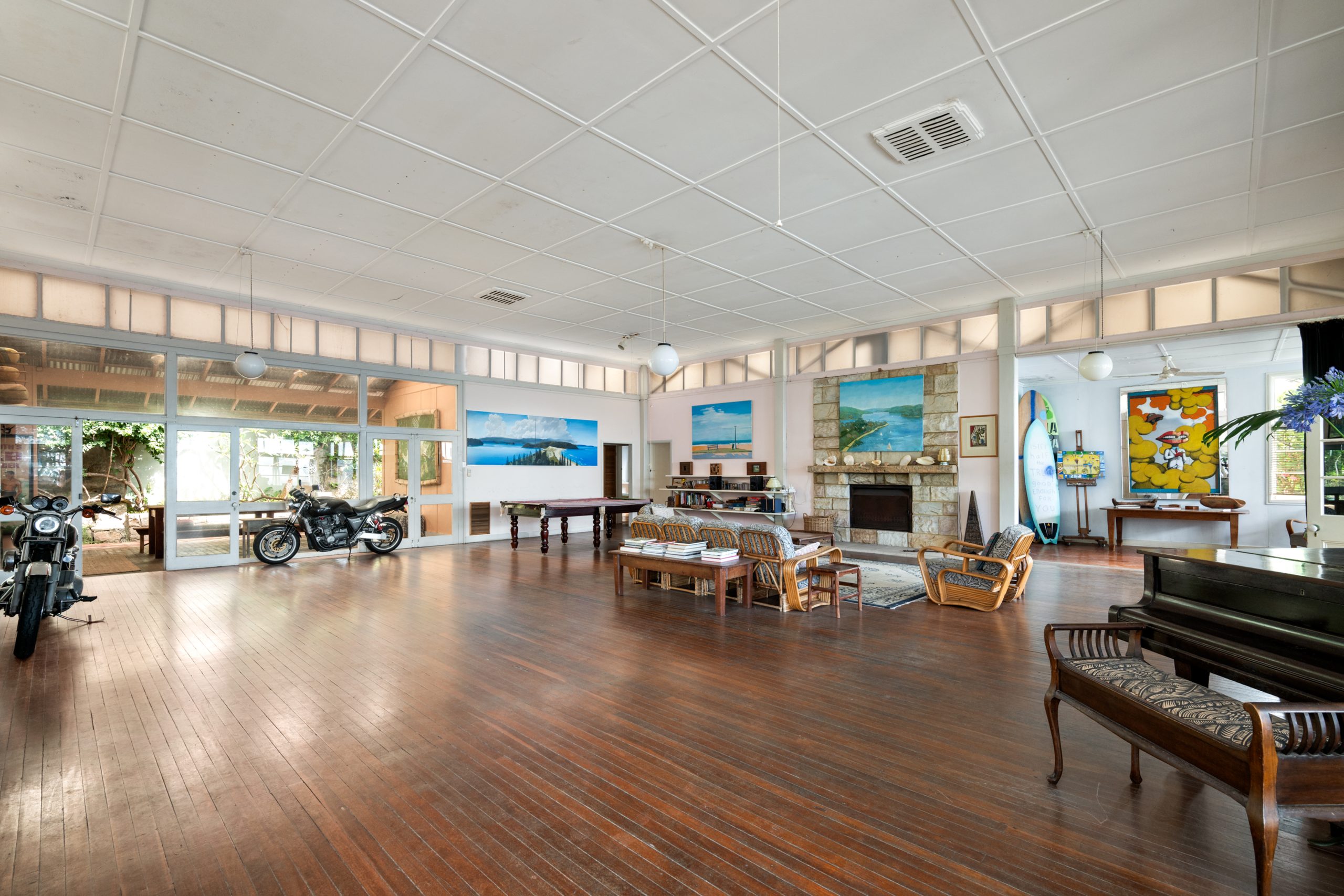
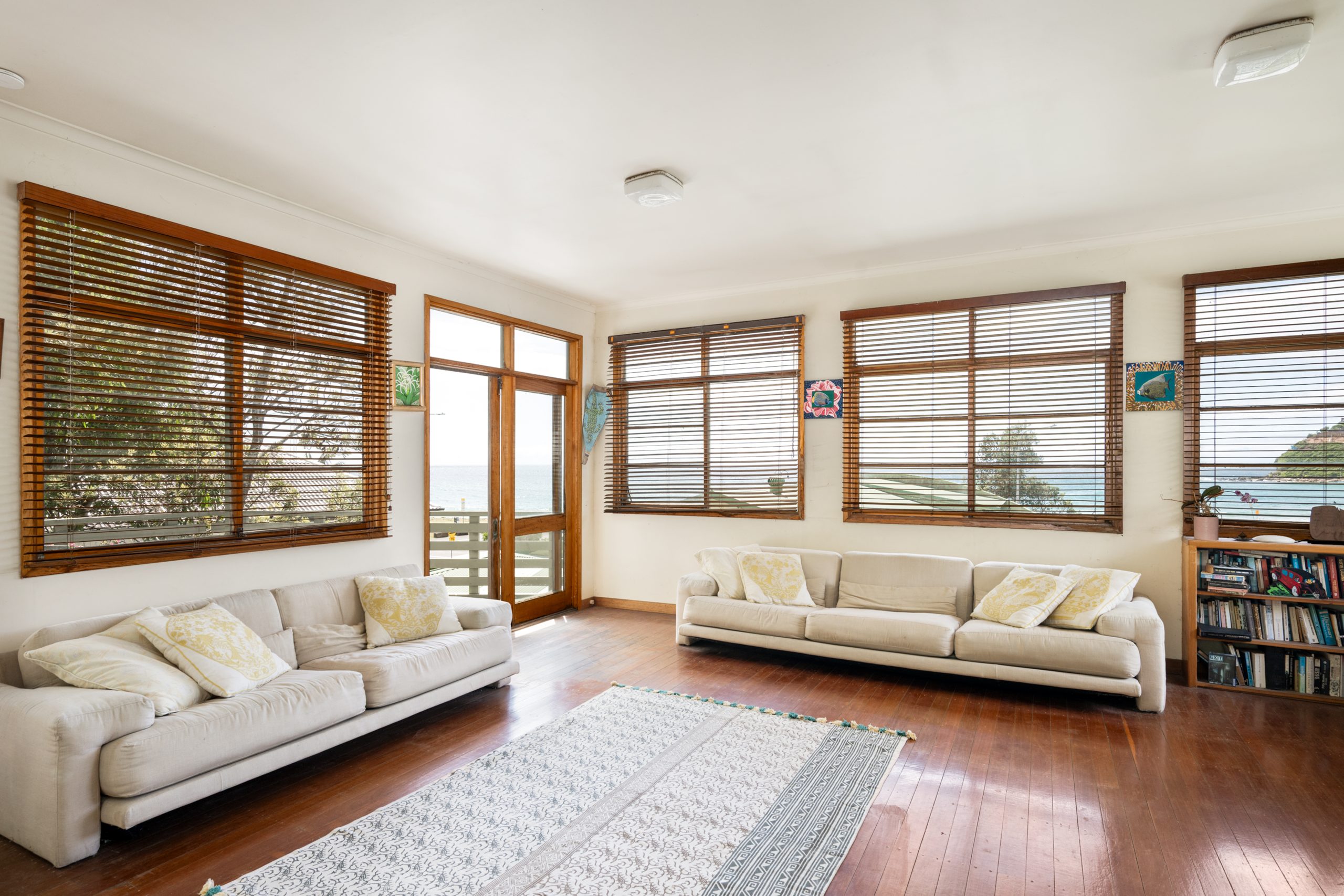
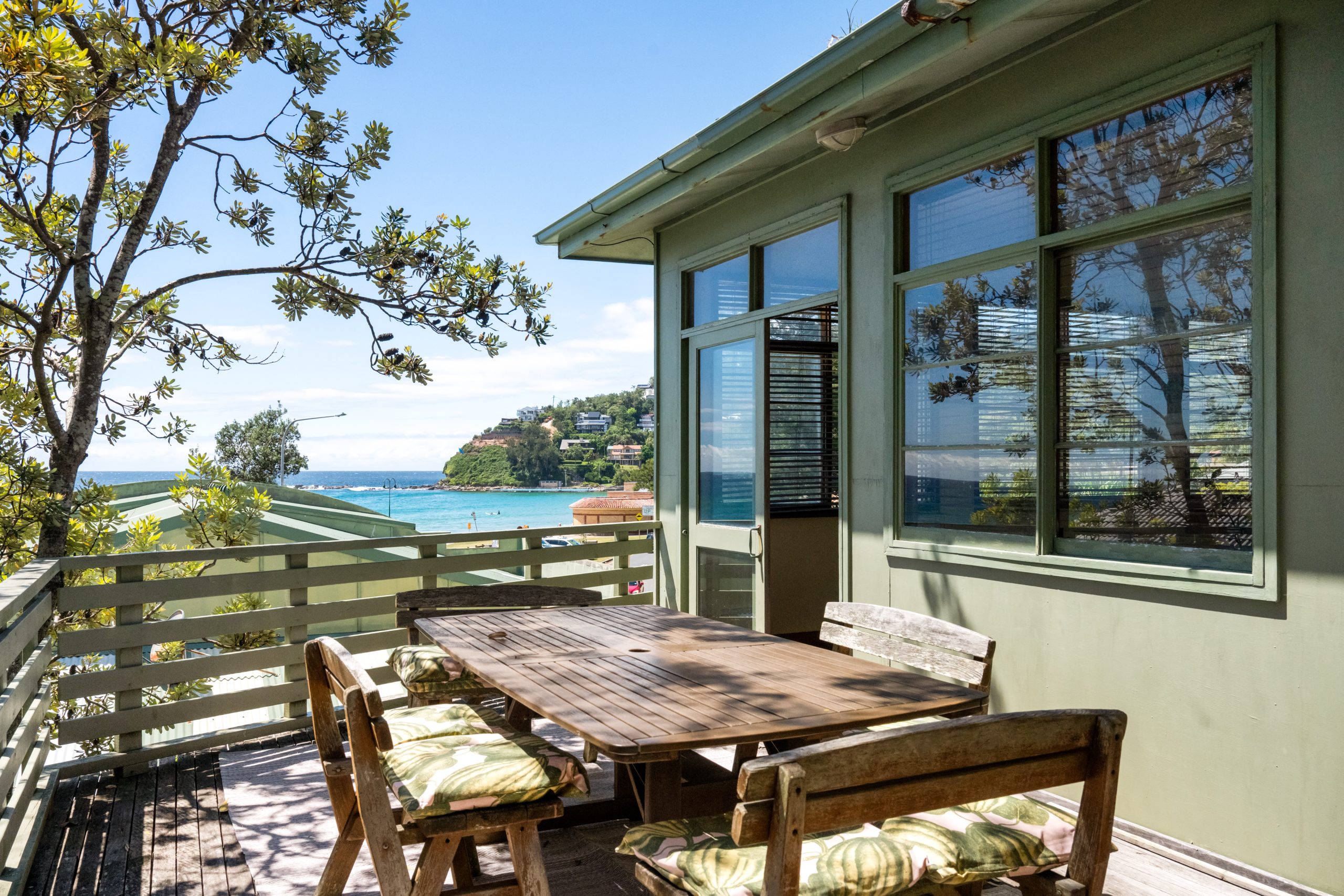
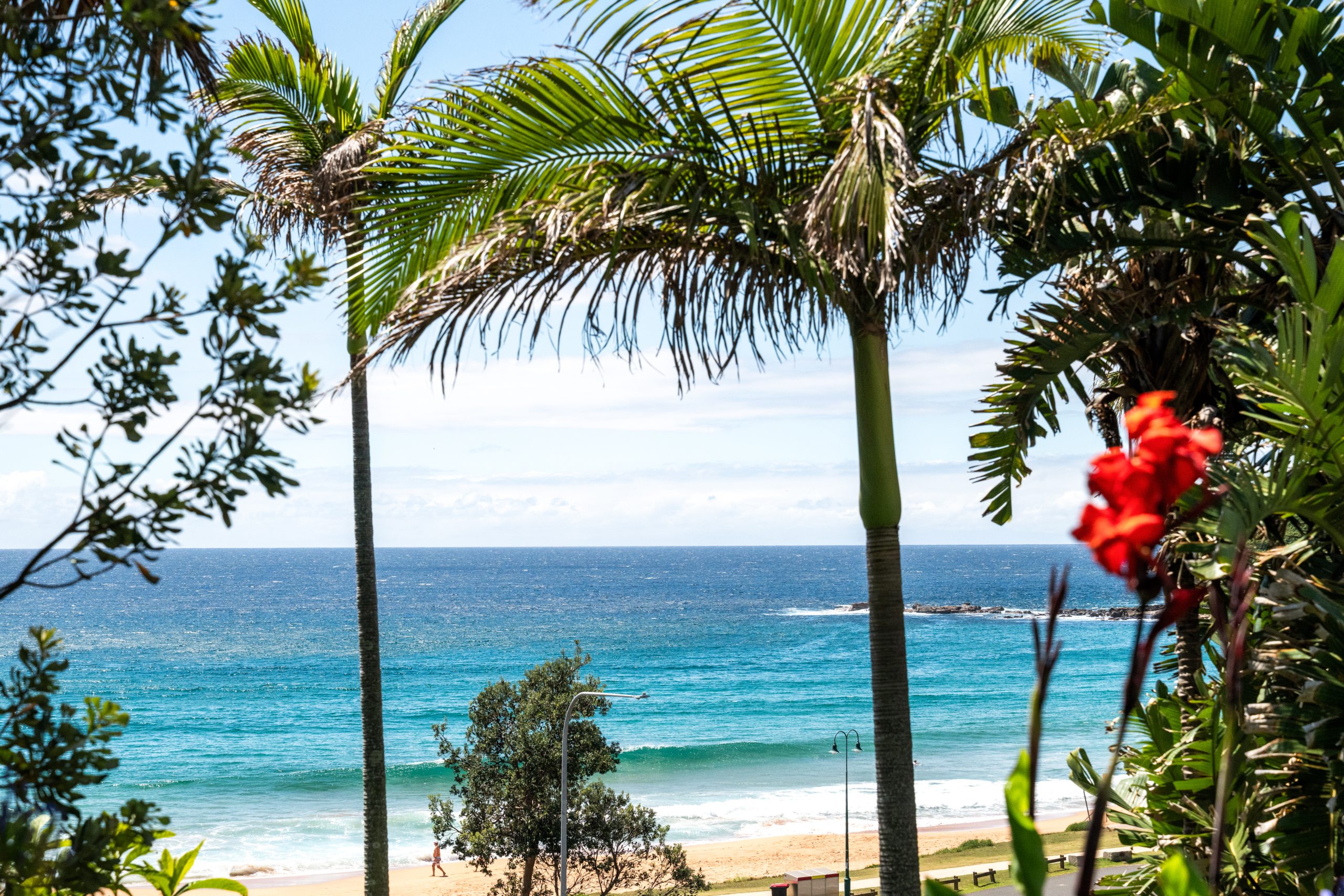
In Sydney’s Northern Beaches, there are plenty of homes with a multimillion-dollar view and an enviable position close to the sand.
This unique listing has all that, but it has also earned its page in the local history books.
After 50 years in the same hands, The Palladium in Palm Beach—once a famed dance hall, then a restaurant, a private residence, and an artists’ studio—is now back on the market with a price hopes of $13.5 million through BJ Edwards and David Edwards of LJ Hooker Palm Beach.
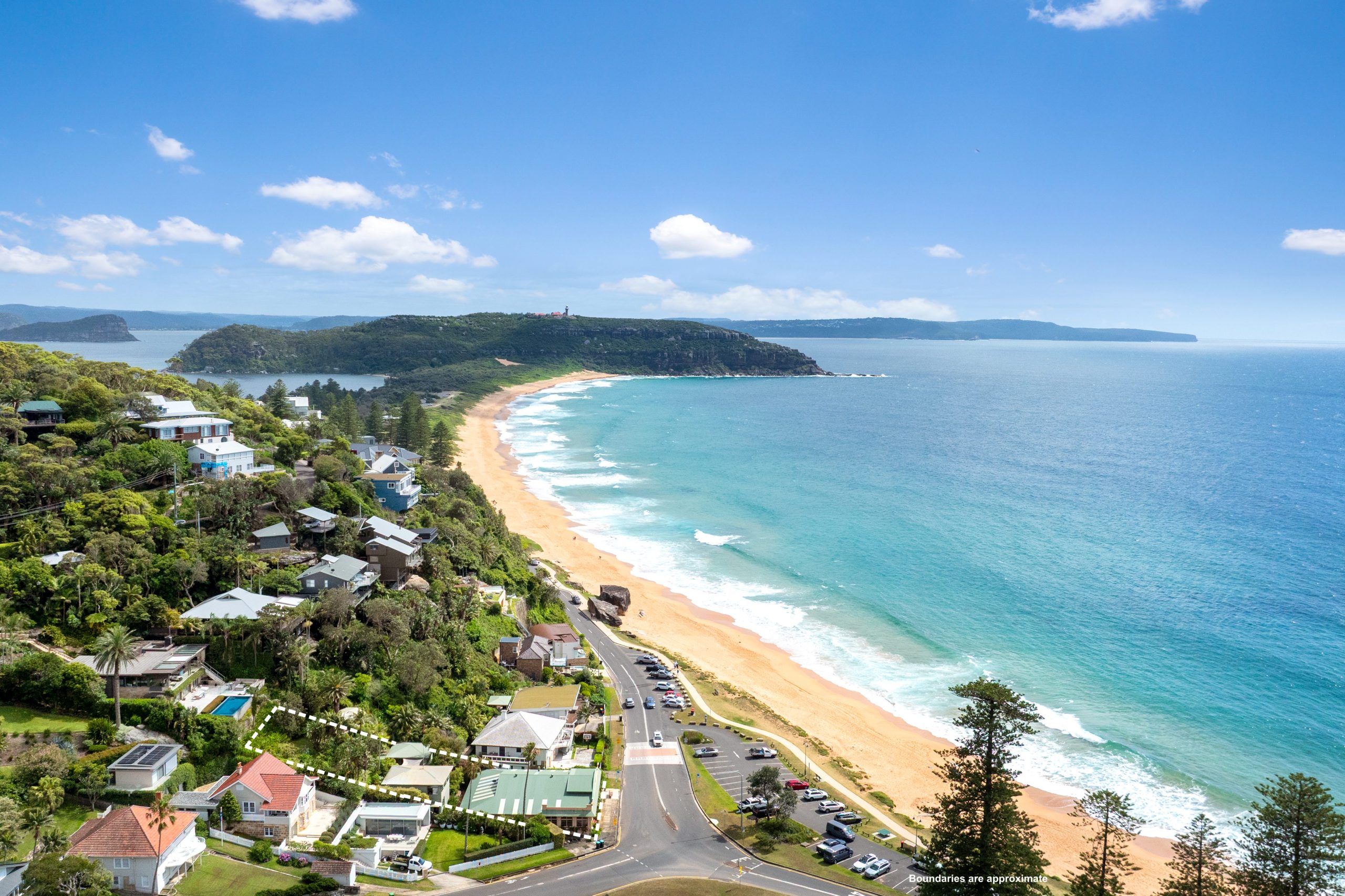
Positioned in a rare corner spot where Ocean Rd meets Palm Beach Rd, The Palladium has been front and centre observing the famous sandy stretch for almost a century.
Built in the early 1930s, the Art Deco building was originally conceived as a vibrant community dance hall; the “it” place to be for young folk during Sydney’s thriving interwar period.
Often the dances were held to raise money for the Palm Beach Surf Life Saving Club, and newspaper reports of the time told of rowdy parties lasting until the early hours, bootleg liquor arrests, and where shorts and sandals—or even pyjamas—were scandalously worn by “both sexes”.
Over the decades, The Palladium has worn many hats.
By 1943, the original owner, Joseph Henry Graham, had defaulted on his loan, and a mortgagee sale reportedly sold the building for £1550, which translates to about $137,000 today. It later became a dining space and a general store run by the Milton family. In the 1960s and early 1970s, the property was also home to the Blue Pacific Restaurant.
The current owners acquired the keys in 1976 when it began its next chapter as a creative hub. One of today’s vendors, filmmaker David Elfick, who has been a filmmaker and producer on such films as Newsfront and Rabbit-Proof Fence, has told stories of a free-spirited creative hub that has been used for film sets, to store numerous movie props, as editing rooms, to hold countless parties and has even hosted visiting members of the Royal Shakespeare Company.
From its famed beachside soirees to its grassroots film club nights, the venue has become woven into the cultural fabric of Palm Beach.
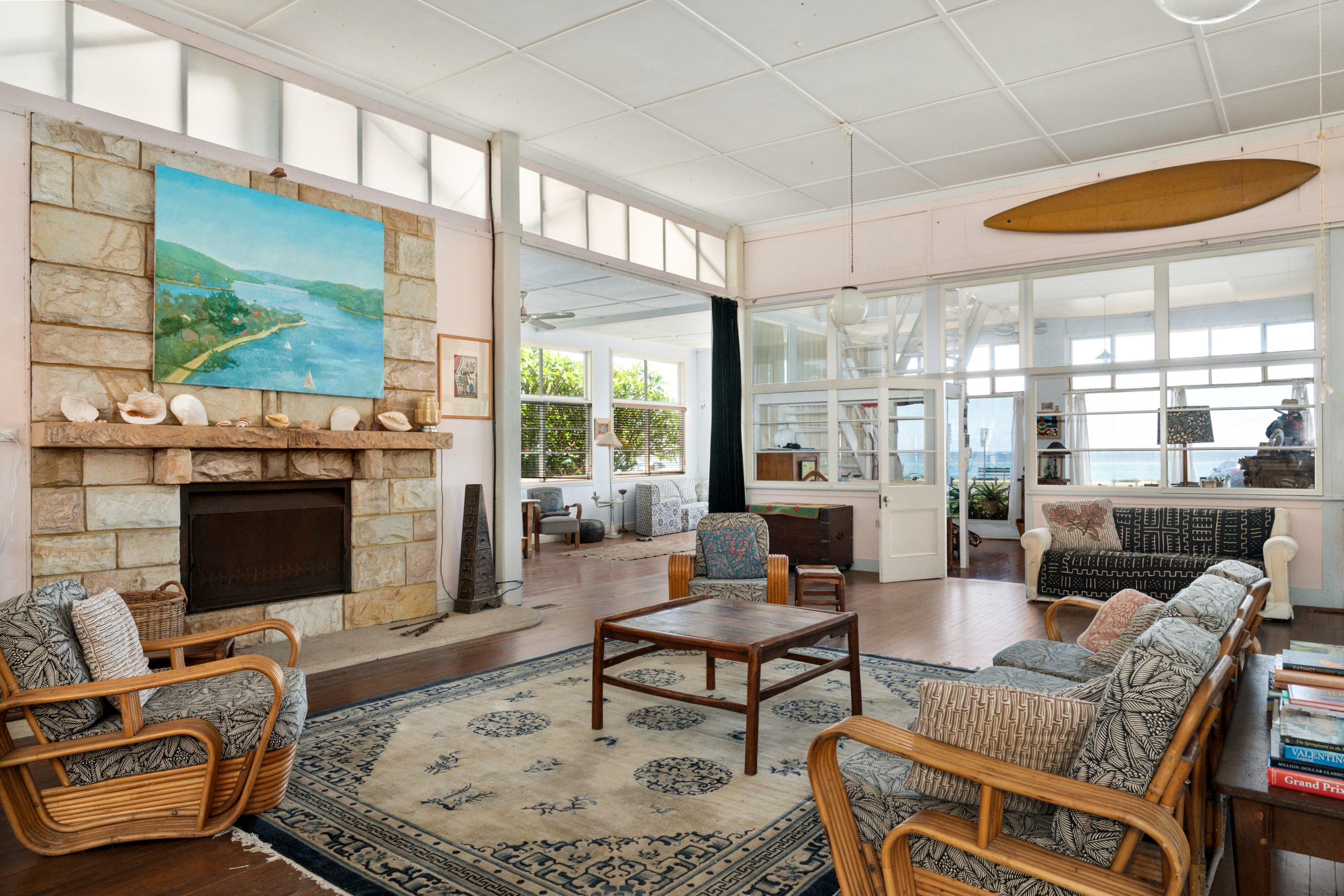
Today, that rich history has been reimagined into a coastal home that honours its past while embracing contemporary beachside living.
Built in a unique architectural style known as streamline moderne, the aeroplane hangar-like building reflects the era’s fascination with air travel, mass transport, and modernity. The facade is defined by a sweeping curved roofline and subtle nautical cues.
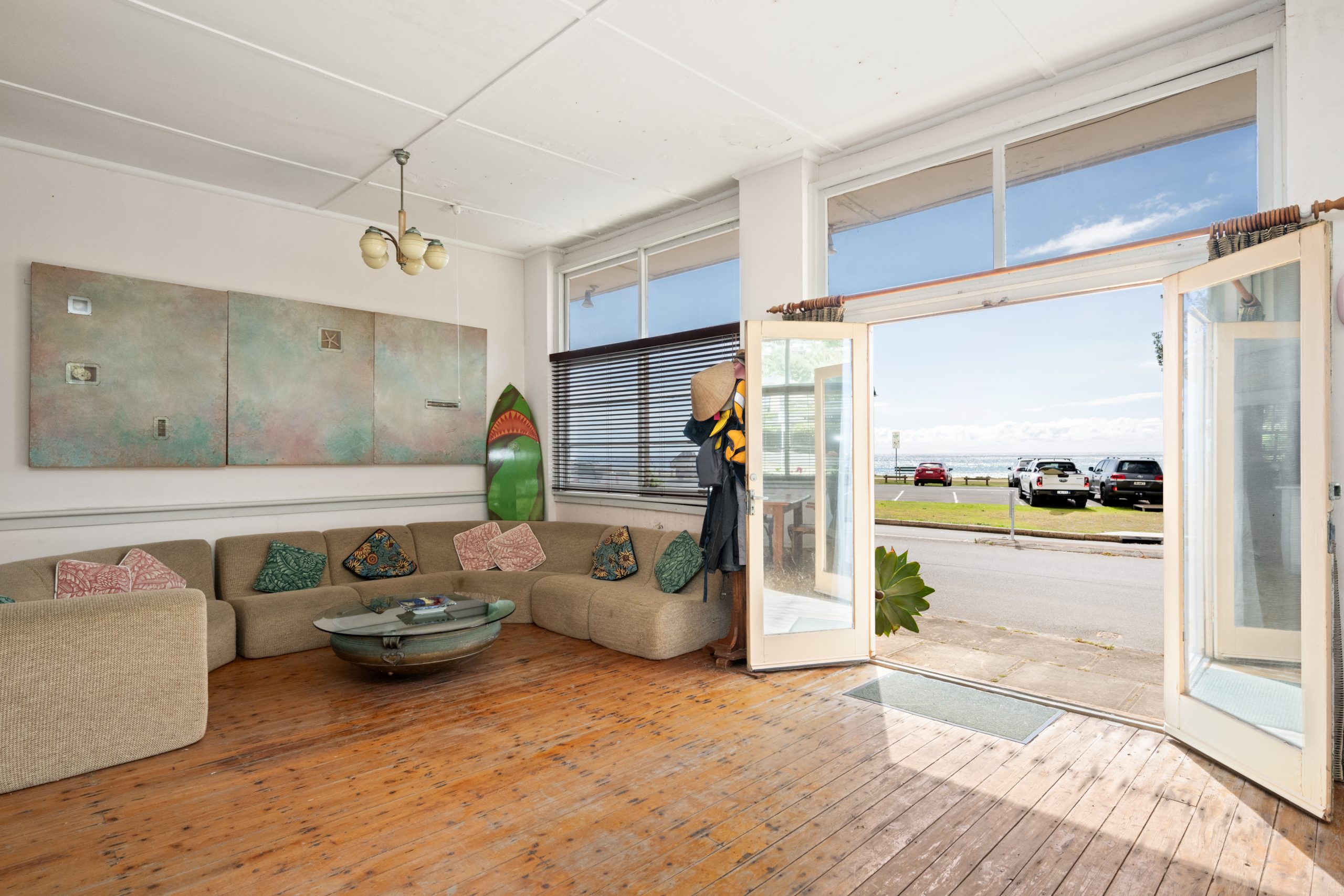
The main residence features a vast central living space framed by a number of bedrooms and sunrooms, as well as a front dining room and kitchen. In total, there are four to five bedrooms, three bathrooms and a powder room adjoining an upstairs loft space.
Big, broad windows draw in loads of natural light and provide iconic views, plus the sounds of the beach just across the road.
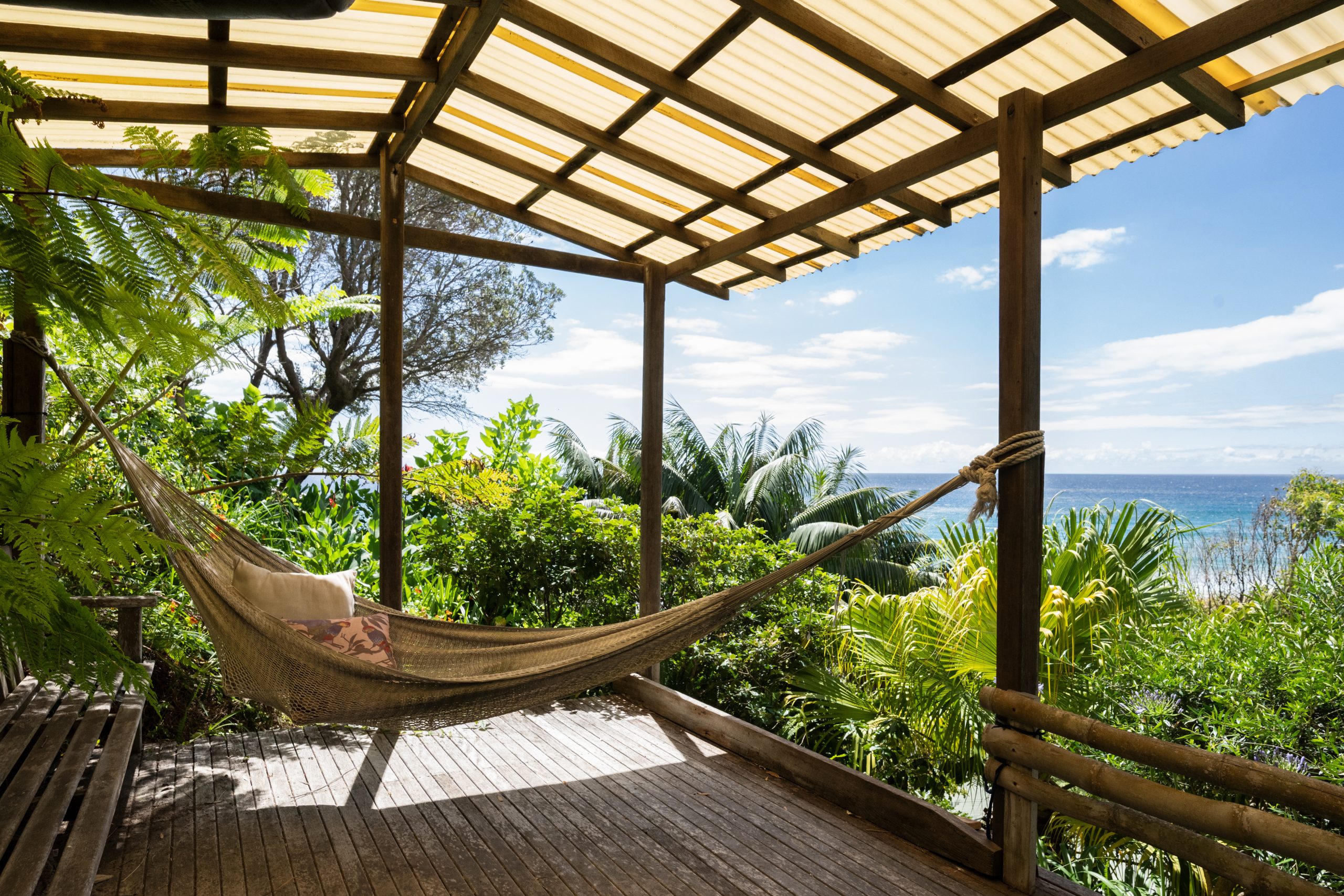
Many of the original elements remain, most fittingly the polished floors of the former dance hall. In the additional building at the back of the block, there is a separate, self-contained studio with its own bedroom, bathroom, kitchen and laundry. From its elevated deck, the outlook stretches across the full sweep of Palm Beach.
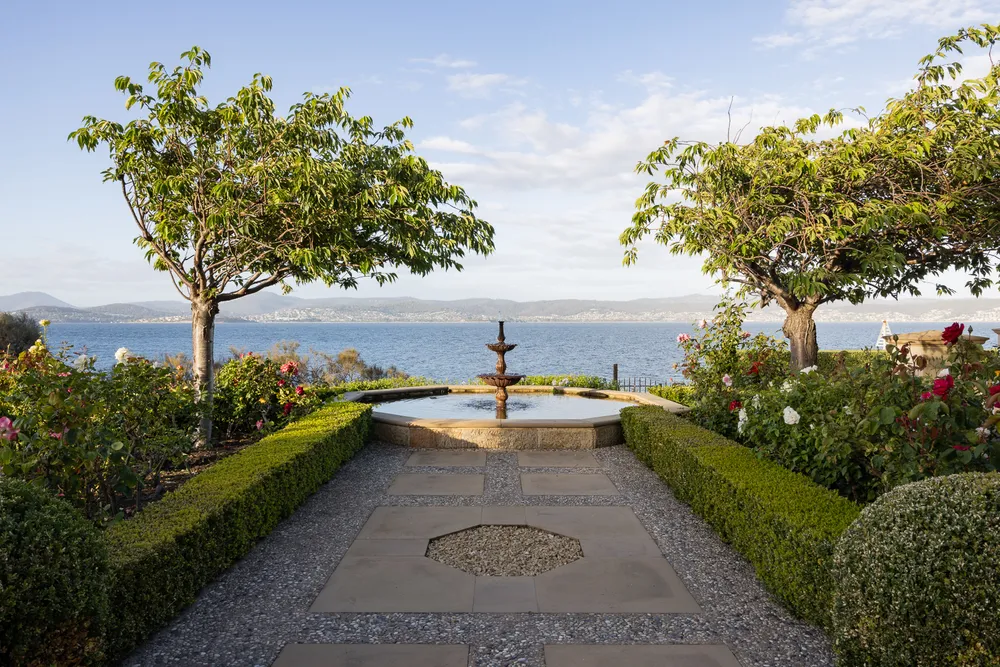
Outside, the expansive 1151sq m land parcel also features established gardens with veggie patches and standalone decks for quiet contemplation.
Sitting just across the road from the beach, the property is also within walking distance of local cafes and the surf club. Palm Beach Rock Pool is at one end of the beach, with the Palm Beach Golf Club and the water airport at the other end of the peninsula.
The Palladium and Palm Beach Studio at 16 Ocean Rd, Palm Beach are listed with BJ Edwards and David Edwards of LJ Hooker Palm Beach via a private treaty campaign with a price guide of $13.5 million.

Formula 1 may be the world’s most glamorous sport, but for Oscar Piastri, it’s also one of the most lucrative. At just 24, Australia’s highest-paid athlete is earning more than US$40 million a year.

MAISON de SABRÉ’s new Spring Harvest Collection turns everyday produce into collectible leather charms and introduces fresh silhouettes in its cult Bucket bag family.


