THE MULTI-MILLION DOLLAR MELBOURNE HOME WITH DRAMATIC STREET CRED
A grand East Melbourne terrace with theatrical roots, reimagined by the late Sue Carr into a layered, light-filled family home.
 3 min
3 min


Traditional Victorian-era terraces are famed for their theatrical façades adorned with intricate lacework and plenty of character. However, one historic home on Gipps St in East Melbourne has the ultimate dramatic street cred; it was designed by William Pitts, the architect behind Melbourne’s iconic Princess Theatre.
Pitts designed multiple Melbourne beauties, including St Kilda Town Hall, Queens Bridge, the Olderfleet building and the Rialto on Collins St, even the Wellington Opera House in New Zealand.
Crafted and built around 1870, prior to the completion of the Princess Theatre in 1886, this end-of-row terrace gained a new lease on life in 2019 when acclaimed architect Sue Carr AM was tasked with bringing it gracefully into the 21st Century via a four-year labour of love transformation.
Today, Kay & Burton agents Monique Depierre and Arabella Houghton are seeking between $10.5 and $11 million for 123 Gipps St via an expressions of interest campaign. The home was last exchanged for $4 million in 2012, before the extensive renovation.
In a pocket of East Melbourne where heritage overlays protect the character of the streetscape, the Victorian terrace was carefully reimagined to balance period elegance with contemporary comfort. Behind its striking white façade, Carr and her team created a series of layered spaces where period detail and modern function co-exist.
Carr has described her approach to the Gipps St property as “a journey of reduction.” By stripping back superfluous elements, to reveal the grandeur of Pitts’ original structure.
“The idea was to bring order and appropriateness of scale, respect for heritage, and outright contemporaneity to a Victorian terrace,” Carr has said when describing the home.
Central to that vision was light. The home is arranged across three zones: the restored terrace, a private courtyard garden, and a two-storey rear addition.
In the original front rooms, there are decorative cornices, ceiling roses and marble fireplaces. These classic old-world spaces with a modern makeover include a versatile music room, a library and a grand dining area.
Stepping through to the next generation of the floor plan, the heart of the home features a contemporary kitchen with a stone island bench and a hidden butler’s pantry fully-equipped with Gaggenau appliances.
The casual everyday family zone, complete with a cosy gas pebble fireplace, opens out to a bluestone-paved north-facing courtyard, where the current owners have created a calming retreat filled with bonsai trees and manicured landscaping.
Up on the first floor, all four bedrooms feature ample natural light and have built-in wardrobes. Beyond a statement pivot door, the main bedroom opens to a full-width private balcony overlooking leafy East Melbourne and has a walk-through wardrobe to an ensuite with a freestanding sculptural bath. One more bedroom has its own ensuite, while two more share a full family-friendly bathroom.
More than just a Melbourne terrace with an extension out the back, Carr’s transformation also includes a new zinc-clad rear addition that plays a dual role; it is a secure two-car garage with laneway access, that is also home to a self-contained studio above. Fitted out with its own kitchenette and bathroom, the independent space is an ideal guest suite, a home office or au pair retreat.
The modernised home boasts a long list of added extras, including honed limestone floors with underfloor hydronic heating and zoned climate control, as well as full security and custom lighting.
Close to green spaces, such as Fitzroy Gardens, Powlett Reserve and Darling Square, the East Melbourne house is within walking distance to the MCG, and city restaurants.
Listed with Monique Depierre and Arabella Houghton of Kay & Burton, 123 Gipps St, East Melbourne, is on the market with a price guide of $10.5 million to $11 million. The expressions of interest is closing on October 28 at 12 pm.
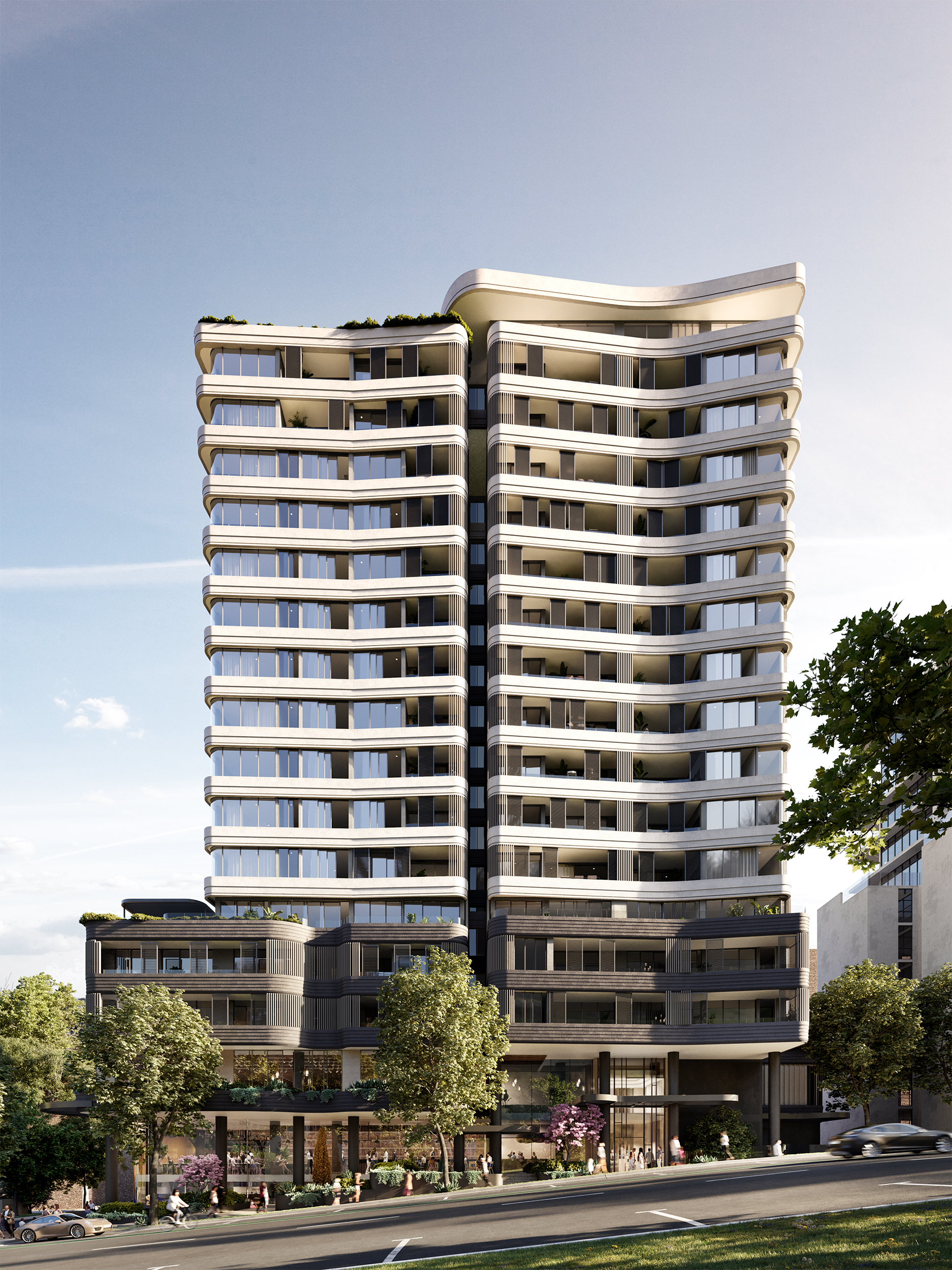
Located steps from Crows Nest Metro, the near-complete development brings luxury living to Sydney’s Lower North Shore.
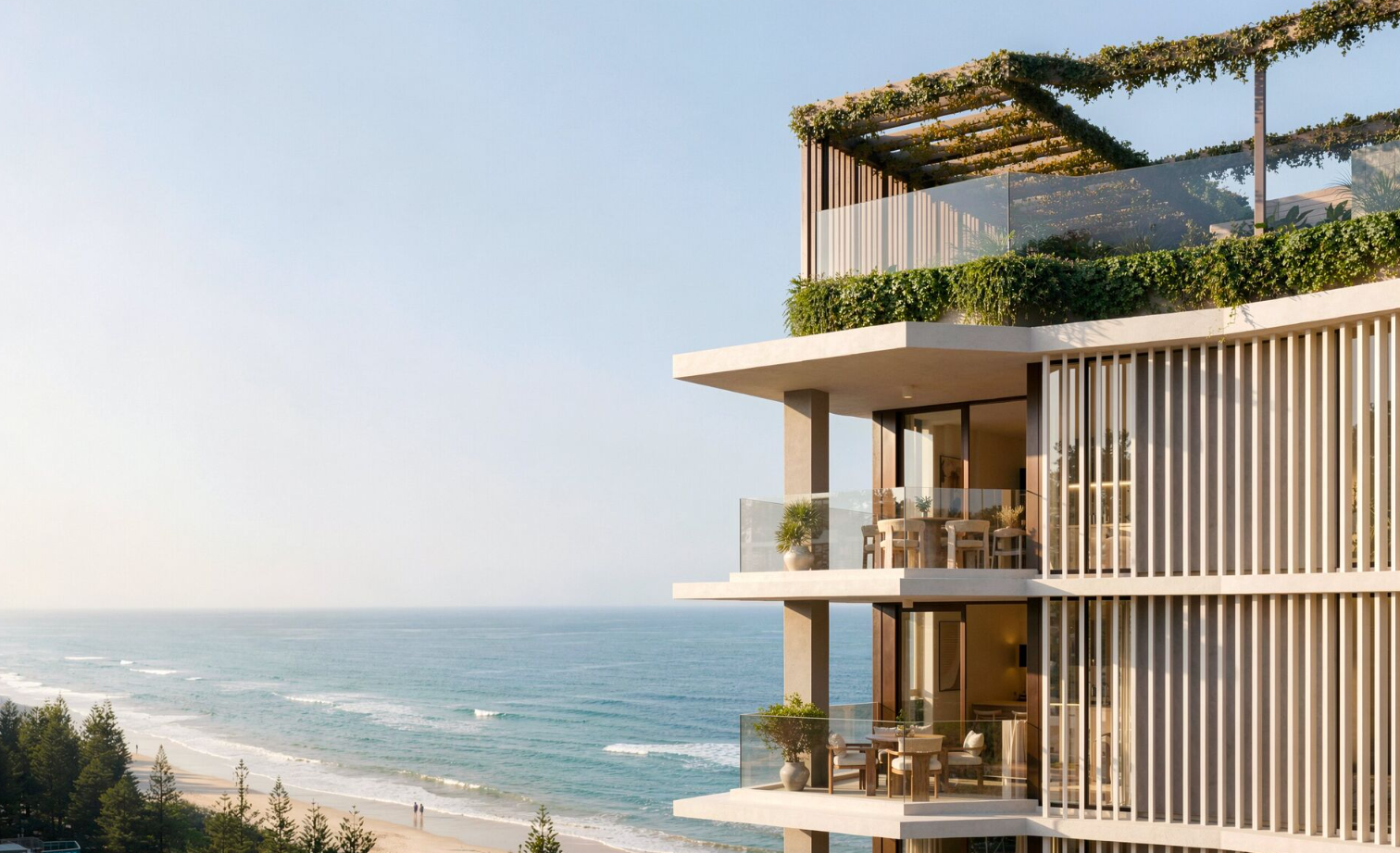
Studio apartments have almost disappeared from new Australian developments. Lura is bringing them back to Burleigh Heads from $495,000.
The RBA says most Australian borrowers remain resilient, but around 2 per cent of variable-rate owner-occupiers face a cash-flow shortfall.
3 min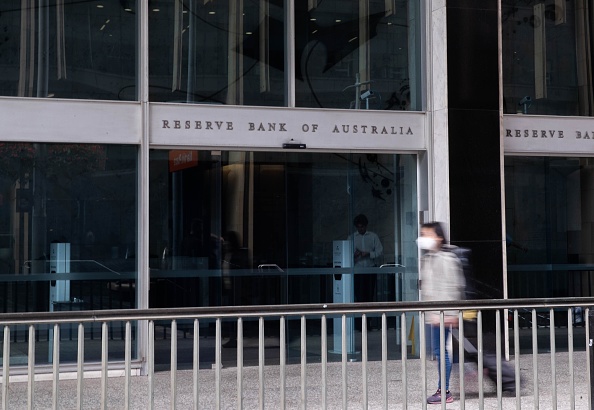
The Reserve Bank’s October stability review finds that most borrowers remain resilient, even as a small but important group experiences cash-flow shortfalls and investor activity remains a source of potential market amplification.

Hand-built in Melbourne and limited to just 10 cars a year, the Zeigler/Bailey Z/B 4.4 is reshaping what a modern collector car can be.
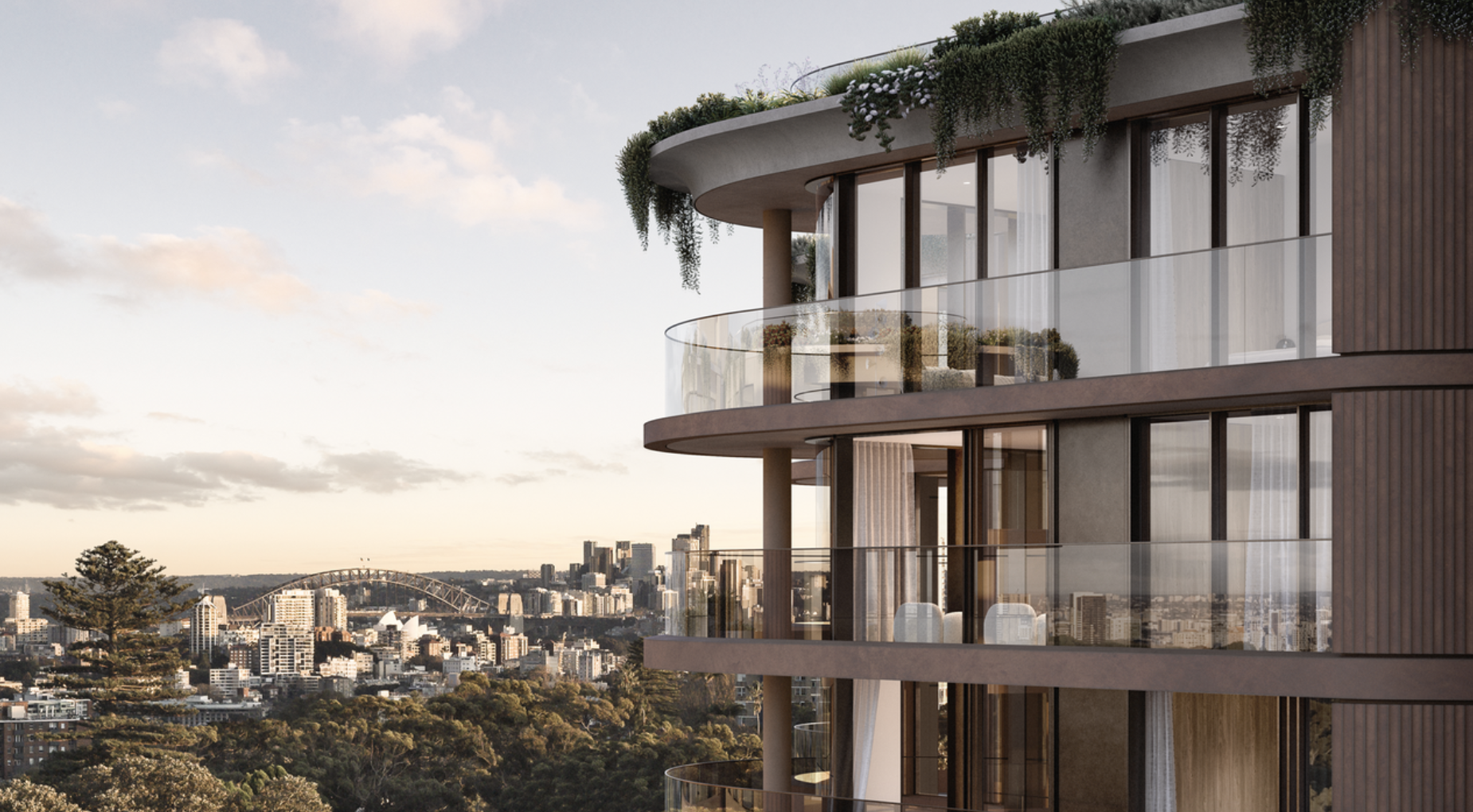
A record-breaking $11 million sale at The Centennial Collection has set a new benchmark for luxury apartment living in Bondi Junction.