Why Do Grand Hotels Fail? These 5 Examples Offer Some Answers—and Much Mystery
For every hotel spotlighting its historical bona fides, there are many that didn’t stand the test of time. Here, some of the most infamous.

 3 min
3 min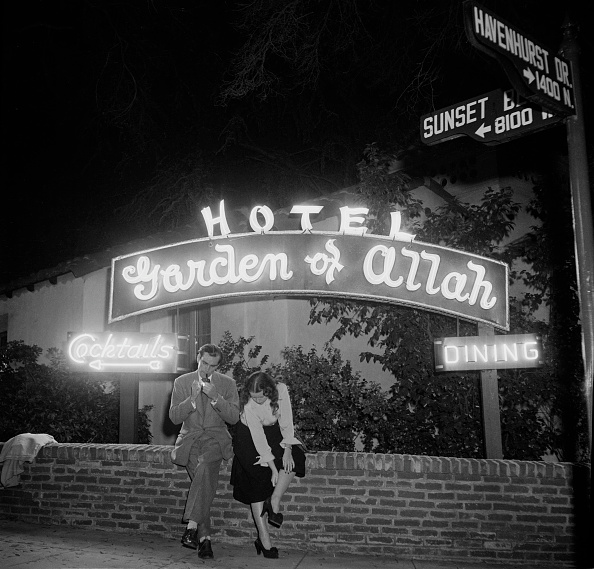
Many luxury hotels only build on their gilded reputations with each passing decade. But others are less fortunate. Here are five long-gone grandes dames that fell from grace—and one that persists, but in a significantly diminished form.
The Proto-Marmont |
The Garden of Allah, Los Angeles
A magnet for celebrities, the Garden of Allah was once the scene-making equivalent of today’s Chateau Marmont. Frank Sinatra and Ava Gardner’s affair allegedly started there and Humphrey Bogart lived in one of its bungalows for a time.
Crimean expat Alla Nazimova leased a grand home in Hollywood after World War I, but soon turned it into a hotel, where she prioritised glamorous clientele. Others risked being ejected by guards and a fearsome dog dubbed the Hound of the Baskervilles. Demolished in the 1950s, the site’s now a parking lot.
The Failed Follow-Up |
Hotel Astor, New York City
The Astor family hoped to repeat their success when they opened this sequel to their megahit Waldorf Astoria hotel in 1904. It became an anchor of the nascent Theater District, buzzy (and naughty) enough to inspire Cole Porter to write in “High Society”: “Have you heard that Mimsie Starr…got pinched in the Astor Bar?”
That bar soon gained another reputation. “Gentlemen who preferred the company of other gentlemen would meet in a certain section of the bar,” said travel expert Henry Harteveldt of consulting firm Atmosphere Research. By the 1960s, the hotel had lost its lustre and was demolished; the 54-storey One Astor Plaza skyscraper was built in its place.
The Island Playground |
Santa Carolina Hotel, Bazaruto Archipelago, Mozambique
In the 1950s, colonial officers around Africa treated Mozambique as an off-duty playground. They flocked, in particular, to the Santa Carolina, a five-star hotel on a gorgeous archipelago off the country’s southern coast.
Run by a Portuguese businessman and his wife, the resort included an airstrip that ferried visitors in and out. Ask locals why the place was eventually reduced to rubble, and some whisper that the couple were cursed—and that’s why no one wanted to take over when the business collapsed in the ’70s. Today, seeing the abandoned, crumbled ruins and murals bleached by the sun, it’s hard to dismiss their superstitions entirely.
The Tourism Gimmick |
Bali Hai Raiatea, French Polynesia
The overwater bungalow, a shorthand for barefoot luxury around the world, began in French Polynesia—but not with the locals. Instead, it was a marketing gimmick cooked up by a trio of rascally Americans. They moved to French Polynesia in the late 1950s, and soon tried to capitalise on the newly built international airport and a looming tourism boom.
That proved difficult because their five-room hotel on the island of Raiatea lacked a beach. They devised a fix: building rooms on pontoons above the water. They were an instant phenomenon, spreading around the islands and the world—per fan site OverwaterBungalows.net , there are now more than 9,000 worldwide, from the Maldives to Mexico. That first property, though, is no more.
The New England Holdout |
Poland Springs Resort, Poland, Maine
The Ricker family started out as innkeepers, running a stagecoach stop in Maine in the 1790s. When Hiram Ricker took over the operation, the family expanded into the business by which it would make its fortune: water. Thanks to savvy marketing, by the 1870s, doctors were prescribing Poland Spring mineral water and die-hards were making pilgrimages to the source.
The Rickers opened the Poland Spring House in 1876, and eventually expanded it to include one of the earliest resort-based golf courses in the country, a barber shop, dance studio and music hall. By the turn of the century, it was among the most glamorous resort complexes in New England.
Mismanagement eventually forced its sale in 1962, and both the water operation and hospitality holdings went through several owners and operators. While the water venture retains its prominence, the hotel has weathered less well, becoming a pleasant—but far from luxurious—mid-market resort. Former NYU hospitality professor Bjorn Hanson says attempts at upgrading over the decades have been futile. “I was a consultant to a developer in the 1970s to return the resort to its ‘former glory,’ but it never happened.”
 Copyright 2020, Dow Jones & Company, Inc. All Rights Reserved Worldwide. LEARN MORE




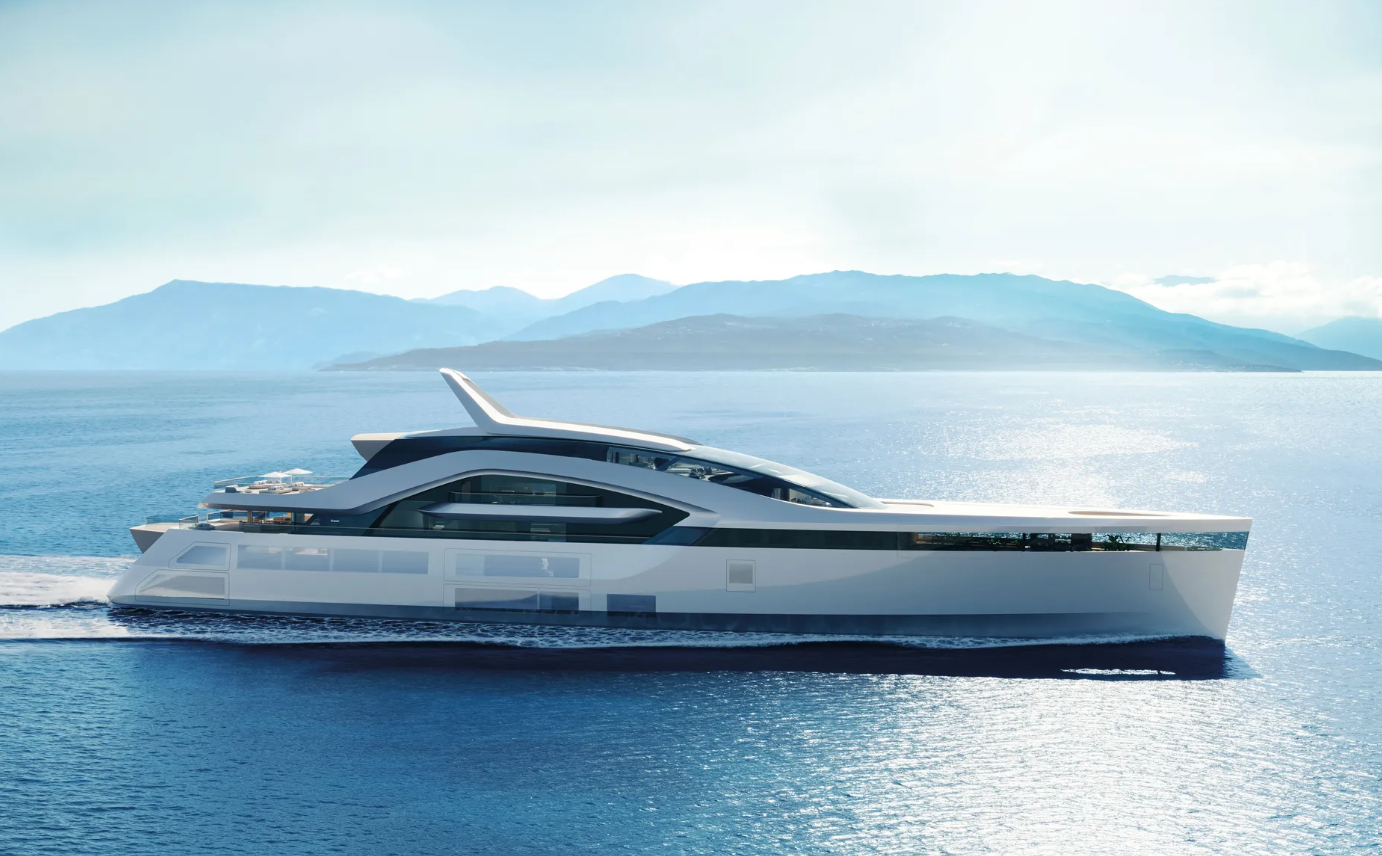
On the owner’s deck, a 20-metre swimming pool incorporates Feadship’s patented ContraWave technology and extends indoors as a suspended, glass-bottomed infinity pool.

Automobili Lamborghini is turning its attention to something considerably more difficult to define: what makes Italian excellence uniquely Italian?

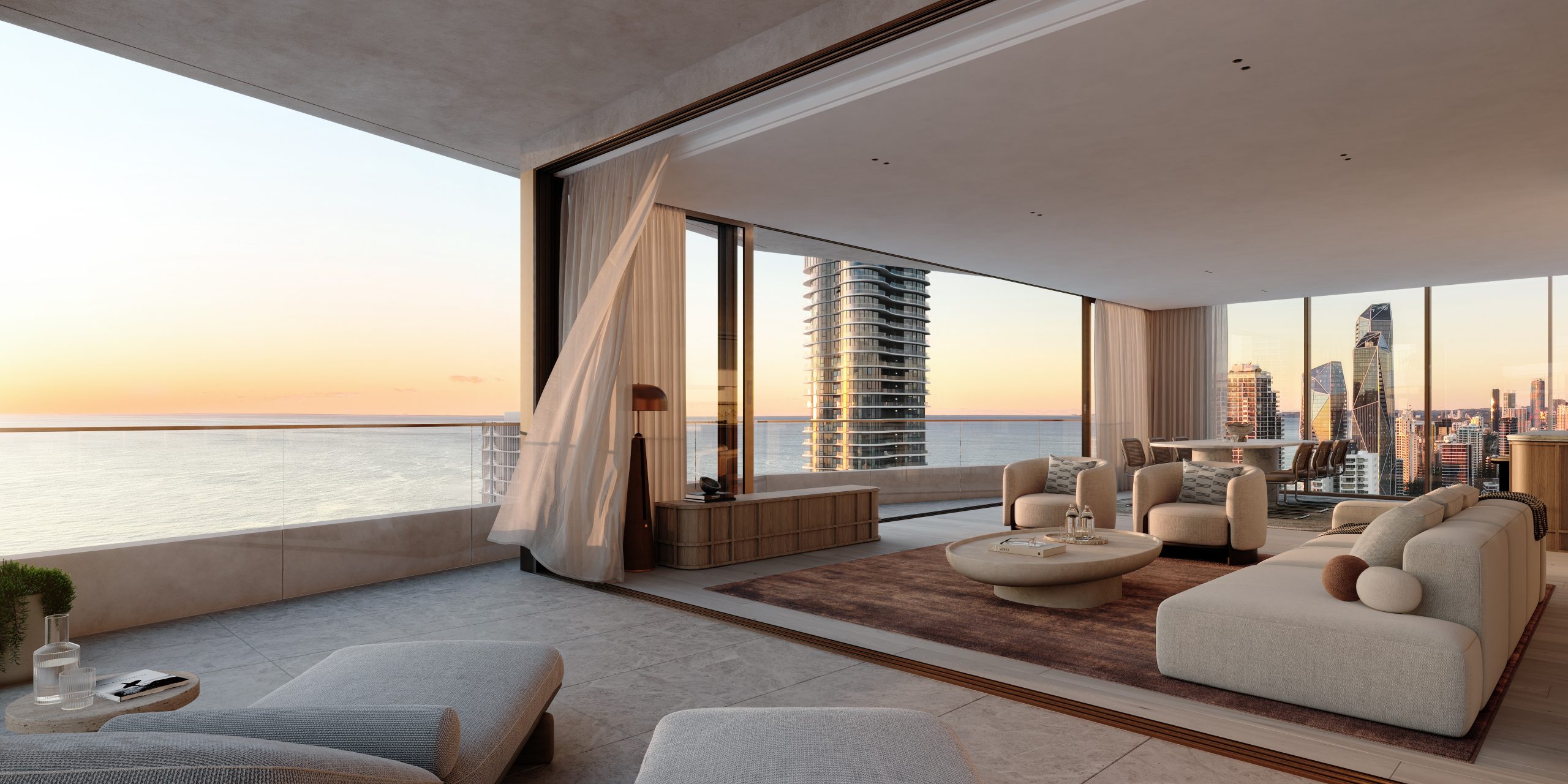
Mirvac’s 45-level Trielle has topped out at Yarra’s Edge, pairing riverfront apartments with wellness facilities, private dining and resident services.
3 min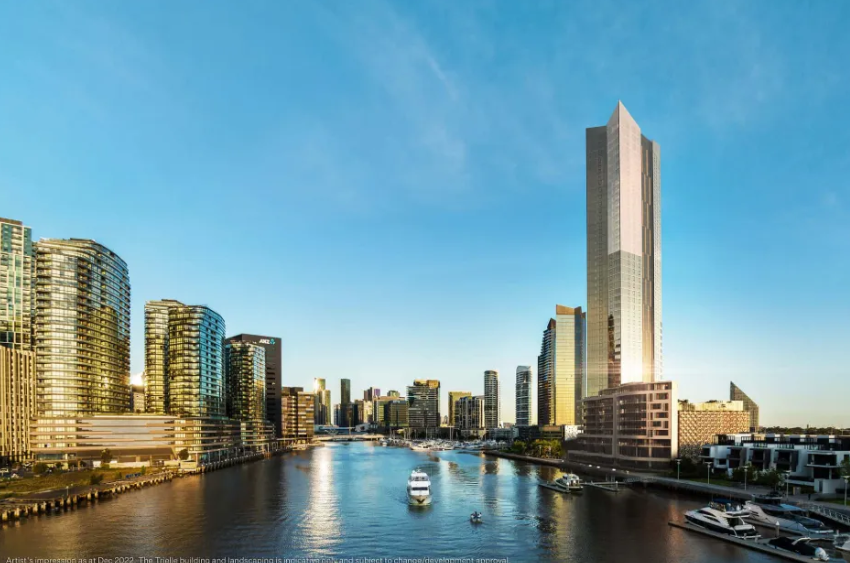
Mirvac has topped out Trielle at Melbourne’s Yarra’s Edge, with more than 70 per cent of the riverfront development sold and approximately 80 per cent of purchasers intending to make their apartment a home.
The figures, released on September 22, point to an owner-occupier audience for one of the precinct’s final residential towers. Mirvac began developing Yarra’s Edge in 2003, and its latest addition occupies one of the remaining absolute riverfront sites.
Mirvac CEO of Development Stuart Penklis said existing residents were among those moving up within the neighbourhood.
“Many purchasers already have a connection to Yarra’s Edge,” Mr Penklis said, describing buyers whose changing needs were encouraging an upgrade within the precinct.
“As one of the final residential towers within Yarra’s Edge, Trielle represents the culmination of more than two decades of creating one of Melbourne’s most established and sought-after waterfront communities,” Penklis said.
“Positioned on the Collins Street axis with absolute river frontage, Trielle offers residents a rare opportunity to enjoy sweeping views across the Yarra River, Melbourne skyline and Port Phillip Bay, while remaining seamlessly connected to the CBD. With Trielle now more than 70 per cent sold, we’re continuing to see strong demand from buyers seeking quality homes in established locations.”
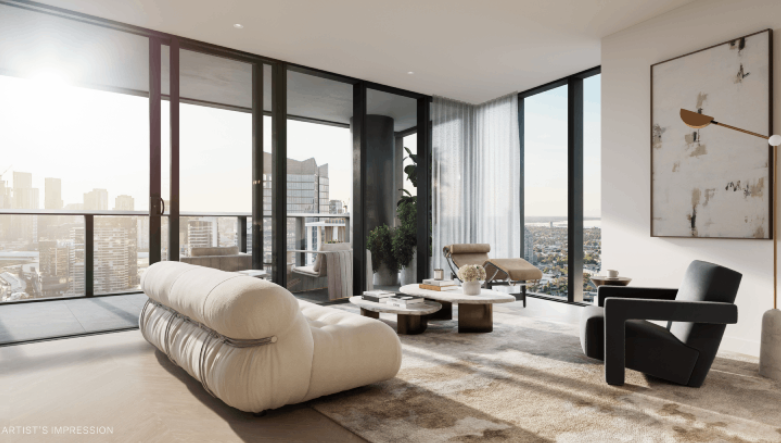
The developer also flagged a penthouse and sub-penthouse collection with larger layouts, premium finishes and broad outlooks. The planned wellness centrepiece, The Oasis, encompasses a 900-square-metre elevated urban rainforest.
Mirvac General Manager Residential Development Victoria Elysa Anderson said Trielle had resonated strongly with buyers seeking a rare lifestyle offering in Melbourne.
“Opportunities to secure a new luxury residence on a riverfront site of this calibre are incredibly rare, particularly within a community like Yarra’s Edge,” Anderson said.
“What makes Trielle unique is the combination of exceptional views, world-class residential facilities and the lifestyle that already exists around it. Residents are buying into a mature waterfront community with parks, promenades, dining, wellness and strong community connections already in place.”
The 45-level tower brings a substantial new presence to that waterfront. Its residential offering spans one-, two-, three- and four-bedroom apartments, with Signature, Prestige and Sub-Penthouse collections accommodating different household sizes. The north-facing position connects the apartments visually to the river and city beyond.
Seven storeys above the promenade, the planned Oasis combines planting and a running stream with a Scandinavian-inspired wellness club developed with spa specialist Naomi Gregory. Facilities include a 25-metre lap pool, hot magnesium pool, sauna, hydrotherapy, a gym, yoga and Pilates room, and treatment spaces.
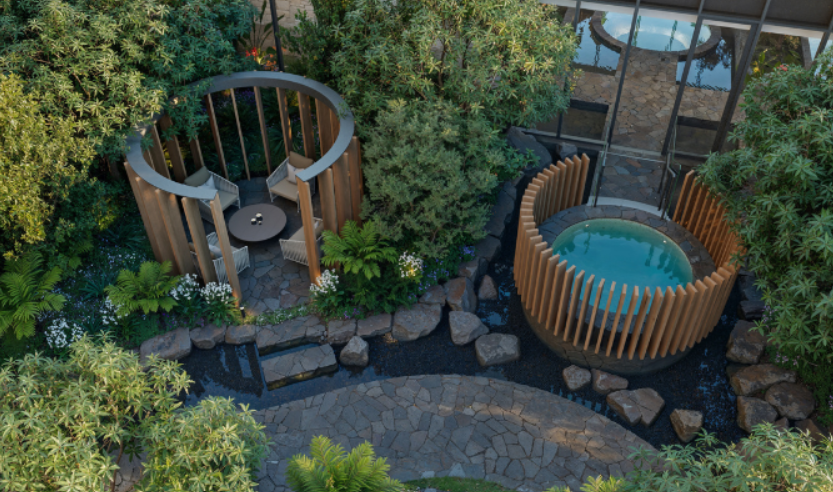
The amenity extends beyond exercise. Residents will have access to The Biblioteca library and workspaces, ground-floor work pods, and The Salone piano lounge. A private Chef’s Table dining room offers a setting for larger gatherings, while a cinema, games room and sports lounge broaden the entertaining options. Concierge services and a dog-wash area support everyday routines.
Trielle comprises a collection of one, two, three and four-bedroom residences. Reflecting strong demand from owner occupiers, approximately 80 per cent of purchasers to date intend to live in their homes, highlighting the project’s appeal to those seeking a long-term waterfront lifestyle.
Mirvac has recently delivered The Albertine, a premium apartment development on the edge of Melbourne’s CBD, and is nearing completion of Prince & Parade in Brunswick, further strengthening its portfolio of thoughtfully designed apartment communities in some of Melbourne’s most sought-after urban locations.
BNW Developments has established a Sydney presence, joining Arada and Sobha Realty among the growing number of UAE developers pursuing Australian buyers and development opportunities.

As interest rates, inflation and market sentiment fluctuate, investors are being urged to focus on data, not panic.