DWINDLING SUPPLY WILL DRIVE PREMIUM CBD RENTS
Sydney faces a shortage of new premium office developments, with Knight Frank research forecasting rental growth of 5% per year as demand outstrips supply.
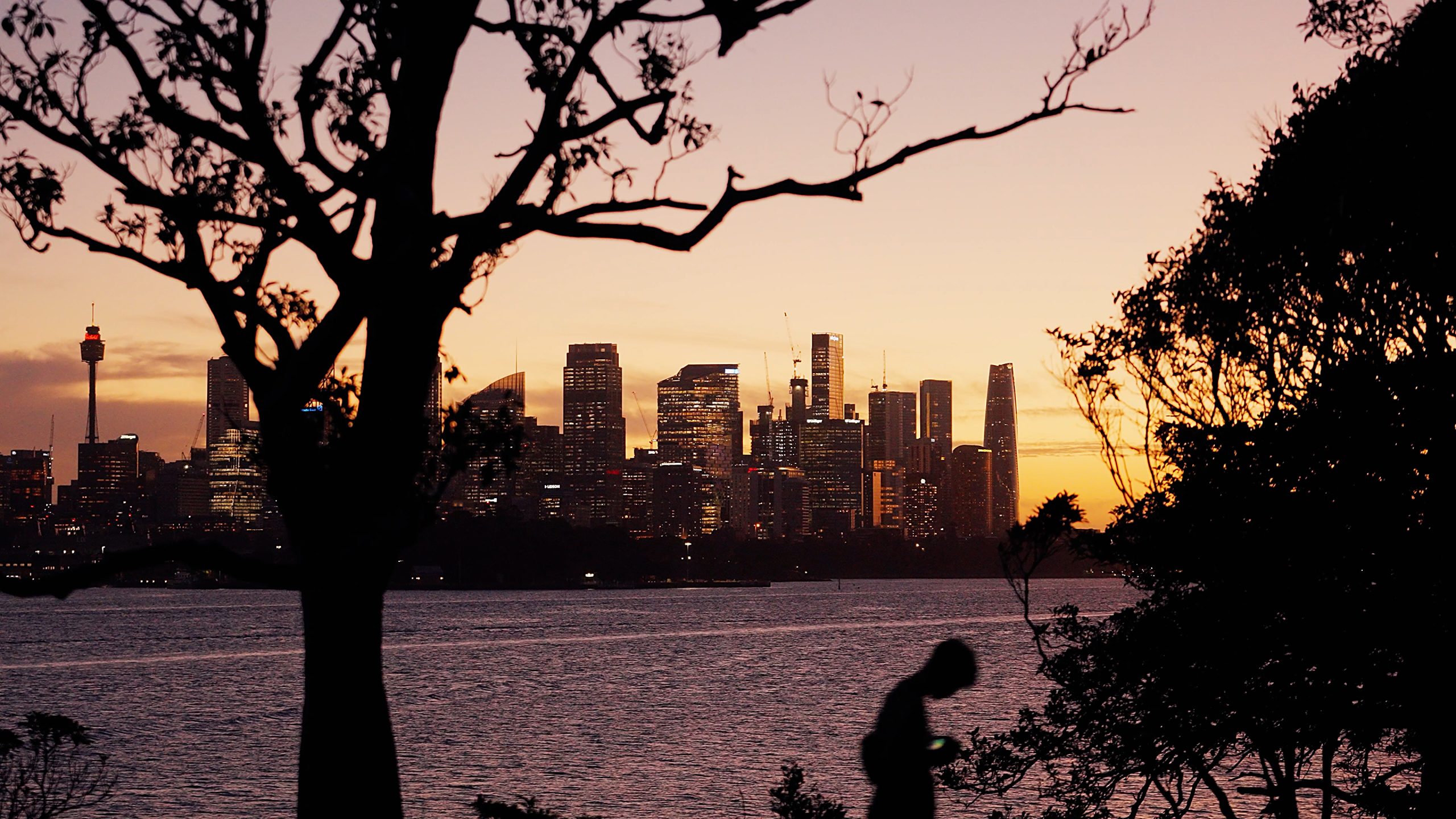
Sydney’s CBD is heading into a period of historically low new office supply, with just three major premium developments over 25,000 square metres due by 2029, according to new Knight Frank research.
Of the 163,000 square metres set to be delivered, 65 per cent is already pre-committed, leaving only one per cent of total CBD stock available for lease until 2027. No new projects are currently slated for 2028-29.
Knight Frank Associate Director, Research & Consulting, Marco Mascitelli, said premium-grade space continued to outperform the wider market.
“Since 2018 there has been an average pre-practical completion commitment rate of 87% across all new developments, which have totalled 481,000 across 13 schemes,” Mascitelli said.
“Over the past 18 months, 170,000 square metres of newly developed premium grade office space has been delivered…all have been successfully leased, achieving an average commitment rate of 90%.”
National Head of Leasing Andrea Roberts said the market was tightening rapidly.
“Tenants continue to prioritise centrally located assets with market-leading amenity, and in time this will expose a supply shortfall at the top end of market which will drive rapid rental growth,” she said.
“As a result of the looming supply shortfall, occupiers seeking premium space within the 2026 to 2028 window need to act swiftly to secure their preferred option.”
Knight Frank forecasts average rental growth of around five per cent a year for Sydney’s premium assets, with incentive levels expected to fall below those offered across the wider market.
Rising rates, construction inflation and shrinking investor confidence are pushing Australia deeper into a dangerous housing spiral that monetary policy alone cannot fix.
Automobili Lamborghini and Babolat have expanded their collaboration with five new colourways for the ultra-exclusive BL.001 racket, limited to just 50 pieces worldwide.
Office rents in Sydney, Melbourne and Brisbane are climbing at their fastest pace since the pandemic as tenants compete for premium CBD space amid tightening supply.
Australia’s major CBD office markets are recording some of their strongest rental growth since the pandemic, with businesses increasingly prioritising premium office space despite elevated geopolitical and economic uncertainty.
Knight Frank’s Australian Office Indicators Q1 2026 report found net effective rents in Sydney and Melbourne CBDs rose at their fastest annual pace since COVID-19, increasing 10.2 per cent and 6.8 per cent respectively over the 12 months to March.
Brisbane posted the strongest growth nationally, with net effective rents climbing 11.7 per cent over the same period.
The report points to a widening divide between prime CBD office towers and secondary office stock, as occupiers increasingly focus on quality, location and workplace amenity when making leasing decisions.
Knight Frank Senior Economist, Research & Consulting Alistair Read said demand remained heavily concentrated in premium assets within core CBD precincts, helping drive stronger rental growth in top-tier buildings.
“Occupier demand continues to be heavily concentrated in the most desirable CBD precincts and the highest-quality buildings, accelerating a sharp divergence between core and non-core markets,” Mr Read said.
According to the report, Sydney’s Core precinct and Melbourne’s Eastern Core significantly outperformed broader CBD markets over the past year.
“In Sydney’s Core precinct and Melbourne’s Eastern Core, net effective rents surged 14.3% and 16.1% over the past year, significantly outperforming the rest-of-CBD precincts,” Mr Read said.
The rental gap between prime and non-prime office locations has also continued to widen sharply.
“As a result, core CBD rents are now 54% higher than non-core locations in Sydney and 93% higher in Melbourne, highlighting the growing premium placed on amenity, accessibility and workplace quality,” he said.
Knight Frank said the strong rental growth across the major CBDs was being underpinned by a limited supply pipeline, with few new office developments expected to be delivered in the near term.
Mr Read said subdued construction activity was likely to support ongoing rental growth and tighter vacancy rates over the medium term, particularly for premium office towers.
“The combination of sustained demand and declining levels of new development will aid ongoing prime rental growth and lower vacancy rates over the medium term, particularly for best-in-class assets,” he said.
The report noted that current economic conditions were making new office developments increasingly difficult to justify financially.
“Economic rents remain well above expected market rents, making the construction of new office towers largely unviable, and concentrating tenant demand into existing buildings,” Mr Read said.
While suburban office markets generally remained subdued compared with CBDs, Melbourne’s Southbank precinct was identified as a relative outperformer, recording annual net effective rental growth of 2.7 per cent.
The report comes as broader Asia-Pacific office markets continue to stabilise following several years of disruption linked to hybrid work trends, inflation and rising interest rates.
Knight Frank’s separate Asia-Pacific Q1 2026 Office Highlights report found Sydney and Brisbane were among the strongest-performing office rental markets in the region, behind only Bengaluru and Tokyo for annual prime net face rental growth.
The Asia-Pacific report also found 18 of the 24 cities monitored across the region recorded stable or increasing rents in the first quarter of 2026, even as geopolitical uncertainty intensified following escalating conflict in the Middle East.
On October 2, acclaimed chef Dan Arnold will host an exclusive evening, unveiling a Michelin-inspired menu in a rare masterclass of food, storytelling and flavour.
A resurgence in high-end travel to Egypt is being driven by museum openings, private river journeys and renewed long-term investment along the Nile.