Luxury Co-Ownership: How Affluent Aussies Are Sharing High-End Holiday Homes
An intriguing new holiday home concept is emerging for high net worth Australians.
 3 min
3 min
Affluent Aussies with a savvy financial mindset have been sharing the expense of their luxury lifestyles for years through yacht and private jet syndicates, and now the idea has stretched to high-end holiday homes.
A concept known as Second Home has reached the millionaire playground of Queenstown, New Zealand and the idea is tipped to soon take flight across the ditch.
Longtime co-ownership pioneers John and Sharon Russell started selling shares in luxury boats in Sanctuary Cove on the Gold Coast in 1999 and have now entered the holiday home space with Second Home.
Investors can purchase shares in a fully-managed vacation property, but unlike a timeshare, each owner’s name is on the title. As a result, the shares remain a sellable and appreciating asset.
“This is very similar to buying into a boat syndicate where you own a share and can use it as if it’s yours, without the full cost and responsibility of owning the boat outright,” Mr Russell said.
“With Second Home, you are purchasing the bricks and mortar of a New Zealand holiday home valued at over A$2.5 million – with your name on the title, and access to it and all the wonderful activities in and around Queenstown for six weeks each and every year.”
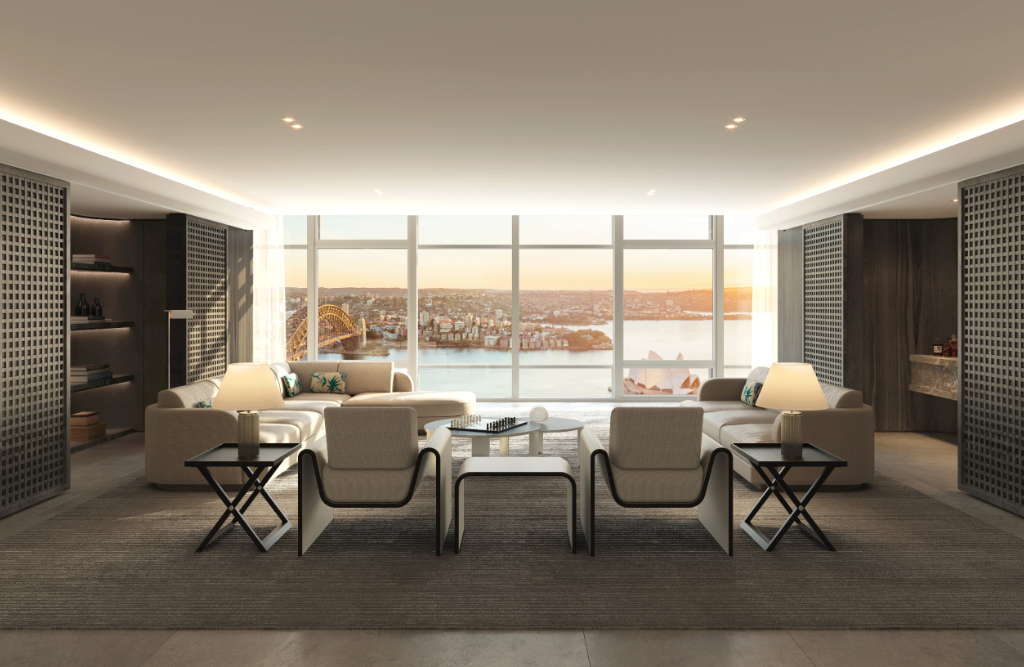
Currently under construction in the Kiwi ski town, there is a three bedroom apartment in the Jacks Point development on the shores of Lake Wakatipu, pictured. Eight shares of the architecturally designed, fully furnished apartment are available, from A$325,000 and include six weeks usage of throughout each year.
Mr Russell said the concept is a far cry from the better known short term rental schemes.
“This is not a hotel or Airbnb with tourists coming and going – the only people who stay in the home are the owners and their guests, who we encourage to get to know each other,” he explained.
“Second Home is ideal for people who aspire to own a holiday home and return with family and friends to enjoy the same region each year, but don’t want to invest so much capital in owning an apartment outright, only for it to be locked up for months on end.”
Additionally, he said the ongoing costs of owning a holiday home are also shared among owners.
“In the case of Jacks Point, each investor’s share of expenses is about $7000 annually, which covers body corporate and management fees, insurances and maintenance,” he added.
“Overall, that’s still significantly cheaper than booking accommodation each time they’d like to holiday in New Zealand.”
Property prices in Queenstown have increased by approximately 7 per cent a year over the past decade, with property experts tipping the median will continue to rise.
While Queenstown property prices have come off their post-pandemic high, the longterm snapshot of the popular holiday destination show that it has experienced incredible growth.
Data from realestate.co.nz showed from the beginning of 2015 to the end of 2024, average asking prices in Central Otago-Queenstown Lakes rose 106.6 per cent.
After hitting a peak in November 2022, house prices fell 5.27 per cent before bottoming out in December 2022. The average price of a Queenstown property in December 2024, according to CoreLogic NZ, was A$1.65m with values up 2.17 per cent over the three months prior.
“There can be some very lucrative capital gains to be made by buying into a shared holiday home,” Mr Russell said.
Second Home’s other NZ location is a six-bedroom, French-style chateau in the Carrick Winery in Central Otago. It comes with a Land Rover Defender 130 and six e-bikes. There are 13 shares available, valued at A$445,000 each, with annual expenses of around A$8,600.
The Russells also have one $40,000 share remaining of thirteen in a four-bedroom villa near Florence, Italy, where shareholders can enjoy an authentic Italian rural lifestyle for one month every year.

Australian shares fell on Thursday as Wall Street weakness, rising oil and persistent rate concerns weighed on most of the market. The S&P/ASX 200 declined 0.72 per cent to 8,702. The All Ordinaries lost 0.66 per cent to finish at 8,897. Mining stocks were hit particularly hard, while real estate also dragged on the index. …
Continue reading “ASX falls 0.7 per cent as miners and property stocks retreat”

Borrowers cannot control the Reserve Bank, but they can control how exposed their household budget is to its next decision. The RBA meets on 29 September with inflation concerns still elevated and major-bank economists increasingly bringing forward their rate-rise calls. Fixed mortgage rates have also been moving, reducing the value of waiting for perfect certainty. …
Continue reading “What mortgage holders should do before the next RBA decision”

A five-bedroom Palo Alto home designed by Steven Ehrlich is listed for $44 million, making it the city’s most expensive listing. Built around a dramatic concrete spine, the home features four courtyards and a pool.
3 min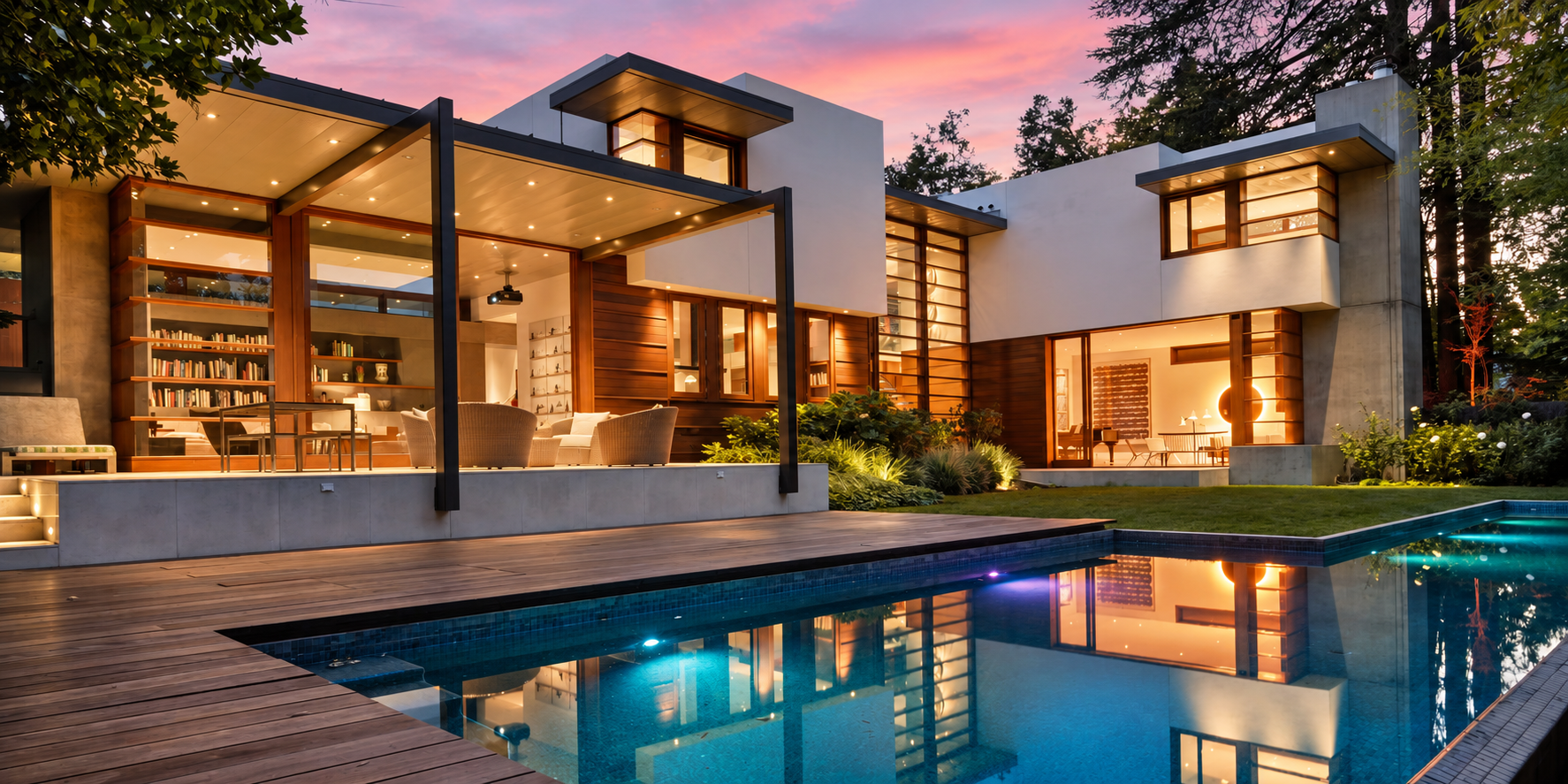
For years, tech entrepreneur Asher Waldfogel and his wife, Helyn MacLean, dreamed of building a modern house in Palo Alto, Calif.
The couple, however, worried about clashing with the Mediterranean-style architecture typically associated with their neighborhood of Old Palo Alto.
So they tapped architect Steven Ehrlich to create a design that paid homage to its surroundings with stucco, mahogany and titanium zinc cladding. They spent $20 million over several years building the house, completed in 2005.
Now looking to be closer to their adult daughter on the East Coast, they are putting the five-bedroom home on the market for $44 million—the most expensive listing in Palo Alto.
Waldfogel is an angel investor who co-founded Redback Networks, a telecommunications-equipment company. MacLean previously had a career in fundraising.
The couple purchased the roughly 0.4-acre site for $7.1 million in 2000 and demolished a circa-1930s Spanish Colonial home. The house they built pinwheels around a central staircase. It has 7,900 square feet of livable space, with four distinct courtyards and a pool.
A key feature of the home is a cast-in-place concrete wall, or spine, that is two stories high and about 80 feet long. “There’s a little bit of controlled chaos in what comes out of the form,” unlike a perfectly uniform surface, Waldfogel said. “If you want that, you do it in plastic.”
Waldfogel said he and his wife are thinking about the next phase of life now that their daughter is grown, although they have not decided where they will move. They also have a home in Sun Valley, Idaho.
“Right now we’re just trying to emotionally let go and decide what to do next,” he said.
Palo Alto, an epicenter of venture capital and tech startups in Silicon Valley, is home to some of the country’s biggest tech titans. Sales volume and prices are rising, with a median sale price of $3.5 million for the three months ending in August, up 5.8% year-over-year, according to real-estate brokerage Redfin.
Arthur Sharif of Sotheby’s International Realty—San Francisco Brokerage has the listing.

Limited to 630 units, Lamborghini’s latest Urus Capsule pushes personalisation further than ever, blending hybrid performance with over 70 bespoke design combinations.
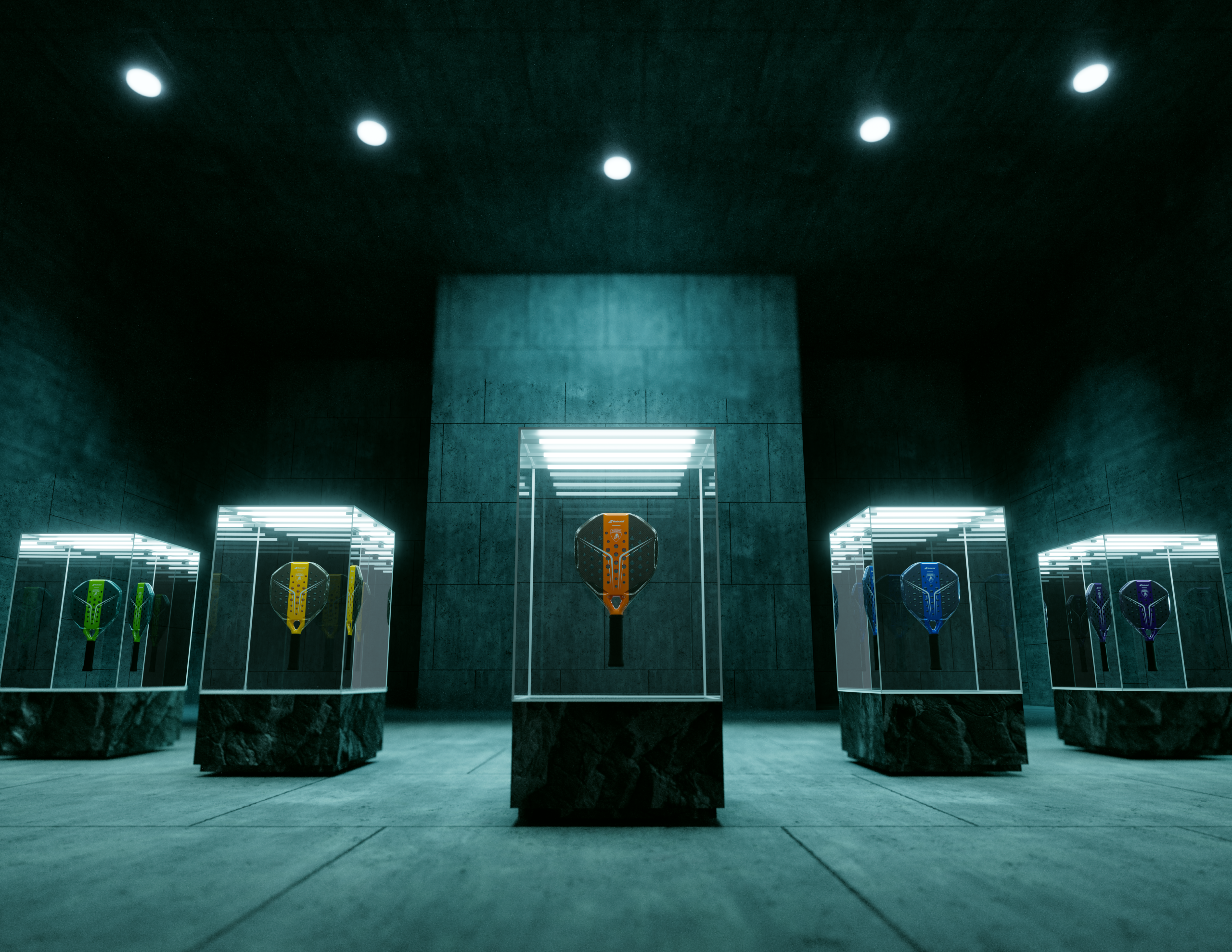
Automobili Lamborghini and Babolat have expanded their collaboration with five new colourways for the ultra-exclusive BL.001 racket, limited to just 50 pieces worldwide.